Australian Cockroaches in Cape Coral Lanais and Mulch Beds
You sweep the lanai, trim the plants, and still a big roach darts across the screen at night. That usually points to an outdoor pressure issue, not a housekeeping issue. In Cape Coral, Australian cockroaches around lanais often start in damp landscaping, then move toward lights, water, and easy gaps.
The fix usually starts outside. Once you know where they hide and how they reach the lanai, prevention gets much more practical.
Why lanais and mulch beds attract Australian cockroaches
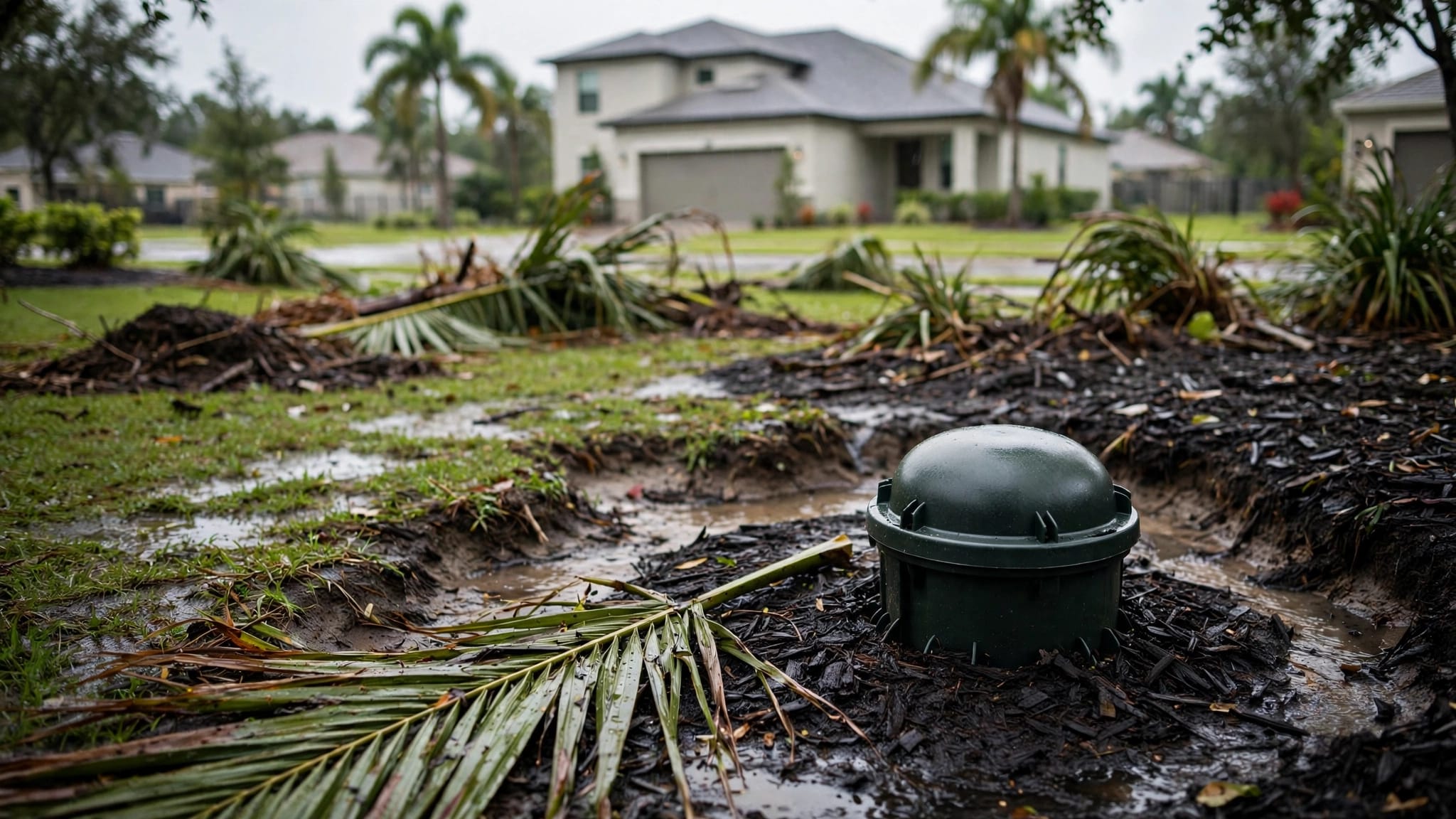
Australian cockroaches are strongly tied to exterior harborage. In other words, they like protected, damp places near the home. Pine straw, mulch beds, leaf litter, potted plants, and thick ground cover can work like a shaded motel for them.
Cape Coral gives them what they want for much of the year, warmth, humidity, irrigation, and plenty of plant material. A screened lanai also feels safe. It blocks wind, holds some moisture, and often sits beside landscape beds that stay damp after watering.
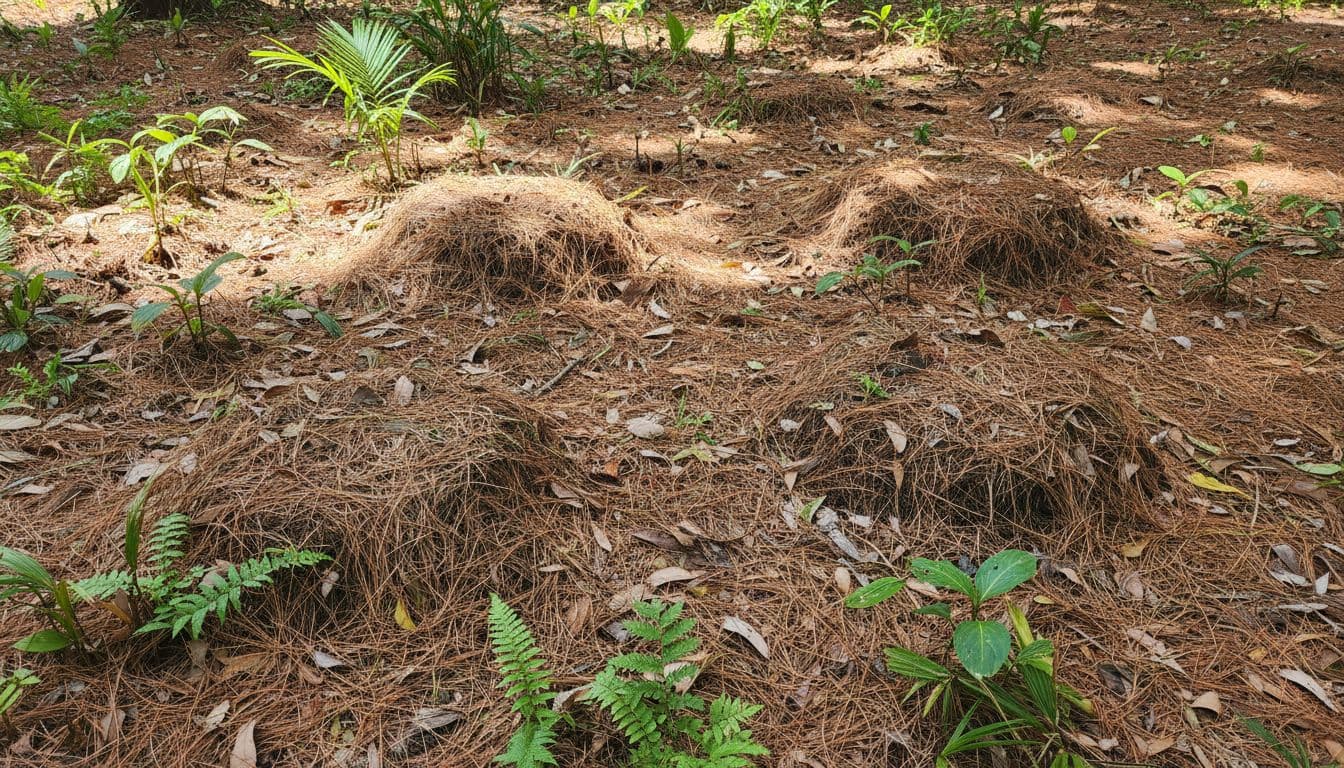
Potted plants add to the problem. Saucers hold water, fallen leaves collect under pots, and dense foliage creates cover. If the lanai sits beside palms or overgrown shrubs, the roaches don't have far to travel.
Outdoor lighting can pull them closer at night, too. Then worn screen seams, loose door sweeps, or small gaps near thresholds give them a path inside the lanai, and sometimes into the home.
If the mulch bed is active, spraying only inside the lanai won't fix the source.
If roaches keep showing up in more than one area, it helps to review broader cockroach control strategies for Cape Coral homes, especially when outdoor activity starts pushing indoors.
What to inspect around your screened lanai
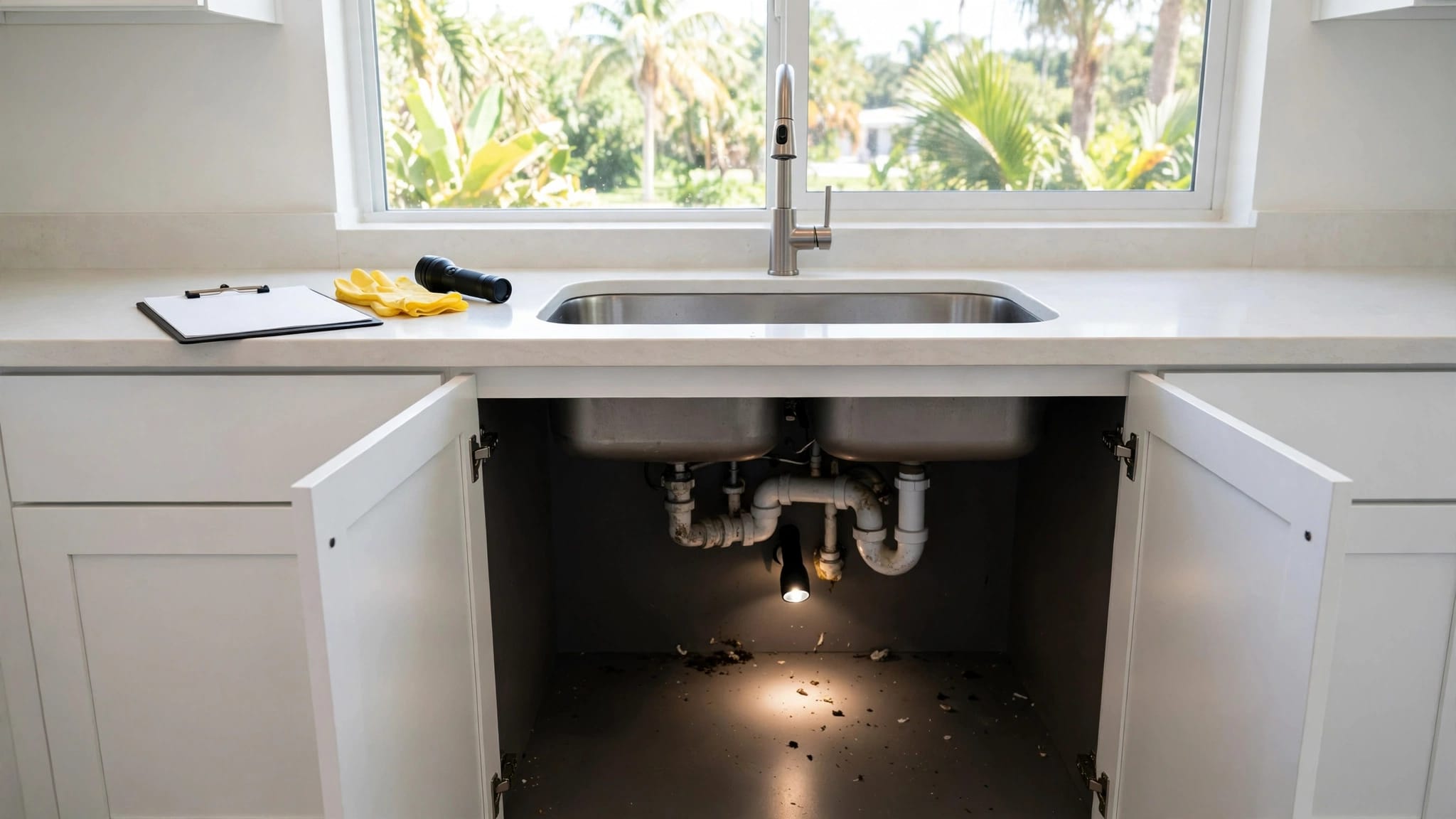
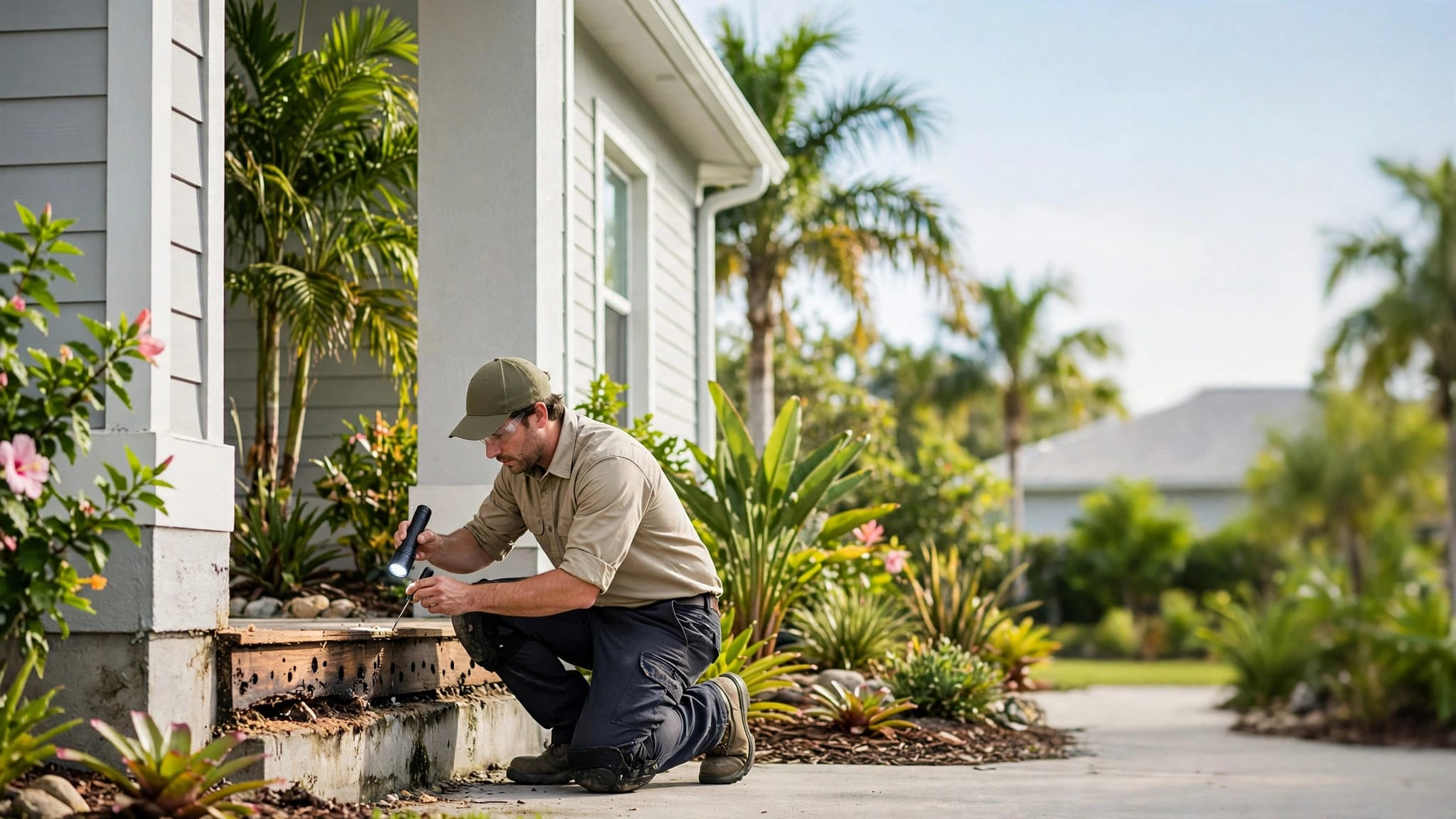
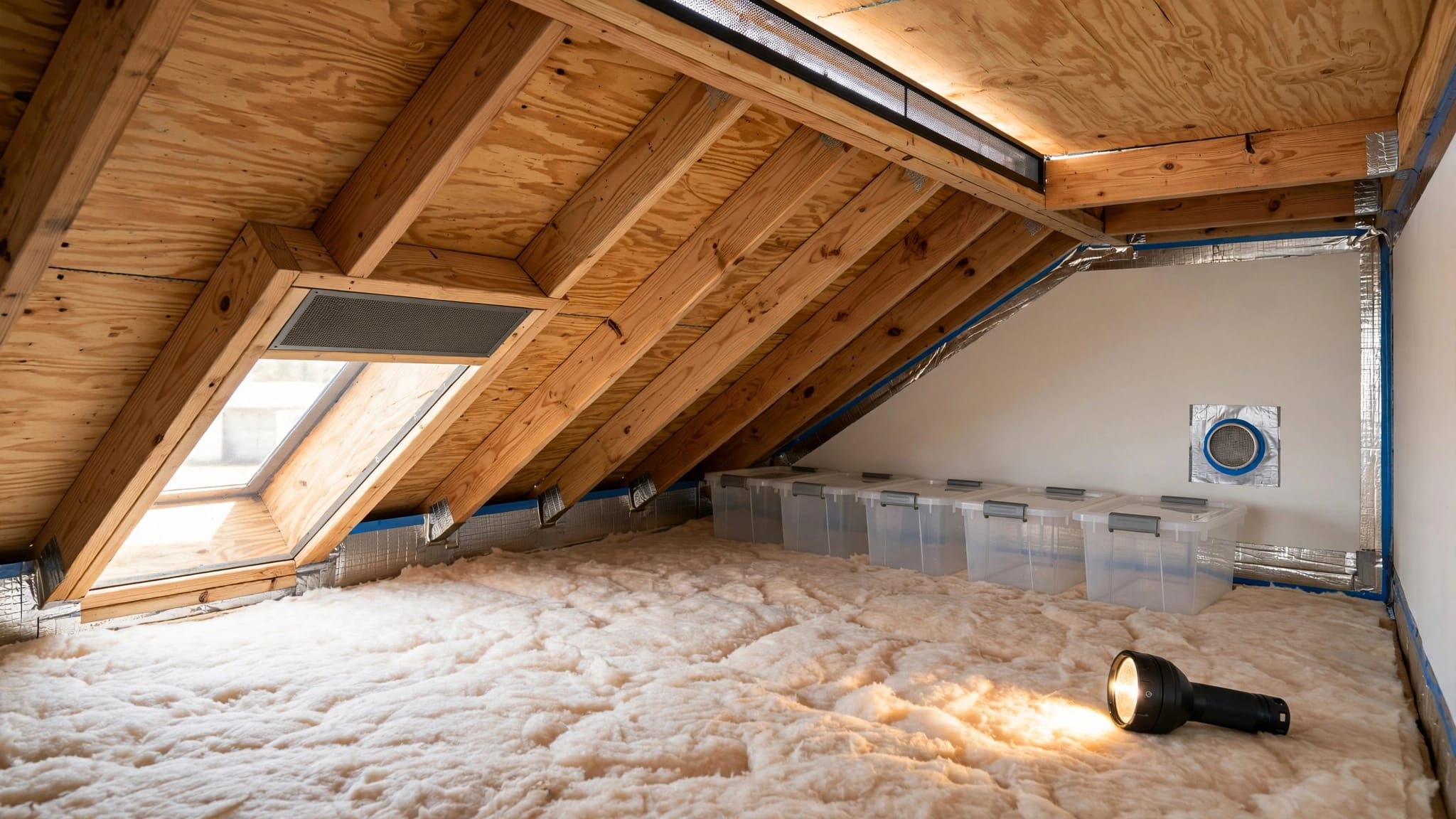
A screened lanai is helpful, but it's not airtight. Think of it like a rain jacket, good protection, but only if the seams stay closed. Start your inspection in the evening with a flashlight, because that's when movement is easier to spot.
Focus on the spots that connect landscaping to the structure. Door bottoms, screen frames, soffit lines, and utility openings matter most. Also check where irrigation keeps the slab edge or bed line wet.
Here are the main areas worth a close look:
| Area | What to check |
|---|---|
| Door sweeps and thresholds | Light showing under doors, worn rubber, loose tracks |
| Screen panels and frames | Small tears, gaps at corners, loose spline |
| Mulch and pine straw beds | Leaf litter, deep mulch, damp pockets against the slab |
| Soffits and roof edges | Openings, staining, debris, insect movement near lights |
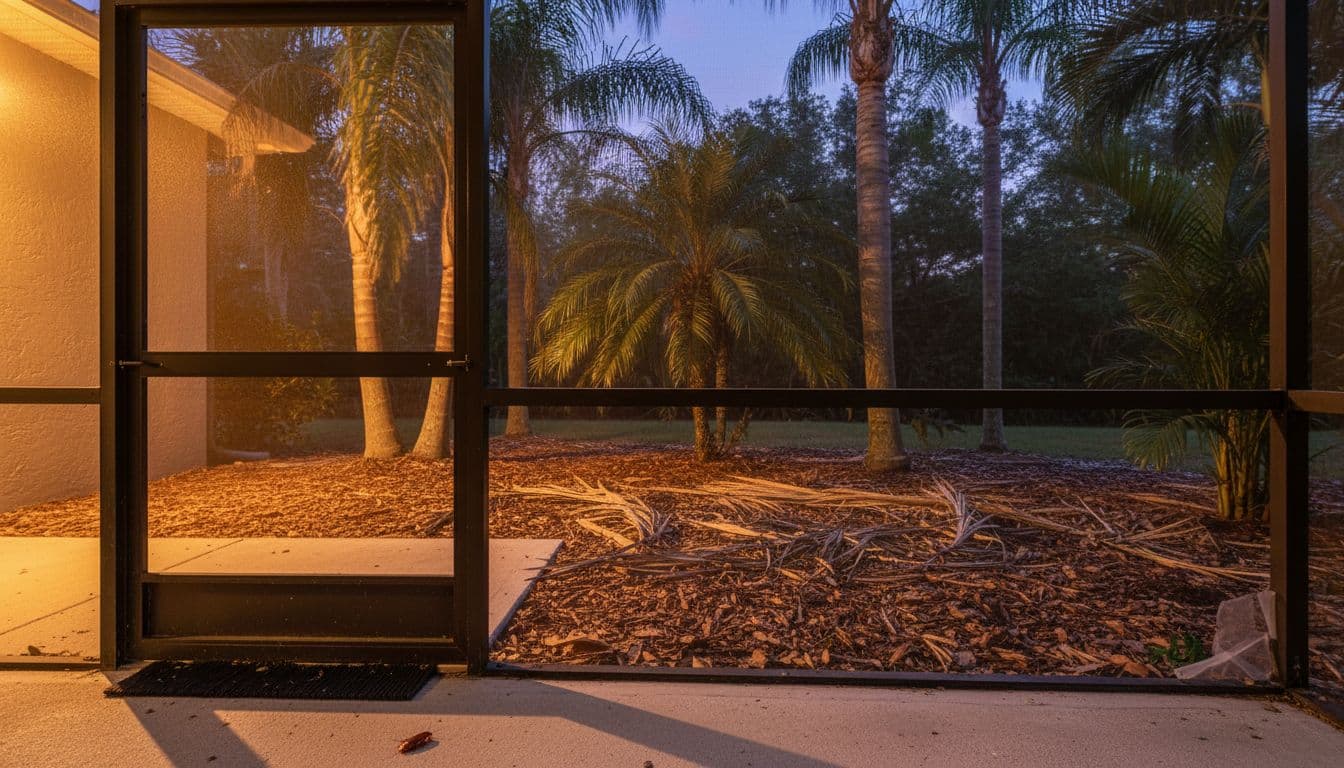
Don't stop at the lanai floor. Australian cockroaches can rest in soffits, behind trim, and around outdoor storage. If you keep potting soil, cardboard, or pet items on the lanai, inspect those too.
Water is often the tie-breaker. A tidy lanai can still get activity if irrigation oversprays the screen, a hose bib drips, or plant saucers stay full. The same goes for nearby garage doors and side entries. If roaches are also showing up there, this guide on Smokybrown Cockroaches in Cape Coral Garages can help you spot the same outdoor pattern in another part of the home.
The main takeaway is simple, inspect the route, not just the sighting.
Prevention steps that make a real difference
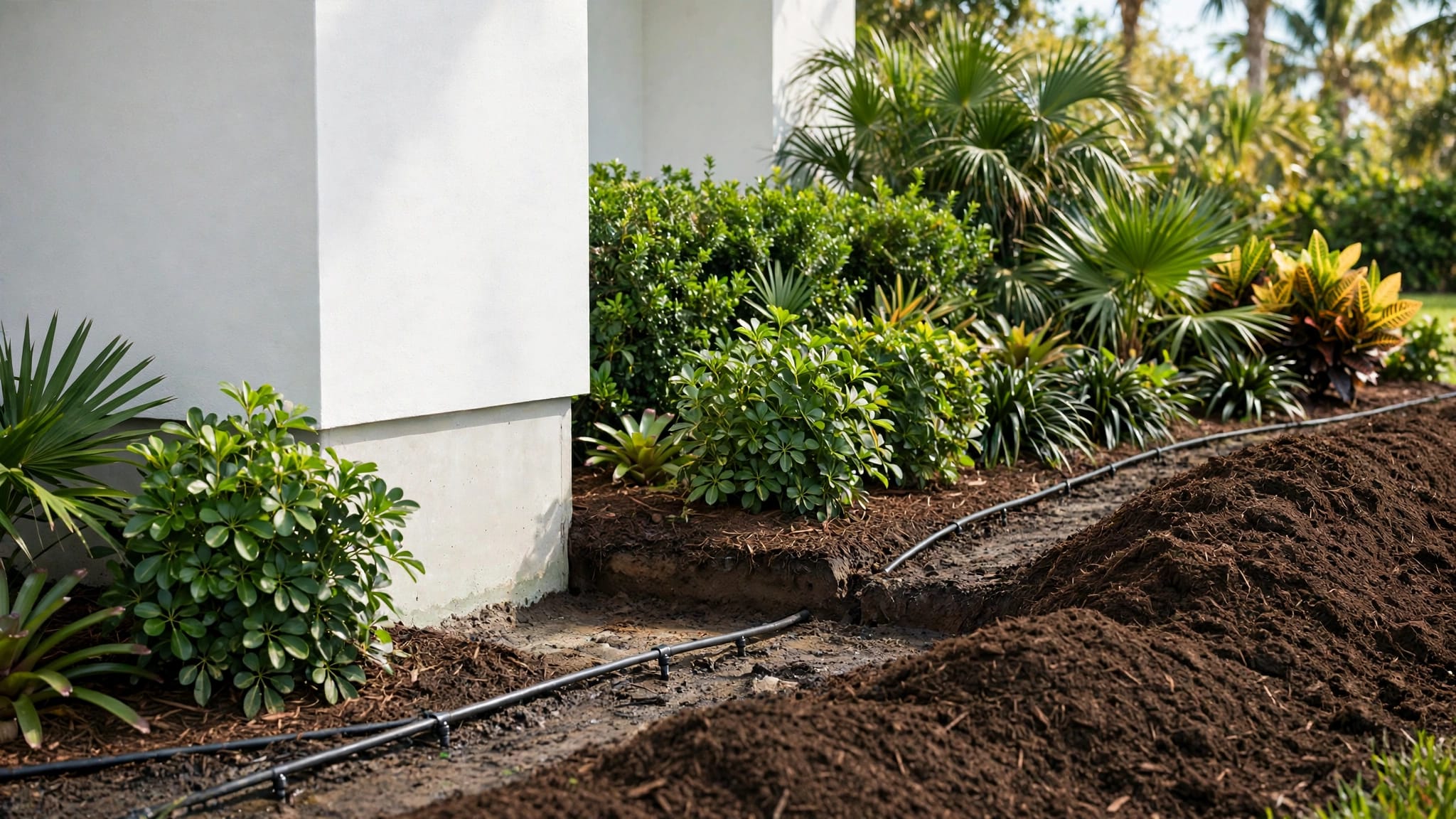
Start with the landscape, because that's where many Australian cockroaches in Cape Coral begin. Keep mulch thinner near the lanai and avoid piling it against the slab. Pull leaf litter, palm debris, and pine straw away from the screen line. Also thin out heavy plant growth that traps shade and moisture.
Potted plants need attention, too. Empty saucers, clean under pots, and raise containers slightly so water doesn't sit. If a cluster of pots always stays damp, spread them out.
Next, tighten the structure. Replace worn door sweeps, repair torn screens, and seal small gaps where pipes or cables enter near the lanai. Check soffits and fascia for openings, because outdoor roaches often use higher voids before dropping into lower spaces.
Lighting matters more than many homeowners expect. Bright white bulbs can draw flying insects, and that creates traffic around the lanai. Warmer bulbs may reduce that pull, especially near doors.
Irrigation deserves a hard look. Watering too late in the day can keep mulch wet overnight, which gives roaches a long feeding and hiding window. Adjust spray heads so they don't soak the foundation, screen base, or door tracks.
DIY steps can help, but they have limits. Sticky monitors and properly placed baits may reduce activity in light cases. On the other hand, heavy spraying around the lanai often misses hidden harborage and may scatter roaches.
For long-term prevention, pair cleanup with exclusion and regular inspection. A good Cape Coral home roach prevention guide can help you connect outdoor fixes with indoor protection.
When recurring activity means it's time for professional help
A roach here and there after heavy rain isn't unusual in Southwest Florida. Still, repeated sightings on the lanai, around potted plants, or near sliding doors point to a bigger pattern. That's even more true if you start seeing them in bathrooms, laundry rooms, or the garage.
Call for a professional inspection when activity keeps returning after cleanup, when mulch beds stay active, or when you find egg cases, droppings, or roaches during the day. Those signs usually mean the problem has grown beyond a simple outside wanderer.
A good inspection should look at the lanai, beds, irrigation, soffits, door seals, and nearby exterior walls together. That matters because the source is often outside, while the sightings happen inside.
Final thoughts
If Australian cockroaches keep showing up on your lanai, think beyond the screen. In many Cape Coral homes, the real issue starts in mulch beds, moisture, and exterior gaps . Clean up the harborage, dry out the problem areas, and seal the easy entry points. If the activity keeps cycling back, a local professional inspection is the fastest way to stop the pattern for good.
Schedule a Free Inspection: