Dampwood Termites In Cape Coral: Wet Wood Signs And Fixes
If wood around your Cape Coral home stays damp, it can start acting like a sponge, and a welcome mat. That matters because dampwood termites are strongly tied to excess moisture, decaying wood, and wood that never fully dries out.
The good news is simple. When you fix the moisture, you remove the main thing these termites need. Below, you'll learn what to look for, how dampwood termites differ from other termites discussed in Florida, and which repairs make the biggest difference before damage gets worse.
What dampwood termite signs look like in a Cape Coral home
Dampwood termites usually show up where wood has been wet for a while. Think roof leaks, window leaks, a slow pipe drip, or an exterior beam that stays soaked after rain. In other words, they don't usually pick sound, dry wood first.
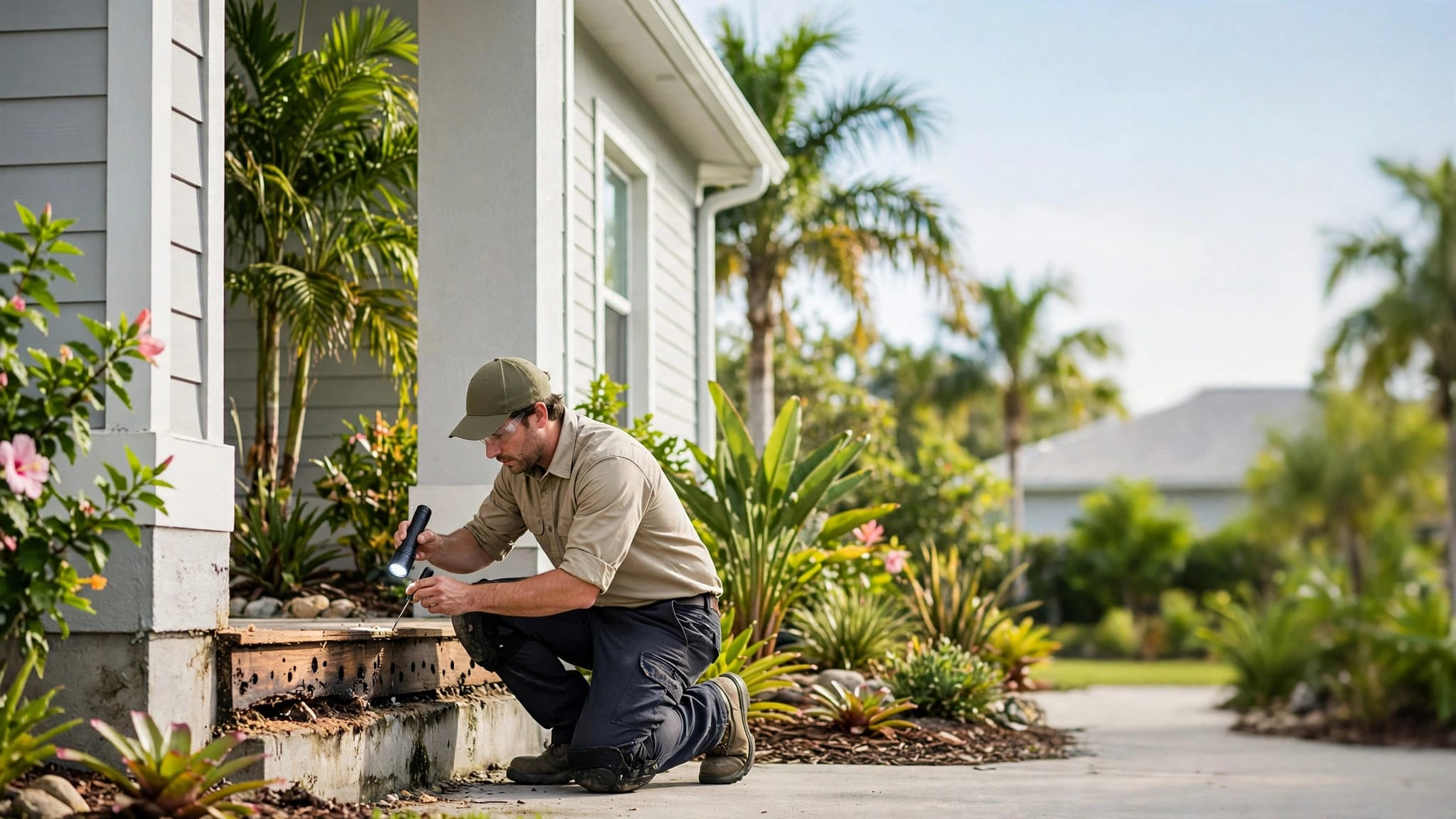
Start with the wood itself. If trim, fascia, door frames, porch posts, or attic framing feels soft, spongy, or crumbly, pay attention. Wet wood often darkens, stains, or starts to rot. You may also notice a musty smell nearby, especially in enclosed spots.
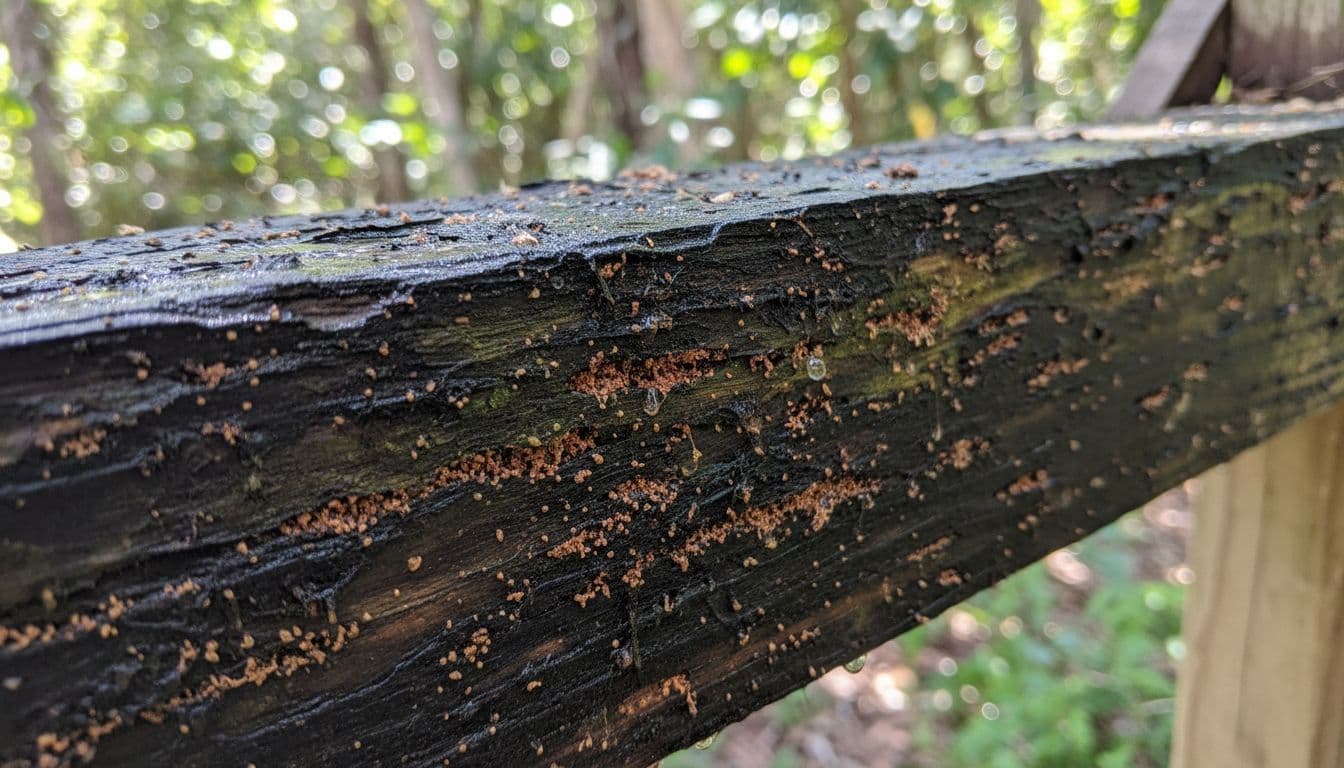
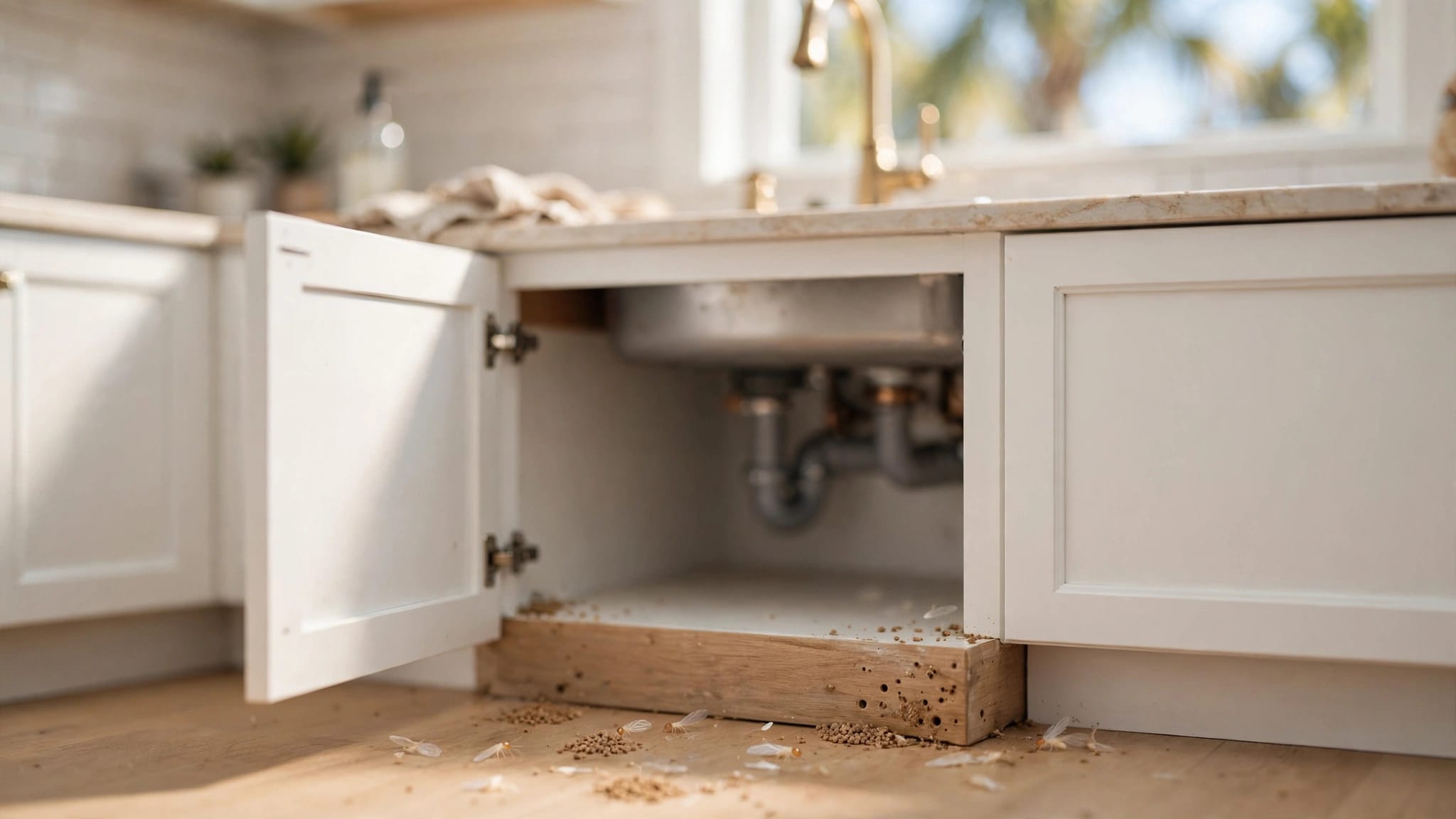
Termite evidence can show up right in that damaged wood. Look for small holes, loose bits of chewed wood, or termite activity inside areas that are already damp. You might also spot winged termites after rain, often near windows, lights, or wet wood. Current Florida guidance also notes that dampwood termites do not rely on mud tubes the way subterranean termites do, so the clues tend to stay closer to the wet wood itself.
A few moisture-related warning signs deserve extra attention:
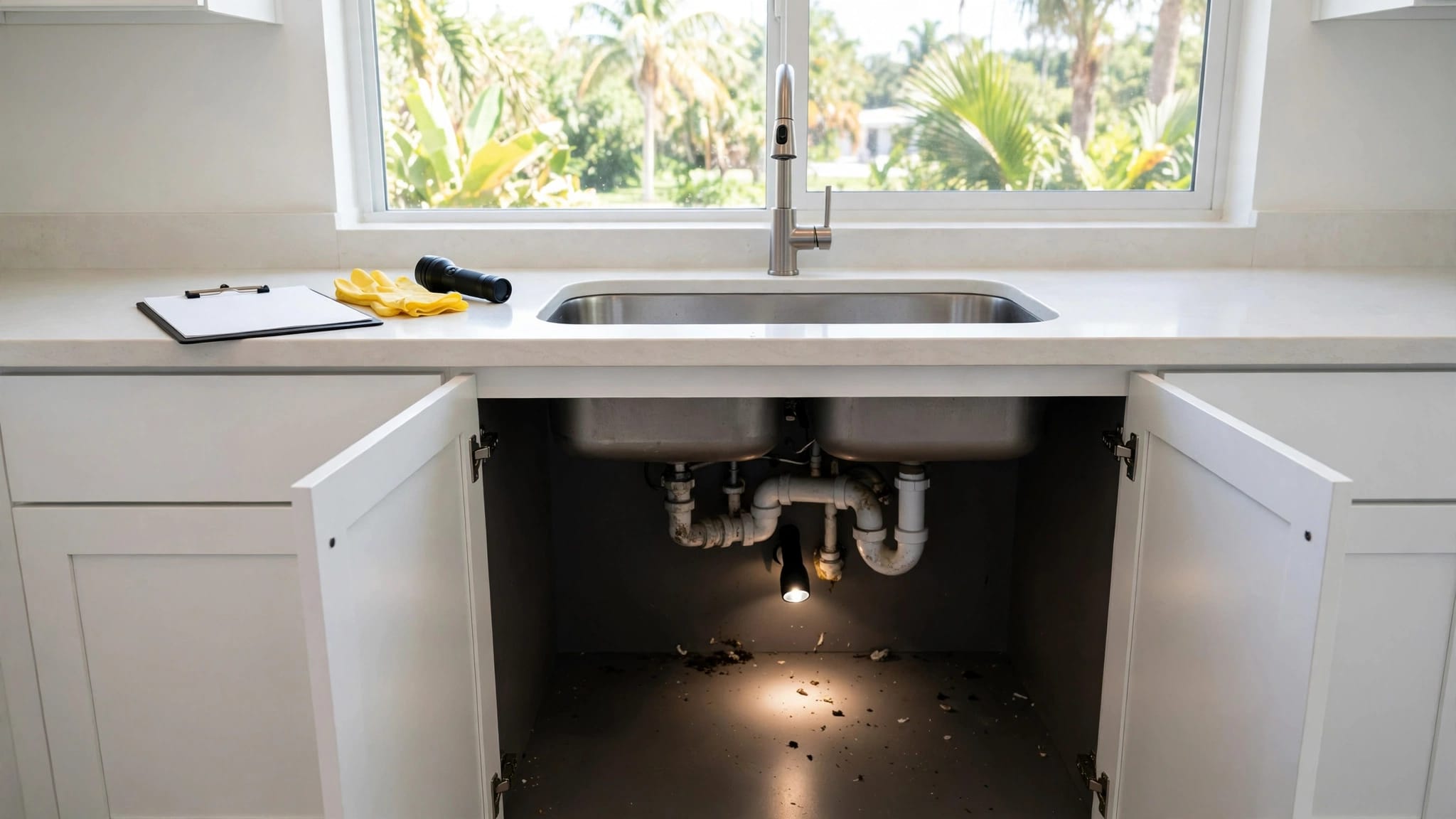
- Leaks under sinks, near tubs, around water heaters, or inside walls
- Roof or window intrusion that leaves stains on ceilings, sills, or trim
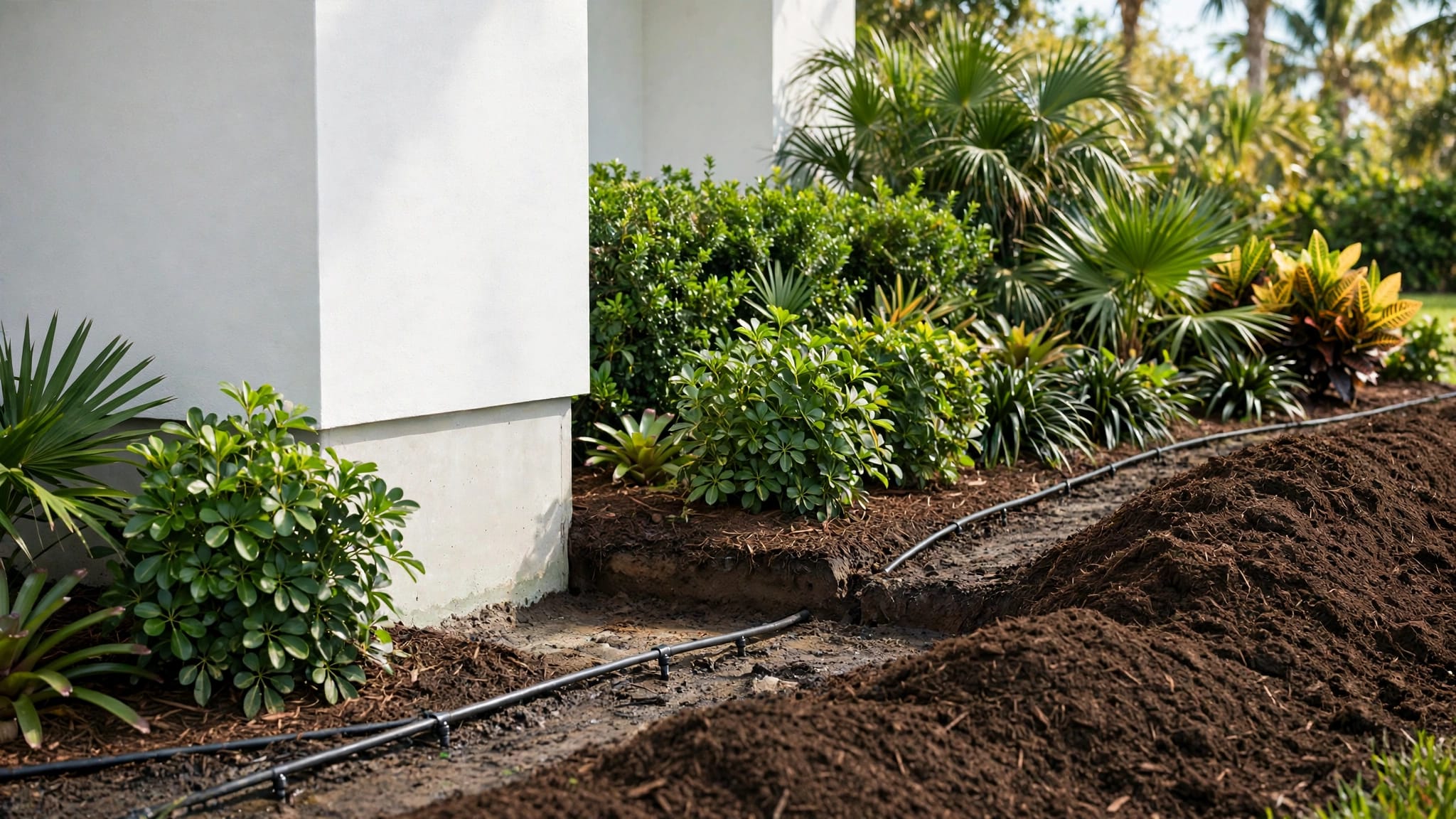
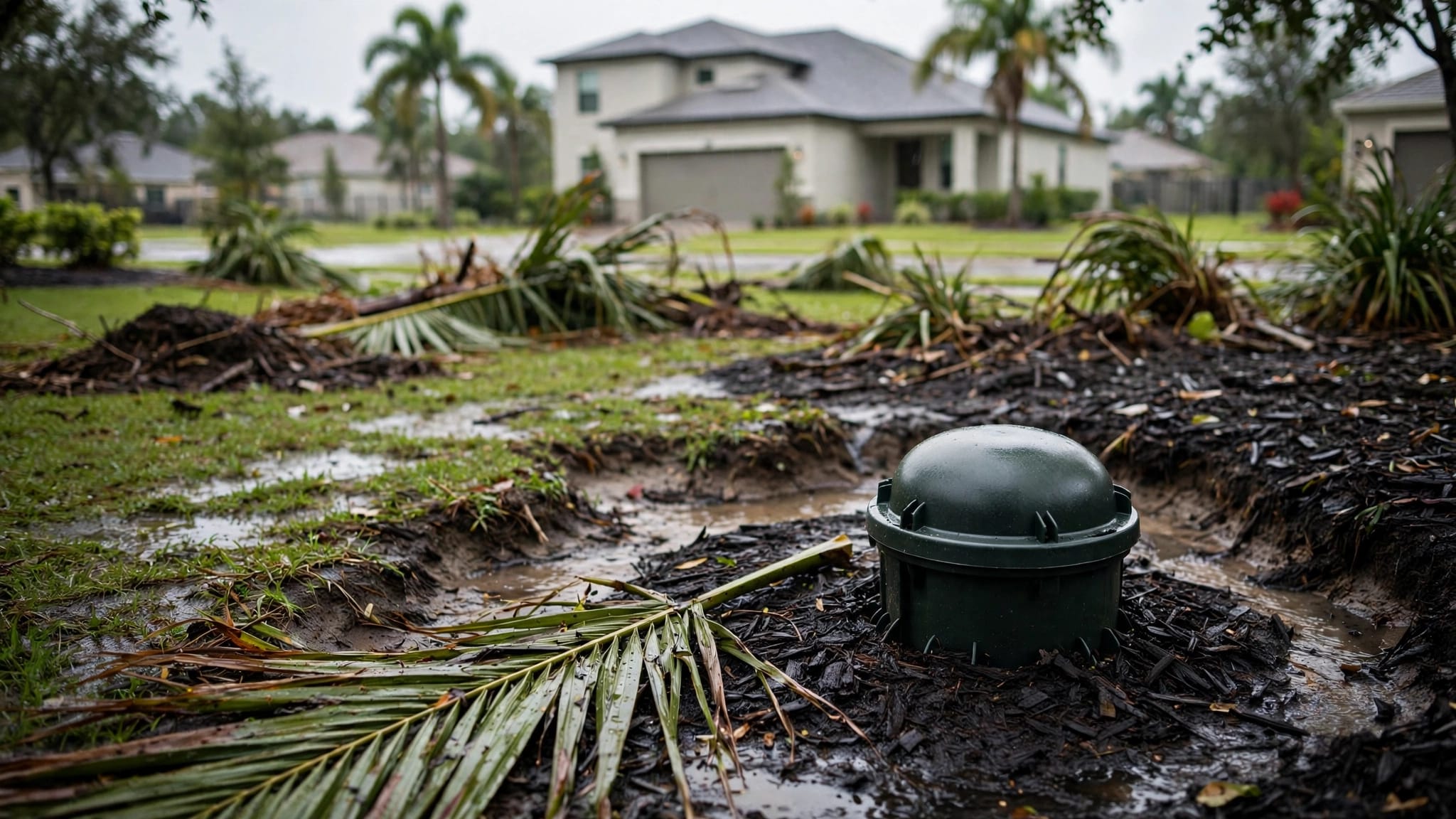
- Poor drainage that keeps soil and wood wet near the home
- Wood-to-soil contact , such as siding, posts, or lattice sitting too low
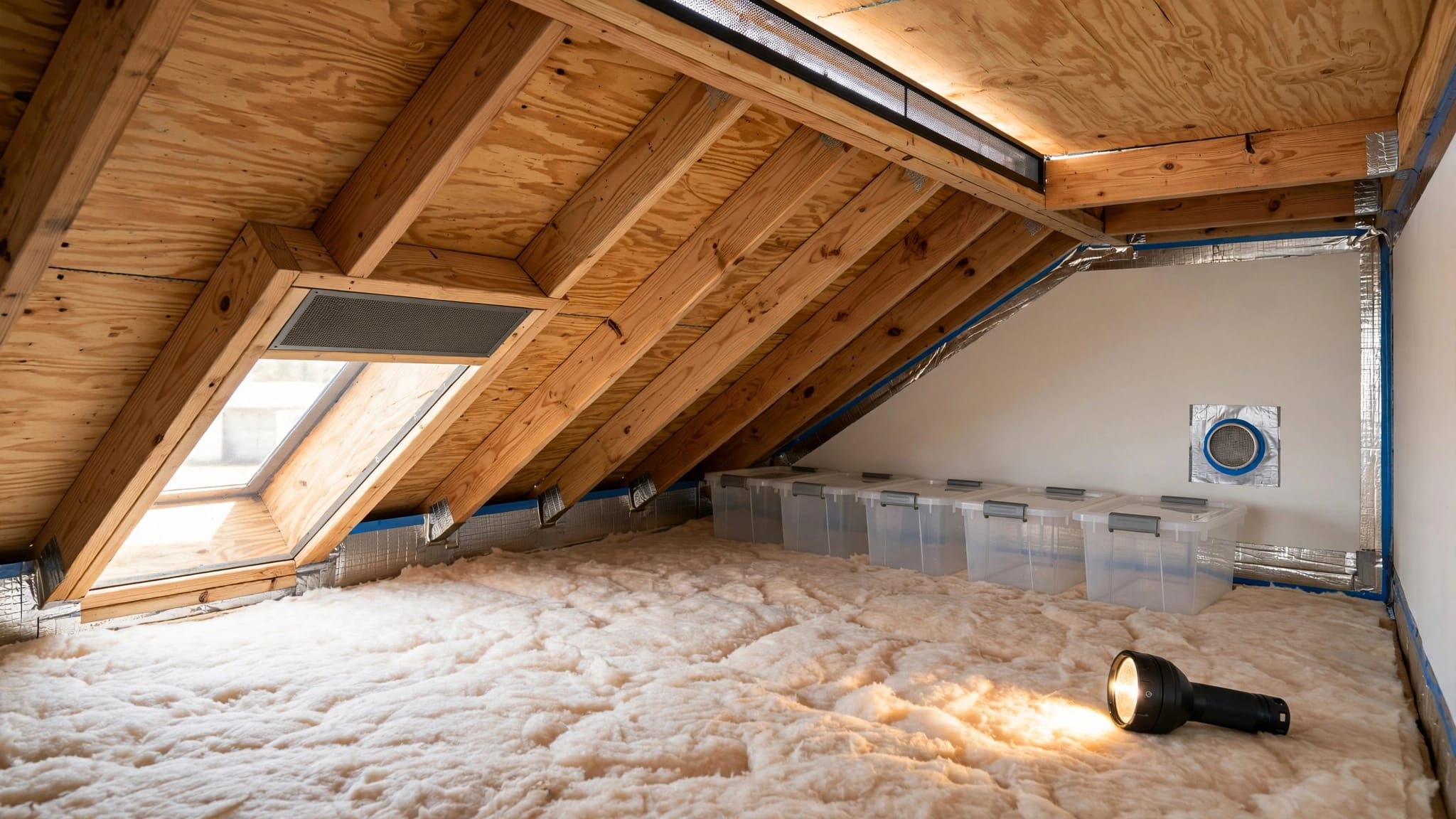
- Crawlspace or attic moisture , especially after heavy rain or long humid stretches
If the wood stays wet, the termite risk stays up.
For a broader local overview, Shield's Cape Coral termite prevention guide helps homeowners connect moisture issues with common risk areas around the house.
Why excess moisture matters, and how dampwood termites differ from other termites
Cape Coral gives termites plenty to like: humidity, rain, irrigation, and lots of hidden moisture around homes. Still, not every termite acts the same. That's why the source of damage matters.
Dampwood termites are tied most closely to persistently wet or decaying wood . If the wood dries out, the site becomes less appealing. By contrast, subterranean termites come from the soil and usually travel in mud tubes. Drywood termites live directly inside drier wood and don't need soil contact.
That difference helps with inspection. If you see muddy shelter tubes climbing a foundation or wall, think subterranean first. If you find hard pellet-like droppings under dry trim or attic wood, drywood termites may be more likely. If you find soft, wet, damaged wood near a leak, dampwood termites move higher on the list.
This quick comparison helps:
| Termite type | What they need most | Common clue |
|---|---|---|
| Dampwood termites | Wet, decaying wood | Soft damp wood with termite activity |
| Subterranean termites | Soil contact and moisture | Mud tubes |
| Drywood termites | Dry wood | Pellets and kick-out holes |
If you want a side-by-side local breakdown, this Shield article on termite types in Southwest Florida explains how signs differ in real homes.
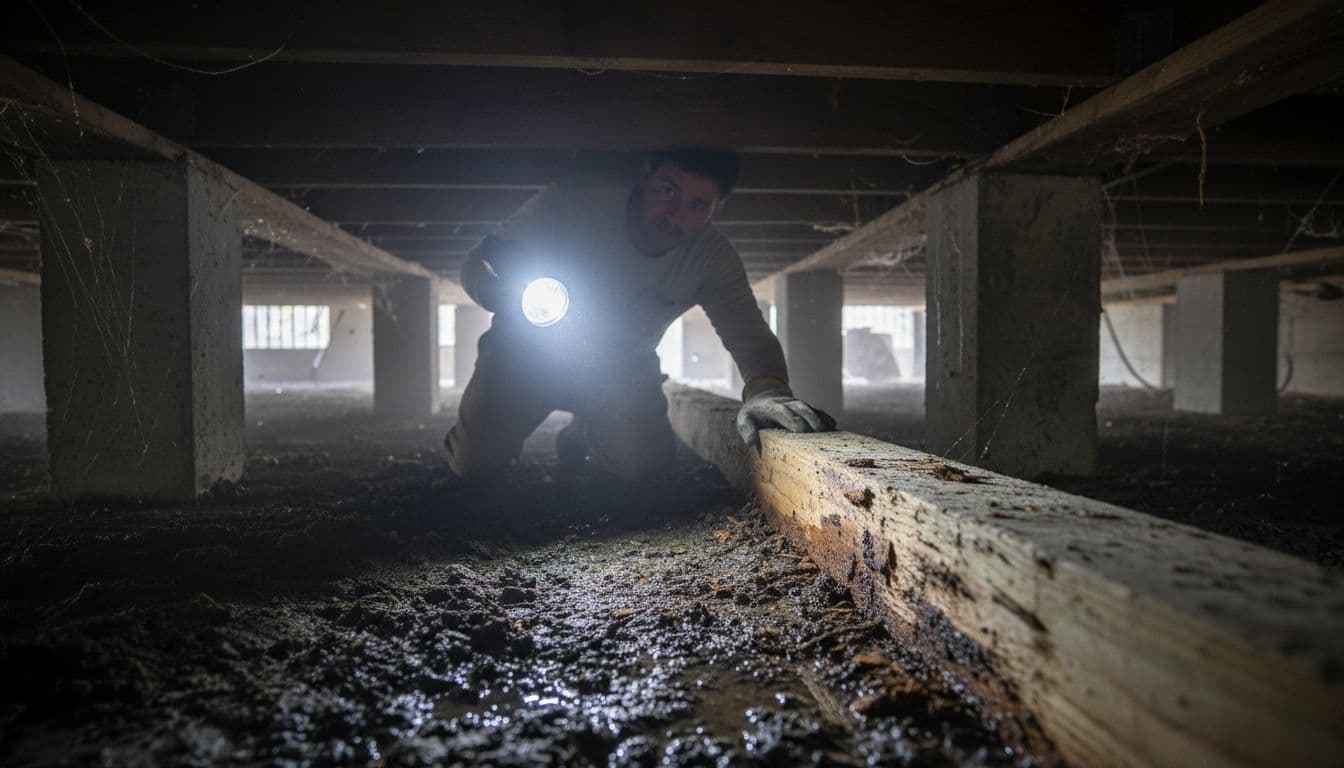
In Cape Coral, the moisture source often starts in places homeowners don't see every day. A crawlspace can stay humid. An attic can trap damp air after a roof leak. Window frames can soak up wind-driven rain. A sprinkler head aimed at the wall can keep trim wet week after week. Even one plumbing drip can do a lot when it goes unnoticed.
So, the real issue isn't just termites. It's the wet wood that invited them in.
Practical fixes that help stop dampwood termites from coming back
The best fix starts with the water. If you only treat the insects and leave the wood wet, the problem can return. That's like mopping the floor while the pipe still leaks.
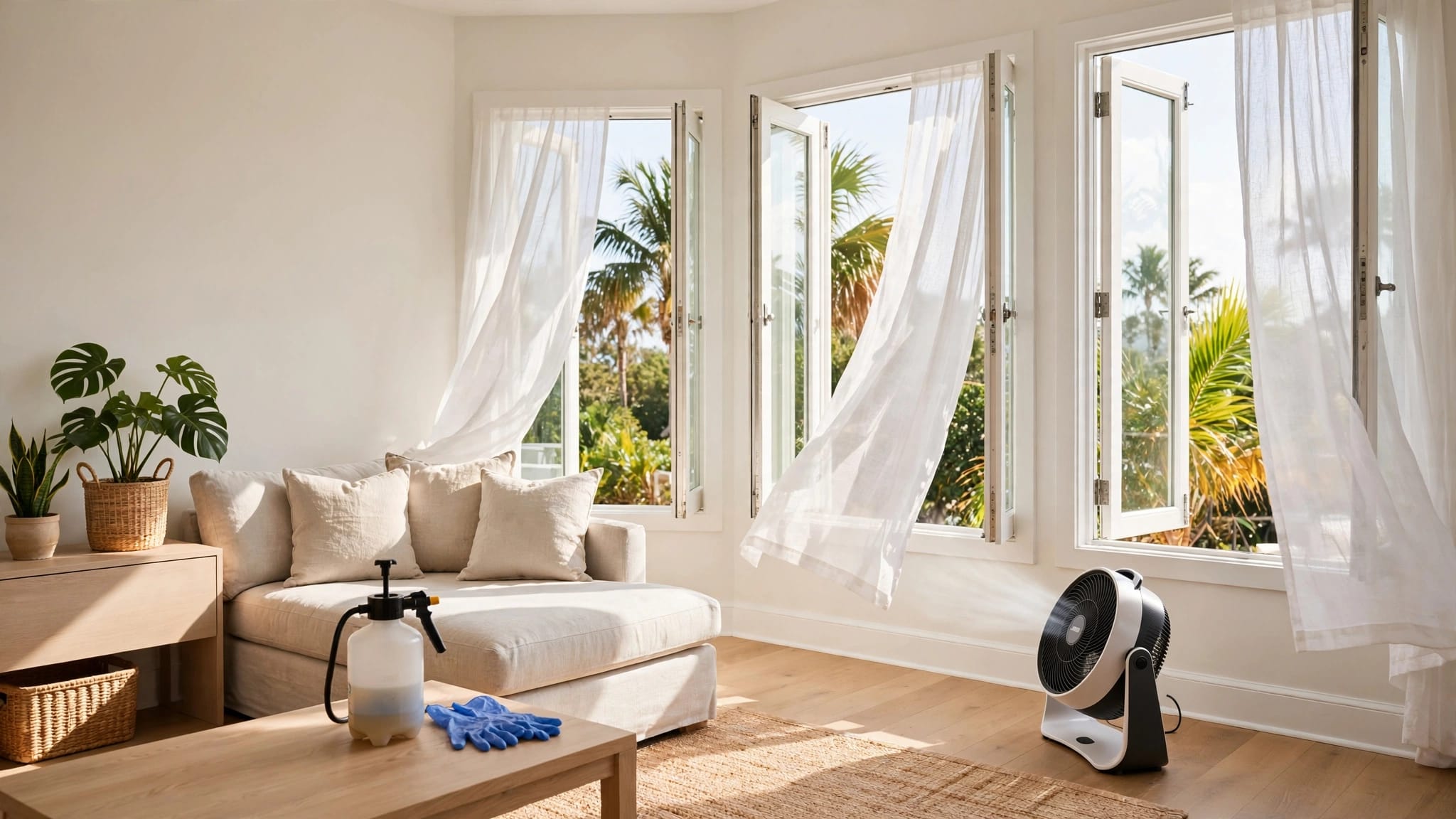
First, repair active leaks fast. That includes plumbing drips, roof leaks, AC line issues, and window or door intrusion. Next, improve airflow where moisture hangs around. Attics, crawlspaces, garages, and enclosed utility spaces often need better ventilation or humidity control.
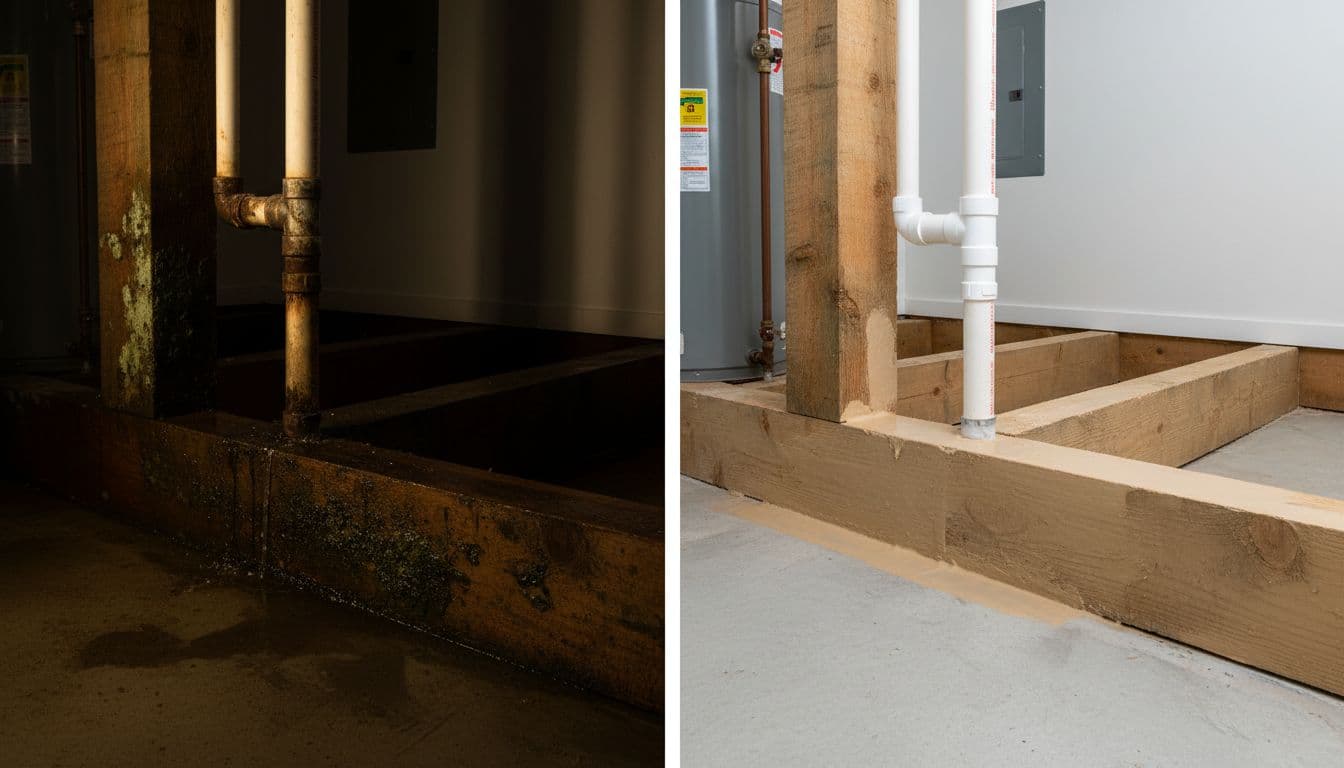
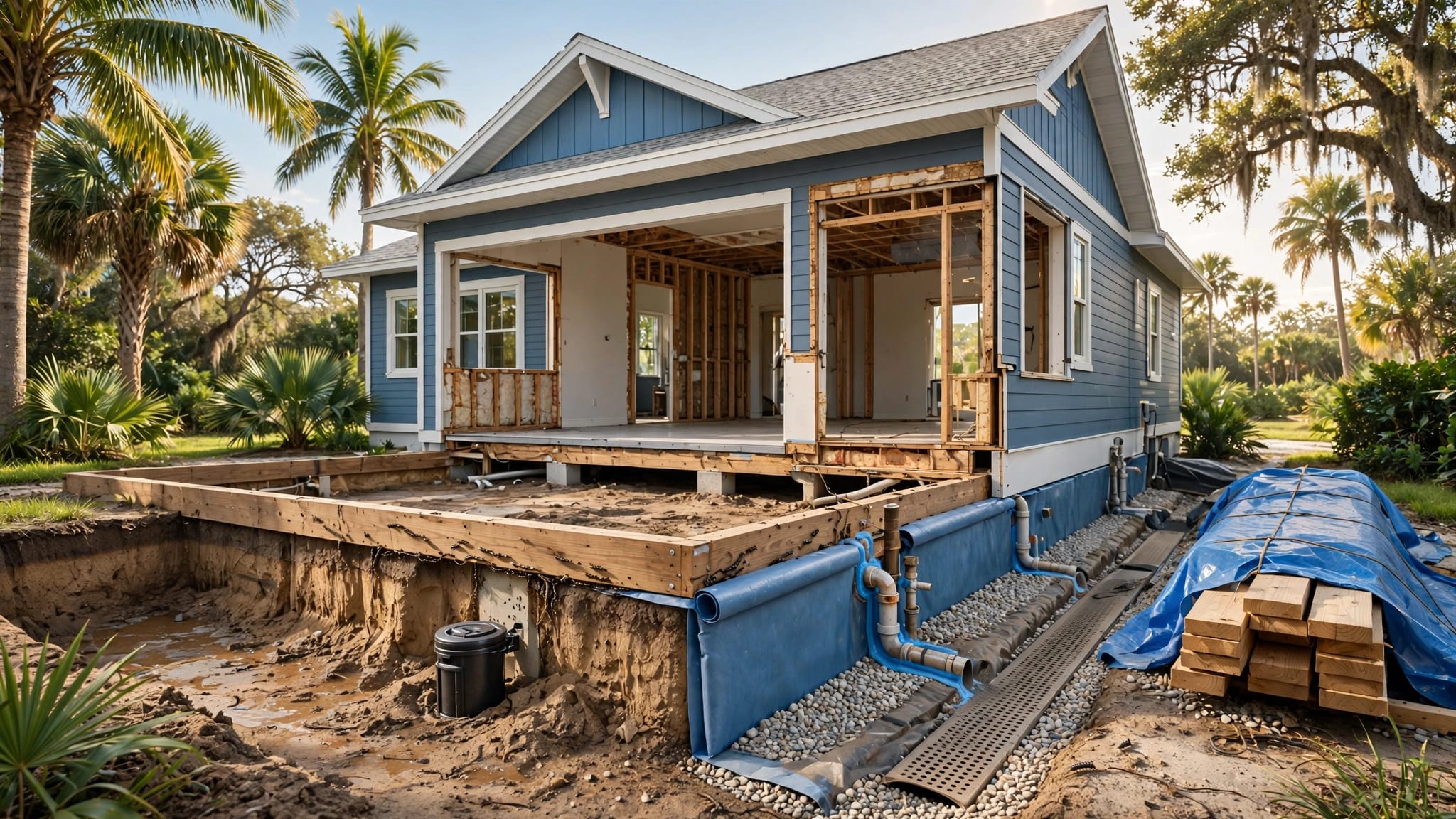
Then check the wood itself. If boards are rotted, swollen, or falling apart, replace them. Sealing over damaged wood won't solve the problem. Fresh repairs should stay off the soil and away from standing water. Outside, pull mulch back from the house, correct low spots that trap runoff, and make sure downspouts or splash areas move water away.
A smart fix plan usually includes:
- Correct leaks at pipes, roofs, windows, and AC lines
- Lower humidity with better ventilation or dehumidifiers where needed
- Replace damaged wood instead of covering it up
- Seal gaps and entry points after wet areas are dried and repaired
- Fix drainage so water moves away from the structure
- End wood-to-soil contact around posts, trim, and siding
Also, inspect after storms and during humid months. Moisture problems grow quietly. So do termites.
If damage looks widespread, wood sounds hollow in several areas, or you suspect structural issues, have it checked by a licensed local pest control professional. If you're comparing next steps, Shield also has a useful guide to termite treatment costs in Cape Coral, which can help you plan without guessing.
Conclusion
Dampwood termites in Cape Coral are usually a moisture problem first and a termite problem second. Soft wood, leaks, poor drainage, and hidden wet spots are the signs that matter most. Fix the water source, dry the area, and replace damaged wood, and you cut off what these termites depend on. If the damage looks severe or the source isn't clear, get a licensed local inspection before a small wet-wood issue turns into a bigger repair.
Schedule a Free Inspection: