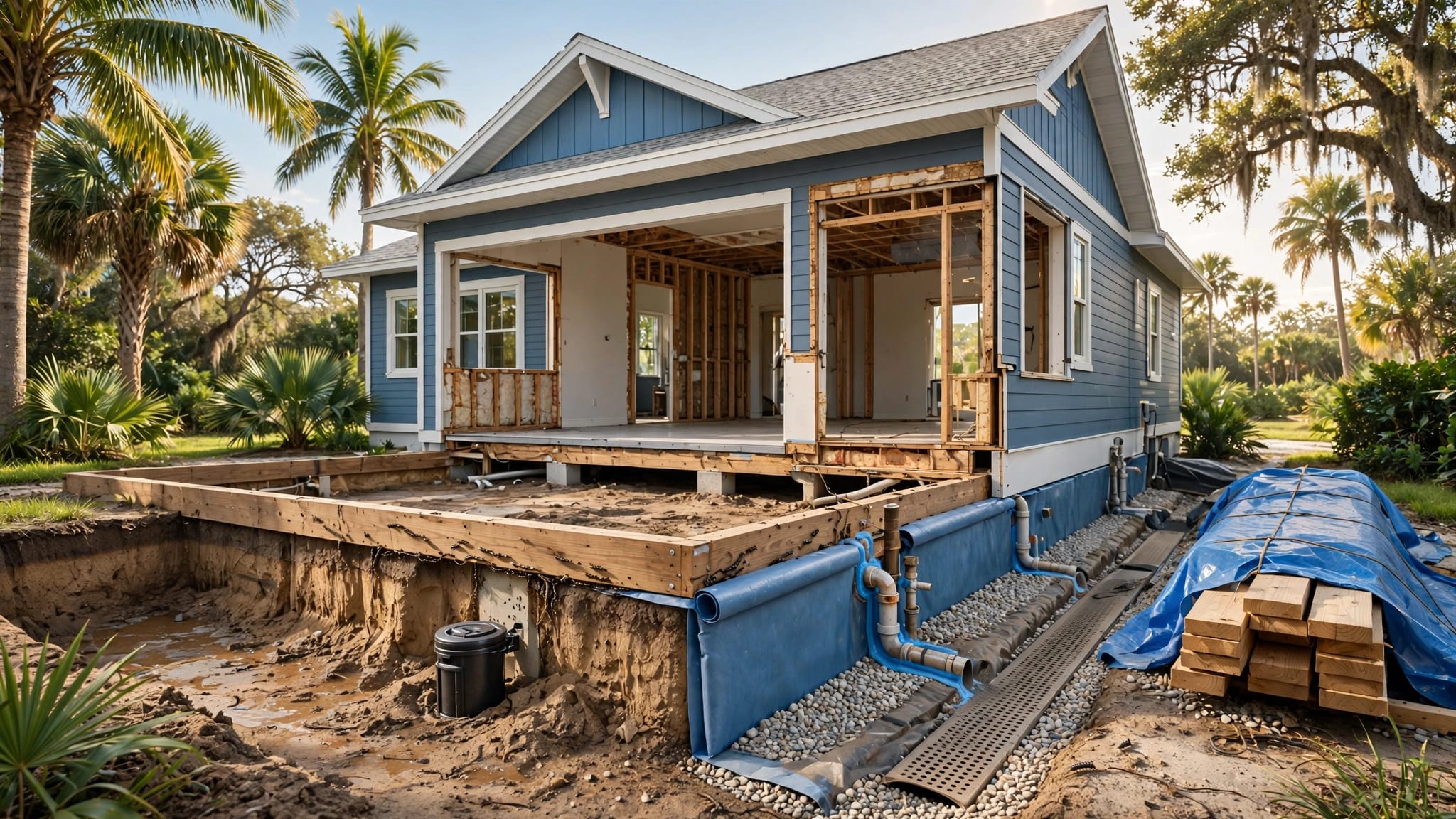
Palmetto Bugs in Cape Coral Garages and Pool Areas
Few things ruin a calm Florida evening like a large roach racing across the garage floor. For many homeowners, Cape Coral palmetto bugs show up in two familiar places, the garage and the pool area.
That pattern usually isn't random. These pests like moisture, cover, and easy entry points. The good news is that you can make those spaces far less inviting with a few smart changes.
Why garages and pool areas draw palmetto bugs
In Florida, "palmetto bug" often means a large outdoor roach that wanders inside. That matters because the fix is usually about exclusion and moisture control , not panic.
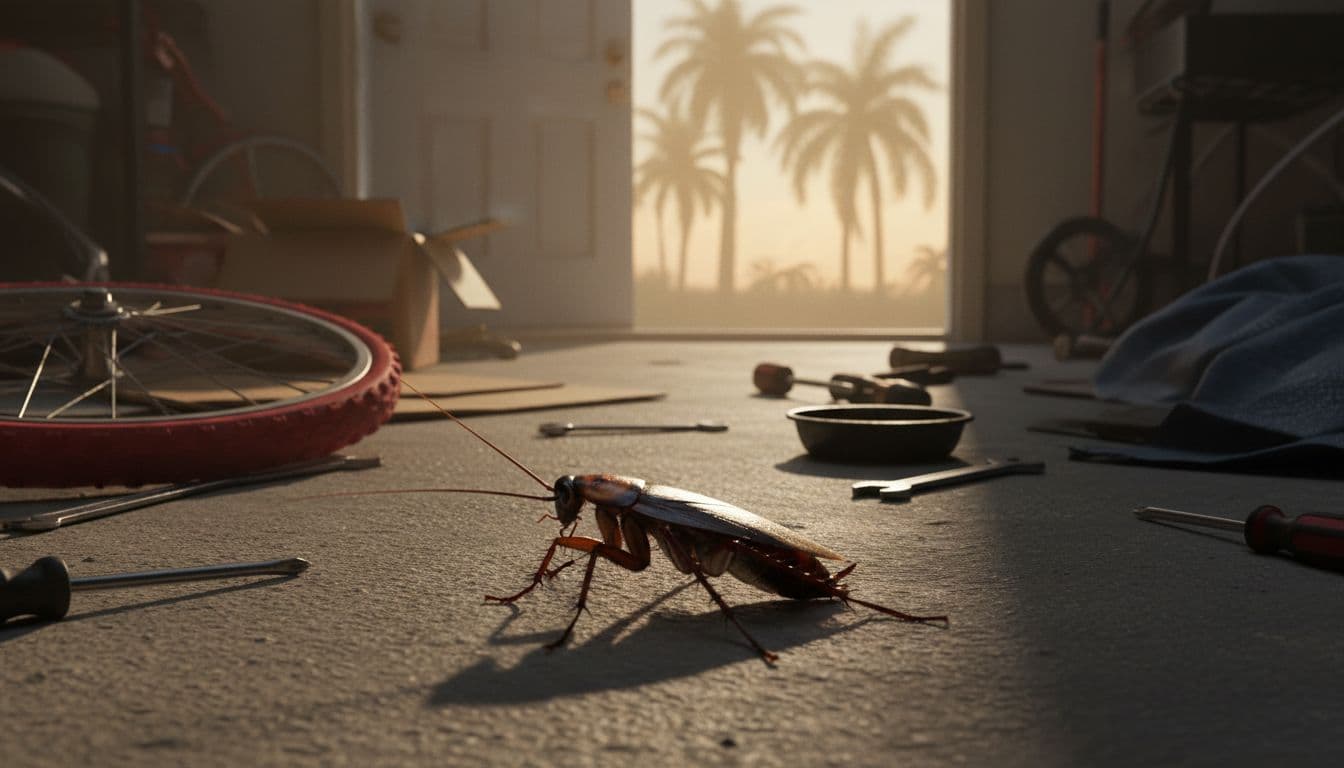
Garages check a lot of boxes for them. They stay humid, especially in summer. They also collect clutter, like cardboard, storage bins, tools, and stacked paint cans. To a palmetto bug, that kind of setup feels like a shaded motel with plenty of hiding spots.
Even a clean garage can have weak points. Weatherstripping wears out. Side doors leave a slim gap at the threshold. Floor drains, utility penetrations, and cracked slab edges can all become entry routes. If you keep pet food, recycling, or damp towels out there, the space gets even more attractive.
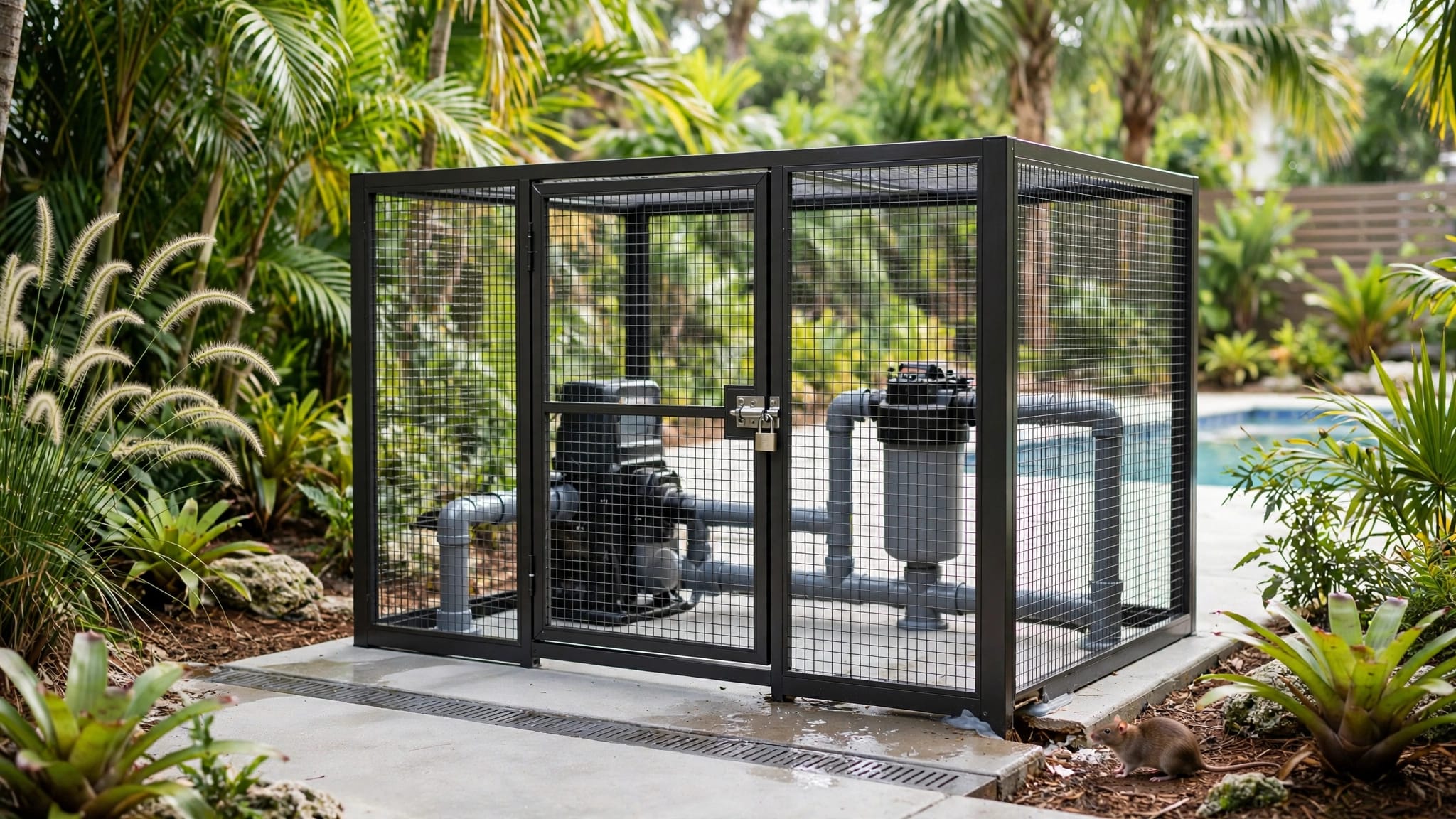
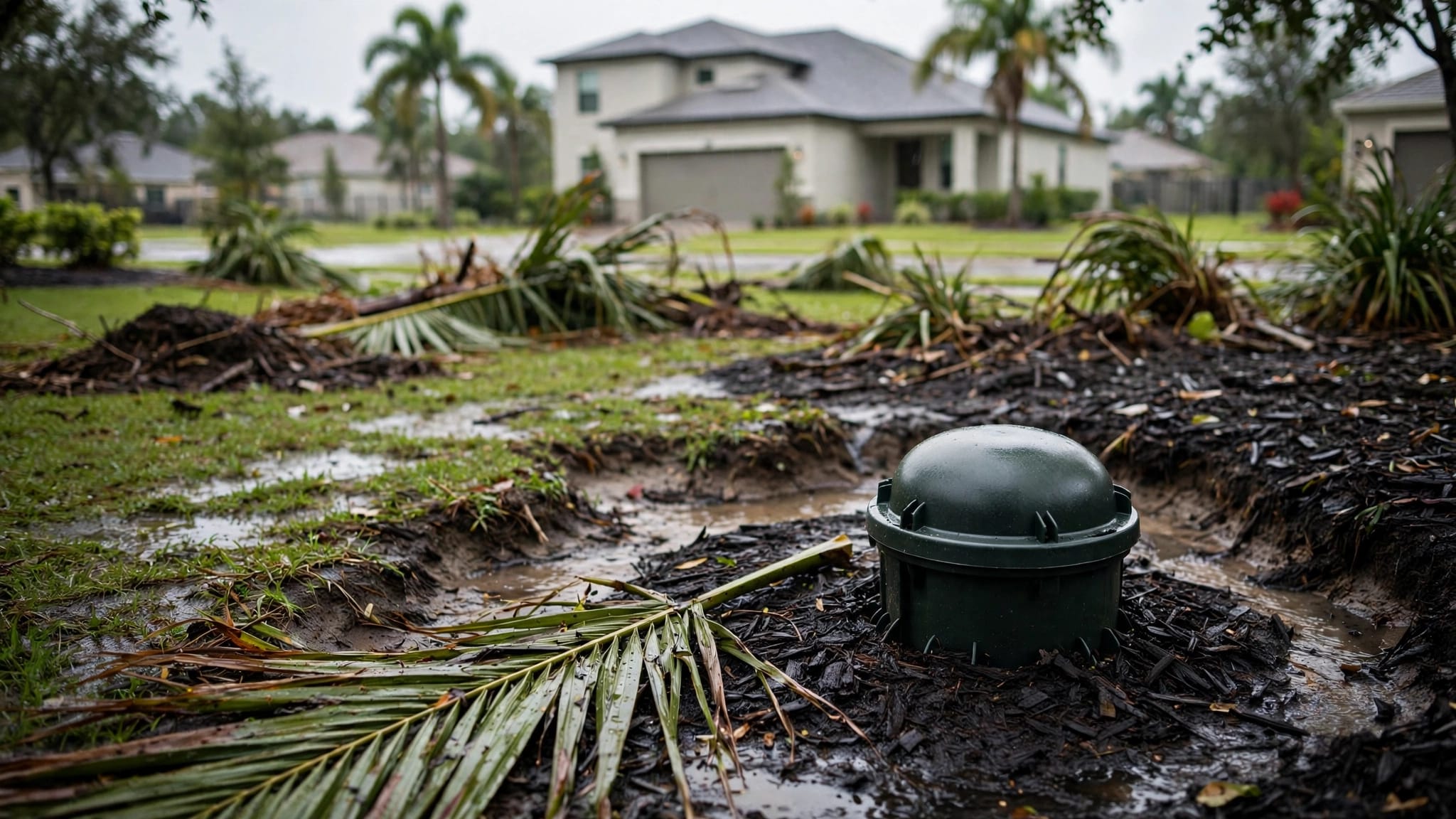
Pool areas have their own pull. Pump pads, filter equipment, hose bibs, deck drains, and buckets often stay damp. Add thick landscaping, mulch, and warm evening air, and you get a near-perfect resting zone. Standing water nearby doesn't feed roaches the way it feeds mosquitoes, but it does raise moisture levels around the places they hide.
Outdoor lighting can add to the problem, too. Bright lights attract other insects. That extra bug traffic creates more activity around doors, lanais, and pool equipment corners.
A single sighting after heavy rain may be a wanderer. Repeated sightings in the same spot mean the area is supporting them.
Prevention steps that work in real homes
You don't need a long checklist. Most homeowners get the best results by fixing the same few trouble spots first.
- Seal door gaps : Add a tight door sweep on garage side doors and replace worn weatherstripping. If light shows through, bugs can get through.
- Cut back clutter : Move cardboard off the floor, use sealed plastic bins, and keep piles away from walls. Less cover means fewer hiding spots.
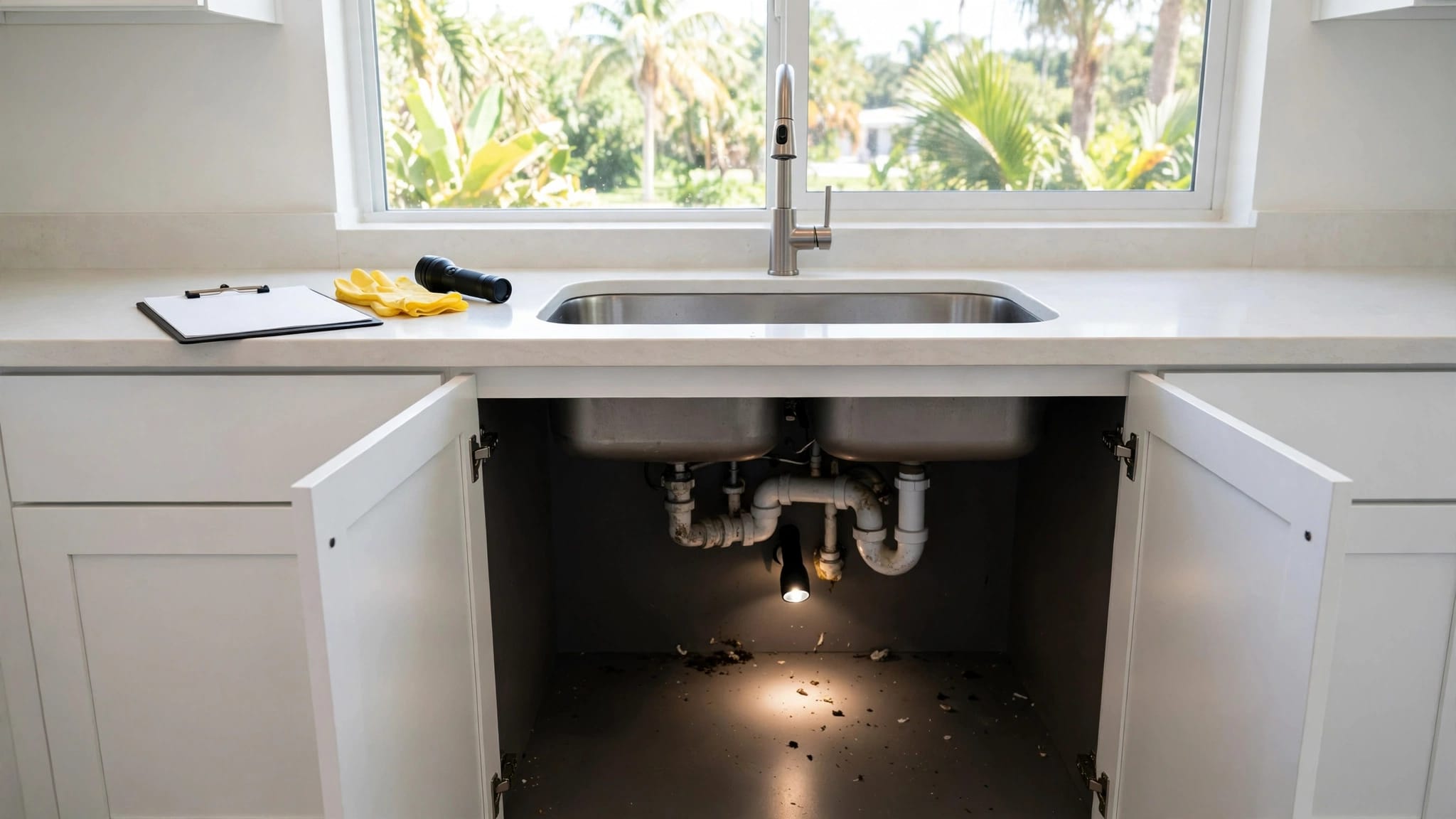
- Dry the damp areas : Empty standing water from buckets, fix hose leaks, and watch for drips around pool equipment and utility sinks.
- Check drains and pipe openings : Keep garage and patio drains clean, and seal gaps where plumbing or wiring enters the wall. If drains seem to be part of the problem, this guide on blocking palmetto bugs from Cape Coral drains is a good next step.
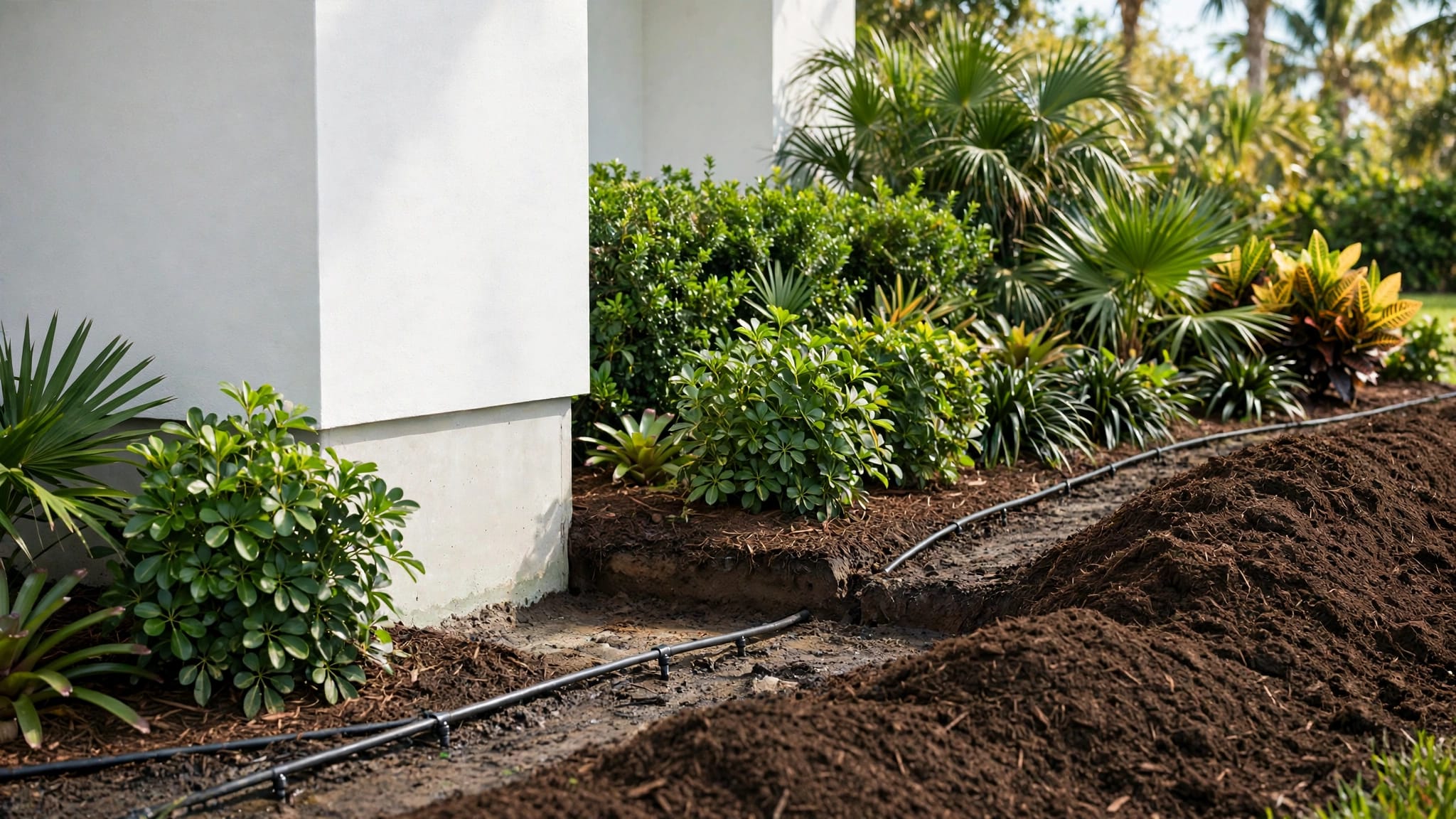
- Trim back landscaping near the house : Dense plants against walls hold moisture and give roaches a shaded route to the structure.
These steps work best when you handle both sides of the problem. Think of it like locking a gate and clearing the path to it. You want fewer bugs near the structure, and fewer ways for them to slip inside.
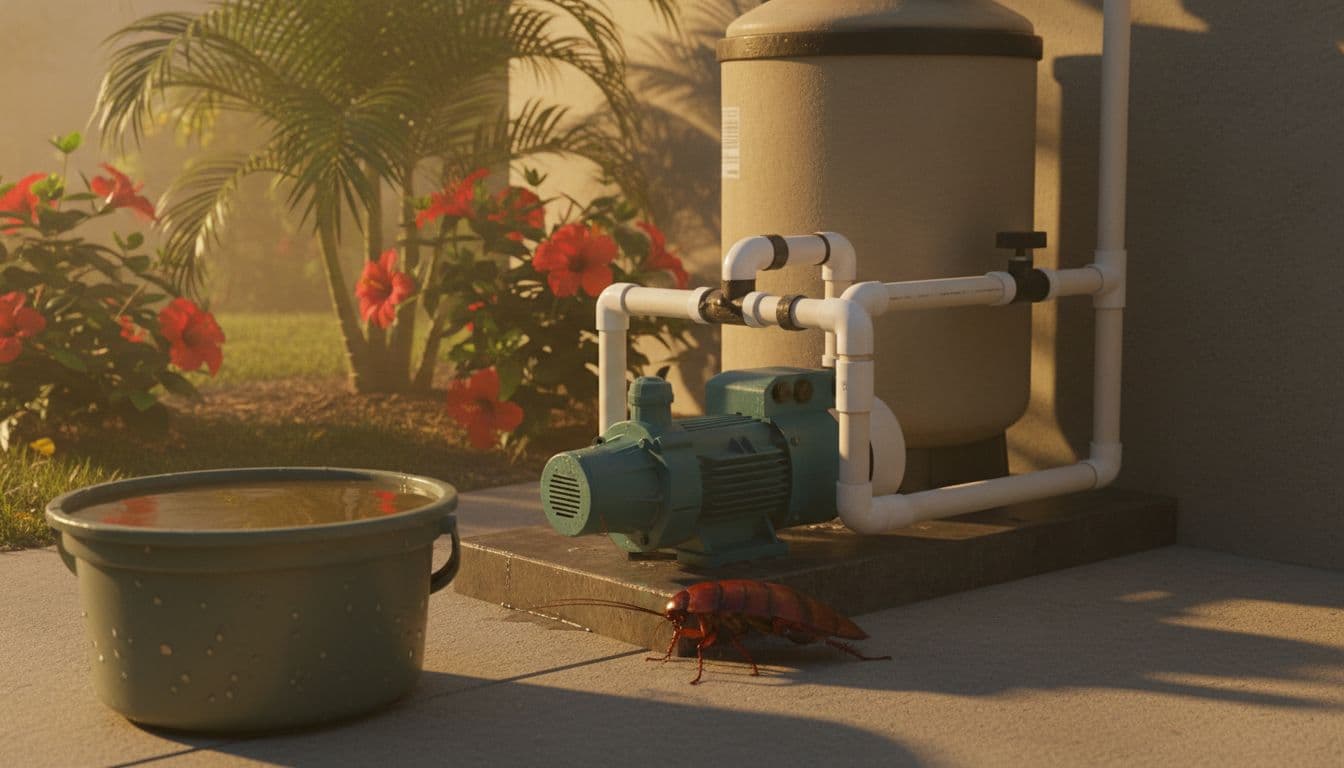
For pool areas, pay close attention to the equipment pad. Clear leaf litter, keep lids closed, and avoid storing damp items there. In the garage, keep the slab swept and dry, especially near the water heater, freezer, and laundry connections.
If you want broader seasonal habits, this Florida home bug prevention guide ties together many of the same ideas for Southwest Florida homes.
When recurring activity means it's time for help
One or two palmetto bugs in a wet, stormy month doesn't always mean you have an infestation. Still, repeated activity in garages and pool areas can point to a larger exterior population or a steady entry route.
Watch for patterns like these:
- Weekly sightings in the same area , especially at night near the pool pump, side door, or garage wall.
- Bugs coming inside from the garage , then showing up in bathrooms, laundry rooms, or kitchens.
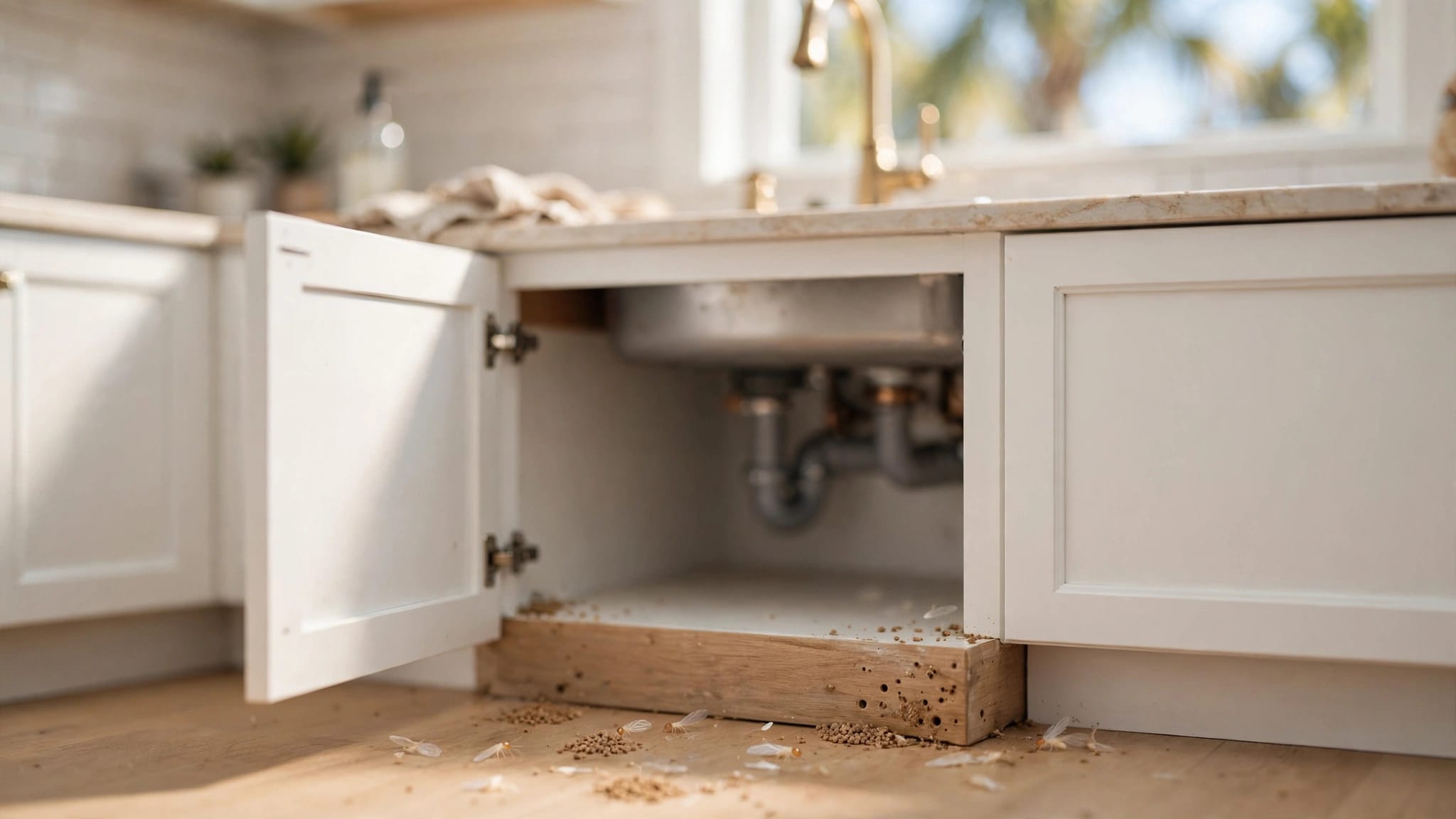
- Signs of a hiding spot , such as droppings, egg cases, or a musty odor around stored items.
- No improvement after sealing and cleanup , even after a few weeks.
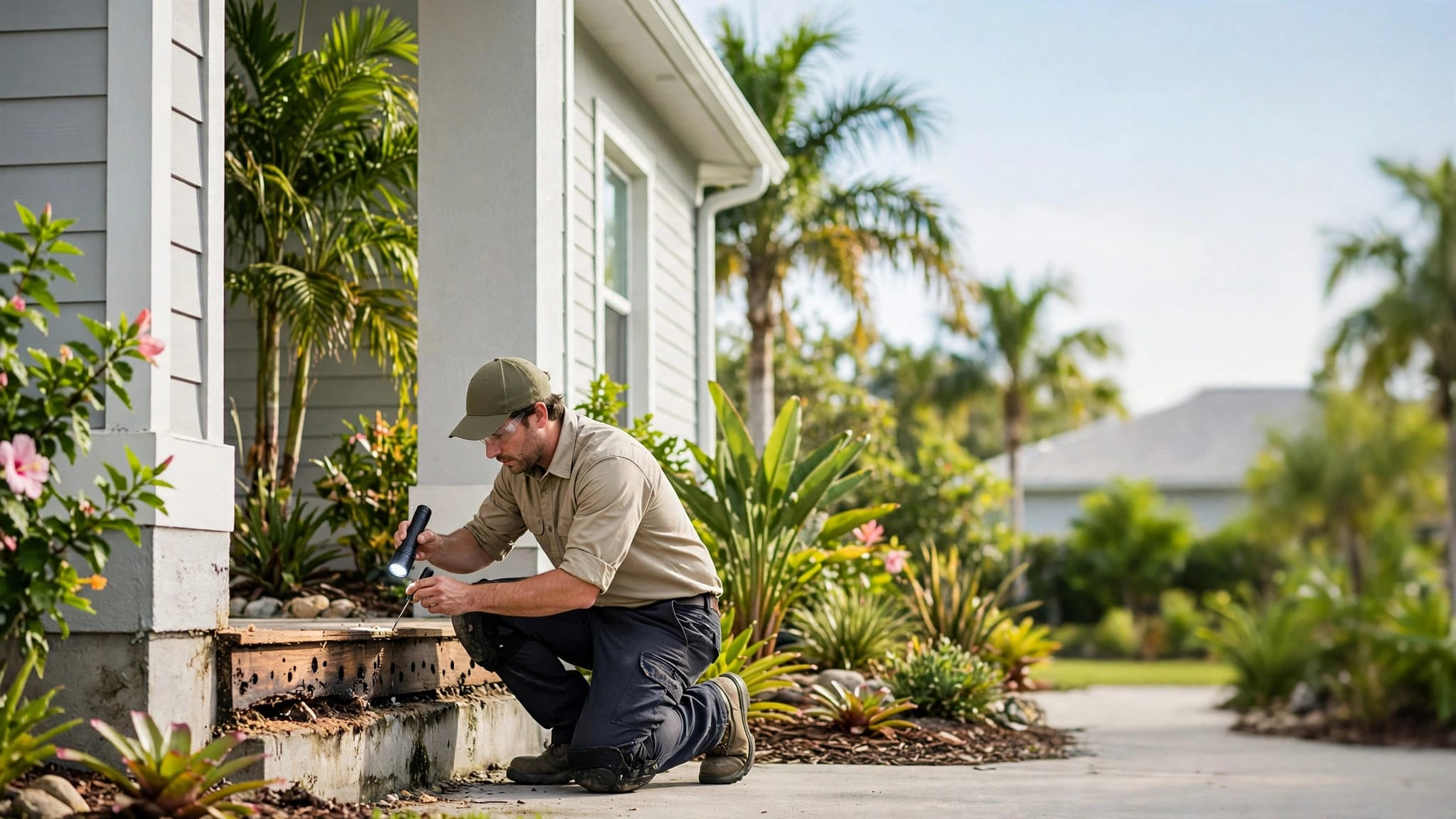
When that happens, a professional inspection can save a lot of trial and error. A good plan should look at moisture sources, harborage outside the home, drain issues, and entry gaps around doors and utilities. It should also focus on targeted treatment, not just broad spraying.
That approach lines up well with these cockroach control strategies for Cape Coral homes, especially if sightings are spreading beyond the garage or pool deck.
If palmetto bugs keep coming back, the problem is usually access, moisture, or nearby shelter, sometimes all three.
Call sooner if you start seeing daytime activity, roaches in several rooms, or ongoing problems around shared walls and utility lines. Those signs often mean the issue has moved past a simple outdoor wanderer.
Keep those problem zones less inviting
Garages and pool areas are natural pressure points in Cape Coral homes. They stay warm, hold moisture, and often have the very gaps palmetto bugs need. Start with cleanup, sealing, and water control, then watch for patterns. If activity keeps returning, professional treatment can break the cycle and help keep those spaces usable again.
Schedule a Free Inspection: