Sod Webworms in Cape Coral Lawns and How to Stop Them
A lawn can look rough almost overnight in Cape Coral. If you see clipped grass, thin spots, and small brown patches after a hot, humid stretch, sod webworms may be behind it.
These pests feed low in the turf, often after dark, so the damage shows up before the culprit does. The good news is that you can confirm the problem without guessing, then slow it down with better lawn care and well-timed treatment.
What sod webworm damage looks like in Cape Coral
Sod webworms are the caterpillar stage of small lawn moths. The moths lay eggs in the grass, then the larvae hatch and hide in thatch or near the soil line during the day. At night, they come out and chew the blades.
On St. Augustinegrass, they act like tiny nighttime barbers. Instead of pulling up roots, they clip leaves low and leave the lawn looking scalped. That matters, because the damage can look like drought at first glance.
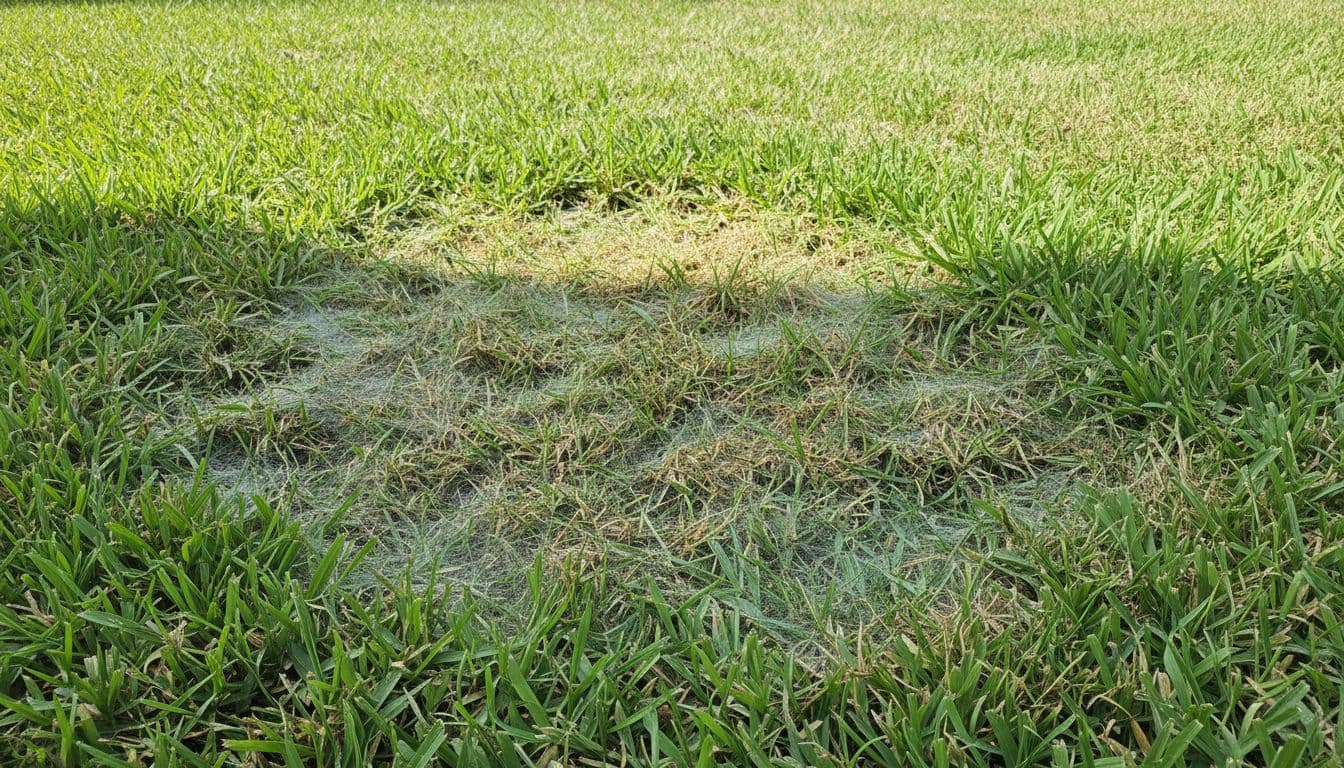
In Cape Coral, warm weather stretches the feeding season. Hot, humid nights also help infestations build faster, especially when lawns have thick thatch or stay damp from frequent irrigation. As a result, small problem spots can join into larger patches before you notice them.
Watch for these clues:
- Grass blades chewed short with ragged tips
- Small brown or tan patches that spread outward
- Fine silk webbing early in the morning
- Tiny moths fluttering up when you walk the yard at dusk
- Pellet-like droppings near the base of the grass
Not every brown patch is a webworm problem, though. If the turf feels loose or spongy underfoot, or lifts like a rug, compare those signs with mole crickets Cape Coral lawns. Sod webworms usually leave the turf rooted in place. They strip leaf tissue first.
How to confirm sod webworms before you treat
Before you spray anything, confirm the pest. Cape Coral lawns can turn brown from dry spots, mower stress, chinch bugs, fungus, and mole crickets. A quick check now can save money and stop the wrong fix.
This simple comparison helps narrow it down.
| Sign | Sod webworms | Chinch bugs | Drought stress |
|---|---|---|---|
| Blade damage | Chewed, clipped, ragged | Yellowing, then browning | Folded, dry, brittle |
| Turf feel | Usually stays rooted | Usually stays rooted | Rooted, dry soil |
| Best time to inspect | Dusk or early morning | Sunny patch edges | Midday, after irrigation issues |
| Fast field clue | Moths or larvae present | Bugs in thatch | Improves after correct watering |
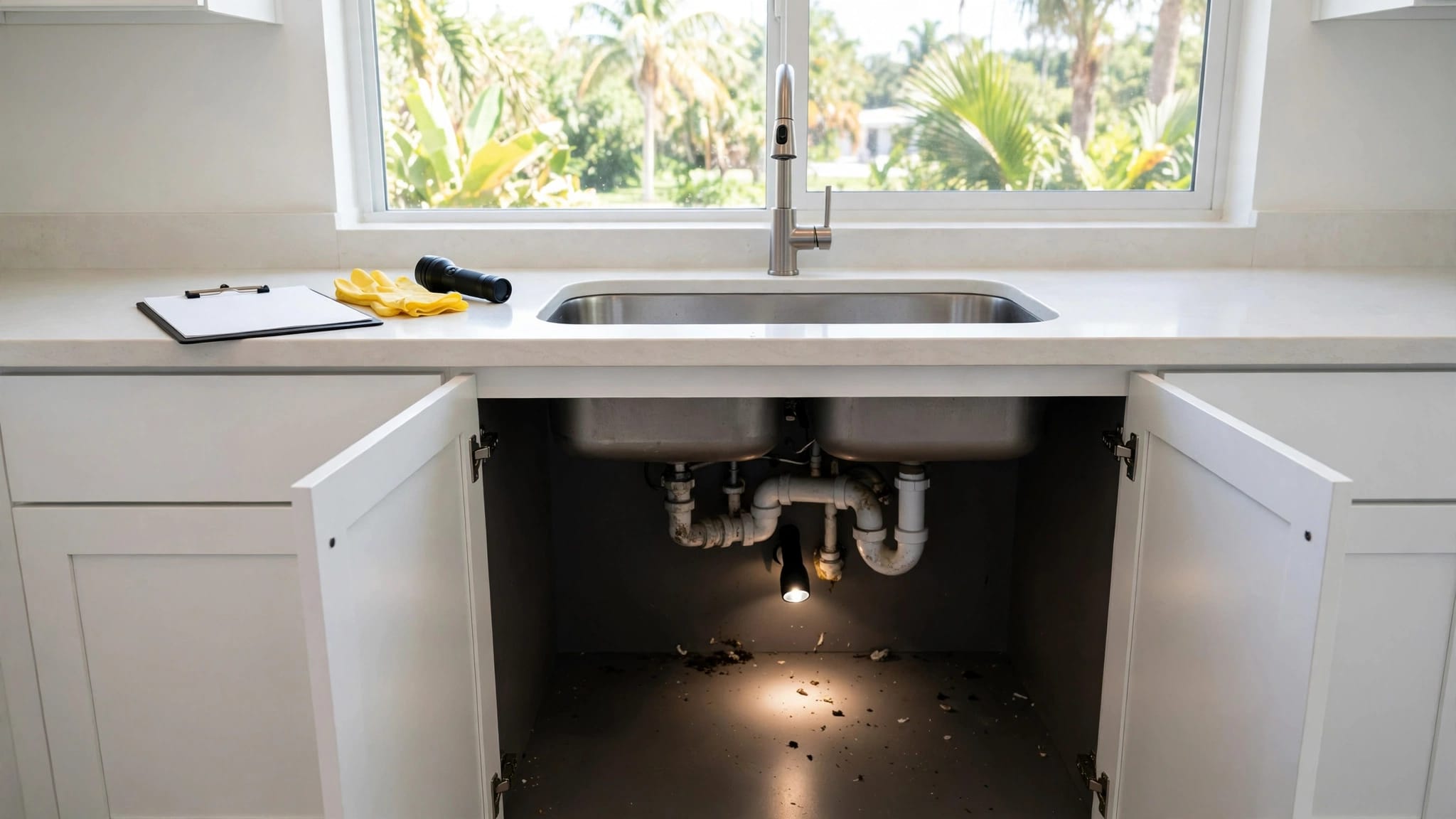
If the pattern still points to insects, check the lawn at dusk with a flashlight. Fresh feeding often shows up along the edge of the patch, not in the dead center. You may spot small greenish or tan caterpillars curled near the soil.
A soap flush can also help. Mix 1 to 2 tablespoons of mild dish soap in 1 gallon of water, then pour it over a small damaged area. Watch for a few minutes.
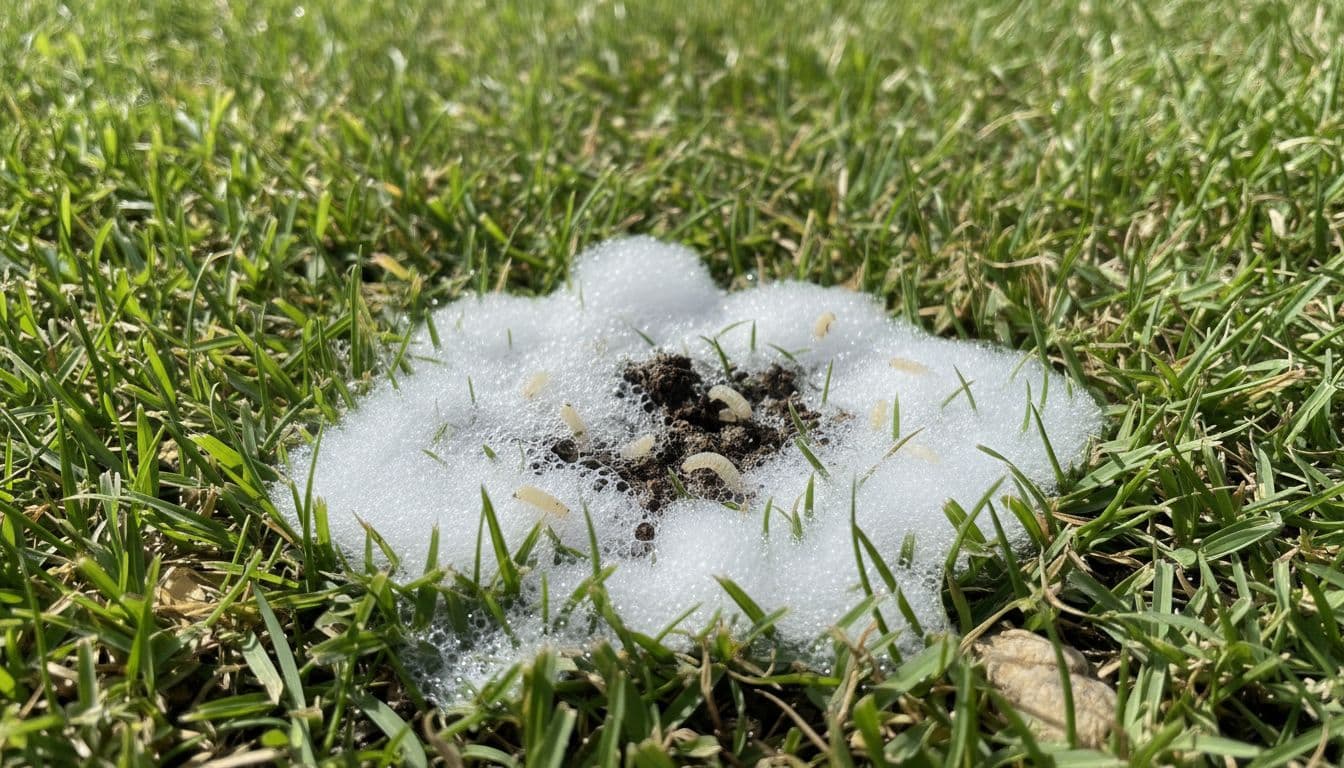
Check the edge of fresh damage, not the middle of a fully brown patch.
You can also part the grass and look down into the thatch. Webworm larvae hide there during the day. If the lawn looks more sun-burned than chewed, use this chinch bug damage checklist before deciding what to do next.
How to stop sod webworms and help the lawn recover
Start by lowering stress on the grass. St. Augustine in Cape Coral usually does better when mowed high, around 3.5 to 4 inches. Keep the mower blade sharp, because torn grass tips make the lawn look worse and recover slower.
Next, fix watering habits. Deep, early-morning irrigation is better than short daily sprinkles. In Southwest Florida, frequent shallow watering keeps the surface damp and the thatch cozy for pests. It can also make homeowners think the lawn needs more water, when the real issue is feeding damage.
Thatch deserves attention too. A heavy thatch layer gives larvae a safe hiding place and can block treatments from reaching where they need to go. If your lawn feels puffy, plan to reduce thatch or aerate at the right time for active turf growth.
Treatment timing matters more than blasting the lawn. Products tend to work best when larvae are small and feeding near the surface. In Cape Coral, that often means acting when you first spot fresh chewing, not after large areas have already browned out.
For labeled lawn caterpillar products, you'll commonly see pyrethroid-type actives , spinosyn-type products , insect growth regulators , or microbial caterpillar controls such as Bt. The best choice depends on the label, the grass, and the size of the larvae. Some products need light watering after application, while others do not, so follow the label every time.
Also, think local. Avoid applications before heavy rain, and keep products away from canals, storm drains, and blooming plants. If damage is spreading across several areas, or if you can't confirm the pest, a local lawn pest professional can help with timing and product selection.
A severe infestation doesn't mean the lawn is lost. It usually means you need a faster plan, plus better mowing, watering, and follow-up checks while the grass fills back in.
A Cape Coral lawn can go from healthy to ragged fast, but sod webworms are beatable. Fast identification is the real advantage, because small larvae are easier to stop than a full-blown outbreak.
Look for clipped blades, confirm the pest at dusk or with a soap flush, then pair smart lawn care with a labeled treatment if needed. If patches keep growing, get local help before the turf thins beyond an easy recovery.
Schedule a Free Inspection: