Oriental Cockroaches in Cape Coral: Sprinkler Boxes and Entry Gaps
You lift a sprinkler box lid, and a dark roach bolts for cover. Then a few nights later, one shows up near the back door. That pattern is common in Cape Coral because damp yard equipment and small exterior gaps often work together.
When people look up oriental cockroaches cape coral issues, they usually have the same concern: roaches start outside in wet hiding spots, then move toward the house. The good news is the source is often easier to track than it seems.
Why sprinkler boxes and damp yard spots draw Oriental roaches
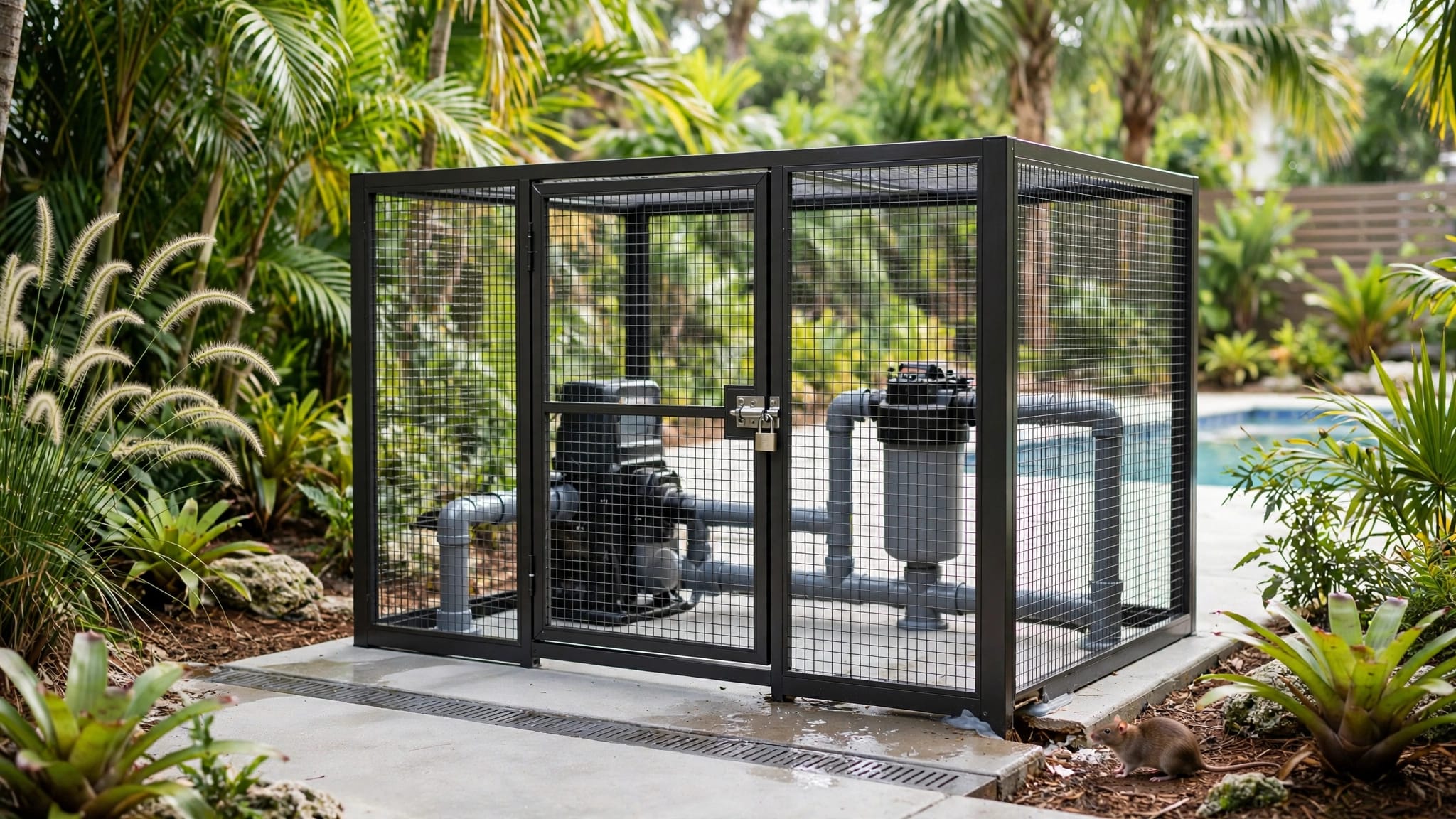
Oriental cockroaches like cool, dark, damp places. In Cape Coral, that makes sprinkler valve boxes, meter boxes, mulch beds, drains, and shaded perimeter gaps strong hiding spots. A yard doesn't need to look messy for this to happen. It only needs steady moisture and cover.
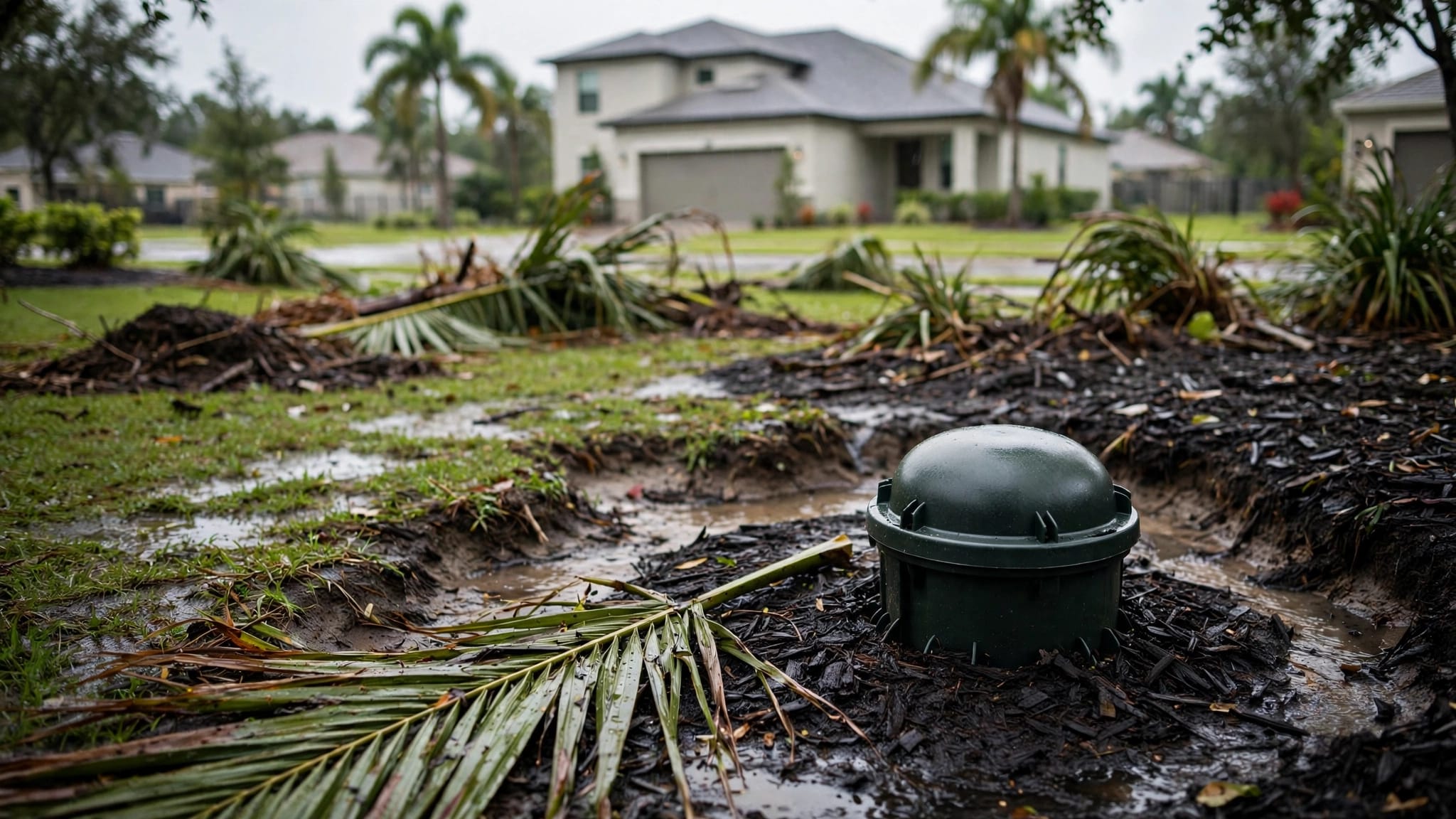
Sprinkler boxes are a big one. They stay low to the ground, hold humidity, and often collect wet soil or plant debris. If a valve leaks or irrigation runs too long, the box becomes a small shelter with a water source built in. To a roach, that's better than a hotel room.
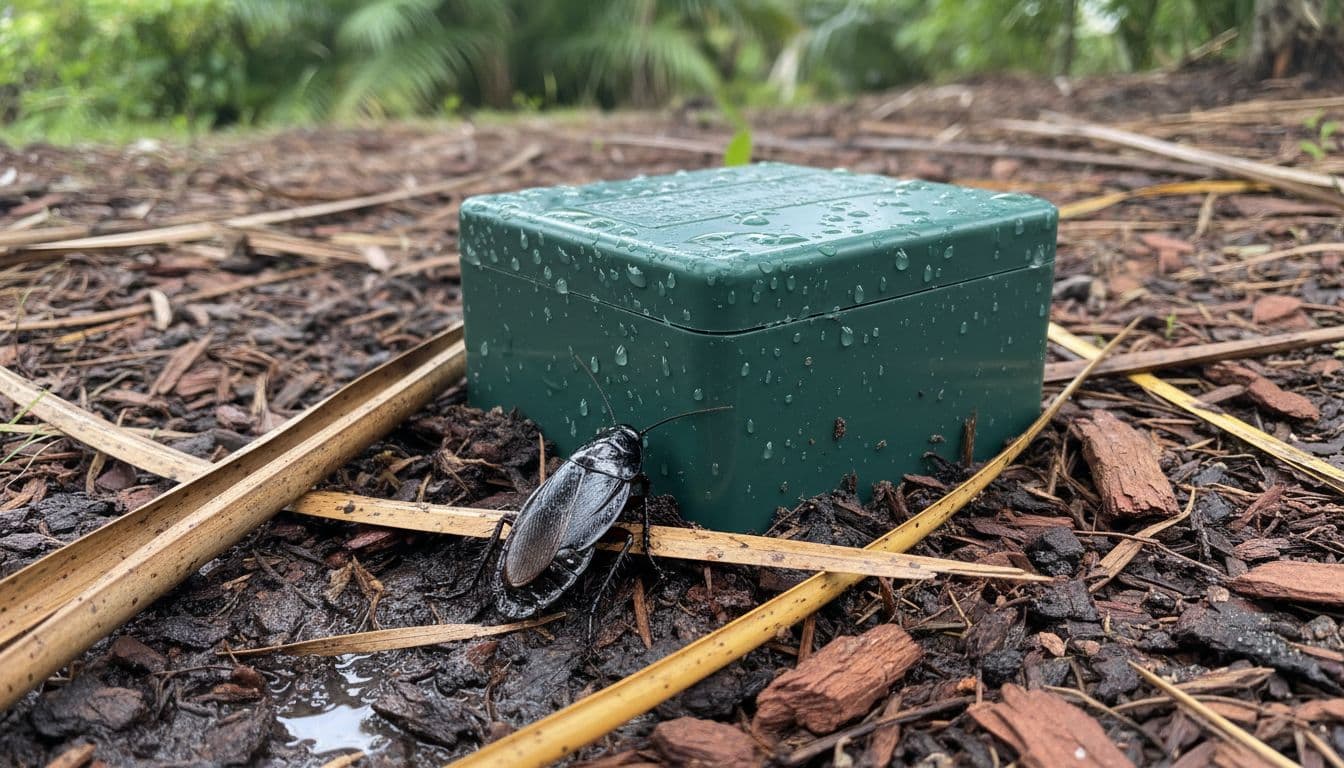
The same pattern shows up in mulch beds and around drains. Wet mulch against the home holds shade and moisture through much of the day. Meanwhile, clogged yard drains or low spots near the slab can stay damp long after rain or watering stops. As a result, roaches stay active close to the structure.
This matters because Oriental roaches are not strong indoor nesters like some smaller roaches. They often build up outside first. Then, at night, they wander through nearby cracks, door gaps, or utility openings.
If the hiding spot stays wet, the problem usually keeps restarting.
How to tell Oriental cockroaches from other Cape Coral roaches
Not every large roach near a home is the same. That matters because the hiding spots can be different.
Oriental cockroaches are usually dark brown to black , with a thicker, stockier look. They move slower than many other roaches and prefer damp ground-level areas. You are more likely to find them near sprinkler boxes, meter boxes, lanai edges, or wet mulch than on a kitchen counter.
Here is a simple side-by-side comparison:
| Species | What it looks like | Where it usually shows up |
|---|---|---|
| Oriental cockroach | Dark, almost black, chunky body | Sprinkler boxes, damp gaps, mulch, drains |
| American cockroach | Large, reddish-brown | Drains, garages, utility areas |
| Brown-banded cockroach | Small, tan, lighter bands | Bedrooms, closets, furniture, dry rooms |
If your sightings start near plumbing or shower areas, this guide to American cockroaches in Cape Coral drains can help you sort out the difference. On the other hand, if the roaches are smaller and turning up in dry indoor spaces, brown-banded cockroaches in Cape Coral bedrooms fit that pattern better.
The big takeaway is simple. Oriental roaches usually point to moisture outside or along the perimeter , not crumbs in the pantry.
The entry gaps that let them move from yard to house
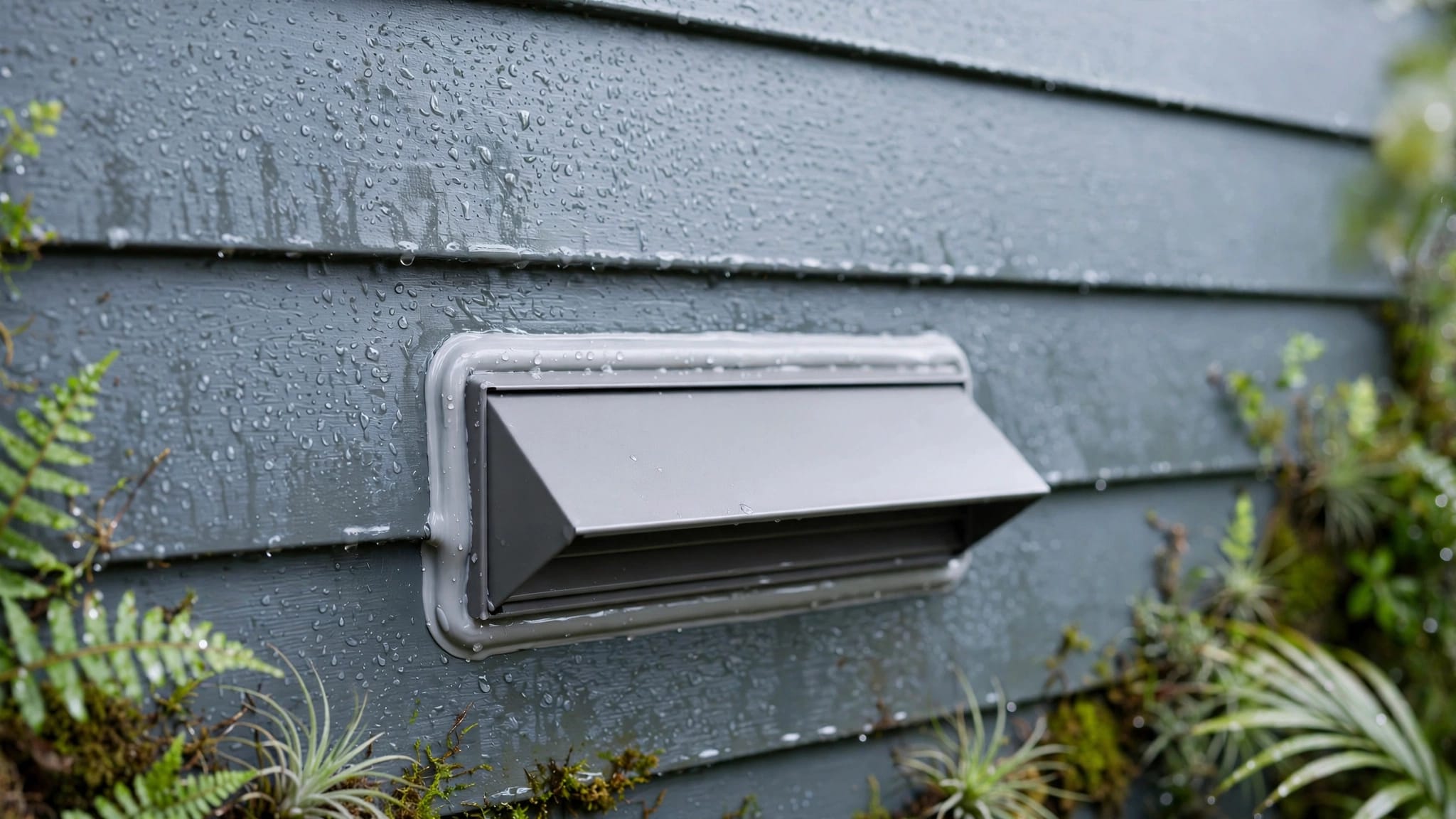
Once Oriental roaches settle near the foundation, they only need a thin opening to get inside. A worn door sweep, a gap at the garage corner, or a crack around a pipe is often enough.
Common problem spots in Cape Coral homes include the bottom of exterior doors, utility penetrations, loose weatherstripping, cracks near the slab, and gaps where stucco meets trim. Shaded sides of the house tend to stay damp longer, so those areas deserve extra attention. Homes with heavy irrigation near the foundation often see more pressure.
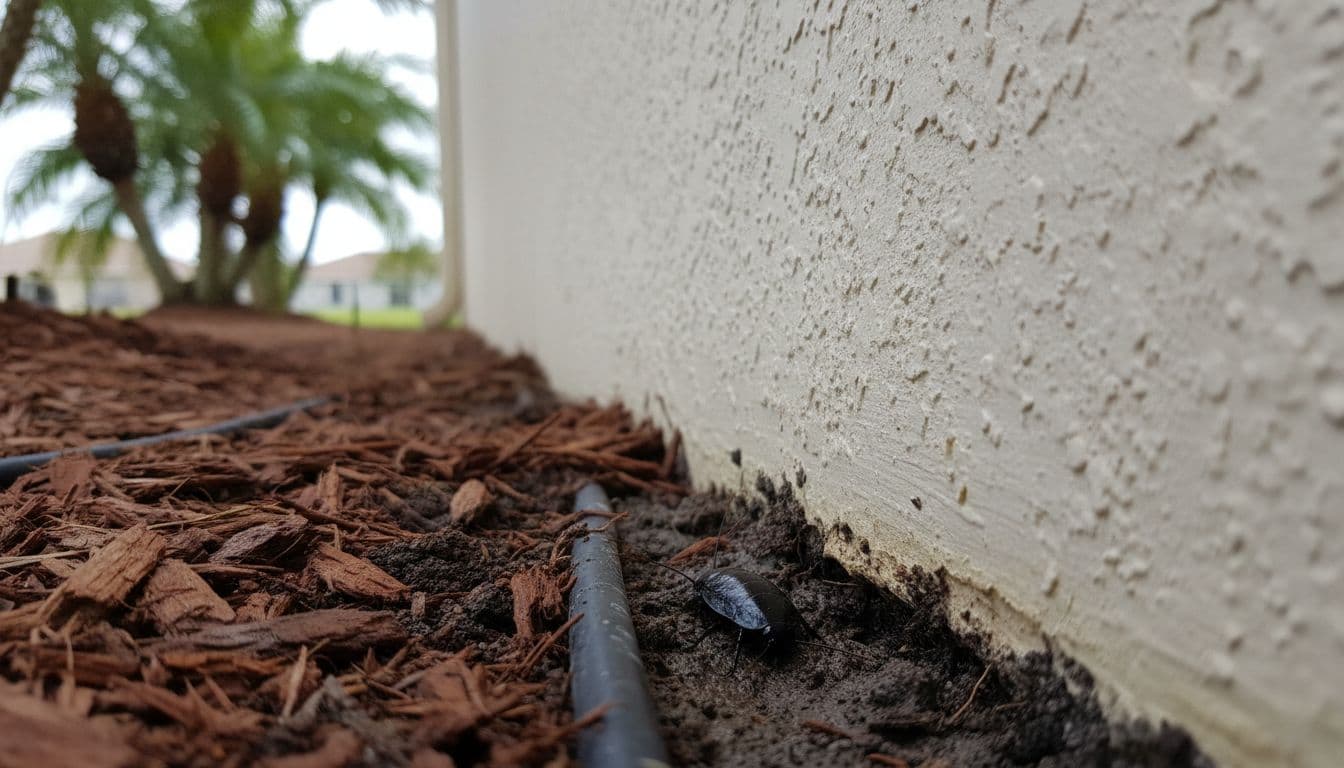
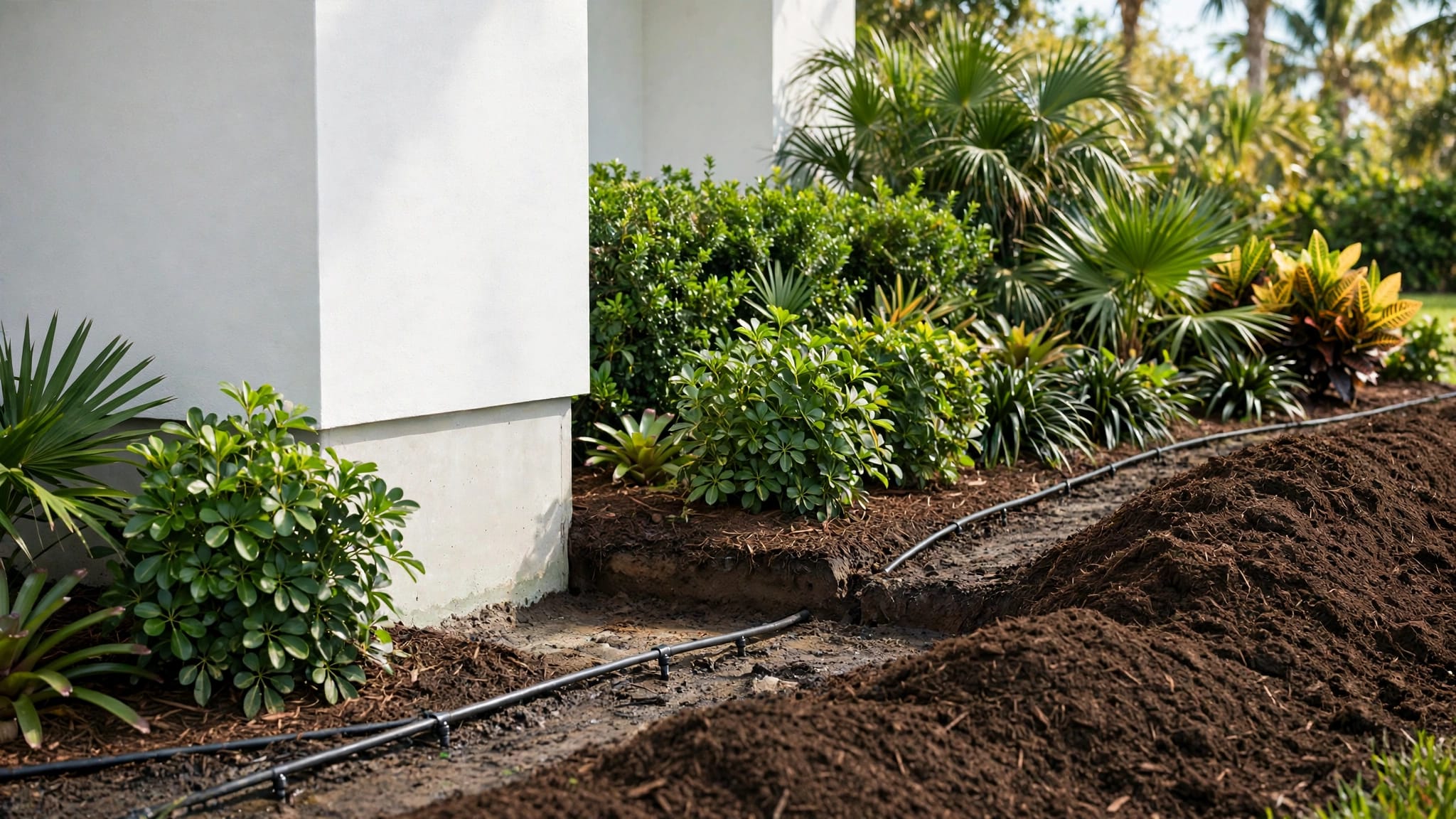
Mulch piled too close to the wall can make things worse. It keeps the edge of the home cooler and wetter, and it hides the exact gap the roaches are using. The same is true around meter boxes and irrigation lines that run toward the structure.
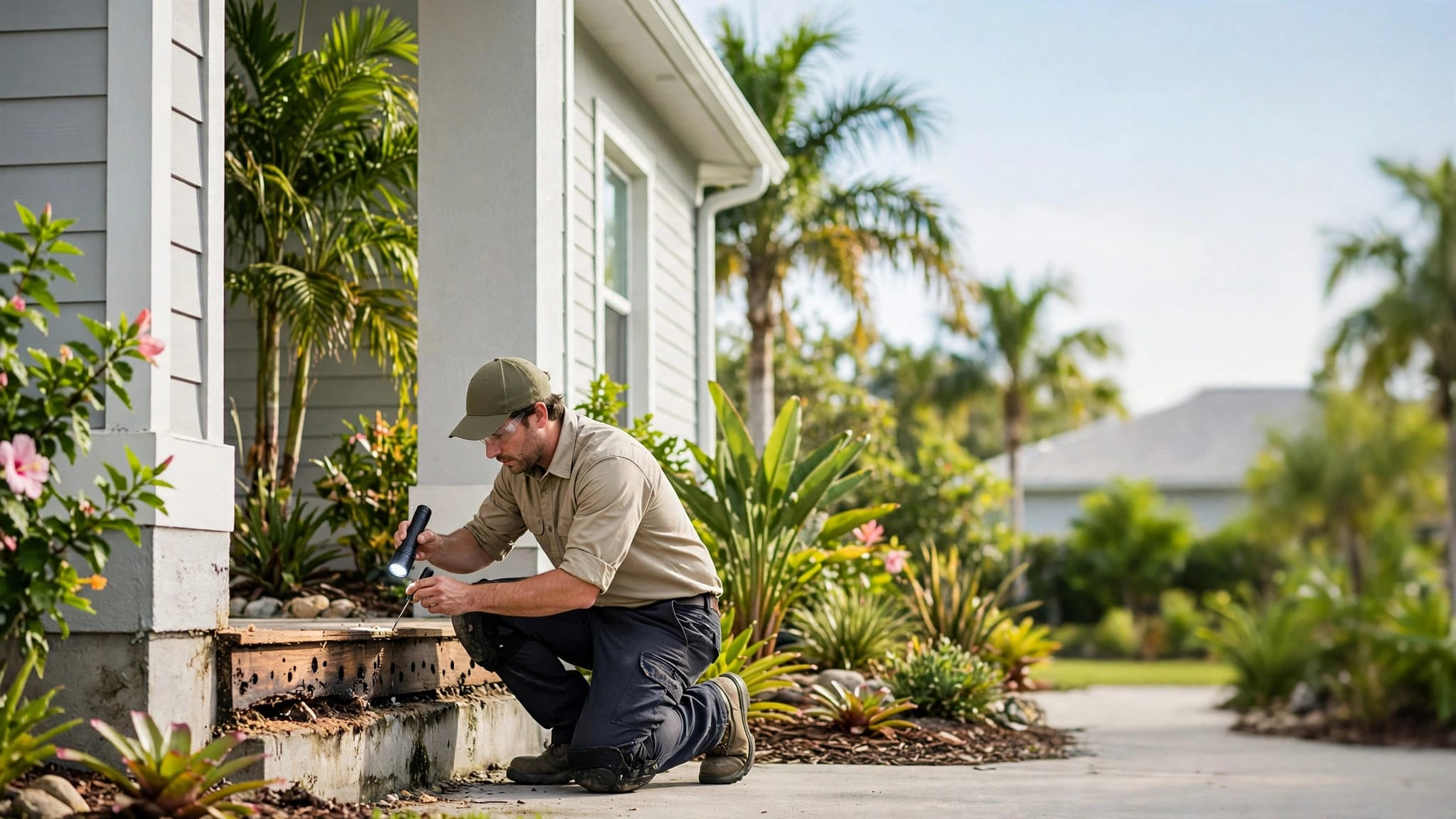
A quick evening inspection often tells the story. Check the back slider, garage service door, hose bib areas, and any spot where you can see light under a door. Also look around sprinkler components for damp soil, algae, or standing water. Those clues usually point to the pressure source.
Practical prevention steps that work in Cape Coral
Start with moisture first, because sealing gaps won't help much if the yard stays soggy. Adjust sprinkler heads so they do not soak the foundation or patio edges. Repair leaking valves, clear debris from boxes, and fix drainage issues that leave water sitting near the slab.
Next, make the perimeter harder to use. Pull mulch back from the wall, especially in shaded spots. Replace worn door sweeps, tighten weatherstripping, and seal small gaps around pipes and cable lines. If a meter box or sprinkler box stays muddy, that area needs attention before roaches keep moving inward.
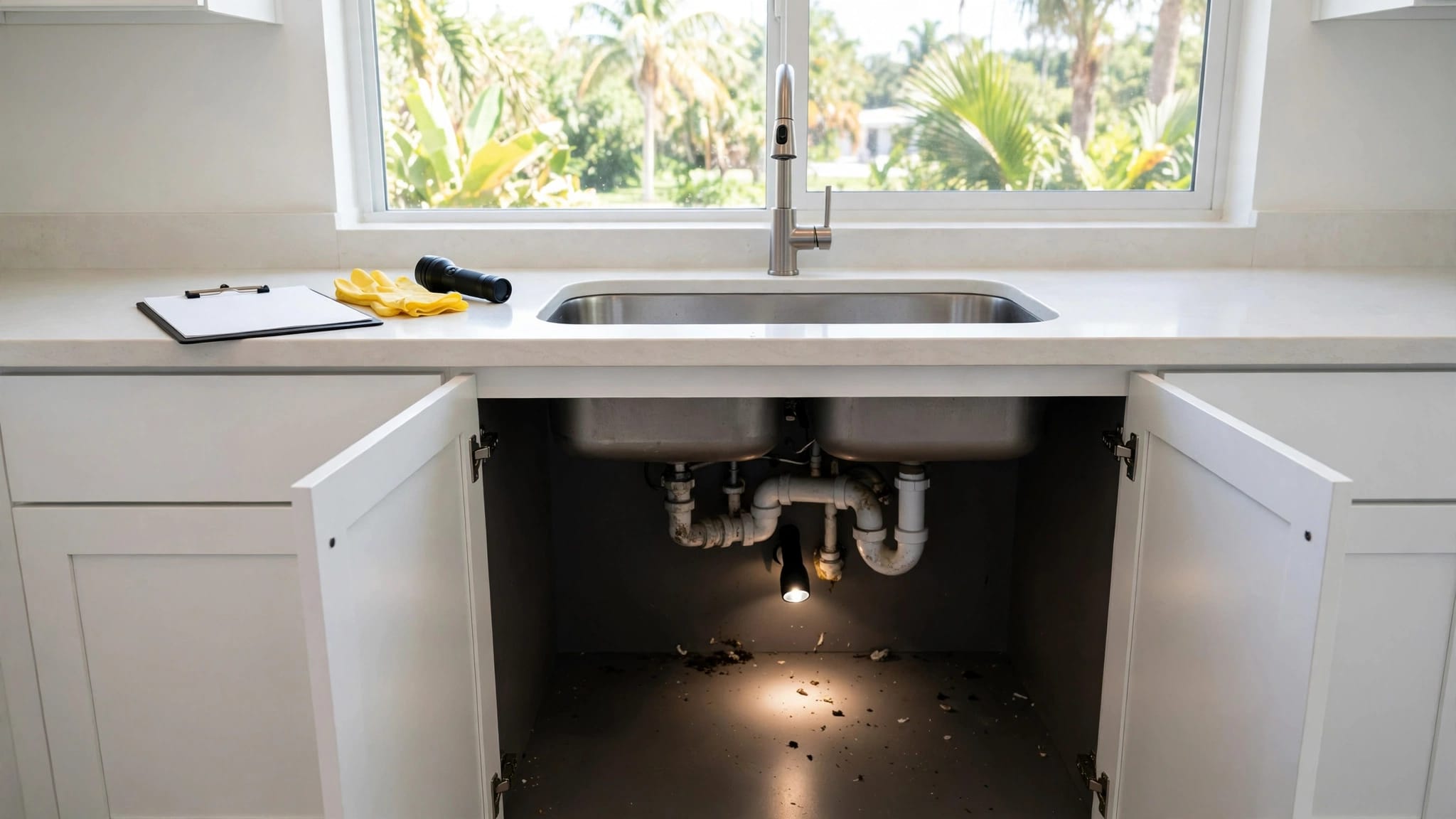
Inside the home, keep garages, laundry rooms, and under-sink areas as dry as possible. If you want more broad prevention tips, this article on preventing cockroaches in Cape Coral homes pairs well with yard-focused fixes.
DIY products can help with monitoring, but broad spraying into boxes, drains, or door gaps usually misses the reason roaches are there. For repeat sightings, a professional inspection is the more reliable option. A local pest pro can confirm the species, find the moisture source, and apply targeted treatment where it belongs. For a bigger-picture approach, see these cockroach control strategies for Cape Coral homes.
Oriental roaches rarely appear out of nowhere. They follow water, shade, and easy access.
If you fix the wet hiding spots and close the small openings, sightings usually drop fast. If they keep coming back, it's time to have the property inspected and the source treated with a focused plan.
Schedule a Free Inspection: