Termite Swarmers Around Cape Coral Porch Lights: What It Means
You flip on the porch light, and suddenly the air looks busy. In Cape Coral, termite swarmers often show up this way on warm, humid nights.
That doesn't automatically mean your home has termite damage. Still, it can point to a nearby colony, especially during Florida swarming season. A calm, careful check now is better than guessing later.
Why termite swarmers gather at porch lights in Cape Coral
In Southwest Florida, termites stay active because the weather rarely gives them a long break. Warmth, humidity, and rainy stretches create good conditions for swarming, especially on still evenings after moisture builds.
Swarmers are the winged termites that leave a mature colony to start a new one. Like moths circling a bulb, they often drift toward porch lights, garage lights, and bright windows. That's why many Cape Coral homeowners first notice them outside near entry doors.
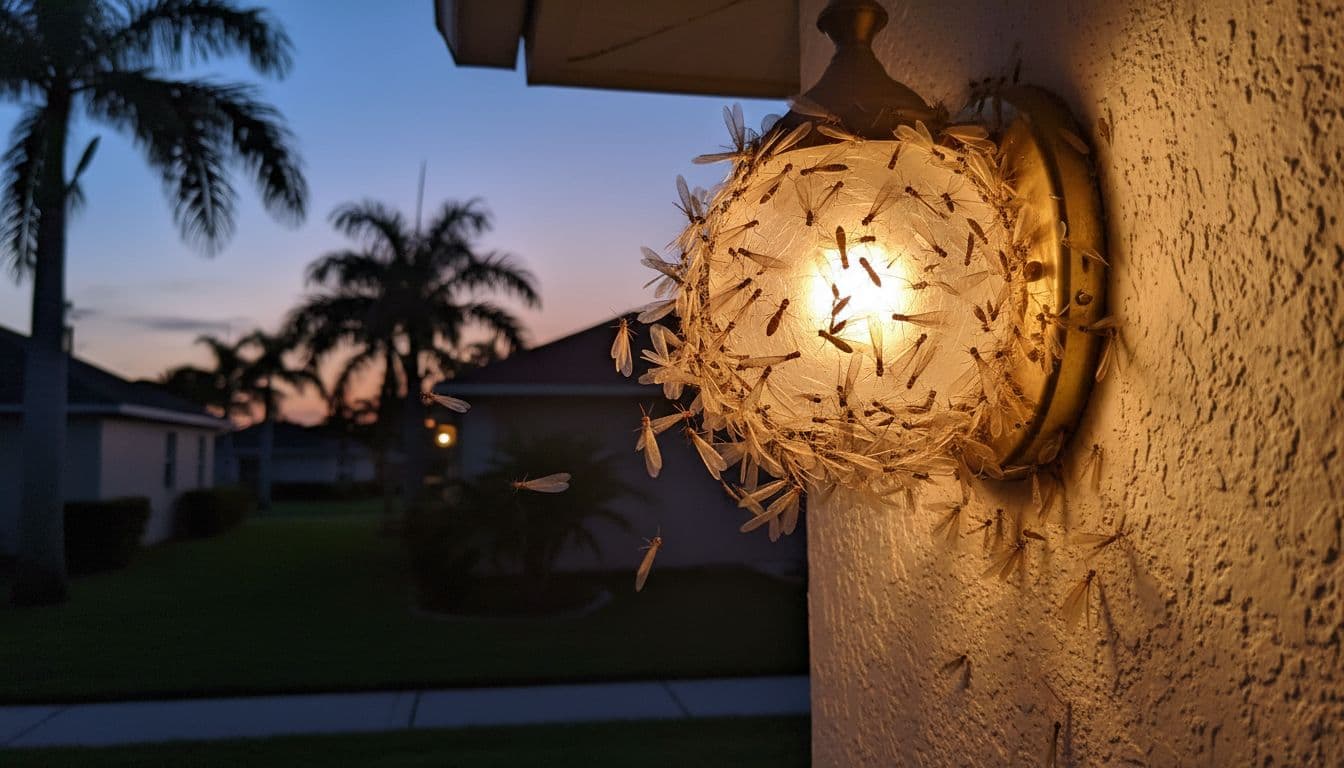
If you see termite swarmers Cape Coral homes commonly attract around lights, focus on the pattern. A one-night sighting outdoors may happen during swarming season. Repeated sightings, or swarmers showing up indoors, deserve more attention.
Swarmers near a porch light don't confirm damage by themselves, but they do tell you termites may be active close by.
It also helps to remember that Cape Coral homes can face both subterranean and drywood termite pressure. If you want a broader local overview, this Cape Coral termite prevention guide explains common risk factors around Southwest Florida homes.
Termite swarmers or flying ants, how can you tell?
A lot of people mistake termite swarmers for flying ants. That's an easy mix-up, especially at night when insects are moving fast around a bulb.
The good news is that a few simple body clues can help. Termite swarmers have a thicker, straighter body shape. Their wings are usually equal in size, and their antennae look straight or bead-like. Flying ants, on the other hand, have a pinched waist, bent antennae, and front wings that are longer than the back wings.
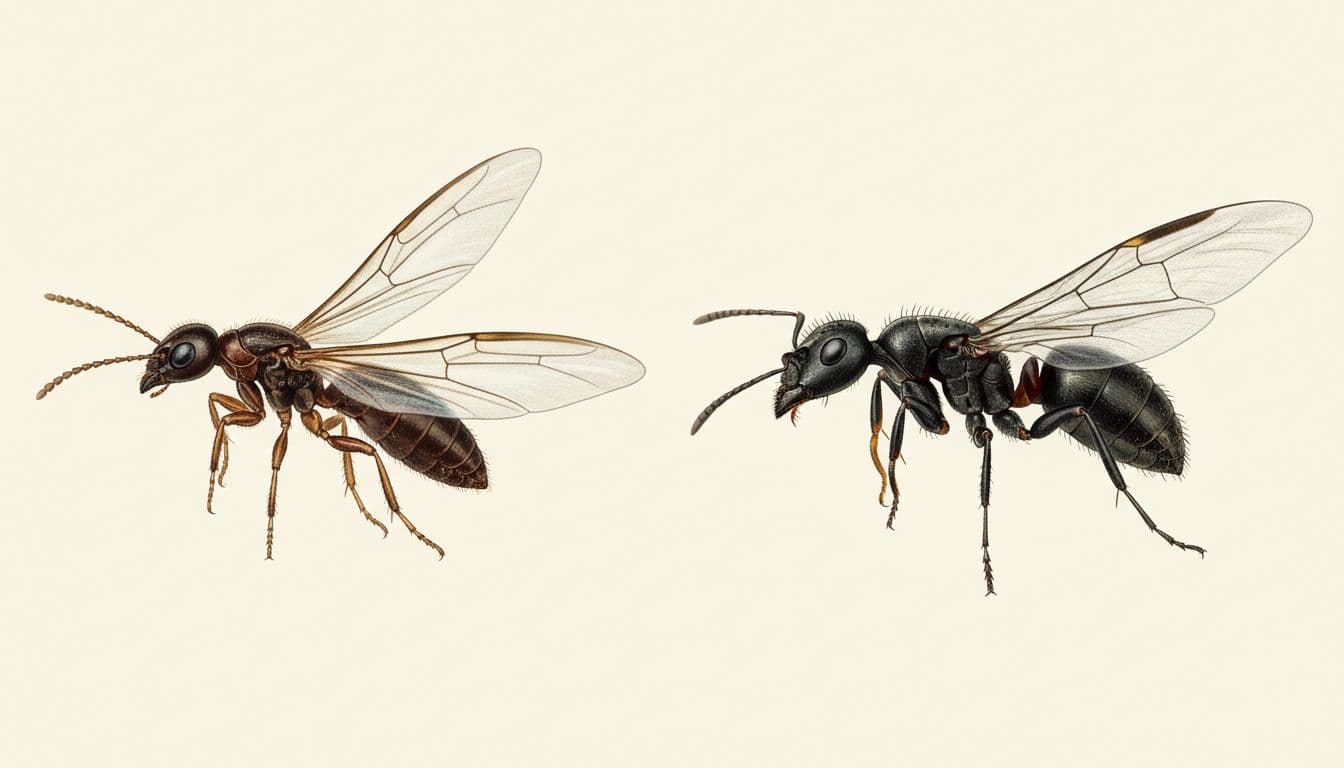
This quick comparison makes the differences easier to spot:
| Feature | Termite swarmer | Flying ant |
|---|---|---|
| Waist | Broad, straight | Narrow, pinched |
| Antennae | Straight | Elbowed |
| Wings | Four wings, same length | Front wings longer |
| Body look | More uniform | More segmented |
If you're able to catch one, place it in a small bag or container for ID. A sample helps far more than a blurry photo from across the porch. Also, check the ground and nearby trim. Discarded wings often tell a clearer story than the insects themselves, because swarmers shed them after landing.
What to do next if you see swarmers on the porch or inside
Start with observation, not panic. You don't need to spray first and ask questions later. In most cases, a few careful steps will give you better answers.
- Collect a sample if you can do it easily.
- Check for wings near doorways, windowsills, and porch corners.
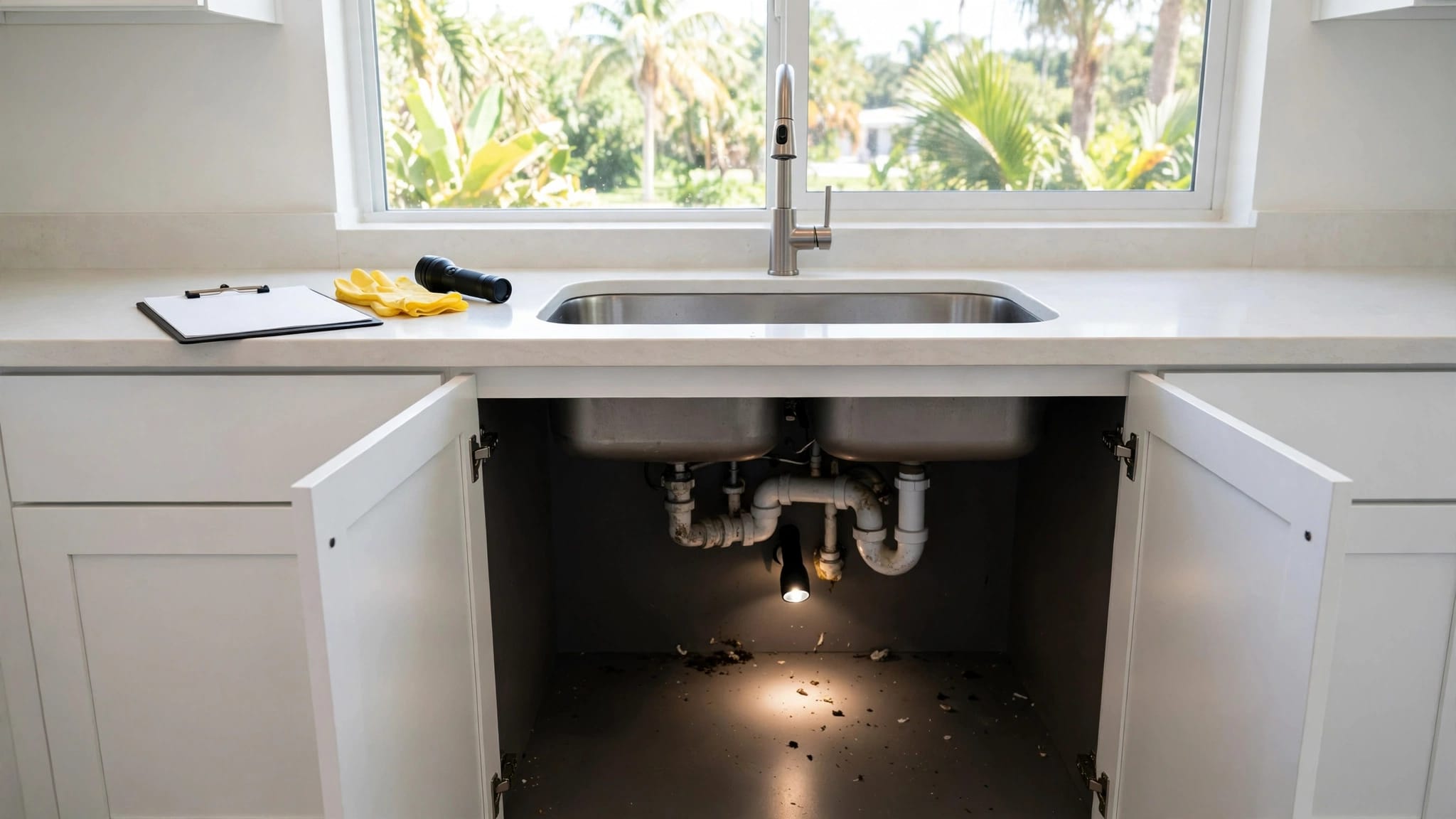
- Look indoors around window tracks, baseboards, and entry thresholds.
- Reduce attractant lighting when practical, especially during heavy swarms.
- Schedule a termite inspection if sightings repeat or happen inside.
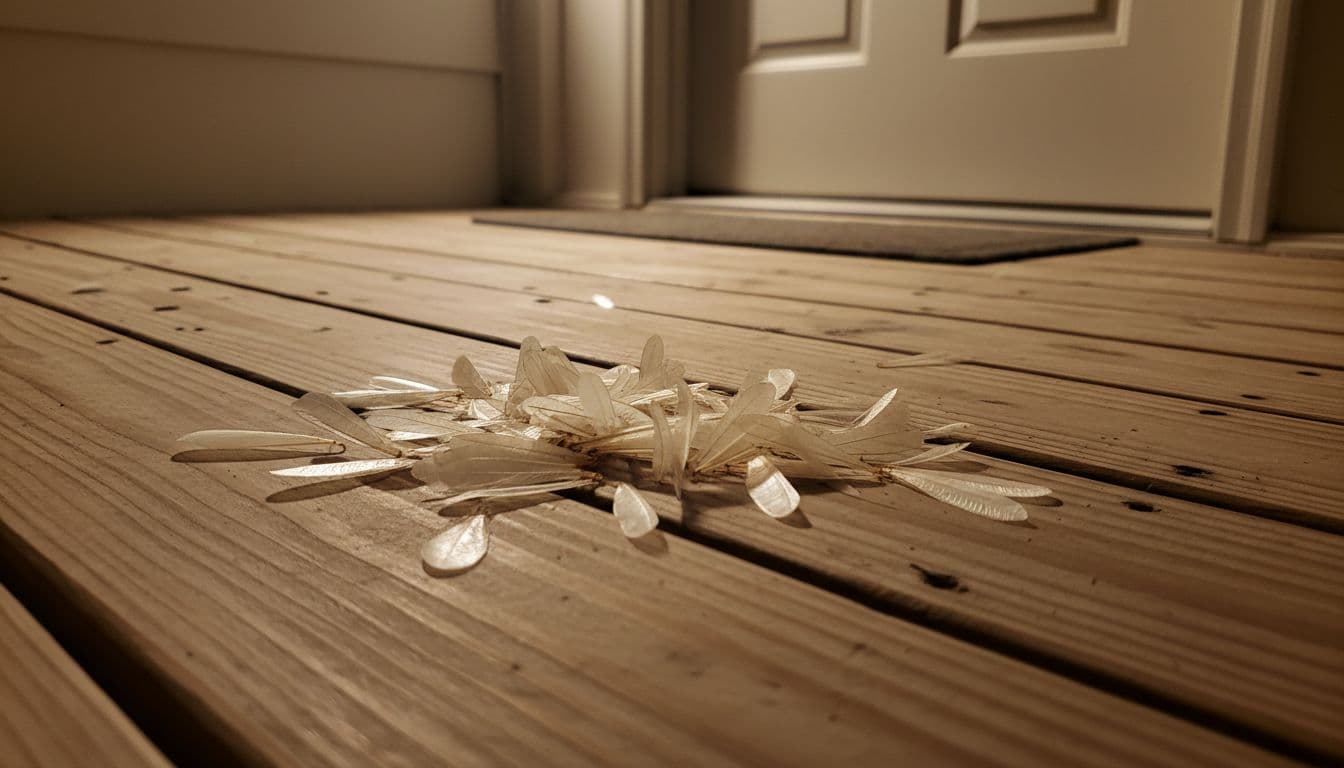
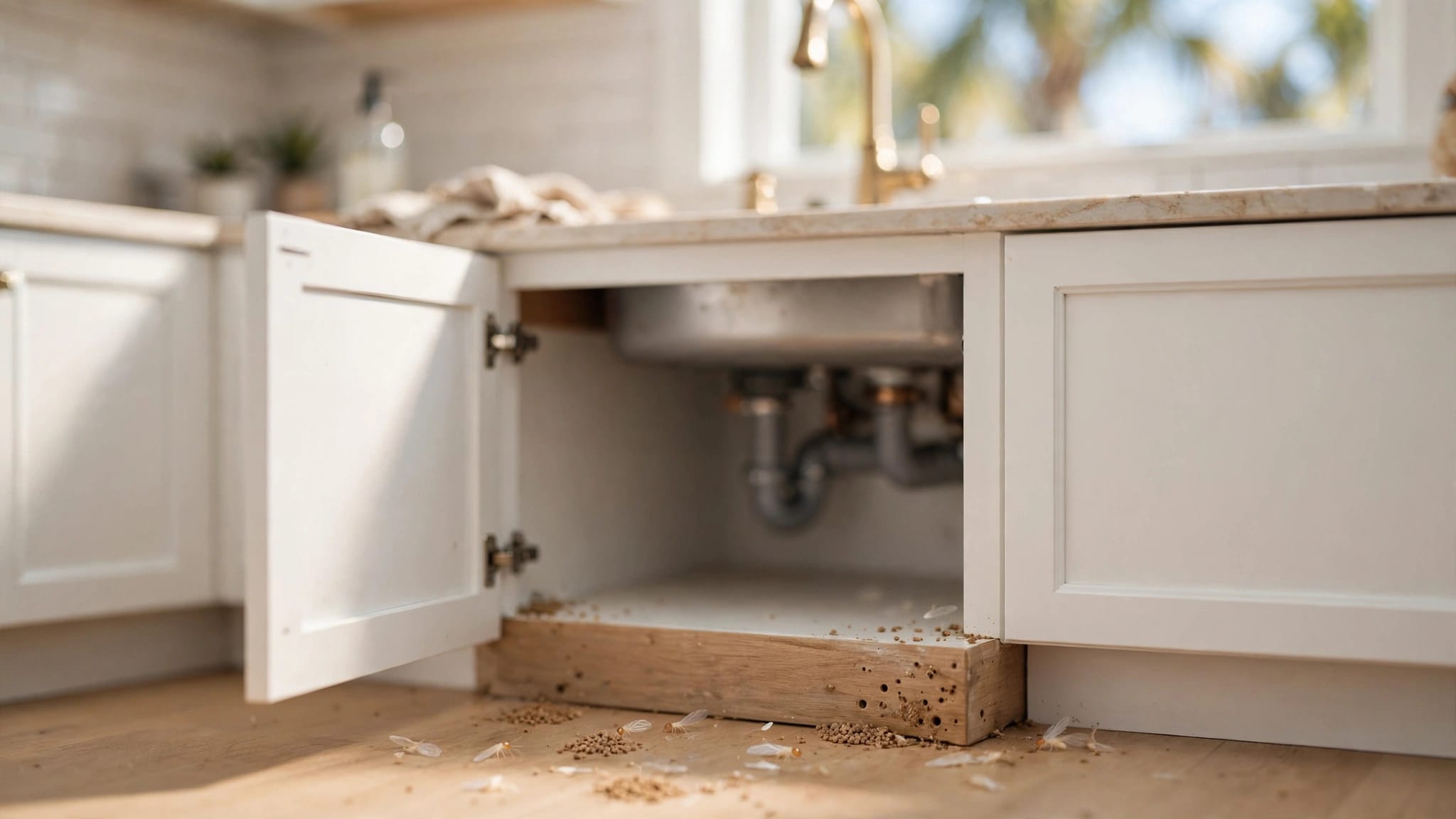
Windowsills and doorways matter because they catch both insects and wings. If you later notice tiny pellet piles near trim, that may point to drywood activity. This guide on drywood termite frass on Cape Coral window sills can help you compare what you're seeing.
Lighting changes can help reduce the nightly bug cloud, although they won't solve a termite issue by themselves. Turn off unneeded porch lights, close blinds at night, and consider warmer-toned bulbs where it makes sense. That can make your entry less inviting during a swarm.
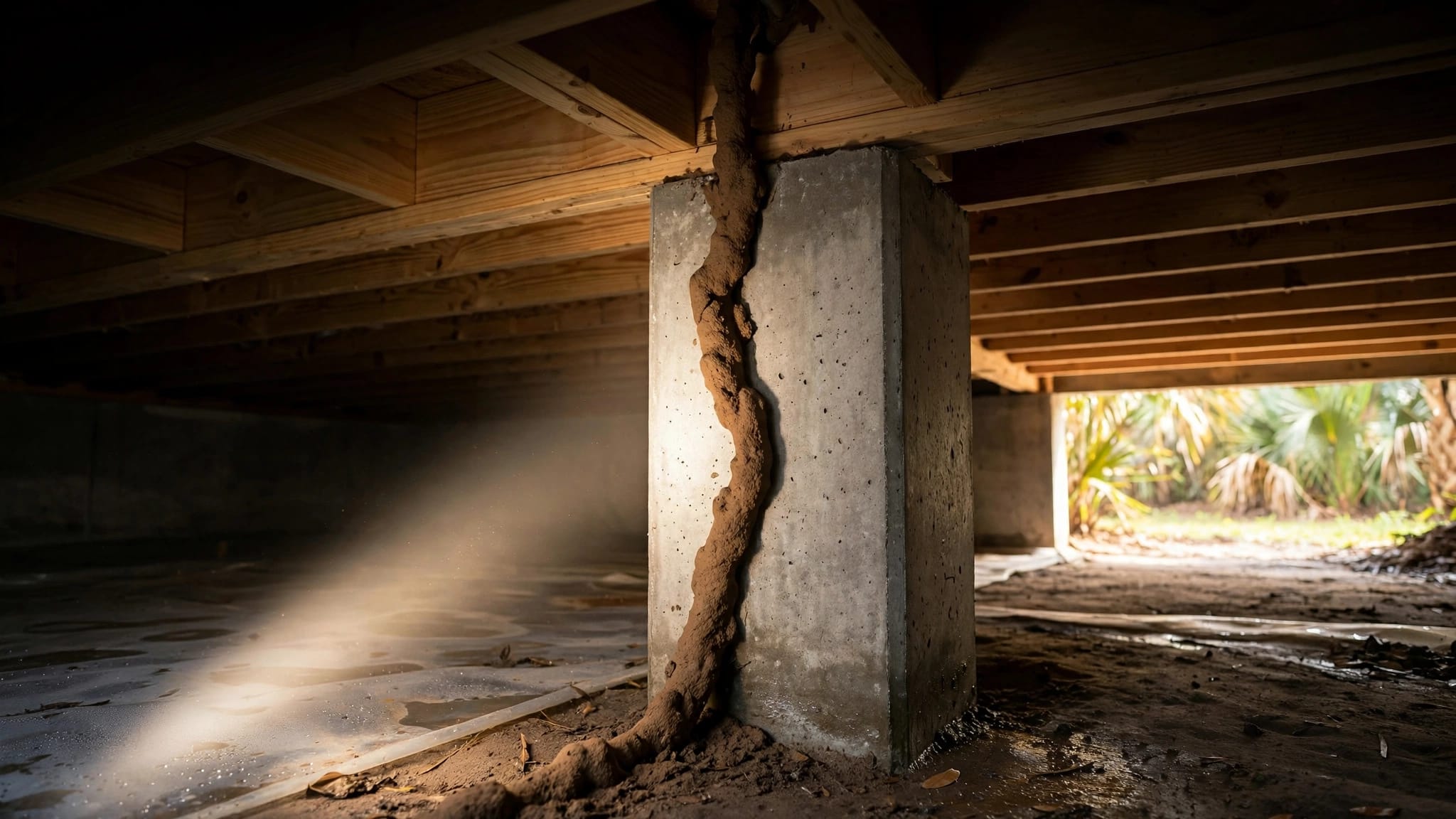
Indoor swarmers are the bigger signal. They may mean termites emerged from within the structure, or from a spot very close to it. Either way, repeated indoor sightings should move an inspection up your list. The same goes for mud tubes along a slab or foundation. If you see dirt-like lines near the home, this guide on how to identify Formosan termite mud tubes fast is a useful next reference.
A porch light can act like a spotlight for a termite problem, but it doesn't tell the full story on its own. What matters most is where the swarmers appear, whether they keep coming back, and what other signs show up nearby.
If you've seen termite swarmers around your Cape Coral porch lights more than once, or you've found them inside, now's the time to get a professional inspection. Catching the pattern early is usually the smartest move.
Schedule a Free Inspection: