Brown Dog Ticks in Cape Coral Dog Beds and Baseboards
Brown dog ticks in Cape Coral can hide in places most owners never check, especially dog beds and baseboards. That makes them hard to spot and even harder to knock out for good.
They can live and reproduce indoors, so the problem does not always start in the yard. If you keep finding ticks near your dog's sleeping spot or along a wall edge, the whole home needs attention, not just one room.
Why brown dog ticks keep coming back indoors
Brown dog ticks are built for indoor life in a way many people do not expect. They can feed on a dog, drop off, hide, and keep moving through their life cycle inside the home.
Cape Coral homes give them the right setup. Warm rooms, pet blankets, couch corners, and quiet baseboard gaps all offer shelter. Once they settle near a dog's resting area, they do not need much space to keep going.
This is why one tick sighting can turn into a repeating problem. A dog may carry ticks in from outside, but the ticks often spread where the dog sleeps, rests, or brushes against walls. In other words, the home becomes part of the infestation.
If you only clean the open floor, you can miss the places that matter most. The hidden edges often hold the next wave.
A lot of owners think a tick problem should stay in the yard. Brown dog ticks do not always follow that rule. They can stay inside, tuck into cracks, and wait for the next chance to feed.
The places they hide in dog beds and baseboards
Dog beds are one of the first places to inspect because ticks stay close to their host. Check seams, zippers, corners, and the underside of the bed. Hair, lint, and folded fabric give them easy cover.
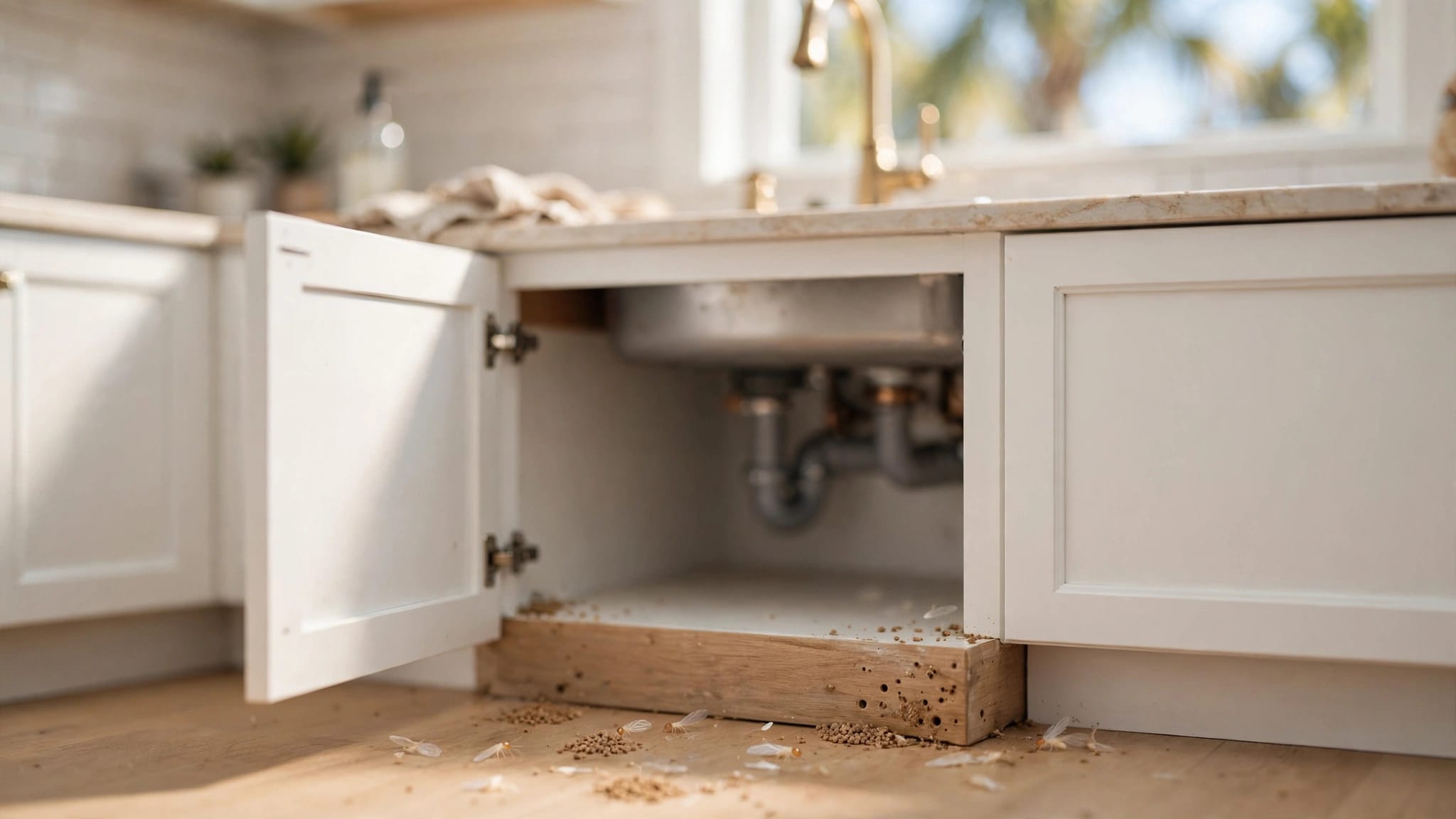
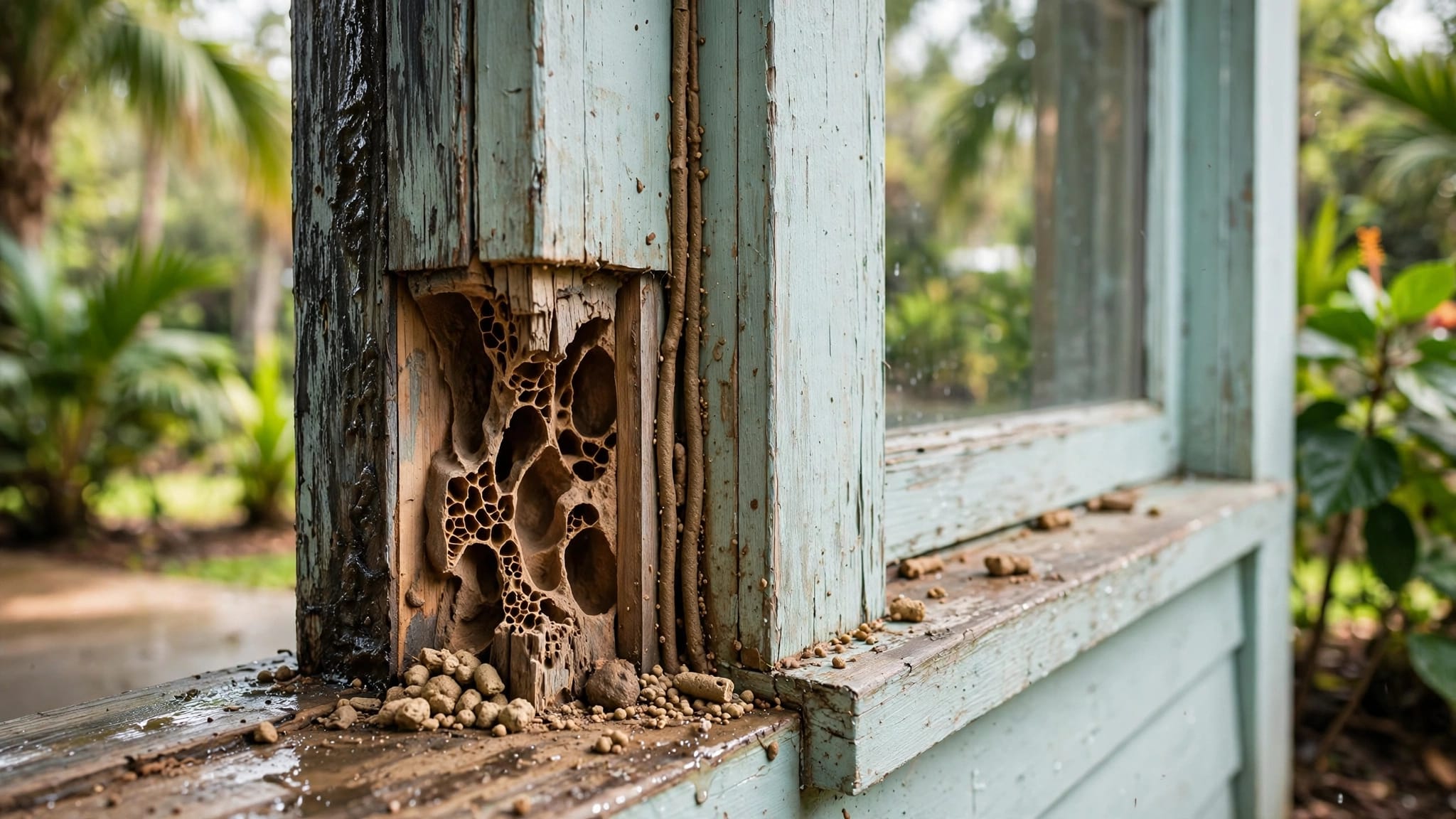
Baseboards are the next common hiding spot. Look behind furniture, at wall and floor joints, and in tiny gaps where dust collects. A tick can disappear into a crack that seems far too small to matter.
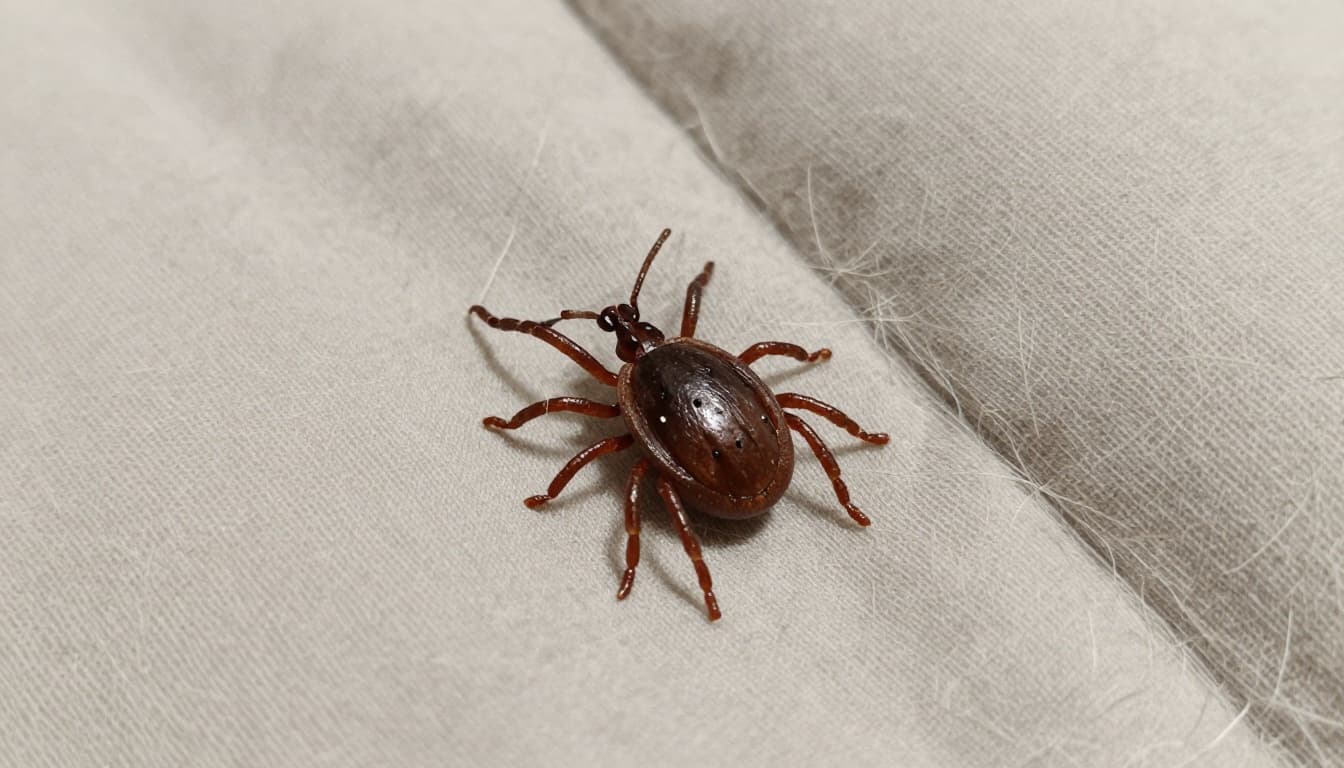
Bedrooms, living rooms, crates, and laundry areas can all hold ticks if your dog spends time there. Pet blankets, throw pillows, rugs, and upholstered furniture also deserve a look. If your dog naps in the same corner every day, start there.
The trick is to think in edges, not open spaces. Brown dog ticks like protected spots where they can avoid notice. That means wall trim, floorboard seams, and the back side of pet bedding matter as much as the bed itself.
How to inspect your home without missing the hidden spots
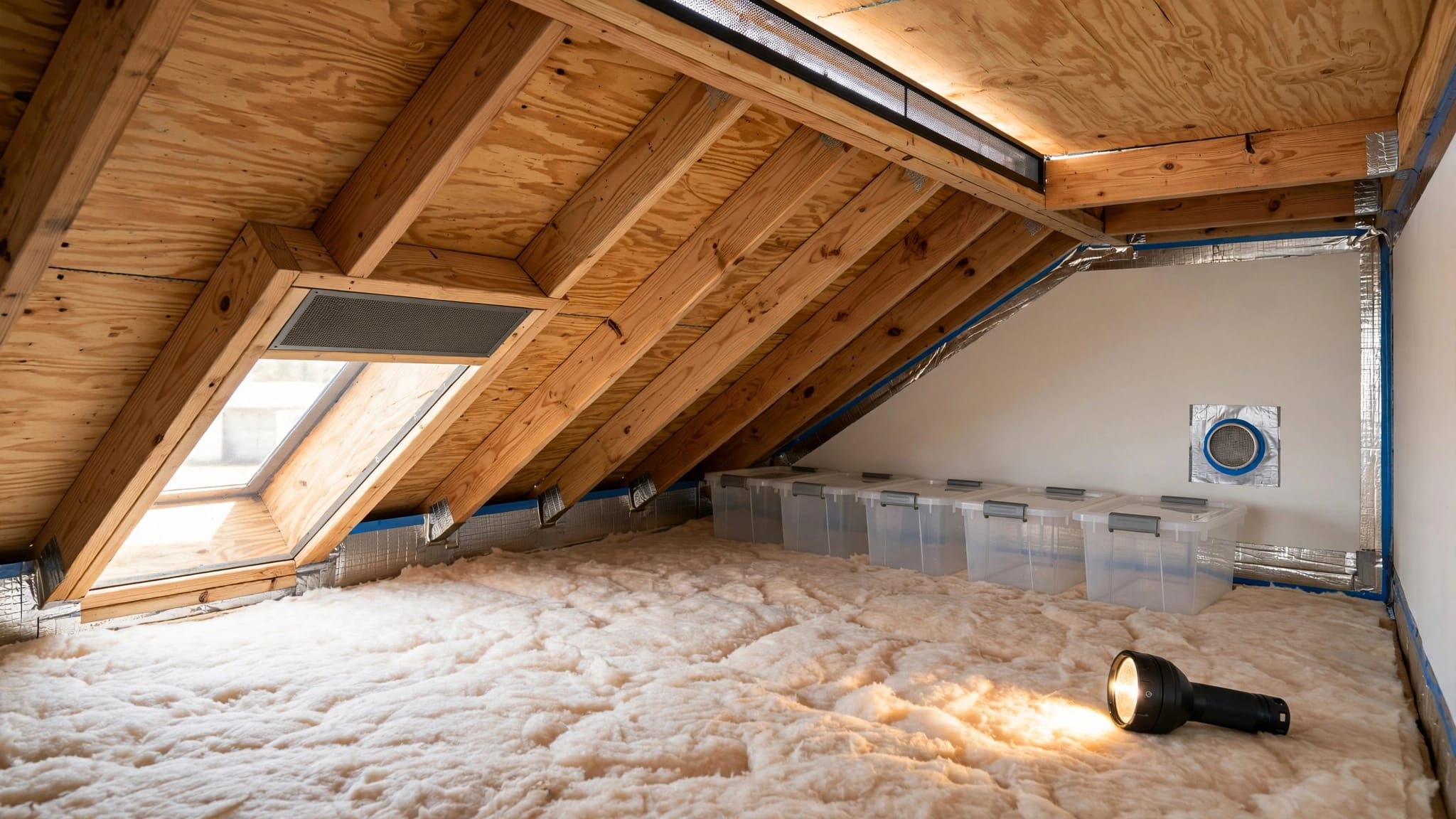
A flashlight makes a big difference. Search slowly and use your hand to lift bedding folds, check under cushions, and feel along seams. Ticks are easy to miss when you move too fast.
A simple inspection pattern helps.
- Start with the dog bed, crate pad, and any blanket your pet uses often.
- Check the baseboards near those resting spots.
- Look behind furniture that sits close to the wall.
- Inspect floor cracks, door casings, and the edges of rugs.
- Pay attention to any spot where your dog leans, sleeps, or scratches.
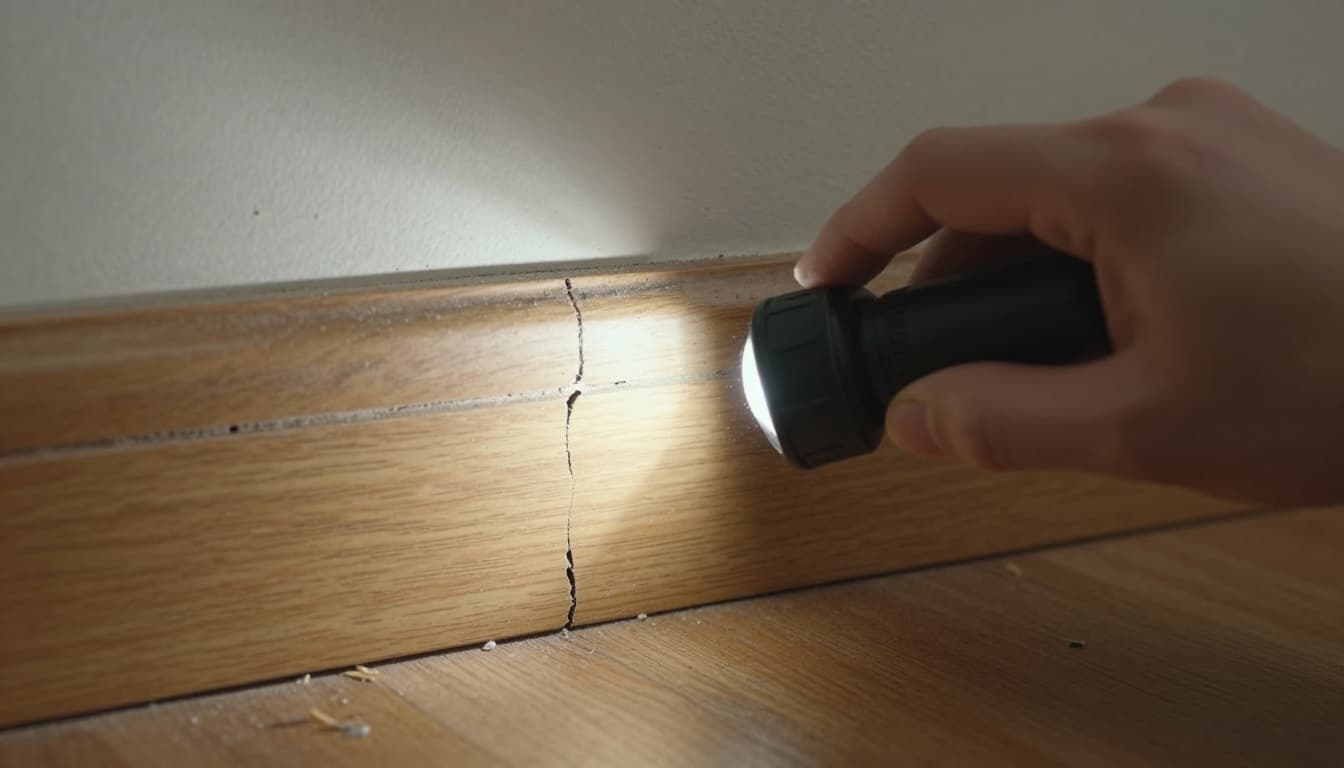
After that, clean with purpose. Wash bedding in hot water if the fabric allows it, then dry on high heat. Heat helps kill ticks hidden in folds and seams. For items that cannot go in the washer, steam cleaning can help, but only if you reach the full surface.
Vacuum slowly along edges, under furniture, and around pet areas. Use the crevice tool on cracks and baseboards. Empty the vacuum outside right away, because ticks can survive inside the canister or bag long enough to spread again.
A clean home is a strong start, but timing matters too. If your dog keeps using the same bed while you clean around it, the ticks may move right back to the same spot.
Why DIY tick treatments often fall short
DIY efforts often miss the life cycle. You may kill the ticks you can see, while eggs and tiny hidden stages remain in cracks, seams, or wall edges.
That is one reason the problem can return after a week or two. It looks better at first, then new ticks appear later. The first cleanup may have worked on adults, but missed the next round waiting out of sight.
Sprays also struggle in the exact places brown dog ticks like most. Baseboard gaps, bed seams, and cluttered corners do not always get enough product coverage. So the visible floor looks treated while the hidden pockets stay active.
DIY work can help, but it has limits. A single treatment, a quick vacuum, or one bedding wash usually does not finish the job. If even one cluster survives, the cycle can keep going.
The home also needs more than a surface clean. Sealing cracks, reducing clutter, and removing pet bedding from the floor make a real difference. Without those steps, the same shelters stay open.
Treat the pet and the house together
The best results come when you treat the dog and the home on the same schedule. If only one side gets attention, the other side can keep the infestation alive.
A veterinarian-recommended tick prevention for your dog is a smart place to start. The right product depends on your dog's age, weight, and health. If you have more than one pet, each one needs the correct plan.
Home treatment should focus on the places ticks actually hide. That means dog beds, couch edges, floor cracks, and baseboards near pet rest areas. A broad, unfocused spray is less useful than a careful treatment of the spots where ticks live.
If ticks seem to come back after outside time, the yard may be part of the problem too. This Cape Coral yard tick control plan explains the outdoor hot spots that often feed indoor infestations.
For homes with dogs and cats, use extra care. Dog products are not always safe for cats, so the veterinarian's guidance matters even more. Timing matters too, because the pet and the home should be treated close together.
Keeping ticks from settling in again
Once the home is clear, steady habits keep it that way. Wash pet bedding often, and vacuum baseboards and furniture edges on a schedule. Small habits prevent a big problem.
Move dog beds away from walls when you can. That gives you a better view of the bed and makes it harder for ticks to hide in the gap. It also makes cleaning easier.
Keep clutter down near pet areas. Piles of blankets, stacked boxes, and crowded corners give ticks more cover than they need. Open space makes inspections faster and helps you notice new activity sooner.
If your dog spends time outdoors, check paws, belly, and sleeping spots after walks or yard time. Ticks do not always stay where they first landed. They travel with the pet and settle where the pet rests.
Indoor prevention also depends on stopping new introductions. If your dog picks up ticks outside, the problem can restart even after a good cleanup. That is why a full plan should include the pet, the house, and the outdoor areas your dog uses most.
Conclusion
When you find ticks in a dog bed or along a baseboard, treat it as a home-wide issue. Brown dog ticks in Cape Coral can finish their life cycle indoors, and that makes hidden seams and cracks a real part of the problem.
The strongest fix is simple to say and harder to skip: inspect carefully, clean thoroughly, and treat the pet and the house together. Miss the eggs or the hidden pockets, and the cycle can start again.
A careful inspection today can save you weeks of repeat cleaning later.
Schedule a Free Inspection: