Crane Flies Swarming Cape Coral Porch Lights and Doors
You step out onto your Cape Coral porch at dusk, and there they are: long-legged insects buzzing around the light above your door. They look like oversized mosquitoes. Don't worry. These are crane flies Cape Coral residents often spot, and they pose no threat to you or your family.
Many homeowners panic at first sight. Crane flies don't bite or sting. They just cluster near entryways on humid evenings. You'll learn why this happens and get easy steps to cut down their visits.
What Exactly Are Crane Flies?
Crane flies go by other names like daddy longlegs or mosquito hawks. People mix them up with giant mosquitoes because of their skinny bodies and legs. Adult crane flies measure up to an inch long, with wings that fold neatly.
These insects live short adult lives, often just a week or two. Females lay eggs in moist soil. Larvae, called leatherjackets, feed on decaying plant matter underground. They help break down organic debris, so crane flies benefit lawns in a way.
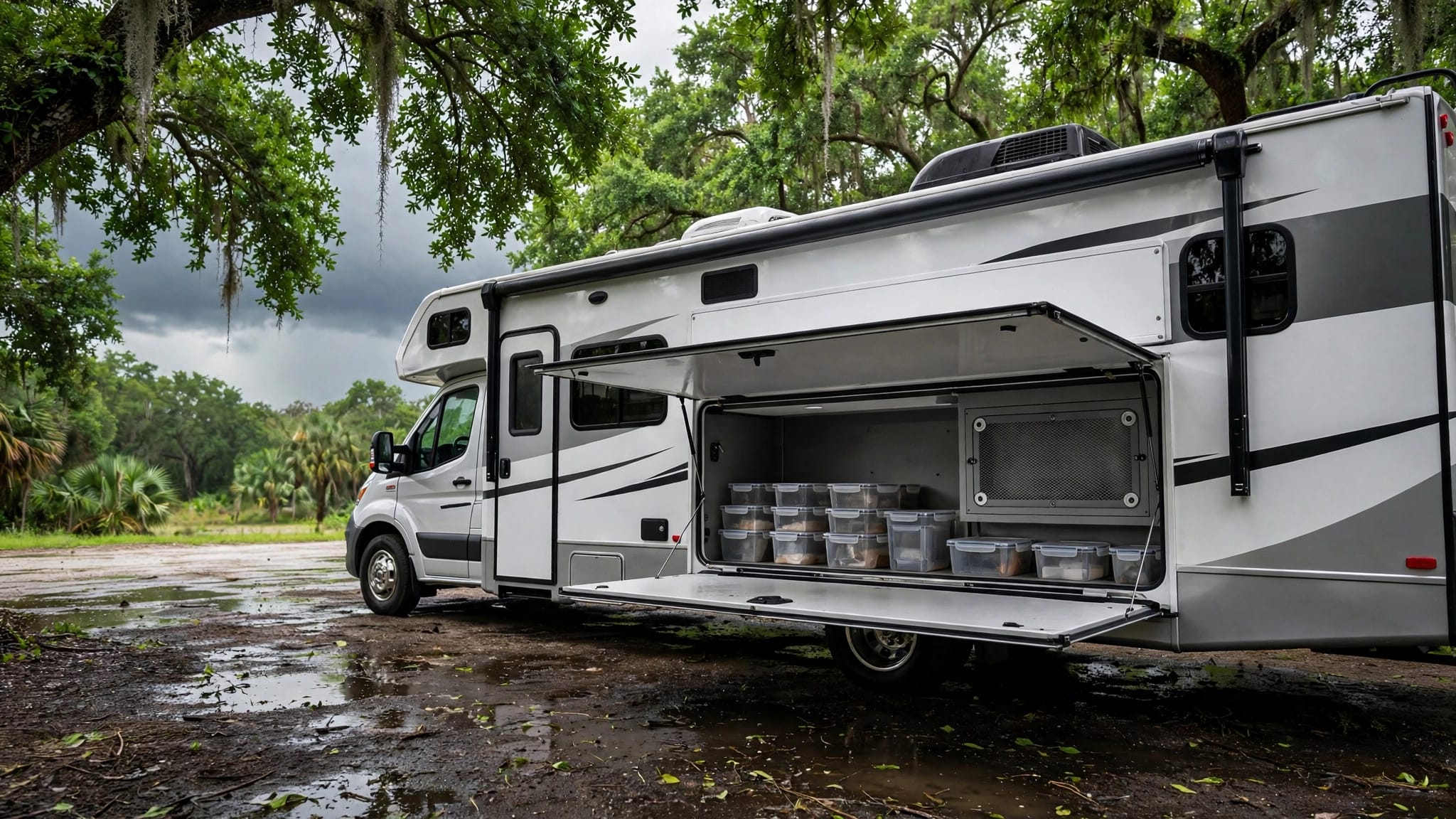
In Southwest Florida, crane flies thrive year-round. Warm weather and frequent rains create perfect spots for their larvae. You see adults most after heavy downpours or during the wet season from June to October. They don't harm plants or people directly.
Spot them inside sometimes too. That's because they slip through small cracks seeking light. Rest easy. They lack mouthparts for biting. A quick sweep sends them out the door.
Why Crane Flies Head Straight for Porch Lights
Crane flies show positive phototaxis. That means they head toward light sources at night. Your bright porch bulb acts like a beacon in Cape Coral's dark evenings.
Artificial lights confuse them. In nature, the moon guides flight. Streetlights and home fixtures mess with that sense. So they circle endlessly, bump into walls, and cluster near doors.
Humidity plays a role here. Cape Coral's muggy air keeps them active longer. They emerge from soil after rain, drawn right to your entry. Doors left open let some inside.
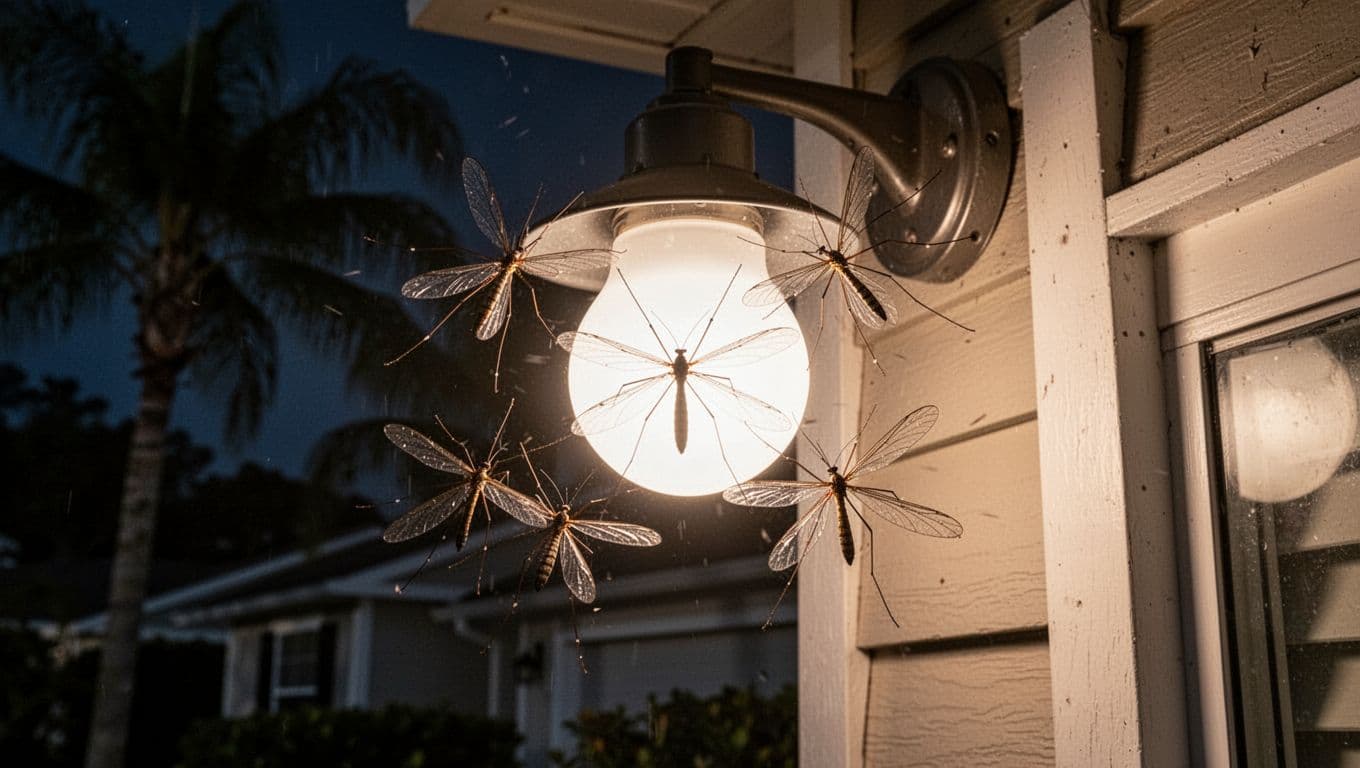
This behavior peaks at dusk. Adults seek mates or laying spots under cover of night. Your well-lit porch fits the bill. However, they tire out fast and drop off harmlessly.
Local Conditions That Draw More Crane Flies
Cape Coral sits in a subtropical zone. High moisture levels suit crane flies perfectly. Overwatered lawns or poor drainage lead to larvae buildup. Then adults swarm in numbers.
Recent storms boost activity. Saltwater floods leave soggy yards. Leatherjackets hatch in those wet patches. Even without tides, leaky gutters create breeding zones near foundations.
Mulch beds hold dampness too. Thick layers trap water after sprinklers run. Crane flies favor such shaded, moist areas for egg-laying. Proximity to canals or swales adds to the mix, as adults wander from nearby spots.
Yard habits matter. Evening watering wakes dormant larvae. They surface as adults soon after. Cut back on that, and numbers drop.
Easy Prevention Steps for Cape Coral Homes
Start with lighting changes. Switch to yellow bug lights or LEDs in the 2700K range. These emit less UV, so crane flies ignore them more. Place fixtures higher or angle them away from doors.
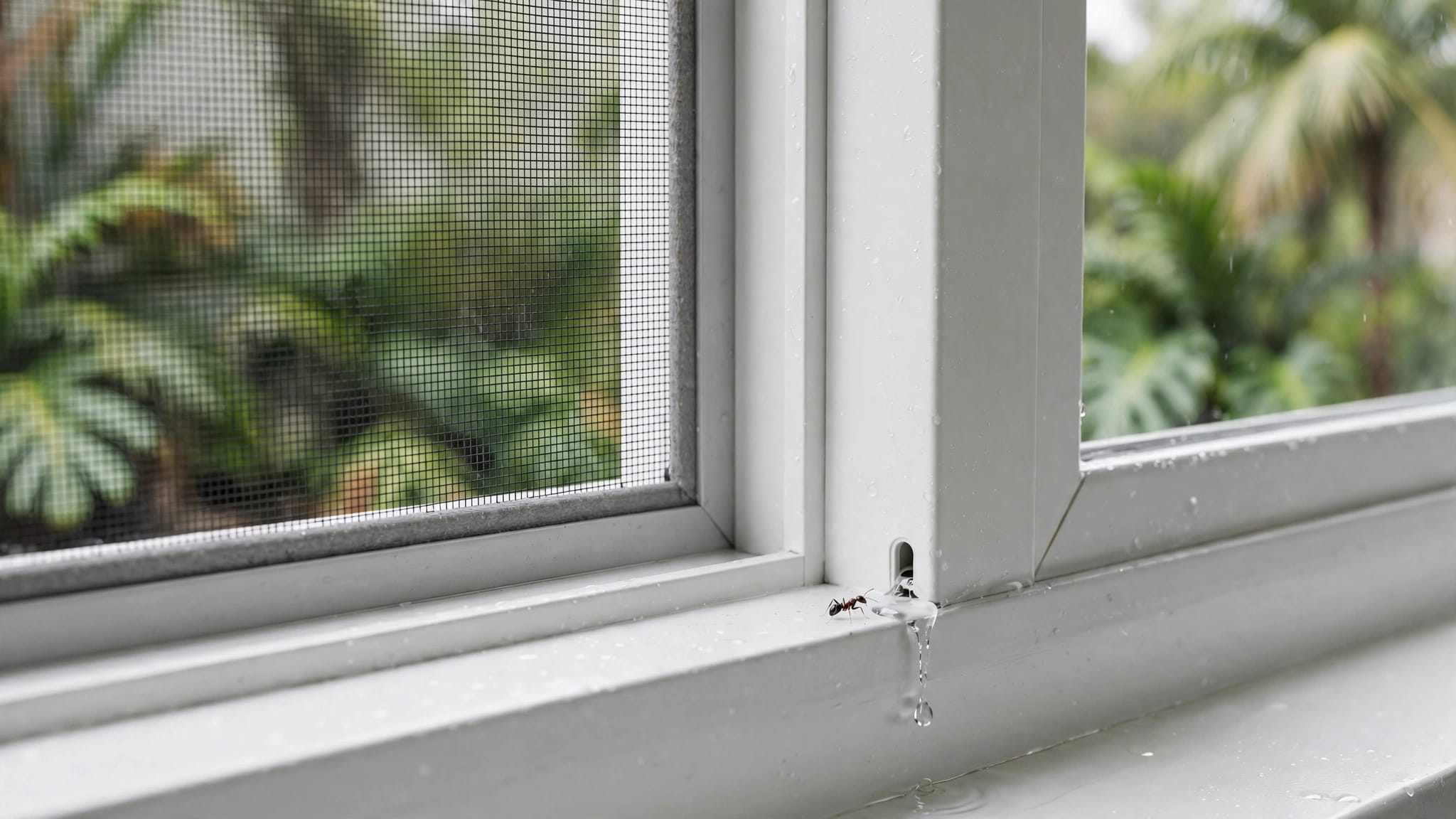
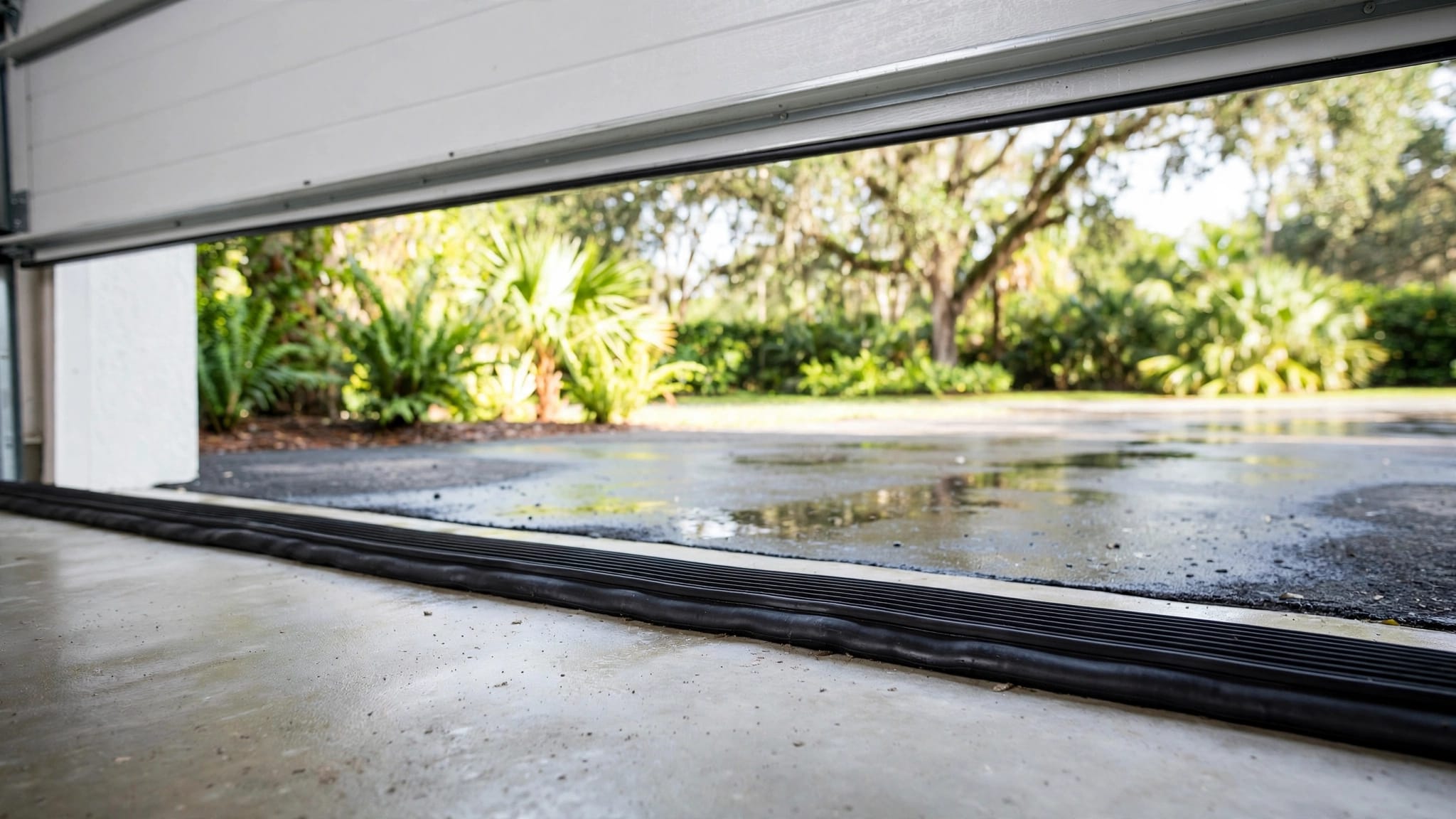
Seal entry points next. Check weatherstripping around doors and windows. Caulk small gaps in frames. Intact screens keep them outside. Repair tears right away.
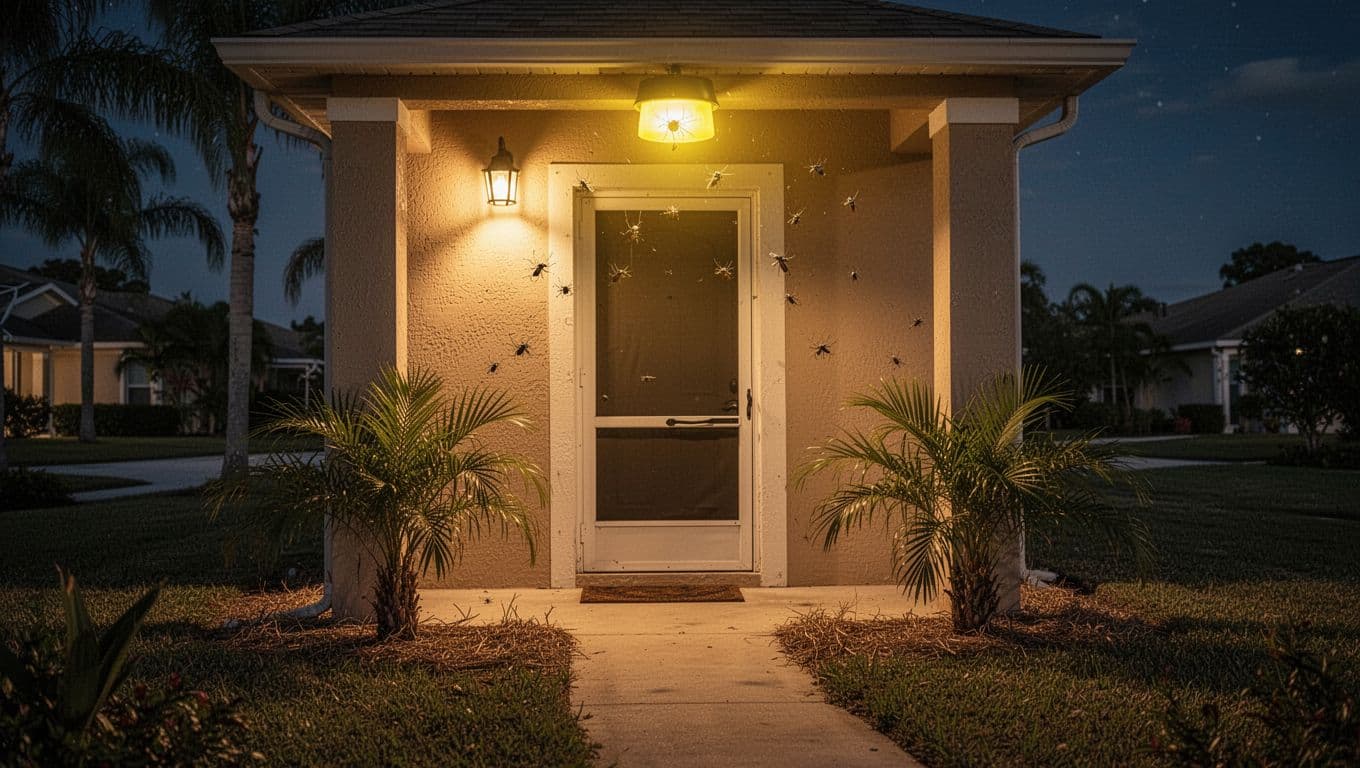
Reduce moisture around porches. Fix drainage issues first. Direct downspouts away from the house. Trim grass short and aerate soil to dry it faster. Avoid overwatering plants near entries.
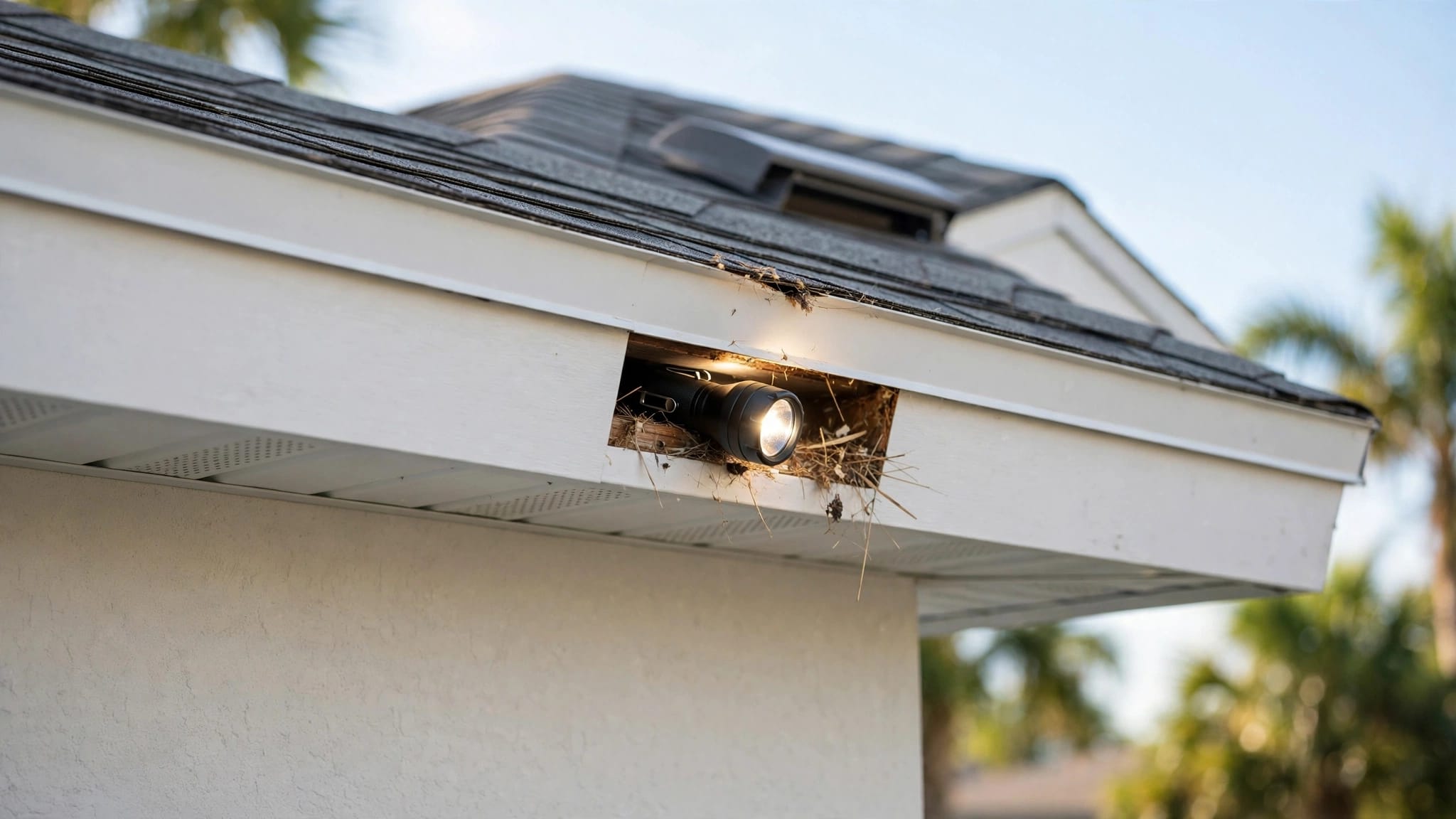
Turn off unnecessary lights at night. Use motion sensors for paths. Enter and exit with a flashlight if needed. These tweaks cut swarms fast without chemicals.
For residential pest control Cape Coral that handles ongoing issues, local pros know the area's quirks.
Know When Pros Can Help
DIY works for mild cases. Heavy swarms signal bigger yard problems. Larvae in soil might need targeted treatments.
Call if crane flies persist despite changes. Professionals inspect for breeding sites. They apply safe baits or barriers suited to Florida regs.
Schedule a free inspection through Shield Home & Pest Control. They serve Cape Coral homes with proven methods.
Key Takeaways on Cape Coral Crane Flies
Crane flies around porch lights annoy but don't harm. Light attraction and moisture draw them close. Simple fixes like bulb swaps and seals keep your entry clear.
You've got control over most factors. Act now on wet spots and bright lights. Enjoy bug-free evenings worry-free.
Your home stays welcoming without the buzz.
Schedule a Free Inspection: