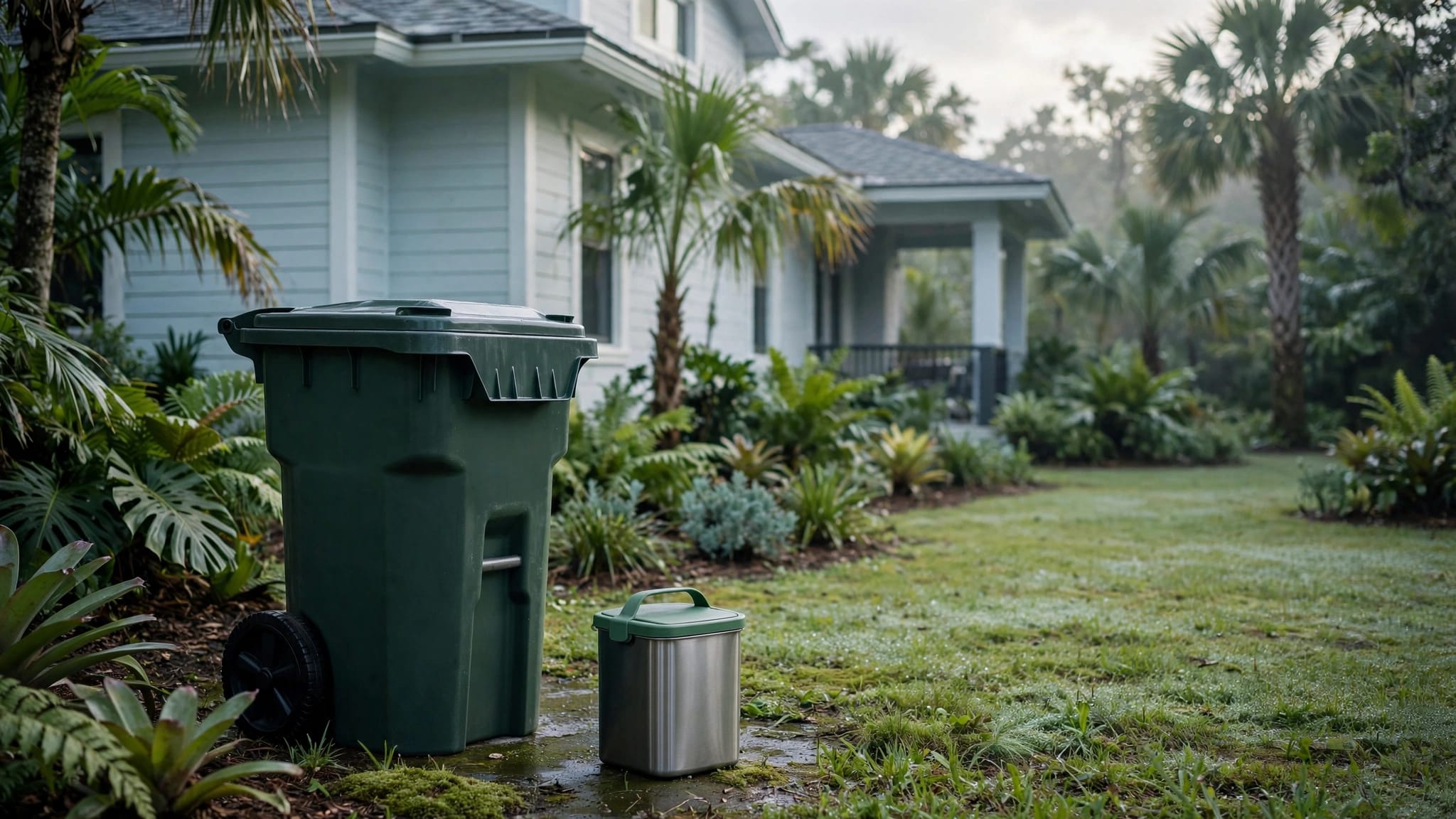
Lawn Shrimp in Cape Coral After Heavy Summer Rains
You step outside after a downpour in Cape Coral. Your yard crawls with tiny, shrimp-like critters hopping across the wet grass. Lawn shrimp have taken over. Don't worry. These little invaders love our humid Southwest Florida summers. They pose no real threat. Still, you want them gone fast.
Heavy rains push them from cozy mulch spots into view. They seek drier ground. You can handle this with simple yard tweaks. Keep reading for clear steps that fit our local conditions.
What Are Lawn Shrimp?
Lawn shrimp aren't shrimp or bugs. They belong to a group called terrestrial amphipods. These small crustaceans measure about half an inch long. Picture pale, translucent bodies with long antennae and many legs. They hop sideways like beach fleas.
In Florida, two main types thrive: Talitroides topitotum and Talitroides alluaudi. They came from Australia years ago. Now they live in moist soil across the U.S. You spot them most after storms. They hide in leaf litter or under mulch during dry spells.
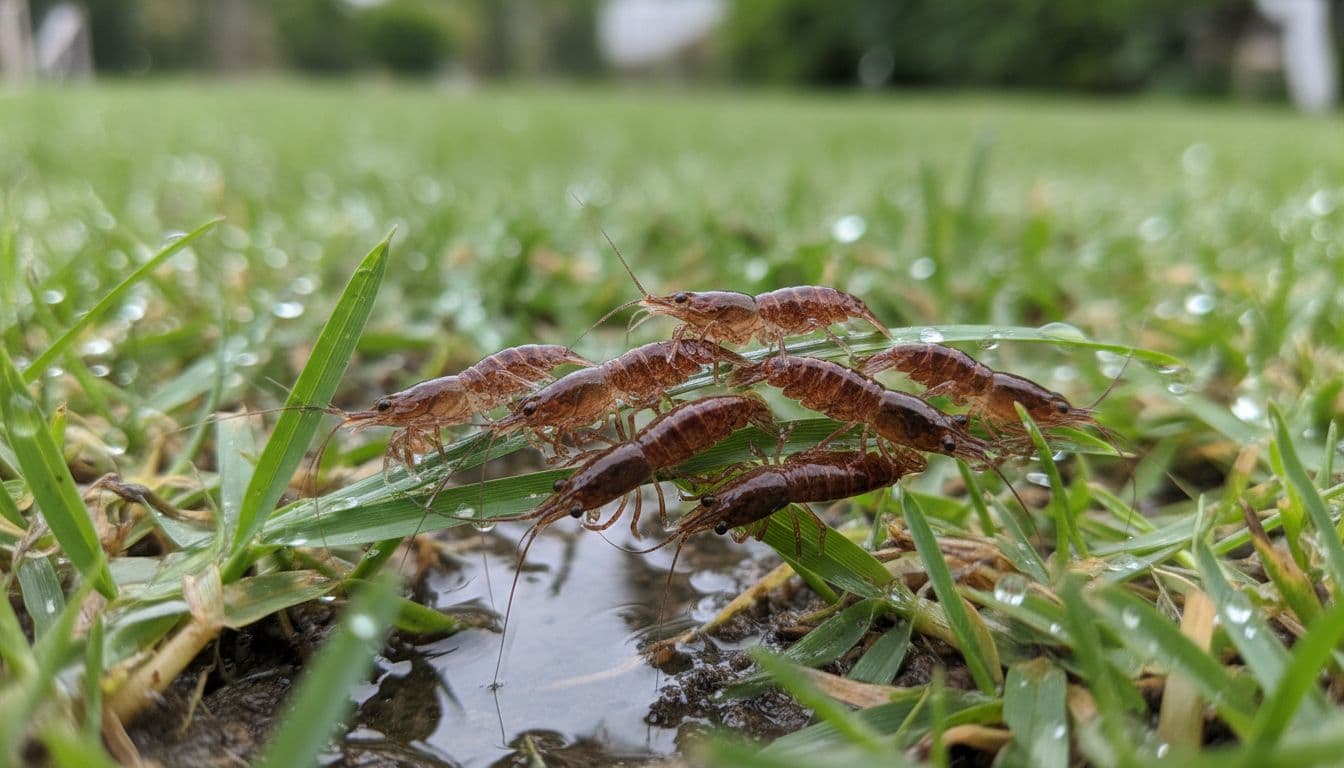
They differ from insects. No wings or six legs. Crustaceans need humidity to breathe through gills. That's why Cape Coral's rainy season brings crowds. They eat decaying plants. No damage to your lawn grass. Just a startling sight on sidewalks or patios.
Why Do Lawn Shrimp Show Up After Rains?
Cape Coral summers dump inches of rain weekly. Soil saturates fast. Mulch beds turn soggy. Lawn shrimp flee upward. They cluster on grass or concrete. Puddles force them from burrows.
Our sandy soils drain quick usually. But heavy storms overwhelm them. Over-irrigated yards worsen it. Thick mulch holds water longer. So does poor grading near your foundation.
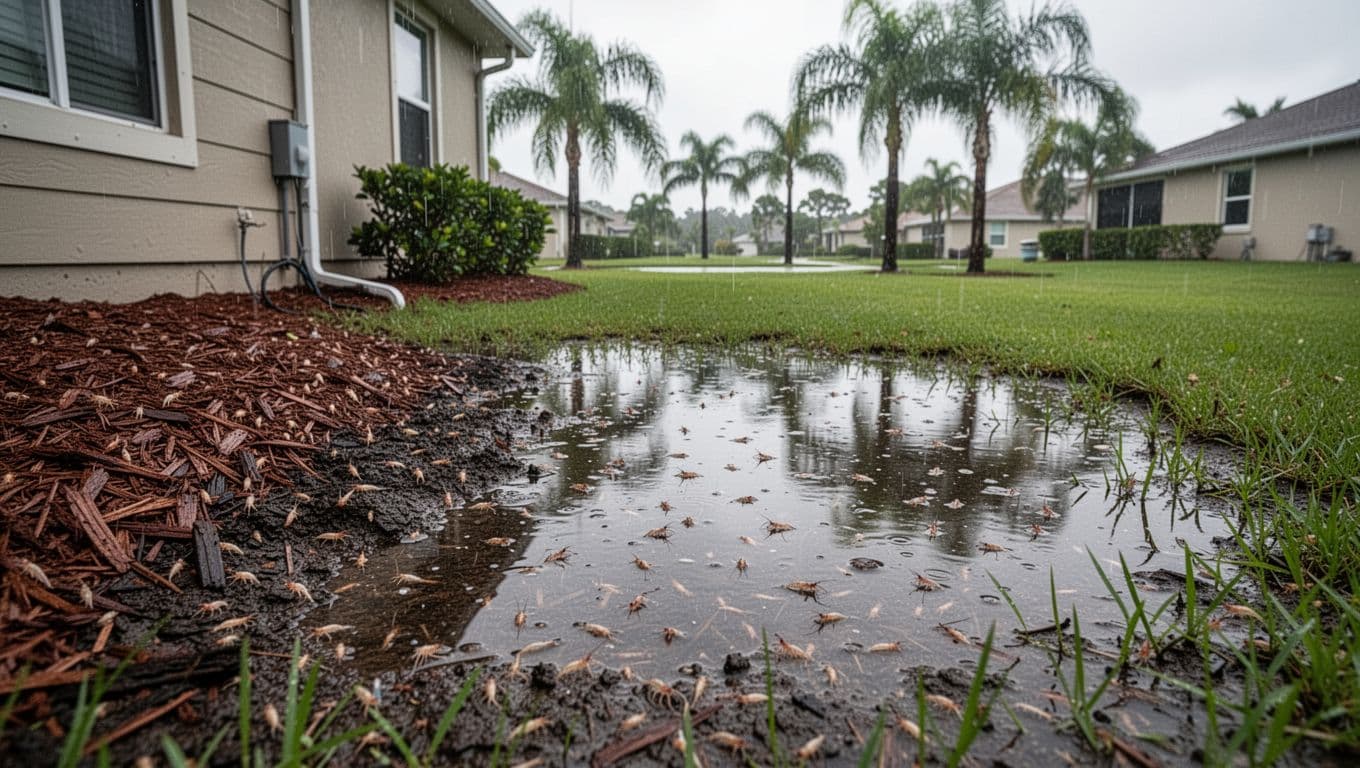
Humidity stays high here. That keeps them active year-round. Unlike termites or ants, they don't invade structures. They just wander until soil dries. In short, rains displace them. Your yard becomes temporary refuge.
Are Lawn Shrimp Harmful or Dangerous?
No bites. No stings. Lawn shrimp harm nothing. They ignore people and pets. No allergies linked to them either.
Compare to real pests. Cockroaches spread germs. Termites eat wood. Lawn shrimp munch mulch debris only. Harmless nuisance at worst.
They signal wet spots though. Fix those to avoid mosquito breeders or root rot. In Cape Coral, standing water draws worse trouble. Lawn shrimp just highlight the issue.
Practical Ways to Reduce Lawn Shrimp in Your Yard
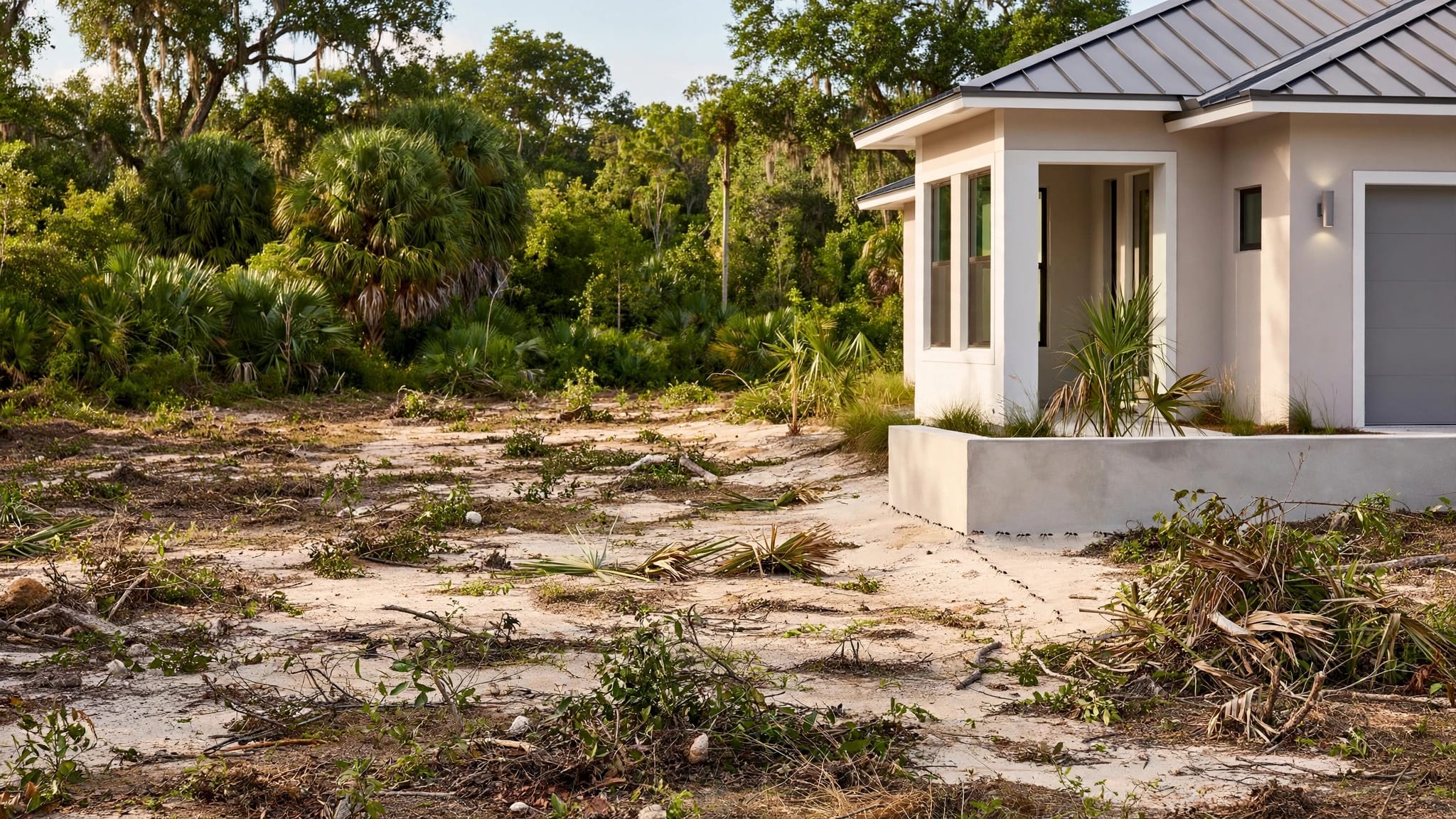
Start with moisture control. Rake back thick mulch. Keep it two inches deep max. Pull it six inches from your foundation. This lets soil breathe.
Improve drainage next. Fill low spots with sand. Regrade gentle slopes away from house. Check gutters. Downspouts should dump far from walls.
Adjust irrigation. Water deep but rare. Early mornings work best. Skip it after rains. Our St. Augustine grass handles dry spells fine.
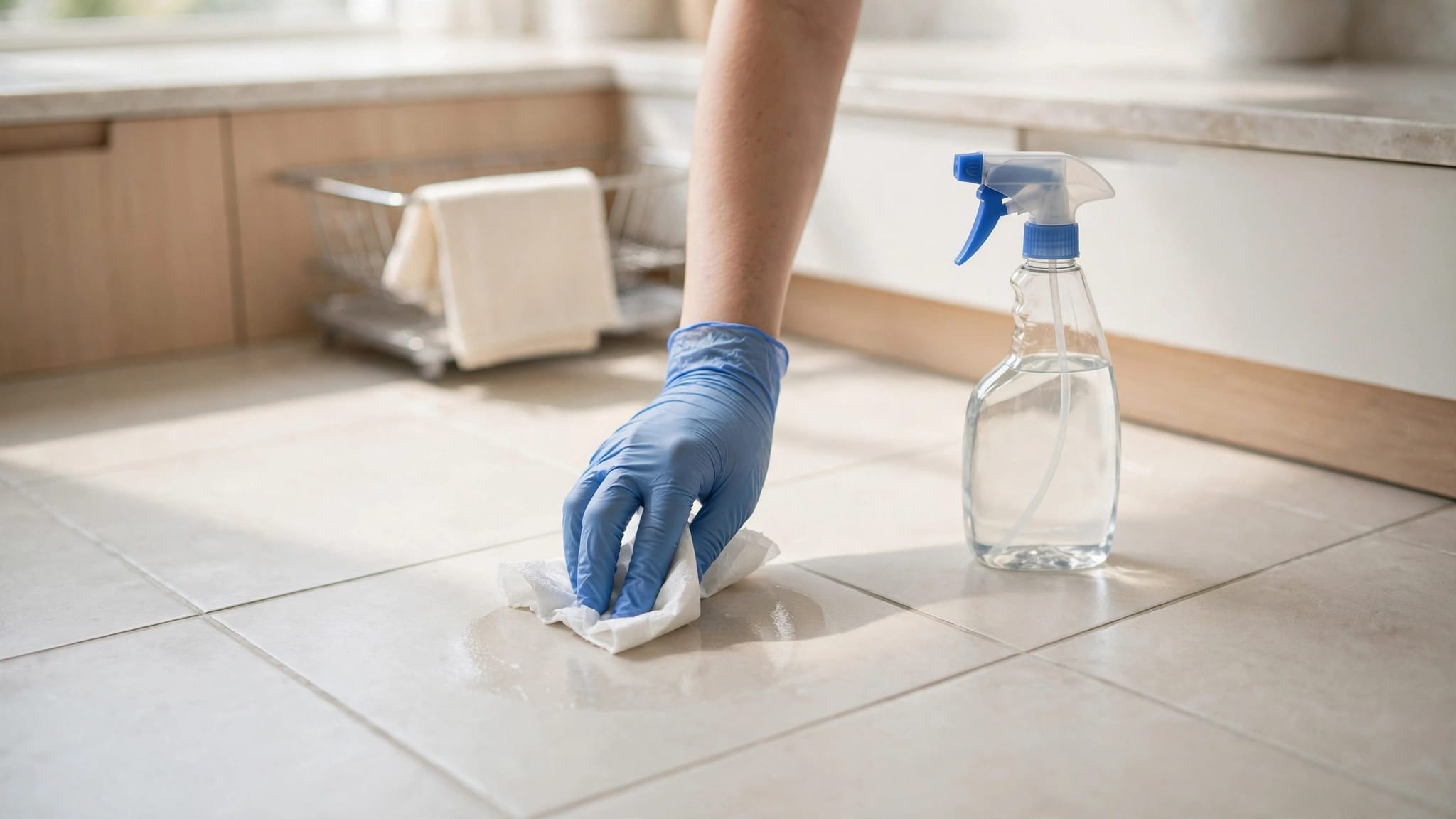
For quick cleanup, sweep them into buckets. Release far away. Avoid stomping. That smears them.
If numbers overwhelm, consider residential pest control in Cape Coral. Pros target moist areas safely.
Reduce shade too. Trim palms over mulch beds. Sun dries ground faster. These steps cut invasions over time.
Keeping Them Out of Your Home
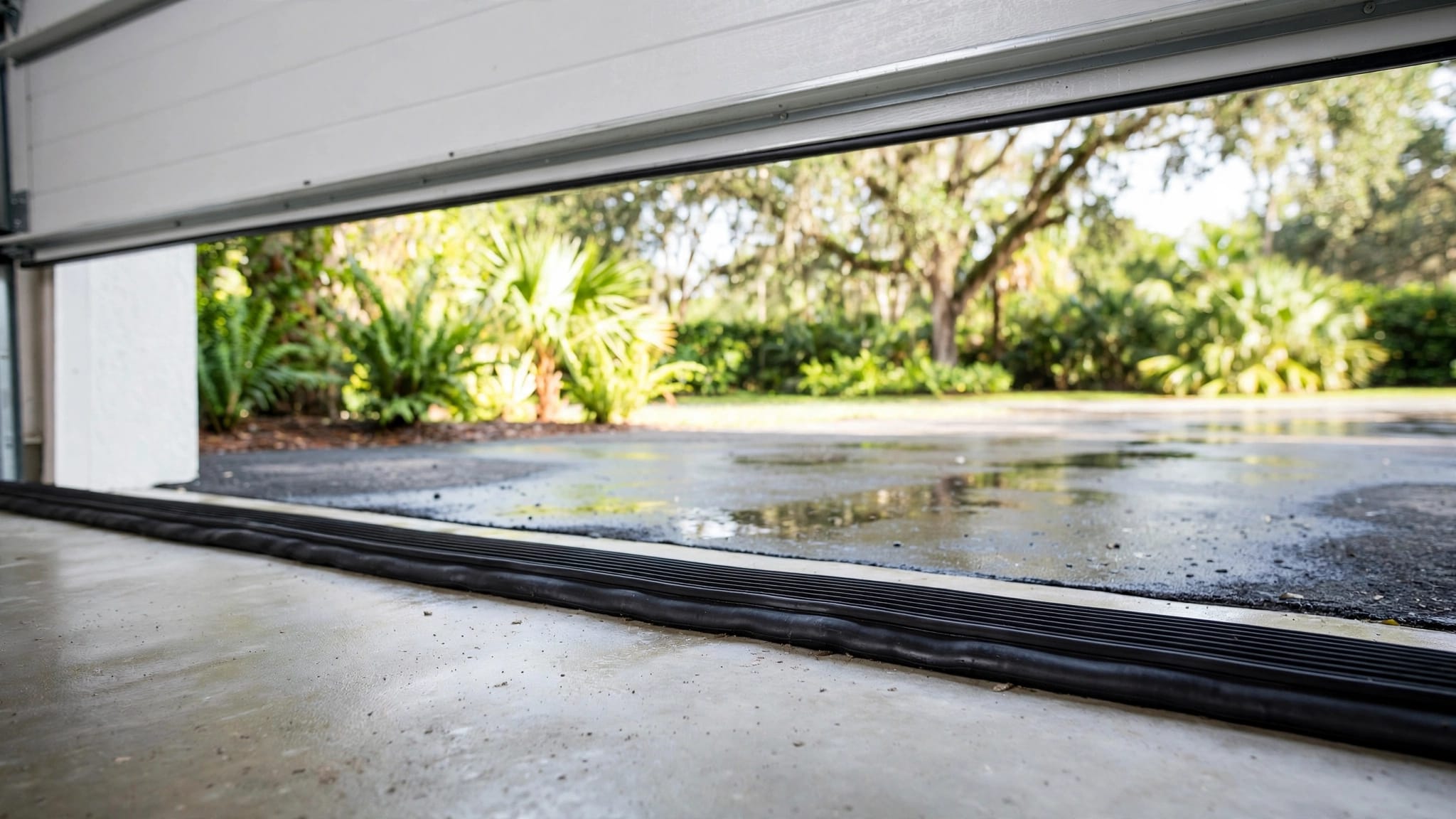
They slip inside through doors or cracks. Seal gaps first. Weatherstrip bottoms. Caulk window frames. Screen vents tight.
Vacuum indoors quick. Empty bags outside. Or sweep to dustpan. No chemicals needed usually.
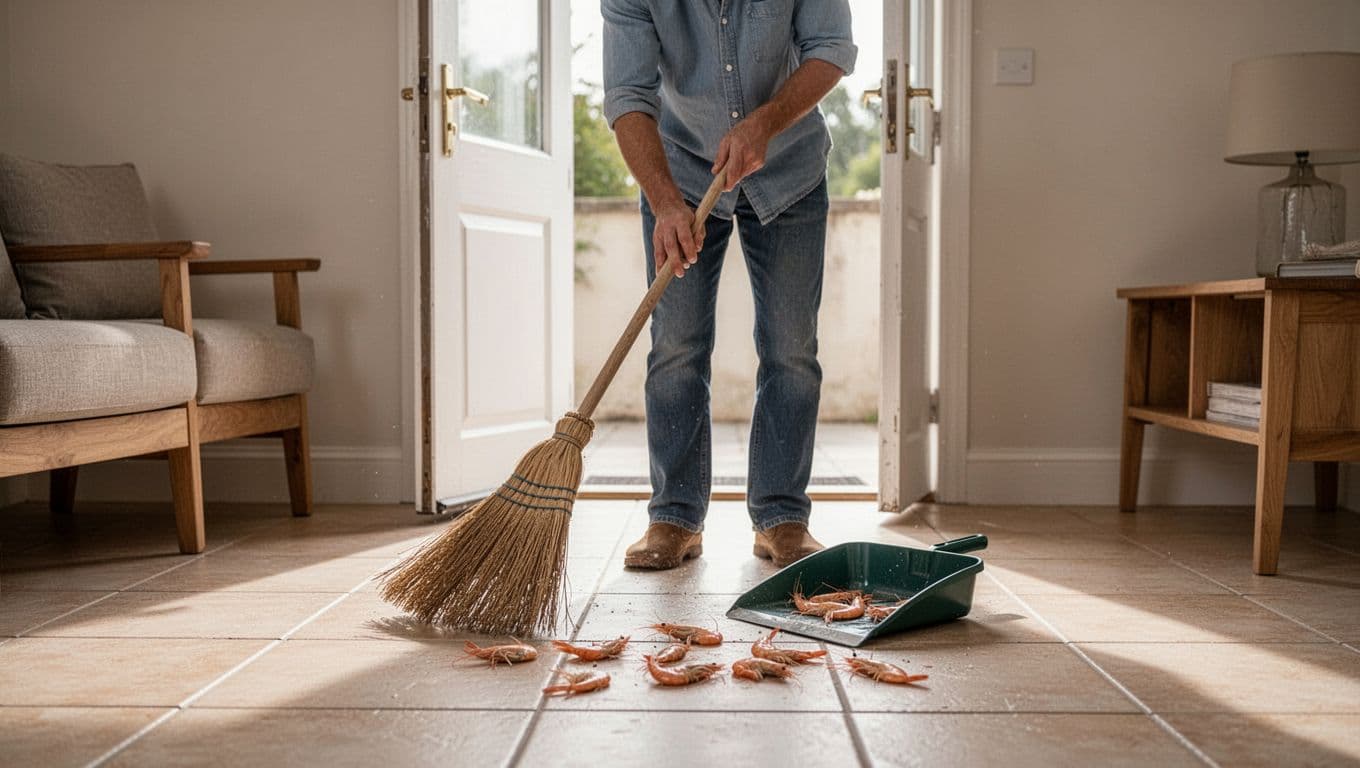
Our humid homes tempt them. Run dehumidifiers. Fix leaks. Like scorpion control in Cape Coral, sealing wins.
For ongoing help, check pest control services. They inspect yards too.
Lawn Shrimp FAQ
Do lawn shrimp damage lawns?
No. They eat dead matter. Grass stays safe.
How long do they stick around?
Days usually. Soil dries, they burrow back.
Are they the same as silverfish?
No. Silverfish have wings. Shrimp hop and need moisture more.
When to call pros?
If they persist or pair with other pests. Learn what to expect when hiring an exterminator in Cape Coral.
Simple Changes Keep Your Yard Shrimp-Free
Lawn shrimp flood Cape Coral yards after rains. They love wet mulch and soil. But they're harmless. Cut moisture with better drainage and mulch habits. Seal home gaps. Sweep strays quick.
Yards dry fast here. Numbers drop soon. Persistent issues? Local pros handle it. Your home stays comfortable. No more surprises after storms.
Schedule a Free Inspection: