Brown Recluse Lookalikes in Cape Coral Garages and Closets
Brown spiders in a garage or closet can set off alarm fast. In Cape Coral, though, many of the spiders people call brown recluses turn out to be harmless brown recluse lookalikes . That mix-up happens often because storage spaces are dim, dusty, and full of hiding spots.
If you know what to check, you can stay calm, inspect safely, and decide whether the spider needs monitoring or professional help. The first step is learning where the confusion starts.
Why garages and closets attract spiders
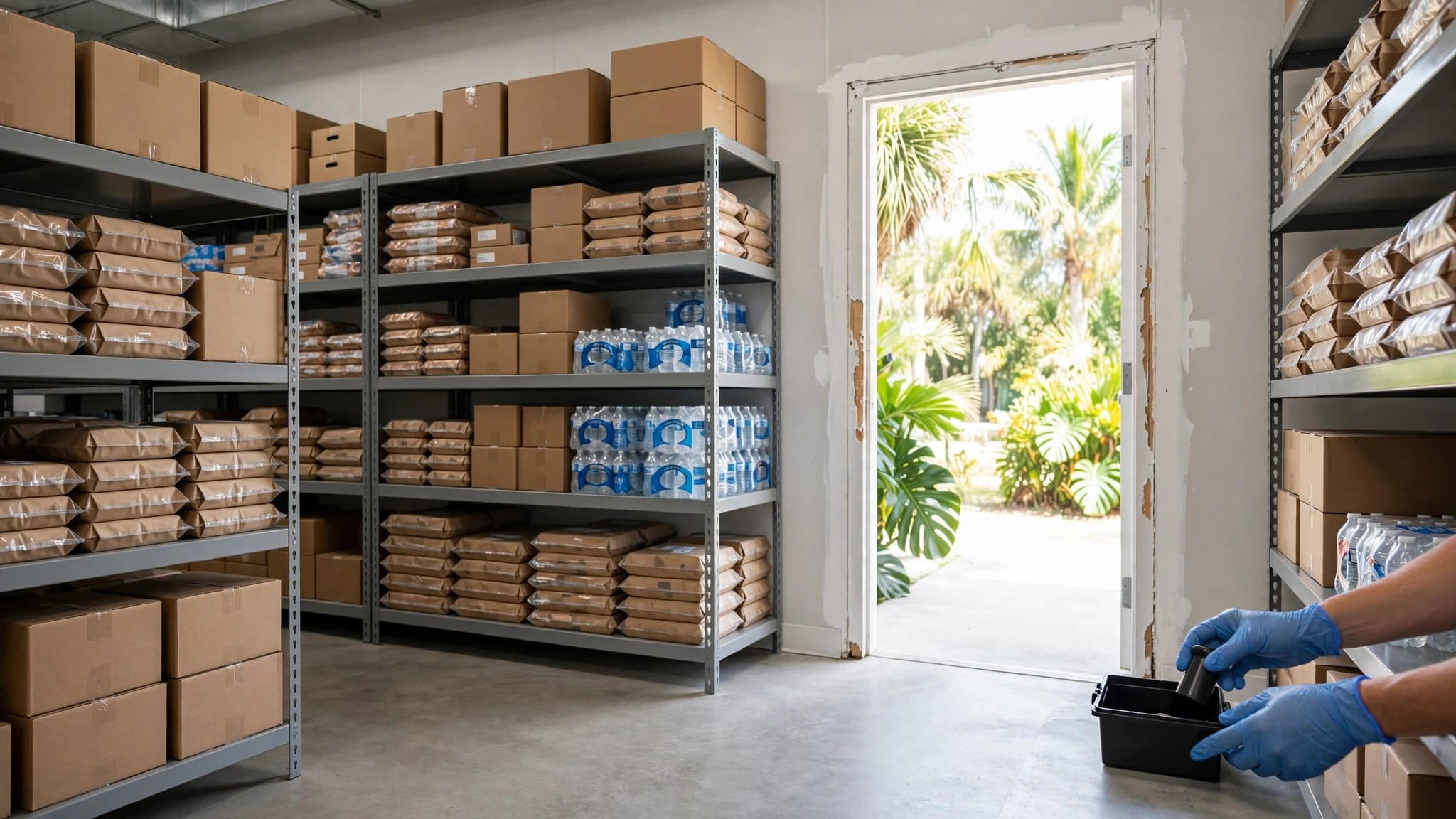
Garages and closets give spiders three things they want, shelter, shade, and quiet. Cardboard boxes, old shoes, folded clothes, holiday bins, and stacked storage tubs all create small pockets that stay undisturbed.
Cape Coral's warm, humid weather also helps insects stay active for more of the year. Where insects gather, spiders often follow. That does not mean you have a brown recluse problem. It usually means a spider found food and a place to hide.
Many brown recluse sightings in Florida come from a quick glance at a tan spider under a shelf or inside a box. A poor light angle can make a harmless spider look more serious than it is. A true brown recluse is not something you can confirm from a rushed look across the room.
In homes, the most common trouble spots are the places people ignore for weeks at a time. That includes the back of a closet, the corners of a garage, and storage near water heaters or laundry equipment. Those areas stay still, dark, and easy to miss during cleaning.
What brown recluse lookalikes usually look like
A few visible traits can help narrow the field, but they do not give a final answer. Color helps, yet color alone can fool you. Lighting, age, and even dust can change how a spider looks.
Here's a quick comparison of traits that homeowners can notice without touching the spider.
| Clue to check | Common lookalikes | Brown recluse concern |
|---|---|---|
| Body color | Tan, brown, or patterned | Usually plain brown |
| Legs | Often banded, hairy, or thicker | More even in color, less hairy |
| Body shape | Stouter, spinnier, or more patterned | Slim, plain, and fairly smooth |
| Web or behavior | May sit in messy webs or move openly | Often hides in undisturbed places |
The famous violin mark gets talked about a lot, but it's not a sure test. Some spiders have dark markings that can fool the eye. Others look plain in one photo and different in another. The eye pattern is one of the better clues, since brown recluses have six eyes in three pairs, but that detail is hard to see without a close, sharp image.
Common spiders in garages and closets include yellow sac spiders, southern house spiders, wolf spiders, and other wandering hunters. Many of them are harmless to people and more interested in insects than in you. They may look close enough to cause concern, especially when they are still and half hidden.
A photo can narrow the field, but it can't confirm a recluse on its own.
The safest rule is simple. If the spider looks brown and unfamiliar, treat it as unknown until you get a better view or a second opinion.
How to inspect without making a mess
A slow inspection beats a fast one. Move carefully, use light, and keep your hands out of dark corners. That approach protects you and keeps a small spider problem from turning into a bigger one.
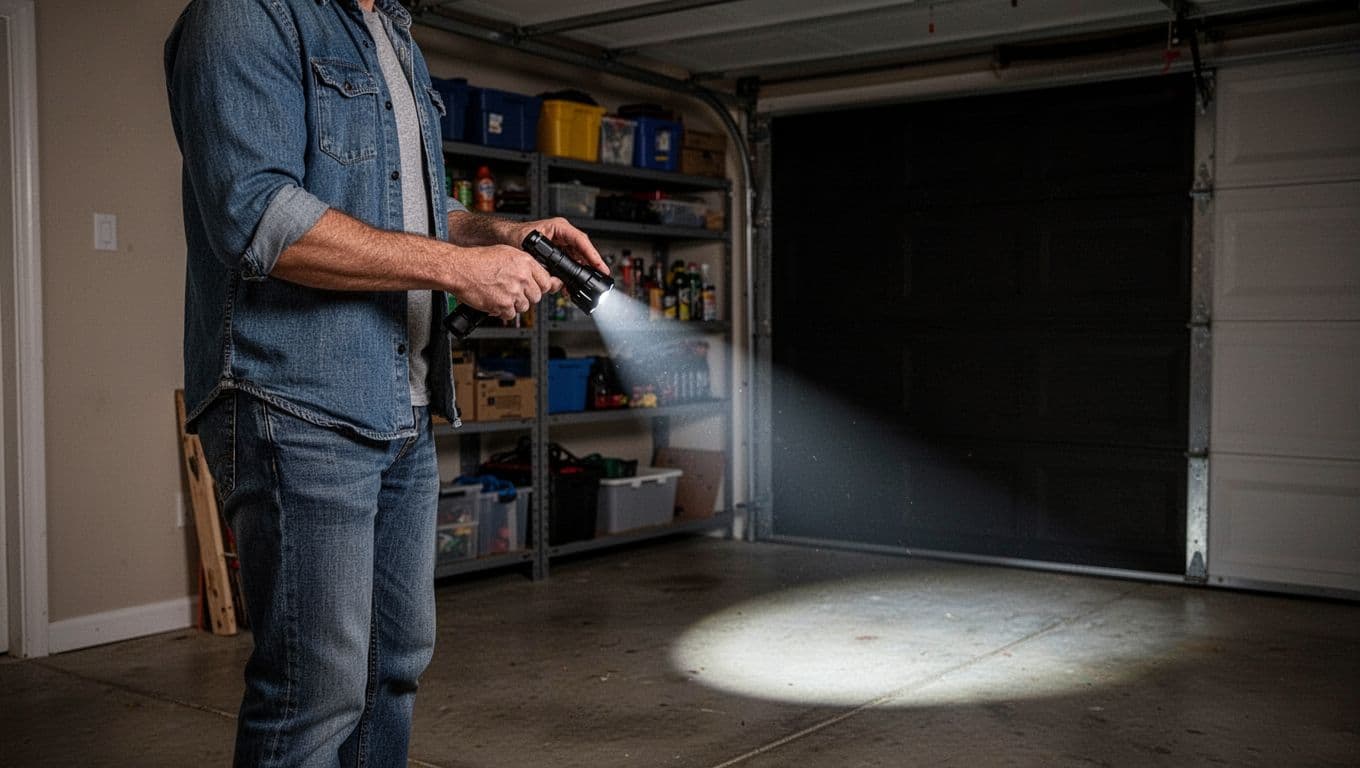
Start with a flashlight and closed-toe shoes. Wear gloves if you need to move boxes. Then check one area at a time, so you don't miss what's hiding behind the clutter.
- Pull items away from the wall a little at a time.
- Look inside shoes, folded fabric, cardboard seams, and storage bin corners.
- Shake out items before bringing them into a living area.
- Vacuum baseboards, shelf edges, and floor corners.
- Empty the vacuum outside right after you finish.
Cardboard boxes deserve special attention because they hold pockets of shade and can hide eggs, shed skins, and insects. Sealed plastic bins are a better option for long-term storage. They close tight and give spiders fewer places to settle.
Sticky traps can help with monitoring along baseboards or behind stored items. They show whether spiders are active in the same area over time. If you keep seeing them, the issue may be tied to insects, clutter, or hidden gaps that need more than a quick cleanup.
For Cape Coral homeowners who want a closer look at recurring pest activity, residential pest control in Cape Coral can help with inspection and treatment.
Bite risk, monitoring, and when to call for help
Most spiders found in storage areas don't bite unless they're trapped against skin or handled. A spider you saw under a box is not a bite emergency. The real risk goes up when someone reaches into shoes, clothing, or packed boxes without checking first.
A suspected spider bite should be cleaned with soap and water. A cold compress can help with swelling and discomfort. Medical care matters if pain gets worse, the skin changes color, a blister forms, or symptoms spread beyond the bite area. Skin problems get blamed on spiders all the time, so a clear medical check is better than guessing.
Monitoring makes sense when you find one spider, clean the area, and stop seeing more. Keep the space tidy, store items in bins, and watch the corners for a few weeks. If the same closet or garage keeps producing spiders, the problem is probably bigger than one stray visitor.
Call for professional help when you see any of these signs:
- repeated spiders in the same hidden space
- egg sacs, shed skins, or webs in storage areas
- insect activity that keeps feeding the spider problem
- a closet or garage that stays too cluttered to inspect safely
If the problem keeps coming back, professional pest control services can help find the source and reduce the pests that attract spiders in the first place.
Conclusion
A dark closet or garage can make any brown spider look more dangerous than it is. In Cape Coral, many of the spiders people worry about are harmless lookalikes, not brown recluses.
The best approach is calm and practical. Look for habitat clues, inspect safely, clean up clutter, and watch for repeat activity. That gives you a clearer picture and keeps you from reacting to a spider that only looked alarming in bad light.
When the same hidden spots keep turning up spiders, a closer inspection can save time and stress.
Schedule a Free Inspection: