Can Termites Eat Pressure-Treated Wood in Florida?
Pressure-treated lumber can slow termite damage, but it doesn't make a home termite-proof. In Florida, termites may still reach treated wood through cut ends, cracks, soil contact, moisture problems, or nearby untreated materials.
The right question isn't only whether termites can eat the lumber. You also need to know which wood was used, how it was installed, and whether termites have access to other parts of the structure. Here's what Florida homeowners should check.
Key Takeaways
- Pressure-treated wood resists termites , but it doesn't create permanent protection.
- Termites may attack cut ends, damaged boards, untreated heartwood, or nearby construction materials.
- Ground contact, moisture, mulch, and foundation cracks can give termites a route into a home.
- Treated lumber should support a broader prevention plan, not replace inspections.
- Signs of activity call for a professional termite inspection before damage spreads.
How Pressure-Treated Wood Protects Against Termites
Pressure treatment forces wood preservatives into the lumber under controlled conditions. These chemicals make the wood less suitable for insects and fungi, which helps it resist decay and termite attack.
Common preservatives in newer residential lumber include alkaline copper quaternary, copper azole, and micronized copper-based formulas. Older structures may contain lumber treated with chromated copper arsenate, or CCA. CCA has not been used for most residential applications in the United States since 2003, although existing older wood can still remain in place.
Termites don't usually rush toward properly treated lumber. However, treated wood isn't a solid chemical wall. The protection depends on the type of treatment, the amount of preservative absorbed, and the lumber's use category.
A board rated for above-ground use doesn't have the same protection as lumber rated for ground contact. The ground-contact rating matters for posts, deck supports, retaining structures, and other pieces exposed to wet soil.
Pressure treatment also has limits within the wood itself. Preservatives penetrate sapwood more easily than dense heartwood. A board can look treated on the outside while having areas with less protection inside. Termites may also exploit defects, splits, drilled holes, and areas damaged during construction.
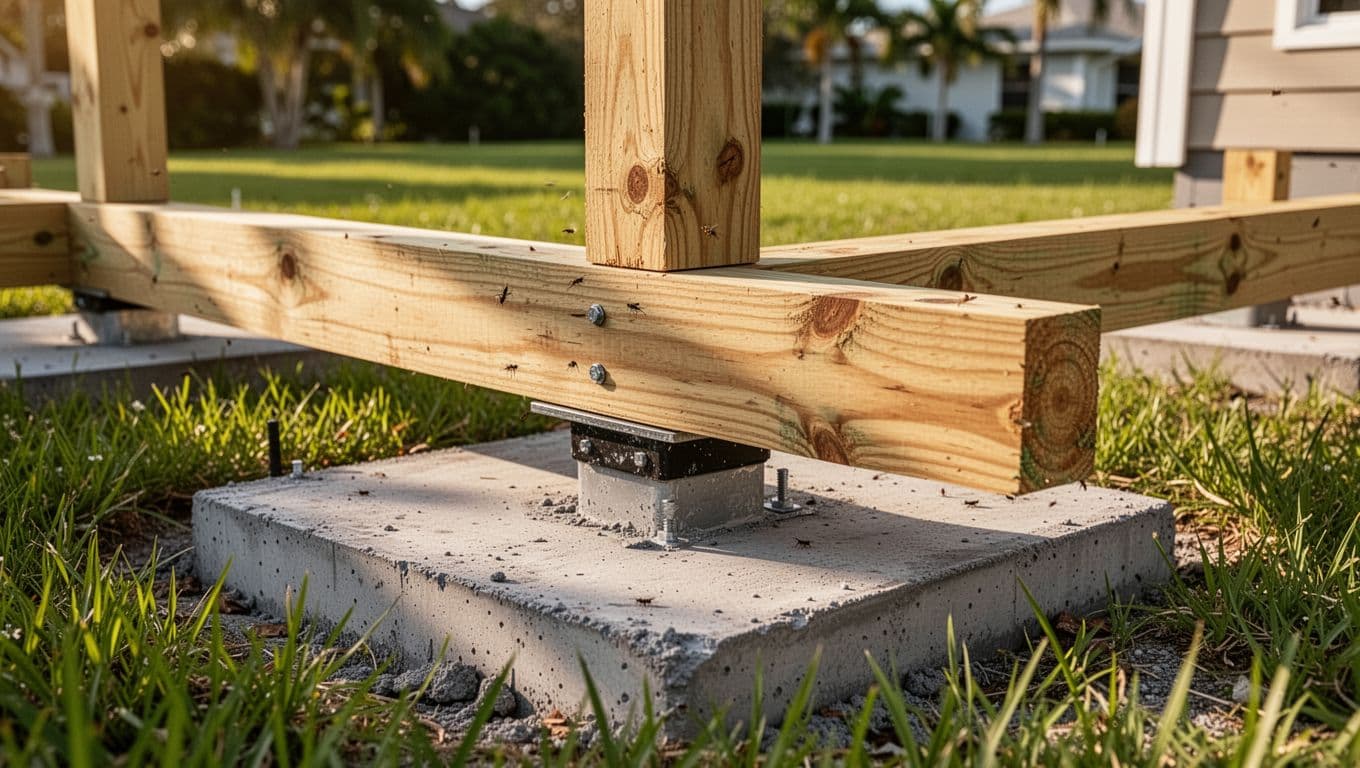
Cutting creates another weak point. When a contractor cuts a treated board, the freshly exposed end may have less preservative than the original surface. The same issue can occur around notches, bolt holes, screw holes, and trimmed edges if the exposed area doesn't receive an approved end-cut preservative.
Why Florida Homes Still Face Termite Risk
Florida's warm climate supports termite activity through much of the year. Mild winters allow colonies to remain active when termites in colder regions slow down. High humidity, heavy rain, irrigation, and frequent moisture around foundations add to the risk.
Subterranean termites usually live in soil or other protected areas. They travel through soil, shelter tubes, cracks, and hidden voids to reach wood above ground. If a treated support touches damp soil, termites may find a route around the treated surface or enter through a vulnerable section.
Drywood termites follow a different pattern. They don't need regular soil contact because they live inside dry wood. A colony can enter through small openings or infested furniture, framing, roof components, or other wood materials. Pressure treatment may reduce the chance of attack, but it doesn't protect every wooden item inside or outside the home.
Florida homes also contain many features that can hide termite access. Examples include:
- Decks, fences, stairs, and pool structures
- Wood siding, fascia, soffits, and window frames
- Plumbing penetrations and utility entry points
- Expansion joints and cracks in slabs
- Attached garages and enclosed porches
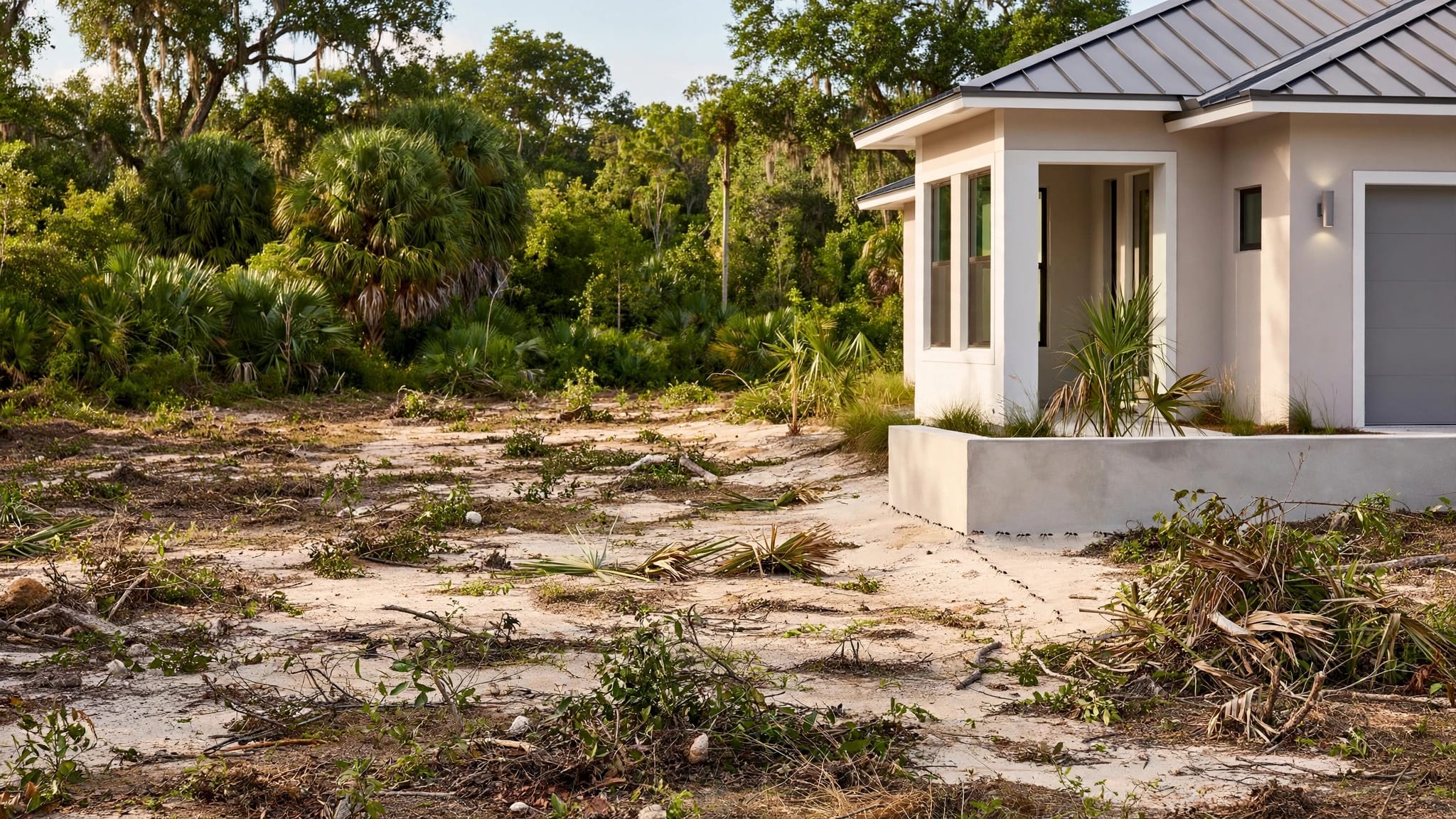
- Mulch, landscape timbers, and dense plants near walls
A slab foundation doesn't eliminate the risk. Subterranean termites can move through construction joints, plumbing openings, cracks, and other concealed paths. They may remain hidden until someone finds discarded wings, hollow-sounding wood, or a small section of damaged trim.
Moisture makes the situation worse. Leaking hose bibs, clogged gutters, poor drainage, and air-conditioning condensate can keep soil or wood damp near the house. Termites prefer protected routes, and wet conditions can help preserve those routes.
Pressure-treated lumber lowers the chance of attack, but installation details and moisture control decide how much protection the structure gets.
Can Termites Eat Treated Lumber?
Yes, termites can damage pressure-treated wood under certain conditions. They may consume treated lumber if the preservative concentration is too low, the wood has deteriorated, or the termites can reach untreated sections.
In many cases, termites don't need to eat the treated board itself. They can travel across it to reach untreated framing, cardboard, paper-backed insulation, drywall backing, or wood debris nearby. A treated deck post may remain intact while termites move through a connecting ledger, sill plate, or interior wall component.
Termites can also build shelter tubes over treated surfaces. These narrow mud tubes protect them from dry air and predators as they travel between the colony and a food source. Finding tubes on treated wood doesn't prove the lumber is being eaten, but it does show that termites have access to the area.
The condition of the wood matters as well. Repeated wetting and drying can cause cracks and checks. Sun exposure can split surfaces. Fasteners can create openings, while construction cuts can expose untreated interior wood. Over time, these changes give termites more opportunities to bypass the original treatment.
Wood treatment also doesn't protect against every termite species in the same way. Subterranean termites attack from soil or sheltered routes. Drywood termites live within the wood and can infest areas that never touch the ground. Formosan termites, an aggressive subterranean species found in parts of Florida, can damage structures and sometimes establish colonies in wall voids or other protected spaces.
The label on the lumber is important. A stamp may identify the treatment plant, preservative, use category, and retention level. If you're replacing damaged wood, match the intended use. Exterior structural components need suitable exterior or ground-contact protection, not ordinary untreated construction lumber.
Still, even correctly treated lumber has a service life. Preservatives don't stop physical damage, water intrusion, poor drainage, or termite entry through adjacent materials. The treatment is one layer of defense.
Where Termites Find Weak Points Around Treated Wood
The transition between treated and untreated materials often creates the greatest concern. For example, a treated porch support may connect to untreated framing inside the house. Termites can use that connection as a bridge.
Decks deserve close attention because they often attach directly to the home. The ledger board, flashing, fasteners, and wall connection can hide moisture and termite activity. A deck may use treated posts while the adjoining sill plate or wall framing remains vulnerable.
Wood touching soil is another common problem. Even treated lumber can hold moisture against a foundation or create a covered path into the structure. Soil should generally remain below the required clearance around siding and other building materials. Local building requirements and the wood's use rating determine the correct setup.
Look carefully at areas where:
- Treated boards were cut, drilled, or notched.
- Water collects after rain or irrigation.
- Mulch touches siding or foundation walls.
- Vines or dense plants cover the lower exterior.
- Cracks connect soil, slabs, and wall penetrations.
- Wood debris sits beneath decks or crawl spaces.
A termite inspection should include more than a quick look at visible lumber. A technician checks accessible foundation walls, sill plates, entry points, moisture conditions, attic areas, garages, porches, and detached structures. They may use a moisture meter, probe suspicious wood, or inspect shelter tubes and discarded wings.
Homeowners should also watch for subtle signs. Bubbling paint, thin lines in drywall, pin-sized holes, sagging trim, and hollow sounds can point to hidden damage. Swarmers often appear near windows, doors, lights, or plumbing openings. Their discarded wings may remain after the insects leave.
How to Reduce Termite Risk in a Florida Home
Start with water management. Repair plumbing leaks, keep gutters clear, and direct downspouts away from the foundation. Check irrigation spray patterns so sprinklers don't soak walls, posts, or wood edging.
Keep mulch and landscaping from covering inspection areas. Trim plants away from exterior walls, remove wood scraps, and store firewood away from the house. These steps don't eliminate termites, but they make entry points easier to see and reduce sheltered routes.
Use the correct lumber for each project. Ask whether a board is rated for above-ground exposure or ground contact. Seal or treat fresh cuts with a product approved for the lumber and application. Follow the label, because not every coating provides termite protection.
During repairs, replace damaged wood rather than covering it. New paint or siding can hide an active colony and make future inspections harder. Contractors should also avoid burying treated posts deeper than the product rating allows or allowing soil to cover the lower edge of siding.
A professional inspection is sensible when you see tubes, swarmers, damaged wood, or recurring moisture. Treatment may involve a liquid soil application, localized wood treatment, bait stations, or a combination of methods. The correct choice depends on termite species, colony location, construction type, and the home's condition.
Shield Home & Pest Control provides professional termite inspection and treatment for homeowners who need a closer assessment. A technician can identify activity, locate entry points, and recommend a treatment plan based on the property instead of relying on the wood type alone.
If termites have already spread beyond one board, replacing that board won't solve the colony. Treatment must address the insects and the conditions that allowed them to reach the structure.
Pressure-Treated Wood vs. Other Termite Protection
Pressure-treated lumber is useful for outdoor construction, but it isn't the only protective measure. Physical barriers, proper clearances, moisture control, inspections, and termite treatments each address different parts of the problem.
The following comparison shows how these measures differ:
| Protection method | What it does | Main limitation |
|---|---|---|
| Pressure-treated wood | Makes lumber less attractive to termites and decay fungi | Doesn't protect nearby untreated materials |
| Ground-contact-rated lumber | Provides stronger protection for soil exposure | Still needs correct installation and maintenance |
| Soil treatment | Creates a treated zone around or beneath the structure | Can be disrupted by construction or landscaping |
| Bait stations | Targets termite colonies through monitored stations | Requires regular inspection and maintenance |
| Moisture control | Removes conditions that support hidden routes | Doesn't eliminate an established colony |
| Regular inspections | Finds activity before damage becomes extensive | Can't prevent termites from entering |
A sound termite plan combines these measures based on the home's risks. For instance, a new deck may need ground-contact-rated supports, proper flashing, drainage, and a careful inspection at the attachment point. An older home with drywood termite signs may need a different evaluation because the colony could be inside roof or wall wood.
You can also review local termite and rodent removal services if you're seeing multiple pest problems around the same property. Rodent openings, moisture damage, and termite entry points can overlap around garages, crawl spaces, sheds, and exterior walls.
Conclusion
Termites can damage pressure-treated wood in Florida, especially when the lumber is cut, cracked, poorly installed, exposed to moisture, or connected to untreated materials. The treatment lowers risk, but it doesn't make wood or a home completely resistant.
Use properly rated lumber, control moisture, keep foundation areas visible, and inspect vulnerable connections. When you find shelter tubes, swarmers, or damaged wood, arrange an inspection before the visible problem becomes structural. Pressure-treated wood is a defense layer, not a complete termite control plan.
Schedule a Free Inspection: