Why Pests Move Into Southwest Florida Homes After Nearby Land Clearing
When land is cleared nearby, pests may lose cover, food sources, or nesting areas and begin moving through the surrounding neighborhood. Sightings of pests after land clearing can follow, but the timing alone doesn't prove the clearing caused them.
In Southwest Florida, weather, irrigation, nearby canals or preserves, and a home's condition can also affect pest activity. Knowing what may have changed helps you respond to signs of a real problem without assuming every ant, roach, or rodent came from the cleared lot.
Key Takeaways
- Clearing can disturb habitat and change where some animals and insects find shelter or food.
- Movement depends on the pest, season, weather, and the conditions at the cleared site and nearby homes.
- Seal entry gaps, limit food and moisture, and keep vegetation and debris from creating shelter beside the house.
- A single sighting doesn't establish a cause. Repeated activity or signs indoors deserve a closer look.
Why Pests After Land Clearing May Show Up at Home
Clearing changes the habitat around a property
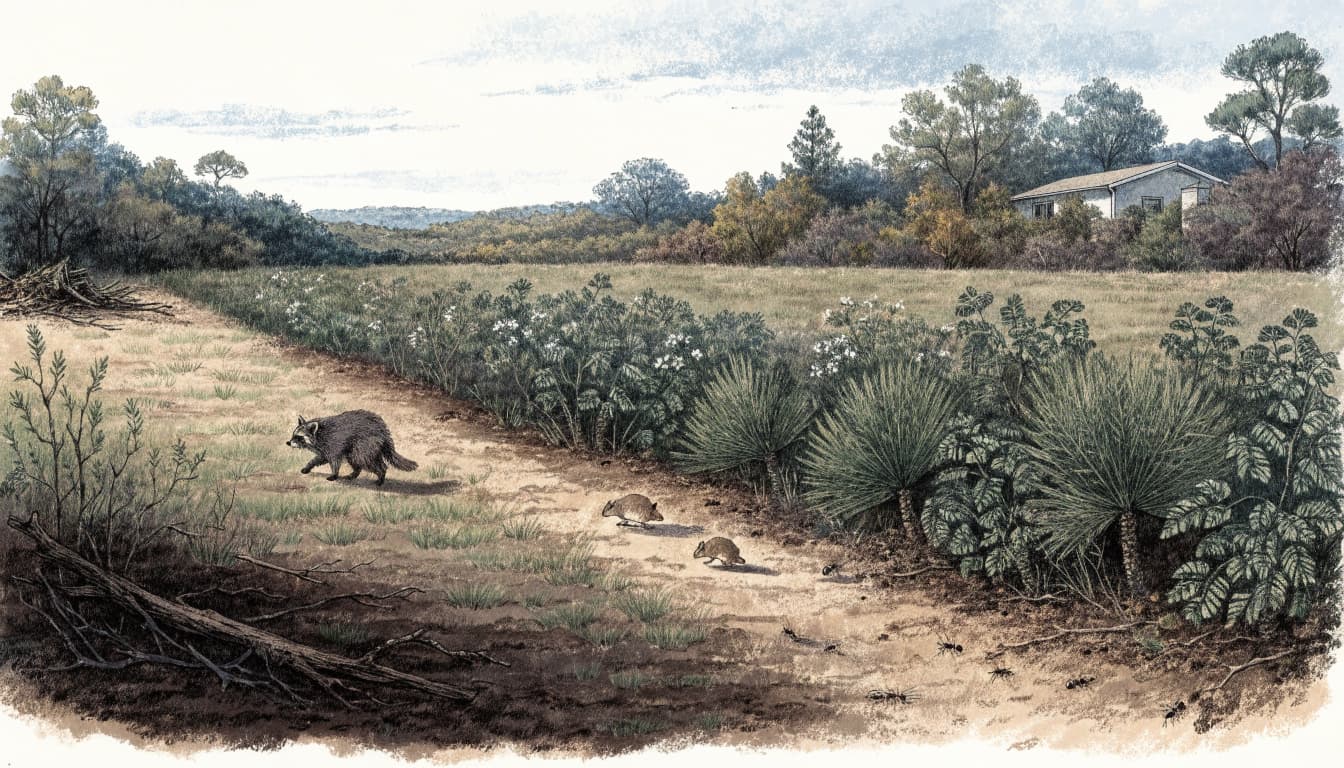
Brush, leaf litter, and other vegetation can offer cover and nesting places. When crews remove that material or disturb the soil, the habitat changes. Some animals and insects may move toward remaining vegetation or travel through nearby yards while seeking shelter and resources.
The effect varies. Clearing one parcel may have little visible impact on a home, while work that removes a larger area of cover can alter the conditions around several properties. The timing and methods used also matter. A cleared lot with leftover brush or debris may continue to provide shelter, even after much of the vegetation is gone.
Nearby homes can offer access and shelter
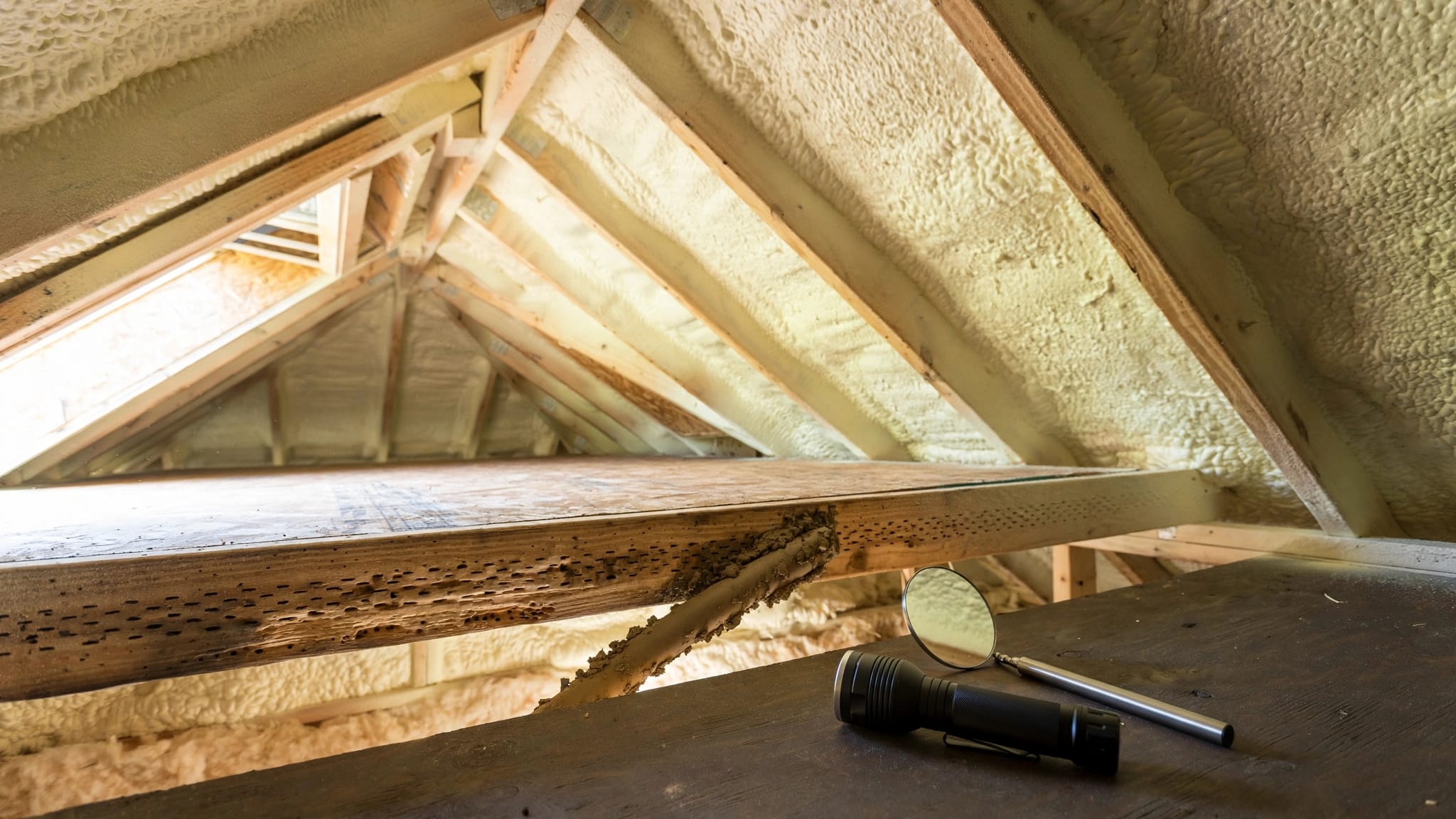
A house may attract pests when it provides what a changed outdoor area no longer does: easy food, water, or protected shelter. Small gaps around pipes, doors, garage seals, and screens can provide a way inside. Garages, attics, lanais, and wall voids may offer sheltered spaces once a pest reaches the structure.
Still, the cleared parcel isn't the only possible source. A pest may already have been living on the property or entered through a gap that had gone unnoticed. Treat land clearing as one possible pressure, not a diagnosis.
Why Some Pests Approach Homes
Food and moisture can matter as much as cover
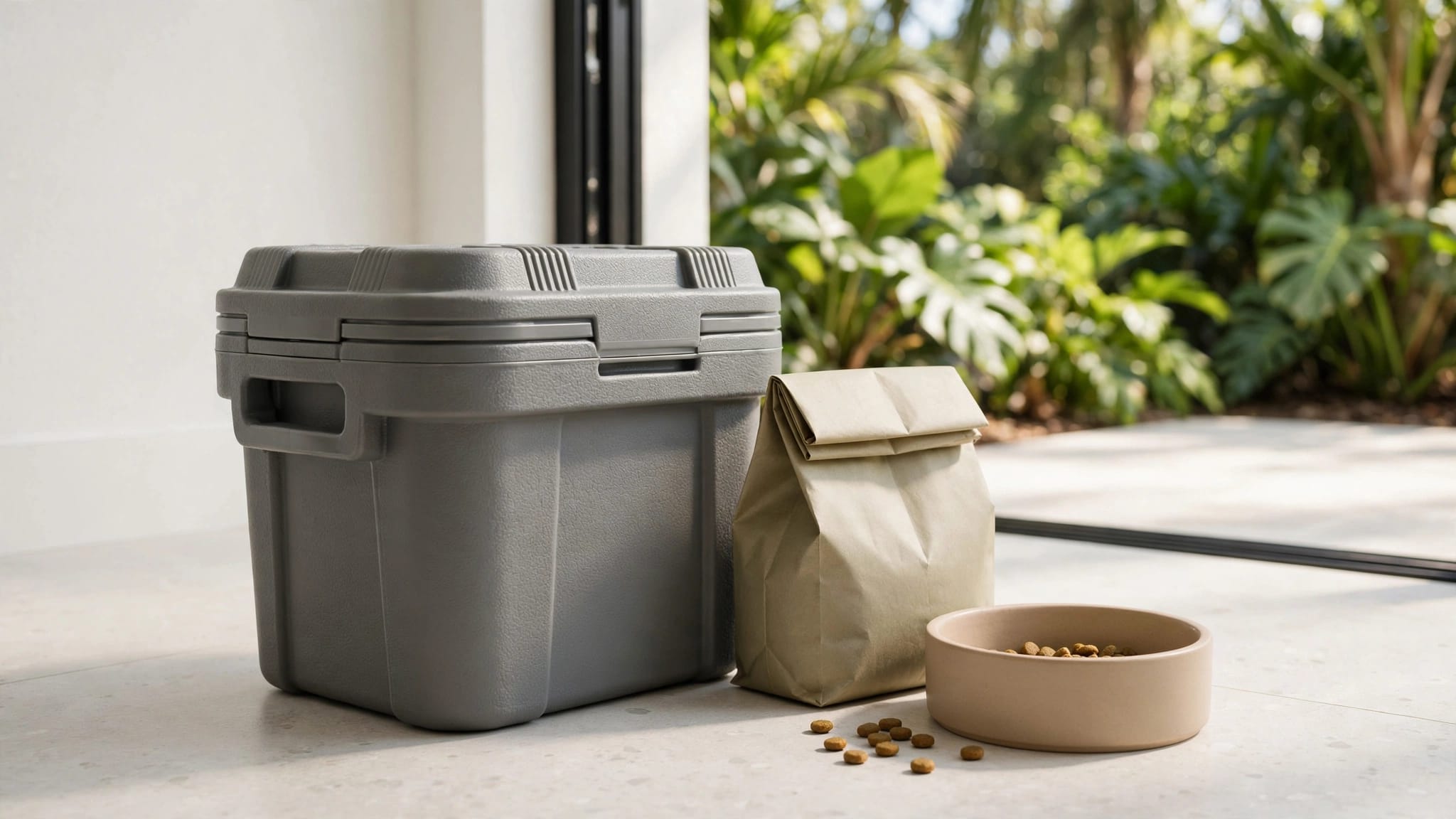
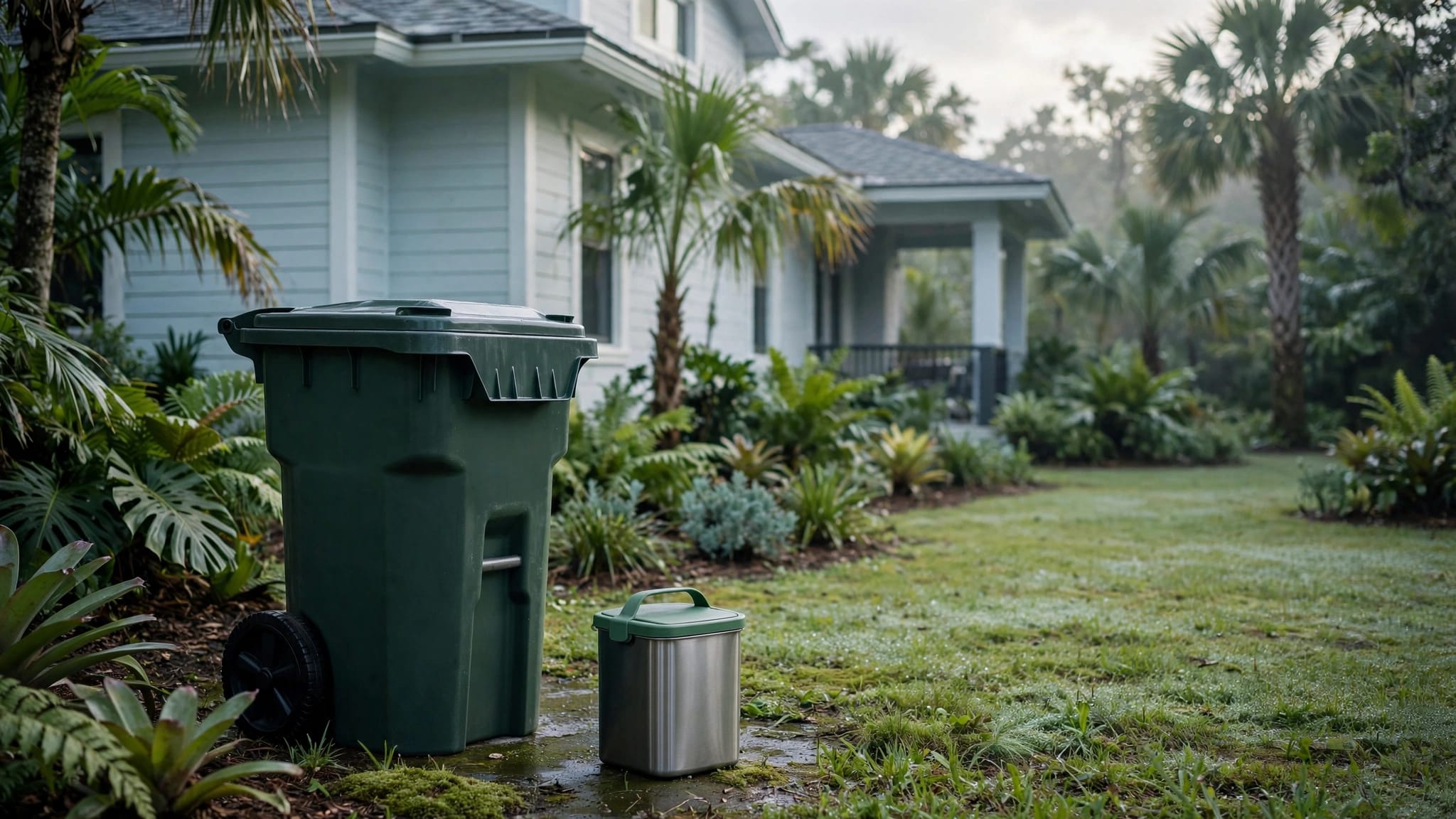
Southwest Florida homes often have outdoor features that attract pests when conditions change. Pet food, uncovered garbage, fallen fruit, crumbs near an outdoor kitchen, and clutter around a shed can provide food or shelter. Leaking faucets, damp mulch, clogged gutters, and standing water add moisture.
During dry periods, ants, roaches, rodents, and mosquitoes may seek shade, moisture, or food around homes as outdoor water becomes less available. That seasonal pressure can overlap with construction or land clearing, making it hard to identify one cause from timing alone. The Southwest Florida dry-season pest checklist covers common conditions that make a home attractive during dry weather.
Weather and site conditions change the picture
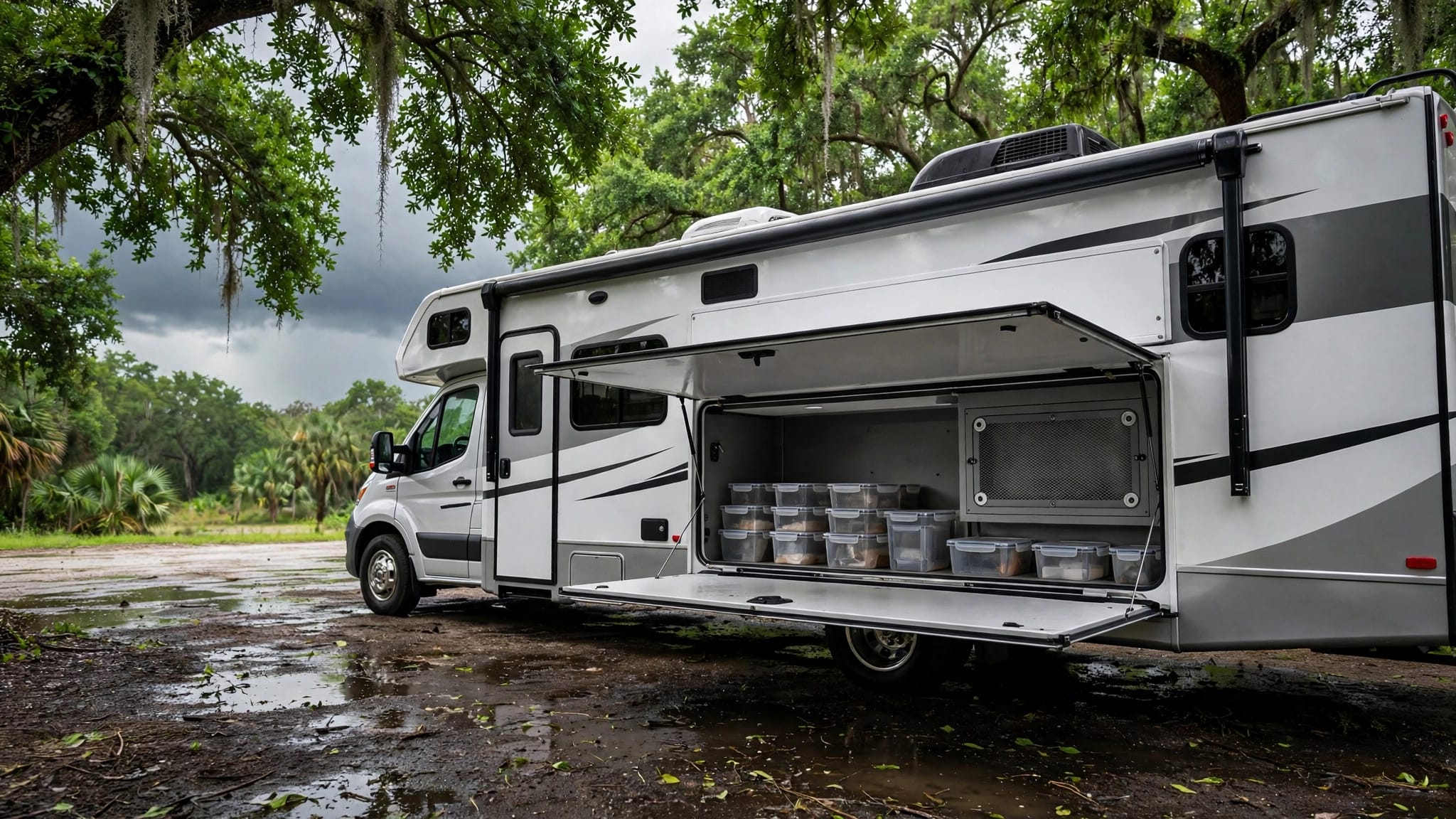
Heavy rain can also alter outdoor pest activity. Flooded soil may disrupt nests, while wet yards can change where insects gather. Fire ants, for example, may move or rebuild mounds in raised spots after flooding. That kind of movement relates to wet conditions, not proof that land clearing caused a particular mound.
The lot itself matters too. A home beside dense vegetation, a canal, or a preserve has different surroundings from a home bordered by pavement. Irrigation, drainage, landscaping, and recent weather all shape the habitat available to pests.
How to Tell Whether Activity Is Inside the Home
Look for patterns, not one isolated sighting
An insect near a door or a rodent outdoors doesn't automatically mean there's an infestation inside. Pay attention to repeated signs in the same area. Droppings, gnaw marks, damaged food packaging, nesting material, or scratching sounds can point to activity that needs attention.
Note where and when you see activity. A few ants near a damp window may have a different explanation from repeated trails leading into a pantry. Likewise, sounds near a garage ceiling or attic access deserve a closer inspection than a single animal seen crossing the yard.
Check likely entry points
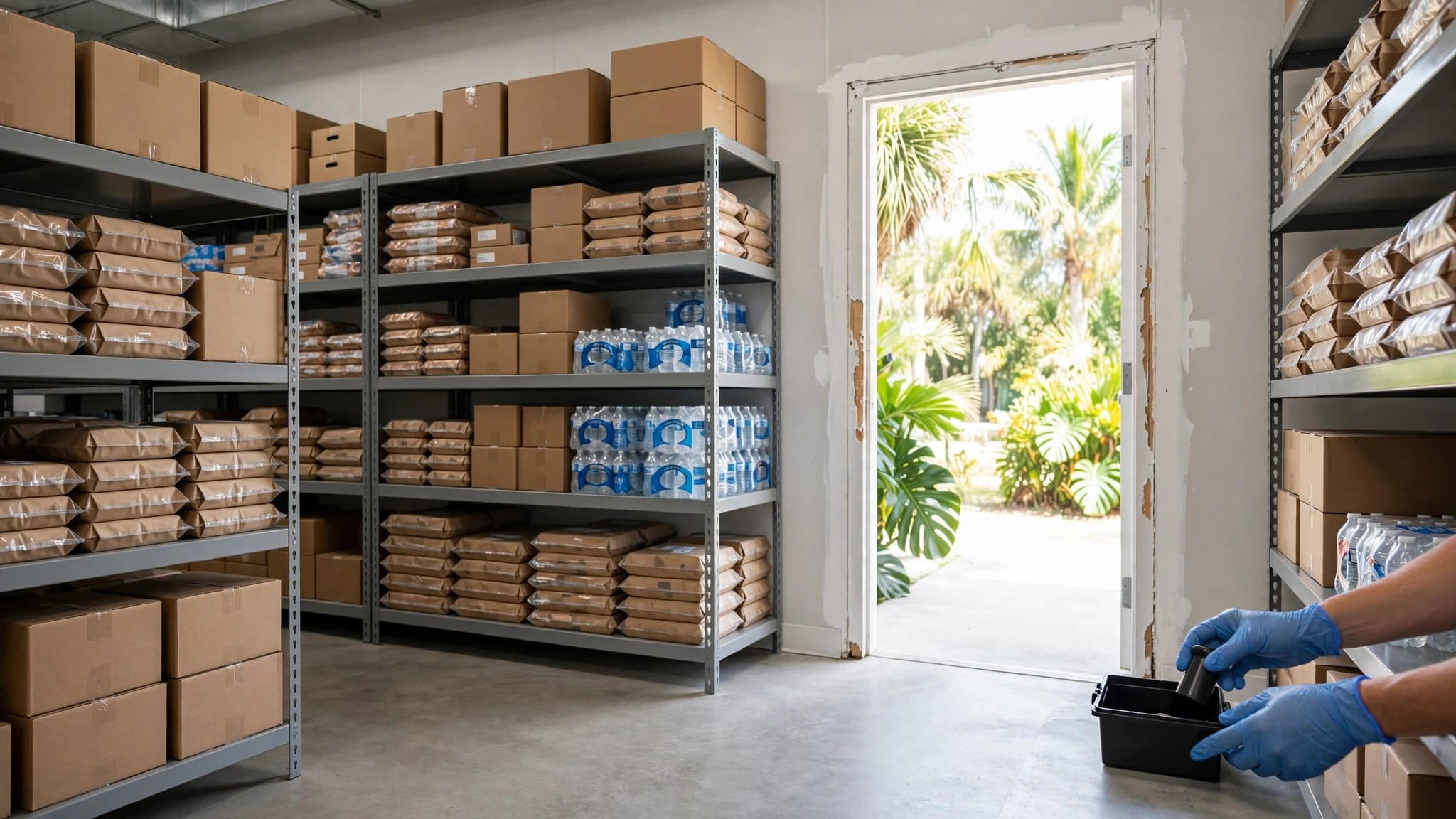
Rodents can enter through small openings. Mice may fit through gaps about 1/4 inch wide , roughly the width of a pencil. Check around plumbing lines, utility penetrations, garage doors, soffits, and places where the roofline meets the walls.
For more clues, see these signs of mice in Cape Coral walls. The location of droppings or noises can help narrow down where to inspect, but don't assume every sound identifies a mouse. Other wildlife can enter attics or garages, and different animals need different responses.
Practical Prevention Around Southwest Florida Homes
Make the house harder to enter
Walk around the exterior and inspect door sweeps, window screens, garage seals, and openings around pipes or cables. Repair torn screens and gaps, and close doors promptly, especially at night. Keep shrubs and branches from touching the structure where practical, and avoid piling leaves or yard waste next to the walls.
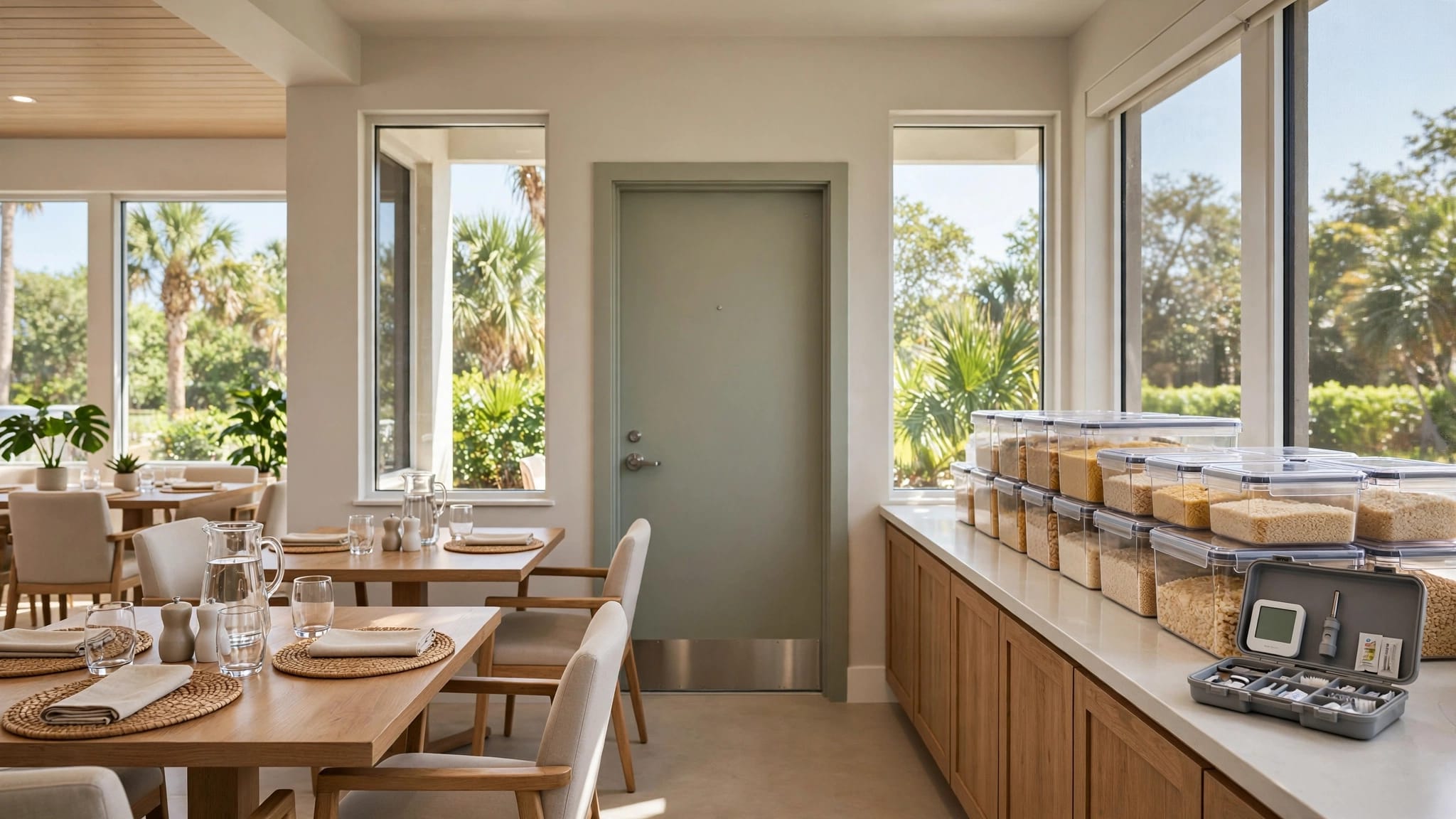
Check that the garage door closes tightly against the floor. Store food in sealed containers, keep garbage lids secure, and bring pet food indoors rather than leaving it outside overnight. These steps reduce both access and the reasons pests may keep returning.
Reduce standing water and yard shelter
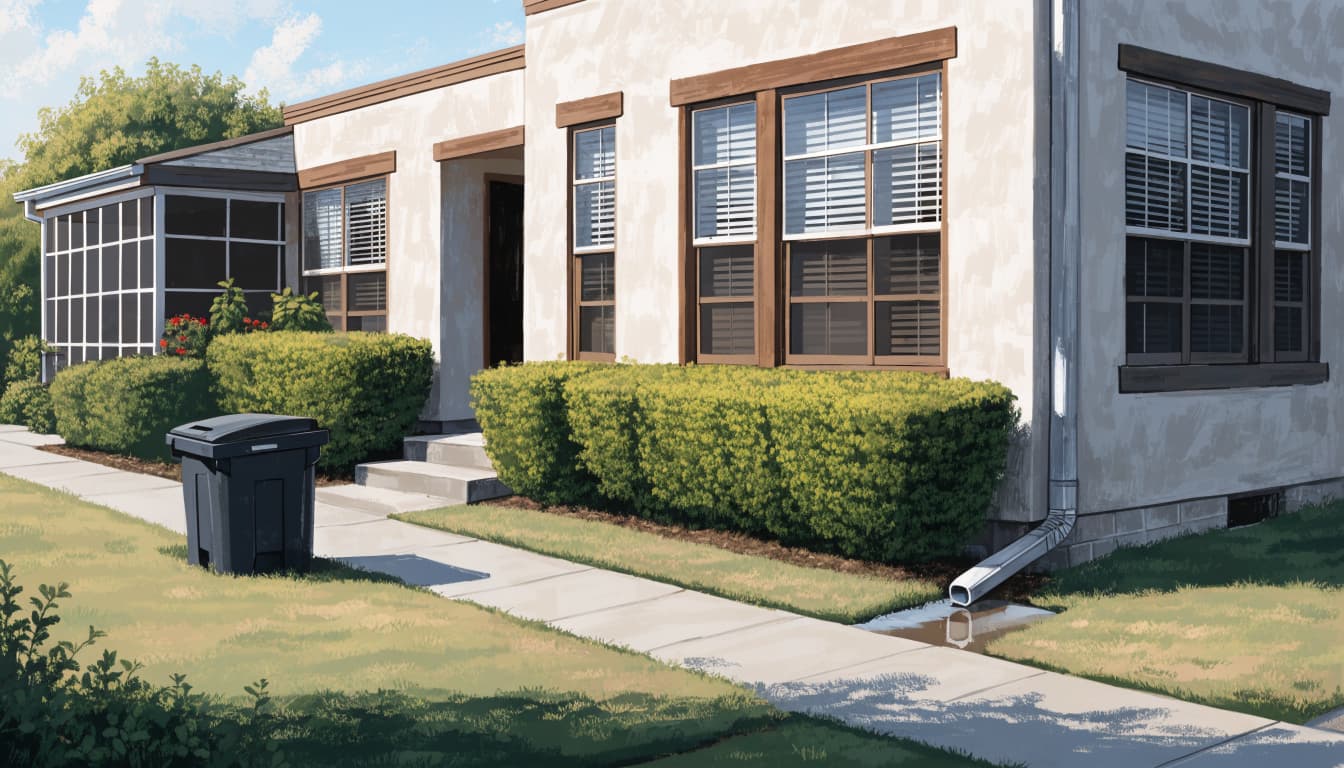
After rain, empty water from containers, toys, and other low spots. Clear leaves from gutters and correct drainage that leaves the soil persistently wet near the house. Mosquitoes can develop in standing water, while damp, cluttered areas can attract other pests.
Keep mulch and vegetation from building up against the home. Store firewood and outdoor items neatly, and reduce clutter in sheds and garages. These measures don't prevent every pest from passing through the yard, but they make it less inviting for pests to settle near entry points.
How to Respond to Rodents or Wildlife
Don't seal an opening before you know what's inside
If you suspect an animal is in a wall, attic, or garage, sealing a suspected entry point too soon can trap it inside or redirect it to another part of the structure. Look for signs of activity first, including droppings, damaged materials, and the location of sounds.
Wildlife also requires a different approach from rats or mice. Opossums and other local animals may be looking for food rather than trying to nest in the house. A practical response identifies food sources and entry points, and considers whether young may be present before exclusion work begins. Read about humane wildlife removal and exclusion for guidance on recurring opossum visits.
Get help when signs repeat
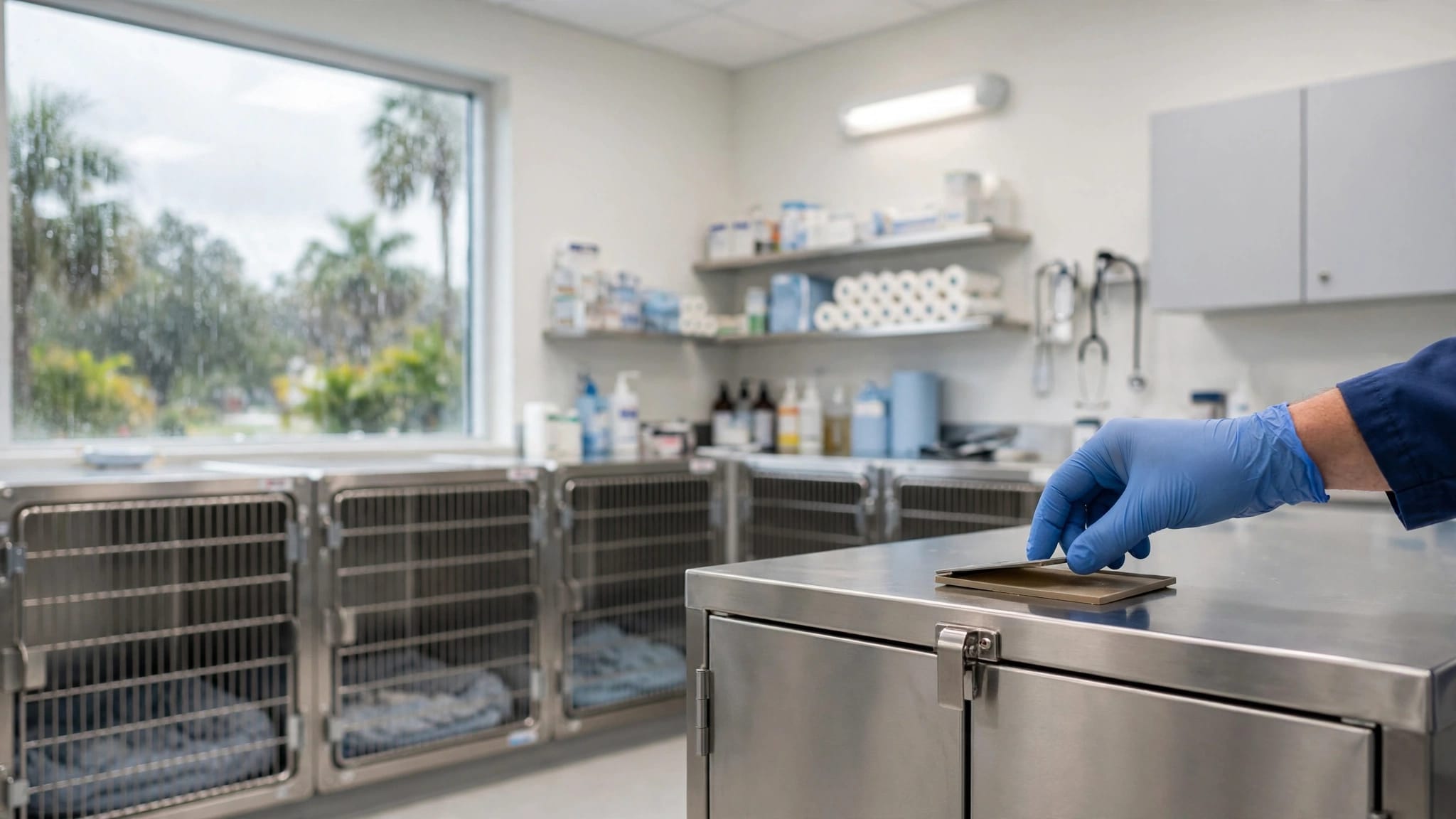
Repeated rodent noises, fresh droppings, recurring trails, or damage in several areas can point to an ongoing issue. A pest professional can inspect likely access points and help identify whether the activity involves rodents, insects, or wildlife. This matters because the right treatment depends on what's present and where it's getting in.
We provide residential pest and rodent control in Southwest Florida, including Cape Coral and Fort Myers. If you're seeing repeated signs, an inspection can help separate a temporary outdoor visitor from activity that needs a targeted response.
Frequently Asked Questions
Does land clearing always cause pests to enter nearby homes?
No. Clearing may disturb habitat and change pest movement, but a sighting alone doesn't establish a connection. Weather, seasonal conditions, nearby water, landscaping, and openings in the house can all affect activity.
Which pests are most likely to appear after clearing?
There isn't one reliable answer for every property. The species present before work begins, the type of habitat removed, the season, and site conditions influence what you might notice. Rodents, ants, roaches, and wildlife can all be affected by changes in food or shelter, but their response differs.
How soon after clearing might activity change?
There's no set timeline. Some activity may become noticeable during or soon after work, while other changes may be gradual or not reach the home at all. Rain, dry weather, and the remaining vegetation can affect when pests move and where they go.
Keep the Focus on the Signs
Nearby land clearing can change where pests find cover, but it doesn't explain every new sighting. In Southwest Florida, weather, food, moisture, and access points also shape what happens around a home.
Reduce easy shelter and attractants, seal openings, and watch for repeated signs indoors. When activity continues, identifying the pest and its entry route is the clearest way to choose the right response.
Schedule a Free Inspection: