Cape Coral House Mice In Walls Signs Entry Points And Traps
Scratching in the walls at night can make a calm house feel like it has a heartbeat. If you're hearing taps, skitters, or light chewing sounds, Cape Coral house mice are a real possibility, especially in cooler spells or after nearby construction.
The good news is you can usually solve a mouse problem without putting poison in wall voids. Snap traps and solid exclusion work better for most homes, and they avoid the dead-rodent odor problem that can linger for weeks.
Below is a clear way to confirm what's going on, find how they're getting in, and trap them out safely.
Fast signs house mice are living in your walls (not just passing through)
House mice don't need much space to move around. Once they find warmth, water, and a snack, they treat your walls like hidden hallways. Start with the signs that show up most often in Cape Coral homes.
Listen for activity after dark . Mice are mostly active at night, so noise often ramps up when the house quiets down. Next, look for physical clues near likely "hot spots" like the pantry, garage, laundry room, and attic access.
Here are the most useful clues:
- Droppings : Small, dark, rice-sized pellets, often near corners, behind stored items, or along baseboards.
- Gnaw marks : Chewed cardboard, pet food bags, foam, or plastic, plus tooth marks on wood edges.
- Rub marks : Light brown or gray smudges along edges where they squeeze through often.
- Nesting mess : Shredded paper, insulation bits, or fabric tucked into a quiet space.
- Odd smell : A mild, musky odor in enclosed areas.
A quick table helps you narrow it down fast:
| Symptom you notice | Likely cause | Next step |
|---|---|---|
| Scratching in one wall at night | Active travel route or nesting nearby | Inspect attic and garage edges, set traps along nearby walls |
| Droppings under kitchen sink | Entry near plumbing line gaps | Seal gaps after trapping, set 2 to 4 traps in the cabinet base |
| Chewed pantry items | Food source and repeated access | Move food to hard containers, trap near the pantry wall |
| Noises near garage ceiling | Activity around attic access or roofline | Check garage attic access, soffits, and roof return areas |
If you want a broader home-pest plan that supports rodent prevention, see these mice and rodent control strategies for the home.
Common Cape Coral entry points (mice fit through about 1/4 inch)
A mouse can squeeze through gaps around 1/4 inch , about the width of a pencil. That's why "I don't see any holes" doesn't mean much. Think of your home like a cooler. Any tiny crack around the lid lets air in, and mice use those same weak spots.
In Cape Coral, these are the usual entry zones because of local building features and add-ons:
- Soffit vents and roof returns : Loose screens, warped panels, or tiny construction gaps at the edges.
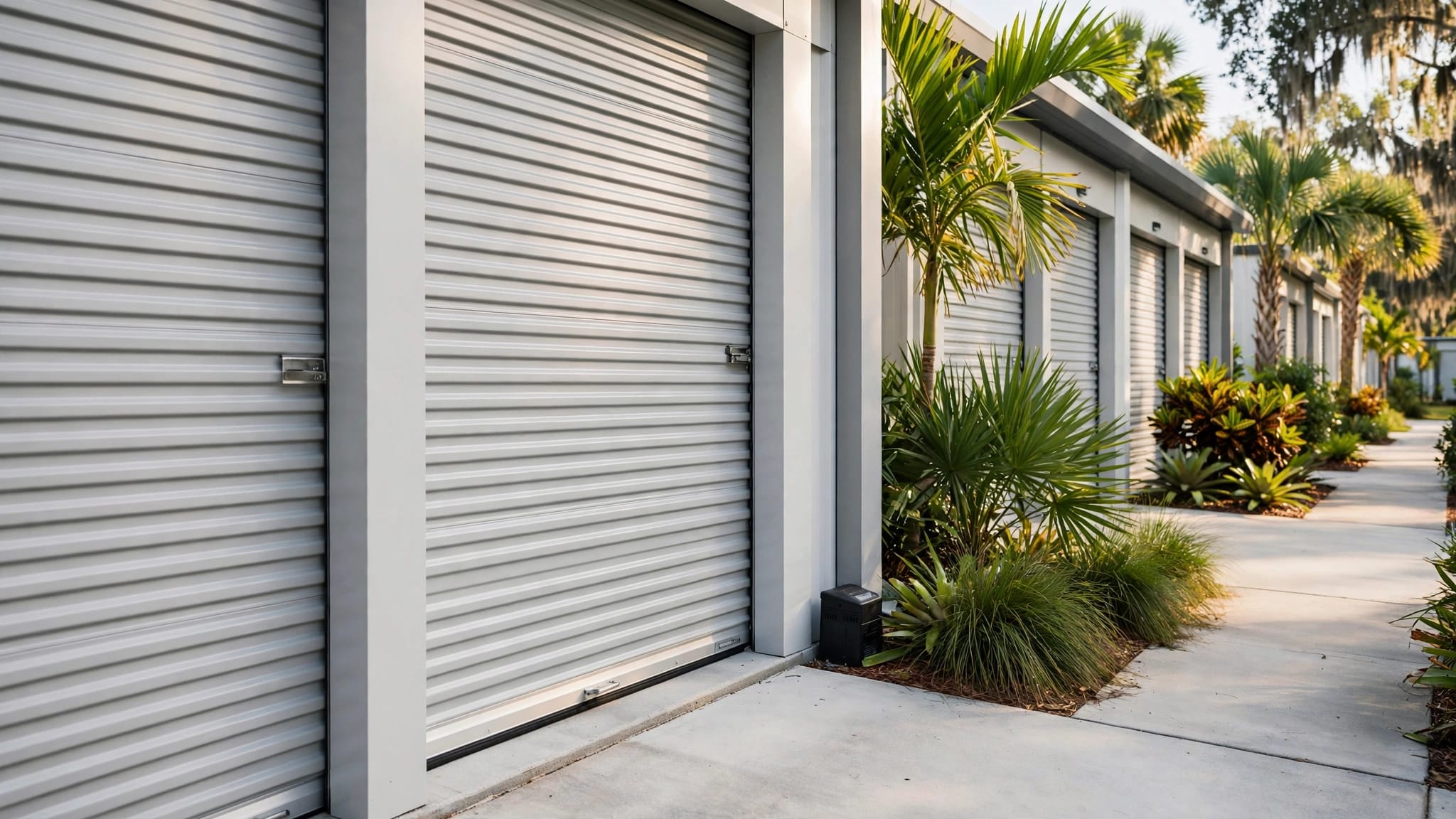
- Garage door corners and side doors : Small daylight gaps at the bottom corners, worn weather stripping, and misaligned thresholds.
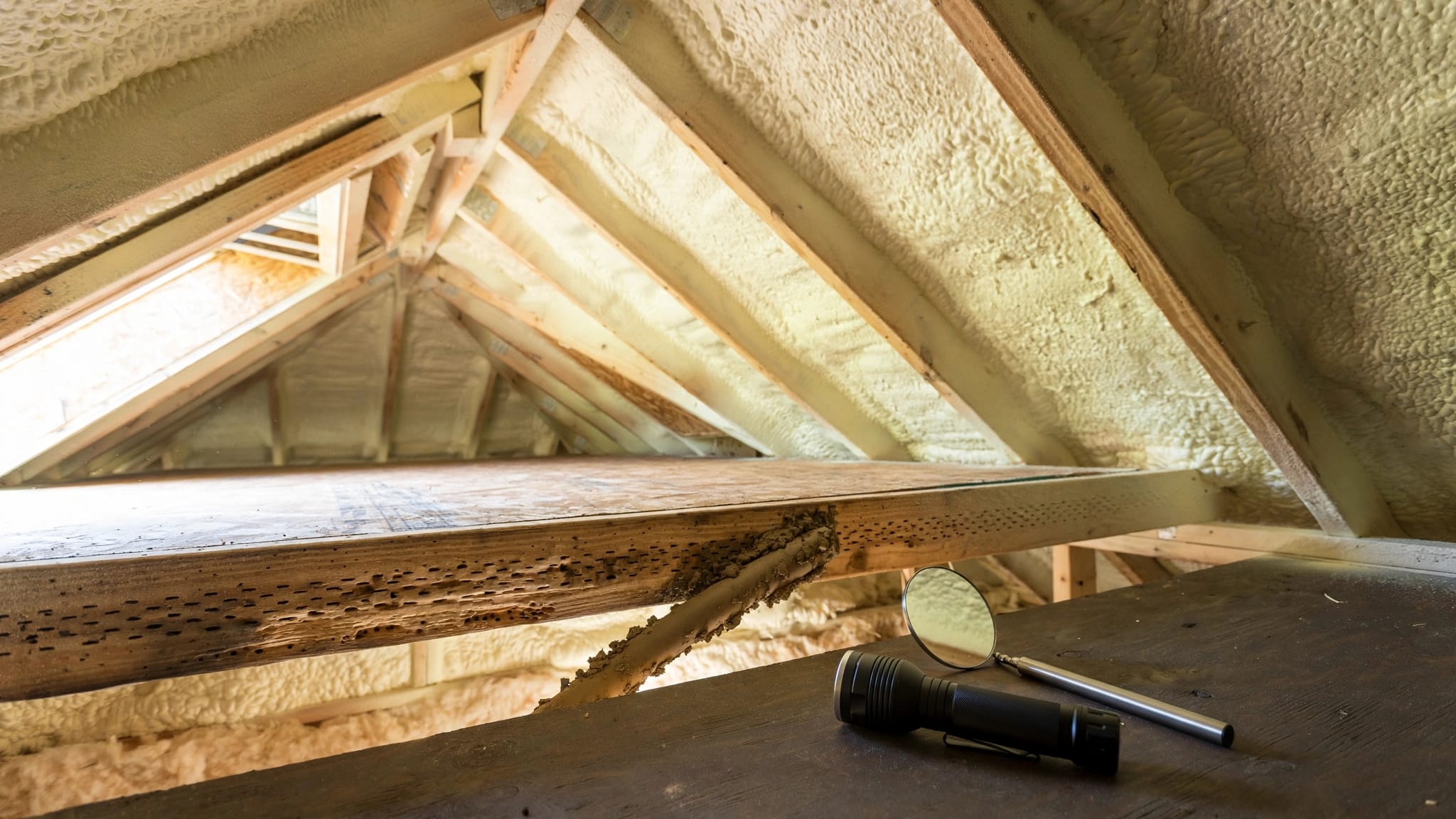
- Garage attic access : A loose hatch or gaps where framing meets drywall.
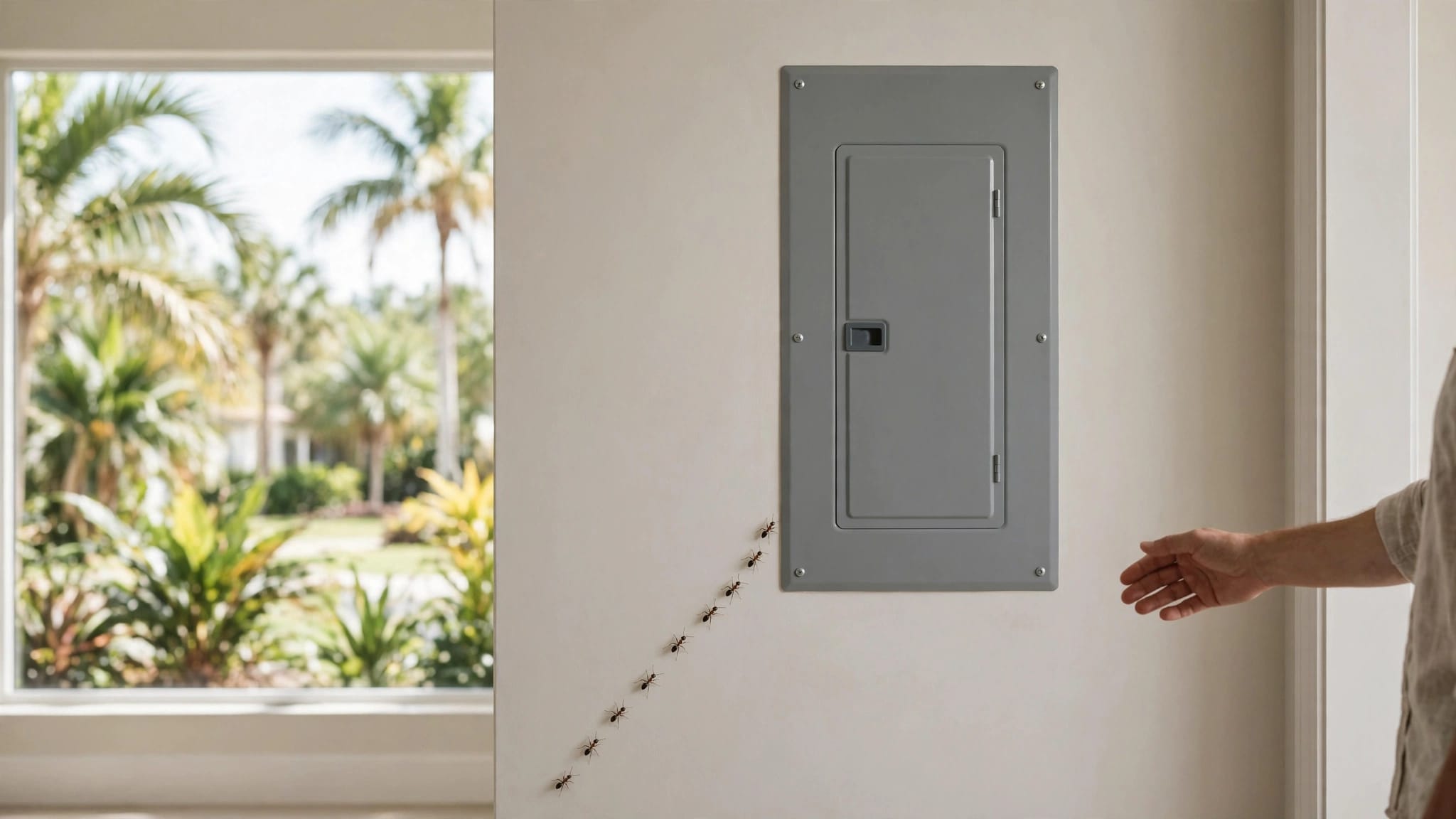
- AC line set penetration : The refrigerant line and drain line often enter through a wall opening that's bigger than it needs to be.
- Plumbing penetrations : Under sinks, behind toilets, and near the water heater, especially where pipes pass through cabinets or block walls.
- Lanai and pool cage areas : Screens don't seal your home, but they can hide droppings and attract activity near doors and thresholds. Also, gaps where the cage meets the wall can mask entry points nearby.
Do a quick "flashlight test" at dusk. Stand inside the garage with lights off and look for daylight along door edges, corners, and framing joints. Outside, walk the perimeter and focus on where different materials meet, like stucco to trim, and wall to slab.
If you're comparing service options and what a pro should check, this guide helps: key questions to ask before hiring an exterminator in Cape Coral.
A snap-trap plan for mice in walls: trap first, then seal

Photo by ClickerHappy
When you suspect mice in walls, the goal is to intercept them on their routes. You usually won't trap them inside the wall cavity itself. Instead, you trap where they enter, exit, and travel .
Also, skip poison in wall voids. A poisoned mouse can die in an unreachable spot. That often leads to odor, maggots, and flies. Secondary poisoning is another risk if wildlife or pets find a sick rodent outdoors.
Here's a simple, safe approach built around snap traps:
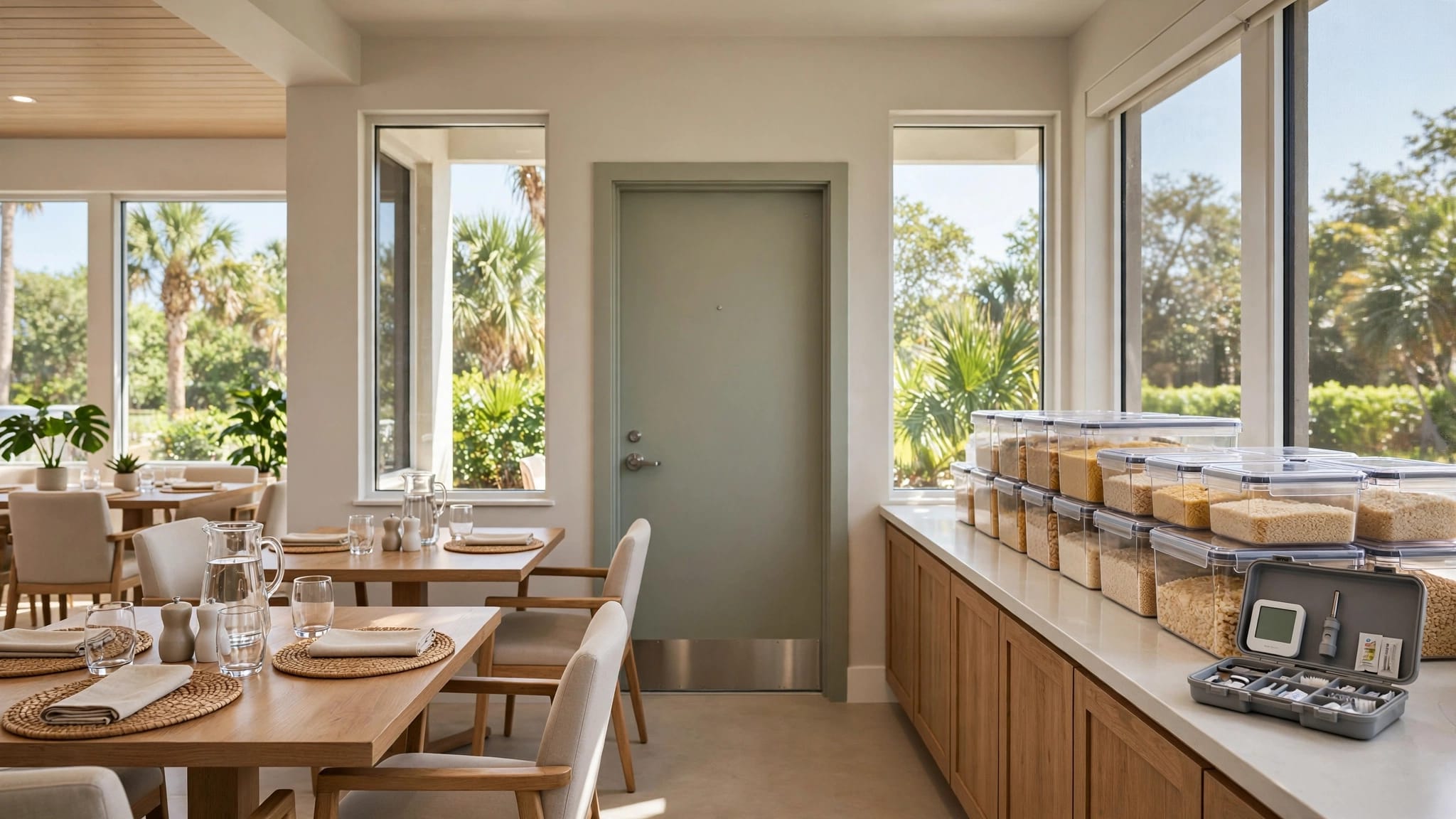
- Remove easy food : Put pantry goods in hard containers, and stop leaving pet food out overnight.
- Pick the right bait : A pea-sized dab of peanut butter works well. Too much bait lets them steal it.
- Place traps like a pro : Set traps tight to walls, because mice hug edges. Point the trigger end toward the wall.
- Use enough traps : One trap is like one fishing hook in a lake. Use several in the problem area for better odds.
- Target these Cape Coral spots : Behind the fridge, under the stove, inside the garage along side walls, near garage attic access, and along the wall shared with the kitchen.
- Protect kids and pets : Use covered trap boxes or place traps where hands and paws can't reach.
- Check daily and reset : Wear gloves, remove caught mice promptly, and keep trapping until activity stops.
If you seal every hole first, you can accidentally trap mice inside, where they keep scratching and looking for a new exit. Trap, confirm the activity drops, then seal.
For homeowners who want a poison-free option as part of a long-term plan, ECO Rodent Shield for homes is designed around non-toxic rodent control support.
Once the trapping is underway, bookend it with exclusion. Seal obvious gaps with quality materials (metal mesh, hardware cloth, or steel wool used correctly with a sealant). Focus on the AC line set opening, plumbing gaps, and garage door edges first, since those are common repeat offenders.
If you'd rather have a local team inspect, trap, and exclude in one plan, start here: professional rodent removal services.
FAQ: roof rats or house mice, night noise, and how long it takes
Are these roof rats or house mice?
House mice leave smaller droppings and fit into tighter gaps. Roof rats are larger, climb extremely well, and often work rooflines, attics, and trees. If you see bigger droppings, heavier gnawing, or fruit-tree activity, rats move higher on the suspect list.
Why do I hear them at night?
Mice are usually nocturnal. When lights go out and the house quiets, you notice travel and feeding sounds more.
How long until they're gone?
Many homes see a big drop in activity within a few days of correct trap placement. Still, plan on 1 to 2 weeks to trap out stragglers and confirm entry points are sealed.
Conclusion
Cape Coral house mice don't need a big hole, just a small gap and a reason to stay. Start by confirming signs, then intercept their routes with snap traps, and only then lock the house down with careful sealing. When the noise stops and the droppings disappear, you'll know you've turned your walls back into walls, not mouse highways.
Schedule a Free Inspection: