Jumping Spiders in Cape Coral Window Frames and Screen Rooms
If you keep spotting jumping spiders in Cape Coral around your windows, the spider is usually pointing to a bigger issue. These little hunters show up where insects gather, where light spills out at night, and where moisture gives them cover.
That means your window frames, screens, and lanai edges can become steady landing spots. The good news is that jumping spiders are usually not aggressive. The better news is that a few simple changes can make your home far less inviting.
Why window frames and screen rooms draw jumping spiders
Jumping spiders do not sit in webs waiting for food. They hunt by sight, so they move toward places where small insects are active. A window frame with moths, flies, or gnats nearby is a good spot for them.
In Cape Coral, a few local conditions make this happen often. Humidity keeps outdoor areas damp. Screened lanais trap warm air and light. Exterior lighting pulls insects toward doors and windows after dark. Add shrubs, palms, or mulch close to the home, and you give bugs even more reasons to stay nearby.
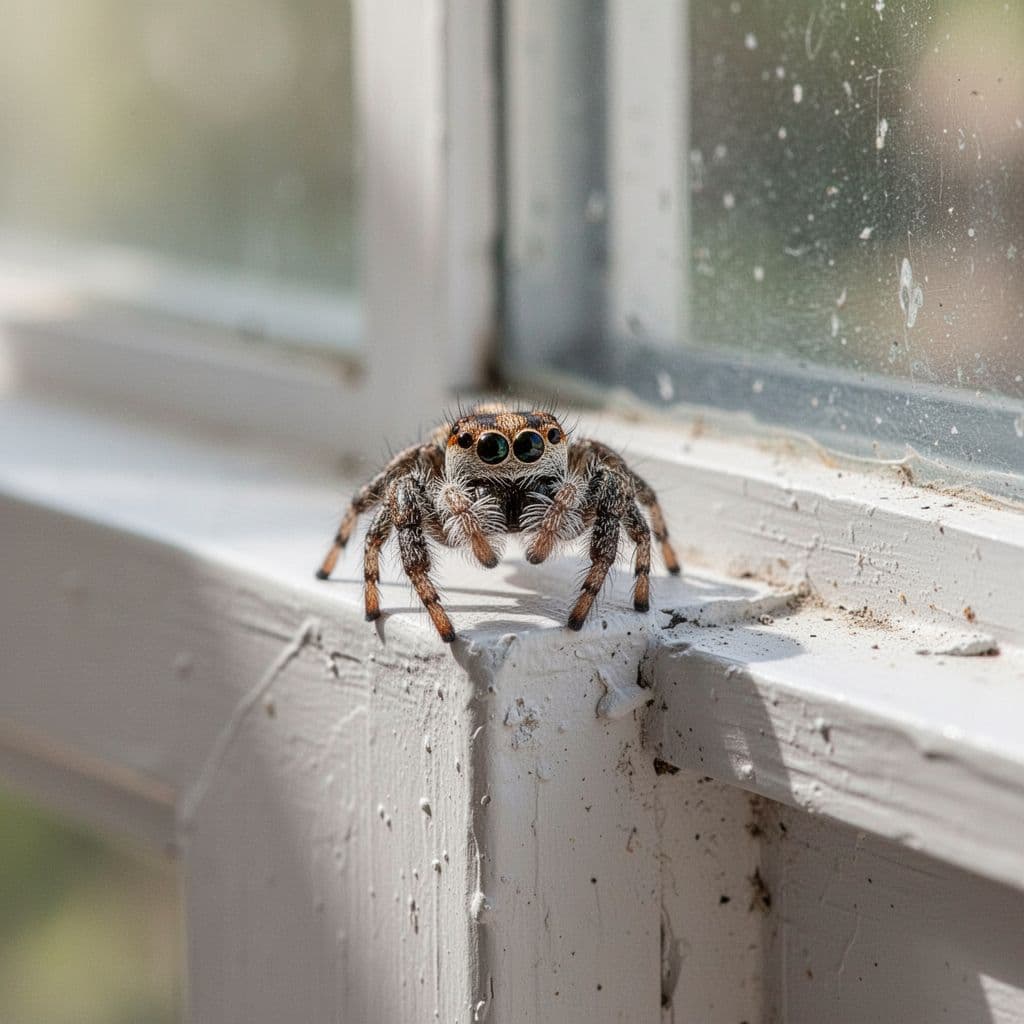
Seasonal insect activity matters too. When flies, mosquitoes, and other small pests rise in number, jumping spiders follow. A screened room can feel protected to you, but to a spider it can look like a sheltered hunting lane.
A jumping spider near a window is usually hunting, not nesting inside your home.
What repeated sightings can tell you
One spider on a frame is usually a minor annoyance. Repeated sightings in the same spot tell a different story. They often mean the area has reliable food, easy access, or both.
Here is a simple way to read what you are seeing:
| What you notice | What it may mean |
|---|---|
| One spider on a window frame | A hunter found a few insects nearby |
| Several spiders near the same side of the house | Light, moisture, or prey is attracting them |
| Spiders plus ants, gnats, or roaches | Other pests may be active too |
| Spiders returning after cleaning | Gaps, screens, or lighting are still helping pests |
This is why recurring spider sightings matter. The spider itself is usually harmless, but it can point to the same conditions that also bring in other pests. If your windows collect spiders week after week, the home may be acting like a magnet for insects.
A screened lanai can hide that pattern for a while. The space stays open to the air, so it feels like part of the yard. At the same time, it can hold enough light, moisture, and shelter to keep insects around after sunset. That is exactly what a hunting spider wants.
Practical prevention for Cape Coral homes
The best prevention starts with the surfaces where spiders appear most often. Clean frames, tighter seals, and better lighting can make a real difference.
A few habits help the most:
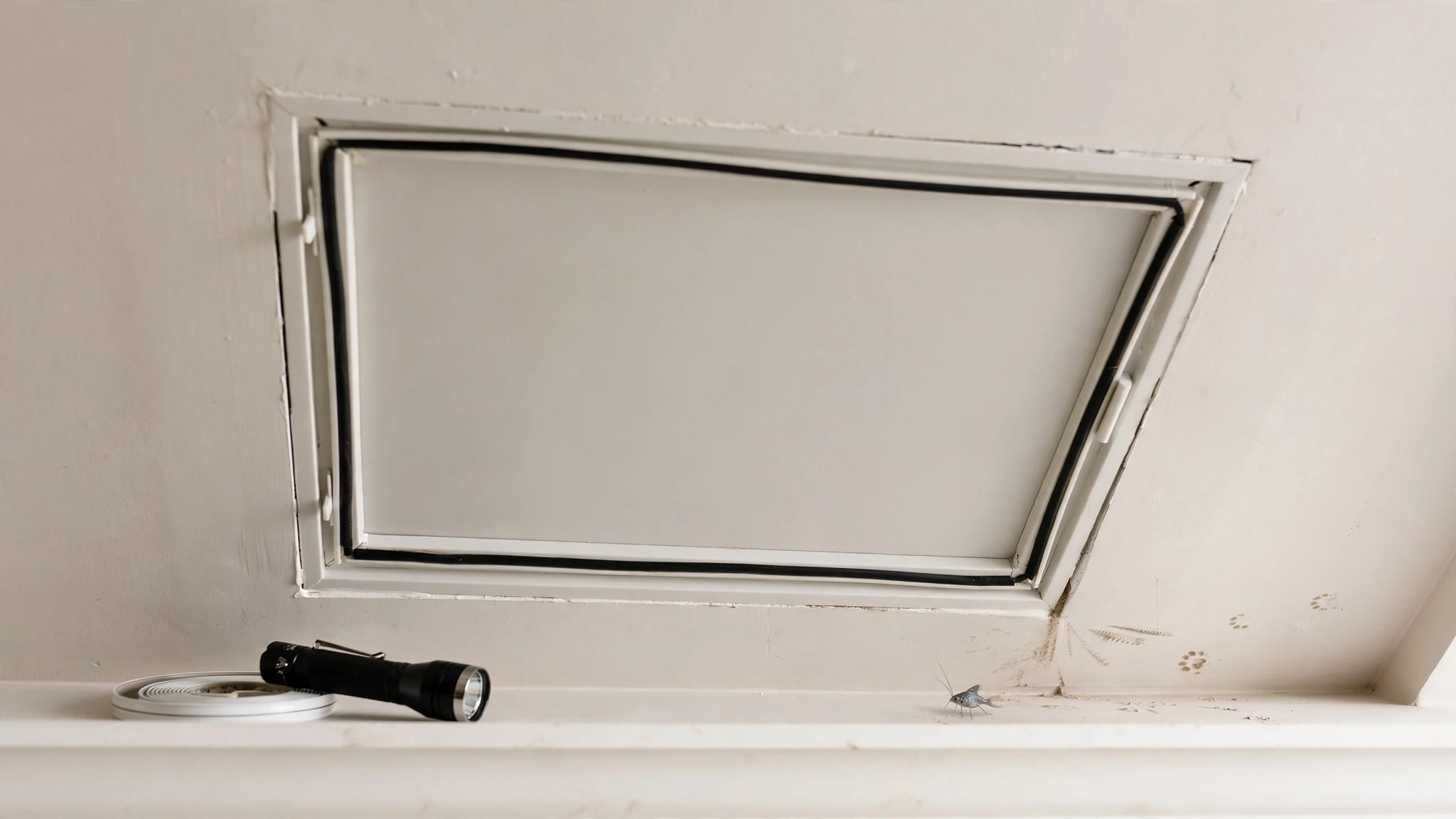
- Clean window frames and tracks often, because dust and dead insects give spiders a place to hide.
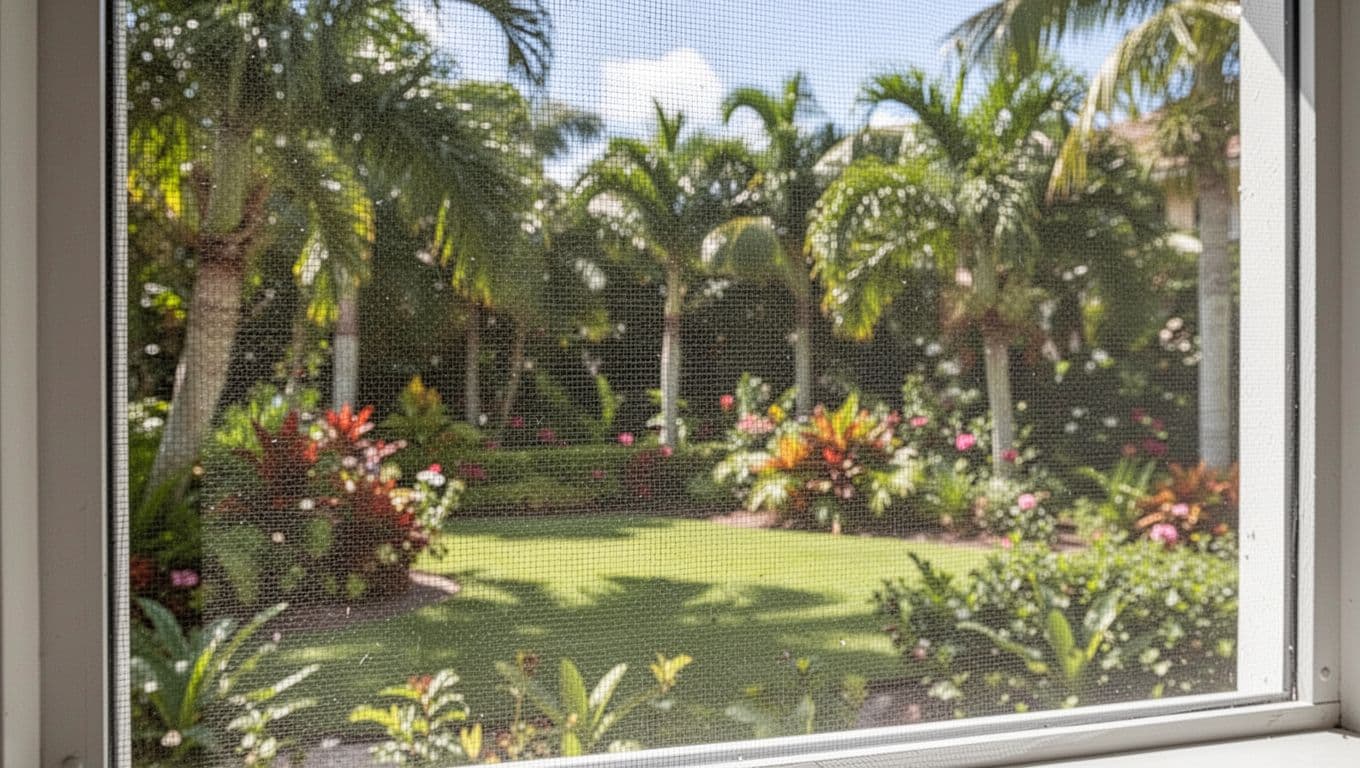
- Repair torn screens right away, even small pinholes, since tiny gaps are enough for insects and spiders.
- Replace worn door sweeps and weatherstripping so gaps under doors do not keep feeding the problem.
- Remove spider webs, egg sacs, and insect debris from corners, soffits, and lanai edges each week.
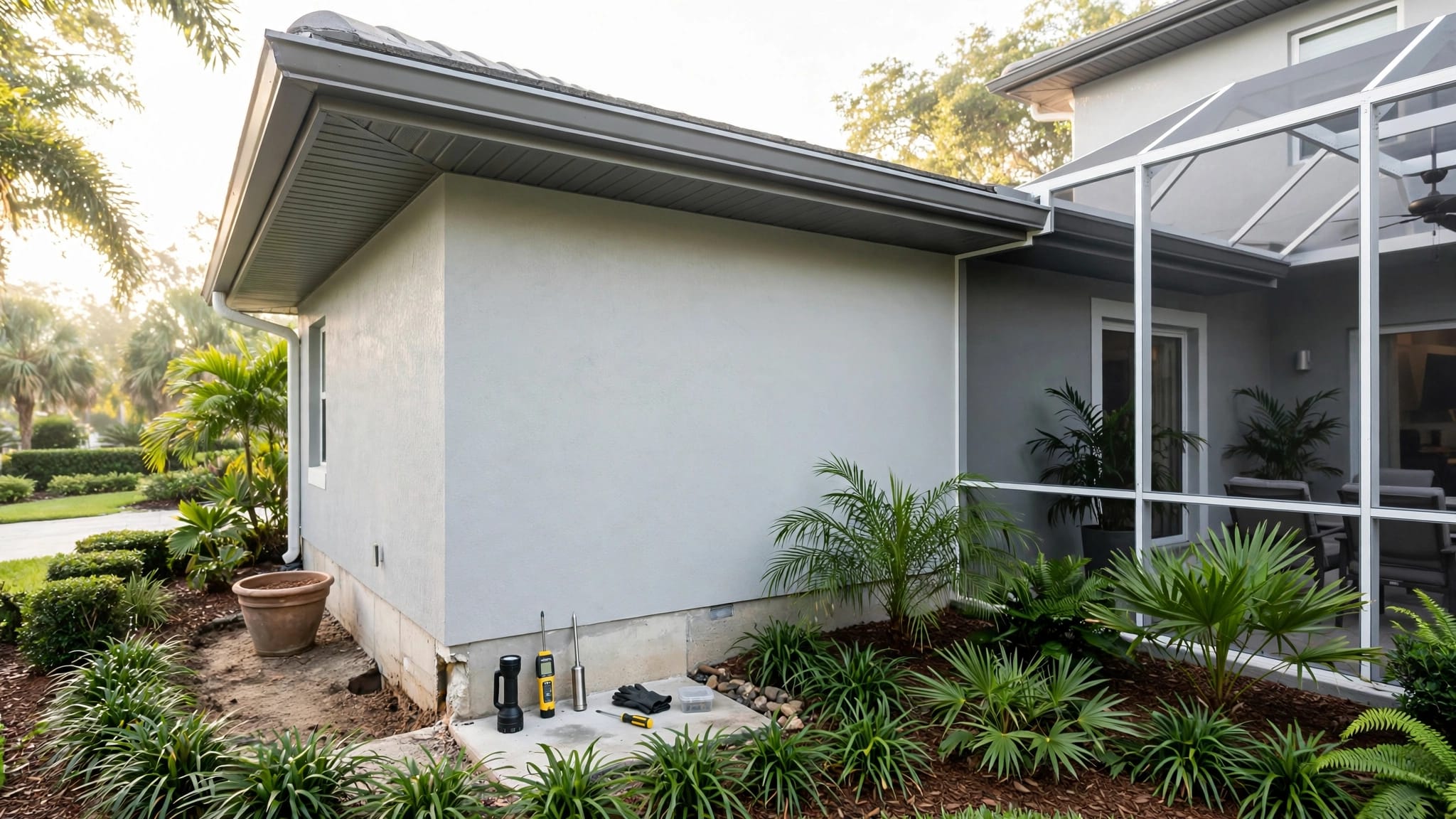
- Trim shrubs, palms, and vines away from the house so plants do not bridge the gap to your screens.
- Cut back on bright exterior lighting at night, or switch to warmer bulbs that attract fewer insects.
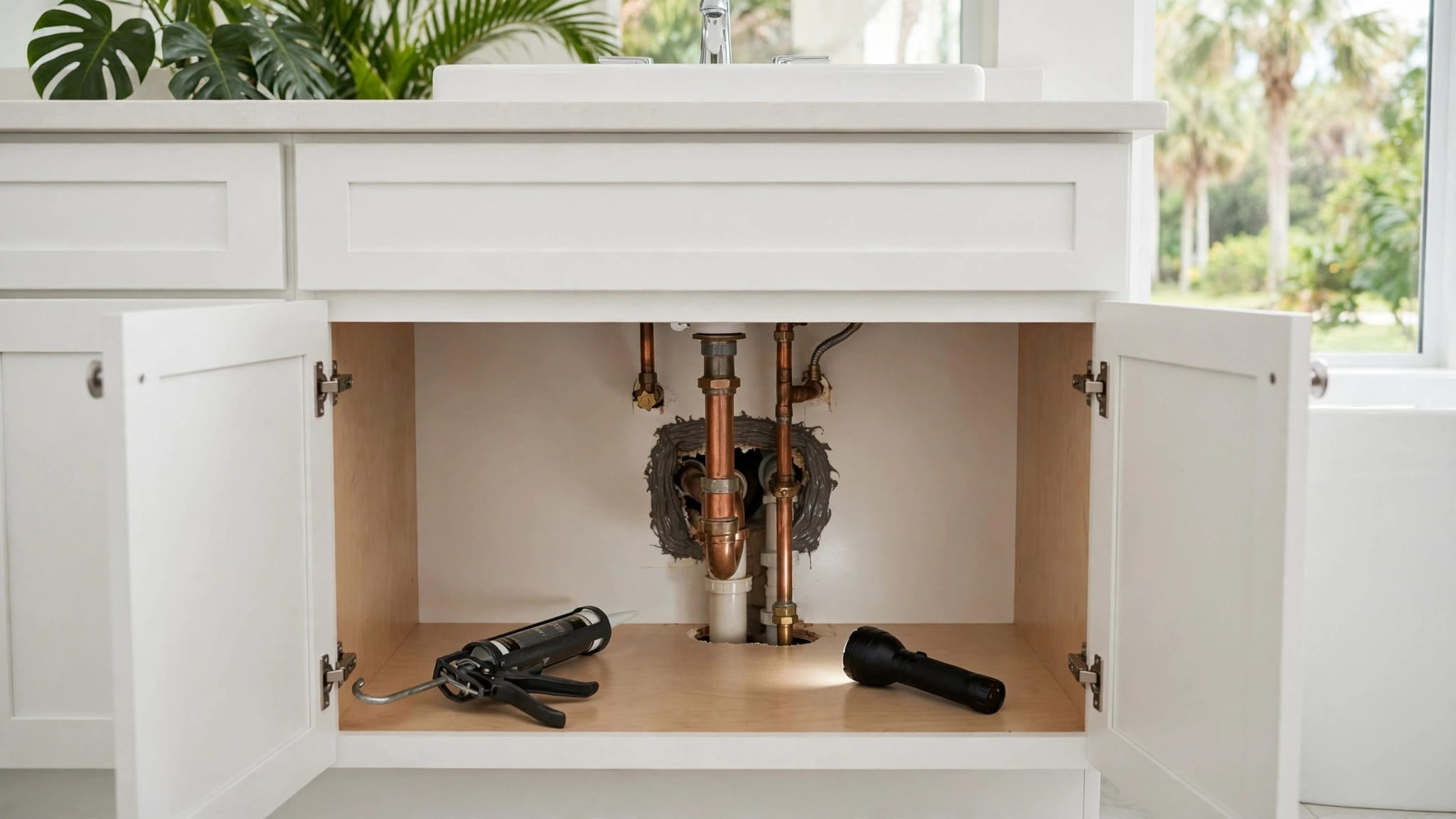
- Reduce moisture around the home by fixing leaks, clearing clogged drains, and checking for standing water near planters.
The goal is not to make the yard sterile. That would be unrealistic in Southwest Florida. The goal is to make your home less useful to insects, because fewer insects means fewer reasons for jumping spiders to stay close.
Lighting changes are especially helpful in Cape Coral. A porch light that stays on all evening can pull in moths, gnats, and mosquitoes. That turns the area around your window into a feeding zone. If you can direct light away from screens or cut the hours it stays on, you may notice fewer spiders in the same spots.
Landscaping matters just as much. Thick plant growth near walls gives insects a place to rest during the day. Then, when night comes, those insects move toward your lights and windows. Keep a little open space between plants and the house, and the whole area becomes less attractive.
When a local pest inspection makes sense
If the spiders keep coming back after you clean and seal what you can, the home probably needs a closer look. That is especially true if you see them across several windows, inside the garage, or around the same screen room after every warm spell.
A local inspection can find the entry points, moisture issues, and pest activity that keep feeding the cycle. For homes that need a focused approach, residential pest control Cape Coral is often the right next step, because it targets the areas where pests enter and live instead of spraying blindly everywhere.
It also helps to choose a company that homeowners already trust. Reading customer experiences with Shield Pest Control can give you a better sense of how local service feels in real homes, especially when the problem shows up around windows, lanais, and other outside spaces.
The key is timing. If you only see an occasional spider, home maintenance may be enough. If you keep seeing several, or if other pests show up with them, the issue is bigger than a single spider.
Conclusion
Jumping spiders around Cape Coral window frames are usually a sign of nearby insects, not a sign of danger. They like light, moisture, shelter, and the steady food source that screen rooms and window edges can offer.
That is why the best fix is practical, not dramatic. Clean the frames, repair the screens, trim the landscaping, and reduce the lights that pull insects in. If the spiders keep returning in high numbers, a professional inspection can find the conditions that are bringing them back.
Schedule a Free Inspection: