Warm LED vs Cool LED Porch Bulbs for Fewer Night Bugs
A porch light can pull in more night bugs than the open doorway itself. If you've watched moths, gnats, and mosquitoes circle a fixture all evening, you already know how fast it gets annoying.
The bulb above your door matters more than most people think. Warm LED and amber-toned bulbs usually attract fewer insects than cool, blue-rich LEDs , so the right color can make your porch calmer without turning it dark.
Why porch light color changes bug traffic
Night insects respond to light in a simple way, they move toward it, especially when it looks blue-white and bright. Cool LEDs, daylight bulbs, and other blue-heavy lights stand out more in the dark, so they tend to get more attention from flying insects.
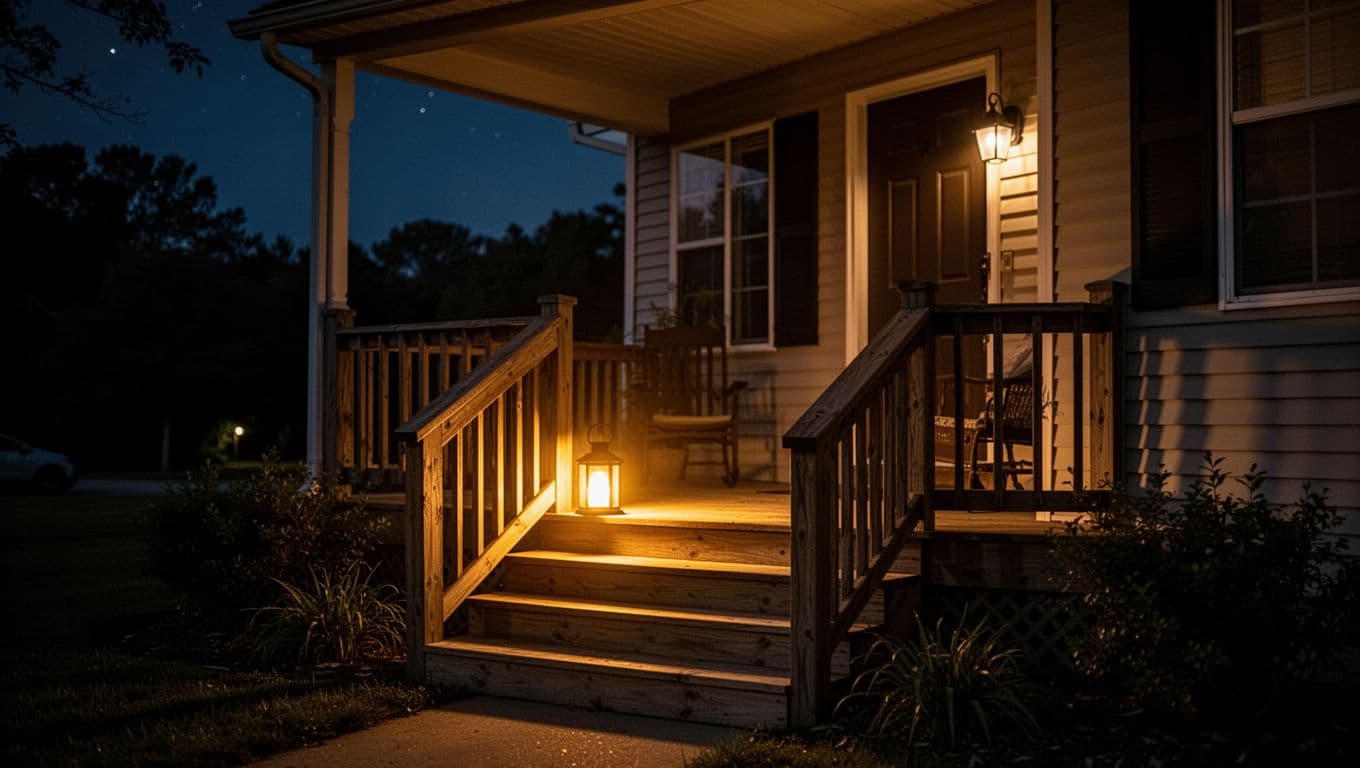
Warm bulbs send out more yellow and amber light. That softer color usually feels less intense to insects and to people sitting on the porch. It also looks less like the open sky, which helps because many insects use natural light cues to move around.
The phrase LED porch light bugs gets used a lot for a reason. People notice the same pattern again and again, the cooler the bulb, the busier the porch. That said, light color only changes the odds. It does not erase bug activity.
Brightness matters too. A very bright warm bulb can still bring in insects, especially near trees, shrubs, standing water, or pool areas. In Southwest Florida, that matters even more because the warm air and long evenings keep bugs active for much of the year.
Warm white, soft white, daylight, and amber bulbs compared
If you are shopping in a hardware store, the labels can blur together. Here is the practical difference for a porch that gets a lot of night bugs.
| Bulb type | Typical color temperature | Bug attraction | Best use |
|---|---|---|---|
| Warm white | 2700K to 3000K | Lower | Good default choice for most porches |
| Soft white | 3000K to 3500K | Low to moderate | Good if you want a little more brightness |
| Bright white | 3500K to 4000K | Moderate to higher | Better for task lighting, less ideal for bug control |
| Daylight | 5000K to 6500K | Higher | Best for very bright visibility, not for bug-prone porches |
| Amber bug-light | About 1800K to 2200K, or amber-coated | Lowest | Good for heavy bug pressure, but dimmer and less natural-looking |
Warm white is the easiest place to start. It gives you a comfortable porch glow and still keeps insect attraction lower than cool bulbs. Soft white sits close behind it, although it looks a little cleaner and whiter.
Bright white and daylight bulbs are where porch bugs often become a bigger problem. Those colors are useful if you need a lot of visibility, but they are usually the worst fit when you want a quieter porch at night.
Amber bug-light bulbs go one step farther. They are often the best pick when bugs swarm an entryway, but they can make colors look odd and reduce overall visibility. That tradeoff works for some homes and not for others.
The goal is fewer bugs, not a bug-free porch. Light color helps, but the rest of the setup still matters.
How to choose the right porch bulb for your home
The best bulb depends on how you use the porch. If you want a welcoming look for guests, warm white at 2700K or 3000K is usually the safest choice. It gives enough light for faces, steps, and packages without looking harsh.
If your porch is a main entry and you need a little more brightness, soft white can work well. It keeps the porch readable at night while still staying gentler than daylight bulbs. For many homes, that is the middle ground people actually keep using.
Amber bug-light bulbs make the most sense when insects are a real nuisance. That includes porches near canals, mangroves, dense landscaping, or standing water. They are also worth trying if the porch light sits close to where people gather in the evening.
A few simple buying rules help narrow it down:
- Pick 2700K to 3000K if you want the best balance of comfort and fewer bugs.
- Choose amber if the porch is a bug magnet and you can live with a warmer, dimmer look.
- Skip daylight bulbs unless you truly need brighter task lighting.
- Check that the bulb is rated for outdoor use and fits your fixture style.
If you use a dimmer, make sure the LED is dimmable. If you use a sealed porch fixture, the bulb shape matters less than the color temperature, but it still helps to choose a bulb that aims light downward instead of out into the yard.
A porch does not need to look like a parking lot to feel safe. Most homes get better results from a modest, warm light than from a bright cool one.
Small lighting habits that cut bug activity even more
Bulb color helps, but placement and habits can make a bigger difference than many people expect. A porch light mounted in a shielded fixture usually pulls in fewer insects than a bare bulb that throws light in every direction.
Motion sensors can help too. If the light only comes on when someone walks up, bugs have less time to gather around it. That also keeps your entry from glowing all night, which is useful in neighborhoods where insects stay active after sunset.
Try to keep other bright lights away from the front door. Landscape lights, floodlights, and garage lights can pull insects toward the same area, even if your porch bulb is warm. When several lights compete, bugs tend to cluster where the brightest one lands.
A few yard habits help as well. Trim back thick shrubs near the porch, empty standing water, and keep screens in good shape. In Florida especially, a porch light can look like an invitation when the real problem starts in the yard or drainage area.
If your home has heavy bug activity, the porch bulb is only part of the picture. Mosquitoes, no-see-ums, ants, and roaches often respond to what's happening around the house, not just the color of the light.
When a bulb swap is not enough
Sometimes the light is doing exactly what lights do, it is revealing a larger pest problem. If insects still gather around your porch after you switch to warm or amber LEDs, the source may be nearby.
That often means there is breeding water, yard clutter, entry gaps, or a fixture that creates a landing spot. In coastal and humid areas, those issues can keep the porch busy no matter what bulb you install.
For homes that still get swarmed at night, professional pest control services can help target the real cause around the house, not just the symptom at the door. That matters when you want fewer bugs on the porch and fewer surprises inside.
Lighting changes work best when they are part of a bigger pest plan. A warm bulb can make evenings more comfortable, but it works even better when the porch, yard, and home exterior all get a close look.
The porch bulb choice that works best
For most homes, warm white LED bulbs in the 2700K to 3000K range are the best starting point. They give you a friendly porch glow and usually attract fewer night bugs than cool or daylight bulbs.
If bugs still gather heavily around the entry, amber bug-light bulbs are worth trying next. They will not eliminate insects, but they can reduce the swirl around the porch enough to make a real difference.
The simplest rule is this, the bluer and brighter the bulb, the more likely it is to pull attention from insects. A warmer bulb, a shielded fixture, and a few smart yard habits often do more than most people expect.
Schedule a Free Inspection: