Florida Termite Pretreatment Questions for New Construction
Termites can enter a Florida home before the first wall is framed. Once concrete covers the soil, plumbing gaps, slab edges, and other entry points become harder to inspect or treat.
A Florida termite pretreatment helps address those hidden access routes during construction. However, the product, timing, paperwork, and warranty can vary by location, construction type, and pest-control provider. Asking the right questions before work begins can prevent confusion before closing.
Why Florida termite pretreatment belongs in the build plan
Florida's building code requires termite protection for new construction, but it doesn't require one identical treatment plan for every project. Approved approaches can include soil-applied termiticides, baiting systems, pesticides applied to wood, and other methods labeled for preventive use in new construction.
Local amendments may also affect the details. A single-family home in Cape Coral may have different site conditions than a commercial building in Fort Myers or a custom home near Punta Gorda. The foundation design, fill soil, drainage, construction schedule, and selected product all matter.
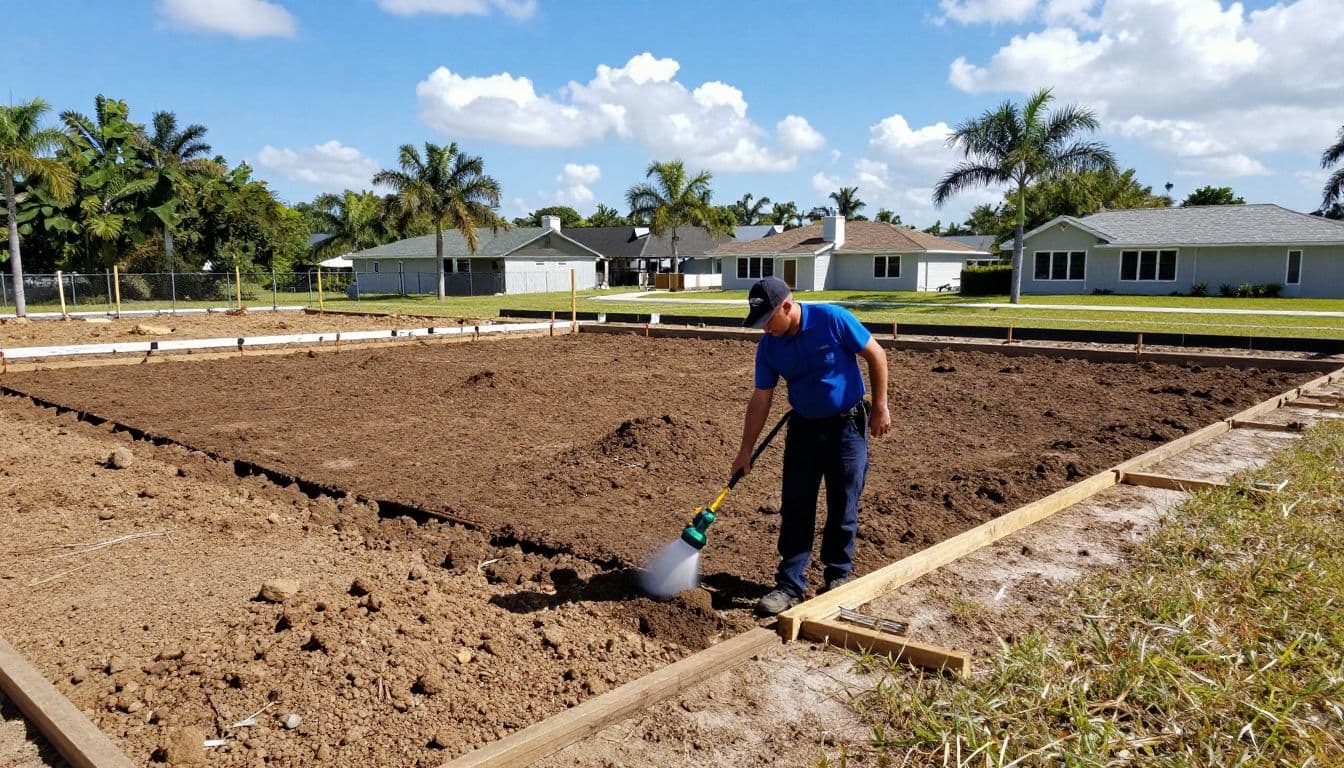
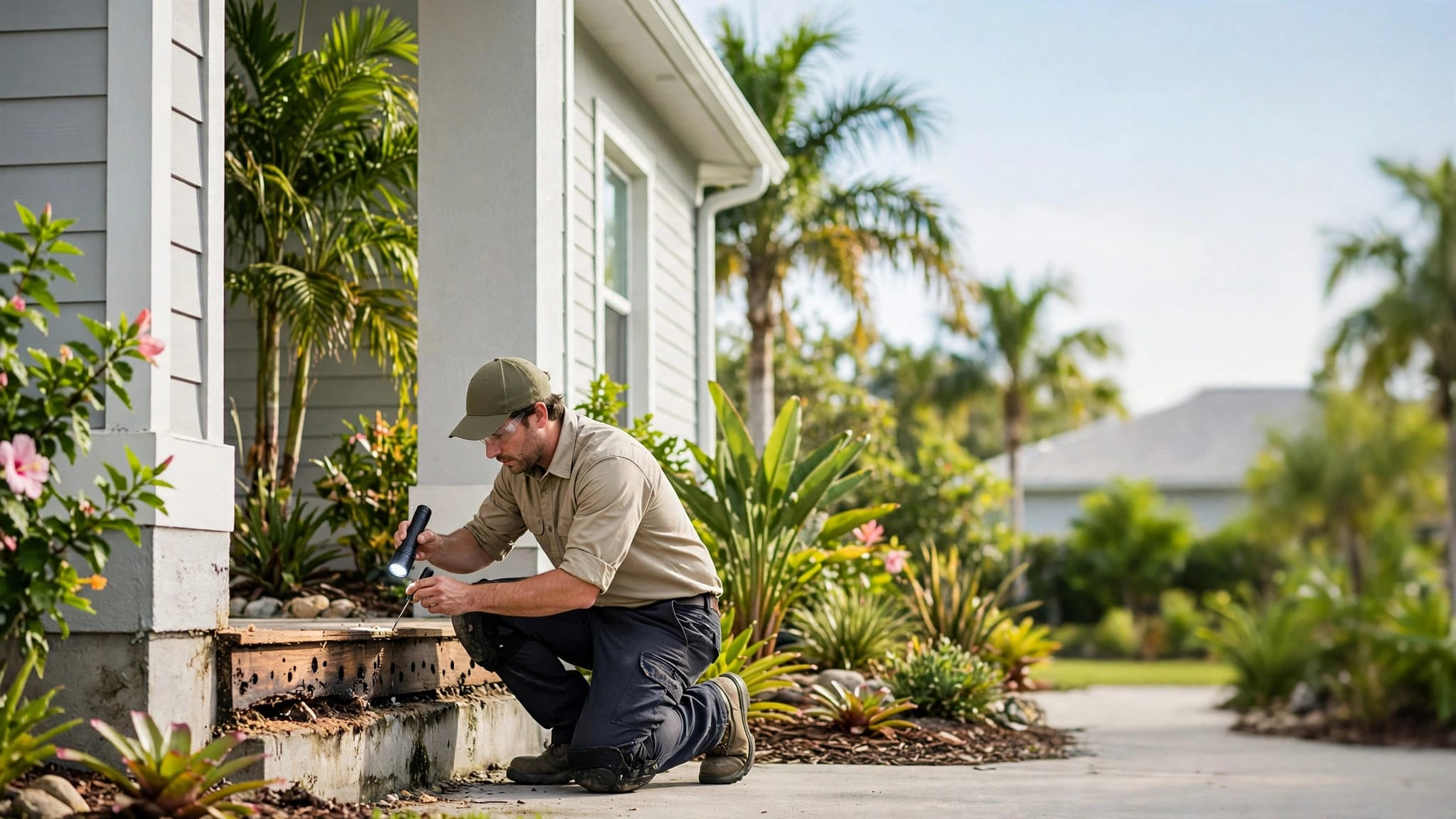
Subterranean termites live in or near the soil and can travel through small cracks, joints, utility penetrations, and gaps around foundations. A treatment plan should address the places where the structure meets the ground, rather than focusing only on exposed wood after the house is complete.
Builders and homeowners can also review this guide to pre-construction termite protection before discussing project details with a pest-control company.
Questions about the treatment method and schedule
A useful conversation starts with the exact method. Ask the pest-control professional to explain what will be treated, when the work will occur, and what construction activity must happen first.
Which treatment method will you use?
Ask whether the plan uses a soil-applied liquid termiticide, a baiting system, wood treatment, a physical barrier, or a combination of methods. The provider should identify the product and explain whether it is registered for use in Florida and labeled for preventive treatment in new construction.
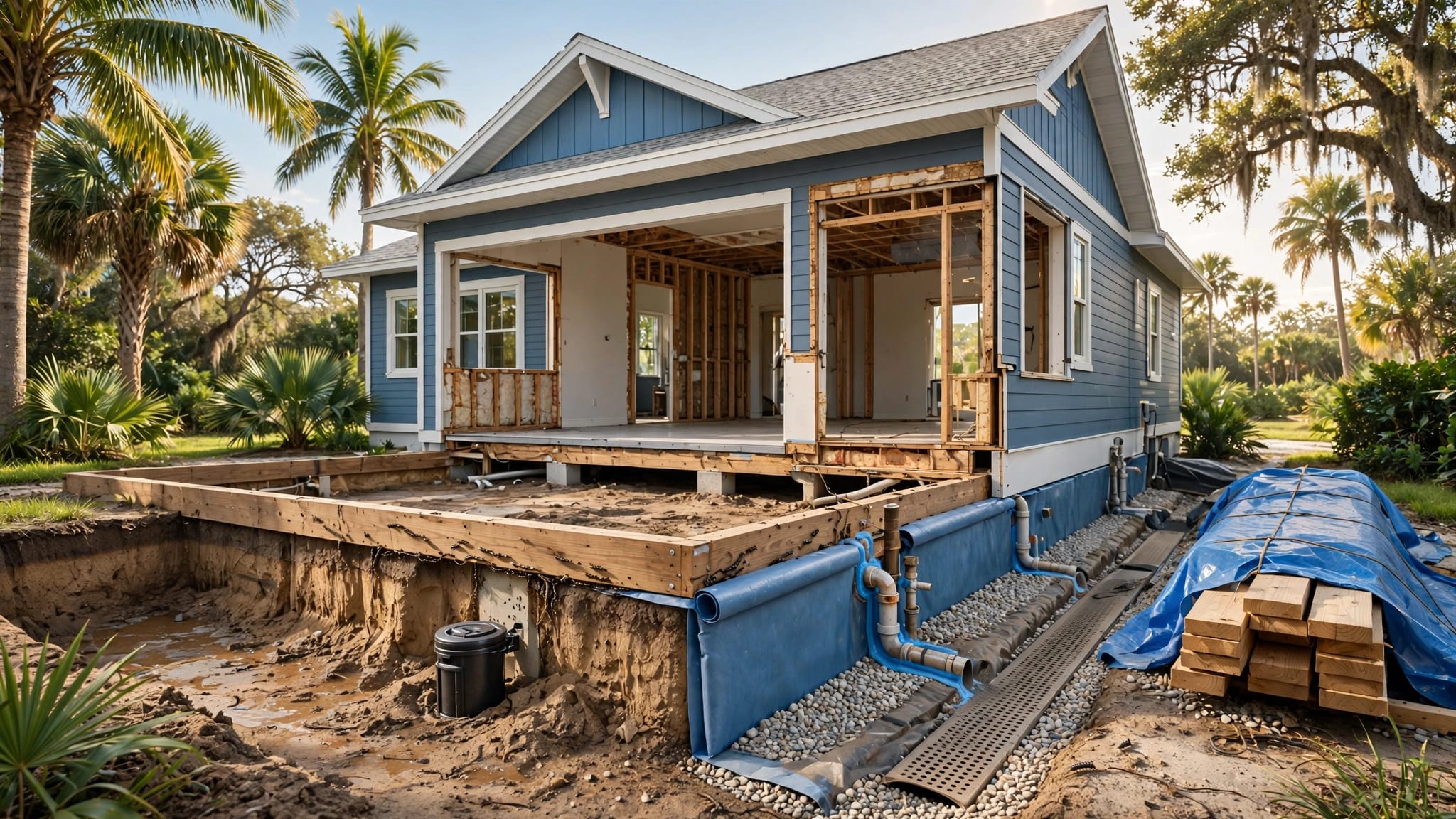
For a slab foundation, soil treatment beneath the concrete is common. Some projects also need treatment around footings, slab edges, plumbing penetrations, pipe sleeves, expansion joints, or other areas where termites could find an opening.
A different construction design may call for wood treatment, termite shields, treated foundation plates, or another approved method. The right question isn't only, "What chemical do you use?" Ask, "How does this plan match my foundation and framing details?"
When will the treatment happen?
For chemical soil treatment inside the foundation perimeter, Florida code requires the initial application after excavation, backfilling, and compaction are complete. Many builders schedule the application after plumbing work and inspections, then before the concrete slab is poured.
Confirm who controls the schedule. The builder, concrete contractor, and pest-control company need the same treatment date and site status. Ask whether the applicator will provide written approval before the pour begins.
Weather can also affect scheduling. Heavy rain, standing water, grading changes, or a delayed concrete pour may require new instructions from the applicator. Follow the product label and the provider's written direction instead of assuming the original application remains sufficient.
What happens if the soil is disturbed?
A treated soil area can lose continuity when another crew digs, grades, installs plumbing, or removes forms. Florida requirements call for disturbed soil to be retreated.
Ask how the company records disturbed areas and who must request a follow-up application. The answer should identify the responsible person, the expected response time, and any additional charge.
A treatment can be correctly applied on Monday and still need attention if excavation occurs on Tuesday.
Questions about slab details and site preparation
Termite protection depends on construction conditions as much as the product itself. Before application, ask the provider and builder to review the areas that could create untreated gaps.
How will plumbing penetrations and boxed-out spaces be handled?
Plumbing and utility penetrations can create routes between soil and the building. Ask the applicator to identify these locations on the plan and explain whether they require separate treatment.
Florida code also addresses formed or boxed-out spaces in concrete floors. Permanent plastic or metal forms may be required around certain openings to avoid untreated soil voids. Your pest-control professional and builder should agree on the details before concrete placement.
If the plan includes expansion joints, interior footings, attached garages, porches, or separate slabs, ask whether each area appears in the treatment scope. Don't assume that one pass around the outside covers every connected structure.
Has the site been cleared of wood and cellulose debris?
Wood scraps, grade stakes, form boards, cardboard, and other cellulose material can provide food for termites or hide their activity. Florida construction requirements call for this debris to be removed from the foundation area. Cellulose material also shouldn't be buried within 15 feet of the foundation.
Ask who performs the cleanup and when it must be complete. A clean site gives the applicator better access and makes later inspections easier.
Will the finished grade leave enough inspection clearance?
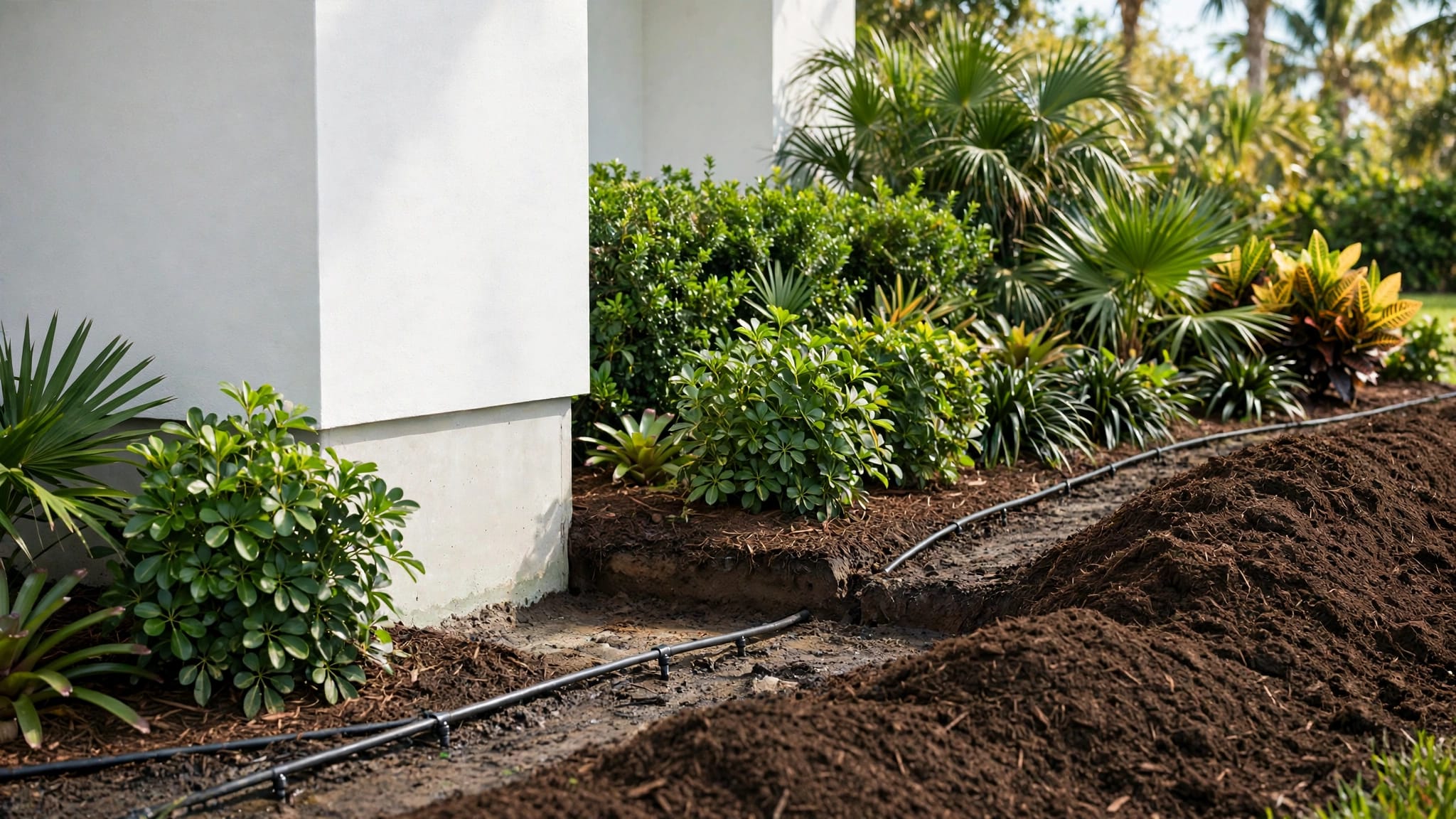
Exterior wall coverings and siding should maintain at least 6 inches of clearance above final earth grade for termite inspection and access. The builder should account for this before landscaping, pavers, mulch, and irrigation are installed.
Downspouts and gutter discharge lines should terminate at least 1 foot away from the foundation. Water that collects near the slab can create soil moisture and drainage problems that complicate termite prevention.
If the home includes exterior foam insulation, ask how the design meets the required separation from grade. These details may look minor during construction, but they affect future inspection access.
Questions about licensing, records, and warranty coverage
A treatment certificate and a warranty are separate documents with different purposes. Ask for both in writing.
Is the company licensed and permitted for preventive treatment?
Florida Statutes Chapter 482 governs pest-control work, and Section 482.0815 addresses permits for preventive termite treatment services on new construction. Ask for the company's Florida license information and the permit details tied to the project.
The applicator must follow the product label for the treatment amount, concentration, and application area. A reputable provider should answer questions about the product without pressure and explain which parts of the plan depend on the label.
You should also ask whether the company carries the correct category of licensing for the work. General pest-control experience doesn't automatically answer that question.
What will the certificate document?
After the protective treatment, the licensed pest-control company must provide a Certificate of Compliance to the building department. Ask when the builder will receive it and when you will receive a copy for your property records.
Depending on the jurisdiction, treatment records may include the product used, applicator identity, date and time, property location, treated area, chemical concentration, and amount applied. Local building officials may also require copies at the jobsite or in permit files.
Request a copy before closing. Keep it with your inspection reports, permits, repair records, and other home documents.
What does the warranty cover?
A warranty may cover inspections, retreatment, termite damage repairs, or only one of those services. Ask which termite species the agreement addresses, how long the coverage lasts, and whether annual inspections are required.
The written terms should explain exclusions. Common questions involve leaks, landscaping changes, additions, inaccessible areas, construction damage, missed inspections, and wood-to-soil contact. Also ask whether coverage transfers to a future buyer and whether a transfer fee applies.
A Certificate of Compliance confirms that a treatment was completed. It doesn't automatically promise future retreatment or payment for termite damage.
A Florida termite pretreatment also isn't the same as an ongoing termite service contract. If you want continued monitoring after closing, ask the provider to describe that service separately.
What to confirm before the final inspection
Before the concrete pour, confirm the treatment date, covered areas, product, weather instructions, and procedure for disturbed soil. Ask the builder to keep the applicator's written release with the project records.
Before closing, review the certificate, treatment scope, warranty, inspection schedule, and any areas the provider couldn't access. Check that final grading, siding clearance, downspouts, mulch, and irrigation won't block the inspection zone.
If you're buying a completed home, remember that a WDO inspection is different from a standard home inspection. A Florida WDO inspection report can document visible evidence, previous treatment, wood damage, and inaccessible areas, but it doesn't replace a review of the construction treatment records.
Southwest Florida homeowners should also ask how salt air, irrigation, drainage, and future additions could affect the plan. A licensed local pest-control professional can explain which conditions apply to your property.
Protect the home before access disappears
Concrete and finished walls can hide the exact areas termites use to enter. Asking about treatment method, timing, site preparation, licensing, documentation, and warranty coverage gives you a clearer record before those areas become inaccessible.
The strongest plan is the one that fits the actual building, follows Florida requirements, and stays documented through the handoff. Get the details in writing before the slab is poured, then keep those records with the home.
Schedule a Free Inspection: