Mediterranean House Geckos at Cape Coral Porch Lights
A small gecko beside your porch light may look harmless, but a nightly gathering can point to excess insects around your home. Mediterranean house geckos are common sights on Cape Coral walls, windows, and lanai screens after sunset.
When Mediterranean house geckos keep returning, the light usually isn't the real problem. It attracts the insects they hunt. Reducing that food source, limiting hiding places, and sealing entry points can make your porch less inviting.
Why Mediterranean house geckos gather around porch lights
The Mediterranean house gecko, Hemidactylus turcicus , is a small nocturnal lizard that has become established in many warm areas, including Florida. It spends daylight hours hiding in cracks, beneath trim, around eaves, or behind outdoor fixtures. After dark, it emerges to hunt.
Porch lights create a convenient feeding area. Flying insects gather around the light, then geckos wait nearby on stucco, concrete, glass, or painted walls. Their padded toes help them cling to smooth vertical surfaces while they watch for moths, flies, small roaches, and other insects.
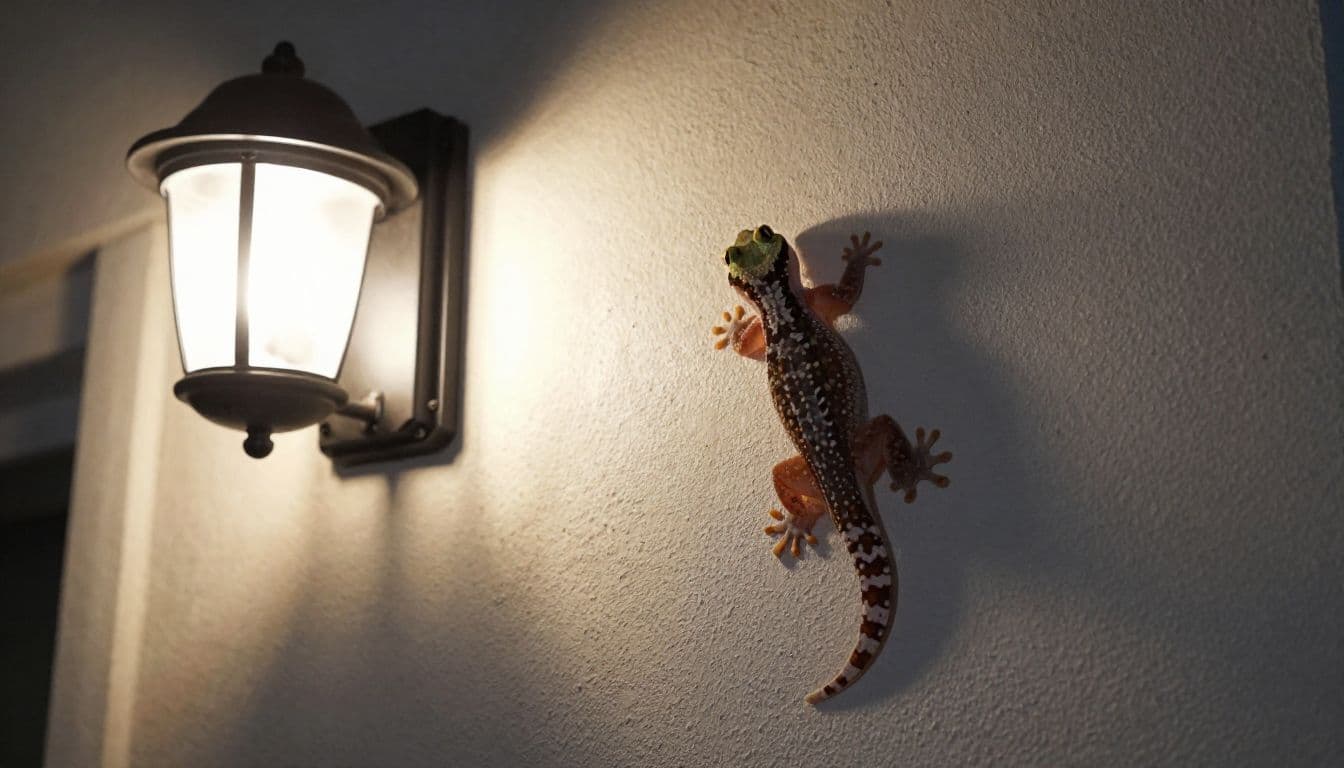
A porch light doesn't feed the gecko directly. It concentrates the insects that provide the meal.
Cape Coral's warm evenings support this behavior for much of the year. Stucco walls hold warmth, while soffits, screens, landscaping, and small gaps provide shelter close to the light. A single gecko may visit one fixture repeatedly. Several geckos suggest that the area offers both dependable prey and a nearby hiding place.
The light itself isn't proof of a pest infestation. However, a large number of insects around the fixture deserves attention, especially when you also see webs, roaches, moths, or moisture near the home.
Are Mediterranean house geckos harmful to Cape Coral homes?
For most homeowners, these geckos are a nuisance rather than a threat. They don't chew wood, damage wiring, attack people, or consume stored food. They usually want to stay near insects and avoid contact with humans.
A gecko may bite if someone grabs or corners it, but bites are uncommon. Handling reptiles also creates an unnecessary hygiene concern because reptile waste can carry bacteria. Keep children and pets from chasing geckos, and wash your hands after touching surfaces contaminated with droppings.
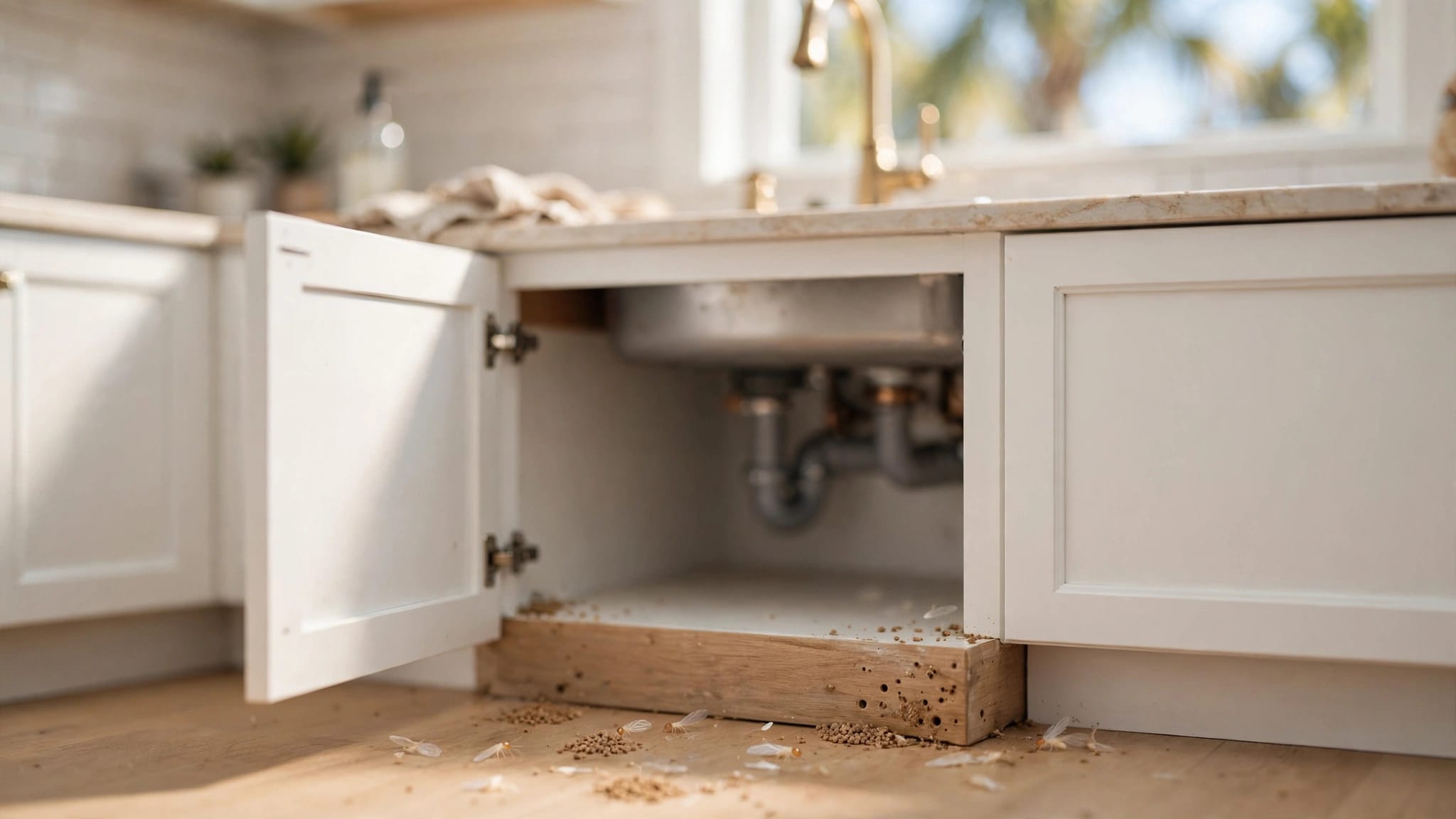
The most noticeable problem is often the waste. Gecko droppings are small, dark pellets that may have a white tip of urate. You may find them beneath porch lights, along window sills, on patio furniture, or on walls below a favorite hiding spot.
Some house geckos also make soft chirps or clicking sounds at night. That noise can surprise people who aren't used to it, but it doesn't mean an animal is inside the walls. If geckos appear indoors, check screens, doors, vents, and utility openings for access points.
How to reduce geckos around porch lights
Removing every gecko from an outdoor area isn't necessary or practical. A better approach is to make the porch less attractive to insects and harder to enter.
Change how outdoor lights operate
Start by turning off decorative and security lights when you don't need them. A timer or motion sensor can reduce the number of hours insects gather at the house.
Bulb color also matters. Warm or amber lighting often attracts fewer flying insects than cool-white or blue-rich lighting, although no bulb eliminates insects completely. Keep fixtures directed toward the ground instead of shining across walls, windows, and landscaping.
Clean the fixture regularly. Dead insects and webs can create a steady food supply for geckos and other pests. Remove the buildup with a damp cloth, and follow the manufacturer's instructions before cleaning any electrical fixture.
Block access points without sealing ventilation
Inspect the areas around doors, windows, screens, conduit, cables, plumbing lines, and soffits. Small gaps can give geckos a direct path into garages, utility rooms, and living spaces.
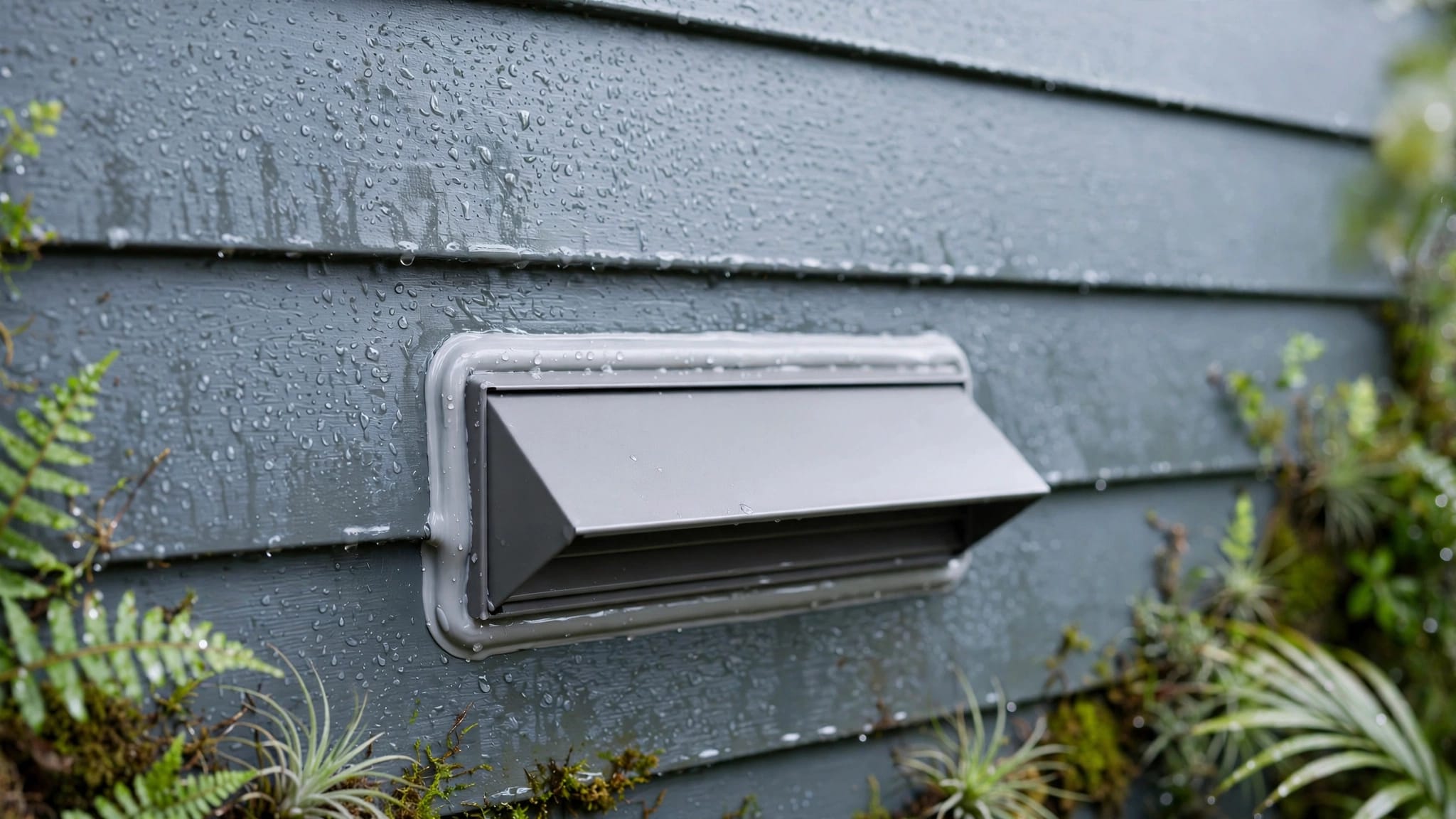
Replace damaged screen mesh and install tight-fitting door sweeps. Exterior-grade caulk can close suitable cracks around stationary trim. Do not seal required vents, weep holes, or openings designed to drain moisture.
Check lanai screens after storms and inspect corners where the frame meets the wall. A screen may look intact while loose edges leave enough space for a small lizard to pass.
Reduce insects and nearby shelter
Geckos follow food. Fix leaking hose bibs, remove standing water, and keep damp debris away from exterior walls. Trim vegetation so branches and dense leaves don't touch the house.
Move stacked boxes, lumber, pots, and unused equipment away from the porch. These items create daytime hiding places for geckos and harbor insects. Keep outdoor trash containers closed, and clean food spills from patios quickly.
Avoid glue traps outdoors. They can trap geckos, snakes, birds, and other wildlife. Spraying a gecko directly also misses the source of the problem and may expose pets or beneficial wildlife to an unnecessary pesticide.
When geckos point to a larger pest problem
A gecko on the wall doesn't automatically mean your home needs treatment. The surrounding conditions provide more useful information.
One gecko near a light may be normal wildlife activity. Repeated sightings at multiple fixtures, geckos inside rooms, or heavy insect activity around doors and windows deserve a closer look. The goal is to find what attracts them, then correct that condition.
Look for:
- Moths, flies, roaches, or other insects collecting around lights and doors.
- Webs and dead insects beneath fixtures.
- Gaps around screens, garage doors, soffits, and utility lines.
- Moisture near faucets, air-conditioning equipment, gutters, or planters.
- Gecko droppings on walls, floors, furniture, or window tracks.
Clean droppings with gloves and a disinfectant suitable for the surface. Damp-wipe the area instead of sweeping dry material into the air. Keep food preparation surfaces covered during cleanup, and wash your hands afterward.
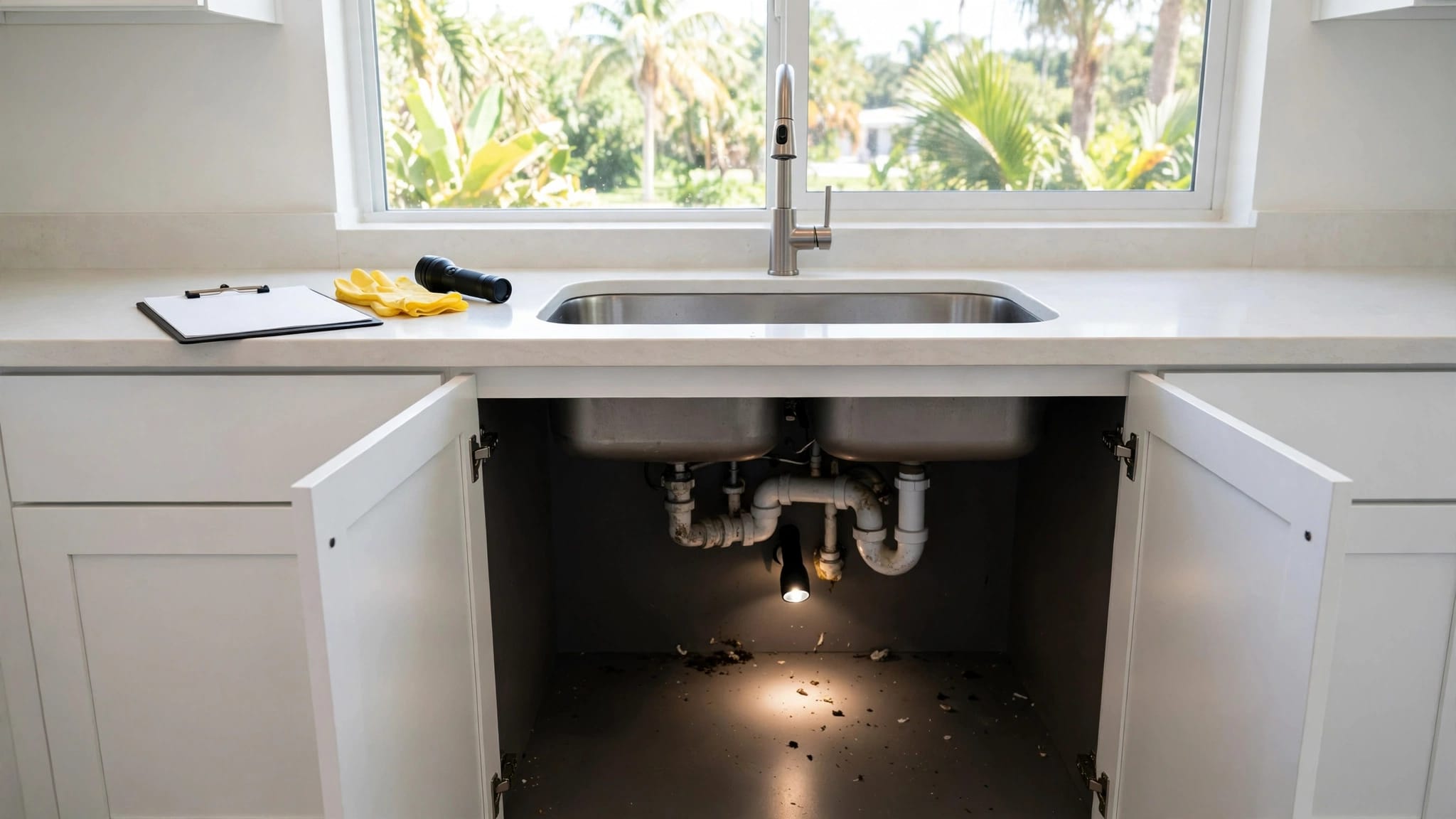
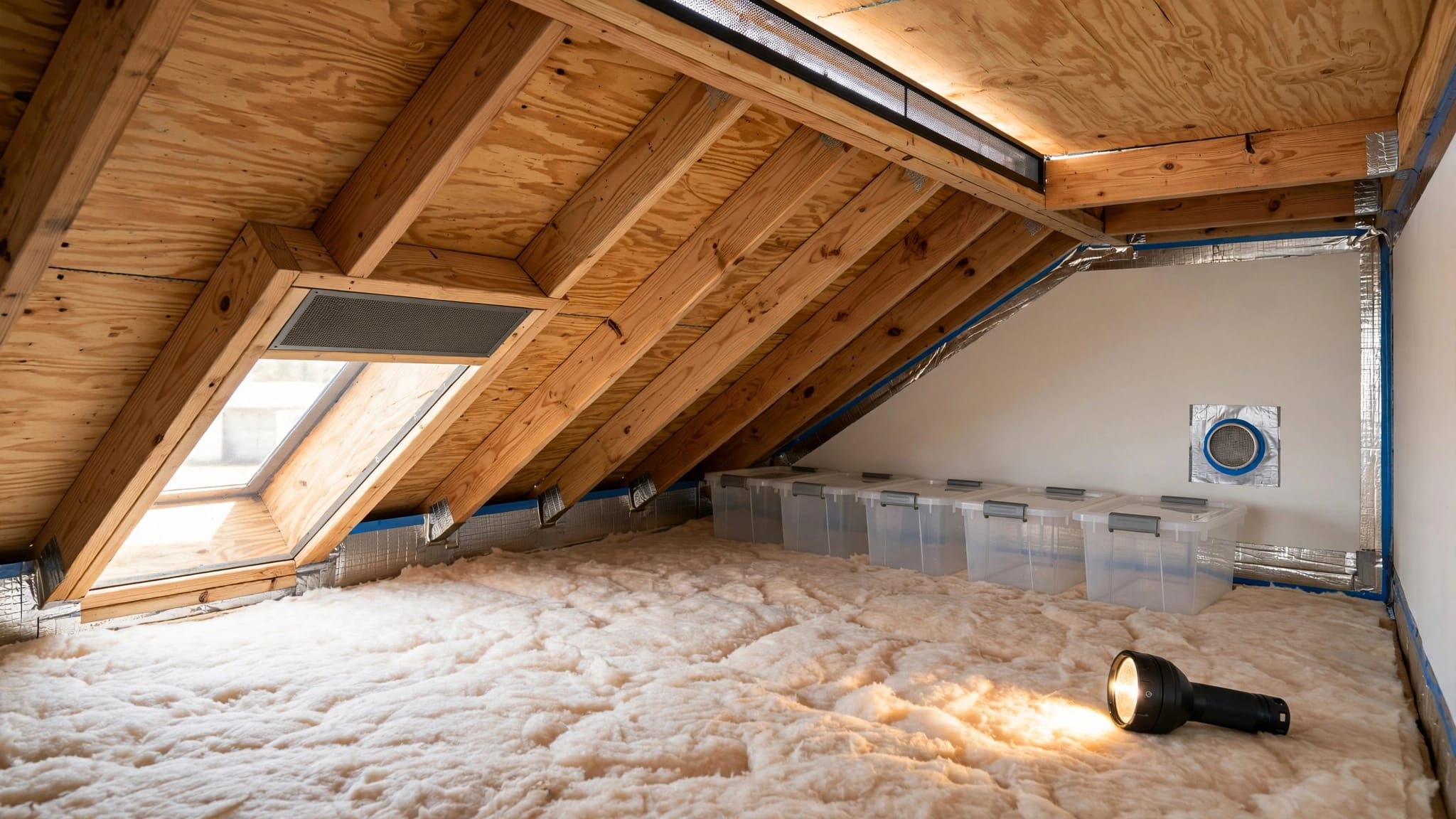
Larger dark pellets without the typical white urate tip may point to another animal, including rodents. Droppings in an attic, garage, pantry, or wall void need separate identification. If you suspect rodents, review this guide to identifying rodent entry points in attics before disturbing contaminated material.
The presence of geckos can sometimes distract homeowners from the actual pest issue. If the porch attracts roaches or flying insects every night, addressing those pests may reduce gecko activity without harming the lizards.
Professional pest control solutions in Southwest Florida
A local pest inspection can separate ordinary outdoor gecko activity from an insect or entry-point problem. The inspection should include porch lights, eaves, screens, doors, windows, wall penetrations, landscaping, and moisture sources.
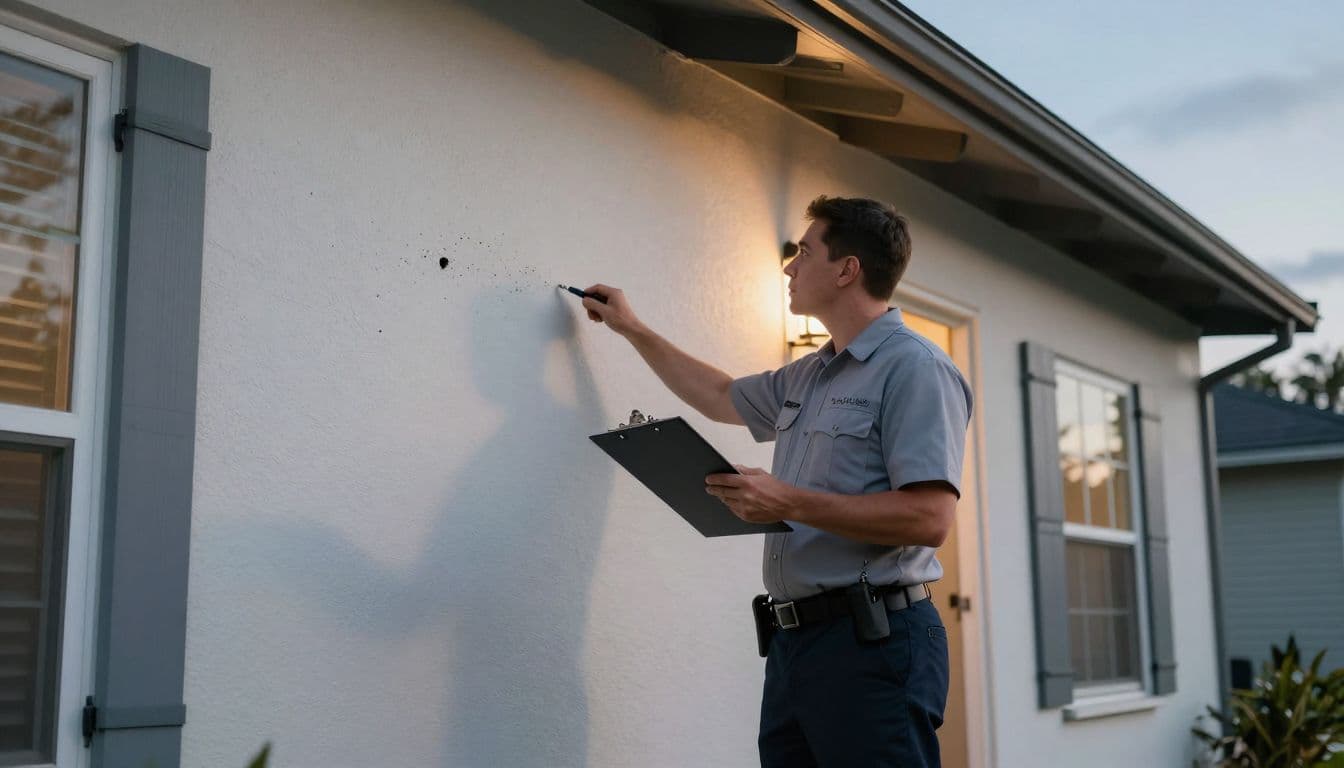
Treatment should focus on the condition drawing geckos to the home. Depending on what the inspection finds, a pest professional may recommend targeted exterior treatment for insects, crack-and-crevice work, screen repairs, sanitation changes, or exclusion around specific openings.
Exterior treatment alone may have limited results when insects continue to gather beside bright lights or when gaps remain open. Ask the provider which pests they found, where treatment will occur, what preparation is needed, and how follow-up visits work.
Shield Home & Pest Control provides local service for homes, businesses, and vacation rentals in Cape Coral and nearby Southwest Florida communities. A no-pressure inspection can help determine whether the right response involves general pest control, exclusion work, or a separate rodent service.
Pricing depends on the pest, property size, treatment areas, and whether the service requires one visit or ongoing protection. This guide to pest control cost in Cape Coral covers the main factors that affect pricing.
Conclusion
Mediterranean house geckos around Cape Coral porch lights usually gather because insects gather first. Turning lights off when possible, switching to warmer bulbs, correcting moisture, reducing outdoor clutter, and sealing suitable gaps can lower activity.
A few geckos outside are rarely a danger. Heavy insect activity, repeated indoor sightings, unusual droppings, or suspected rodents call for a proper inspection. The most effective solution targets the food source and access points, keeping bugs and other pests outside where they belong.
Schedule a Free Inspection: