Carpenter Ant vs Termite Damage in Florida Homes
When you're comparing carpenter ant vs termite damage in a Florida home, the wood pattern and debris matter more than the insect you happen to see. Both pests can hide inside walls, attics, window frames, and roof structures, but they damage wood in different ways.
Carpenter ants excavate wood to create nesting galleries. Termites consume wood as food. That difference affects the warning signs, the source of the problem, and the treatment your home may need. A careful inspection can help separate pest damage from rot, leaks, and old repairs.
Why Florida Homes Attract Wood-Damaging Pests
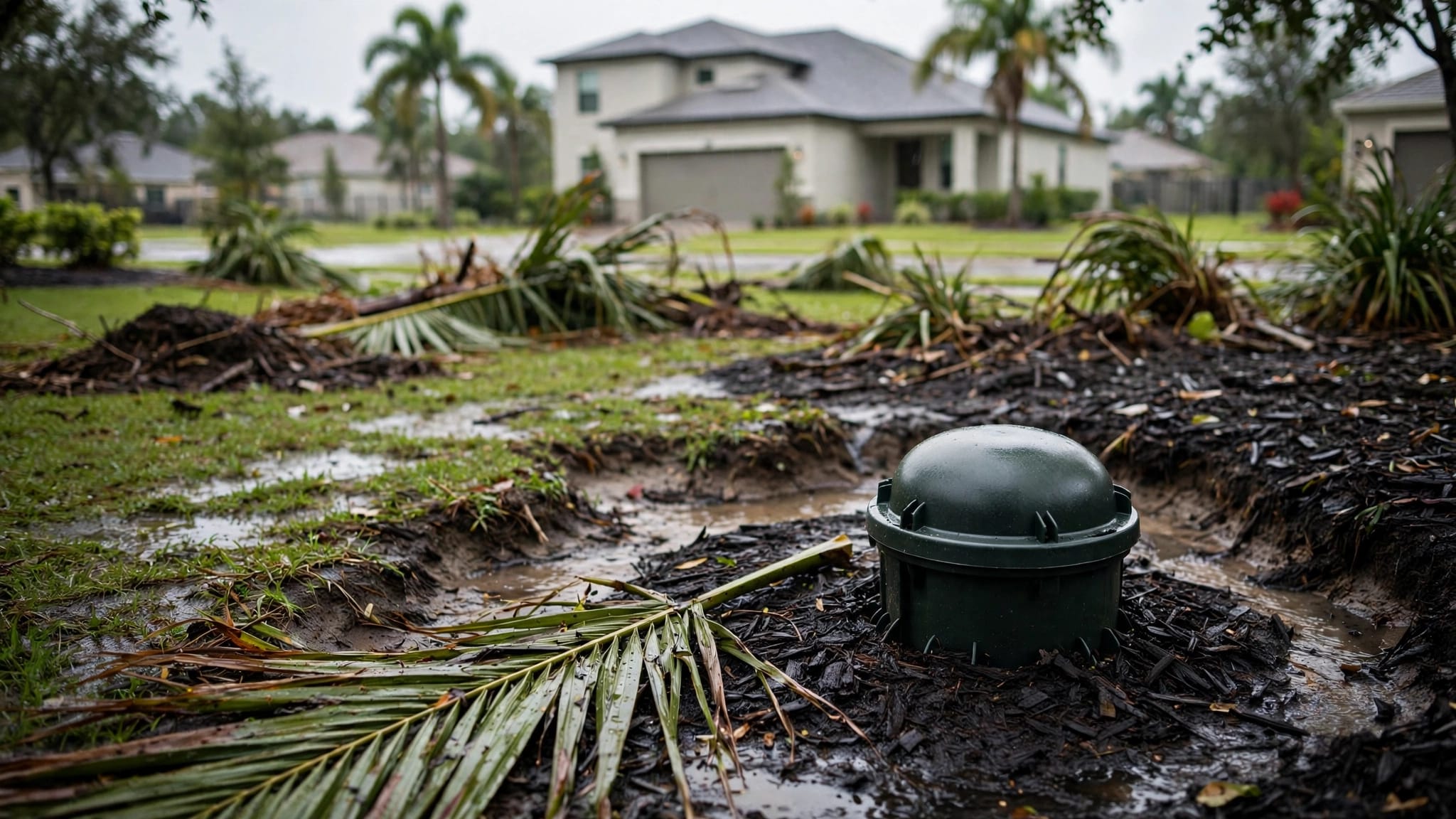
Florida's warm climate supports termite activity throughout much of the year. Moisture adds another layer of risk, especially in Southwest Florida homes exposed to heavy rain, humid air, plumbing leaks, roof damage, or poor drainage.
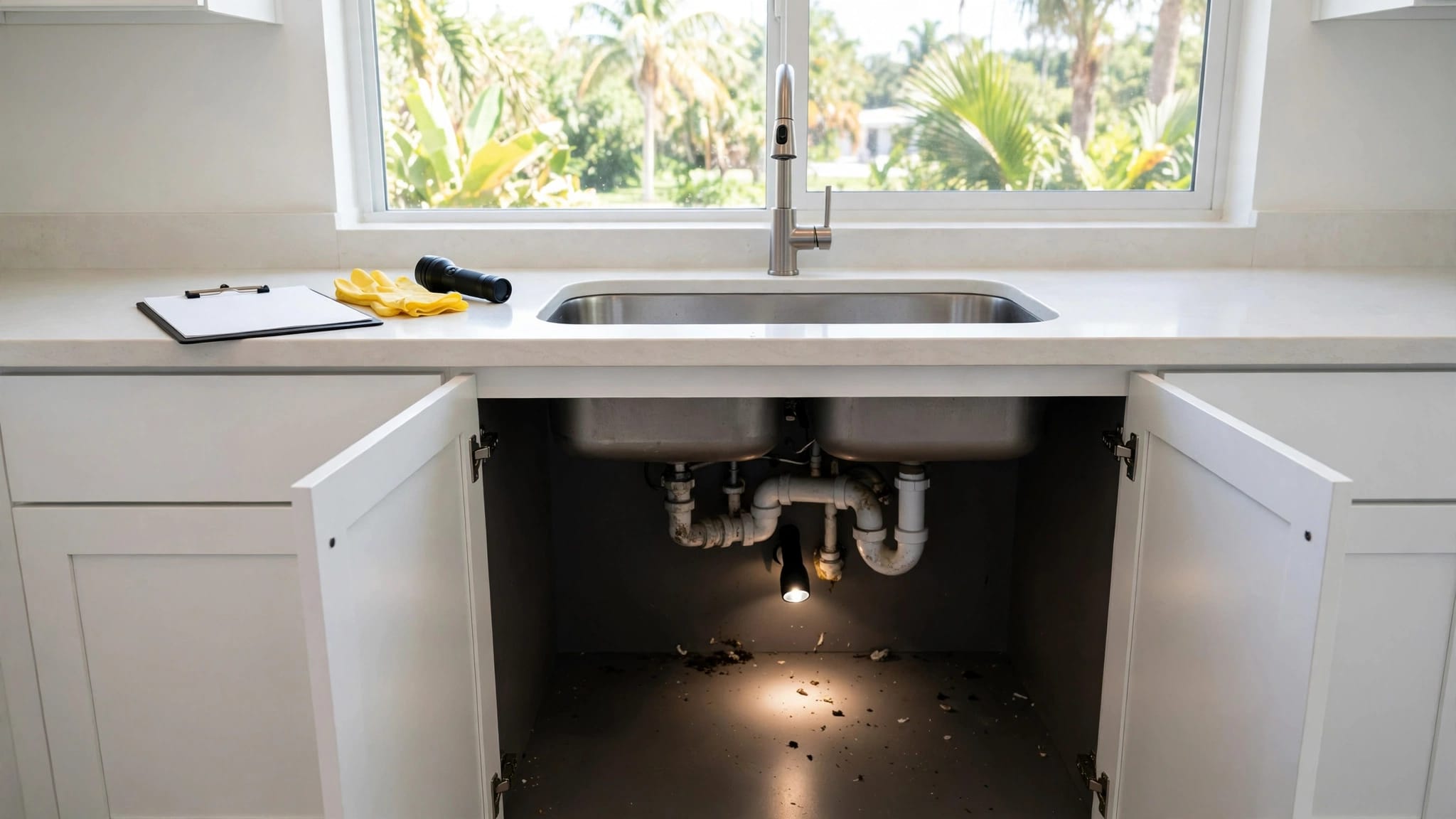
Carpenter ants usually select wood that has already become damp or softened. Common trouble spots include areas near leaking windows, roof edges, bathroom plumbing, air-conditioning lines, and tree branches touching the home. They may also nest in tree stumps, landscape timbers, wall voids, or damaged fascia boards.
These ants don't eat the wood. Instead, workers remove it while creating smooth tunnels for the colony. The colony may start in wet wood outdoors, then spread into a wall or roof area connected to the home.
Termites have a different relationship with wood. They digest cellulose, which is found in framing, trim, flooring, paper, and other plant-based materials. A termite colony can remain hidden while workers feed inside structural members.
Carpenter ants often point to a moisture problem. Termites can cause damage even when the wood looks dry from the outside.
The presence of flying insects doesn't settle the question. Carpenter ants and termites can both produce swarmers, and discarded wings can appear near windows or light fixtures. A technician must examine the insects, the wood, and the conditions around the activity.
Carpenter Ant vs Termite Damage: Side-by-Side Signs
The following comparison can help you understand what each pest may leave behind. These signs are useful clues, but they don't replace a professional inspection.
| Damage characteristic | Carpenter ants | Subterranean termites | Drywood termites | Florida dampwood termites |
|---|---|---|---|---|
| What they do to wood | Excavate galleries for nests | Consume wood from soil-connected colonies | Consume dry wood inside the structure | Consume damp or decaying wood |
| Gallery appearance | Often clean, smooth, and open | May contain soil, mud, or fecal material | Galleries may cross the grain and contain dry fecal pellets | Wood may be heavily damaged and moist |
| Common debris | Coarse sawdust-like frass, sometimes with insect parts | Mud tubes, soil, or little visible debris | Small, hard pellets pushed from kick-out holes | Moist wood debris and termite material |
| Moisture connection | Usually linked to wet or damaged wood | Soil moisture supports the colony | Can live in dry structural wood | Requires high moisture or decay |
| Common Florida locations | Wall voids, fascia, soffits, trees, window frames | Foundations, slab edges, crawlspaces, wall bases | Attics, roof framing, trim, doors, furniture | Leaky areas, damp framing, decaying wood |
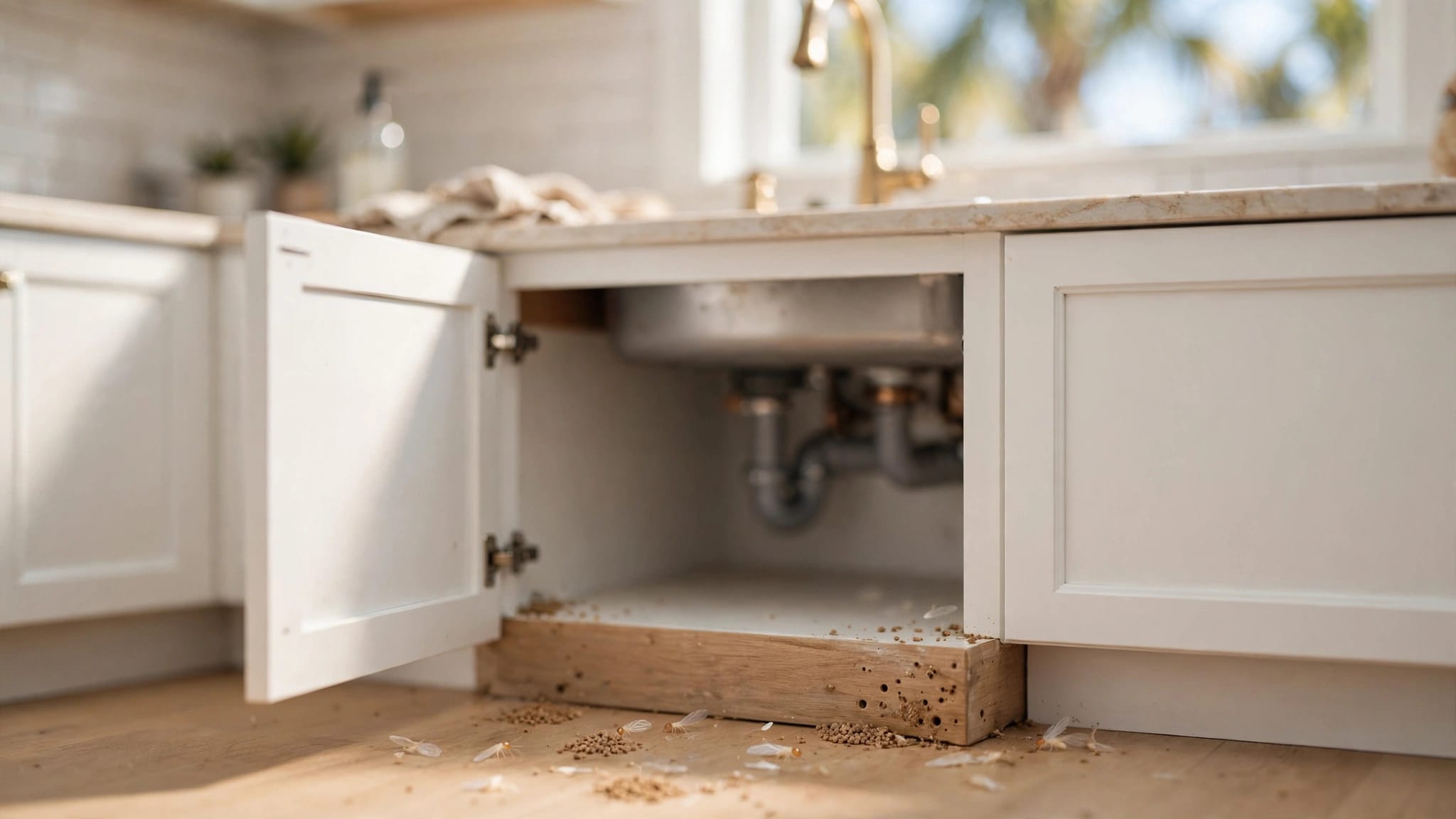
Carpenter ant frass often collects beneath a small opening in trim, a wall, or a ceiling. It may look like sawdust, but closer inspection can reveal bits of soil, insect parts, or wood fragments. You can learn more about spotting carpenter ant frass and damage in Cape Coral homes.
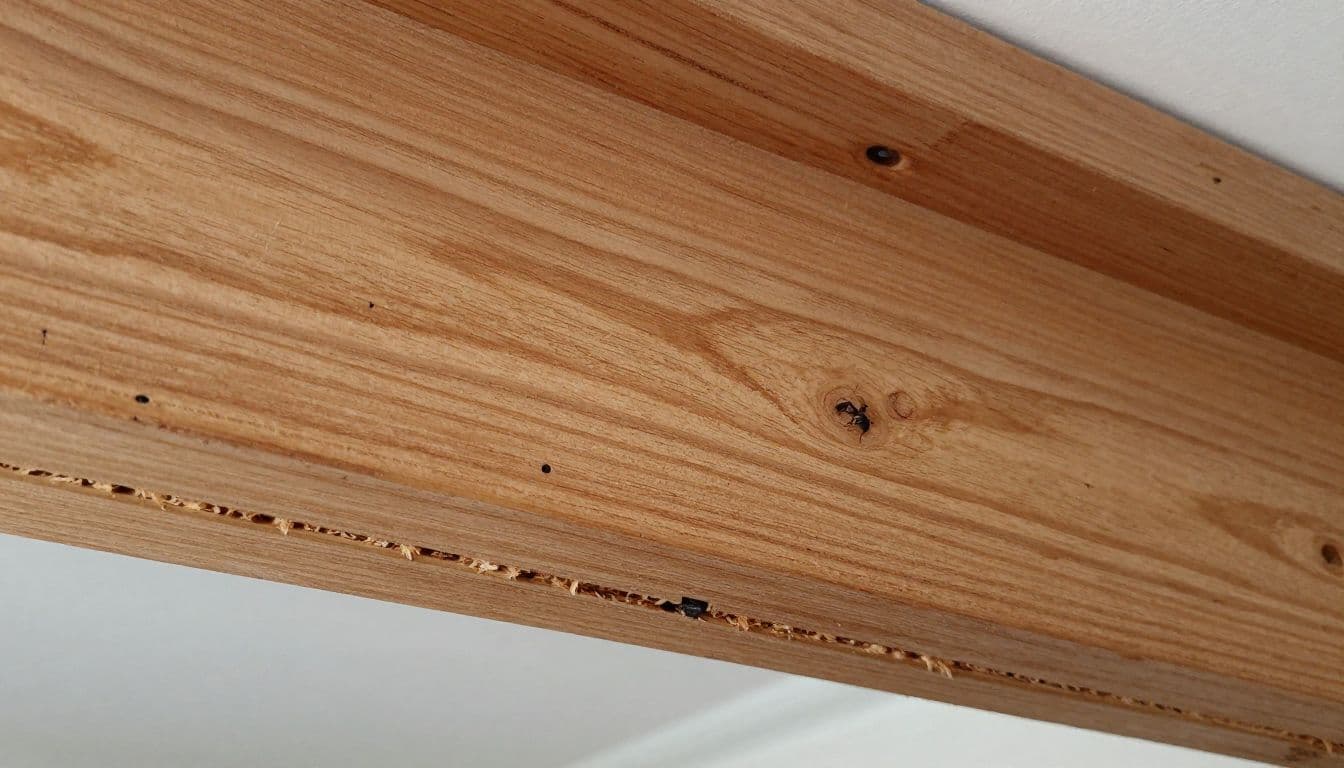
Termite evidence varies by species. Subterranean termites may build narrow mud tubes across foundation walls, piers, or other exposed surfaces. Drywood termites may leave piles of uniform pellets below tiny holes in wood. Dampwood termites are more closely tied to wet, decaying areas.
Wood appearance can also mislead homeowners. Carpenter ant galleries are often smooth and follow the softer portions of wood. Termite galleries may create thin layers, hollow sections, or extensive internal loss. However, painted, finished, or inaccessible wood can hide both types of damage.
How Subterranean, Drywood, and Dampwood Termites Differ
Calling every termite problem a "termite infestation" misses important details. Florida homes can face several termite groups, and their habits affect inspection and treatment decisions.
Subterranean termites
Subterranean termites live in soil or protected soil-connected areas. They enter homes through cracks, utility penetrations, expansion joints, foundation edges, and other paths that connect wood to the ground.
Their shelter tubes help retain moisture and protect workers. Look along foundation walls, garage edges, plumbing penetrations, porches, and crawlspaces. In slab homes, activity may remain hidden beneath flooring, walls, or built-in cabinets.
Because a subterranean colony may be outside the home, treating one visible spot may not address the source. Baiting systems and liquid soil treatments are two common approaches, but the right option depends on construction, evidence, access, and the inspection findings. Homeowners can compare termite control options in Florida before discussing a treatment plan with a licensed company.
Drywood termites
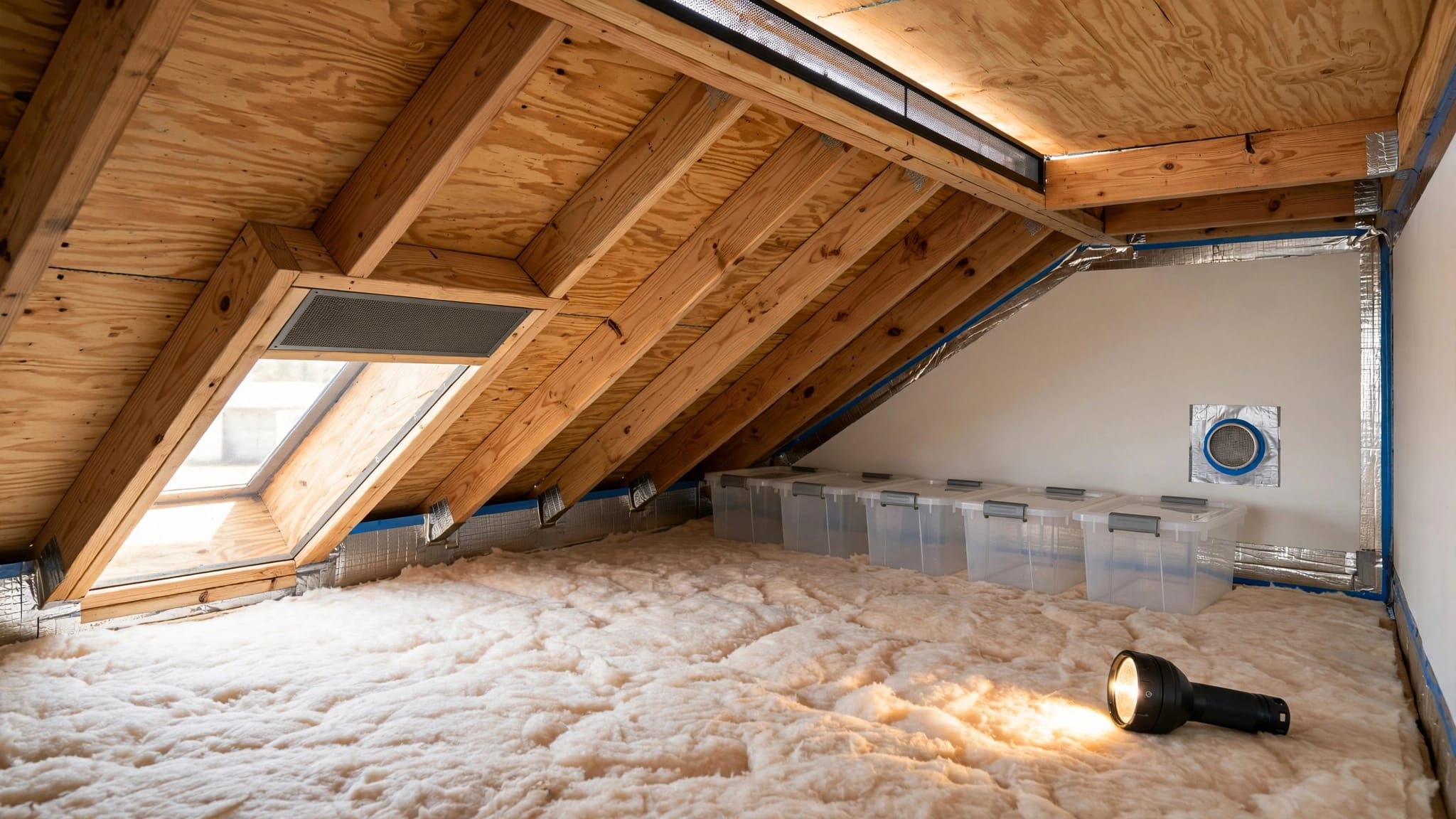
Drywood termites don't need contact with soil. They can infest dry wood in attics, roof framing, window and door frames, baseboards, furniture, and wall areas.
Their colonies are often smaller than subterranean colonies, but drywood termites can remain hidden for long periods. Small pellet piles may appear below kick-out holes. The pellets are usually dry and granular, with a consistent shape that differs from ordinary sawdust.
A lack of mud tubes doesn't rule out termites. Drywood activity can be present high above the ground, especially around roof structures and eaves.
Florida dampwood termites
Dampwood termites need more moisture than drywood termites. They may occur in wood affected by leaks, decay, flooding, or long-term exposure to damp conditions.
These termites are less likely to be the cause of damage in sound, dry framing. Still, a dampwood infestation can point to a building problem that needs attention. Repairing the leak, replacing severely decayed wood, and improving ventilation may be part of the solution.
The question of carpenter ant vs termite damage becomes harder when moisture has also caused fungal decay. Soft wood can attract ants, termites, and other wood-damaging organisms at the same time.
What a Professional Inspection Looks For
A qualified pest professional doesn't rely on one clue. The inspection should connect the visible evidence to the home's construction and moisture conditions.
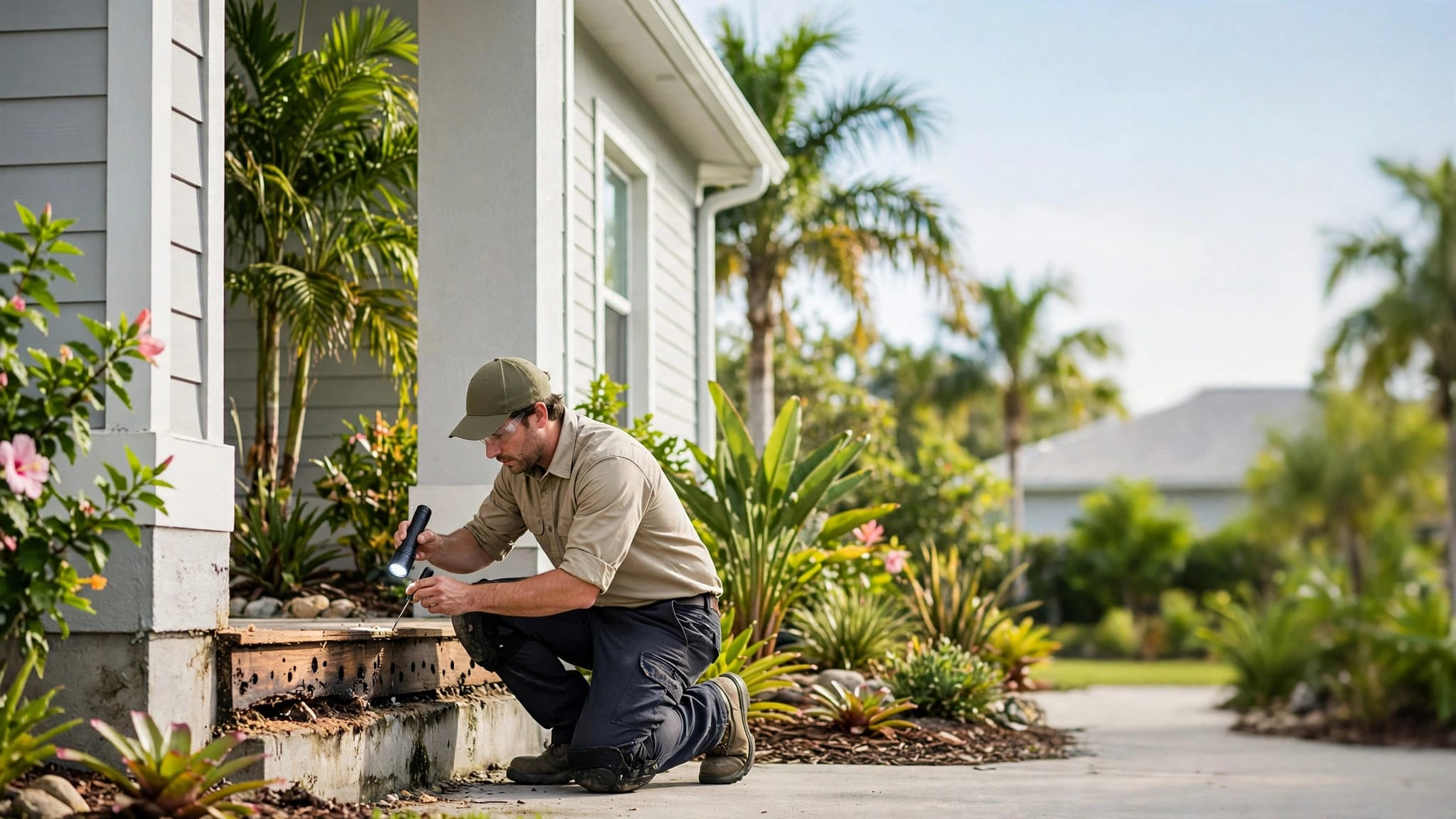
The technician may examine the attic, garage, crawlspace, slab edges, baseboards, window frames, roofline, soffits, plumbing penetrations, and exterior wood. They may also check stumps, fence posts, landscape timbers, and tree limbs near the structure.
During the visit, the inspector looks for:
- Live insects, swarmers, shed wings, or nesting activity.
- Frass, termite pellets, mud tubes, or damaged wood.
- Moisture around plumbing, HVAC equipment, windows, roofs, and foundations.
- Previous treatment evidence and areas that cannot be accessed.
- Signs of active damage versus old damage.
A standard home inspection and a Florida Wood-Destroying Organisms inspection are different services. A WDO inspection focuses on organisms such as termites, carpenter ants, wood-boring beetles, carpenter bees, and wood-decay fungi. It documents visible evidence and conditions that may support future activity. You can review the differences between Florida WDO inspections and home inspections before buying, selling, or repairing a property.
No visual guide can confirm the pest species in every case. A small hole may be an old exit point, while fresh debris may indicate current activity. Moisture meters, probes, flashlights, attic access, and close visual examination can provide better evidence than a quick look at the wall.
Practical Ways to Reduce Wood Damage
Prevention starts with moisture control and regular attention to the home's exterior. Florida weather can create new entry points quickly, especially after tropical storms or periods of heavy rain.
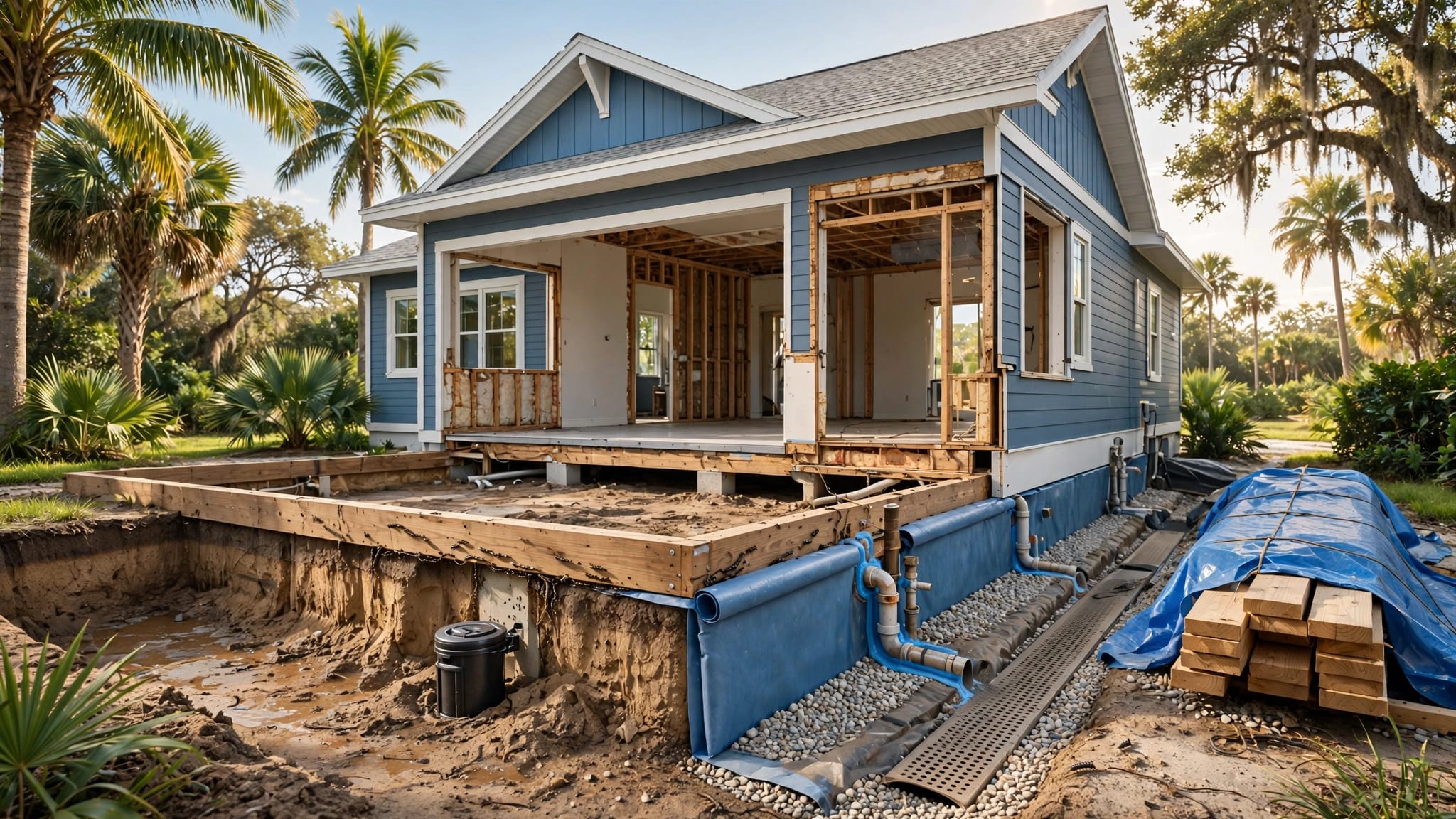
Start with the conditions that attract carpenter ants and dampwood termites. Repair plumbing leaks, roof leaks, damaged flashing, and leaking windows. Check air-conditioning drain lines and areas where condensation may collect. Replace wood that has lost its strength rather than covering it with fresh paint.
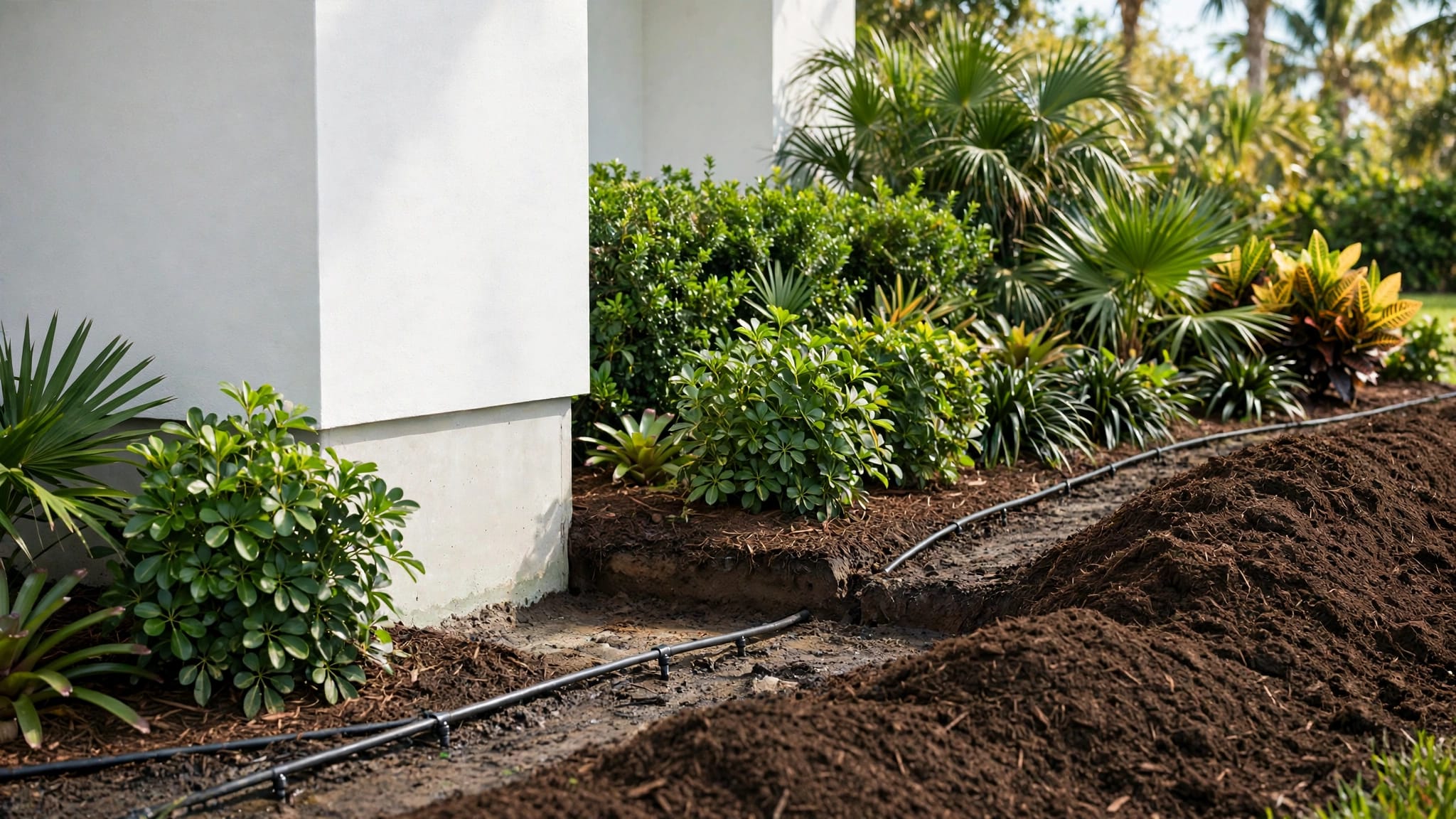
Next, reduce access to the structure. Keep branches and vines trimmed away from the roof and walls. Store firewood off the ground and away from the house. Keep soil, mulch, and landscape timbers from hiding the foundation or touching wood siding.
Seal gaps around doors, windows, pipes, cables, and utility lines. Make sure screens fit well and exterior doors close tightly. In crawlspaces and attics, address ventilation and humidity problems before they create long-term wood damage.
Watch for changes during routine cleaning or maintenance. Fresh frass beneath trim, new mud tubes, piles of termite pellets, hollow-sounding wood, or repeated winged insects deserve attention. Don't spray only the insects you can see and assume the problem is gone. The nest or colony may be inside a wall, roof assembly, tree, or soil line.
A scheduled inspection is useful when a property has a history of termites, repeated moisture problems, inaccessible crawlspaces, or nearby construction that changes drainage. It can also help identify conditions before damage becomes extensive, but no service can guarantee that pests will never return.
When to Call for Help
Call a licensed pest professional when wood damage keeps spreading, debris returns after cleaning, or you find mud tubes, termite pellets, or winged insects indoors. Prompt service also makes sense when a leak has affected framing or when you see ants emerging from walls, ceilings, or trim.
Avoid removing large sections of wood before the inspection. Preserve photos and samples of the debris when possible, and note where you found them. The location, freshness, and pattern can help the technician trace the activity.
A professional can identify whether the issue involves carpenter ants, subterranean termites, drywood termites, dampwood termites, rot, or more than one cause. Treatment should follow that finding rather than the appearance of a single insect.
Conclusion
The main difference in carpenter ant vs termite damage is how the insects use wood. Carpenter ants excavate galleries, often in moisture-damaged areas. Termites consume wood, with subterranean, drywood, and dampwood species leaving different clues.
Frass, mud tubes, pellets, hollow wood, and moisture stains can guide the inspection, but none provides a guaranteed diagnosis alone. In a Florida home, finding the pest and correcting the moisture or entry conditions together gives you a clearer path to protecting the structure.
Schedule a Free Inspection: