Green Iguanas Cape Coral: Protect Pools and Seawalls
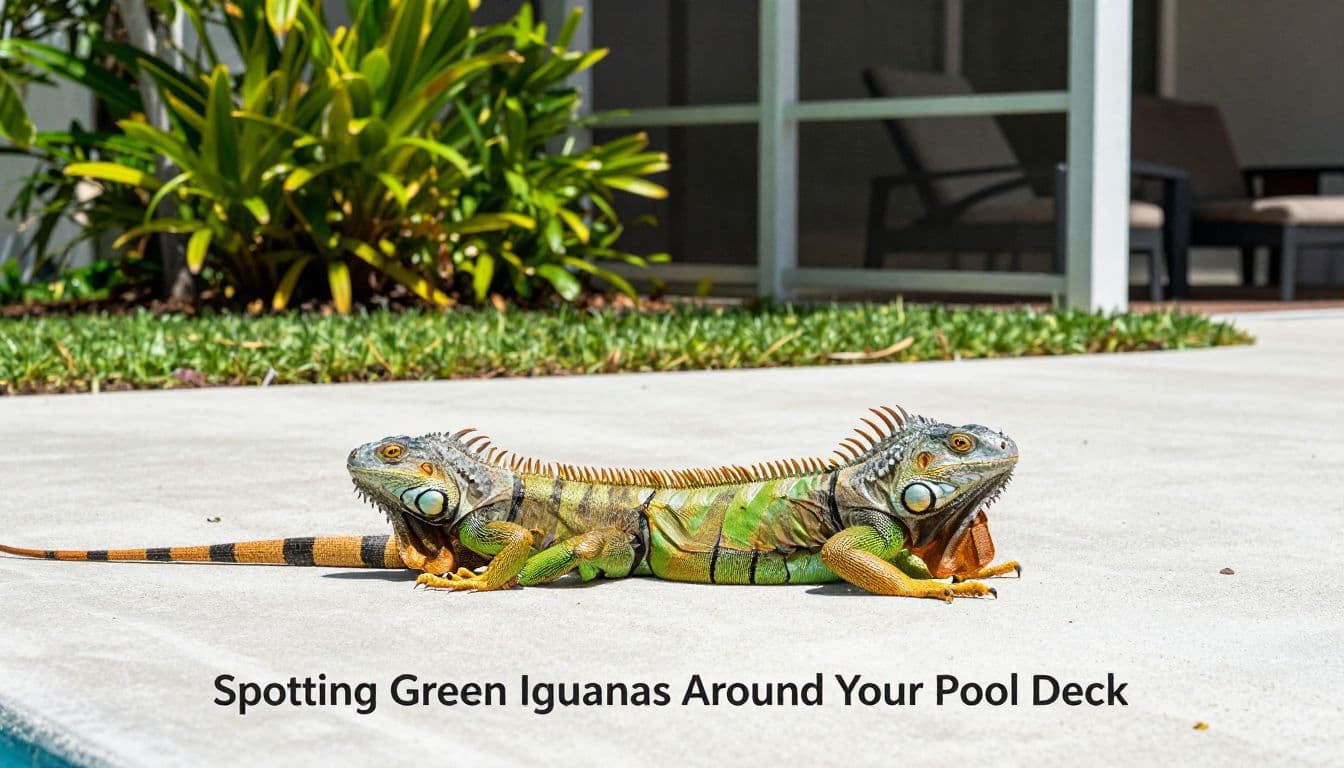
One green iguana can turn a tidy Cape Coral pool deck into a daily cleanup job. If you searched green iguanas Cape Coral , you're probably seeing basking reptiles, droppings, disturbed plants, or fresh soil beside a seawall.
These animals usually want warmth, food, water, and shelter, not a confrontation. The safest response combines property changes, physical exclusion, and lawful removal by a qualified wildlife professional. Start with the places iguanas use most and the signs that show a visit has become a pattern.
Why green iguanas Cape Coral homeowners find on seawalls keep returning
Cape Coral's canals give green iguanas easy access to water and warm surfaces. Concrete seawalls, pool coping, dock edges, and sunlit decks heat up during the day. Vegetation along the water provides food and cover.
Florida classifies the green iguana, Iguana iguana , as a prohibited nonnative species. This plant-eater may feed on leaves, flowers, fruit, and tender garden growth. Fallen mangoes, ornamental plants, birdseed, and dense shrubs can keep visits going.
Seawalls are attractive because they connect several needs in one narrow strip. An iguana can bask on the cap, retreat into a bank or burrow, and reach canal water within seconds. It may also climb a tree, fence, screen enclosure, or dock piling when startled.
Burrowing creates the bigger property concern. Holes beside a seawall can loosen soil and allow water to move through fill. That doesn't mean every opening has damaged the wall, but repeated digging deserves inspection. Near a pool, the same animal may leave droppings on coping, enter through a screen gap, or hide under landscaping.
For green iguanas Cape Coral homeowners find repeatedly, removing one animal without changing the property often brings short-term relief. The food, shelter, and access points remain.
Signs that iguanas are using your property
A single iguana crossing the yard may be an occasional visitor. Repeated sightings at the same time and place indicate a regular basking or feeding route.
Look for dark droppings with a pale urate portion on pool coping, outdoor furniture, seawall caps, and dock surfaces. Scraped soil, shallow holes, and fresh spoil near the wall can point to digging. Broken stems, missing flowers, clipped leaves, and bite marks show feeding activity.
The location matters. A burrow opening at the base of a seawall needs more attention than an iguana resting on a lawn. Cracks, sinking soil, loose pavers, or water washing from the bank call for a seawall or site inspection. Don't fill a hole before confirming it is empty, because blocking an occupied burrow can trap an animal.
Pool owners should also inspect the enclosure. Damaged screening, gaps below doors, open gates, and thick plants touching the cage give iguanas easy routes into the pool area. A camera can help identify when and where they enter without requiring close contact.
Protecting pool decks and outdoor living spaces
Start with attractants that are easy to control. Pick up fallen fruit, secure garbage, and keep pet food indoors. Bird feeders can scatter seed across the deck and draw animals that iguanas may investigate. Trim dense shrubs and remove unused piles of lumber, rocks, or yard debris near the enclosure.
Managing green iguanas Cape Coral homeowners see on pool decks also requires consistent, low-risk deterrence. A hose can discourage an iguana basking on the deck when used from a safe distance. Motion-activated sprinklers can protect pool edges, gardens, and common travel paths without requiring anyone to confront the animal.
Noise may drive an iguana away temporarily, but chasing it toward a screen door or canal can create another problem. Keep children and pets inside while the animal moves away. Never grab, corner, poison, or use a snare on an iguana.
Physical barriers usually last longer than repeated harassment. Repair torn screens and gaps at the bottom of the enclosure. Add a tight door sweep or threshold seal where appropriate, and trim branches away from the cage. Protect valuable plants with sturdy cages or screen covers instead of relying on repellents that wash away in rain.
Clean droppings promptly and keep them out of the pool. Wear gloves for surface cleanup, keep children away from the area, and follow product directions for the deck or furniture material. If waste enters the water, ask your pool professional how to test and restore proper water chemistry.
Don't use mothballs or unapproved chemicals outdoors. They can harm pets, wildlife, and water quality while failing to address the entry route.
Protecting seawalls, docks, and waterfront landscaping
A seawall needs a different response because the problem may be below the surface. Walk the bank regularly and note new burrows, loose soil, washouts, leaning sections, or gaps around pipes and utilities. Photograph changes from a distance, then arrange an inspection if the wall or bank appears unstable.
Florida extension guidance commonly recommends an L-shaped wire barrier along the bottom of a seawall or another fixed structure. The barrier turns outward below grade, making it harder for an iguana to dig beneath the edge. The layout depends on the wall, soil, drainage, and access, so a professional should install it without blocking drainage or damaging the structure.
Sheet metal can stop climbing when it wraps smoothly around tree trunks or dock pilings. The material must fit securely and have no sharp exposed edges. Don't attach barriers in a way that weakens a piling, interferes with dock hardware, or creates a hazard for people using the waterfront.
Landscaping changes can reduce pressure around the wall. Remove fallen fruit, thin heavy cover, and keep rock or brush piles away from seawall edges. Cages can protect garden beds and young plants. Clear sightlines also make it easier to notice fresh digging before it spreads.
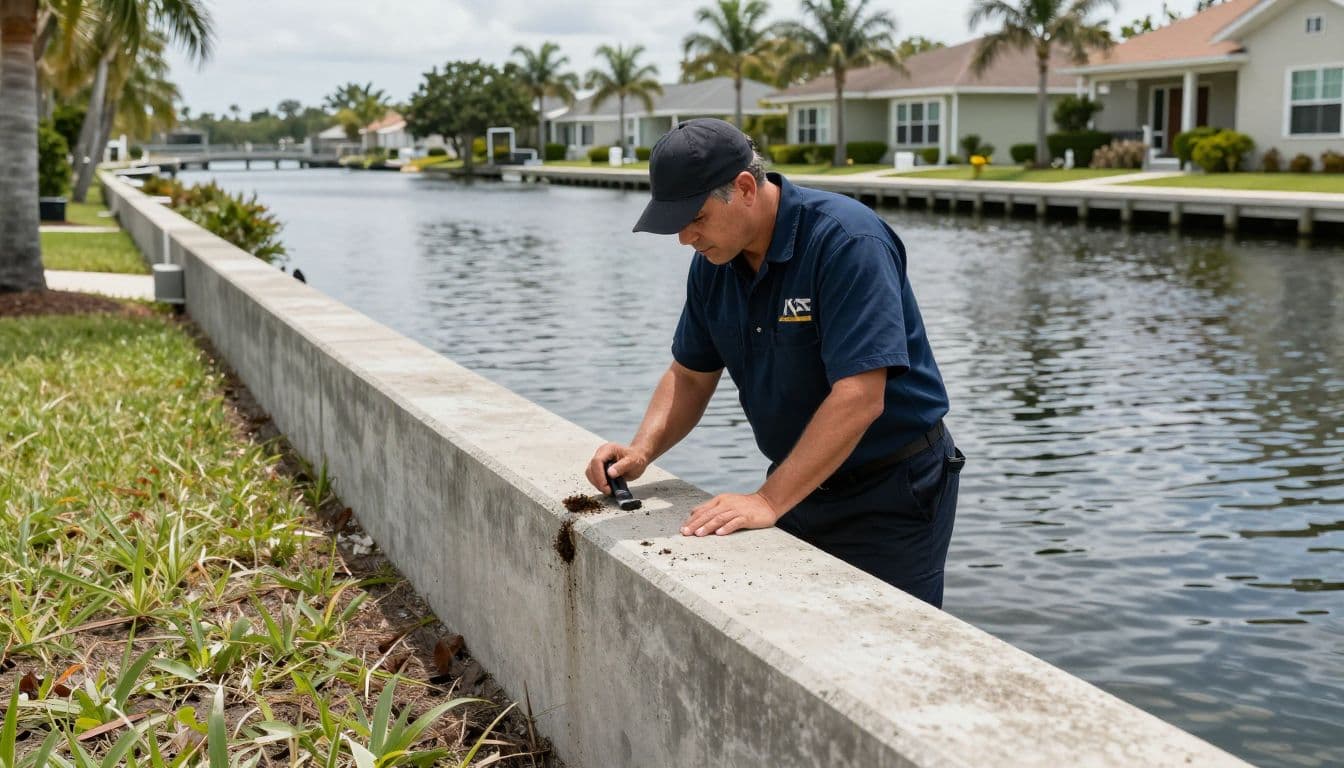
If a burrow is confirmed empty, a qualified professional may recommend packing it with sand, soil, or concrete, depending on its location and the surrounding structure. Never seal an active burrow or pour material into a void beneath a seawall without an inspection. The repair may require both wildlife exclusion and seawall work.
Dock owners should remove food scraps, inspect under the dock, and keep storage areas orderly. For green iguanas Cape Coral homeowners find around pilings, blocking the climbing route is safer than trying to catch the animal on a narrow deck.
Florida rules for humane iguana management
Florida Fish and Wildlife Conservation Commission guidance identifies green iguanas as nonnative and says they aren't protected wildlife except under anti-cruelty laws. Florida law also places the species on the prohibited list, with limited exceptions for research, education, or control.
On private property, FWC guidance says iguanas may be captured and removed without a special permit when the landowner gives permission. That rule doesn't make every removal method safe or lawful. The animals can't be relocated elsewhere in Florida, and public land has separate rules.
Executive Order 23-16 allows removal on 32 FWC-managed lands under its stated conditions. It isn't blanket authorization to trap wildlife at neighborhood canals, parks, or another person's property. Rules and local conditions can change, so check current FWC guidance before taking action.
Cold-stunned iguanas need extra caution. Cape Coral reporting in February 2026 covered an FWC executive order related to cold-stunned green iguanas. A motionless reptile may be cold-stressed rather than safely approachable. Keep people and pets back, then contact FWC or a qualified wildlife professional for direction.
The humane choice is to avoid direct handling. Don't transport an iguana, release it in another neighborhood, or use poison, glue, or an improvised trap. A qualified provider can explain the removal method, authorization, disposal process, and exclusion work needed to reduce repeat visits.
When to call for professional help
Call for an inspection when sightings continue after attractants are removed, burrows appear beside the seawall, or an iguana enters a screened pool area. Professional help also makes sense when the animal is on a roof, dock, narrow seawall, or another place where a fall or bite could occur.
Ask whether the provider handles invasive reptiles directly or coordinates with a licensed wildlife specialist. Request a written plan that separates removal, exclusion, burrow repair, and seawall work. This prevents a low-cost removal from being mistaken for a complete property solution.
If rats, mice, or other pests are active around the same waterfront home, address those signs during the inspection. Shield's guide to pest control pricing in Cape Coral can help explain how property access, pest type, and service frequency affect a general service estimate.
Conclusion
Green iguanas Cape Coral homeowners see on pool decks and seawalls usually follow easy resources: warmth, food, cover, and access to water. Remove those attractants, repair enclosure gaps, protect plants, and use barriers suited to the structure.
Burrows and repeat sightings deserve professional attention, especially beside a seawall. Keep the response humane and lawful, and don't handle or relocate the animal yourself. A safer waterfront begins with closing the route, not chasing the visitor.
Schedule a Free Inspection: