Can Bed Bugs Spread Through Shared Laundry Rooms?
Yes, bed bugs can spread between apartments through a shared laundry room by hitching a ride on belongings. A shared space creates an opportunity for movement, though a sighting alone doesn't show where the bugs came from.
You can reduce the risk with contained laundry handling and a prompt report if you find a suspicious insect. Here's how to protect your belongings and respond without spreading a possible infestation.
Key Takeaways
- Bed bugs can travel on belongings, and a clean apartment can still have them.
- Carry laundry in sealed bags and keep clean items separate from used ones.
- If you find a suspected bed bug in a shared room, notify management and avoid disturbing the area.
- Laundry is one part of a treatment plan. An apartment and potentially neighboring units may also need inspection.
How Bed Bugs Can Spread in Shared Laundry Areas
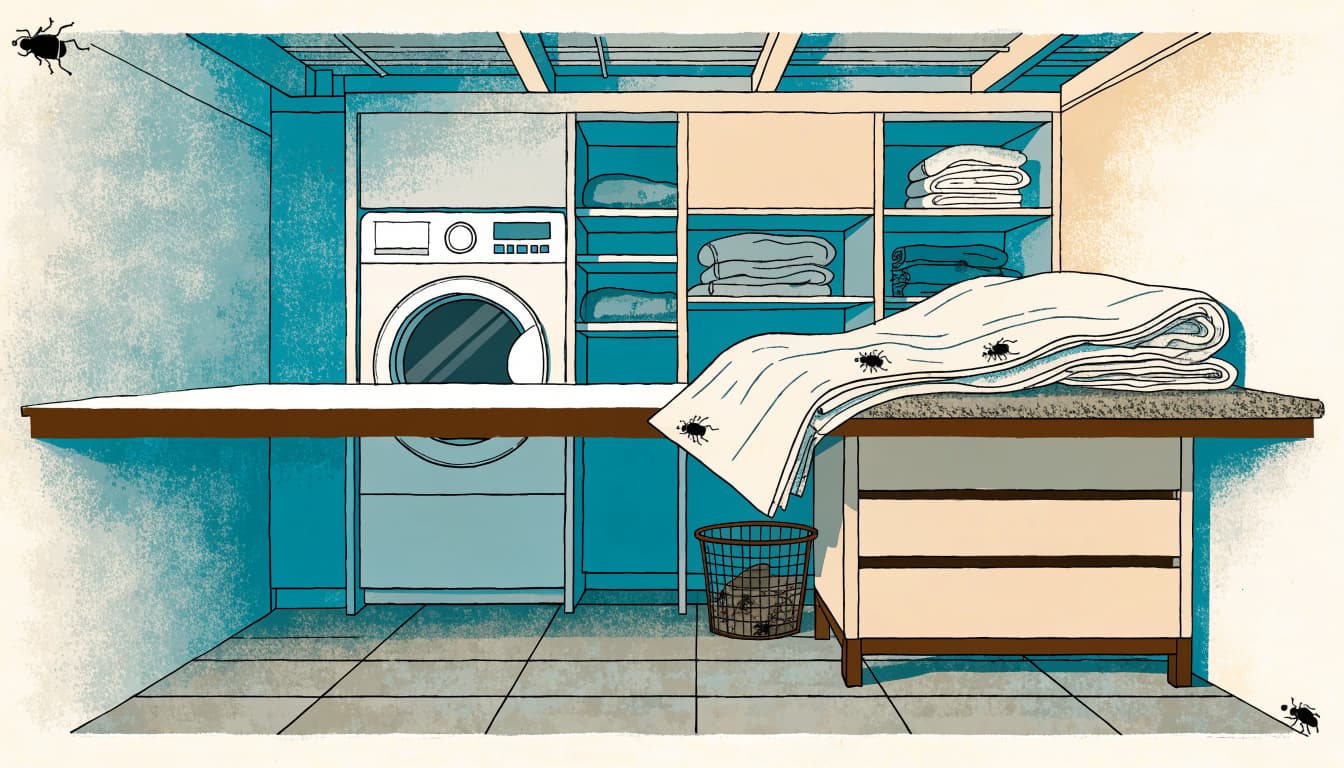
Bed bugs are small insects that feed on blood and hide in narrow spaces. They can travel on personal belongings, including items people carry between their apartments and shared areas.
In a Florida apartment building, residents use the same hallways and laundry facilities. That movement gives bed bugs opportunities to reach another apartment. A shared laundry room is a concern, but its use doesn't mean your belongings will pick up bed bugs.
An insect found in the laundry room also doesn't establish which apartment it came from or how long it has been there. Report what you saw rather than guessing at the source. That gives building management a chance to arrange an assessment without blaming a neighbor.
Bed bugs can also move between nearby units without passing through the laundry room. Because apartments share walls and other building features, a professional may recommend looking beyond the unit where signs first appeared.
What Bed Bugs and Their Signs Look Like
Look for physical evidence
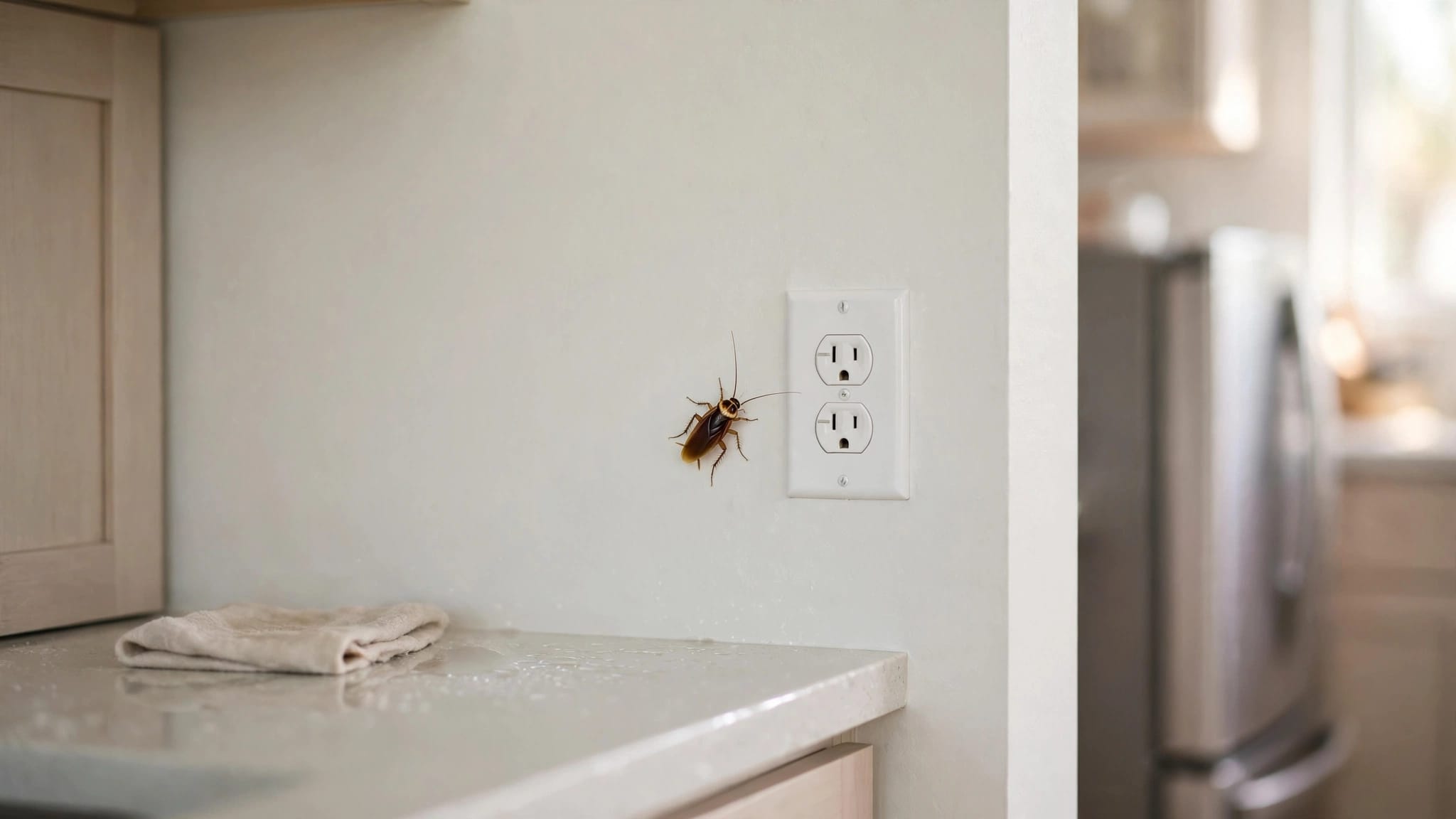
Adult bed bugs are small, flat, oval-shaped insects, about the size of an apple seed. They are generally brown, although their appearance can change after feeding. Younger bed bugs are smaller and paler, which can make them harder to see.
Around sleeping areas, other signs include dark spots, shed skins, and tiny pale eggs. Use a flashlight to examine mattress seams, bed frames, and the area around the headboard. Don't dismantle furniture or move it into another room to look for evidence.
Our guide to bed bug signs in Cape Coral bedrooms covers places to inspect and signs to report.
Don't rely on bites alone
Itchy spots can have several causes, and people react differently to bites. Some people may have no obvious skin reaction at all. Bites are a reason to look for evidence and request an inspection, but they don't identify the insect.
If you see a suspicious bug, photograph it where you found it. If you can do so without spreading it, place it in a sealed container for identification. Note the date and exact location, such as the edge of a laundry-room counter or a seam near your bed.
How to Carry Laundry Through an Apartment Building
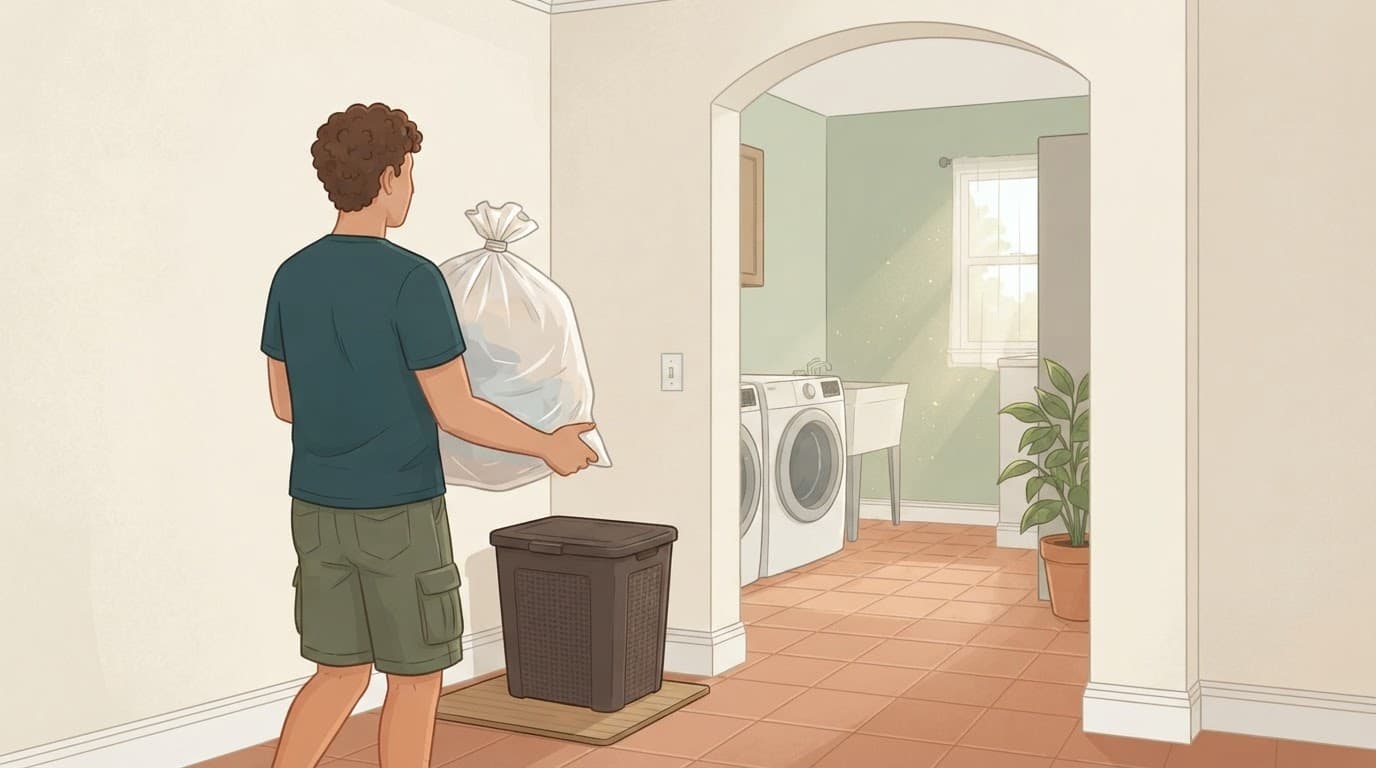
A simple bagging routine helps you keep track of used and clean laundry. It's useful even when no one has reported bed bugs in your building.
Bag used items before leaving your apartment
Place clothing, sheets, and towels directly into a sturdy bag in the room where you collect them. Close the bag before carrying it through the hallway. Avoid shaking bedding or clothing as you pack.
If you're concerned about a possible infestation, limit movement of loose belongings while you arrange an inspection. Let the pest professional know which items you need to launder so they can advise you on handling them.
A laundry basket can hold a sealed bag during the trip. Keep a separate clean bag or container ready for items after they've been laundered. Don't put clean clothes back into the bag that held used laundry.
Keep the trip organized
Bring only the supplies you need, including detergent and a fresh bag for the return trip. Keep your belongings together rather than spreading them across the room.
If you use a reusable hamper or cart, include it in the conversation with your pest professional when bed bugs are suspected. Ask for handling instructions before moving it between rooms or lending it to another household.
Washing and Drying Laundry When Bed Bugs Are a Concern
Follow a handling plan for affected laundry
If bed bugs are suspected in your apartment, contact building management and a pest professional before taking loose laundry into a shared room. They can help coordinate safe handling with the building's response.
For ordinary laundry, place the bagged items directly into the machine and dispose of the used disposable bag in a closed trash container. Keep the clean bag separate until you're ready to remove the finished load.
For items involved in a suspected infestation, follow the professional's instructions. Heat can be part of a bed bug treatment plan, but fabrics and machines differ. Clothing that can't tolerate the recommended process needs separate handling.
Know what laundry treatment can and can't do
Laundry may help address affected washable belongings, but it doesn't treat bed bugs hiding elsewhere in an apartment. An inspection and a plan for the living space are still important.
A care label helps you avoid damaging fabric, but it doesn't by itself establish a bed bug treatment procedure. Don't use outdoor pesticides on clothing or linens. Also avoid applying insecticides inside shared machines.
If a machine is involved in an active concern, keep it closed and pause its use until a pest professional provides handling instructions. Don't move an affected washer or dryer between properties while the concern is being assessed.
Keep Clean Laundry Separate on the Way Home
Once your laundry is finished, place it in a clean bag or a container with a lid. You can fold it at home instead of using a shared folding surface. If you do use a counter, look it over first and follow any instructions posted by building management.
Keep used and clean bags separate throughout the trip. A clean liner can also help you distinguish the return container from a hamper that held used items. When you get home, store the clean laundry in an area covered by your professional's plan if your apartment is being treated.
In Southwest Florida, dry laundry thoroughly before putting it away. Humidity doesn't create bed bugs, but damp bedding can develop odors or mildew and make storage areas harder to maintain. Leave linen storage accessible enough that you can inspect shelves and corners.
These habits support an organized routine. They don't replace an inspection if you've found a suspicious insect or other signs.
What to Do if You Find Bed Bugs in the Laundry Room
Report the finding and limit movement
Tell your property manager or the building contact promptly. Give them the location, time, and any photo you took. If you collected an insect in a sealed container, let them know it's available for identification.
Avoid moving other residents' belongings or carrying loose items away from the area. If laundry is already inside a machine involved in the concern, leave the machine closed and ask management to coordinate handling with a pest professional.
Management may need to pause use of the affected area while an assessment takes place. A clear report helps the professional decide what to inspect and helps residents receive consistent instructions.
Leave treatment to the professionals
Don't spray the room yourself or use a fogger. Insecticides need to be selected and applied according to their labels, and careless treatment can make an infestation harder to assess.
A professional can identify the insect, inspect likely hiding places, and recommend a plan. Depending on the findings, that plan may include heat, targeted products, and follow-up checks. Our explanation of bed bug treatment options in Cape Coral covers why a single spray isn't a complete solution.
If you live in Cape Coral, Fort Myers, or nearby Southwest Florida communities, we offer bed bug services and free inspections. Early communication gives everyone a better chance to contain the concern.
How Apartment Management Can Help Prevent Spread
Residents need a clear contact and straightforward instructions when they report a possible bed bug. Management can support that process by recording the location, arranging a professional assessment, and communicating any temporary restrictions on shared facilities.
In a multi-unit building, the inspection may need to include nearby apartments or shared areas. The pest professional can advise which spaces require attention based on the evidence. Residents should receive preparation instructions before treatment, including how to handle laundry and personal items.
A written laundry procedure can also reduce confusion. It should explain where to report a sighting, how to contain used linens, and how to keep clean items separate. Similar planning supports bed bug prevention in Southwest Florida rentals, where multiple occupants and shared facilities can complicate linen handling.
Above all, avoid blaming a resident for reporting a concern. Bed bugs can enter a clean home, and people may not know they've encountered them. A respectful response encourages residents to share information early.
Frequently Asked Questions
Should I throw away clothes if I find bed bugs?
Don't discard clothing as your first step. Many washable items can be addressed as part of a professional treatment plan. Keep affected belongings contained and ask your pest professional how to handle items that can't be laundered.
Does Florida humidity cause bed bugs?
No. Bed bugs need a host for blood meals; humidity doesn't create them. However, damp laundry and crowded storage can make housekeeping and inspection more difficult, so keep clean linens dry and storage areas accessible.
Can a clean apartment still get bed bugs?
Yes. Bed bugs aren't a sign that a resident has poor housekeeping habits. They can arrive with personal belongings, and shared buildings have multiple areas where residents and their belongings move through the same space.
Protect Your Laundry and Report Concerns Early
Shared laundry rooms can create an opportunity for bed bugs to spread, but careful handling can reduce the risk. Keep used items contained and give clean laundry its own bag for the trip home.
If you find a suspicious insect, report it promptly and arrange an inspection. A coordinated response gives residents and management a clear path forward.
Schedule a Free Inspection: