Bed Bug Signs in Cape Coral Bedrooms: What to Look for Before It Spreads
Waking up with itchy bites is frustrating, but it doesn’t always mean bed bugs. The problem is that bed bug signs can be easy to miss at first, and by the time you’re sure, they may have already moved from one bedroom to the next.
In Cape Coral, early detection matters because bed bugs don’t “die off” with cooler seasons the way some pests do. With our warm weather and steady travel flow (vacation rentals, visiting family, snowbird season), bed bugs can show up any month of the year.
This guide walks you through what to look for in bedrooms, where to check first, and what to do right away so the issue doesn’t spread through your home or into nearby units.
Why bed bugs spread fast in Cape Coral homes and condos
Bed bugs are hitchhikers. They don’t fly, and they don’t live in yards like ants. They move by riding along in everyday items: luggage, backpacks, laundry baskets, secondhand furniture, and even folded bedding.
In Cape Coral bedrooms, spread often happens through a few common scenarios amid the Florida lifestyle's steady flow of travel and tourism:
- A “quick move” between rooms : A guest sleeps in Bedroom A, then bedding gets carried to Bedroom B or the laundry room.
- Multi-unit living : In condos and apartments, bed bugs can move along shared walls, wiring gaps, and plumbing openings, especially when an infestation grows.
- Well-meaning cleanup : People bag up items and carry them through hallways, cars, and other rooms, dropping bed bugs along the way.
The biggest misconception is that bed bugs are tied to cleanliness. They’re not. They only need one thing: a blood meal. Clutter can make them harder to find, but even spotless bedrooms can get a bed bug infestation.
If you rent or live in a condo, it’s smart to treat “suspected bed bugs” like a smoke alarm. One small sign is worth checking today, not next week.
Bed bug signs in bedrooms: what they look like, feel like, and where they hide
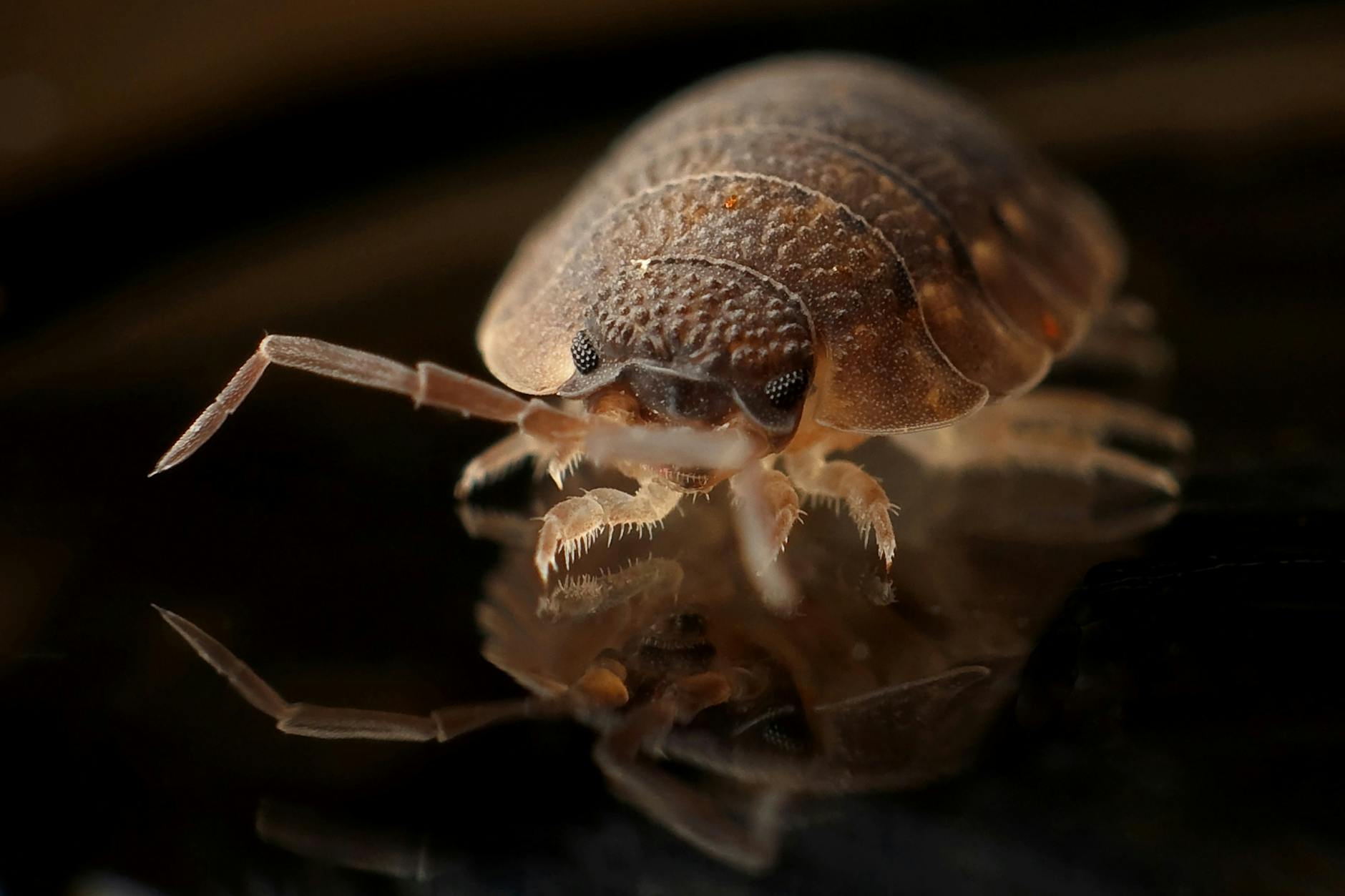 Photo by Pixabay
When people picture bed bugs, they imagine a big bug crawling on the sheets. These pests seek out secluded hiding spots and may produce a musty odor or cause unexplained bed bug bites before you spot the bugs themselves. In real life, the earliest clues usually look like tiny stains and specks. Use a bright flashlight and take your time.
1) Dark fecal spots (the most common early clue)
- Size : pinhead dots, sometimes slightly larger
- Color : dark brown to black
- Texture : looks like ink, often soaks into fabric, may smear a bit if damp
- Where to look : mattress seams, tag edges, box spring corners, fitted sheet corners, along the headboard wall
These spots often cluster like someone tapped a felt-tip pen. One dot could be something else, a cluster near seams is a stronger sign.
2) Shed skins (molted exoskeletons) and bed bug eggs
- Shed skins : pale tan, papery, hollow “bug-shaped” shells
- Bed bug eggs : tiny (about 1 mm), white, and slightly sticky
- Where to look : mattress piping, box spring folds, bed frame joints, behind headboards, inside screw holes, near bed bug eggs
Bed bugs grow by molting. Finding multiple shed skins usually means more than one bug has been feeding and growing nearby. For photo-based ID and life-cycle basics, use the EPA’s reference on bed bug appearance and life cycle.
3) Live adult bed bugs and nymphs
- Adult bed bugs : about the size of an apple seed (roughly 1/4 inch), flat, reddish-brown
- Nymphs : smaller, lighter, sometimes almost clear before feeding
- Where to look : tight cracks near the bed and adult bed bugs' hiding spots, not the center of the mattress surface
Important: there are bugs that resemble bed bugs. Don’t assume. A clear photo and a pro inspection can keep you from treating the wrong pest.
4) Blood stains on sheets and pillowcases
- Color : rust-red or reddish-brown
- Texture : stain-like smears, not dots of feces
- Where to look : mattress seams, near the top of the fitted sheet, pillow edges, comforter folds
This can happen when a fed bug gets crushed during sleep. It’s not a sure thing by itself, but it belongs on the “take a closer look” list.
5) Bed bug bites that don’t line up with a clear cause
Bites are tricky. People react differently, and some don’t react at all. Bed bug bites often show up on exposed skin (arms, shoulders, neck), and may appear in clusters. The CDC explains what bed bugs are and why bites vary in its overview of bed bugs and health effects.
A 10-minute bedroom inspection routine (and a simple urgency scale)
Combating a growing bed bug infestation doesn't require special gear. You need a systematic approach, good light, and the discipline to not move items from room to room until you're confident.
Quick step-by-step check
- Start with the bed, not the closet. Pull back bedding and check mattress seams, piping, and tags.
- Check box springs. Focus on corners, stapled fabric edges, and folds underneath.
- Inspect the headboard and frame. Look at joints, screw holes, and any cracks where wood meets wood.
- Scan nearby “sleep-zone” items. Nightstands (underside and back panel), upholstered furniture, lamps, phone chargers, alarm clocks, and picture frames above the bed.
- Look along baseboards. Especially behind the bed, and near electrical outlets on shared walls in condos.
- Stop and bag evidence. If you find live bed bugs or skin, capture it with clear tape or in a sealed bag for ID.
For more detail on inspection technique, the EPA’s guide on how to find bed bugs is a solid walkthrough.
Severity and urgency scale (use this to decide your next move)
| What you found | What it usually means | Urgency | Next step |
|---|---|---|---|
| One possible sign (one spot or one bite pattern) | Could be something else | Soon (24 to 72 hours) | Re-check with flashlight, look for a second sign |
| Multiple signs near the bed (spots + skins, or eggs) | Likely active harborages | High (same day) | Limit movement of items, contact a pro for inspection |
| Live bugs in more than one room | Severe bed bug infestation | Immediate | Professional treatment plan, coordinate in multi-unit buildings |
DIY mistakes that often make bed bugs worse
- Don’t move bedding or clothes to another room just in case. That’s how infestations jump bedrooms.
- Don’t neglect vacuuming crevices thoroughly (and always dispose of the bag outside right away).
- Don’t use outdoor pesticides indoors . It’s unsafe and often illegal for indoor use.
- Don’t set off bug bombs or foggers . They can push bed bugs deeper into wall cracks and furniture. Check wall cracks instead.
- Don’t drag mattresses out through hallways in condos unless told to by a pro, and only when wrapped.
If you believe you’ve confirmed bed bugs, Florida licensed pest control operators using Integrated Pest Management can assess the scope, recommend professional bed bug treatment (including heat treatments, targeted products, follow-ups), and explain how to protect neighboring units. Start with a professional evaluation through Shield Pest Control bed bug services, then follow a prevention plan like these effective pest control strategies for your home.
Printable checklist: bed bug signs to check in Cape Coral bedrooms
Print this, or save it in your phone notes for quick checks after travel, guests, or bringing in used items.
- Mattress seams and piping (dark dots, eggs, shed skins)
- Mattress tag and corners (clusters of spotting, blood stains)
- Box springs underside and corners (skins, eggs, live bugs)
- Headboard back and mounting points (cracks, screw holes)
- Bed frame joints and slats near box springs (tight gaps)
- Nightstand underside and back panel (spots, skins)
- Baseboards behind bed and near outlets (movement paths)
- Sheets and pillowcases (blood stains)
- Mattress encasements (tears, trapped bugs, signs of activity)
- Luggage storage area (after trips, especially closets)
- Second bedroom: mattress seams, box springs, baseboards (if you found anything in the first room)
For year-round habits that help keep pests out in Southwest Florida, use this practical guide to bug prevention in Florida homes. For Florida-specific bed bug education, including tropical bed bugs, UF/IFAS also maintains a hub at UF/IFAS Extension bed bug resources.
Conclusion
Bed bugs don’t announce themselves, they leave small clues. Spotting bed bug signs early in a Cape Coral bedroom, or Bed Bug Signs in Cape Coral Bedrooms, enables early detection that can save you weeks of stress and keep a potential bed bug infestation from spreading into other rooms or nearby units.
If you’re seeing multiple signs, skip the DIY shortcuts that scatter bugs around the home. Get a Florida-licensed professional inspection and a clear plan, then keep movement between bedrooms tight until the issue is solved. Early detection remains the best way to minimize the cost and complexity of remediation.
Schedule a Free Inspection: