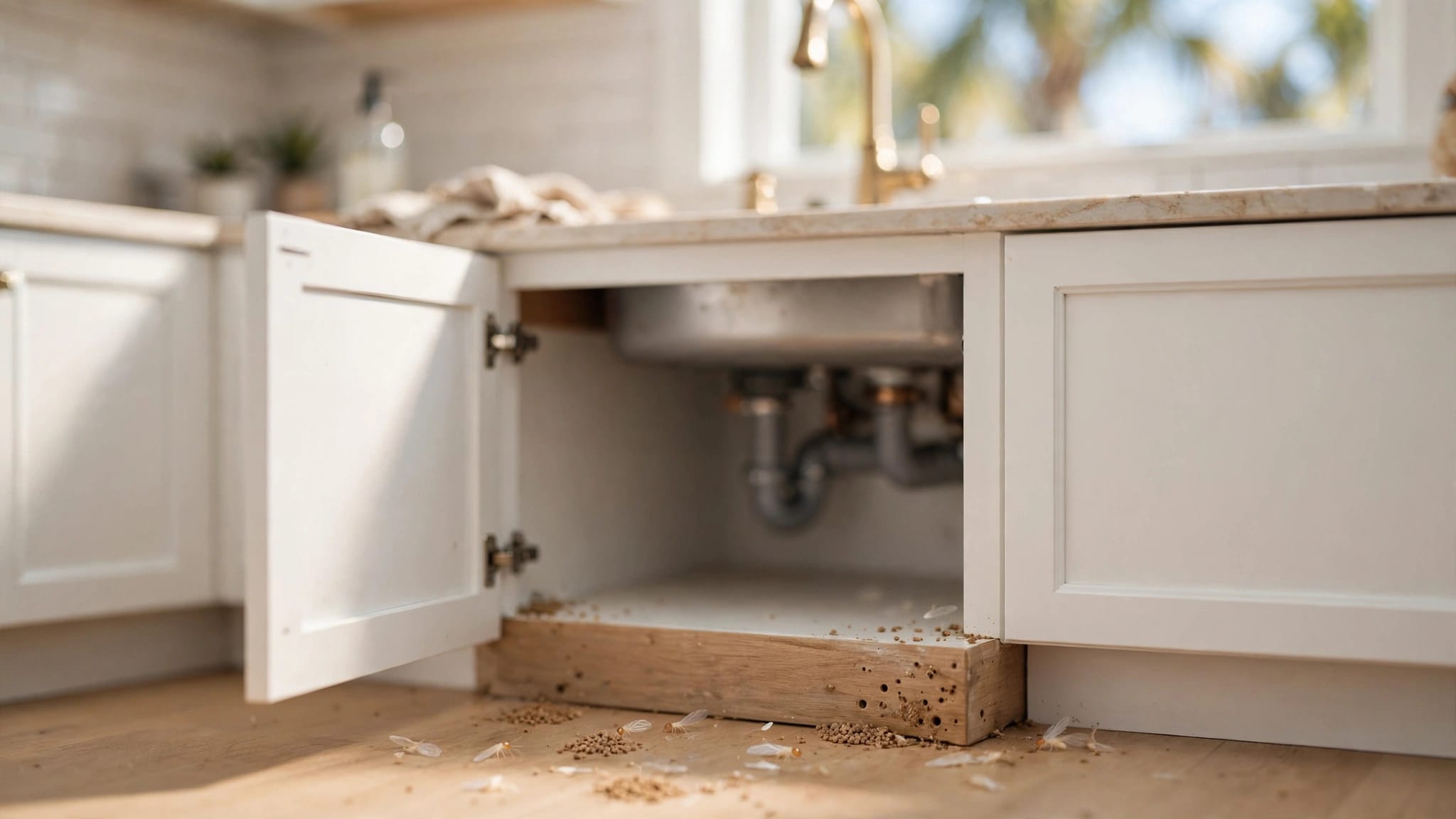
Silverfish in Cape Coral bathrooms and closets, what attracts them and how to stop paper and fabric damage
You walk into the bathroom at night, flip on the light, and something small and shiny zips behind the baseboard. If you’re dealing with silverfish Cape Coral homes often get them for one big reason: moisture sticks around.
Silverfish don’t bite, but they can be rough on the things you store. Paper edges get notched, book bindings look scraped, and natural fabrics can end up with thin spots. The good news is you don’t have to “bomb” your house to get control. A steady, moisture-first plan works better, and it protects what you care about most.
Why silverfish love Cape Coral bathrooms and closets
Silverfish are night-active insects that hide in tight cracks during the day. Bathrooms and closets are basically their perfect hideout: dim, quiet, and humid, with plenty of places to wedge into. Add in a steady food supply, and they can stick around for months without you seeing many.
They aren’t picky eaters. Silverfish feed on starches and cellulose, which is why they go after paper, glue, wallpaper paste, cardboard, lint, and some fabrics (especially items with sizing or starch). That’s also why the damage often shows up in closets and linen storage, not just in pantries.
Common silverfish attractants in bathrooms and closets
- Humidity and damp air : Steamy showers, weak exhaust fans, and closed closet doors trap moisture.
- Leaks and slow drips : Under-sink plumbing, toilet bases, and A/C drain lines can create a constant water source.
- Condensation : Cold water pipes “sweat,” especially in summer, wetting cabinets and flooring.
- Cardboard and paper clutter : Moving boxes, shoe boxes, old magazines, and stored documents are both food and shelter.
- Lint and hair : Closet floors, behind the washer, and baseboards build up edible debris over time.
- Dark cracks and gaps : Baseboards, door trim, and shelving supports give them safe daytime hiding spots.
If you’re also seeing other moisture pests, like roaches in bathrooms, you may benefit from a broader plan like Residential pest control services in Cape Coral, because humidity-driven issues tend to overlap.
Moisture control first, because it’s the engine behind the problem
Killing a few silverfish doesn’t fix the conditions that brought them in. In Cape Coral, indoor humidity management is usually the turning point. Aim for indoor relative humidity around 50 percent or lower when possible. It’s not about making your home feel like a desert, it’s about removing the damp “film” that keeps silverfish comfortable.
Bathroom moisture fixes that actually help
Run the exhaust fan during showers and for a while after. If the fan is weak, loud, or vents into an attic, it may not be doing its job. Wipe down wet ledges and the shower curb so water isn’t sitting overnight. Hang towels so they dry fast, not in a heap.
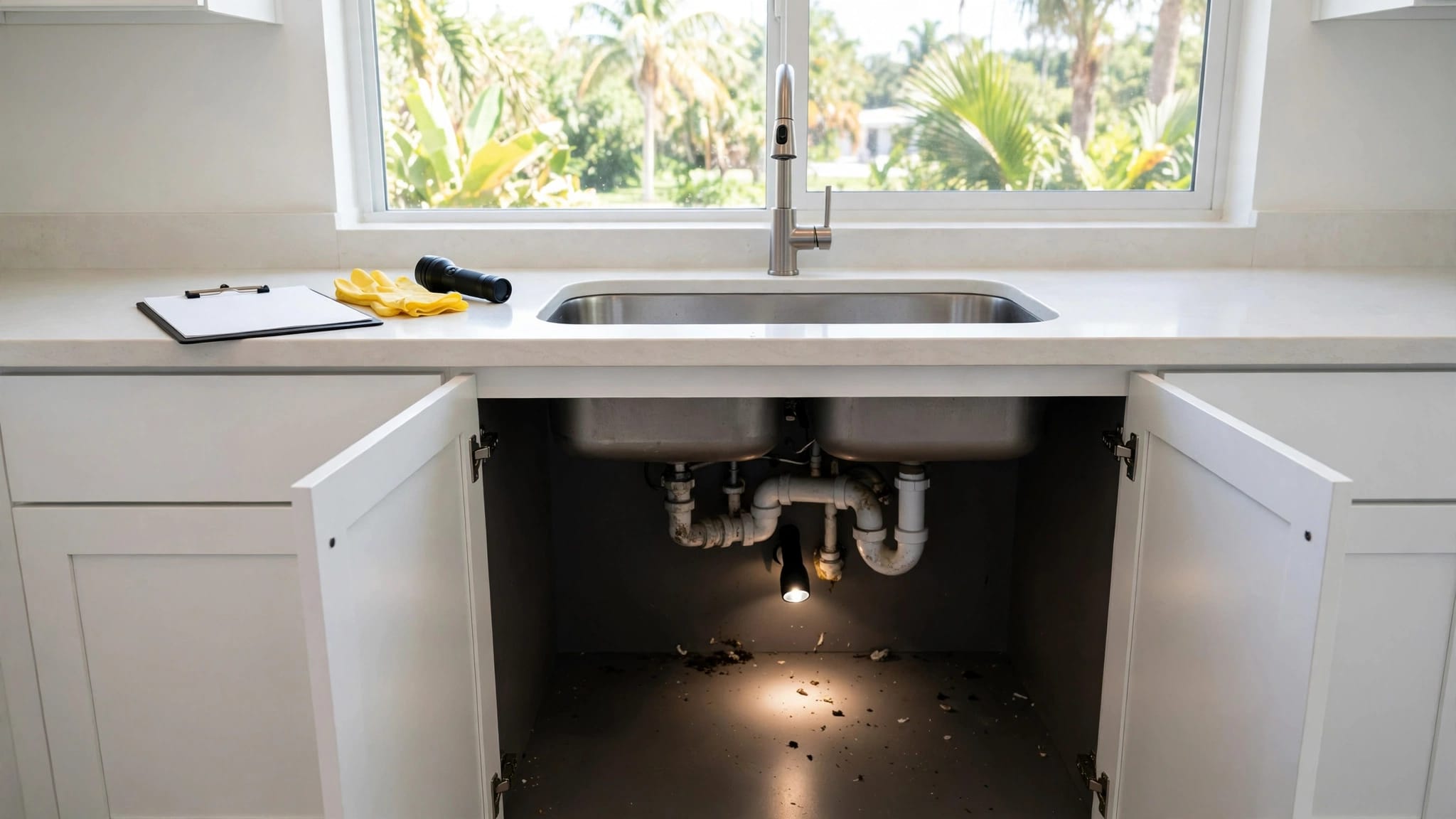
Check the vanity and the toilet area with a flashlight. If you see staining, warped wood, or a musty smell, treat it like a leak until proven otherwise.
Closet humidity control (the overlooked hotspot)
Closets get stale air. If your closet backs up to plumbing, an exterior wall, or a garage, it can stay humid even when the rest of the house feels fine. Keep clothing off the floor, avoid storing items tight against walls, and don’t pack shelves so full that air can’t move.
If your A/C is running cold and short cycles, it may cool the home without pulling enough moisture. A dehumidifier can help in stubborn zones, especially for interior closets.
Store paper and fabric so silverfish can’t reach it
Silverfish damage is often a storage problem disguised as a pest problem. A few upgrades go a long way:
| Protect this | Do | Don’t |
|---|---|---|
| Documents, photos, keepsakes | Use sealed plastic bins, archival folders, keep items elevated | Store in cardboard boxes on the floor |
| Books and notebooks | Keep on shelves with airflow, consider sealed totes for long-term storage | Stack on closet floors or against damp walls |
| Clothing and linens | Use garment bags or sealed bins for rarely used items | Leave fabrics in open piles or laundry baskets |
An IPM plan to get rid of silverfish (and keep them gone)
Integrated pest management (IPM) is a simple idea: change the conditions, remove food and hiding spots, then use targeted products only where they make sense. Silverfish control is rarely instant. Expect improvement over 2 to 6 weeks , because eggs hatch over time and silverfish hide well.
Step 1: Inspect like a detective
Start where moisture and paper meet. Use a flashlight and check:
- Under sinks, behind toilets, and around tub edges
- Closet corners, baseboards, and shelf brackets
- Behind the washer and around the water heater
- Along door thresholds and wall cracks
- Inside cardboard boxes, shoe boxes, and stored linens
If you want a simple framework for what a pro looks for during an inspection and how to compare options, use Hiring an exterminator in Cape Coral: what to ask.
Step 2: Clean in a way that removes their “food”
Vacuum edges, closet floors, and baseboards slowly, then empty the vacuum right away. Focus on lint, hair, and dust. In bathrooms, clean behind the toilet and along vanity kick plates. In closets, wipe shelves where paper dust and fibers collect.
Avoid leaving pet food open overnight if it’s stored near a utility room or closet. Silverfish will graze on crumbs and dry residues.
Step 3: Reduce clutter and swap cardboard for sealed storage
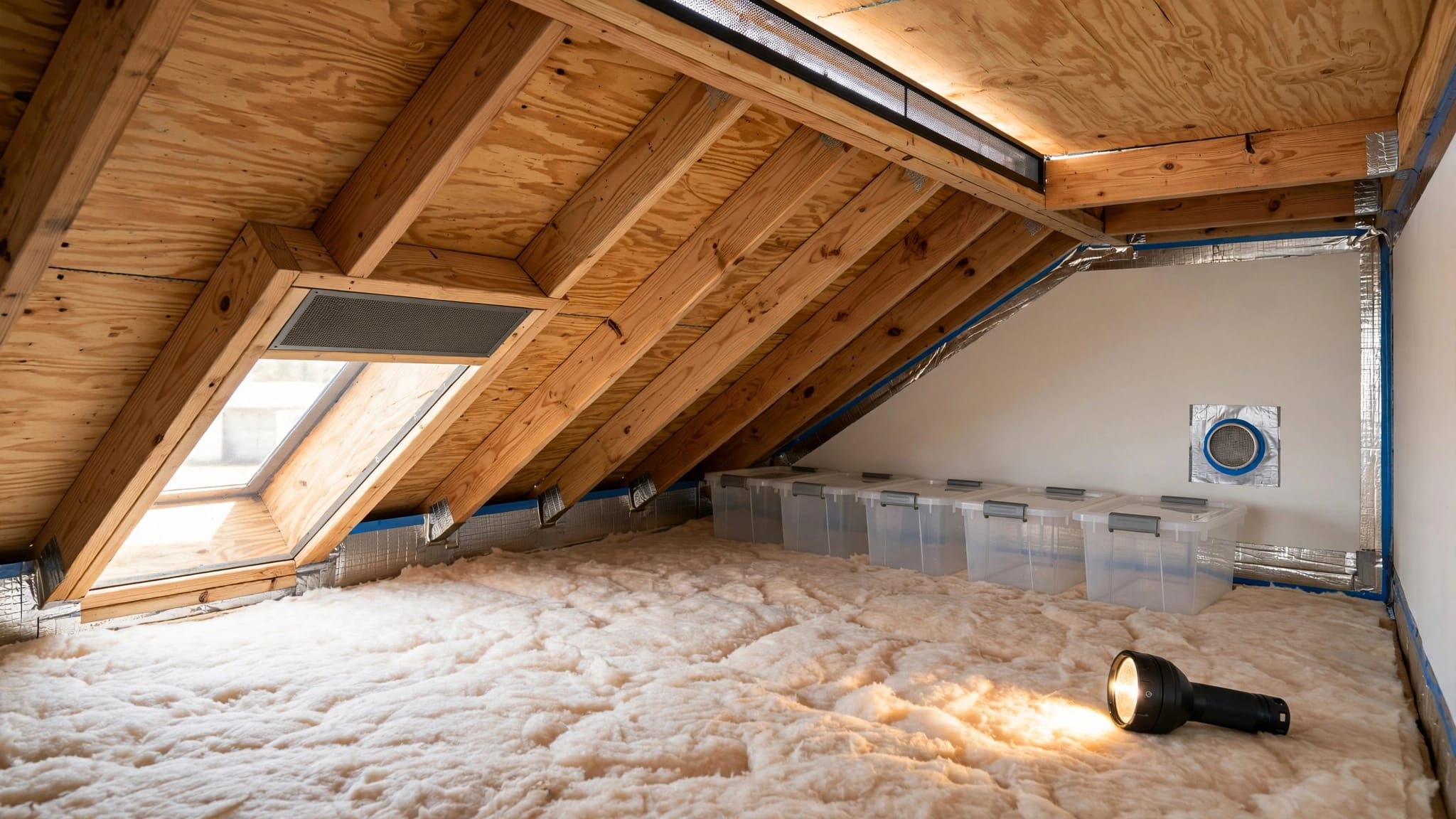
Cardboard is a silverfish favorite because it feeds them and hides them. Replace it with sealed plastic bins. For documents, use sealed containers plus folders. For fabrics, use garment bags or lidded totes.
Step 4: Seal entry points and hiding cracks
Caulk baseboard gaps, seal plumbing penetrations under sinks, and add door sweeps where light shows under doors. Silverfish don’t need a big hole, they just need a thin gap that stays quiet and damp.
Step 5: Use baits or dusts safely, and only where they belong
If you choose to use products, keep it controlled and label-directed:
- Place bait stations in dry, hidden areas where silverfish travel (behind toilets, under vanities, closet corners).
- Use insect-labeled dusts in wall voids and cracks, not across open floors. Keep all products away from kids and pets, and never “free pour” dust into living spaces.
Mixing random sprays with baits often backfires. Repellent sprays can push silverfish deeper into walls and reduce bait pickup.
Step 6: Monitor with sticky traps, then adjust
Put sticky traps along baseboards in the bathroom and inside closets, near corners. Check weekly. Traps tell you where activity is highest, so you can focus cleaning, sealing, and moisture fixes in the right spots.
If you’re weighing professional help, budgeting is part of the decision. This Cape Coral pest control pricing guide gives a realistic range for typical services.
Conclusion
Silverfish in Cape Coral bathrooms and closets usually aren’t a mystery pest, they’re a moisture signal. Lower the humidity, fix drips and condensation, remove cardboard clutter, and protect paper and fabrics with sealed storage. Add monitoring and targeted treatments, and you’ll see steady results over a few weeks. If the problem keeps coming back, a structured IPM service and a careful inspection can close the gaps that DIY steps miss.
Schedule a Free Inspection: