Bats in Cape Coral Attics: Noises, Entry Gaps, Legal Removal Rules, and Cleanup Steps
You’re lying in bed and hear faint squeaks above the ceiling, then a scratchy flutter right around dusk. In Cape Coral, that sound often points to bats in the attic , not “just the house settling.”
If you’re dealing with bat removal Cape Coral homeowners also have to think about Florida rules, timing (maternity season matters), and what to do with guano once the bats are out. This guide breaks it down in plain language, so you can act fast without making the problem worse.
Attic noises that often mean bats (and what to do right away)
Bat activity has a rhythm. Many homeowners report noise just after sunset (when bats leave to feed) and right before sunrise (when they return). The sounds can be light scratching, soft chirping, or quick fluttering that seems to move along a roofline.
A few signs make the “bat” guess much stronger:
- Squeaking or peeping clustered in one area, often near a gable end or soffit line
- Tapping or fluttering , like a playing card in bicycle spokes, as bats slip through a gap
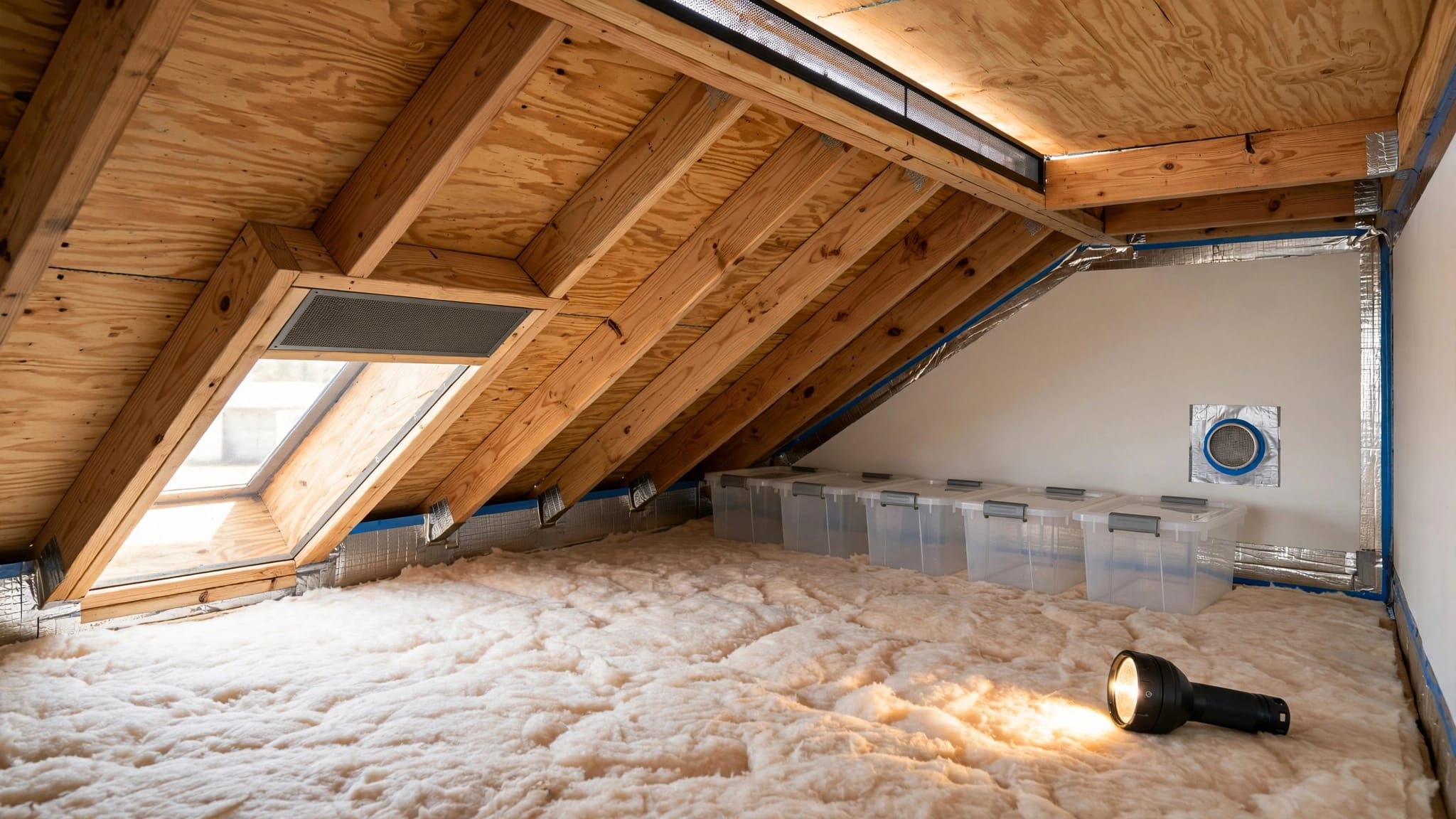
- Guano (small, dark droppings) collecting on insulation or stuck to rafters under a common roost spot
- Greasy smudges around a tiny gap from body oils, sometimes with a sharp, musky odor
Rats and mice are usually louder and more random all night long. Bats tend to “commute” at dawn and dusk.
Two urgent safety notes:
- Don’t handle bats , even with gloves. If a bat is in a living area, close interior doors, keep kids and pets away, and call for help.
- If someone may have been exposed (a bat in a room with a sleeping person, a child, or anyone who can’t clearly say they weren’t touched), treat it seriously and follow CDC guidance on preventing rabies from bats.
If you need a clearer picture of what a professional visit looks like, What to Expect When Hiring an Exterminator in Cape Coral explains the inspection process and what reputable companies should check.
Common entry gaps on Florida-style homes in Cape Coral (plus a quick inspection checklist)
Bats don’t need a “hole,” they need a gap. In Florida, they can squeeze through very small openings , including tight construction seams and storm-worn edges. Cape Coral homes also have design features that create easy access, like long soffit runs, roof returns, and multiple vent penetrations.
The most common entry spots in Lee County neighborhoods include:
- Soffit and fascia gaps where panels bow, crack, or pull loose
- Gable vents without tight screening, or screens that have separated
- Ridge vents and roof-to-wall transitions (especially after high wind)
- Tile roof edges where bird stops are missing or mortar has failed
- Plumbing stack and HVAC line penetrations that were never fully sealed
- Attic fan housings and older roof vents with warped covers
- Stucco cracks and separation at trim, especially near second-story rooflines
- Lanai and pool cage tie-ins where framing meets the house and leaves small voids
A simple “two-finger test” helps: if you can fit two fingers into a gap anywhere near the roofline, a bat may be able to use it.
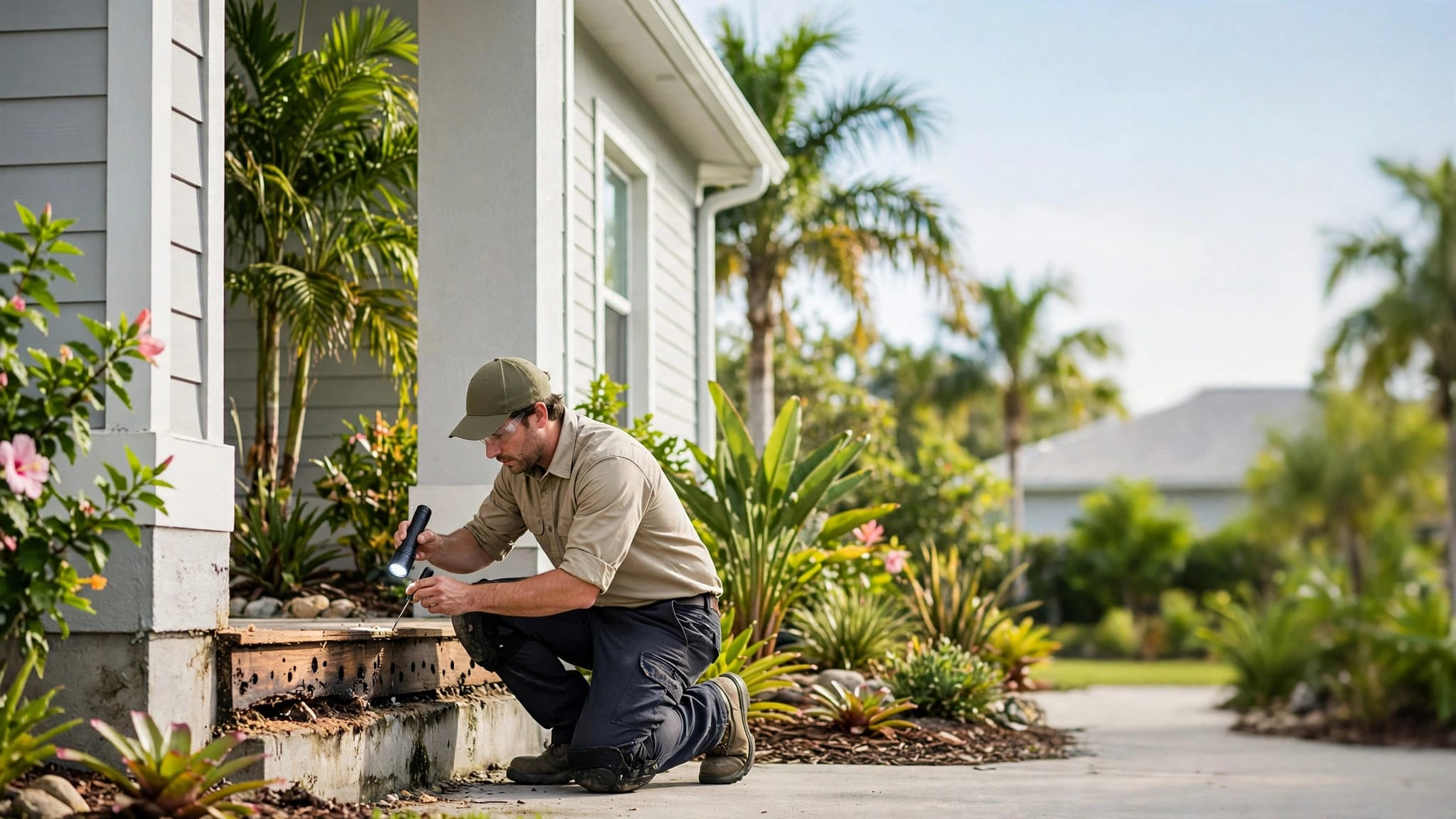
Concise attic and exterior inspection checklist
- Look for droppings on the ground, on window sills, or on the lanai deck under roof edges.
- Check soffits for loose panels , corners, and seams that don’t sit flush.
- Inspect gable vents and roof vents for torn screens or warped louvers.
- Scan roof edges for dark staining at one or two repeatable spots.
- At sunset, watch the roofline for 10 to 15 minutes to see exit points.
- From inside the attic (only if safe), look for piled guano below rafters and along truss chords.
- Note any daylight showing through roof-to-wall joints or around pipes.
Don’t rush to caulk everything the moment you find a gap. Sealing the wrong hole at the wrong time can trap bats inside , pushing them into walls or living spaces. For broader sealing and prevention habits that help with attic pests in general, see Effective Home Pest Control Strategies.
Legal, humane bat removal rules in Florida (2026) and the right cleanup steps
In Florida, bats are protected, and removal needs to be humane. Poisons and lethal control are not the answer , and they can create a bigger mess (dead bats in walls, odor, insects, and stressed animals ending up indoors).
Florida bat exclusion law and maternity season timing
The Florida Fish and Wildlife Conservation Commission (FWC) sets statewide guidance. As of February 2026, bat maternity season runs from April 16 to August 14 , and during that period it’s generally illegal to install exclusion devices without a permit because flightless pups can be trapped inside. Start with FWC’s official pages on Living with bats and bats in buildings.
That’s why bat removal Cape Coral projects are often scheduled before April 15 or after August 14 , unless an FWC-permitted situation applies.
What “humane exclusion” should look like
Outside maternity season, the ethical method is exclusion, not trapping:
- Identify every entry point (not just the main one).
- Pre-seal secondary gaps that bats could switch to when the main exit is blocked.
- Install one-way exclusion devices on primary exits so bats can leave at night but can’t get back in.
- Keep devices in place for several clear nights (often at least 4), then confirm no activity.
- Final seal and repair using durable materials that hold up to sun, rain, and storms.
If you’re unsure on timing or legality, get guidance first. If there’s any chance of rabies exposure, also review Florida Department of Health rabies information.
Cleanup steps for guano (and when to call remediation pros)
Guano cleanup is mostly about dust control and breathing protection. The biggest worry is typically histoplasmosis risk from disturbed droppings, not rabies.
For light to moderate amounts, use this approach:
- Wear PPE: N95 (or better) respirator , gloves, eye protection, and disposable coveralls.
- Ventilate if possible, then mist droppings with water (a light spray) to keep dust down.
- Do not dry sweep and don’t use a regular shop vac.
- Remove material carefully, bagging as you go, then HEPA vacuum remaining residue.
- Double-bag waste and dispose of it with household trash (unless a contractor advises otherwise for your situation).
- If insulation is contaminated, plan for removal and replacement , not just surface cleaning.
Call a professional remediation team if you have large piles, strong ammonia odor, stained drywall, or anyone in the home with asthma, COPD, or immune issues. And if bats are still present, stop and handle exclusion first.
For year-round help with pests that share attic space (and to keep gaps from turning into repeat problems), consider a local plan like Residential Pest Control in Cape Coral.
Conclusion
Bats in a Cape Coral attic usually start with a tiny gap and a predictable pattern of dusk and dawn noise. The fix is rarely loud or dramatic, it’s careful inspection , legal timing (especially April 16 through August 14), humane exclusion, then smart cleanup with the right PPE.
If you’re hearing those squeaks tonight, don’t seal holes blindly and don’t try to grab a bat. A proper bat removal plan keeps your family safe, protects Florida wildlife, and helps prevent the same colony from moving back in next season.
Schedule a Free Inspection: