Mud Dauber Wasps on Cape Coral Homes, What They Are, Why They Move In, and When to Remove Nests
You walk out to the lanai and there it is, a little lump of dried mud tucked into a corner. Maybe it looks like a row of clay tubes under an eave, or a dirt “cigar” stuck to the garage wall. The first thought is usually, “Great, wasps.”
In Cape Coral, mud dauber wasps are a common sight around homes, especially where there’s shade, shelter, and lots of spiders. The good news is they’re usually less risky than social wasps, but they can still be a nuisance on stucco, soffits, and pool cages.
This guide breaks down what mud daubers are, why they choose your house, and how to decide if a nest should stay or go.
Mud dauber wasps in Cape Coral: what you’re seeing on your walls
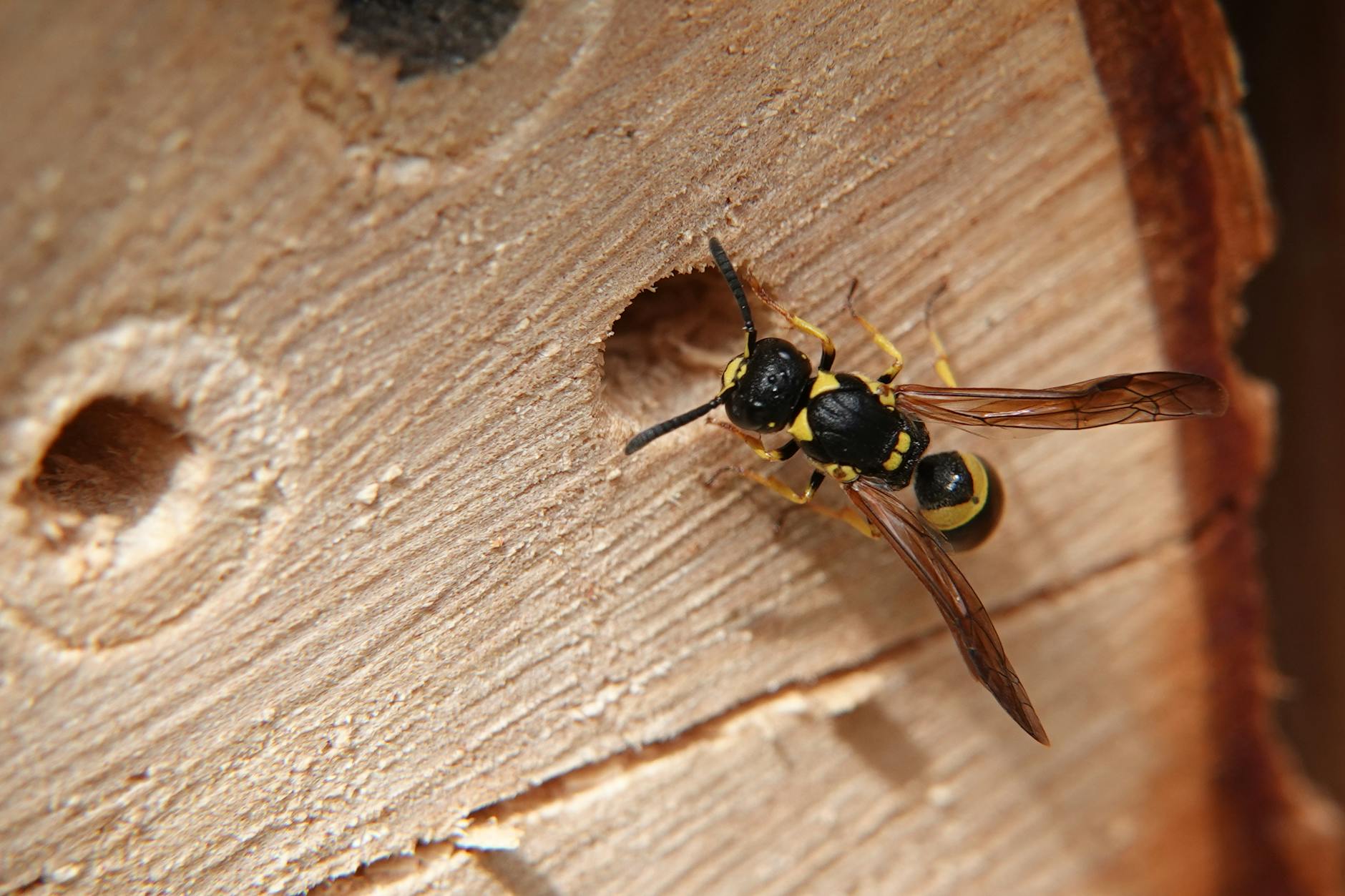
Photo by Patrick Droog
Mud daubers are solitary wasps . That single detail changes a lot. Instead of building a big paper nest with dozens of defenders, a mud dauber female works alone. She builds small mud “rooms,” stocks them with paralyzed spiders as food for her young, seals the chamber, and moves on.
Around Cape Coral homes, their nests usually show up as:
- Mud tubes (often a cluster) under soffits, overhangs, outdoor light fixtures, and inside garages
- Mud clumps in protected corners, behind shutters, under window sills, or on the frame of a pool enclosure
- Small mud cells tucked into cracks, gaps, and sheltered voids
People also confuse mud daubers with other wasps. A quick comparison helps:
- Mud daubers : Mud tubes or sealed mud cells, usually one wasp at a time, less likely to act aggressive.
- Paper wasps : Gray “paper” nests with open hexagon cells, often under eaves, multiple wasps guarding the nest.
- Yellowjackets : More defensive, usually tied to hidden nests in wall voids or underground (less common on exposed walls).
Mud daubers can sting, but they’re not built for guarding a colony. Most stings happen when someone grabs one, traps one in clothing, or scrapes a nest with an active adult on it. If you’ve got kids, pets, or anyone with a history of bad reactions, it’s smart to treat any wasp activity with respect.
Why mud daubers move in (and why they keep coming back)
Mud daubers don’t move in because your home is “dirty.” They move in because it works. Cape Coral homes offer the three things they want most: shelter, prey, and building material .
Shelter is the big one. Mud nests last longer when they’re protected from wind-driven rain and direct sun. That’s why you’ll see them under eaves, inside garages, on lanai ceilings, and in the quiet corners of pool cages. Even a small gap behind trim can be enough.
Prey is the next draw. Mud daubers hunt spiders, and Southwest Florida gives them plenty to work with. If your exterior lights pull in moths and gnats, you’ll get more spiders, which can bring in more mud daubers.
Building material is the final piece. After rainy stretches (common in our wet season), the soil stays damp and easy to shape. Irrigated landscaping, low spots in the yard, and garden beds can all become a mud source. You can’t remove every bit of mud from Cape Coral, but you can make nesting spots less appealing.
Here’s a short inspection and prevention checklist you can use once a month, or anytime you spot new mud:
- Check protected edges : soffits, porch ceilings, garage corners, behind shutters, and pool cage frames.
- Look for fresh mud : darker, damp-looking mud usually means new work.
- Watch wasp traffic : one wasp repeatedly landing in the same spot is a clue.
- Reduce spider hangouts : knock down heavy webbing around doors, corners, and light fixtures.
- Tighten up entry points : repair screens, add door sweeps, seal small gaps around trim and penetrations.
- Adjust night lighting : if possible, use less-attractive bulbs or aim lights downward to reduce insect buildup.
Prevention works best when it’s steady. If you remove nests but leave the same sheltered corners and spider buffet, they often come right back.
When to remove mud nests, safe DIY steps for inactive nests, and when to call a pro
Not every mud dauber nest needs an emergency response. If a small, old nest is high under an eave and no one goes near it, you can choose to leave it alone. But there are times when removal makes sense:
Remove nests when they’re near doors , on frequently used patios or lanais, close to kids’ play areas, inside garages where hands and tools bump the walls, or anywhere they create a mess on paint or stucco. Also remove them if you’re seeing repeat building in the same spot, because old nest material can encourage re-use of a “safe” location.
How to tell if a mud dauber nest is inactive
A simple rule is observation. If you don’t see a wasp visiting that spot for several days, it may be inactive. Fresh mud can look darker and softer. Older nests are usually lighter, dusty, and harder.
If you see an adult actively working, or you’re not sure, treat it as active.
DIY removal for inactive nests (simple and low-risk)
If the nest appears inactive and is easy to reach from the ground:
- Suit up lightly : closed-toe shoes, gloves, and eye protection help with falling grit.
- Work in cooler hours : early morning or evening is calmer for most insects.
- Scrape gently : use a plastic putty knife or scraper to avoid gouging paint or stucco.
- Bag the debris : drop pieces into a trash bag so mud and spiders don’t scatter.
- Clean the spot : mild soap and water is usually enough; test any stronger cleaner on a small area first.
- Fix the “why” : seal gaps, repair screens, and reduce spider webs nearby.
Avoid spraying random insect killer on walls just because you see mud. Sprays often miss the real problem (the sheltered spot and the spider activity), and they add chemical residue where people touch.
When it’s time to call a professional
Get help if the nest is active and located where people pass close by, if it’s high on a second story, if it’s inside a tight void, or if anyone in the home has allergy risk . A licensed pest professional can confirm the insect ID, remove nests safely, and recommend prevention steps that fit your home’s layout. If mud daubers are showing up constantly, it can also be a sign that your exterior has strong spider pressure that needs a broader plan.
Conclusion
Mud dauber wasps are usually more helper than hazard, but they don’t belong everywhere on a Cape Coral home. If a nest is inactive and easy to reach, careful scraping and cleanup can solve the immediate problem, as long as you also reduce the sheltered corners and spider activity that drew them in. For active nests, tricky locations, or anyone with sting concerns, professional removal is the safer choice. The goal isn’t perfection, it’s keeping your home comfortable and keeping stings and surprises to a minimum.
Schedule a Free Inspection: