Springtails in Cape Coral homes, why they show up after rain, and how to dry them out for good
You clean the floors, you keep the kitchen tidy, and then it rains hard in Cape Coral and suddenly tiny specks are hopping near a baseboard or around a shower. It feels random, but it isn’t.
Springtails in Cape Coral usually pop up when moisture spikes, indoors or out. They’re nuisance pests, not dangerous ones, and they don’t want your pantry food or your furniture. What they want is dampness, the thin film of moisture you can’t always see.
The good news is you can get long-term control without turning your home into a pesticide zone. The goal is simple: dry the environment that supports them.
Why springtails show up after Cape Coral rain (and why it feels sudden)
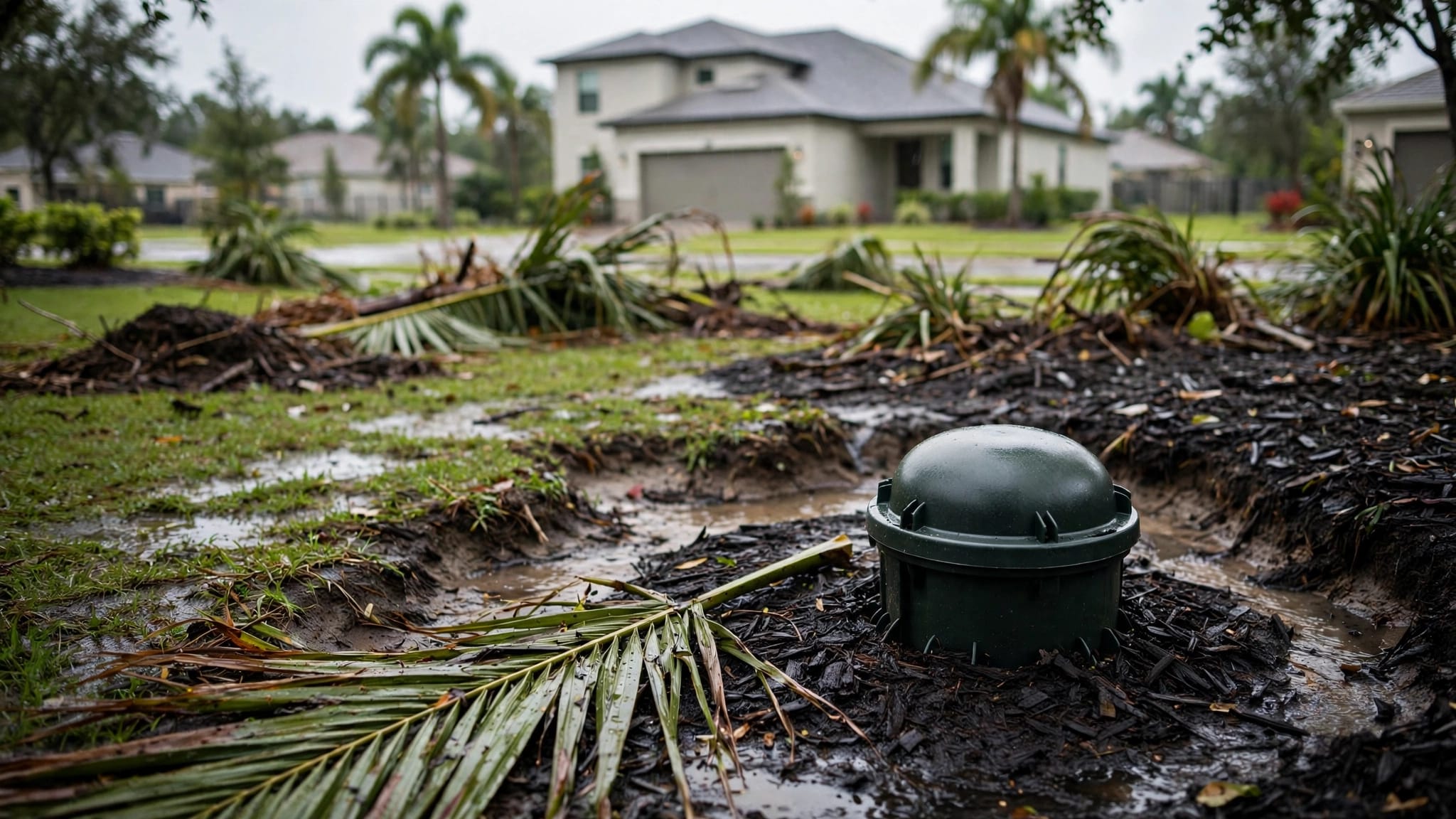
Springtails live outdoors in soil, mulch, leaf litter, and damp areas where fungi and organic debris build up. After heavy rain, those spaces can become waterlogged. When that happens, springtails move. Think of it like a crowd leaving a flooded parking lot, they spread out fast, and some end up in garages, lanais, and homes.
Cape Coral conditions make this more likely. Warm temperatures, frequent downpours, and yards with irrigated landscaping create steady moisture pockets. Add common Florida home features (slab foundations, tile floors, humid air sneaking in at door gaps), and springtails can find plenty of damp hiding spots.
What you’re seeing indoors is usually one of these scenarios:
- Moisture rises quickly inside (high indoor humidity after storms, AC set too warm, windows fogging).
- Water intrudes (a small leak, wet drywall, damp baseboards, a sweaty pipe).
- They’re pushed in from outside (mulch against the wall, soggy beds near the foundation, water pooling by the entry).
Quick ID: springtails vs fleas, ticks, and gnats
A lot of homeowners first assume “fleas” because of the jumping. The details matter.
| Pest | Size and look | Movement | Where you’ll notice them |
|---|---|---|---|
| Springtails | Tiny dots, often gray, black, or white | Hop or spring when disturbed | Damp spots: bathrooms, sinks, baseboards, potted plants |
| Fleas | Small, darker, laterally flat | Jump, but usually found with pets | Pet bedding, carpet, ankles |
| Ticks | Larger, oval, 8 legs | Crawl, don’t hop | On pets, outdoor edges, sometimes walls |
| Gnats | Tiny flying insects | Fly, don’t hop | Near fruit, drains, trash, plants |
If they collect near moisture and “pop” away when you touch them, springtails are the best bet. For a Florida-specific overview of springtail behavior, UF/IFAS describes how they build up in damp areas and around mulch and potted plants.
Dry them out indoors: the moisture-first plan that actually lasts
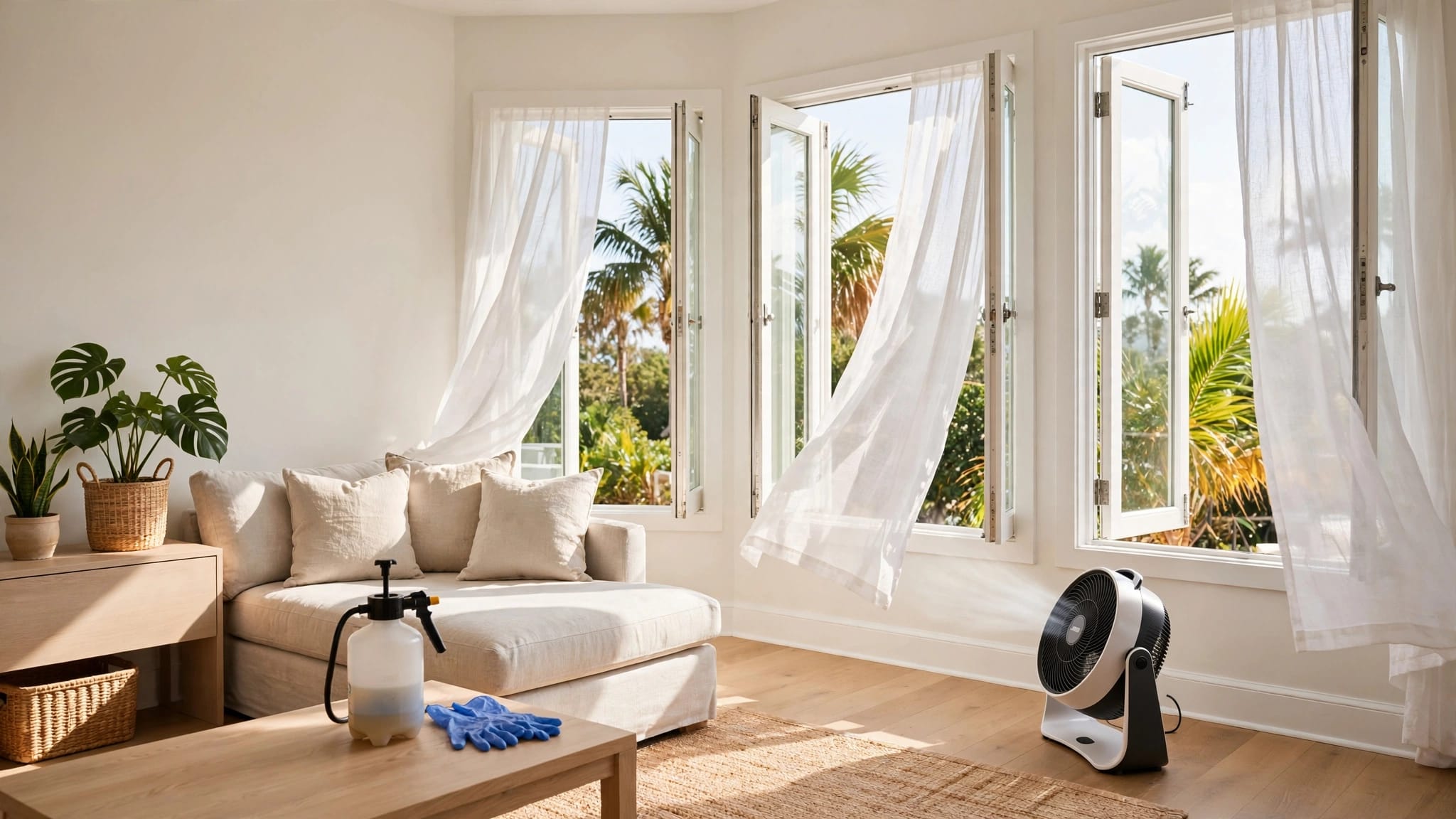
If you only spray and the humidity stays high, springtails often come back. Indoor control is about removing their comfort zone. Your target is 45 to 55 percent indoor relative humidity (RH) . Below that, springtails struggle to survive and reproduce.
Start with the basics that work in Cape Coral homes:
Run the AC the right way. Oversized systems can cool fast and leave moisture behind. Keep fan mode on “Auto” (not “On”), and avoid setting the thermostat so high that the system barely runs. Consistent runtime helps pull moisture from the air.
Use a dehumidifier when storms stack up. If you can’t keep RH under 55 percent, a portable unit can bridge the gap, especially in bedrooms, closets, and problem hallways. Empty it daily or use a drain hose.
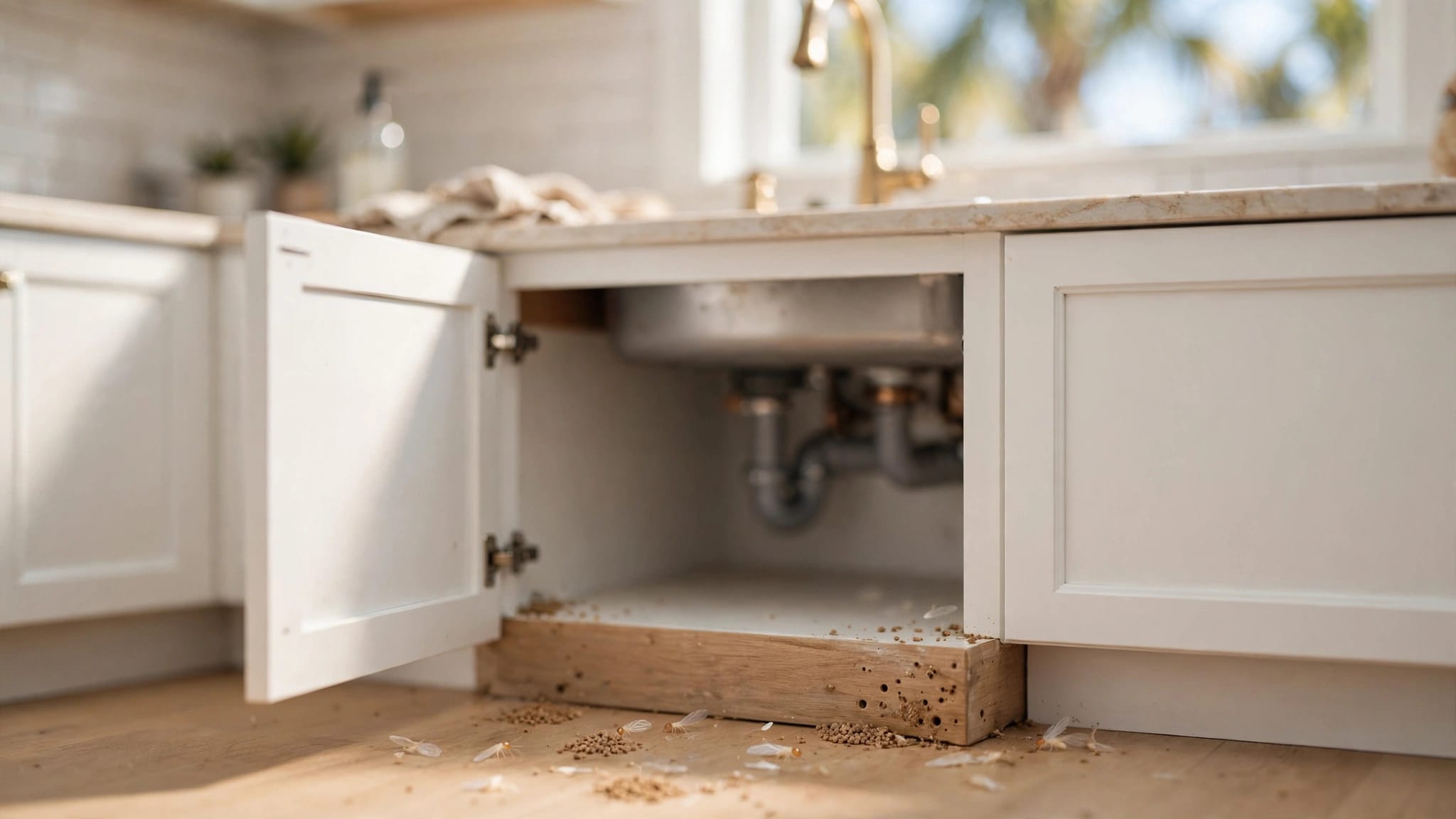
Fix hidden water sources. Springtails love what you don’t notice:
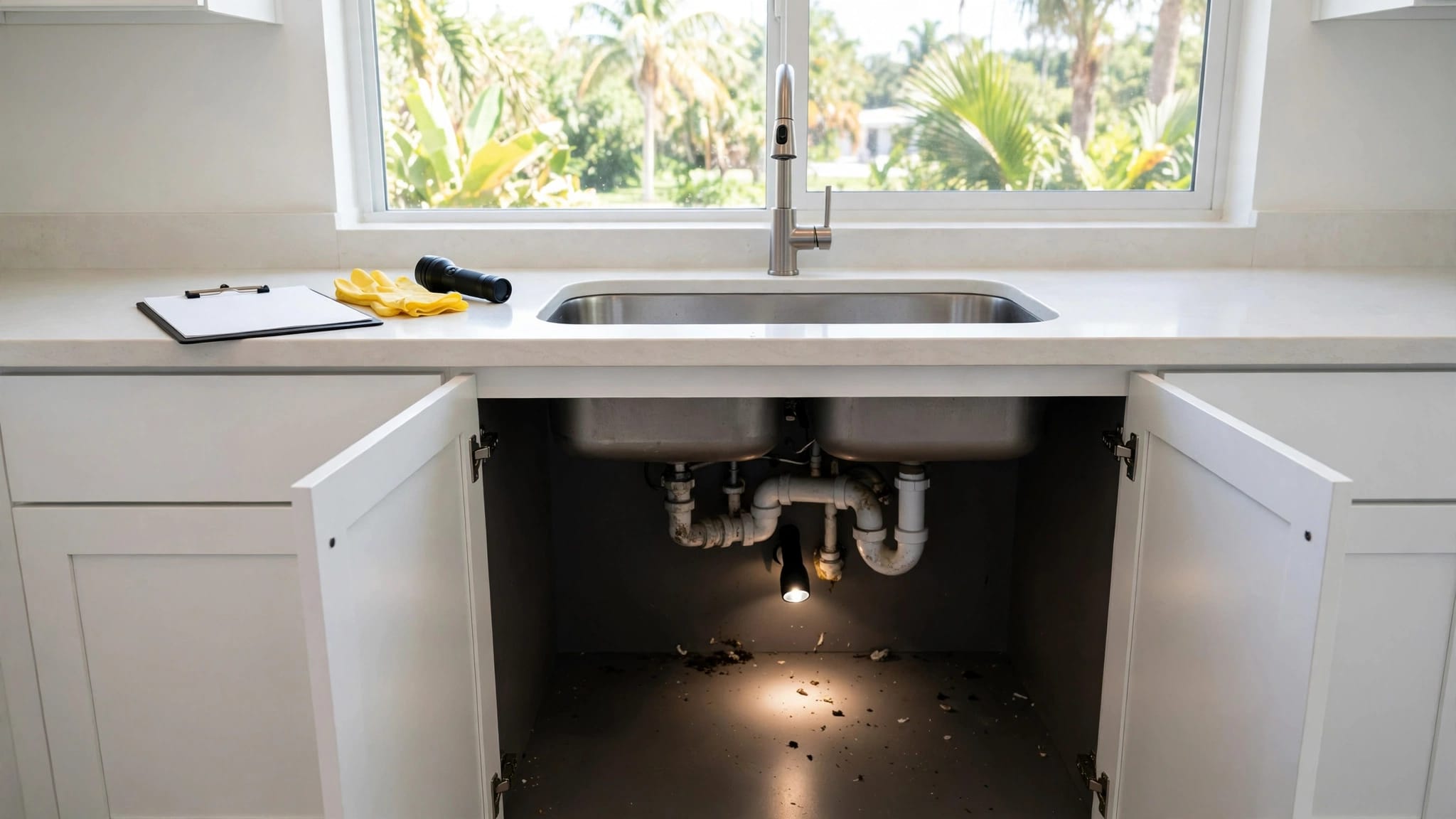
- Under-sink drips and slow supply-line leaks
- Condensation on cold water pipes
- Wet bath mats and damp towel piles
- AC condensate line issues and overflow pans
- Shower grout gaps that keep walls damp
Improve bathroom ventilation. Run the exhaust fan during showers and for 20 minutes after. If the fan is weak, it’s not doing you any favors.
Post-rain actions (first 24 to 48 hours)
Right after heavy rain, do these quick steps to prevent a mini surge indoors:
- Check RH with a cheap hygrometer. If it’s over 55 percent, run AC and a dehumidifier.
- Dry wet entry points (door thresholds, lanai tracks, garage edges).
- Vacuum any springtails you see (empty the canister outside).
- Wipe clusters with soapy water, it breaks the surface tension and helps trap them.
- Set a few sticky traps along baseboards in damp rooms to confirm activity zones.
Safe DIY measures that help while you dry the house
Sprays aren’t the main fix, but you can still reduce the numbers safely:
- Vacuuming : Fastest way to knock down visible activity without spreading residue.
- Soapy water wipe-downs : Helpful on tile, around tubs, and windowsills.
- Sticky traps : Great for tracking where they’re coming from.
- Seal obvious gaps : Door sweeps, cracked caulk at baseboards, gaps around plumbing penetrations.
- Potted plant soil management : Let soil dry between waterings, remove decaying leaves, and avoid keeping saucers full of water.
If you’re seeing springtails daily and RH is already controlled, that’s a sign of a leak or damp material that needs a closer look.
Stop the source outside: keep water and damp organic buildup away from the foundation
Indoor drying works best when the yard isn’t feeding the problem. After rain, springtails can build up in wet mulch and saturated soil right against your home, then slip inside through small openings.
Focus on moisture and habitat control outside:
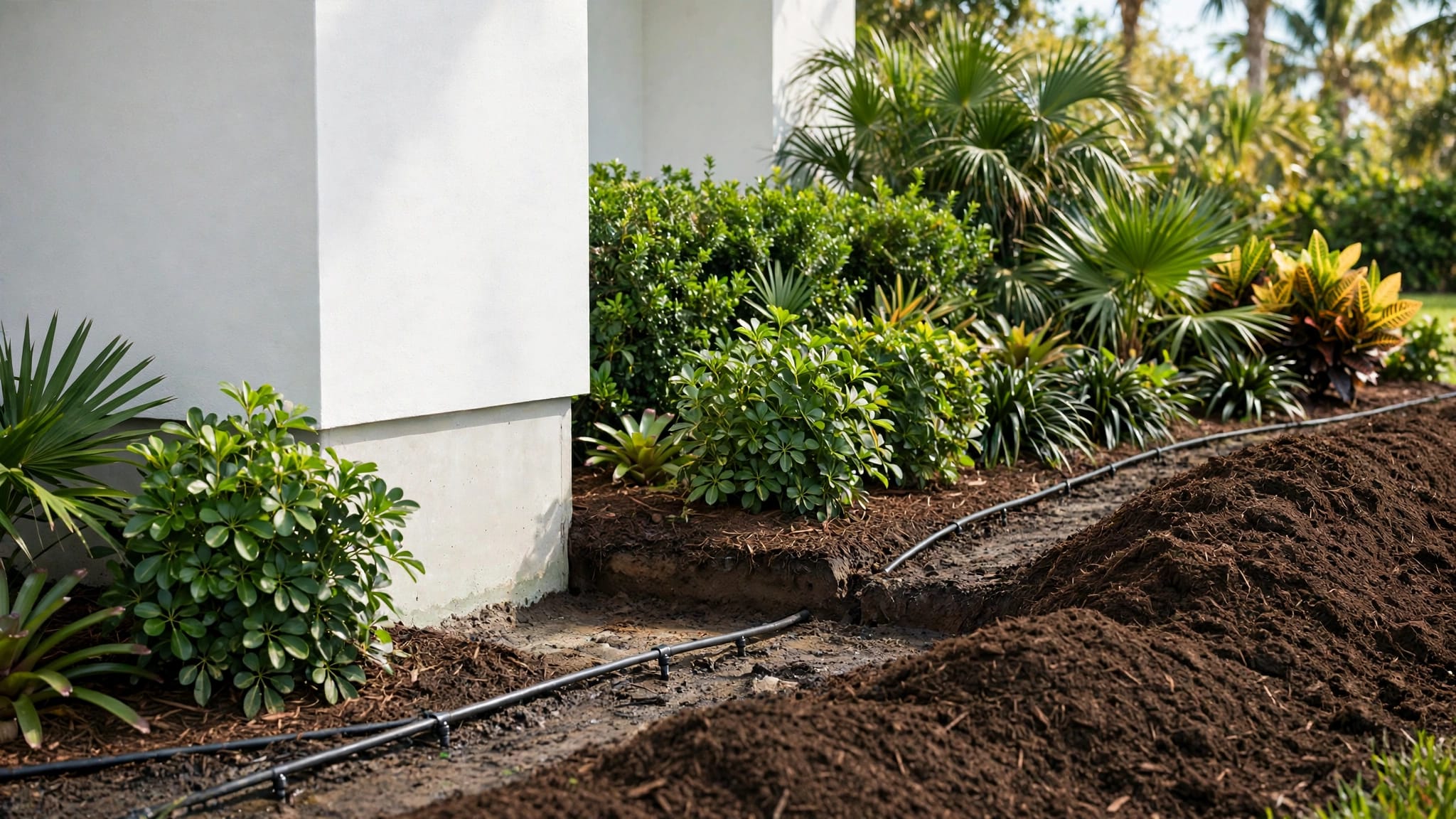
Keep soil and mulch from staying soggy. Mulch should be thin enough to dry, not a sponge layer. Avoid piling it against stucco or siding.
Trim vegetation off the walls. Plants touching the house hold moisture and block airflow. They also create shaded damp pockets where springtails thrive.
Watch grading and drainage. Water should move away from the foundation, not sit near entryways. If you get puddles after storms, that area needs attention.
Be smart with irrigation. Don’t water in the evening right before humid overnight hours. Early morning is better, and rain sensors should be working. Overwatering is a common reason springtails keep returning even in “dry” weeks.
Mind lanais and entry thresholds. Debris in tracks and corners holds moisture. A quick rinse is fine, but dry it out afterward.
A realistic 7 to 14 day checklist for Cape Coral homeowners
Use this as a short reset plan after a rainy stretch:
- Measure indoor RH twice a day, aim for 45 to 55 percent .
- Run bathroom fans correctly, and clean dusty fan grilles.
- Inspect under all sinks and behind toilets for slow leaks.
- Check the AC drain line and overflow pan for clogs or standing water.
- Dry any damp baseboards or drywall, and don’t ignore soft spots.
- Reduce potted plant watering, and remove wet saucers.
- Pull mulch back a few inches from the wall, keep depth moderate.
- Trim shrubs and groundcover so air can move near the foundation.
- Adjust irrigation timing, confirm the rain sensor works.
- Place sticky traps for a week to confirm where activity is highest.
- Seal easy gaps at doors, plumbing entries, and cracked caulk lines.
- Re-check after 14 days, numbers should drop sharply if moisture is handled.
When to call a pro
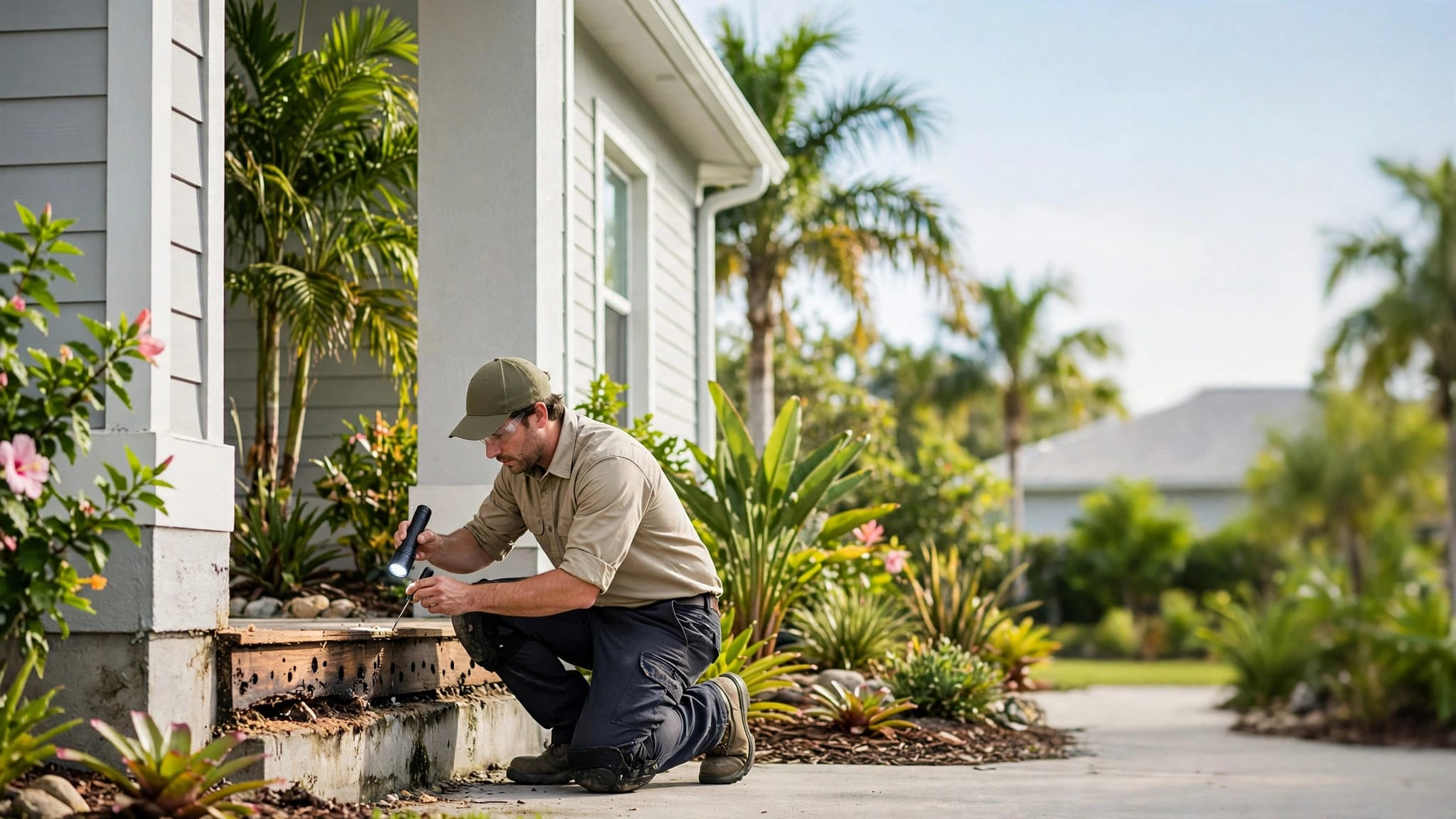
Springtails are manageable, but some cases need trained eyes. Bring in help if you notice persistent high humidity , a musty or mold smell , bubbling paint, damp drywall, or large numbers that return even after you’ve dried the home. A professional inspection can help spot hidden leaks, problem drainage zones, and the exact entry points so you’re not guessing.
Conclusion
Springtails after rain are common in Southwest Florida, and springtails Cape Coral sightings don’t mean your home is dirty or unsafe. They’re a moisture signal. Get indoor RH into the 45 to 55 percent range, dry any wet materials fast, and reduce outdoor damp zones near the foundation. Once you take away the moisture, springtails usually fade out on their own. If they don’t, it’s time to track down the hidden water source and fix it for good.
Schedule a Free Inspection: