Pantry moths in Cape Coral kitchens, how they get in, where they hide, and how to stop the cycle
You open a cabinet in your Cape Coral kitchen and a small tan moth flutters out. Annoying, sure. The bigger issue is what you don’t see yet: the eggs and larvae tucked into food packages and cabinet cracks.
Pantry moths don’t come from dirty homes. They usually hitch a ride inside groceries, then Florida heat helps them multiply fast. The good news is you can break the cycle without turning your kitchen into a chemical zone.
How pantry moths get into Cape Coral homes (it’s usually the groceries)
Most pantry moth infestations start the same way: a box, bag, or container already has eggs or tiny larvae in it. You bring it home, put it on a shelf, and weeks later you notice moths near the ceiling light. Pantry moths can come in with flour, cereal, rice, pasta, nuts, baking mixes, spices, dried fruit, chocolate, birdseed, and even pet food.
Cape Coral’s climate adds fuel to the fire. Warm temps and humidity can shorten the time it takes moths to go from egg to adult. That means a small problem can turn into a steady “moth a day” situation that feels never-ending.
A few local habits raise the risk too:
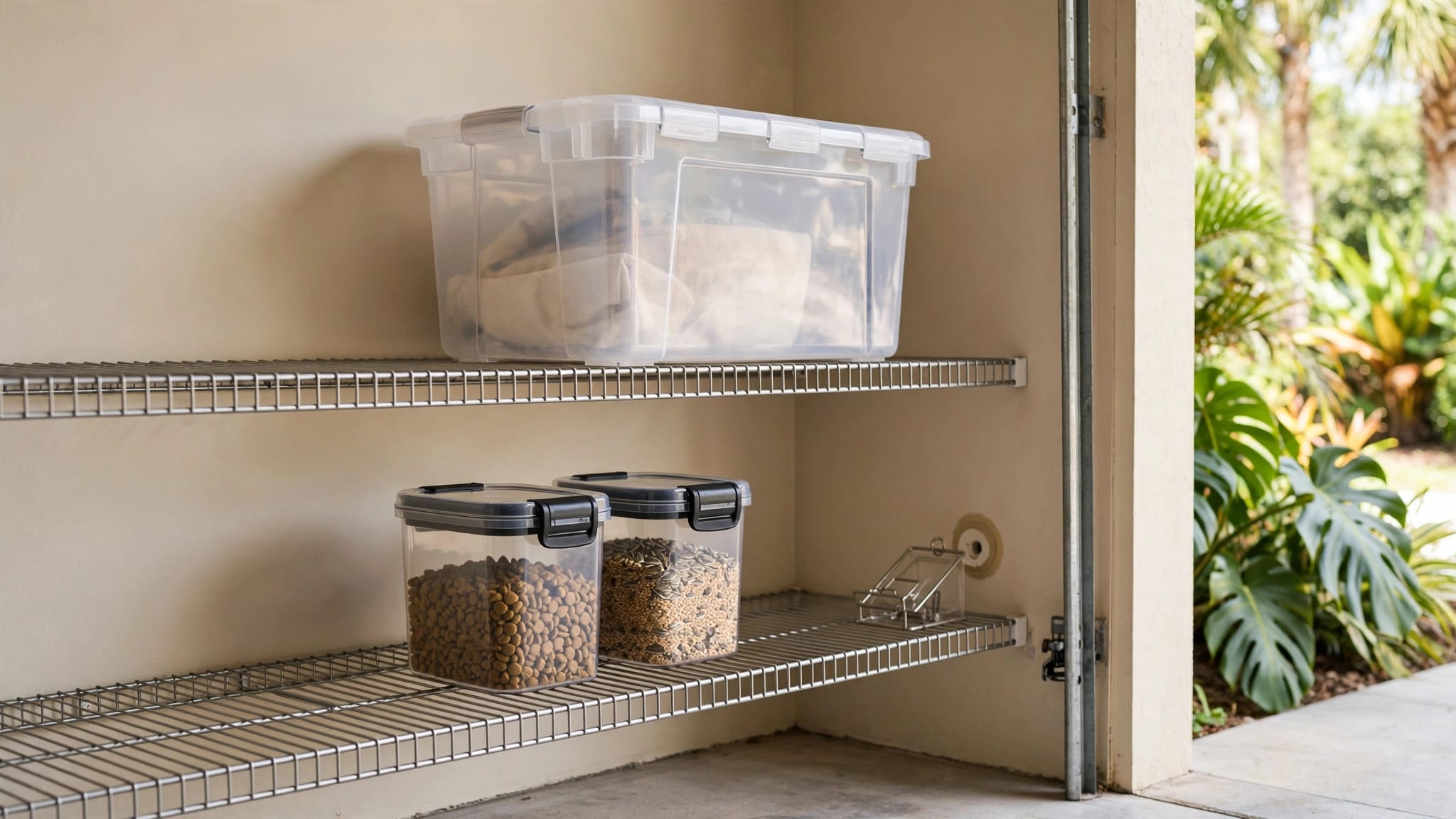
Garage storage is a big one. Bulk bags of dog food, birdseed, and hurricane supplies often live in the garage, where heat speeds up insect activity. Then you carry items inside and the infestation comes with them.
Hurricane-supply pantries can also be a hidden source. Long-stored dry goods are convenient during storm season, but they’re also a perfect moth buffet if packaging isn’t sealed tight.
If you’re seeing repeated issues or you want a second set of eyes, a professional inspection can help confirm the source and prevent repeat outbreaks. This is the same “find the source first” approach used in Residential pest control services in Cape Coral, just focused on kitchen storage pests.
Where pantry moths hide (and the signs homeowners miss)
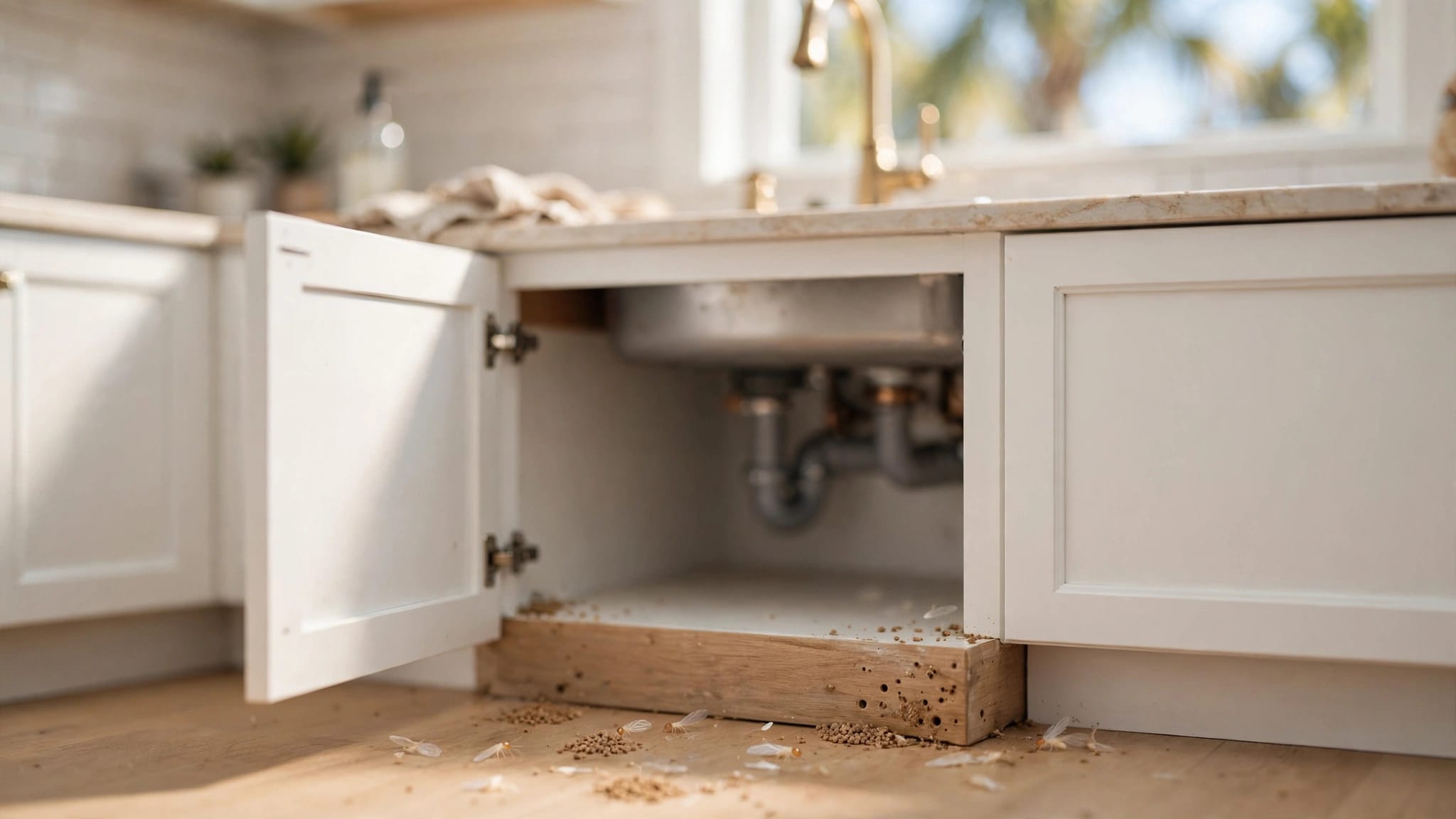
Adult moths are the tip of the iceberg. The real damage comes from the larvae, which look like tiny off-white caterpillars. They feed inside products, then wander away to pupate. That wandering stage is why people find them nowhere near the food.
Common hiding spots in Cape Coral kitchens include:
Inside package seams and folds, especially in flour bags, cereal liners, and zip-top closures
Behind shelf-pin holes, cabinet corner braces, and drawer slides
Under shelf paper, in the lip of lazy Susans, and along door hinges
In tight gaps where shelves meet side walls
Up high, where larvae crawl to spin cocoons near crown molding or ceiling corners
In seldom-opened bins, especially “backup” baking supplies
What should you look for? Webbing is a big clue. Pantry moth larvae leave silky threads that clump food together. You might also see gritty debris (frass) in corners, or “dust” that keeps returning even after you wipe.
This is also why foggers don’t solve pantry moths. Foggers float in open air, but larvae and eggs are protected inside packaging and cracks. Foggers can also contaminate food-contact areas, and you still have to throw out infested items afterward.
Good home prevention basics matter here too, like sealing gaps and reducing indoor humidity when possible. For broader Florida pest-proofing habits that support pantry moth control, see Bug prevention guide for Florida homes.
Stop the cycle in your kitchen (a 30+ day plan)
Breaking a pantry moth problem is like pulling weeds. If you only trim what you see, it grows back. You need to remove the food source, clean the hiding spots, then monitor long enough to catch the stragglers.
Stop the Cycle checklist (practical, low-tox first)
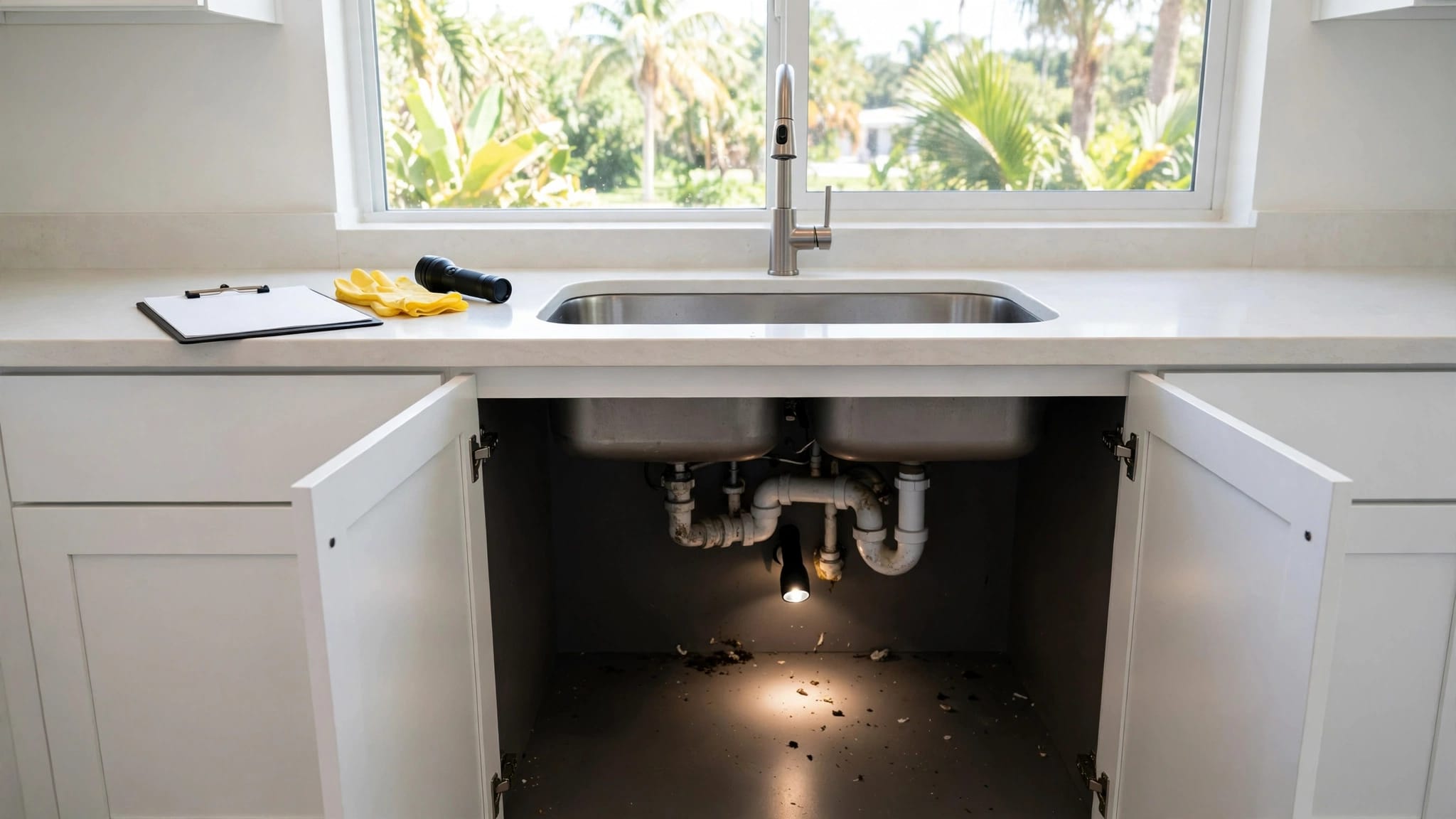
- Inspect with a purpose : Pull everything out. Use a flashlight and check package seams, corners of shelves, and the underside of lids. Don’t forget pet food, birdseed, and “emergency pantry” bins.
- Discard and triage rules
:
Throw out anything with webbing, larvae, cocoons, or odd clumping. If you’re unsure, don’t “wait and see.” Put discards in a sealed bag and take it outside immediately.
If an item seems clean but you want to keep it, isolate it. Freezing for several days can help, but it’s not a substitute for cleaning and monitoring. - Deep-clean the pantry : Vacuum first (corners, shelf holes, cracks). Then wipe with warm soapy water. Pay extra attention to shelf edges and door corners where cocoons stick. Avoid soaking wood joints.
- Vacuuming and disposal : Use a crevice tool. When you’re done, remove the vacuum contents right away. Seal it in a bag, take it outdoors, and put it in the outside trash. If you’re using a bagless vacuum, empty and wash the canister.
- Seal food in airtight containers : Move dry goods into hard containers with tight lids (gasketed if possible). Thin plastic and cardboard aren’t protection. In Florida garages, use sturdy bins with tight lids for bulk storage.
- Monitor for 30+ days : Pantry moths don’t disappear overnight. Keep traps (more below), keep checking corners weekly, and keep new groceries isolated until you’re confident the cycle is broken.
Pheromone traps: where to place them and what they can’t do
Pheromone traps are helpful for monitoring and reducing males, but they won’t remove eggs or larvae. Place traps near the pantry area, not inside cabinets where they can stick to food containers. Use one per problem area, and keep them away from open windows or strong airflow.
If you catch moths for a week, then nothing, that’s progress. If you keep catching moths after cleaning and discarding, it usually means there’s still a hidden source.
If moths keep coming back: quick troubleshooting and FAQs
If you’re still seeing moths after 2 to 3 weeks, focus on two causes:
Missed source : Check rarely used items (spices, cake mixes, pet treats), the garage bulk bin, and pantry shelf-pin holes for cocoons. Also inspect bags stored in a secondary pantry or laundry room.
Reinfestation from new groceries : Start a habit of inspecting and sealing dry goods right away. In Cape Coral, it’s common to stock up before storm season, so don’t leave backup supplies in original packaging.
FAQ: Should I spray insecticide in the pantry?
Avoid spraying where food or dishes are stored. Many products are not meant for food-contact areas, and sprays don’t fix the root issue. Source removal and cleaning come first.
FAQ: Do I need to throw away everything?
No, only items that show signs or were stored in high-risk packaging. The goal is smart triage, not wasting good food.
FAQ: When should I call a pro?
If you’ve cleaned, sealed, trapped, and you still see activity, it’s time for an expert inspection. If you’re comparing providers, use Key questions for hiring a Cape Coral exterminator
to help you choose someone who focuses on finding the source, not just spraying.
Conclusion
Seeing a few pantry moths can feel like a mystery, but it’s usually a simple story: an infested product came home, larvae hid where you don’t look, and Florida warmth sped things up. The fix is just as straightforward, remove the source, deep-clean cracks, store food in airtight containers , and monitor for at least 30 days. If the moths keep showing up, don’t assume you failed, assume there’s a missed source or a fresh hitchhiker in new groceries.
Schedule a Free Inspection: