Flea Control for Cape Coral Homes With Pets, How to Treat Indoors and the Yard Without Wasting Money
If fleas show up in your Cape Coral home, it can feel like you’re trying to bail out a boat with a spoon. You treat the dog, then you see bites again. You spray the living room, then they pop up in the bedroom. The truth is, fleas win when the plan is scattered.
Real flea control Cape Coral homeowners can count on is a simple, connected system: treat every pet, hit indoor hot spots (not the whole house), and target the shady yard zones where fleas actually grow.
Why fleas keep coming back in Cape Coral (even in January)
Cape Coral’s warmth and humidity keep fleas active much of the year, and January doesn’t always give you a clean break. Even when you stop seeing adult fleas, the home can still be “loaded” with the life stages you can’t see.
Here’s the money trap: most of the flea problem is not the adults you spot. Eggs and larvae build up in carpets, pet bedding, sofa seams, and floor cracks. Pupae can “wait” and then hatch when they sense heat and movement. That’s why you can treat once and still see fleas later.
A solid plan targets the whole cycle:
- Adulticides knock down biting adults.
- IGRs (insect growth regulators) keep eggs and larvae from becoming new adults (common examples are pyriproxyfen and (S)-methoprene ).
- Cleaning removes eggs and larvae and improves how well treatments work.
If you skip any one of these, you usually end up paying twice.
Treating pets is non-negotiable (or nothing else sticks)
If pets aren’t protected, indoor and yard work becomes a loop. One untreated cat or dog can keep re-seeding fleas into every room they nap in.
Start here:
- Put every pet on a vet-recommended flea preventive, including indoor-only pets.
- Keep it consistent for at least 90 days , because you’re outrunning a life cycle, not just killing what you see today.
- Use products labeled for the species and weight, and follow the dose schedule.
For safe, label-based guidance on pet products, see the EPA’s tips for controlling fleas and ticks on your pet.
What not to mix on pets
- Don’t stack multiple topical treatments unless your veterinarian tells you to.
- Never use dog-only permethrin products on cats (cats can get very sick).
- Skip “home remedies” that aren’t on a real label. If there’s no directions, there’s no safety margin.
Indoor flea treatment that saves money (targeted, not “spray everything”)
Indoor treatments work best when you aim at where fleas develop and where pets spend time. Blanket spraying open floors wastes product and still misses the cracks and edges fleas like.
A good indoor approach usually looks like this:
- Vacuum first , then treat.
- Use an indoor product labeled for fleas that includes an adulticide + IGR , or use an IGR as part of the plan.
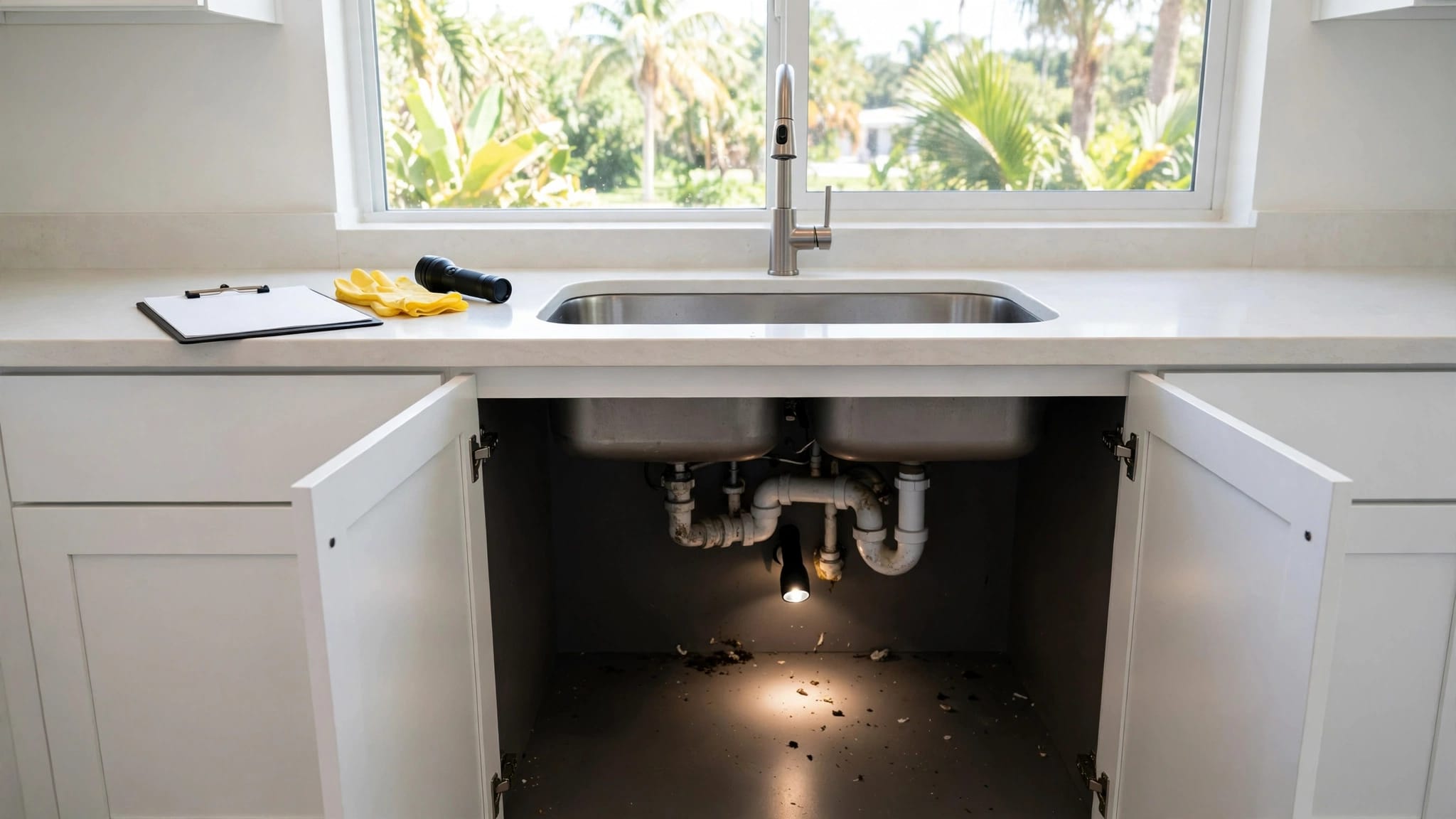
- Focus on edges, resting spots, and hidden gaps , not the middle of the room.
For practical indoor steps like vacuuming key areas, review the EPA’s guidance on controlling fleas around your home.
Indoor checklist (do this before and after treatment)
- Vacuum daily for 7 to 10 days , then every other day for 2 weeks (carpet, rugs, couches, under cushions).
- Empty the vacuum outside into a sealed bag.
- Wash pet bedding and throw blankets in hot water, then dry on high heat.
- Treat pet resting areas , rug edges, under furniture, and baseboards .
- Apply to cracks and crevices where eggs and larvae fall (floor joints, under kick plates).
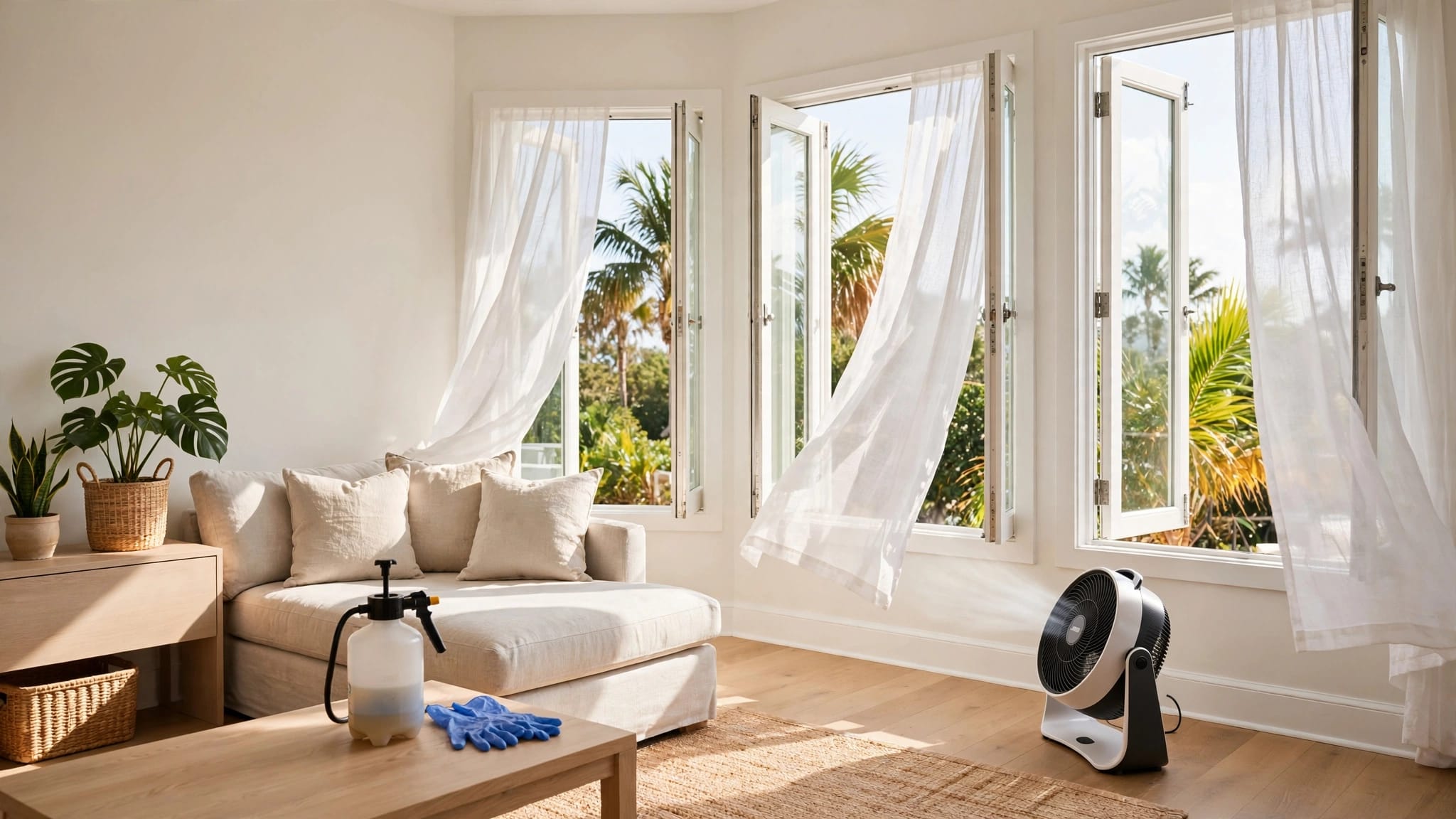
- Keep kids and pets out until treated surfaces are fully dry , and cover fish tanks during application.
Avoid these indoor money-wasters
- Foggers (“bug bombs”) : they don’t push chemical into carpet backing or under furniture well, and they can create safety issues.
- Over-applying: more product doesn’t mean more control, it often means more residue and more risk.
Yard flea control in Cape Coral: treat the shade, not the whole lawn
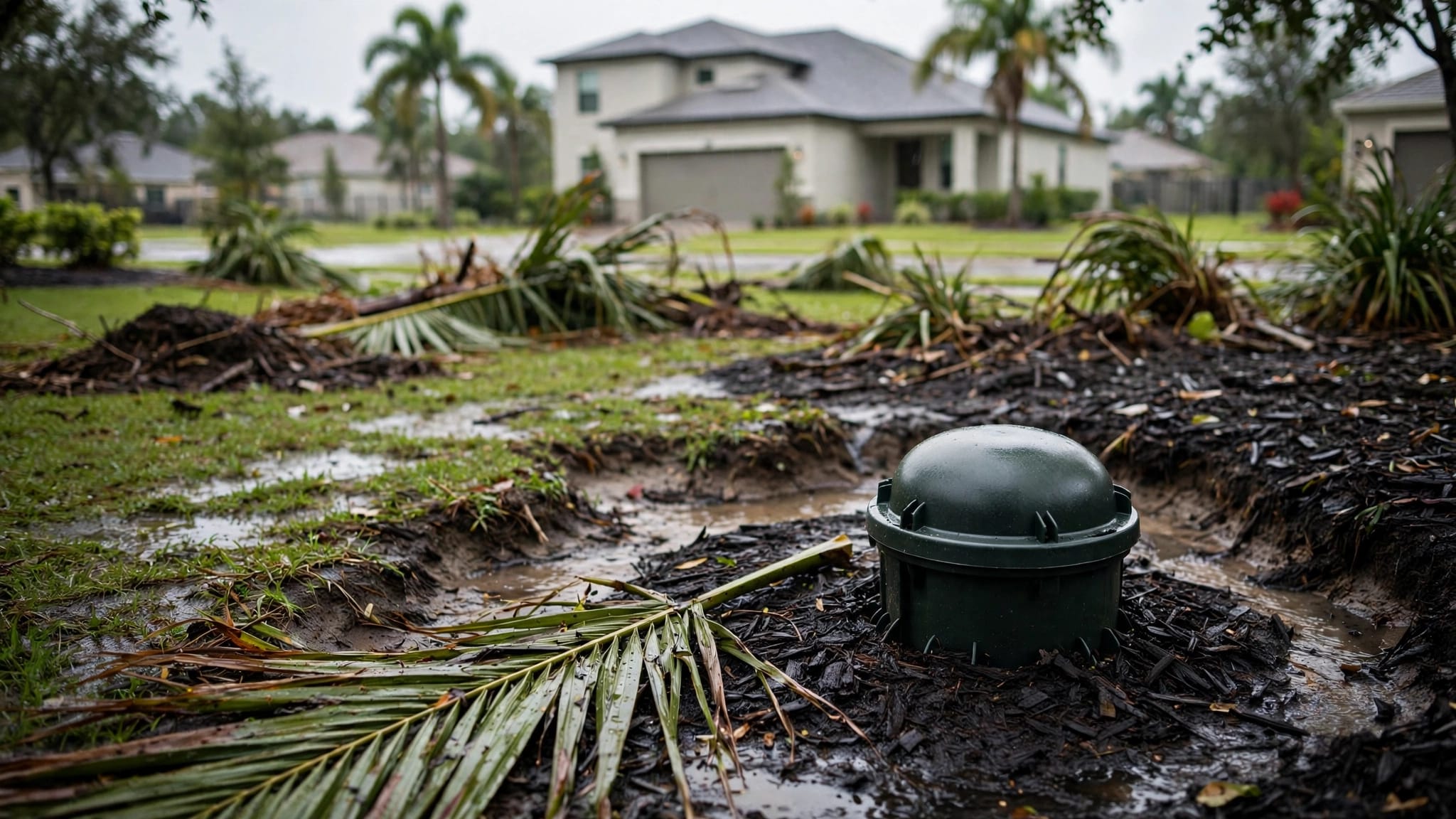
Most fleas in yards don’t live in the sunny center of the grass. They grow in protected, slightly damp areas where pets rest and wildlife passes through. If you spray everything evenly, you’ll spend more and still miss the breeding pockets.
Think “map, then treat.” Walk your yard and mark:
- Where your pets lie down
- Where you see squirrels, raccoons, or stray cats moving through
- Where the ground stays shaded after 10 a.m.
Yard checklist (target these zones)
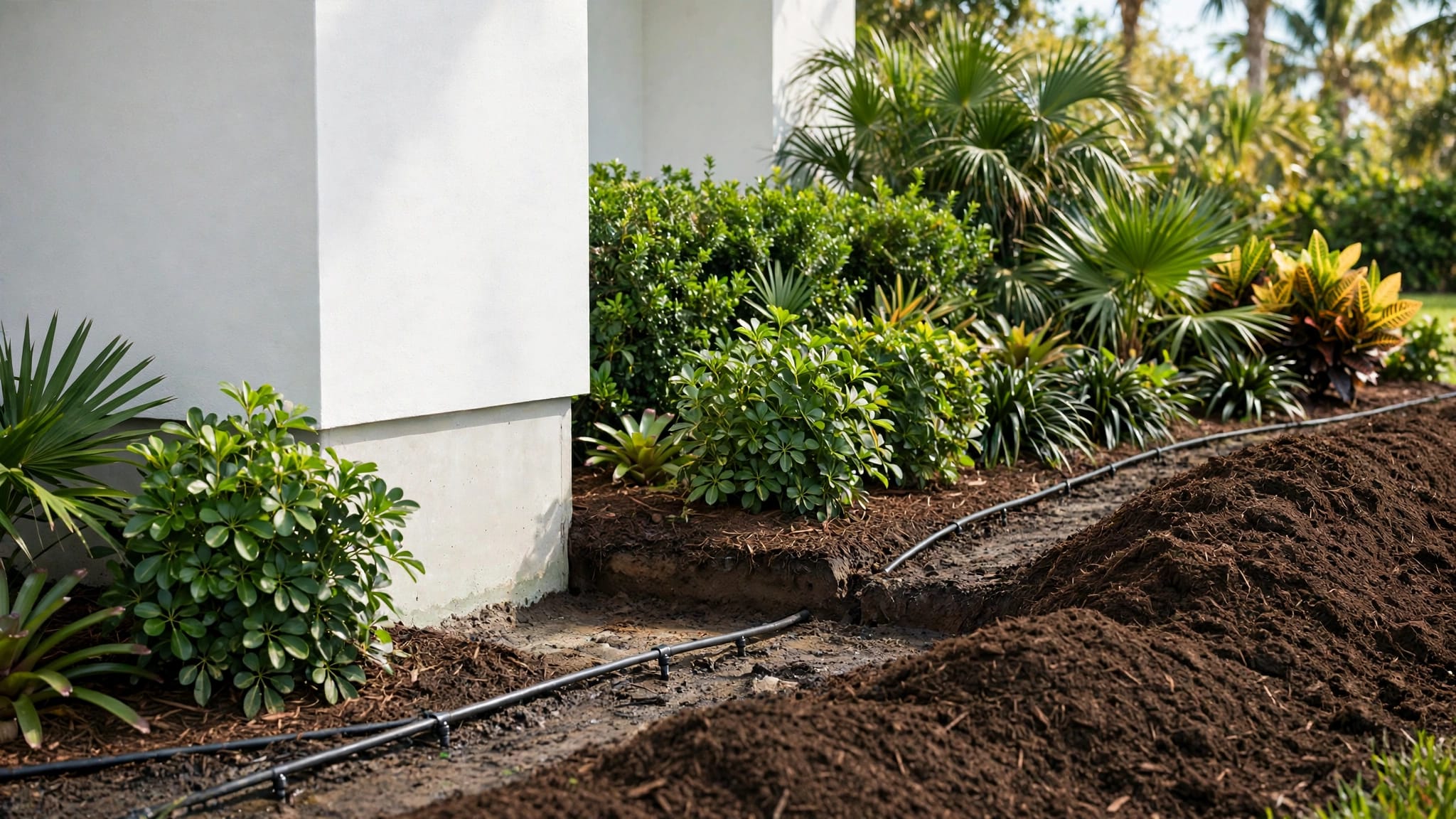
- Under shrubs and hedges , especially along the house line
- Under decks, lanais, and outdoor steps
- Along fence lines and gate corners
- Dog runs , potty areas, and shaded paths
- Mulch beds where pets nap
- Around kennels and outdoor pet bedding (better yet, remove bedding and wash it)
Timing tips (so rain doesn’t erase your effort)
- Apply on a dry day when rain isn’t expected soon. Many labels call for a dry window before and after.
- Don’t irrigate right after treatment. Let it dry and settle first.
- If you have heavy shade and thick mulch, that’s a high-return area for an IGR because it helps stop new fleas from maturing.
A common cost-saving move is combining mechanical cleanup (raking debris, trimming low branches, removing damp leaf piles) with a targeted application rather than treating the entire lawn.
DIY vs pro flea control (and what it usually costs in SW Florida)
DIY can work for light infestations, especially if you’re consistent with pet protection and cleaning. Pros make sense when fleas are widespread, you have multiple pets, or the yard is feeding the problem.
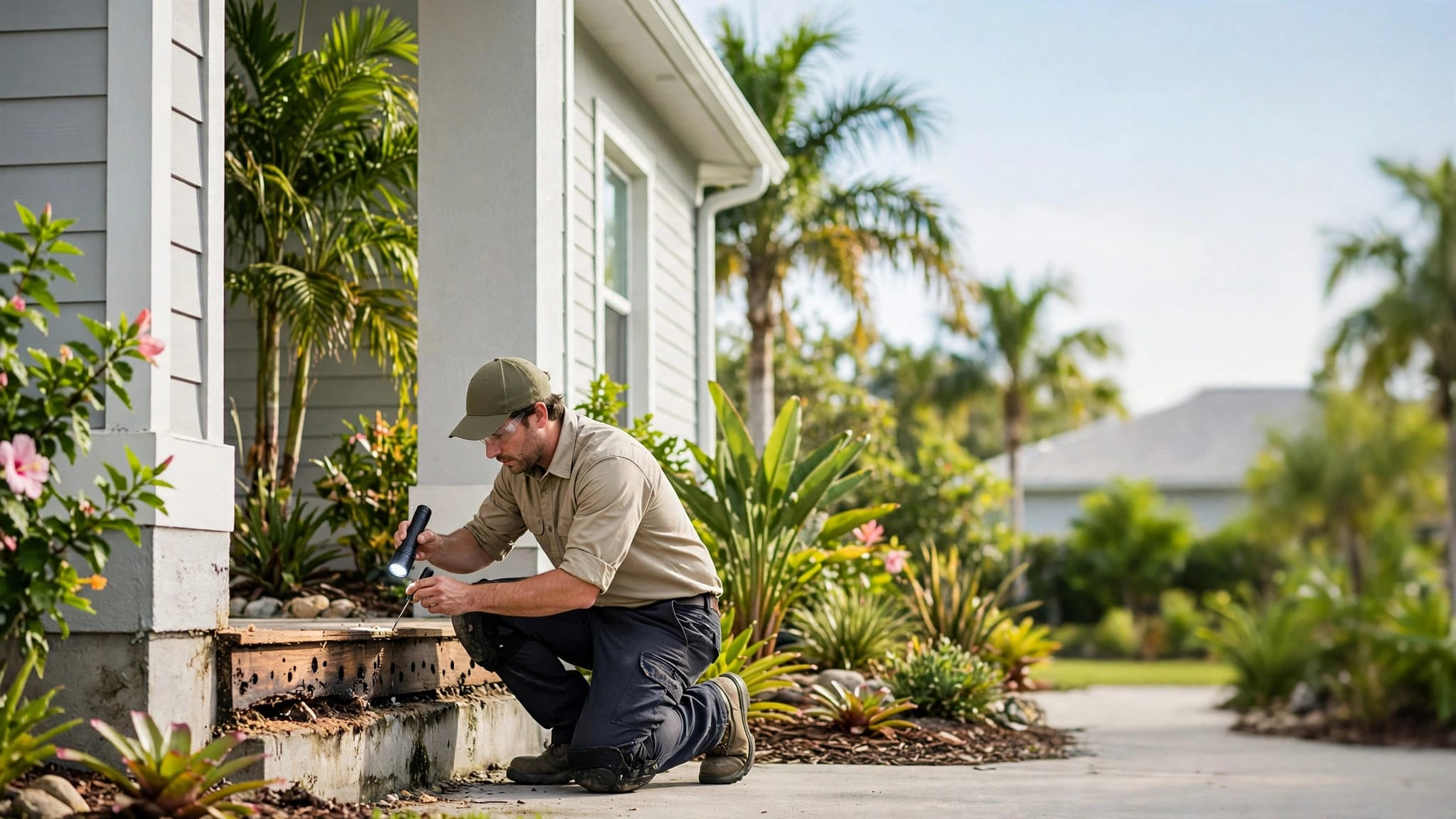
If you want a local option, start with a free inspection and a plan that includes follow-ups, like Residential flea control in Cape Coral or broader Cape Coral flea control services by Shield.
Typical cost ranges (rough guidance)
| Option | What you’re paying for | Common range |
|---|---|---|
| DIY indoor spray + IGR + cleaning supplies | Targeted indoor treatment plus vacuum/laundry work | $40 to $150 |
| Vet flea prevention (per pet, monthly) | The anchor that prevents re-infestation | $20 to $60+ |
| Professional flea treatment (initial) | Inspection, interior hot spots, exterior and yard focus | $200 to $500+ |
| Follow-up visit(s) | Breaks the life cycle as new fleas emerge | $100 to $300 |
Prices vary by home size, yard size, infestation level, and whether follow-ups are included.
Troubleshooting: why fleas are still there after you “treated”
If you’re still seeing fleas 7 to 21 days after treatment, that doesn’t always mean failure. It often means one of these issues is still in play:
- Pets weren’t all treated , or the product wasn’t used long enough.
- No IGR was used , so new adults keep emerging.
- Missed hot spots (sofa seams, pet nap corners, rug edges, under beds).
- Wildlife hosts : stray cats, raccoons, opossums, and squirrels can drop fleas in shaded yard zones.
- Yard re-infestation : pets pick up fleas outside and carry them in again.
If the pattern is “fine for a week, then bad again,” that’s usually the life cycle catching up.
A quick-start plan (next 14 days)
- Day 1: Treat every pet, wash bedding, vacuum thoroughly.
- Day 2: Apply an indoor flea product with an IGR , focusing on edges and pet areas.
- Day 3: Target-treat shaded yard zones (under shrubs, fence lines, dog run).
- Days 4 to 10: Vacuum daily, launder pet fabrics again mid-week.
- Days 11 to 14: Re-check hot spots, plan a follow-up treatment if fleas are still emerging.
Conclusion
Fleas don’t require a bigger budget, they require a tighter plan. Start with pet protection , add an IGR-based approach indoors and in key yard areas, and keep treatments targeted to where fleas actually develop. When you line up those pieces, flea control in Cape Coral stops being a guessing game and starts acting like a system that holds.
Schedule a Free Inspection: