Post-hurricane pest problems in Cape Coral, what shows up first, what to clean, and what to fix fast
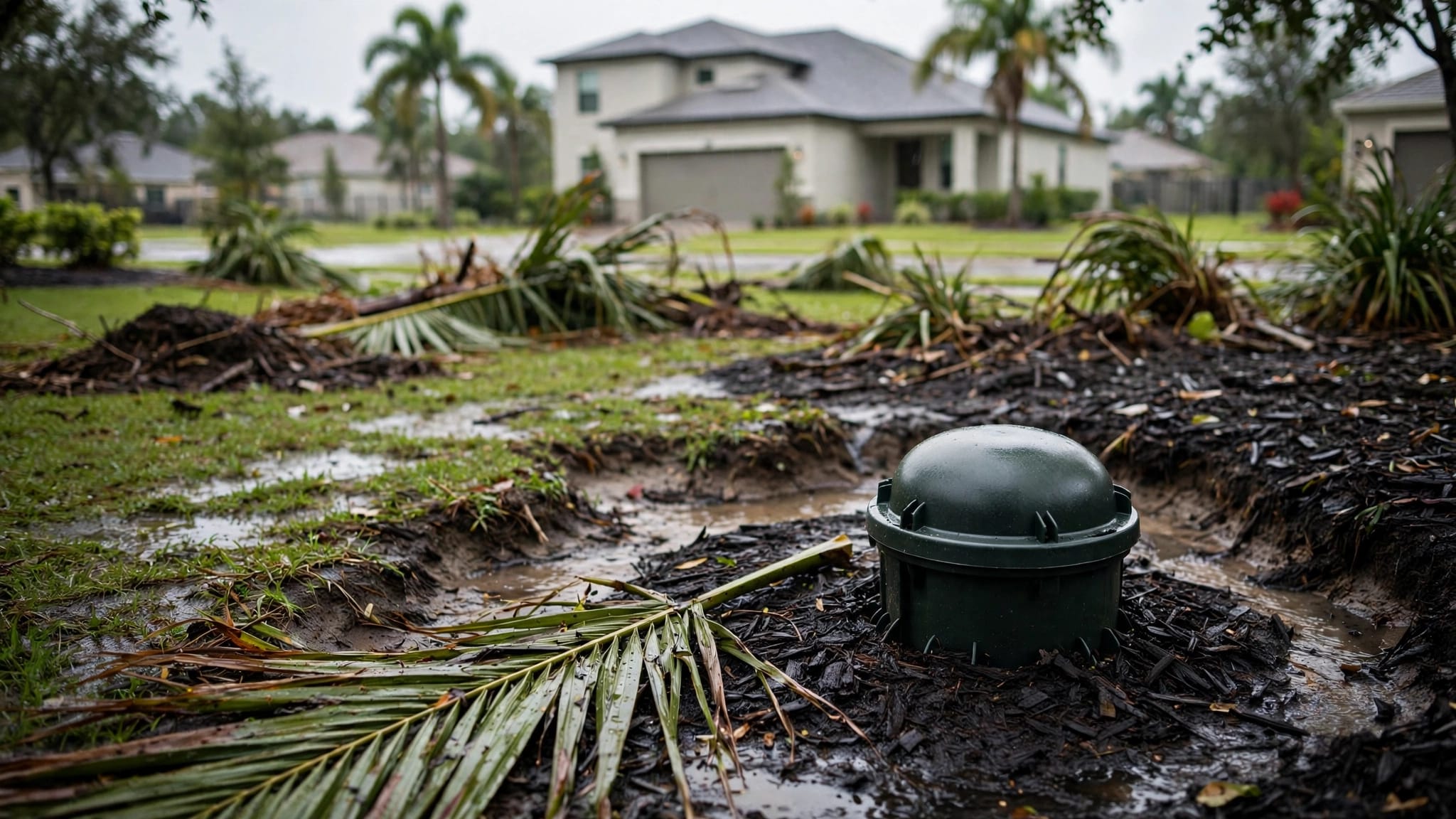
After a hurricane in Cape Coral, the quiet doesn’t last. When the generators shut off and the debris piles start shrinking, post hurricane pests often move in fast, because storms leave behind everything bugs and rodents want: moisture, shelter, food scraps, and easy entry points.
The good news is you can get ahead of most infestations with three priorities: control moisture, clean for sanitation, and seal the home back up. If you’re on a canal or had standing water in the yard, those steps matter even more.
What shows up first after a hurricane in Cape Coral (and why)
In the first few days after a storm, you’ll usually notice mosquitoes and ants first. Mosquitoes don’t need much, a puddle in a lanai corner or a clogged gutter can turn into a breeding site. Ants and roaches get displaced by flooding, so they look for higher, drier ground, which often means your kitchen, garage, or bathroom.
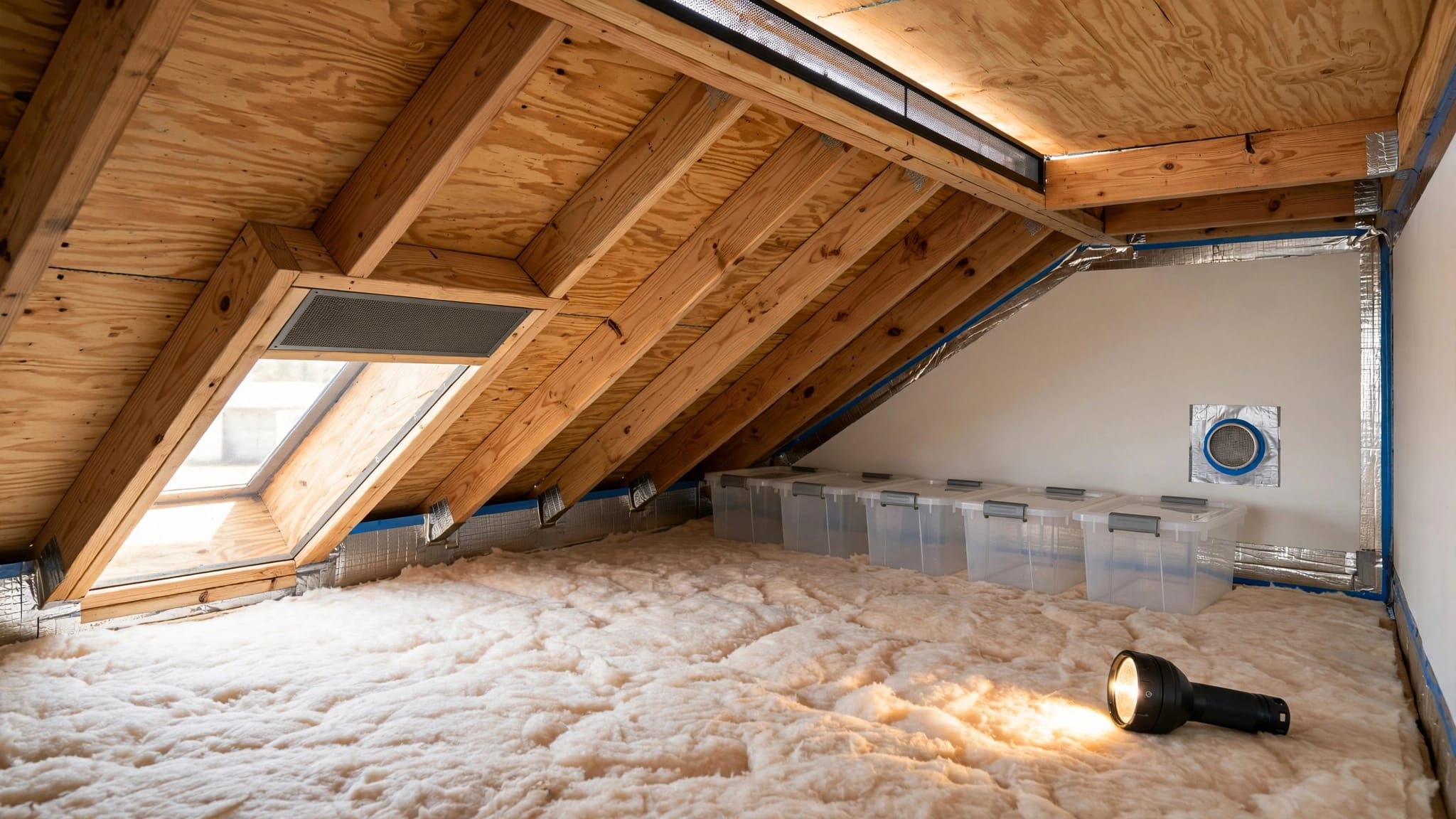
Rodents tend to show up next. Rats and mice can swim, climb, and squeeze through gaps you’d never notice on a normal day. After a storm, they’re hunting for dry insulation, steady food, and safe nesting spots. If you hear scratching at night or see droppings near the garage wall, don’t wait.
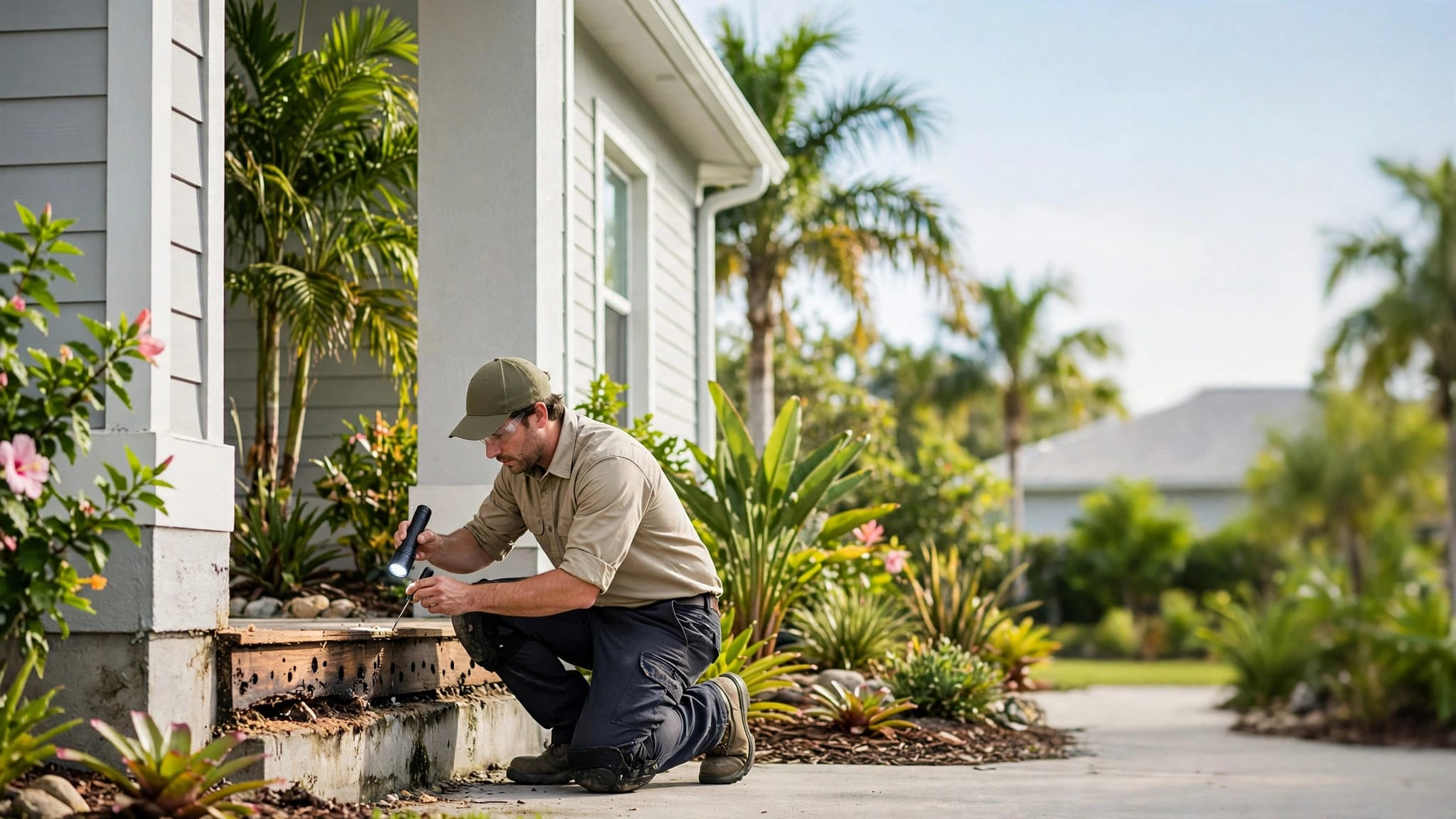
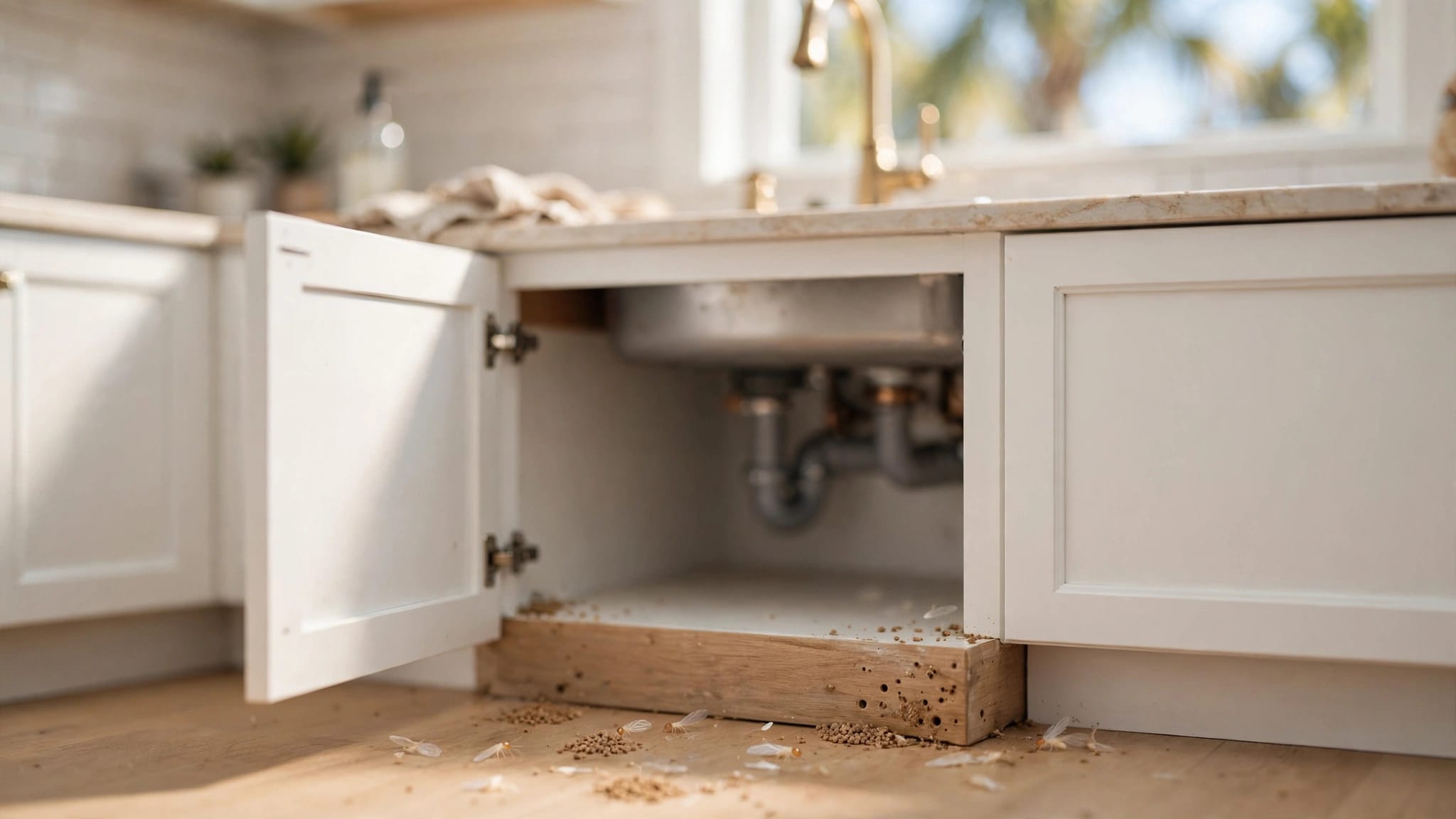
Termites can be a “later” problem, but they’re one of the most expensive. Storm damage raises wood moisture, and wet wood is easier for termites to attack. Swarms can happen when conditions get warm and humid again, even if the storm is already a memory.
If mosquitoes are already bad around your yard, this deeper Cape Coral mosquito control guide for homeowners explains the local risks and practical prevention steps.
What to clean first: moisture control and sanitation that actually works
Think of storm cleanup like drying out a boat. If you don’t get the water out, everything else stays unstable.
Start indoors. Your fastest win is lowering humidity and drying wet materials. Run AC if you have power, and add fans plus a dehumidifier. A simple target is below 50% indoor humidity if you can manage it. That slows mold, roaches, and termite moisture attraction.
Next, remove anything that feeds pests:
- Spoiled food from fridge and pantry, bag it and take it out the same day.
- Wet cardboard, paper bags, and paper towels, they’re perfect roach habitat.
- Waterlogged rugs, cushions, and soaked drywall debris.
For disinfecting, stick to plain soap and water first, then use a labeled disinfectant. Avoid mixing products, especially anything with bleach and ammonia, because that can create dangerous fumes. If you’re dealing with floodwater residue, wear gloves and eye protection, and keep kids and pets out of the work zone.
Basic cleanup materials to keep on hand
- Trash bags and contractor bags
- N95 or similar mask, gloves, and eye protection (PPE)
- Shop towels, mop, bucket, and detergent
- Dehumidifier and box fans
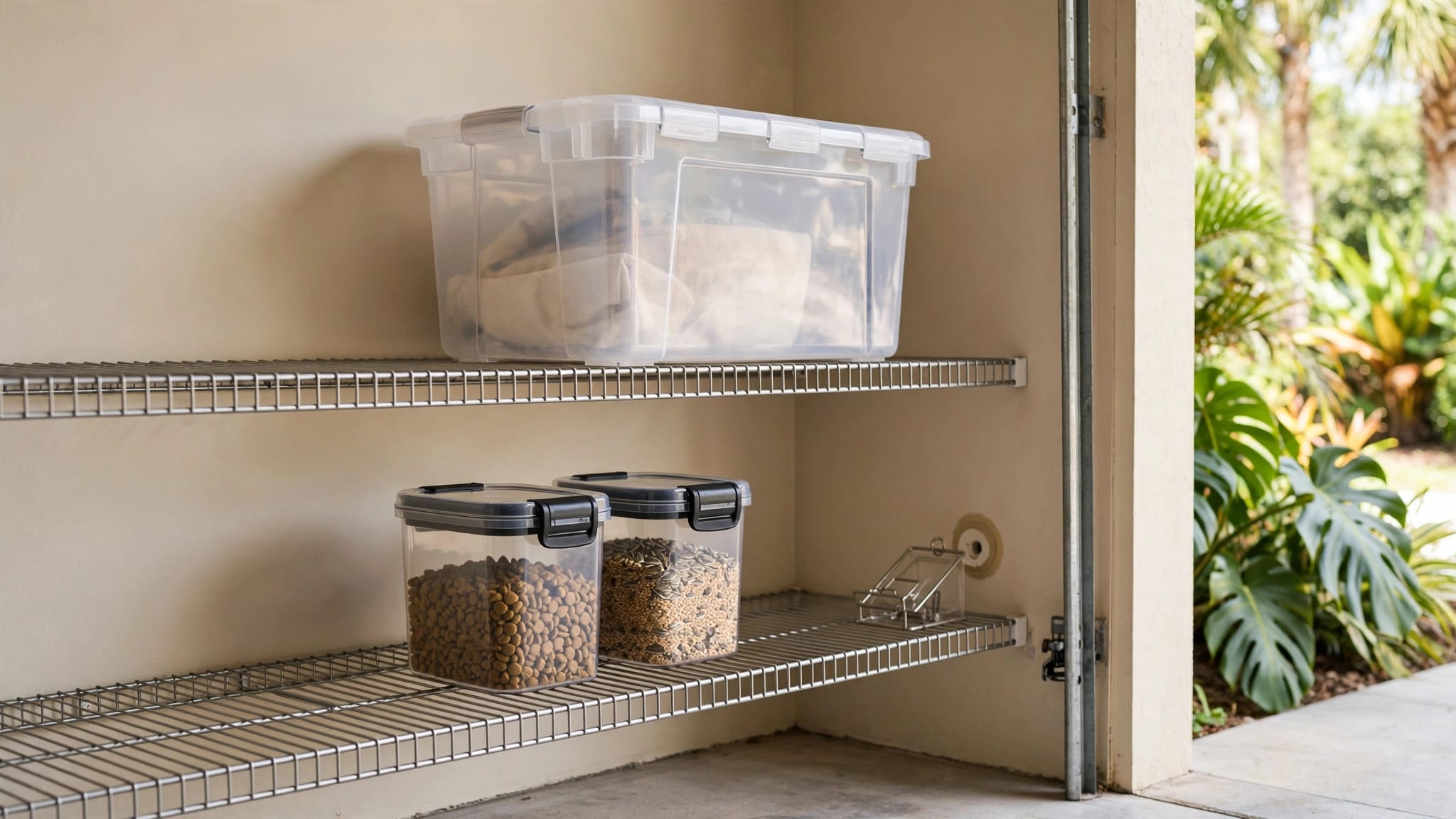
- Plastic storage bins with tight lids (better than cardboard)
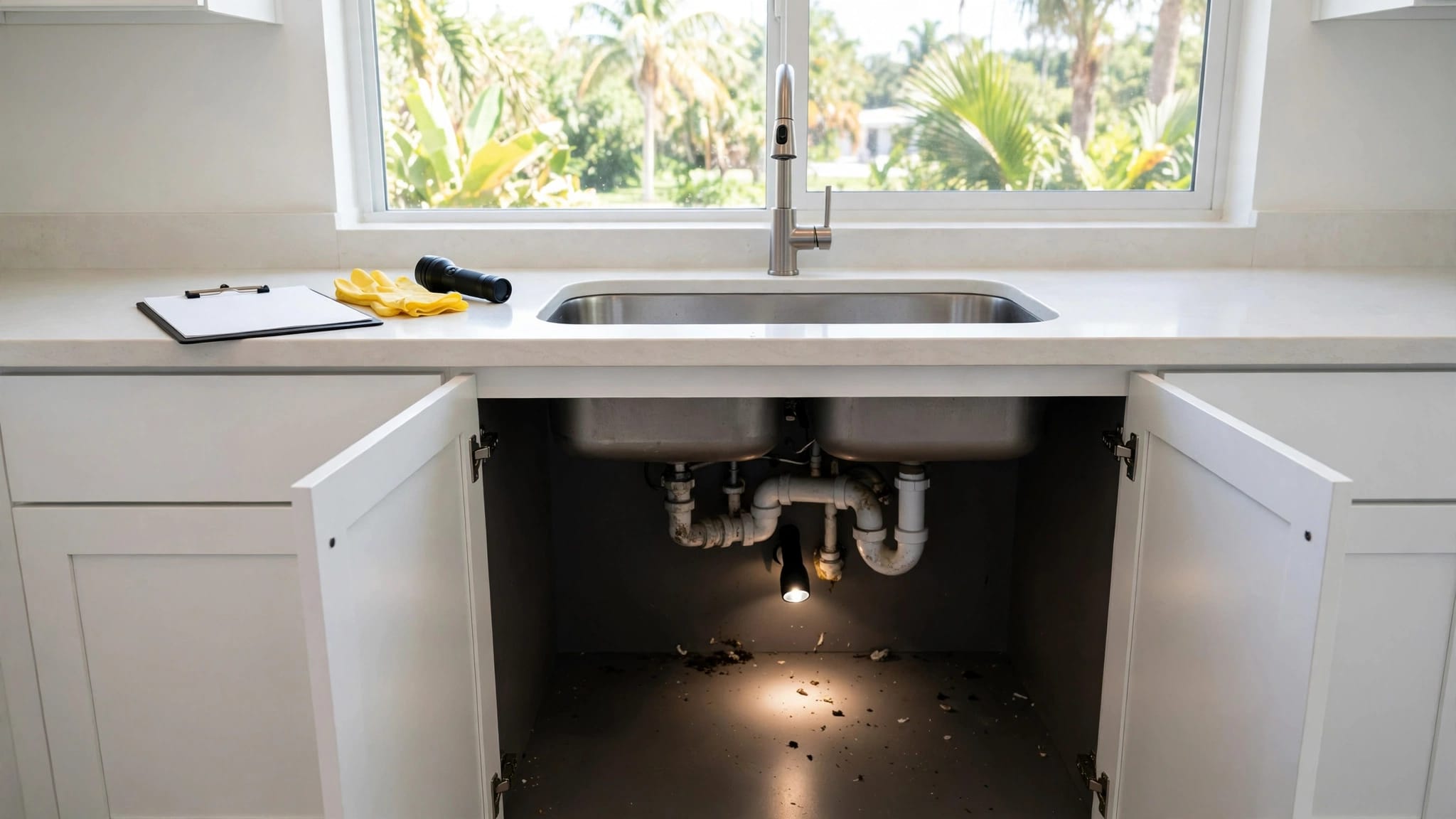
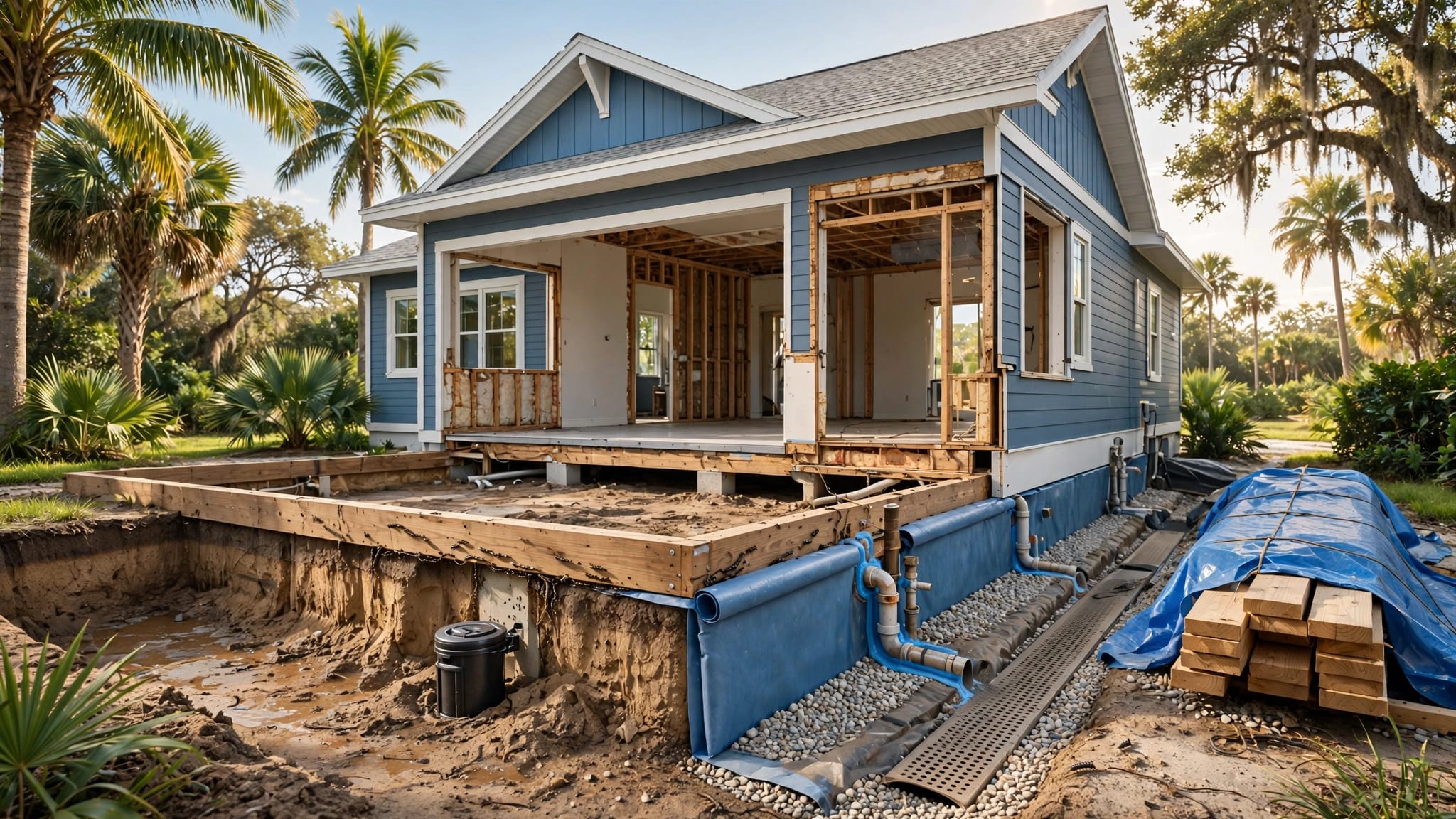
If you had flooded rooms, be realistic about drywall. Damp drywall and its paper face can turn into a roach and mold magnet. If it stayed wet, it usually needs removal and replacement so the wall cavity can dry.
What to fix fast: exclusion repairs that stop infestations early
After storms, pests don’t need an invitation, they just need an opening. Quick repairs can prevent weeks of frustration.
Focus on exclusion , the physical work of sealing entry points:
- Patch ripped screens and rescreen lanai panels where needed.
- Install or replace door sweeps, especially on garage side doors.
- Seal cracks around window frames and where pipes enter the wall.
- Repair roof and soffit gaps (rodents and bats love these).
- Check the garage door seal, a small gap at the corner is enough.
Use simple, storm-ready supplies:
- Caulk (silicone or paintable acrylic)
- Expanding foam for larger gaps (use carefully, don’t block weep holes)
- Screen patch kits for lanai and windows
- Weatherstripping and door sweeps
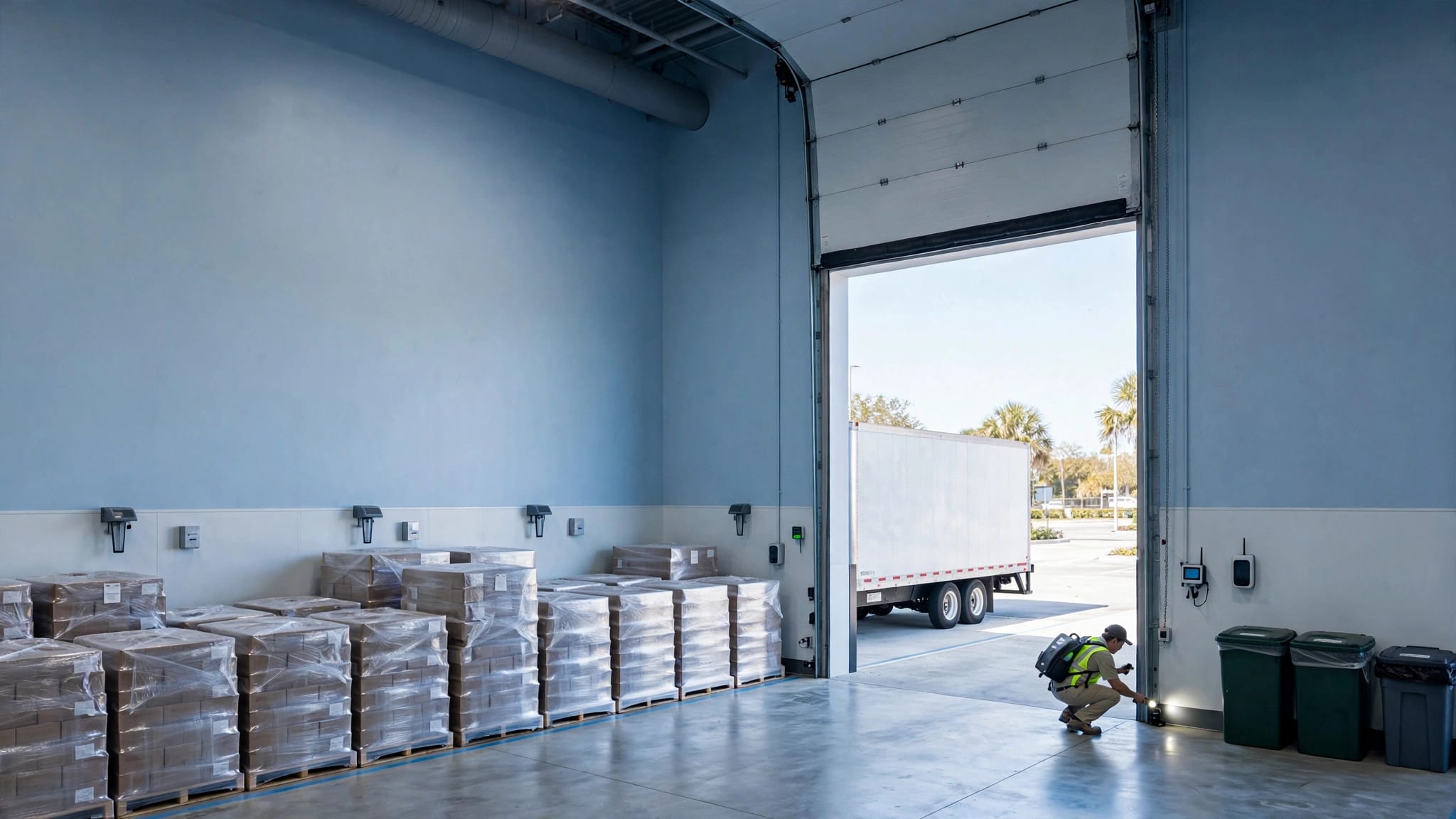
Once the structure is tight, you can manage pests with far less product. If you want a broader prevention plan beyond the post-storm surge, residential pest control services in Cape Coral can help with ongoing protection.
Canal and standing-water homes: what changes in Cape Coral
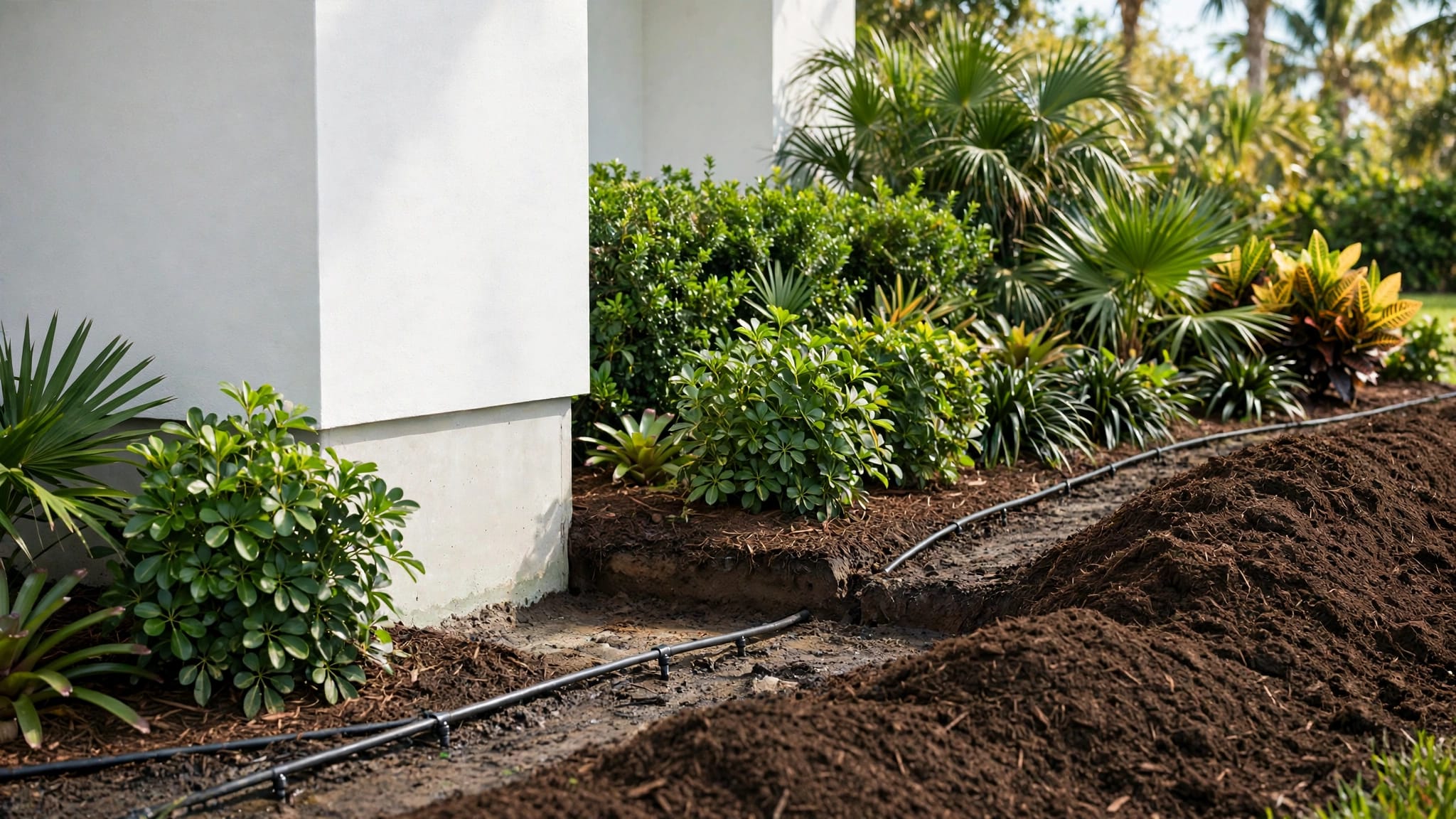
Canal homes often deal with lingering water in low spots, seawall edges, and shaded areas that don’t dry quickly. Walk your property daily for a week and dump water anywhere it collects. Also check gutter downspouts, boat covers, pool covers, and planter saucers. If you can’t drain an area, improve flow (clear debris, reopen swales) and use fans to dry enclosed lanais faster.
Pest-by-pest warning signs and immediate mitigation steps
You don’t need to guess what’s moving in. Look for these signs and act right away.
- Mosquitoes : Daytime biting, clouds near shrubs, larvae “wigglers” in standing water. Dump water daily, clean gutters, and use fans on lanais (mosquitoes struggle in moving air).
- Cockroaches : Musty odor, droppings like black pepper, sightings when lights flip on. Dry sinks at night, store food sealed, and clean under appliances. For more targeted prevention, see Cape Coral cockroach control strategies.
- Rodents (rats and mice) : Droppings, gnaw marks, greasy rub marks on walls, scratching at night. Remove food sources, keep trash sealed, and seal gaps. Trapping and exclusion work best together.
- Fire ants : New mounds in sunny spots, ants “boiling” up when disturbed, stings during yard cleanup. Stay alert around debris piles, wear boots, and don’t kneel in grass you haven’t checked.
- Termites : Discarded wings on windowsills, mud tubes on exterior walls, blistered paint, soft wood. Don’t DIY termiticides. Termite work should be handled by licensed pros. If you want to learn what to watch for locally, read this Cape Coral termite prevention and control guide.
Do this today, this week, this month (simple action plan)
| Timeline | Do this | Why it matters |
|---|---|---|
| Today | Remove standing water, bag spoiled food, start drying (fans + dehumidifier), patch obvious holes | Cuts mosquito breeding and shuts down the moisture pests need |
| This week | Seal gaps with caulk/foam, replace door sweeps, fix screens, clear debris piles, move storage off floors | Stops new pests from getting inside and removes hiding spots |
| This month | Inspect attic and crawl areas, fix leaks, replace water-damaged drywall, set a routine service plan | Prevents termites, roaches, and rodents from becoming “settled in” |
Pets and children safety during post-storm pest control
Keep kids and pets away from standing water, debris piles, and any bait stations or traps. Store pesticides and cleaners up high and locked, and always follow the label. If you need termite treatments, fumigation, or wildlife removal, bring in licensed professionals so the job is done safely and legally.
Quick FAQ
Why are mosquitoes worse after storms if it rained?
Because flooding wakes up floodwater mosquito eggs that were already in the soil, and storms create new standing water everywhere.
How fast do termites swarm?
Swarms can happen quickly once warm, humid conditions return, sometimes days or weeks after the storm, especially around wet wood and unsealed openings.
Is flood-damaged drywall a roach magnet?
Yes. Wet drywall holds moisture and the paper facing can support mold, which helps roaches and other pests thrive.
Conclusion
Storm cleanup is exhausting, but pest prevention doesn’t have to be complicated. Dry the home, clean for sanitation, and seal entry points, those are the fastest, most reliable wins against post hurricane pests in Cape Coral. If you’re already seeing activity, don’t wait for it to “settle down”, pests settle in.
Schedule a Free Inspection: