Bed Bug Treatment In Cape Coral: What Works And What Fails
Waking up with itchy bites is stressful. Finding tiny black specks on sheets can feel worse. Still, a bed bug treatment plan doesn't have to be scary or risky, even with kids or pets at home.
The bottom line is simple: bed bugs don't go away with one spray. The treatments that work in Cape Coral homes use an integrated approach, focused on heat, careful cleaning, targeted products, and follow-up checks. This guide covers what to do first, what methods actually clear infestations, and the common mistakes that keep bed bugs coming back.
First, make sure it's really bed bugs (and stop the spread)
Bed bugs are great at hiding and easy to misread. Mosquito bites, fleas, and even skin irritation can look similar. Before you treat, confirm what you're dealing with, because the wrong plan wastes time and money.
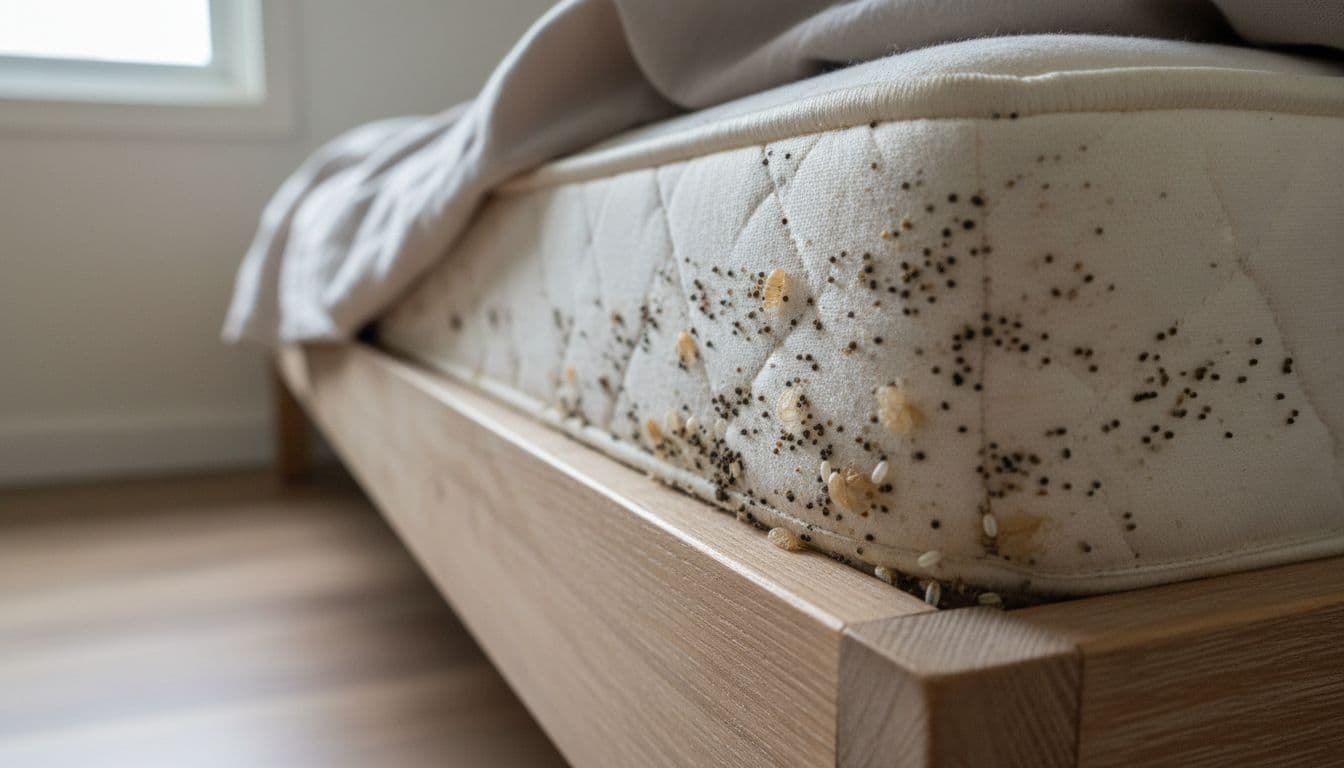
Look for three clues together : bites (often in clusters), dark "ink-like" spots on seams or sheets (fecal marks), and shed skins or tiny pale eggs in cracks. In Cape Coral, bed bugs most often hitchhike in luggage, guest belongings, used furniture, and short-term rentals. They don't care if a home is spotless. They do love clutter, because it creates hiding places.
If you suspect bed bugs, avoid "panic moves" that spread them, like carrying bedding through the house or dragging an infested mattress to the curb without sealing it. Instead, slow the spread right away: keep sleeping in the same room (moving rooms often spreads bugs), reduce clutter, and bag items before transporting them.
Room-by-room inspection checklist (10 minutes per room)
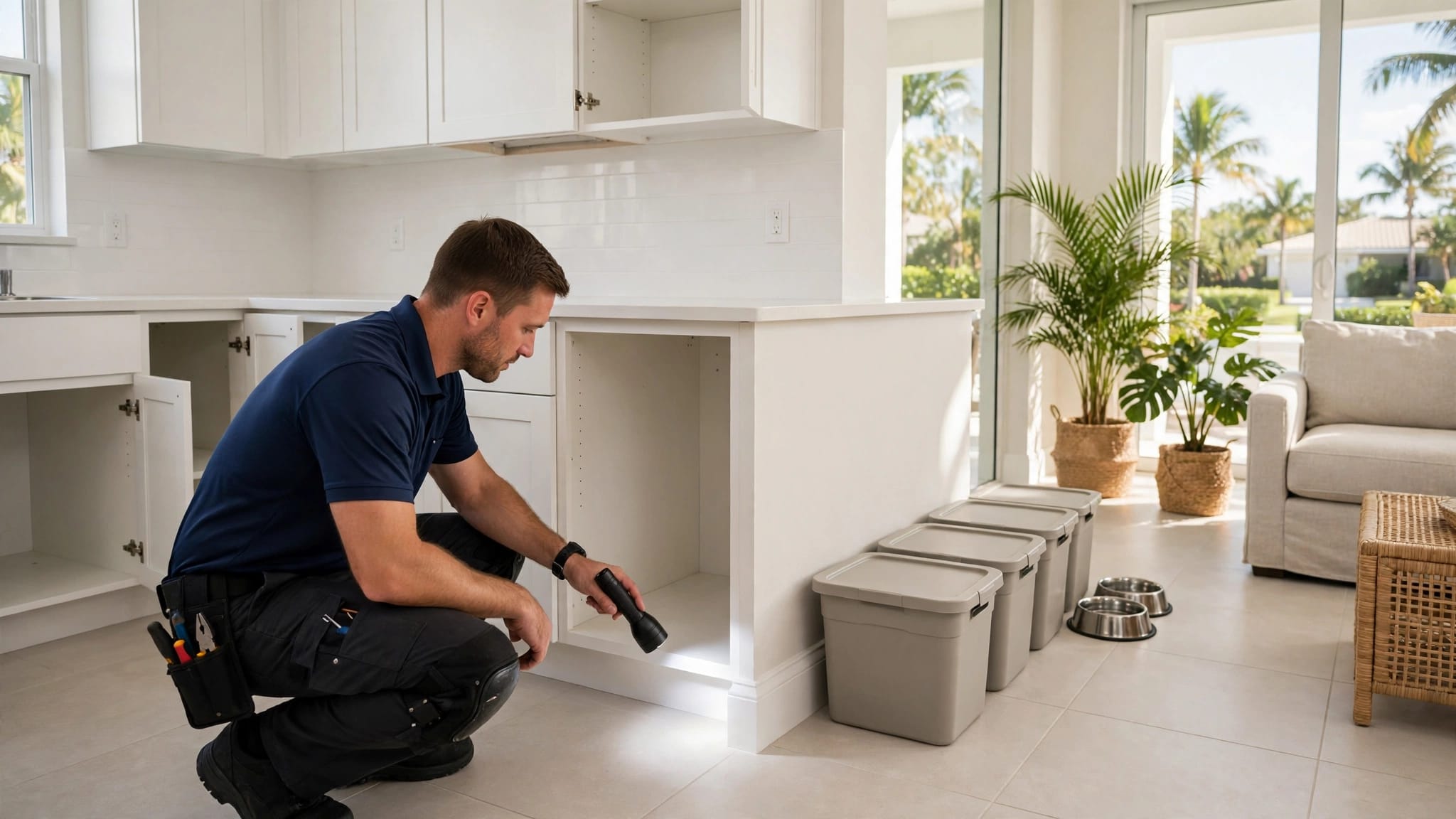
Use a bright flashlight and a thin card (like an old gift card) to check cracks.
- Beds first : Mattress seams, piping, tags, and the box spring edges.
- Bed frame and headboard : Screw holes, joints, cracks, and behind the headboard.
- Nightstands and dressers : Drawer corners, underside, and the back panel.
- Baseboards and corners : Especially where the bed touches the wall.
- Couches and chairs : Seams, zippers, and under cushions (common in living rooms).
- Curtains and wall hangings : Hem folds, hooks, and nearby wall edges.
- Luggage zones : Closets, luggage racks, and floors near where suitcases sit.
- Electronics nearby : Alarm clocks and charging areas, but don't open devices.
- Kids' rooms : Stuffed animals near the bed, bed skirts, and toy bins by walls.
Bed bug treatment methods that actually work in 2026
The most reliable results come from IPM (integrated pest management). Think of it like fixing a roof leak. You don't just paint over the stain. You find the source, repair it, then monitor. Bed bug treatment works the same way: confirm, reduce numbers, treat hiding spots, and verify elimination.
Heat and steam are top performers because they kill bed bugs at all life stages when applied correctly. Professional heat systems bring the space and hiding areas up to lethal temperatures long enough to kill eggs too. Steam targets seams and cracks where bugs hide, without leaving chemical residue.
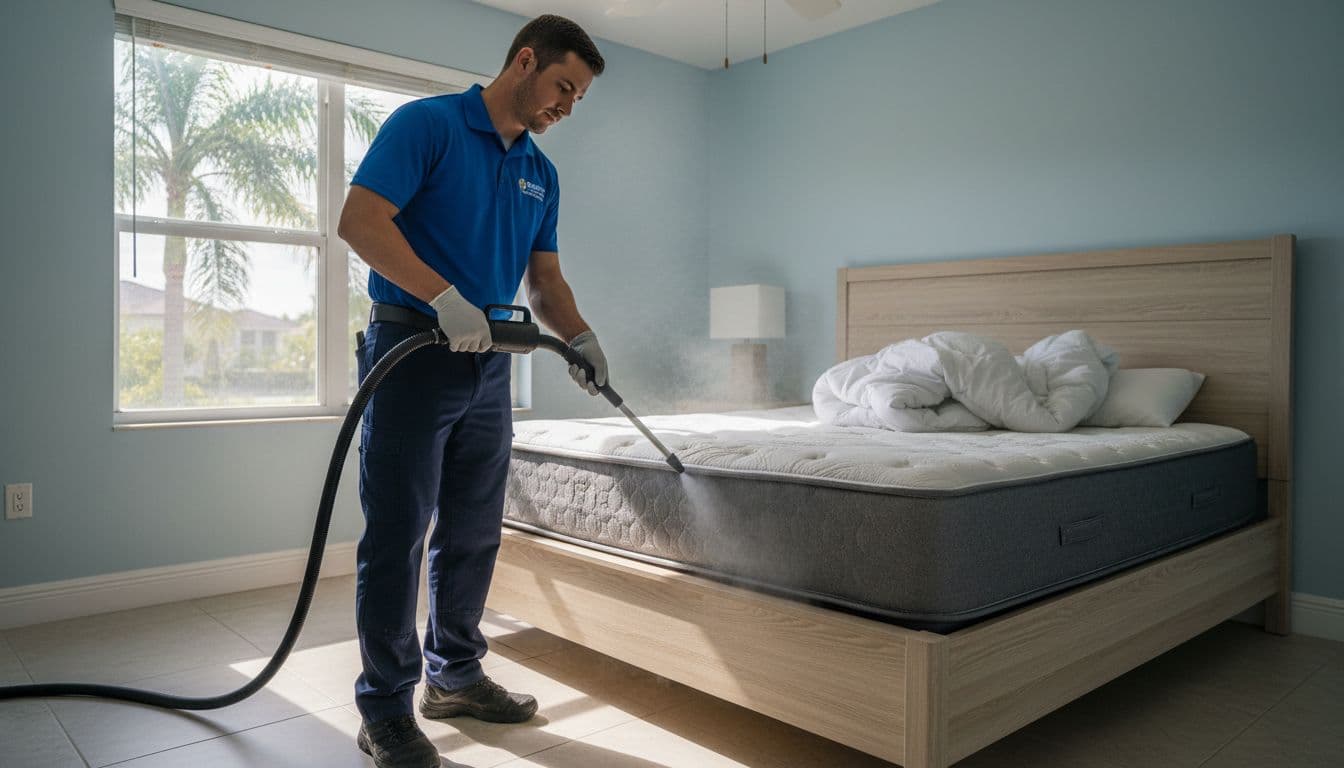
Targeted insecticides can help, but only when used legally and precisely (label directions matter). In Florida, a licensed professional is best for crack-and-crevice work and for choosing products that still perform well despite resistance issues seen with many store-bought sprays.
If you want a professional assessment, start with an inspection and a plan that matches your home and risk level. Shield's team handles inspections and bed bug treatments in Cape Coral through its service page: professional bed bug control Cape Coral.
Here's a quick comparison to keep expectations realistic:
| Method | Effectiveness | Cost | Speed | Kid/Pet Risk | DIY or Pro |
|---|---|---|---|---|---|
| Whole-room heat | High (when done right) | High | Fast (often same day) | Low after cool-down | Pro |
| Steam on seams/cracks | Medium to high | Medium | Medium | Low | DIY or Pro |
| Targeted residual insecticides (cracks/voids) | Medium to high | Medium | Medium | Low to medium (label-dependent) | Pro strongly preferred |
| Mattress/box spring encasements | Supportive (not a standalone fix) | Low to medium | Fast | Low | DIY |
| Interceptors and active monitors | Supportive | Low | Slow | Low | DIY |
| Foggers and "bug bombs" | Low | Low | Fast (but misleading) | Medium to high | DIY (not advised) |
The takeaway: combine methods . Heat or steam knocks populations down, then careful follow-up and monitoring prevents rebound.
What fails in Cape Coral homes, and why it keeps coming back
Some options fail because they don't reach hiding spots. Others fail because they spread bed bugs or add safety risks.
Foggers are the classic example. They mostly fill open air, while bed bugs sit deep in seams and cracks. Worse, foggers can push bugs into walls and neighboring rooms. Random "contact sprays" can also backfire when people soak mattresses, over-apply chemicals, or mix products.
Essential oils, rubbing alcohol, and "miracle" sprays can kill a few exposed bugs, but they don't solve the hidden egg problem. A few survivors can restart the infestation, because bed bugs reproduce steadily and hide well.
If a treatment plan doesn't include prep, crack-and-crevice work, and follow-up checks, it's usually not a complete bed bug treatment.
Another common failure is disposal without containment. Dragging a mattress through a hallway can drop bugs and start new hot spots. In apartments or condos, that mistake can affect other units.
Finally, resistance is real. Many bed bug populations don't respond well to common retail pyrethroid sprays. That's why "I sprayed twice and they're still here" is such a common story.
A practical plan: prep, laundry, monitoring, and renter steps
Good results come from boring habits done well. Prep also makes treatments safer, because technicians can treat where they need to treat, without over-applying product around piles of belongings.
Pre-treatment prep checklist (safe, realistic, effective)
- Declutter floors and closets near beds and couches, then bag items.
- Pull beds 6 to 8 inches from walls , if possible, and keep bedding off the floor.
- Empty nightstands and bag contents by room (label bags by room name).
- Vacuum seams and edges , then seal and discard the bag outside right away.
- Don't move loose items to other rooms unless they're sealed first.
Laundry and heat protocol (what "hot" really means)
- Bag laundry at the source , then carry sealed bags to the washer.
- Dry first on high heat when items can handle it, because heat is the killer.
- Wash and dry , then place clean items into new clean bags or bins with lids.
- Keep clean and dirty separated until the home is cleared.
Post-treatment monitoring (how you know it's working)
- Install interceptors under bed legs and check them weekly.
- Keep encasements on mattresses and box springs for the full recommended period.
- Avoid bringing in used furniture , especially upholstered items.
- Re-check hot spots (bed frame joints, headboards, couches) on a set schedule.
A good bed bug treatment plan ends with monitoring, not with the last spray.
Renter and multi-unit guidance (avoid spreading between units)
If you rent, act fast and document everything. Take clear photos of signs (spots, skins, bugs), write down dates, and notify property management in writing. Also, avoid self-treating with heavy sprays that can create liability or push bugs into walls.
In multi-unit buildings, coordinated treatment matters. Bed bugs don't respect unit numbers. For short-term rental owners in Cape Coral, routine checks help catch issues early, especially after guest turnover. Shield offers ongoing options for rentals, including monitoring, through its Cape Coral rental service page: bed bug monitoring for Cape Coral rentals.
Conclusion
Bed bugs feel personal, but they're just persistent hitchhikers. The bed bug treatment methods that work in Cape Coral are the ones that combine heat or steam, smart prep, targeted applications when needed, and monitoring after treatment. If you're seeing repeat bites or new signs after DIY attempts, it's time to switch from one-off products to an integrated plan that protects your home, your kids, and your pets.
Schedule a Free Inspection: