Florida HOA Mosquito Control: A Practical Community Plan
One clogged gutter or neglected planter can create a mosquito problem that affects an entire neighborhood. Florida HOA mosquito control works best when boards, property managers, residents, landscapers, and pest professionals follow the same prevention plan.
Florida's rain, heat, irrigation, canals, and retention areas create changing conditions throughout the year. The strongest program starts with standing-water reduction, then adds targeted treatment, clear resident notices, and regular follow-up. Begin with the parts of the community that hold or collect water.
Why Florida HOA mosquito control starts with standing water
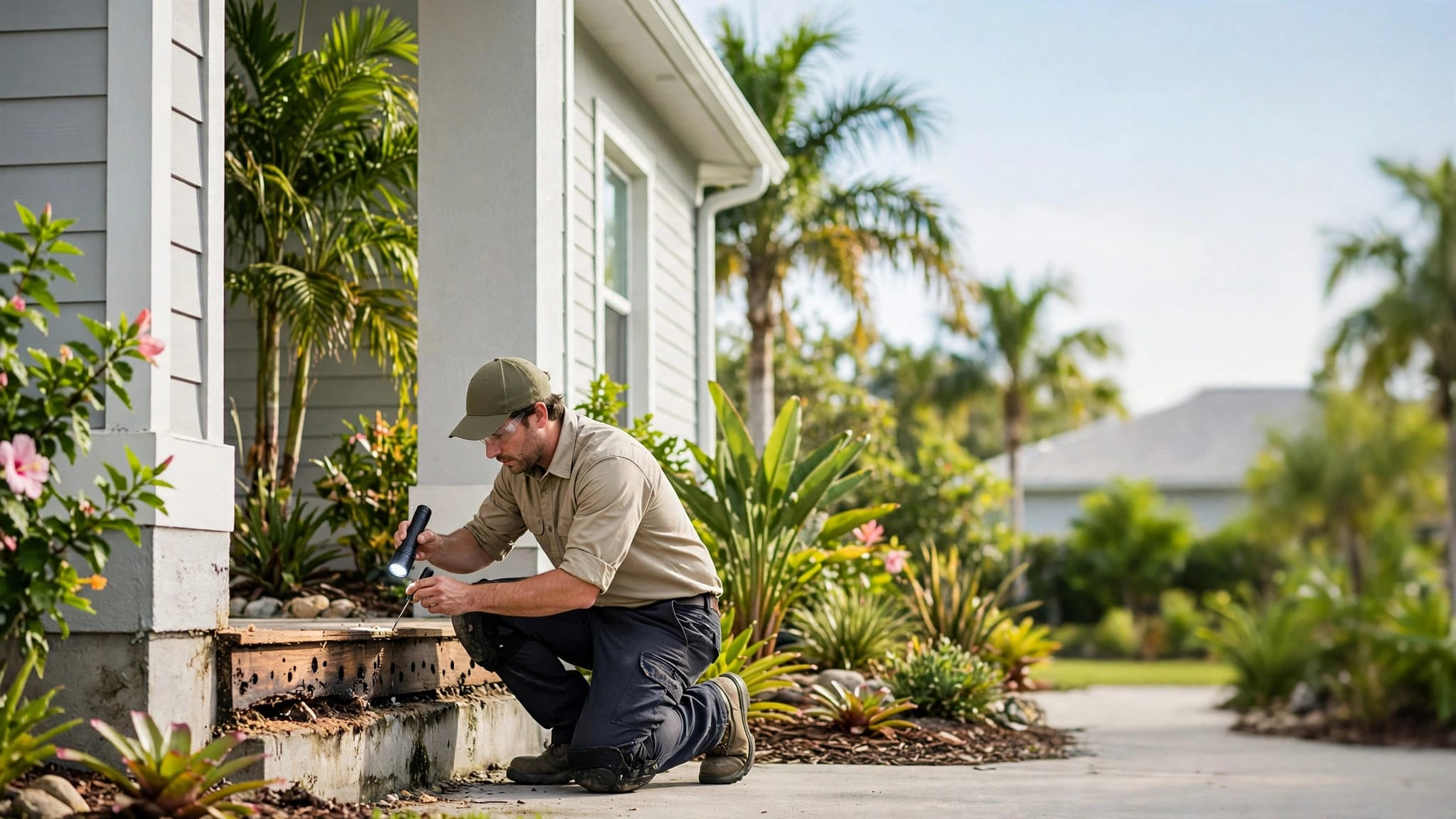
Mosquitoes need water to complete their breeding cycle. Some species can develop in surprisingly small amounts, including water trapped in a flowerpot saucer, clogged gutter, discarded cup, or bromeliad leaf.
The Florida Department of Health recommends emptying, turning over, or covering water-holding items at least once a week. For an HOA, that guidance applies across common areas and should also shape resident reminders.
Walkthroughs should look for:
- Buckets, toys, coolers, tires, trash containers, and recycling bins
- Flowerpots, saucers, birdbaths, pet bowls, and decorative items
- Pool covers, boat covers, tarps, and outdoor furniture
- Clogged gutters, flat roofs, air-conditioning equipment, and roof drains
- Low spots, puddles, blocked inlets, and irrigation overspray
- Bromeliads and other plants that hold water in their leaves
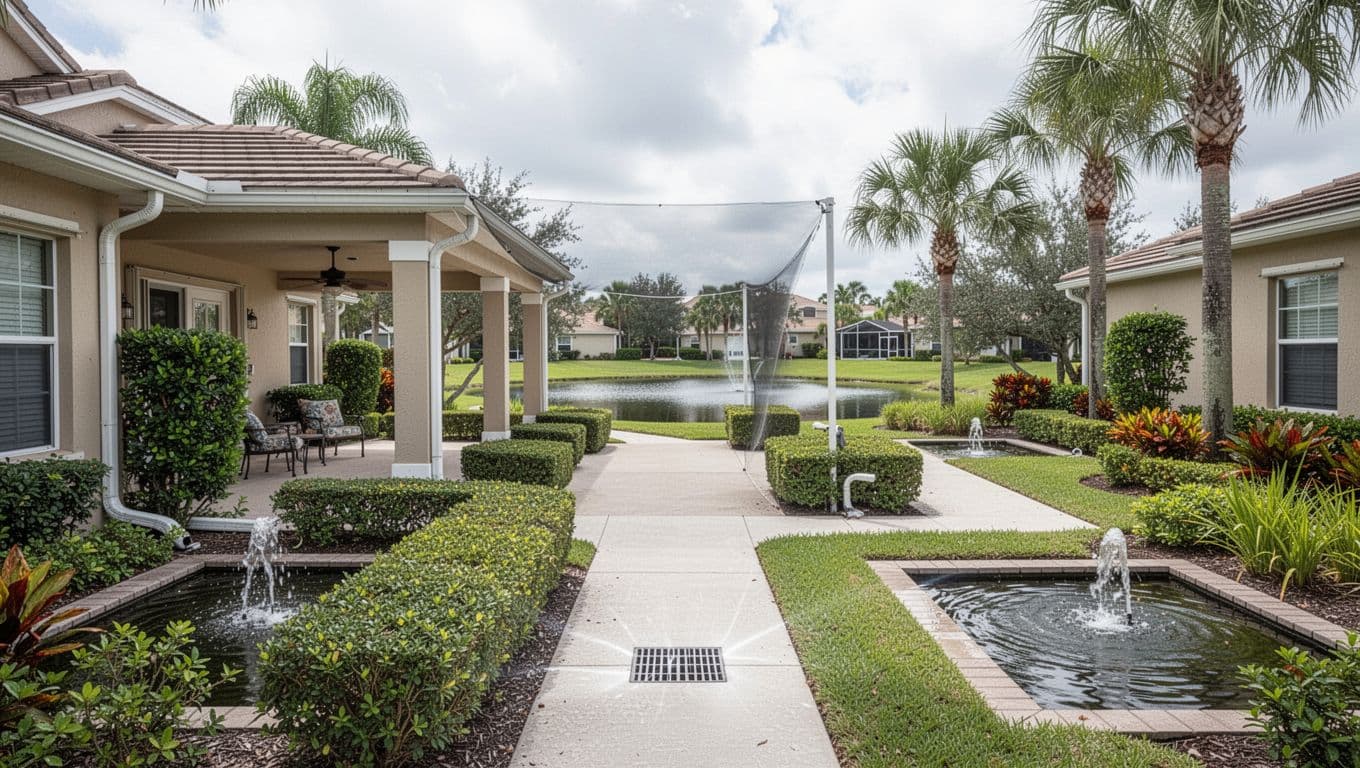
- Ornamental ponds, rain barrels, cisterns, and other water features
Pet bowls may need daily attention, while birdbath water should usually be replaced at least twice a week. Local mosquito programs may recommend different schedules, especially for bromeliads and water features.
Florida Statutes Chapter 388 also sets a statewide maintenance standard for developed residential property. It addresses standing freshwater conditions capable of breeding mosquitoes or other arthropods in significant numbers when those conditions become a public health, welfare, or nuisance concern. That makes water reduction more than a cosmetic maintenance task.
Inspect common areas after rain, irrigation, and storms
A one-time inspection won't show the full picture. Water may drain quickly during a dry week, then collect after heavy rain, irrigation changes, tropical weather, or a storm surge.
Check the places residents often overlook
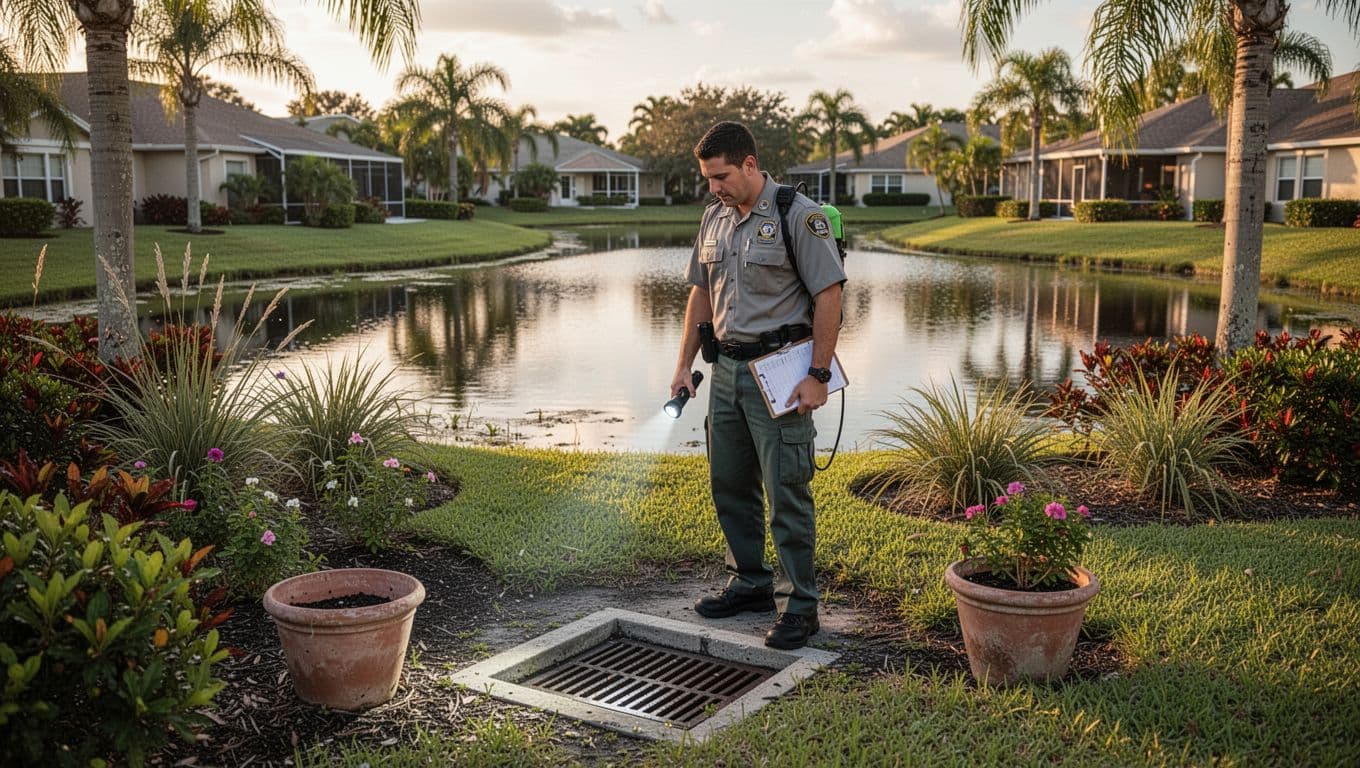
Property managers should create a map of common-area risk points. Include retention pond edges, drainage swales, storm drains, pool decks, playgrounds, dog areas, mail kiosks, maintenance sheds, dumpsters, and shared patios.
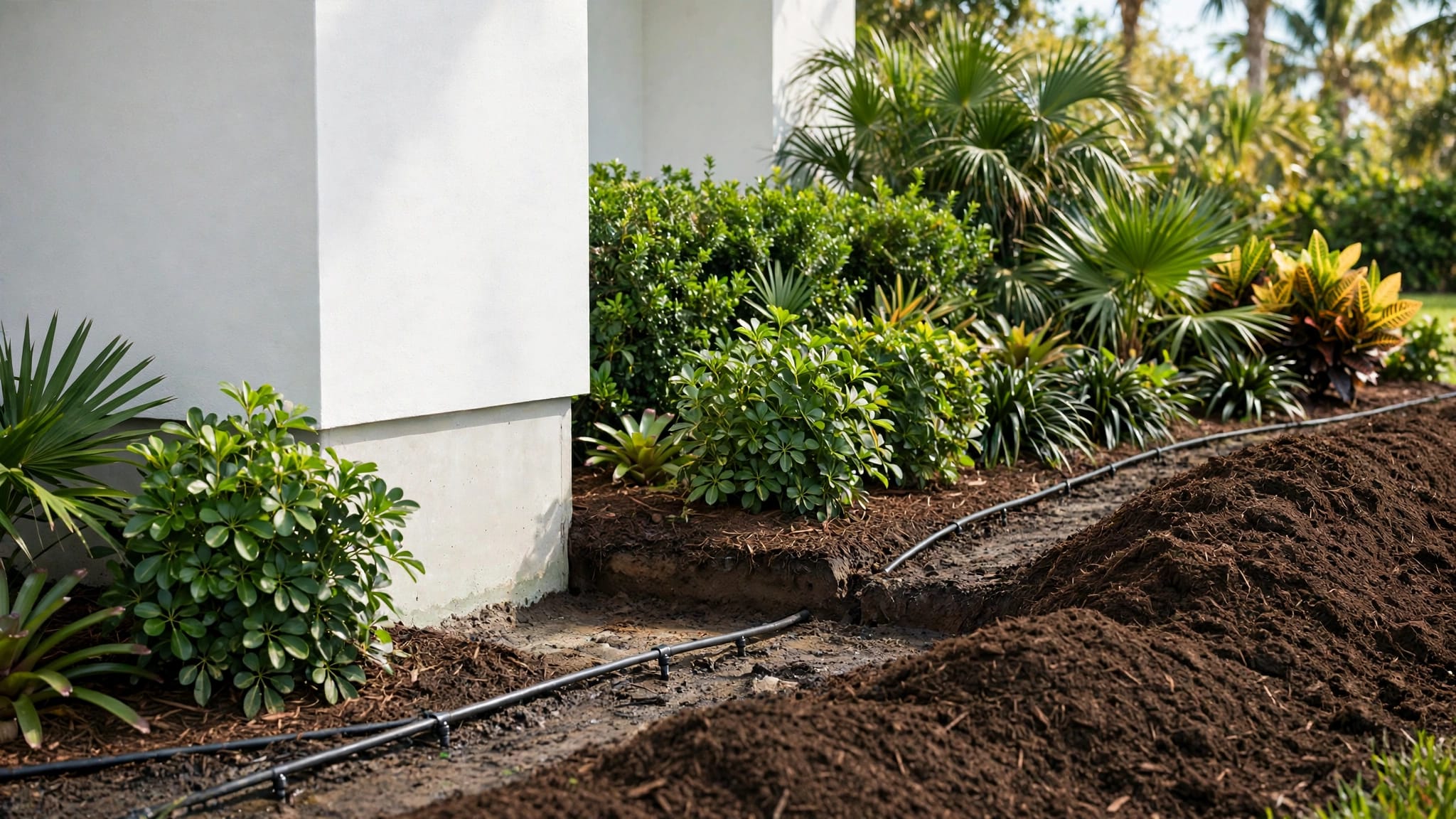
Check pond banks for shallow pockets, clogged outfalls, excessive floating debris, and dense vegetation that makes inspection difficult. Drainage structures also need attention. A blocked grate or settled patch of soil can leave small pools that remain wet long after the surrounding ground dries.
Landscaping crews can help by keeping vegetation trimmed around drains and pond edges. However, trimming alone won't solve a drainage defect. If water remains after normal rainfall, the association should ask its drainage contractor or engineer to assess grading, erosion, irrigation patterns, and stormwater flow.
Treat canals and shared shorelines as community concerns
In Southwest Florida, canal edges and retention areas may affect several homes at once. Overgrown shoreline vegetation can provide resting areas for some mosquito species, while storm tides and rain can create temporary breeding sites.
An HOA should define who owns and maintains each shoreline, drainage easement, pond margin, and stormwater feature. Review mosquito prevention for shared HOA waterways when a common canal or retention edge continues to produce complaints: mosquito prevention for shared HOA waterways.
Residents should report standing water with a location and photo when possible. A report that says "mosquitoes near Building 4" gives a vendor less to work with than "water remains beside the south drain two days after rain."
Match treatment to the site
Source reduction should come first, but some water cannot be drained or removed. Retention ponds, stormwater structures, ornamental ponds, and inaccessible pockets may need treatment under a planned mosquito management program.
UF/IFAS describes integrated mosquito management as a combination of surveillance, source reduction, biological control, and targeted insecticides. The goal is to treat the cause and the affected area rather than apply products across every lawn and walkway.
| Approach | When it fits | Community action |
|---|---|---|
| Source reduction | Water can be removed, covered, repaired, or redirected | Fix drainage, clear gutters, empty containers, and adjust irrigation |
| Larval treatment | Water remains and larvae are present or likely | Have a qualified applicator evaluate and treat according to the product label |
| Adult treatment | Biting activity remains around resting areas or outdoor use zones | Use targeted applications after inspection and resident notice |
| Biological control | Certain ponds or ornamental water features can support it | Ask a qualified provider whether mosquito-eating fish or another option fits |
| Traps or devices | A supplemental monitoring or comfort measure is appropriate | Treat them as an addition, not a replacement for water reduction |
Larvicides target immature mosquitoes in water. Adulticides address flying mosquitoes and resting areas. Both require careful site selection, label compliance, weather awareness, and attention to nearby people, pets, plants, pollinators, and aquatic life.
HOA boards should use a licensed pesticide applicator for common-area treatments. Ask the vendor to document the required Florida credentials, insurance, treatment locations, products used, label-based precautions, and follow-up process. Residents should never pour household chemicals into community ponds or apply pesticides to shared property on their own.
A product or treatment method may fit one property and be wrong for another. A pond, canal edge, playground, lanai, and drainage swale each require a different assessment.
Coordinate vendors, landscapers, and residents
Mosquito control becomes difficult when each contractor handles only one small part of the problem. The landscaper may trim vegetation, the pool company may maintain the pool, and the pest company may treat outdoor areas. Without shared information, recurring water sources can remain unresolved.
Put the work in writing
An HOA service agreement should identify:
- Common areas included in inspections and treatments
- Water features, shorelines, drainage structures, and landscaped zones
- Inspection frequency and weather-related rescheduling rules
- The process for reporting and responding to resident complaints
- Required treatment records and service summaries
- The person responsible for correcting drainage or irrigation defects
- Resident notice procedures and access requirements
The board should ask for a site map or service log rather than relying on a general statement that the community was treated. Records should show inspection dates, observed breeding conditions, corrective work, treatment areas, and recommended follow-up.
The vendor also should explain what residents need to do before service. Timing and precautions should follow the product label, the applicator's instructions, and any local requirements.
Give residents useful notices
A resident notice should include the service date or time window, affected common areas, preparation steps, and contact information for questions. It should tell residents to follow the applicator's directions for children, pets, windows, outdoor furniture, pools, and personal belongings.
Avoid promising that treatment will eliminate every mosquito. Weather, nearby waterways, neighboring properties, construction, irrigation, and public land can all affect results.
For homes with pools and screened lanais, a community program may need a separate plan for outdoor living areas. Residents can review mosquito control for pools and screened lanais for practical steps that complement common-area service.
Build a repeatable HOA mosquito program
A reliable program uses a schedule instead of waiting for complaints to pile up. The board can assign a property manager or maintenance lead to complete routine checks, while the pest-control provider handles technical inspections and treatment decisions.
After heavy rain, storms, flooding, or a change in irrigation, inspect high-risk locations promptly. During normal weeks, review the community on a regular schedule and record conditions with dates and photographs. A written log makes it easier to see whether the same drain, pond edge, or landscape bed keeps returning as a problem.
Track:
- Complaint location and date
- Recent rainfall, irrigation, or storm activity
- Standing-water sources found
- Repairs or landscape changes completed
- Larval findings and treatment areas
- Follow-up inspection results
- Resident preparation or access problems
These records help the board judge whether the program is correcting breeding sites or only responding to adult mosquitoes after they appear.
Local conditions and rules vary by county. County mosquito control districts may publish their own source-reduction guidance, respond to complaints, or manage public areas under different procedures. An HOA should contact the appropriate local district when a problem may involve a public canal, wetland, right of way, or neighboring property.
The insect should also be identified before treatment. Swarming midges near canals are often mistaken for mosquitoes, but they don't bite. Correct identification prevents the association from paying for an unsuitable application. For Cape Coral communities, midge flies near Cape Coral canals can help residents understand that distinction.
What boards should review before approving service
A board meeting does not need to become a technical pesticide seminar. It does need to answer a few practical questions before approving a contract.
Ask whether the provider will inspect and document breeding sources, how the company handles ponds and stormwater features, which areas receive treatment, and how the service changes after heavy rain. Confirm that the provider will coordinate with landscaping and drainage contractors instead of treating recurring symptoms without reporting the cause.
Review the notice process as well. Residents need enough information to prepare outdoor spaces and keep pets and children away from treated areas according to the applicator's directions.
Finally, compare proposals by scope rather than price alone. A low-cost spray with no inspection or follow-up may leave the same breeding sites in place. A clear plan with source reduction, monitoring, targeted treatment, and documented communication gives the association a better basis for evaluating service.
Conclusion
Effective Florida HOA mosquito control starts with water management. Empty containers, clear gutters, correct irrigation, maintained drainage, and trimmed vegetation can reduce the conditions mosquitoes need to breed.
Treatment has a place when water cannot be removed or adult activity continues, but it should follow inspection, licensing, label directions, and resident communication. When the board tracks recurring sites and coordinates every contractor, mosquito control becomes a practical maintenance program rather than a series of disconnected sprays.
Schedule a Free Inspection: