Florida Brewery Pest Prevention for Taprooms and Production
Brewery pest prevention starts with removing food and moisture, closing entry points, and monitoring the places pests are likely to hide. In Florida, those habits matter year-round because heat, humidity, and heavy rain can keep insects and rodents active around commercial buildings.
A clean taproom alone won't protect a brewery if spilled grain sits behind a pallet or a dumpster lid stays open. Daily prevention works best when production staff, taproom employees, and a pest control professional share responsibility.
Start by looking at the pests that can take advantage of a brewery's food and water sources.
Common pests in Florida breweries and taprooms
Different pests leave different clues. Identifying where you see activity helps narrow down the source and the right response.
Flies, cockroaches, and ants
Fruit flies can gather around beer residue, fruit garnishes, and sticky waste containers. Other small flies may develop in organic buildup inside drains. Because they can look similar, identifying the fly helps you find the breeding site instead of repeatedly treating the wrong area.
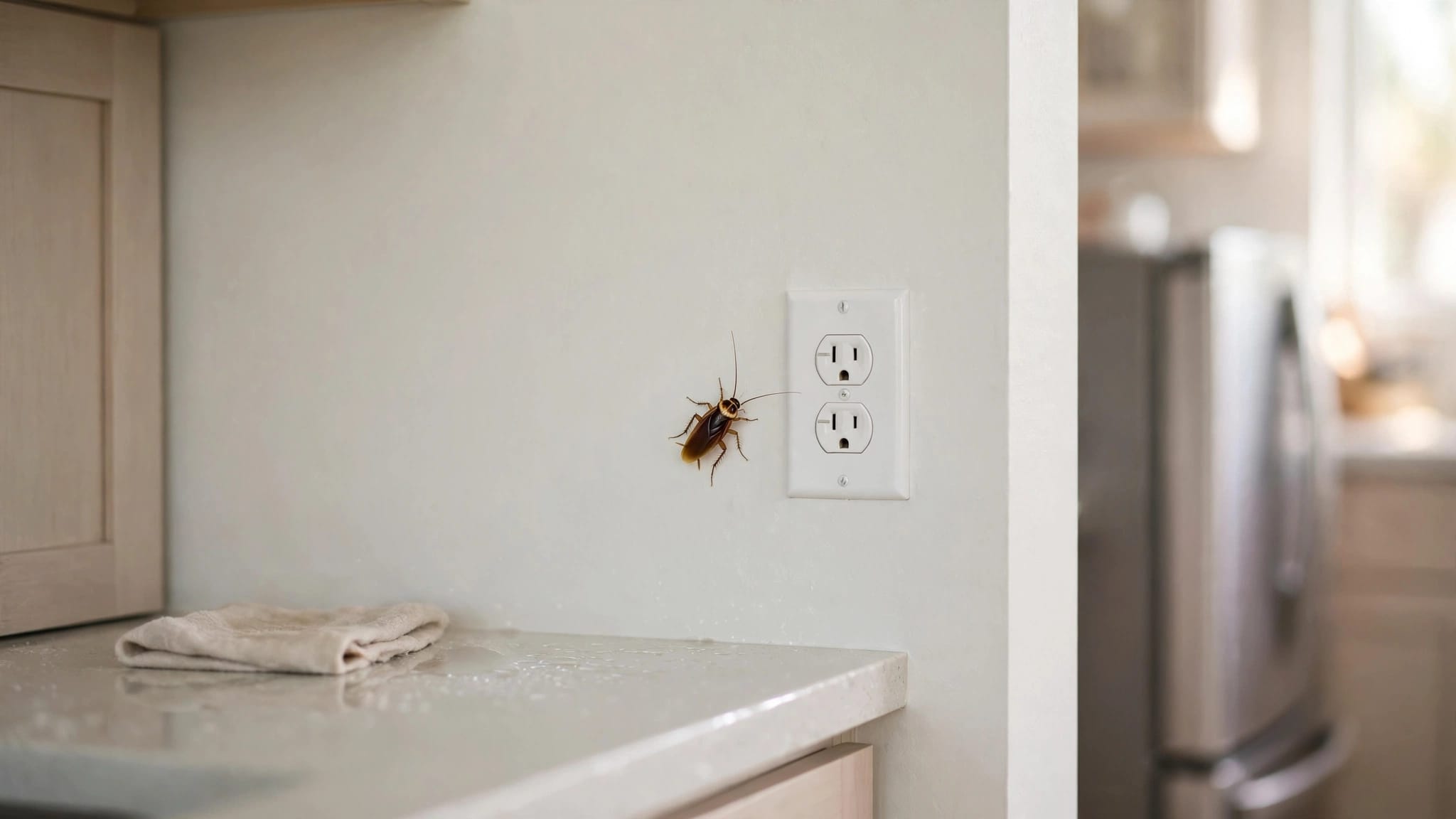
Cockroaches seek moisture and shelter near equipment, plumbing, and cardboard. German cockroaches may hide in tight indoor spaces, while larger American cockroaches can enter around drains, doors, and utility openings.
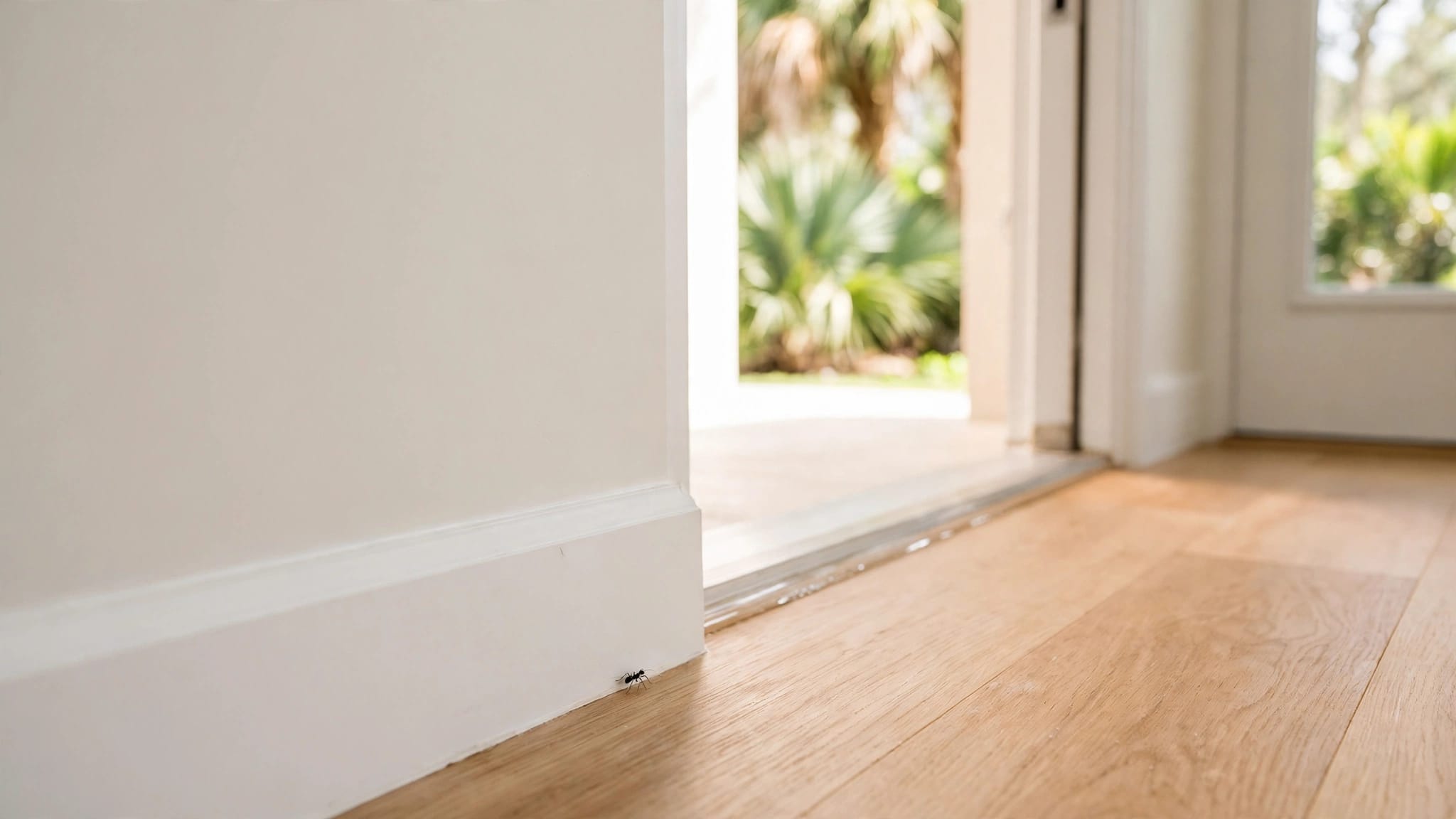
Ants follow food and moisture trails. A spill beneath a soda dispenser or a damp gap near a wall can bring them into guest or storage areas.
Rodents and stored-product pests
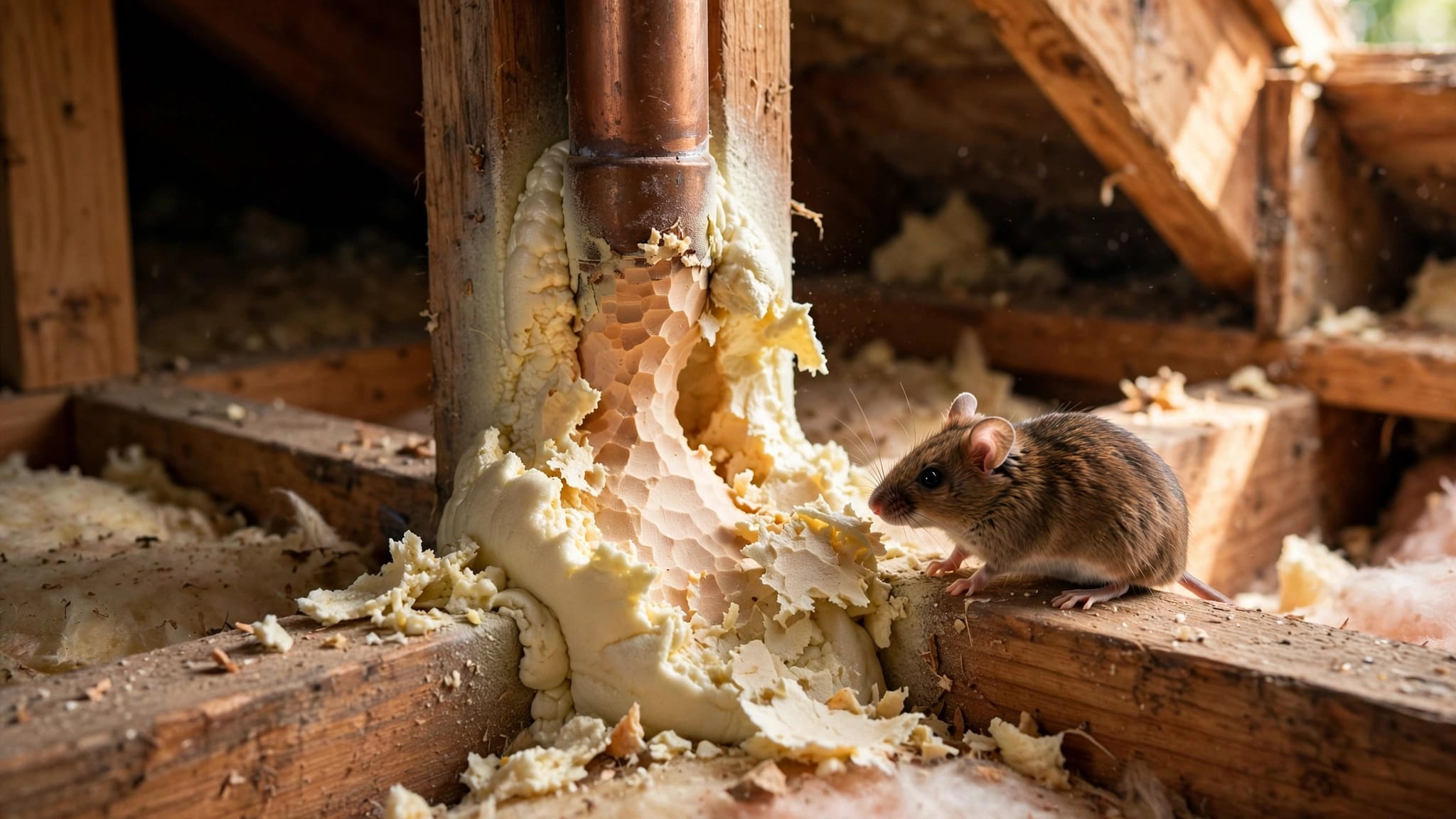
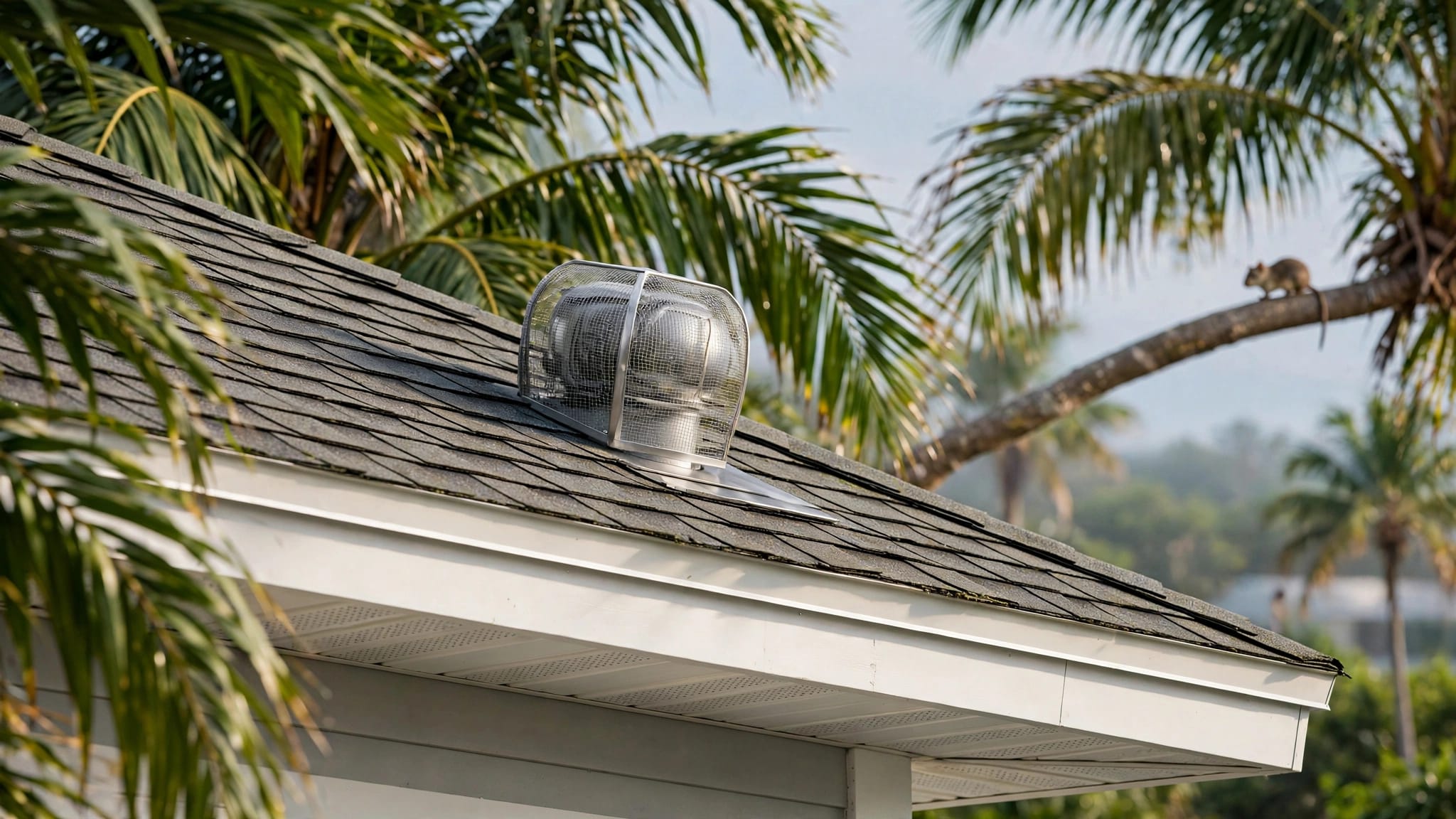
Rats and mice can feed on grain, discarded food, and waste. Look for droppings, gnaw marks, damaged packaging, or rub marks along walls. In Southwest Florida, roof rats may also reach a building by climbing vegetation or accessing roofline gaps.
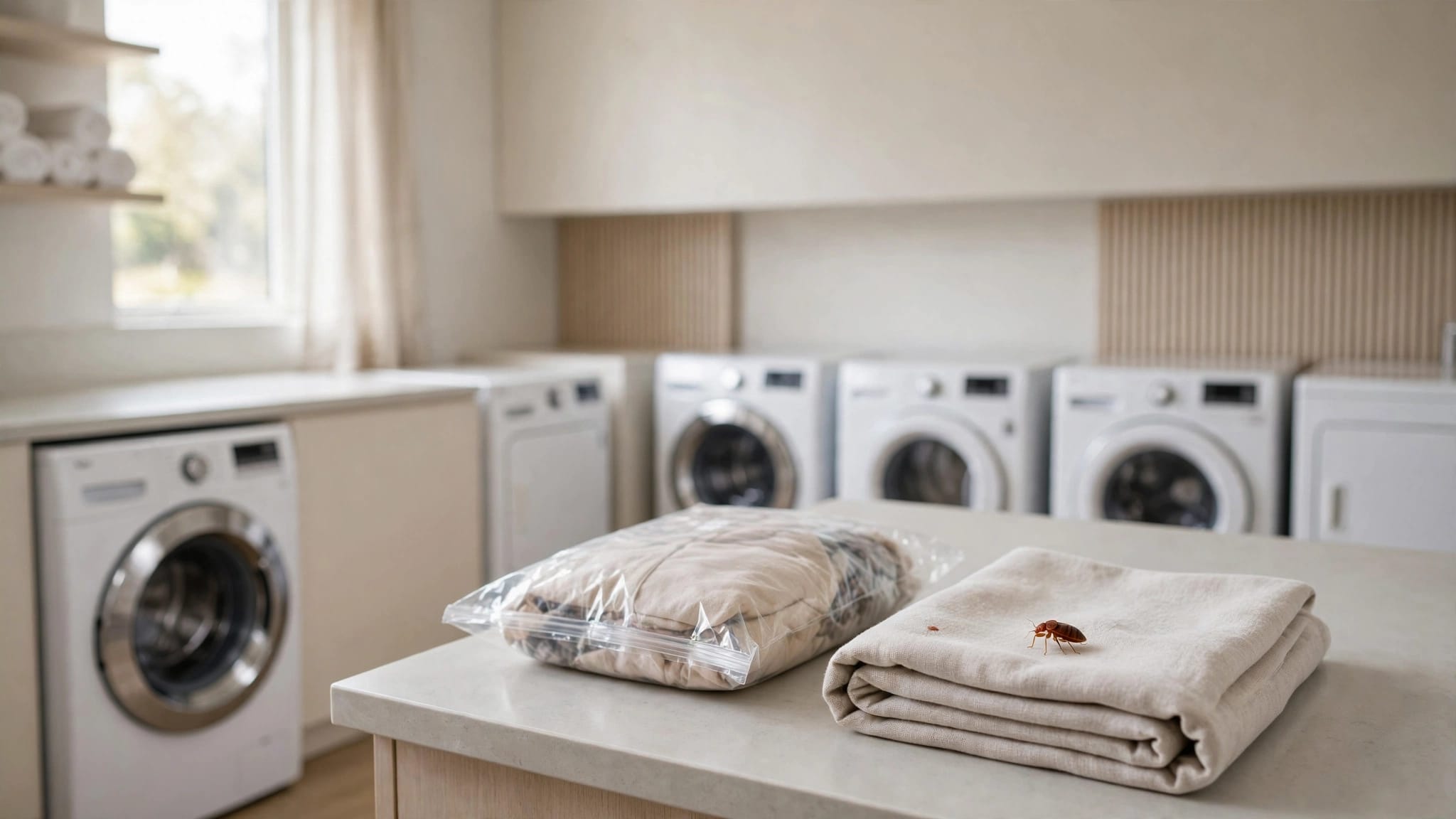
Stored-product insects, including grain beetles and moths, can arrive in ingredient shipments or develop in neglected stock. Watch for insects, larvae, webbing, or damaged packages around malt and other dry ingredients.
A sighting doesn't always reveal the full source. Record the location and tell your pest control provider so the inspection can extend beyond the spot where the pest appeared.
Keep brewing areas clean and dry
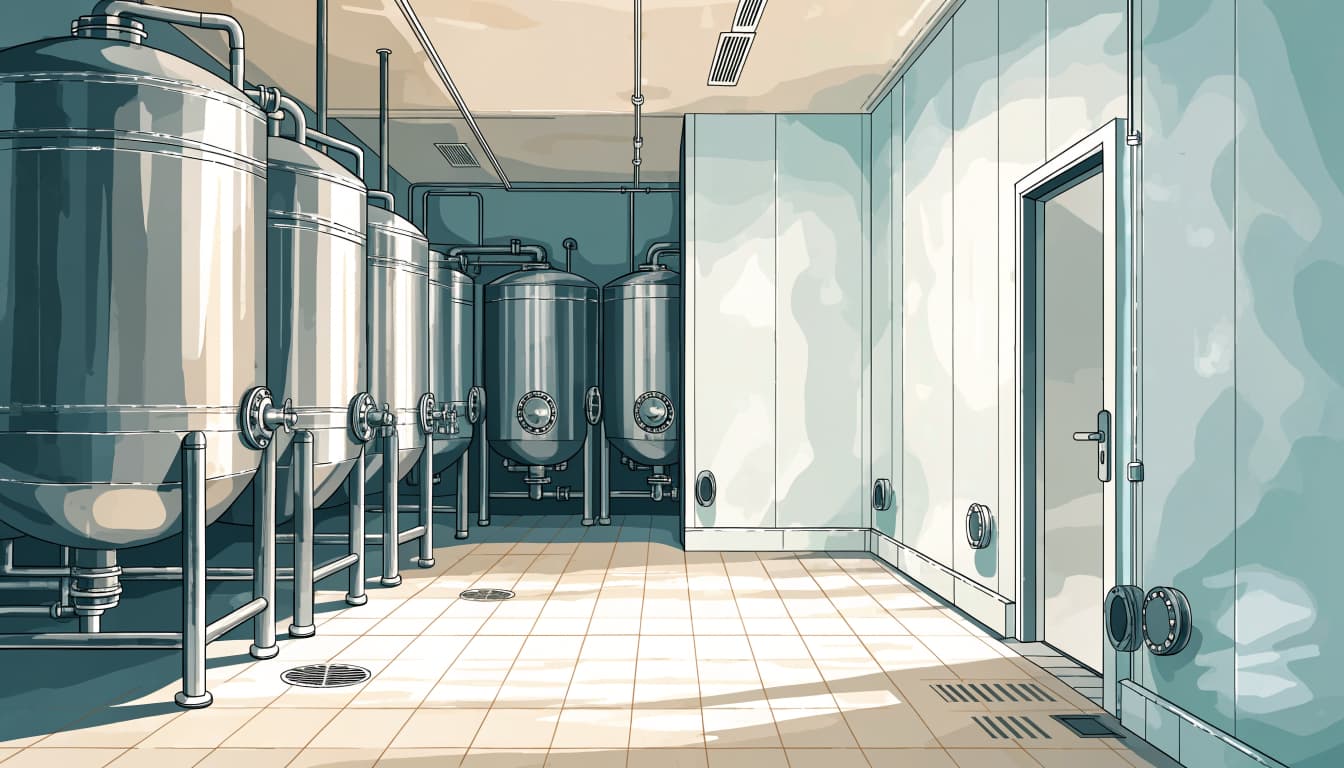
Brewhouses have ingredients, standing equipment, and wet work areas. A good cleaning routine reaches the spaces that aren't obvious during a busy shift.
Remove residue around equipment
Clean spilled malt and other ingredients as soon as practical. Pay attention to the floor beneath grain handling equipment, around tank legs, and behind movable carts. Sweep or use a vacuum appropriate for the material and work area, then dispose of collected debris in a closed container.
Beer and wort residue also collect around hoses, fittings, and transfer areas. Follow your brewery's cleaning procedures, including cleaning underneath equipment where residue can remain after the visible floor looks clean.
Manage drains and moisture
Inspect floor drains for organic buildup, particularly where small flies appear. Clean drain covers and accessible surfaces as part of the brewery's sanitation routine. Avoid relying on a surface rinse alone if residue remains inside the drain.
Repair leaking hoses and fittings, remove standing water, and address condensation around cold equipment. Keep plumbing traps functioning as intended rather than allowing drains to dry out. If flies persist, have the species identified and inspect nearby drains, equipment bases, and waste areas.
Protect ingredients during receiving and storage
A delivery can bring damaged packaging or pests into an otherwise clean building. Receiving staff have an opportunity to spot problems before stock reaches the grain room.
Inspect deliveries before accepting them
Look over sacks, cartons, and pallets for tears, dampness, insects, droppings, and spilled grain. Pay particular attention to folds and seams where insects can hide. Separate a suspect shipment from other ingredients and involve the supplier and your pest control professional before moving it into storage.
Remove unnecessary exterior cardboard from production and storage areas when practical. Cardboard can hide pests and makes it harder to inspect the space behind stored goods.
Store dry goods for easy inspection
Keep opened ingredients in clean, tightly closed containers suitable for the product. Store bags and bins off the floor, with enough space around them to clean and inspect. Rotate stock so older ingredients are used before newer deliveries.
Regularly look beneath pallets and along walls for loose grain, insects, and damaged containers. If you find activity, isolate the affected stock. Your food safety procedures and pest professional can help determine how to handle potentially contaminated ingredients.
Make waste areas less attractive to pests
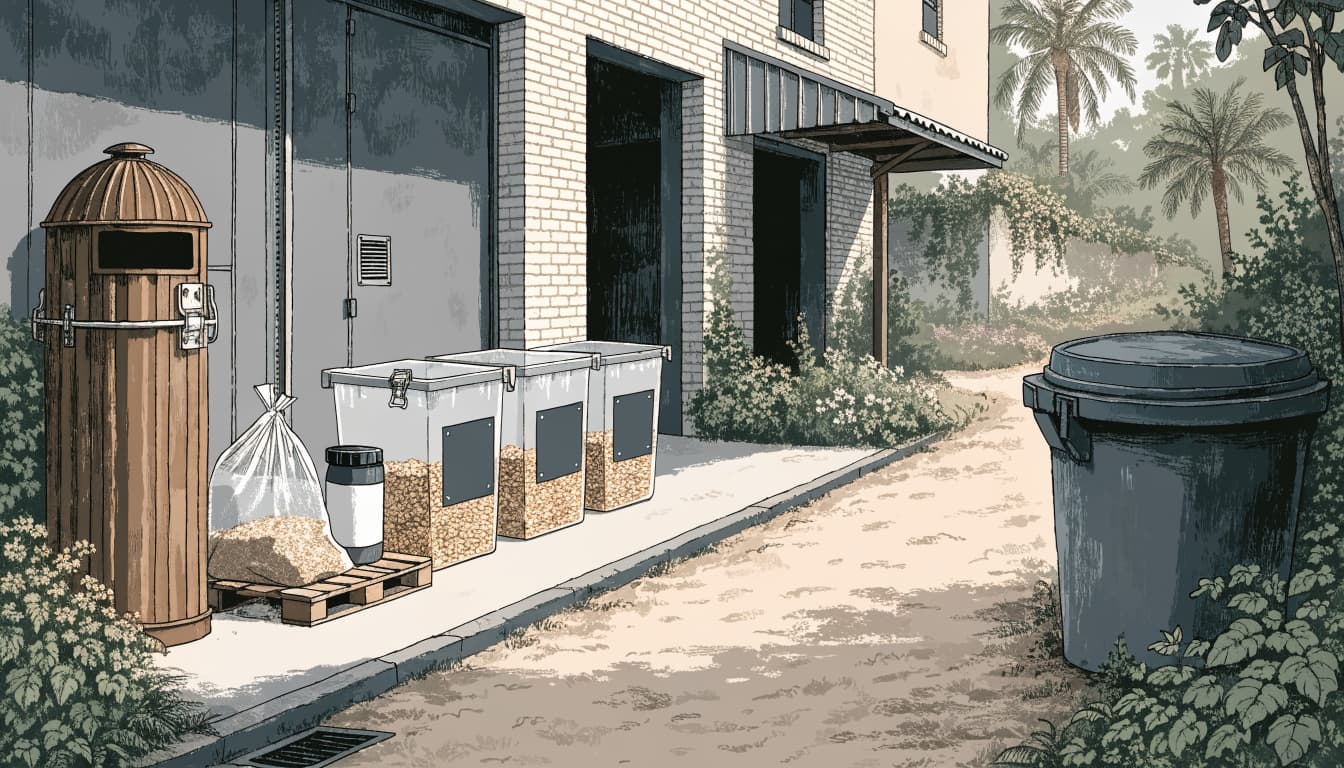
Spent grain, food scraps, and empty containers can attract pests when waste accumulates around a brewery. Keep waste in suitable closed containers and arrange pickup often enough that lids close fully.
Clean spilled grain and liquid from dumpster pads and the surrounding pavement. Rinse bins and containers as needed in an appropriate area, and address liquid pooling near the building. If spent grain is collected for another use, keep it contained while it awaits pickup.
Inside, empty waste bins before they overflow and clean sticky residue from the bottom and exterior. Keep recycling areas tidy too: cans and bottles with beer left inside can attract flies and ants.
Our guide to commercial trash enclosure and rodent prevention covers ways to keep waste less accessible between pickups.
Close the routes pests use to enter
A brewery may have several access points, including loading doors, patio entrances, utility lines, and roof vents. Walk the exterior and look for gaps that connect directly to production, storage, or guest areas.
Repair doors and utility openings
Replace worn door sweeps and repair damaged thresholds. Keep loading doors closed when they aren't in use, and avoid leaving a gap for ventilation during deliveries. Screen openings where appropriate, including windows and vents.
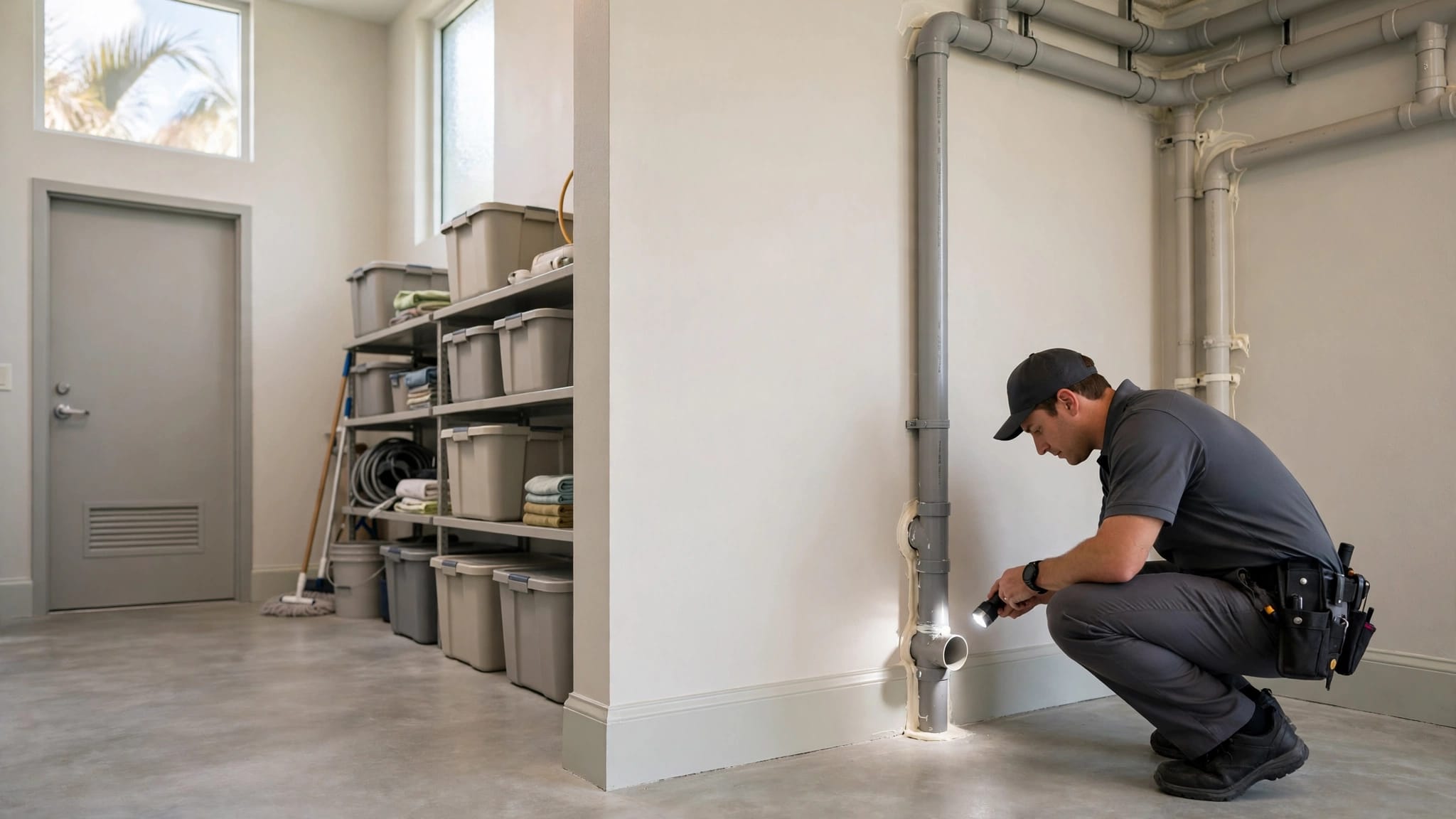
Inspect the spaces around pipes, cables, and conduits. Close openings with materials appropriate for the building and the pest, while preserving access needed for maintenance. Rodents can chew through some common sealants, so a lasting repair may need a rodent-resistant material.
Look above the ground floor
Roof rats can use branches and palm fronds to reach a roof. Trim vegetation away from the building and inspect roof returns, soffits, vents, and other openings.
If rodents are already inside, coordinate exclusion with a professional so animals aren't trapped in inaccessible spaces. Our article on roof rat exclusion in Cape Coral explains common roofline access points.
Protect the taproom and patio
Guest areas have their own pest attractants, especially around bar drains, garnishes, and outdoor seating. Wipe up spilled beer and sugary drinks during service, then clean beneath bar mats and around drip trays at closing.
Store fruit garnishes and other food in covered containers. Empty indoor trash regularly and clean the area around bins. If the taproom serves food, include kitchens, prep spaces, and storage rooms in the same prevention routine.
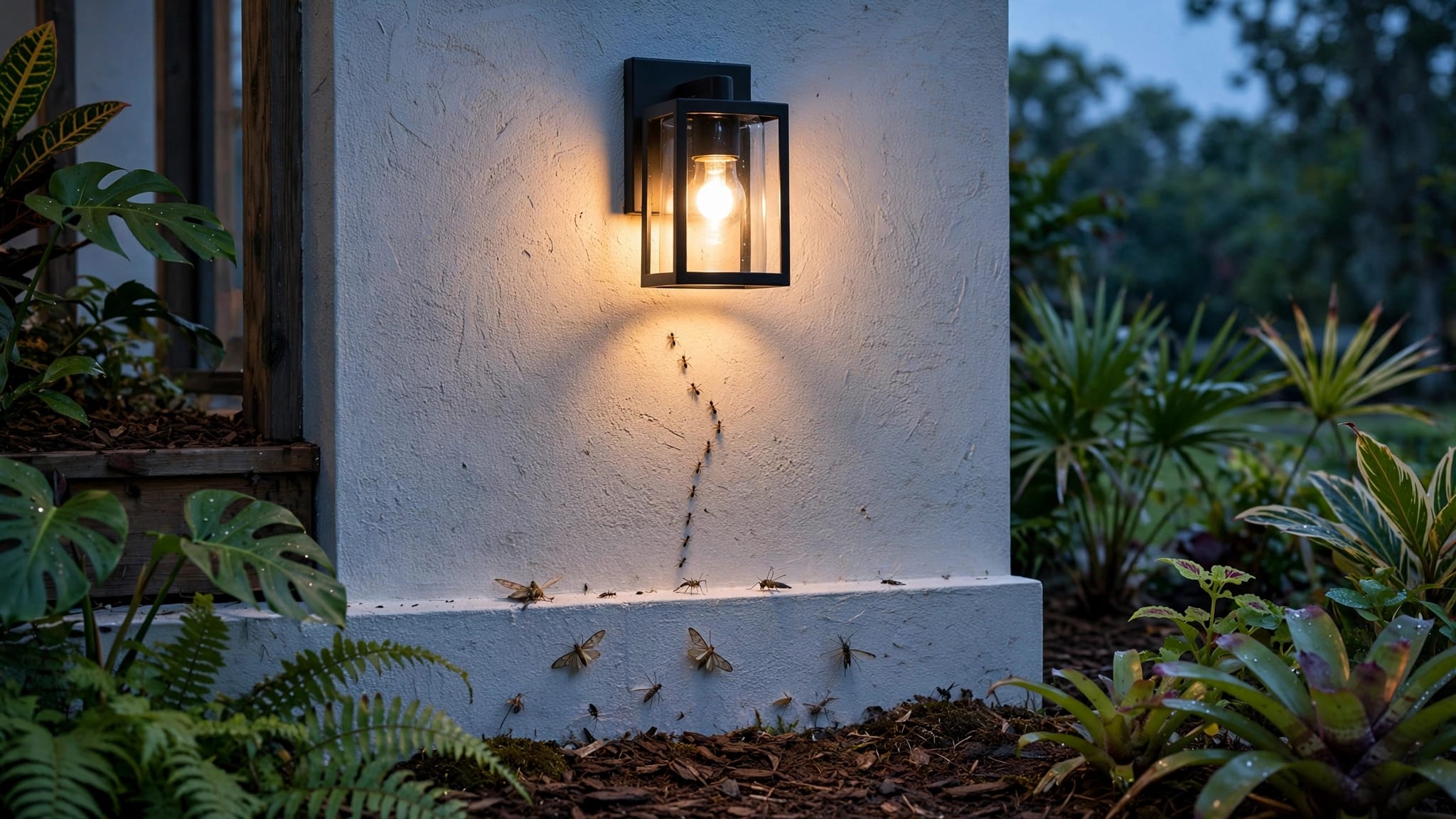
On the patio, clear food scraps and collect empty glasses promptly. Keep doors and screens in good repair so an outdoor pest problem doesn't move indoors. If you use outdoor lighting near entrances, review whether its placement draws flying insects toward open doors.
Staff should report pest sightings with the location and time rather than simply removing the insect and moving on. Repeated sightings near one table, for example, may point to a nearby door gap or spill that needs attention.
Adjust prevention for Florida's weather
Florida's warm, humid conditions make pest prevention a year-round task. Heavy rain can also expose drainage problems and create damp areas around a building.
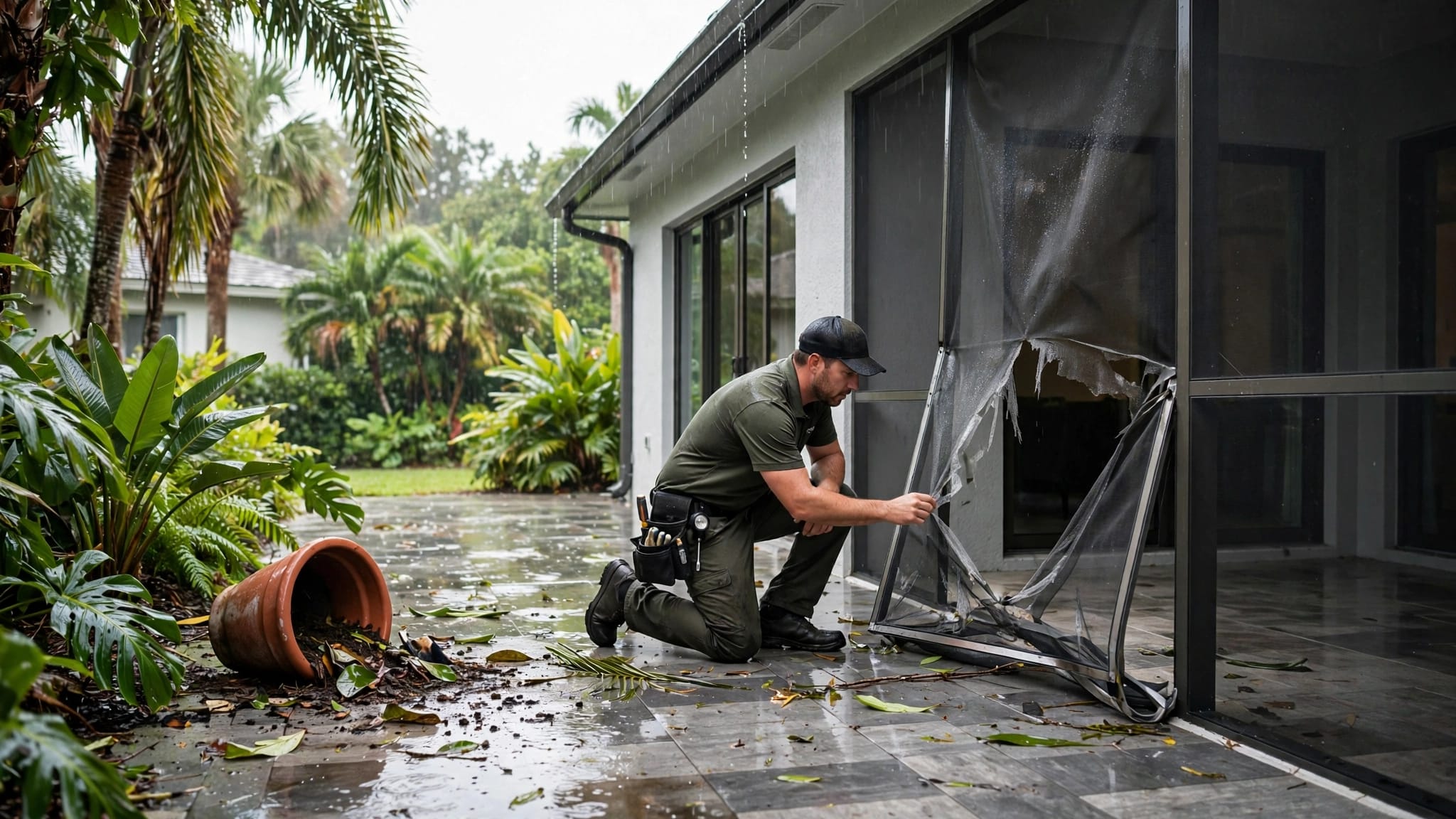
After storms, inspect door thresholds, exterior walls, roof drainage, and the dumpster area. Remove standing water where practical and repair leaks that leave walls or storage areas damp. Look for displaced screens or other damage that could give pests a new route indoors.
During humid periods, pay attention to condensation near cold rooms and beverage equipment. A dry-looking floor at opening can become wet later in the day, so staff should report recurring moisture rather than repeatedly mopping around it.
Cooler weather doesn't end the need for monitoring. Food, water, and shelter remain available inside a brewery, and rodents can use building gaps whenever they find an opening.
Build a brewery pest prevention plan
The strongest plan gives staff clear tasks and gives your pest control provider useful information. Start with a walkthrough of production, ingredient storage, receiving, waste areas, and the taproom.
Record sightings and follow through
Keep a simple log with the date, location, pest or visible evidence, and action taken. A photo can help with identification. Record repairs and sanitation corrections as well, so recurring activity isn't treated as a series of unrelated incidents.
For example, repeated fly sightings near a floor drain should prompt an inspection of the drain and nearby organic residue. If insects appear beside stored malt, examine the stock and surrounding storage area.
Use targeted professional control
A pest control professional can inspect likely entry points, place monitoring devices where appropriate, and recommend treatment based on the pest and location. Keep monitoring devices accessible for inspection and away from exposed ingredients, food-contact surfaces, and guests.
Avoid broad, unplanned pesticide applications around brewing or food service areas. Treatment choices must account for people, ingredients, equipment, and product labels. Rodent control should also protect pets and wildlife, with any baiting handled by trained professionals using secured stations.
At Shield Home & Pest Control Services, we offer commercial pest control in Cape Coral and serve businesses in surrounding Southwest Florida communities. We favor keeping pests outside and using the least amount of chemicals needed.
Make prevention part of every shift
Florida breweries can reduce pest pressure by keeping grain and waste contained, fixing moisture problems, and closing the gaps pests use to enter. A clean guest area matters, but the loading door and dumpster deserve attention too.
Give staff a way to report problems and follow through on repairs. With consistent monitoring and targeted professional support, a small sighting is easier to address before it spreads.
Schedule a Free Inspection: