Can Pests Enter Through AC Line Set Gaps in Florida?
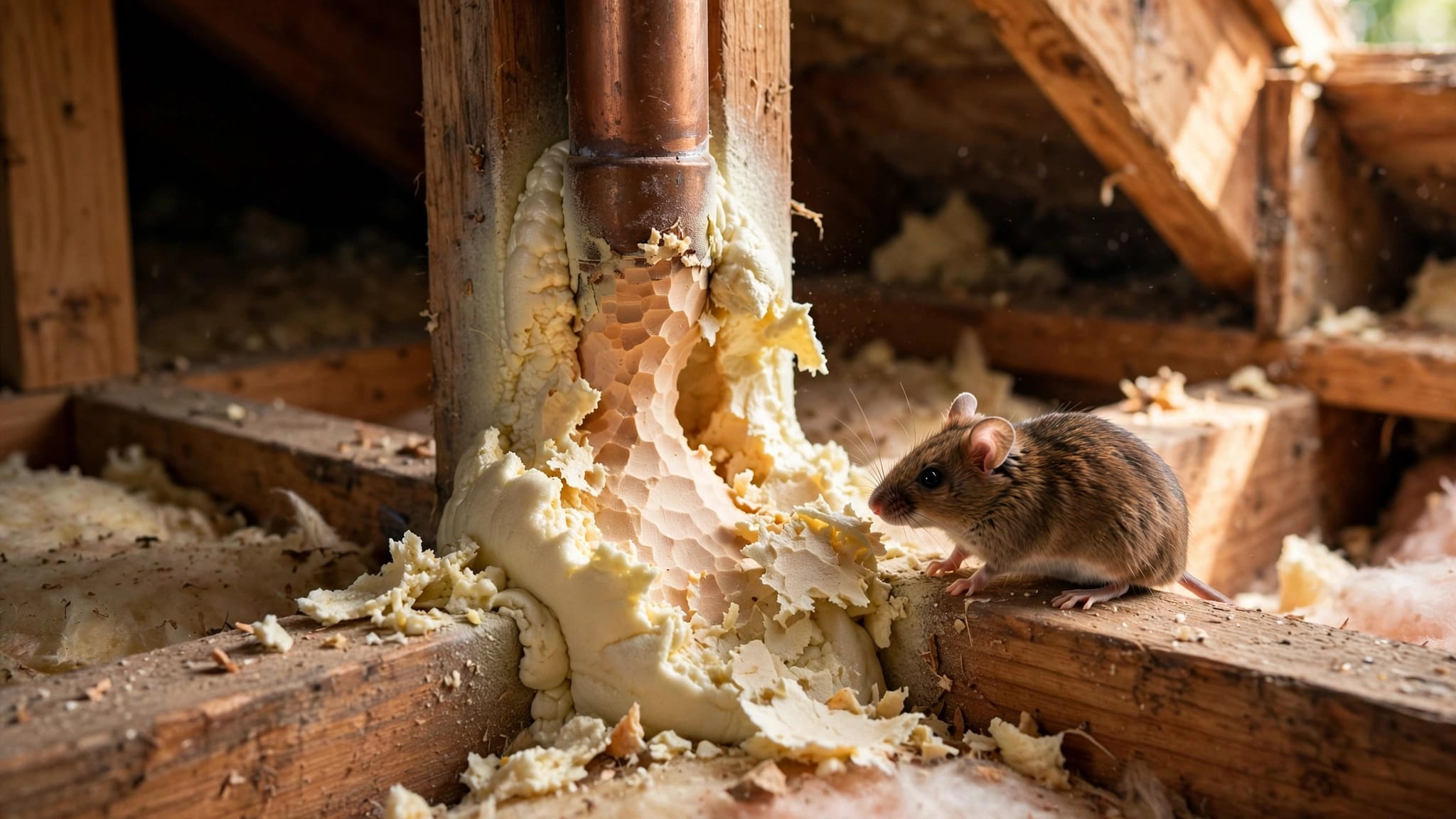
Yes. Gaps around an air conditioner's line set can give pests a way into a Florida home. Mice, for example, can use an oversized opening around the lines to reach a wall cavity.
The opening itself is the concern, even if your AC is working normally. A careful inspection can reveal whether the gap needs a pest-resistant repair or professional attention.
How Pests Use AC Line Set Gaps
The opening around the lines
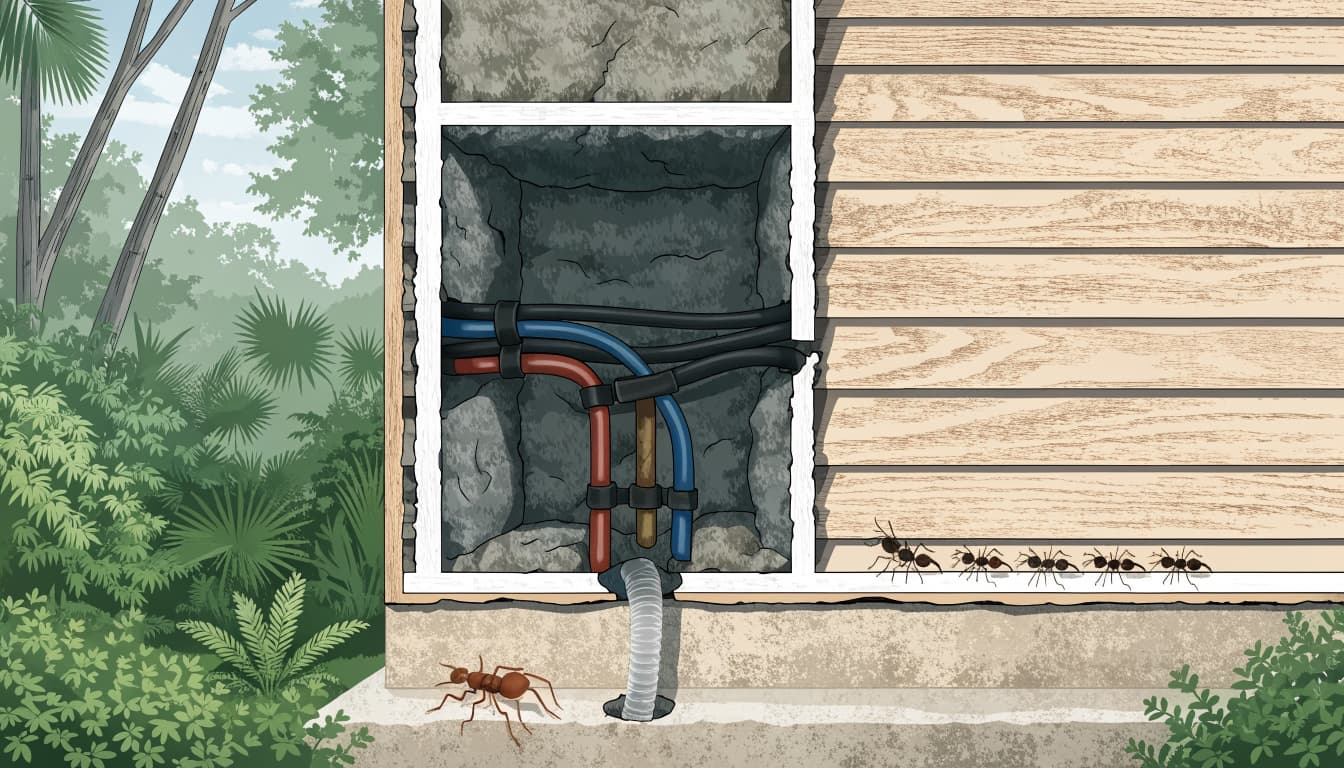
A typical line set includes refrigerant tubing that connects the outdoor AC unit to equipment inside. The lines pass through an exterior wall, and a condensate drain or other connections may be nearby.
The wall opening can be larger than the equipment passing through it. Sealant may also crack, pull away, or fall out over time. That leaves space between the wall and the lines, even when the tubing itself is intact.
If that space connects to a wall cavity, a pest may be able to travel beyond the exterior surface. The gap doesn't have to lead directly into a room to be a concern.
Mice and other signs of pest activity
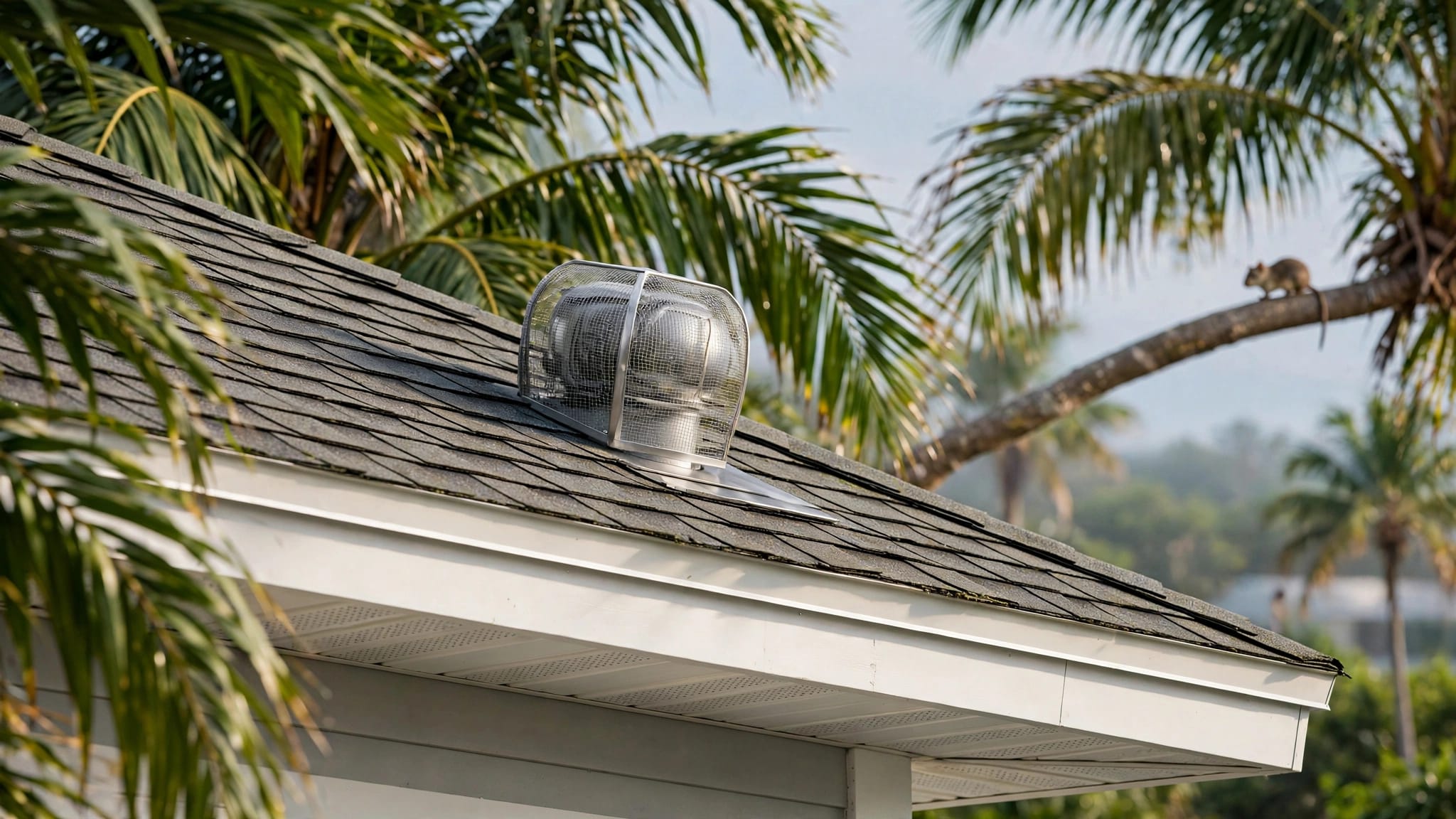
Mice can use utility openings, including AC line-set penetrations, to get into a home. Rats are also a concern around larger openings, although the size and location of the gap affect what can get through.
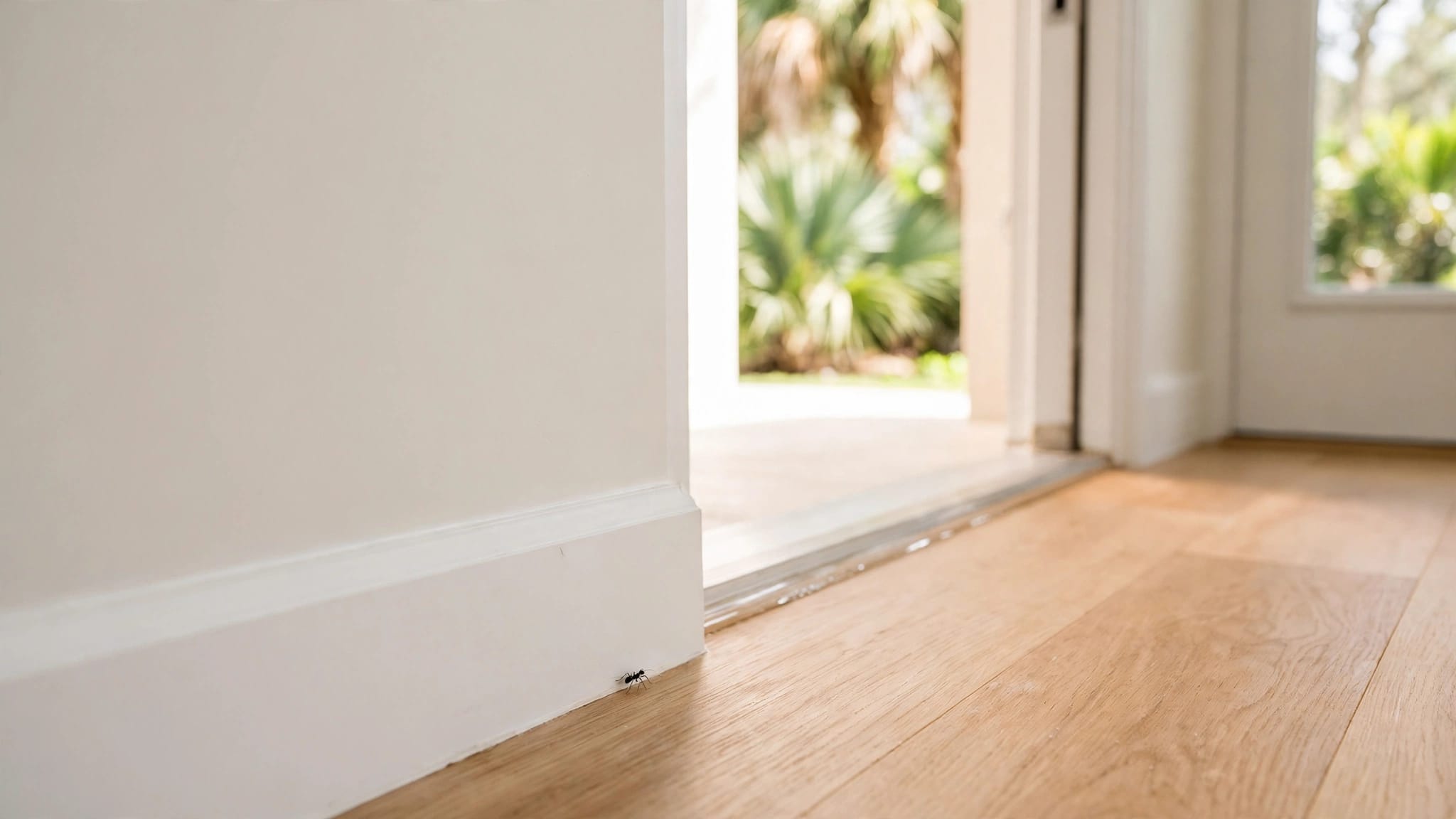
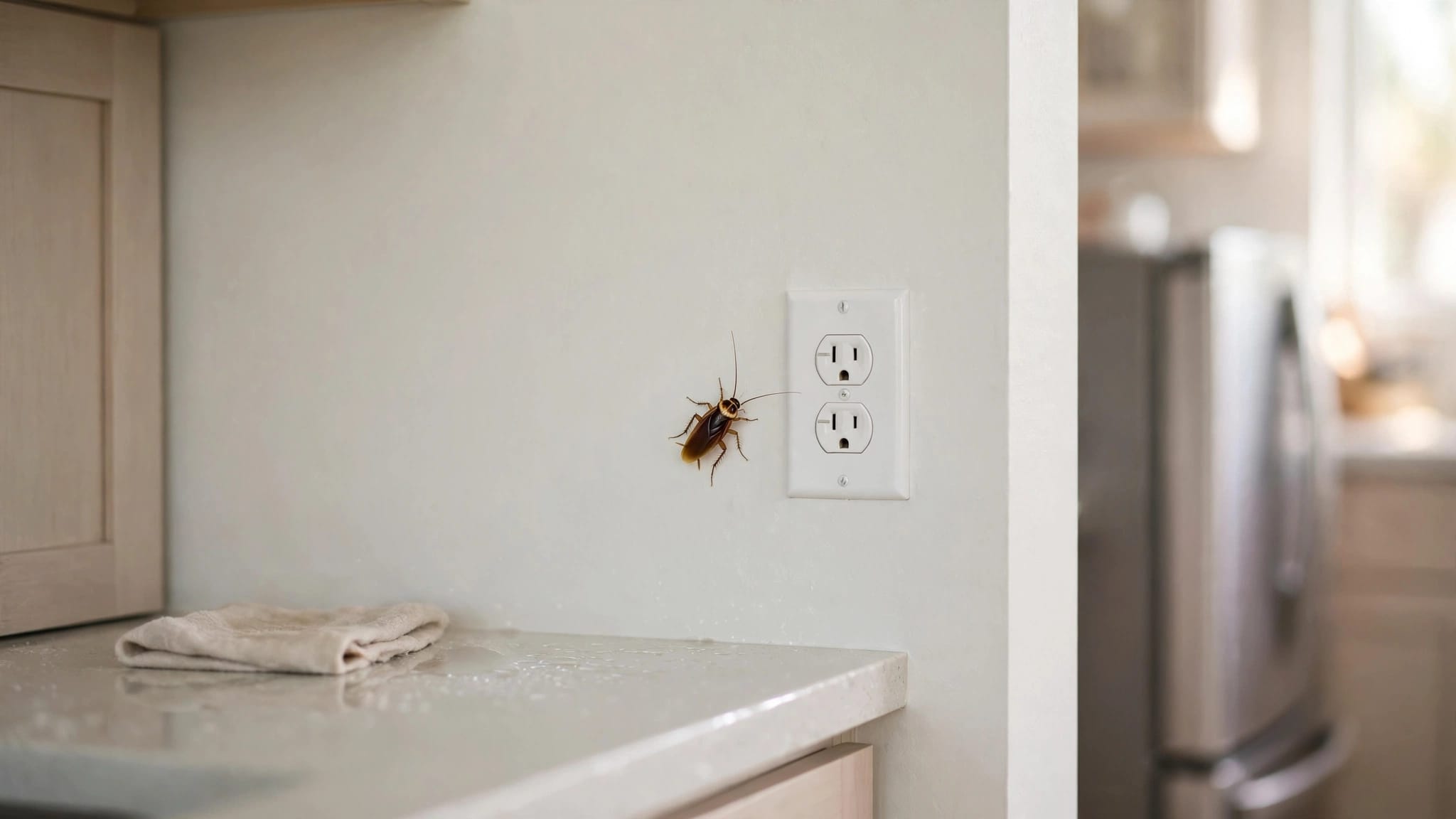
Ants and cockroaches are common around Florida homes, too. Finding them near the outdoor unit doesn't prove they're using the line-set opening. Watch for trails or repeated activity, and consider other possible routes along the wall.
Our guide to house mouse entry points in Cape Coral covers other openings worth inspecting.
How to Inspect the Line-Set Penetration
Start outside, where the refrigerant lines enter the wall. Bring a flashlight and look closely without pulling on the tubing, insulation, wiring, or drain line.
Look for damage and open space
Check the edges of the penetration for missing sealant, loose covers, cracks, and visible openings. Look behind the lines as well as above and below them. Vegetation or stored items can hide the lower part of an opening, so move them aside if you can do so safely.
If the inside of the penetration is accessible, inspect that side too. Daylight around the opening is a clear sign that it isn't closed, though a dark gap may still connect to a wall void.
Notice activity without disturbing it
Droppings, gnaw marks, shredded material, or dark rub marks can point to rodent activity nearby. Scratching in the wall or a strong urine odor also warrants attention. These clues don't establish that the AC opening is the only route inside.
Avoid touching droppings with bare hands or sweeping them dry. If you suspect rodents are active inside the wall, arrange an inspection before closing every suspected exit. Trapping an animal inside can create an odor and make removal harder.
How to Close Utility Gaps Safely
The right repair depends on the opening, the surrounding materials, and the pest involved. Around AC equipment, protecting the lines and preserving drainage matter as much as closing the gap.
Choose a durable barrier
For ordinary utility openings, small gaps around stationary pipes can often be closed with an exterior-rated sealant. Larger openings may need copper mesh or another pest-resistant filler beneath the sealant.
Rodents can chew through soft expanding foam, so foam alone isn't a dependable rodent barrier. A repair also needs to tolerate outdoor conditions and stay attached to the surrounding wall.
For AC line-set penetrations, have an HVAC technician select and install suitable materials if the opening is hard to reach or the lines could be damaged. Our guide to Florida home pest entry points explains where else to look around the exterior.
Protect the equipment
Don't bend or cut refrigerant tubing, compress insulation, or disturb electrical connections to reach a gap. Leave equipment panels and electrical covers in place.
A damaged or wet section of insulation deserves attention as well. An HVAC technician can address the equipment issue before the wall opening is closed.
Keep the Condensate Drain Clear
Your air conditioner produces condensate as it removes moisture from indoor air. That water needs an unobstructed path out of the system.
Seal around a wall penetration, not across a drain outlet. Don't pack mesh, foam, or caulk into the drain line or cover its opening. Also keep window weep holes and ventilation openings clear when inspecting nearby areas.
If you see persistent pooling, water stains, or signs of a drain leak, have the drainage problem addressed before sealing over it. Closing a visible gap won't correct a leak behind the wall.
When to Call a Professional
An HVAC technician is the right choice when the tubing, insulation, wiring, or condensate drain may need repair. Call one if the penetration is difficult to access without moving equipment or if moisture suggests a system problem.
A pest-control professional can help when you see droppings, hear scratching, or find recurring activity after a repair. An inspection can identify other access points and help address animals already inside before permanent exclusion work.
At Shield Home & Pest Control Services, we offer free inspections for homes in Cape Coral, Fort Myers, and surrounding Southwest Florida communities. Our approach focuses on keeping pests outside while using the least amount of chemicals needed.
Keep the Opening Protected
A gap around AC lines can give mice access to a wall cavity, even when the rest of the exterior looks sound. Inspect the opening, look for activity, and choose a durable repair that protects the equipment.
If you suspect rodents or aren't sure how to close the space safely, schedule a free inspection with our team. We'll help identify the next step without blocking the AC's drainage.
Schedule a Free Inspection: