Florida Slab Homes: 7 Pest Entry Points to Seal
A home can have a solid concrete slab and still offer pests several easy ways inside. In Florida, warm weather, heavy rain, humidity, and dense landscaping create steady pressure around the foundation.
Small gaps often attract ants, roaches, termites, mice, and rats before you notice a clear infestation. Sealing the right openings helps, but blocking the wrong ones can trap moisture or hide termite activity. Start with these seven entry points.
Key Takeaways
- A concrete slab doesn't seal every opening around a Florida home.
- Cracks, utility penetrations, doors, vents, and roofline gaps need regular inspection.
- Keep weep holes and ventilation openings clear so water and air can move properly.
- Rodent-proof materials must resist chewing, while caulk alone works for smaller insect gaps.
- Active termites, rats, and hidden moisture call for a professional inspection.
Why Florida Slab Homes Still Attract Pests
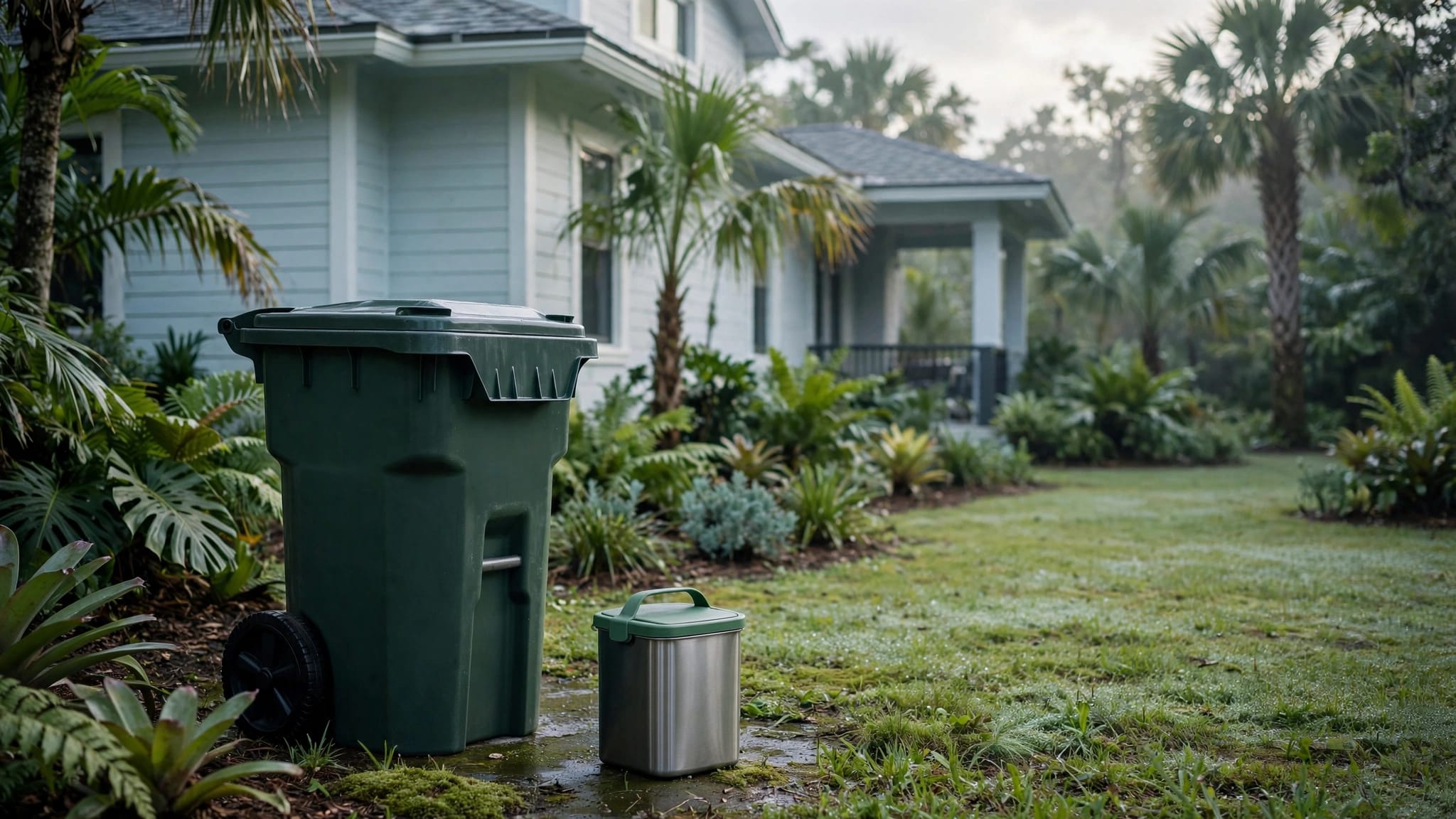
Slab construction places the home directly over a concrete foundation, with no crawlspace beneath the living area. That removes one common pest habitat, but it doesn't eliminate access points around the slab's edges and penetrations.
Plumbing, wiring, air-conditioning lines, doors, windows, and vents all pass through or around the structure. Each opening can create a small route into wall voids, cabinets, attics, or garages. Insects may need only a gap the width of a credit card. Rodents need more space, but they can enlarge weak materials with their teeth.
Moisture adds another concern. Rainwater can collect beside the slab, while condensation from air-conditioning equipment keeps nearby areas damp. Termites and ants often follow sheltered edges where soil, mulch, and concrete meet.
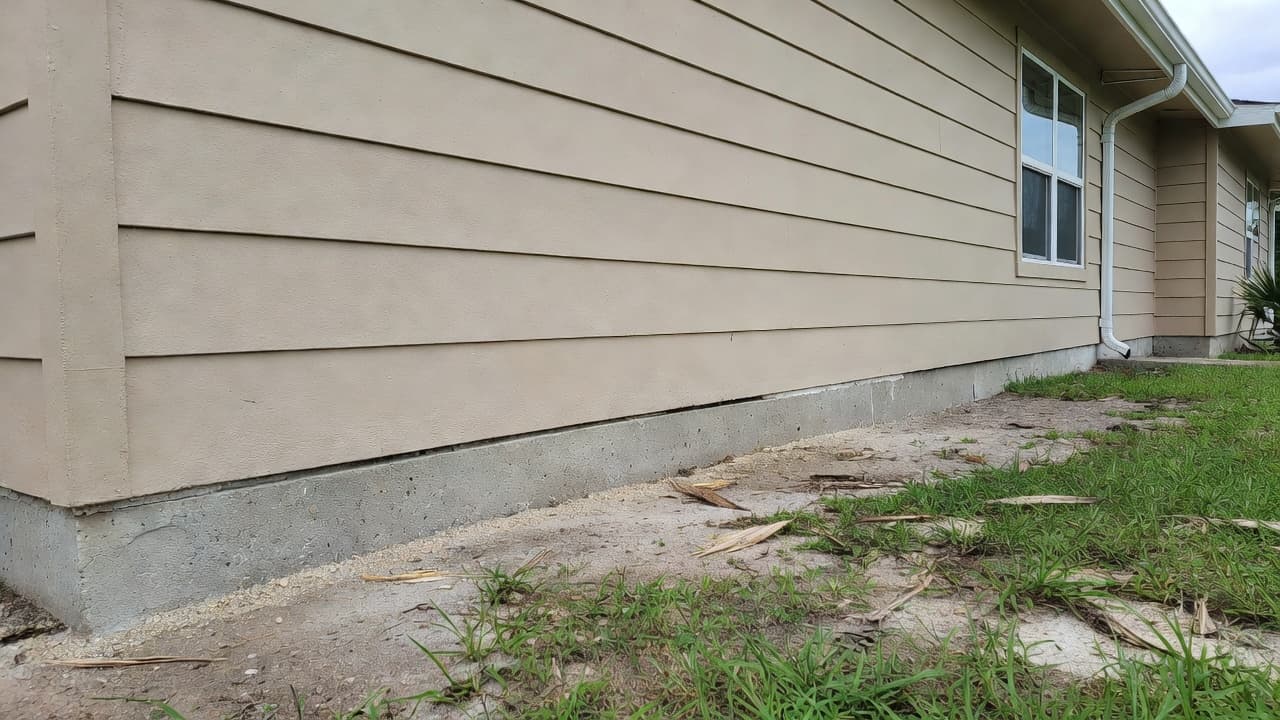
Walk around the outside of your house during daylight. Look for gaps, damaged screens, loose trim, mud tubes, droppings, and stains. Then inspect the matching area indoors. A gap near an outdoor pipe may appear inside as a hole beneath a sink or behind an appliance.
Seven Pest Entry Points to Seal Around a Slab Home
1. Slab cracks and foundation joints
Concrete can crack as it settles, shifts, or expands during changing temperatures. Hairline cracks may seem harmless, but wider cracks can lead into wall cavities. Ants, spiders, and other small insects may use them as sheltered travel routes.
Pay close attention to the joint where the slab meets an exterior wall. Also inspect control joints, garage floors, patios connected to the home, and areas near corners. A dark line alone doesn't prove an infestation, but repeated insect activity near the same crack deserves attention.
Use a flexible masonry sealant for suitable, non-structural cracks. A backer rod may help fill a deeper joint before applying sealant. Avoid covering a large, widening, or uneven crack without checking its cause first. Structural movement and water intrusion need a qualified contractor, not a quick bead of caulk.
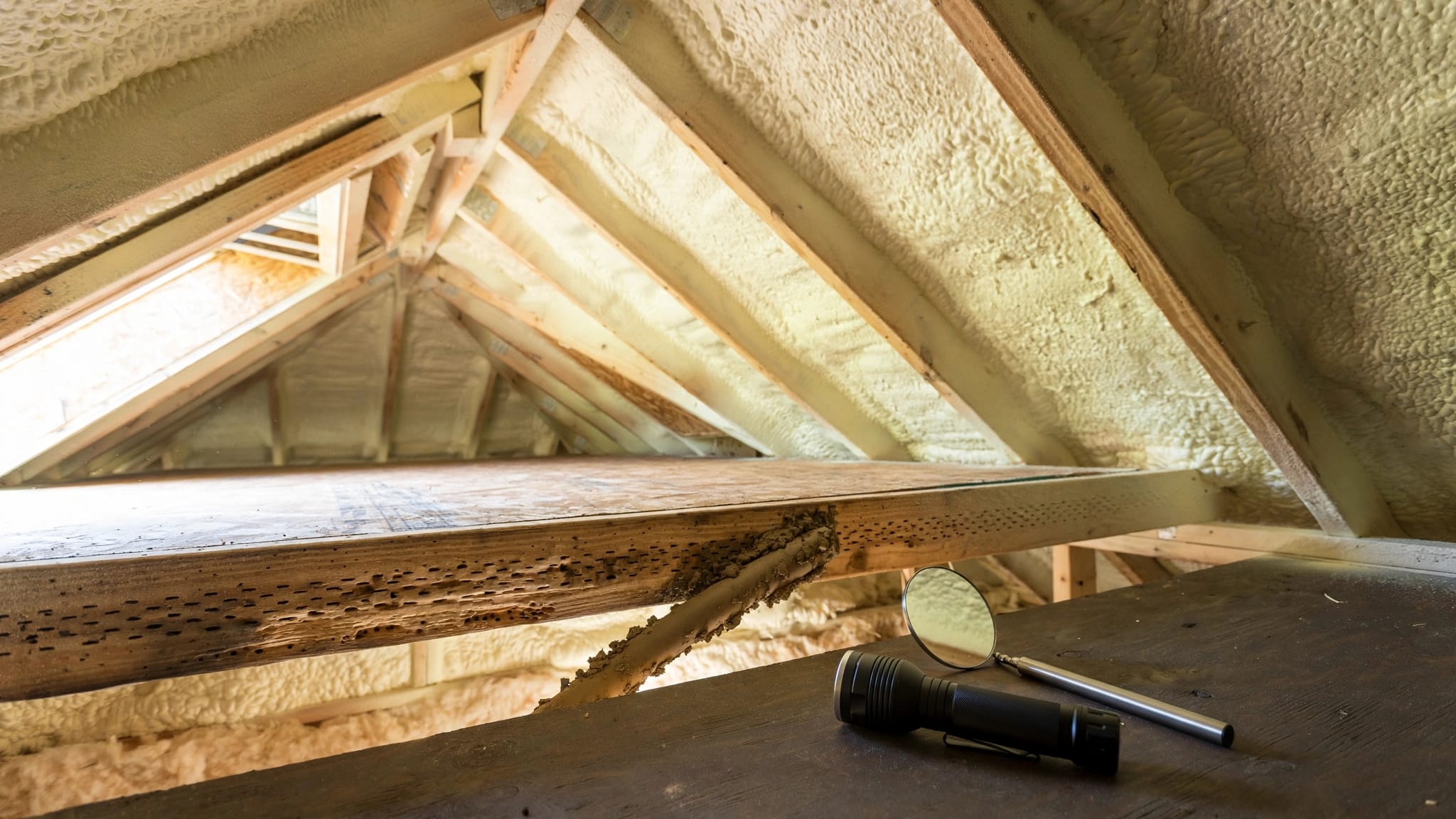
Termite shelter tubes require extra care. Don't scrape away active tubes and seal the area before an inspection. That can remove evidence and leave the colony undisturbed.
2. Plumbing penetrations beneath sinks and bathrooms
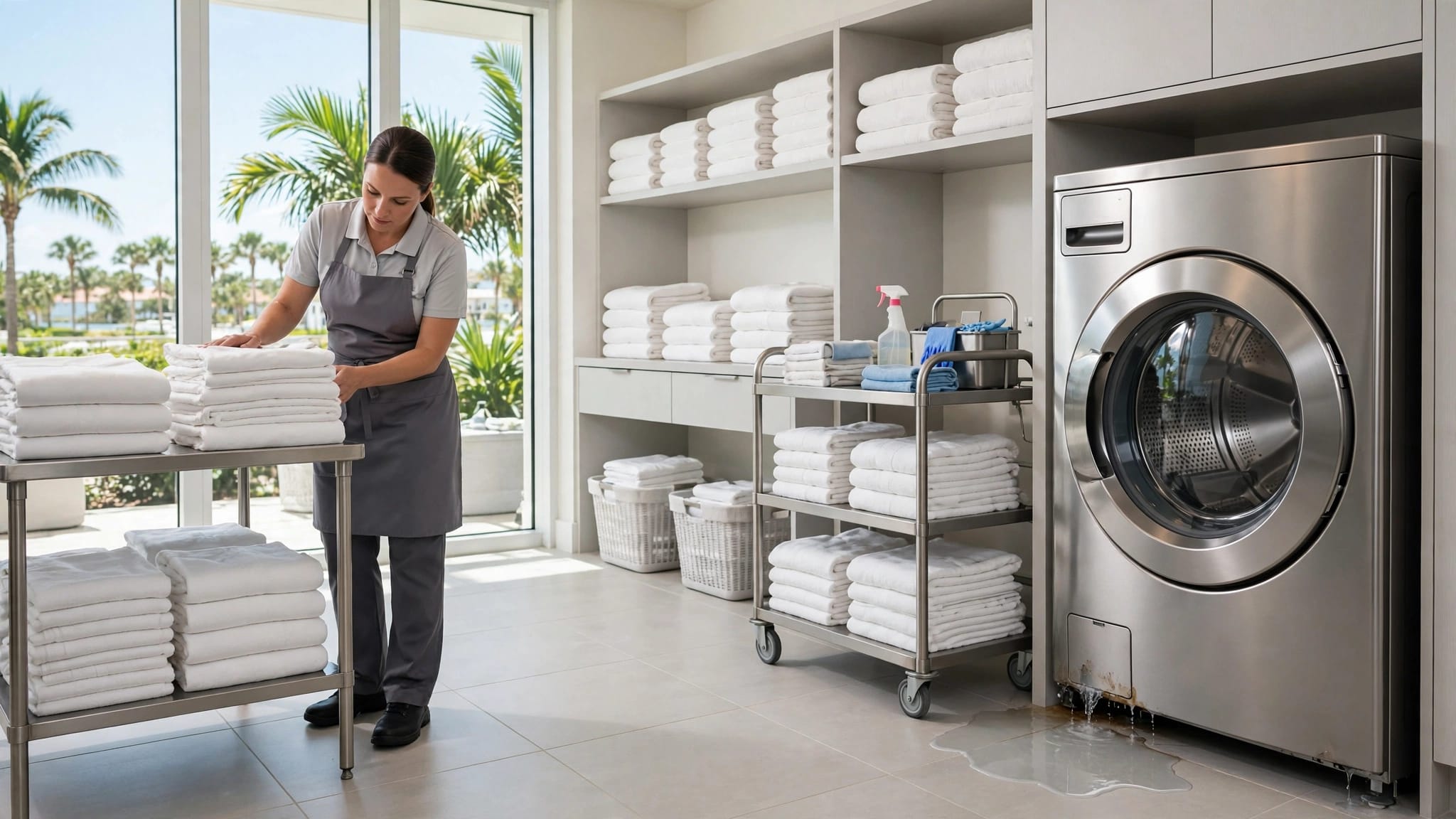
Water and drain pipes pass through walls, cabinets, and sometimes the slab. Gaps around those pipes are common hiding places for roaches, ants, and mice. Bathrooms and kitchens also provide the moisture pests need to survive.
Open the cabinet beneath each sink. Look around supply lines, drainpipes, dishwasher connections, and the wall behind the plumbing. Check around toilet bases and pipe openings near water heaters. A loose escutcheon, which is the trim ring around a pipe, can leave a visible gap.
Small openings around stationary pipes can usually receive a quality sealant. Larger gaps may need copper mesh or another pest-resistant filler beneath the sealant. Rodents can chew through soft foam, so expanding foam alone isn't a dependable mouse or rat barrier.
Keep plumbing areas dry as well. A slow leak can attract pests even after every visible opening is sealed. Replace damaged supply hoses and repair dripping faucets before treating the surrounding gap.
3. Electrical and utility line openings
Electrical cables, internet lines, hose bibs, gas lines, and other utilities enter the structure through exterior walls. Installers often leave irregular openings around these lines, especially where older sealant has cracked or fallen away.
Inspect the outside wall where each cable or pipe enters. Check the electrical panel area, outdoor outlets, pool equipment, irrigation controls, and utility closets. Look for staining, chewed material, loose covers, and daylight around the penetration.
Never remove electrical covers or disturb wiring to reach a gap. A licensed electrician should handle openings inside panels or around unsafe connections. For exterior penetrations, use a weather-rated sealant compatible with the wall material.
Rodent control requires more than closing the visible hole. Rats and mice can push through surprisingly small openings, then chew soft sealant around the edge. A professional may use metal screening or mesh with an exterior sealant to create a more durable repair.
4. Exterior doors and the garage door
Doors move constantly, so their seals wear out faster than many homeowners expect. A damaged door sweep can leave a gap along the threshold, while worn weatherstripping lets insects enter around the sides and top.
Inspect every exterior door, including the garage entry door and doors leading to a lanai or pool area. At night, turn off the interior lights and check for daylight around the frame. During the day, look for dirt trails and insect activity along the threshold.
The garage door deserves close attention because it meets the slab across a wide opening. A hardened or cracked bottom seal may leave enough space for roaches, crickets, ants, mice, or rats. Replace the seal if it no longer presses evenly against the floor.
Keep garage doors closed when possible. Store pet food, birdseed, and trash in sealed containers, since food odors can draw rodents toward even a well-sealed entrance.
5. Windows, screens, and frame gaps
Florida homes rely on open windows and screened enclosures for airflow, but damaged screens can create direct access for mosquitoes, flies, roaches, and small lizards. Window frames may also develop gaps after settlement or repeated exposure to rain and sun.
Check screen corners, spline, sliding tracks, and the connection between the frame and wall. Repair small holes with matching screen patches and replace screens with extensive damage. Clean tracks so windows close fully and seals make contact.
Inspect exterior caulk around window frames. Cracked or missing sealant can allow water and insects behind the trim. Use a product rated for exterior windows and the specific surface.
Don't seal weep holes at the bottom of window frames. These openings drain water away from the window assembly. Blocking them can force moisture into the wall and create a larger repair problem. If pests appear to use a weep hole, ask a window professional about an approved pest-resistant solution that preserves drainage.
Homeowners in Cape Coral and nearby communities can arrange residential pest control in Cape Coral when recurring insect activity continues after screen and caulk repairs.
6. Air-conditioning, dryer, and exhaust vents
Vents connect the inside of your home to the outdoors, so their covers need to block pests without restricting airflow. Missing flaps, broken louvers, and damaged screens can let roaches, birds, bats, and rodents enter.
Inspect the dryer vent cover for a working damper. Lint buildup, nesting material, or a flap that stays open can point to a problem. Clean the dryer duct on its normal maintenance schedule, and replace a damaged exterior cover with a compatible model.
Bathroom and kitchen exhaust fans also need inspection. Their exterior dampers should close when the fan is off. Don't cover a vent with an improvised screen that traps lint or blocks ventilation.
Air-conditioning line sets and condensate drains create additional wall penetrations. Seal gaps around the line set, but never block the condensate outlet. Water must drain freely to prevent leaks, mold, and moisture-related pest activity.
7. Roofline, soffits, and attic vents
Many pest problems that appear inside a slab home begin above the ceiling. Loose soffits, damaged fascia, roof vents, and gaps around plumbing stacks can let rats, squirrels, bats, and insects enter the attic. Once inside, rodents may move through insulation and wall cavities.
Inspect the roofline from the ground with binoculars, or hire a professional for areas that are unsafe to reach. Look for lifted soffit panels, torn vent screening, gaps around roof penetrations, and staining beneath eaves.
Use durable screening designed for the opening. Repairs must preserve ventilation, especially around soffit and ridge vents. Blocking airflow can raise attic temperatures and moisture levels.
Trim tree branches that touch the roof and keep vines away from soffits. These routes give rodents and other animals a direct path to elevated openings. If you hear scratching, see droppings, or notice a strong odor in the attic, arrange an inspection before sealing every gap. Removing an animal after closing its exit can create damage inside the home.
How to Seal Pest Openings Without Creating New Problems
The right repair depends on the size, location, and pest involved. Exterior sealant works well around many small gaps, but it won't stop a rat that can chew through the material. Metal mesh beneath sealant provides stronger protection for larger openings.
Before sealing, clean loose debris and confirm that the area is dry. Don't seal over wet wood, active leaks, termite tubes, or animal nests. Repair the moisture source and identify current pest activity first.
A simple inspection routine can catch problems early:
- Walk the perimeter after heavy rain and look for standing water or washed-out soil.
- Check doors, screens, vents, and utility penetrations every few months.
- Inspect cabinets, garages, and attic access points for droppings or insect activity.
- Record damaged areas with photos, then repair them with suitable materials.
- Call a professional when signs continue after sealing or when termites and rodents are involved.
Regular exterior pest service can also reduce pressure around the slab. Shield Home & Pest Control provides professional pest control and rodent removal for homes in Cape Coral, Fort Myers, Punta Gorda, Bonita Springs, and Sanibel.
Conclusion
A slab foundation gives Florida homes a strong base, but pests still use cracks, pipe openings, damaged seals, vents, and roofline gaps. Sealing those seven areas reduces access while protecting the home's drainage and ventilation systems.
Start with a careful walk around the slab and compare exterior openings with indoor signs. When you find termite tubes, rodent evidence, persistent insects, or moisture damage, get the problem inspected before covering it. A sealed home starts with knowing which openings should close and which ones must stay open.
Schedule a Free Inspection: