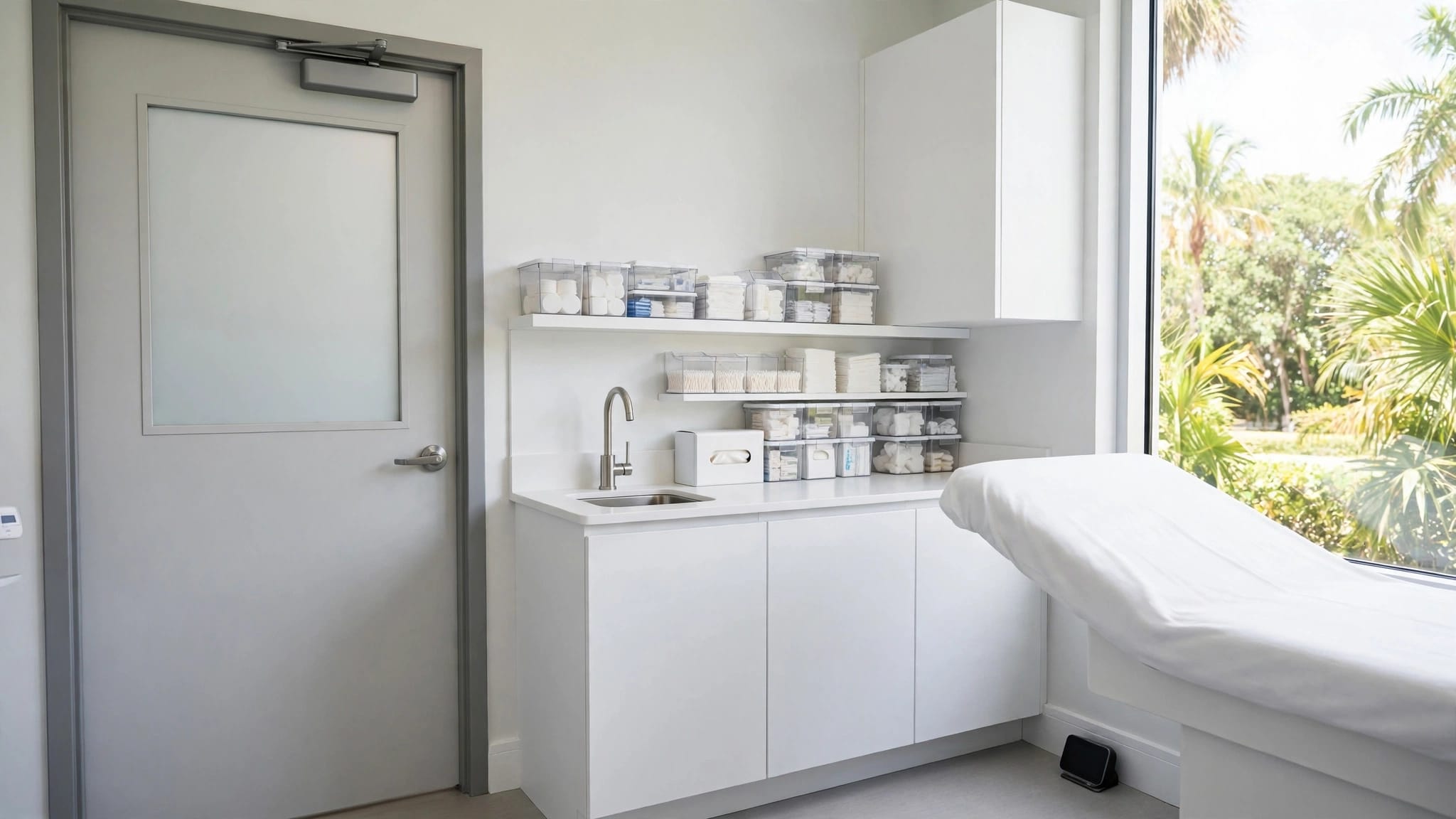
Pest Prevention for Florida Veterinary Clinics and Animal Hospitals
A pest sighting in an exam room needs a clear response, even when the clinic looks clean. In Florida, heat, humidity, and heavy rain can keep insects and rodents active and create new entry points around a building.
The most reliable pest prevention for veterinary clinics combines sanitation, exclusion, moisture control, and monitoring. Any pesticide work also needs careful coordination to protect patients, staff, and animals.
Build prevention around integrated pest management
Integrated pest management, or IPM, starts by identifying the pest and its likely source. The clinic then reduces the conditions that support it, blocks access, monitors activity, and uses targeted treatment when needed. This approach helps avoid routine, broad pesticide applications that may expose animals without addressing the cause.
Veterinary clinics have several sensitive spaces to account for, including exam rooms, treatment areas, kennels, food storage, and supply rooms. A control method suited to a loading area may not belong near a recovery ward. Include the clinic manager and staff who know how animals move through the building when planning prevention.
Treat a sighting as useful information
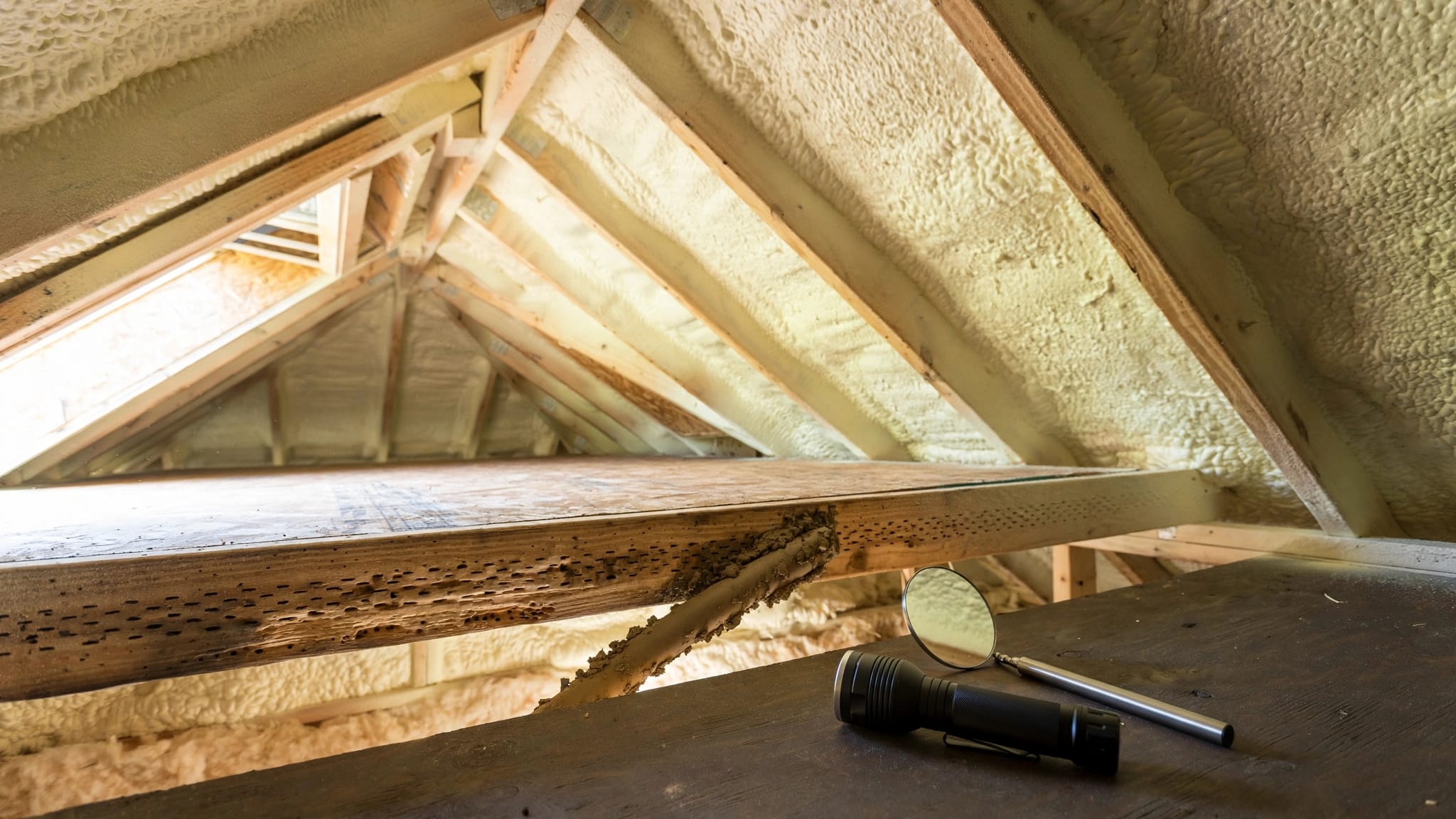
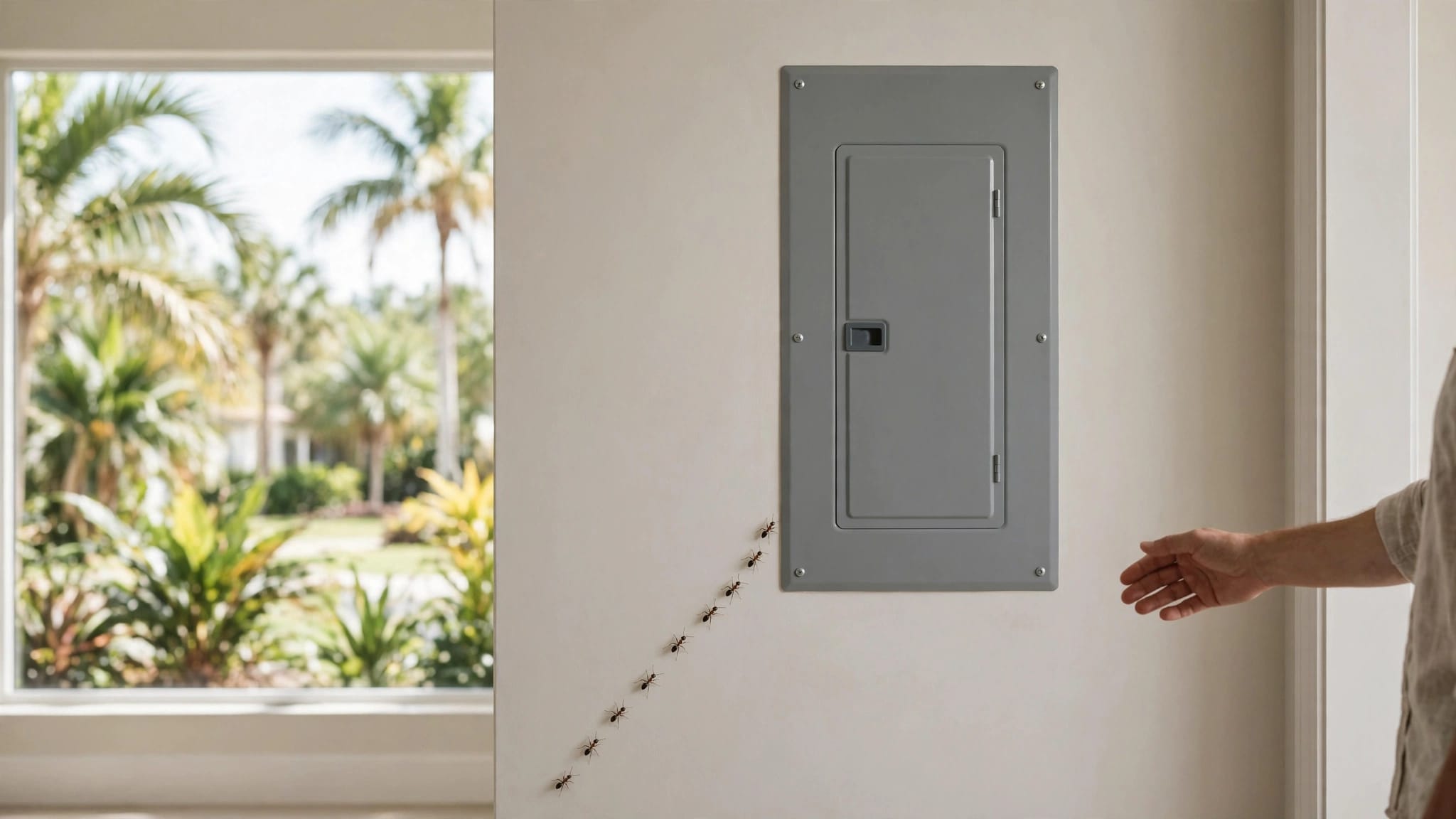
Record where and when staff see pests, along with signs such as droppings, gnaw marks, shed insect skins, or recurring ant trails. These details help reveal whether activity is near a door, drain, food source, or wall void.
A single sighting doesn't always point to a large infestation, but repeated activity in the same location deserves attention. Clean up safely, protect patients from the area, and report the location to the person coordinating pest control.
Keep the plan specific to each zone
Map sensitive rooms, food and medication storage, waste areas, and exterior doors. Note where animals are housed and which areas staff can temporarily close for inspection or treatment. A written site map can help staff and a licensed pest-control professional discuss placement and access without relying on memory.
Plan for Florida's changing pest pressure
Florida's warmth means pests can remain active for much of the year. During hot, humid periods, insects can thrive where food, water, and shelter are available. Heavy rain can push pests toward dry indoor spaces, while standing water around a property can attract mosquitoes.
The clinic may also see different issues in different parts of the building. Ants can follow food residues, cockroaches can hide in warm, damp gaps, and rodents can use utility lines, roof edges, or nearby vegetation to reach a structure. In cooler spells, rodents and insects may seek protected indoor areas.
Seasonal shifts make regular inspection more useful than waiting for a complaint. After intense rain, check doors, drains, storage areas, and locations where water collects. During dry stretches, irrigation and condensation can still leave damp conditions near the foundation.
Close exterior entry points before pests get inside
A small gap around a pipe or a worn door sweep can give pests access to a clinic. Walk the perimeter and inspect door bottoms, window frames, vents, roof edges, utility penetrations, and places where different building materials meet. Repair damaged screens and use suitable materials to close gaps.

Check doors, vents, and roof access
Exterior doors should close fully, and door sweeps should meet the threshold without leaving a visible gap. Keep delivery doors closed when they aren't in use. Roof rats can travel along branches and access roof edges, so inspect soffits, vents, and pipe penetrations for openings or damaged screening.
Rodent exclusion often involves screening vents and sealing gaps at roof returns, soffits, and pipes. For more detail on those measures, see how to seal entry points to stop recurring rodent activity.
Reduce easy routes to the building
Trim vegetation that touches walls or hangs over the roof, and keep stored materials away from the building. In Southwest Florida, rodents may travel along utility routes, seawalls, canals, storage areas, and neighboring properties. Clear access around the exterior makes potential hiding places easier to spot.
Manage rainwater, humidity, and drainage
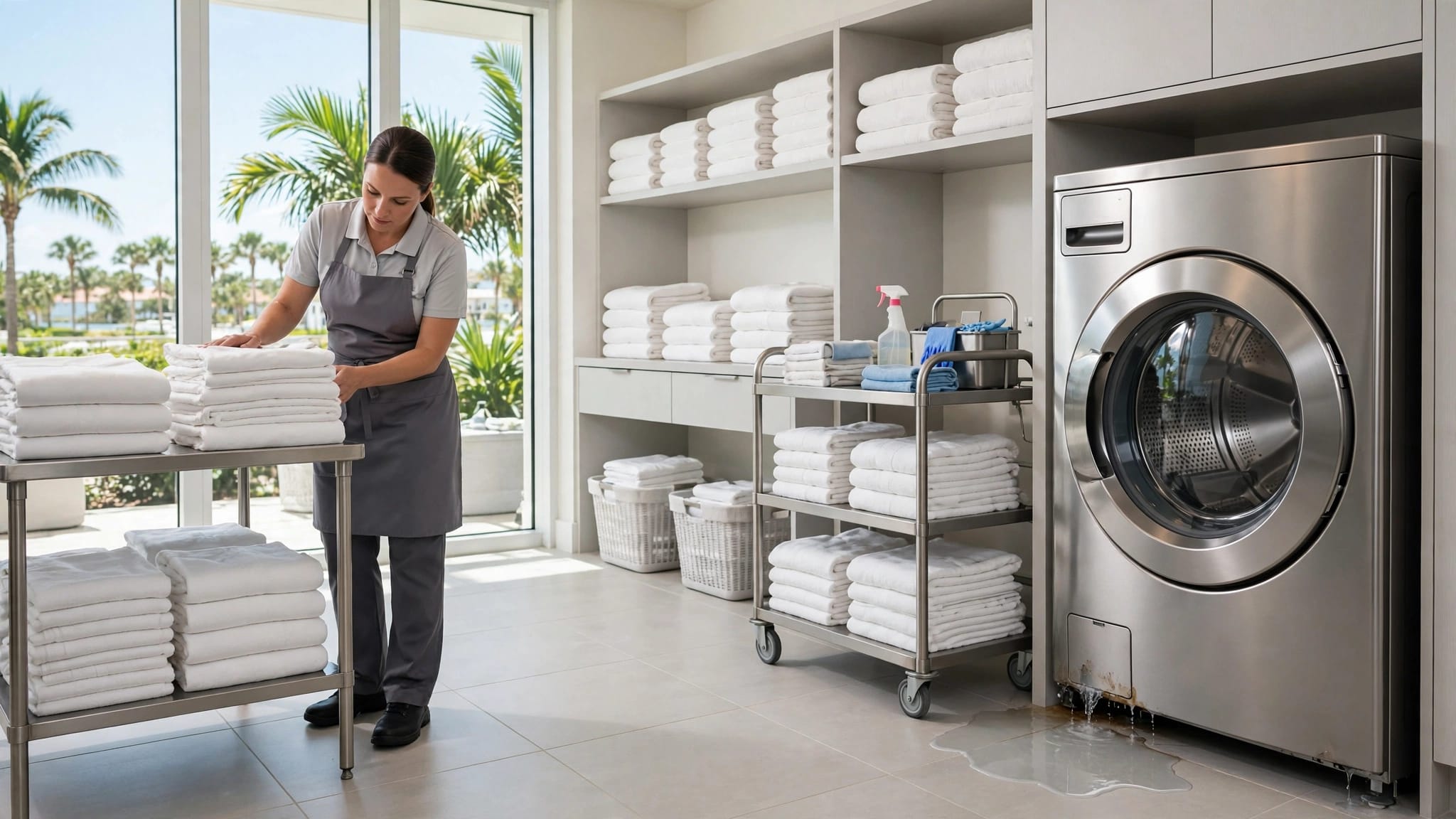
Water is one of the most important conditions to manage in a humid climate. Check for leaks beneath sinks, around water heaters, near air-conditioning equipment, and in utility closets. Repair drips promptly, and dry wet areas instead of leaving damp materials in place.
Outside, keep gutters and downspouts clear so rain drains away from the foundation. Correct low spots that hold water, and avoid directing irrigation toward doors or walls. If a drain or condensation line stays damp, address the source rather than repeatedly wiping up the same moisture.
After a storm, inspect door seals and areas where wind-driven rain may have reached storage or utility spaces. Damp cardboard and clutter can provide shelter for pests, so remove wet packaging and dry the floor. Keeping inspection routes open also helps staff notice fresh signs of activity.
Remove food and shelter inside the clinic
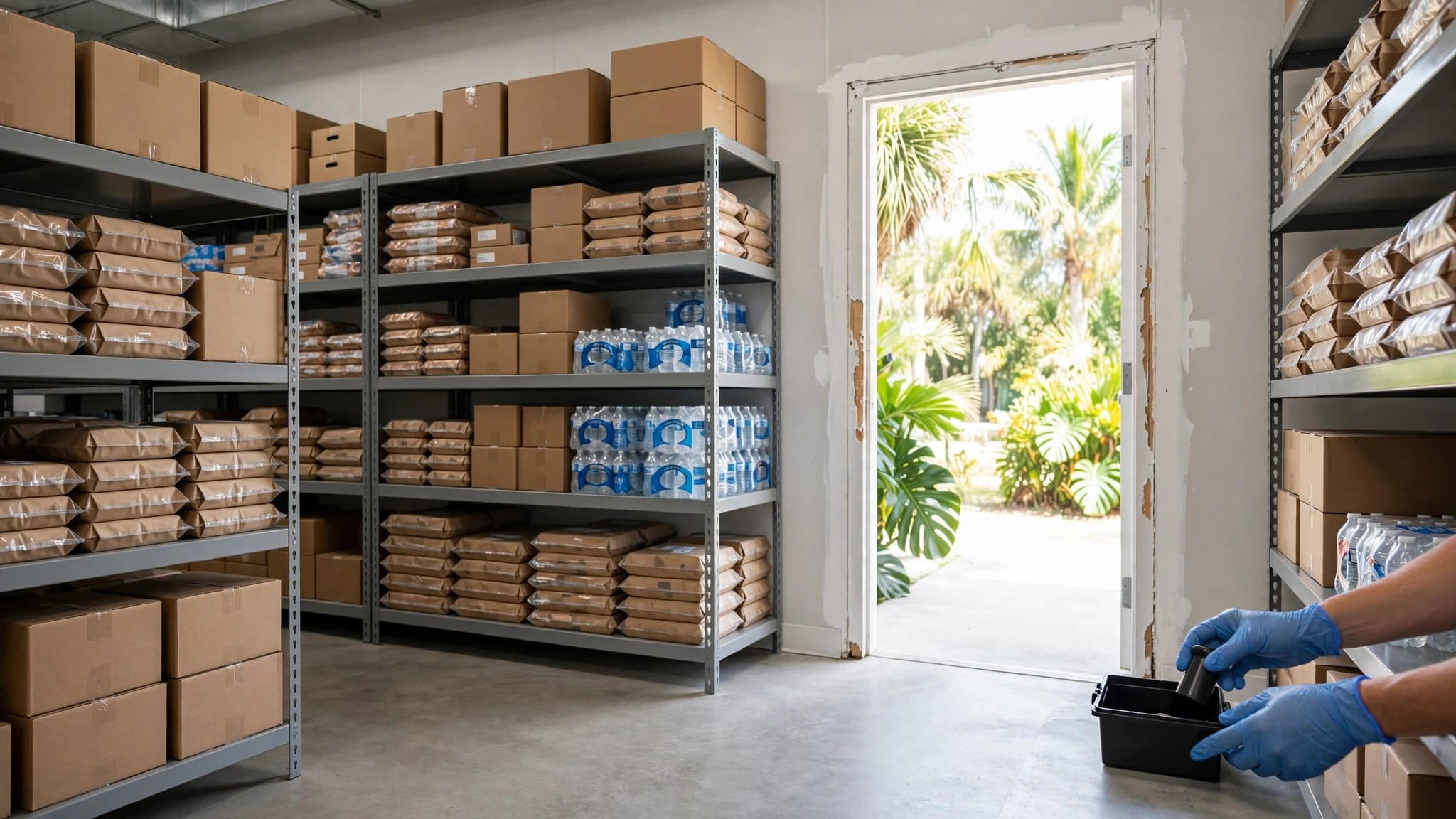
Animal diets, treats, and staff meals can attract pests when left exposed. Keep opened food in tightly sealed containers, clean up spills promptly, and avoid leaving bowls or food waste out longer than clinic routines require. Store supplies off the floor when practical, with enough space to inspect behind and beneath them.
Set clear storage and waste routines
Use containers with secure lids for food and dry goods. Rotate stock so older packages don't remain forgotten at the back of a shelf, and discard torn or contaminated packaging. Empty indoor waste bins regularly, especially those holding food scraps or soiled disposable materials.
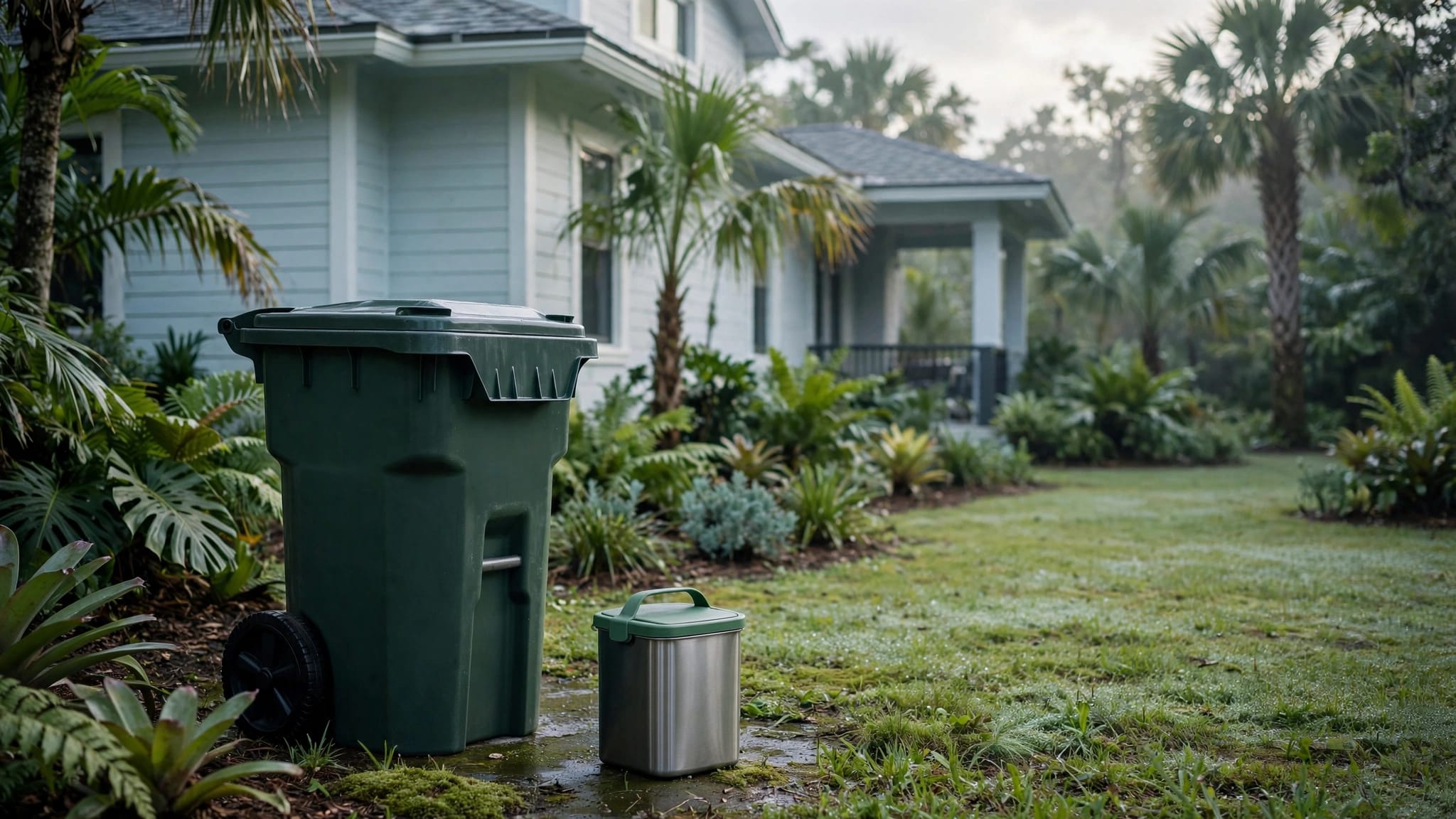
Keep outdoor dumpsters closed and the surrounding area free of spilled waste. Rodents and wildlife can be drawn to unsecured trash, so use containers that close and keep the pickup area clean. Our guide to commercial rodent exclusion and sanitation covers practical ways to reduce those outdoor attractants.
Make cleaning routines part of the prevention plan
Focus on areas that are easy to miss during a busy shift: beneath appliances, behind bins, around floor drains, and in storage corners. Remove crumbs and residue, then dry surfaces where water collects. Reduce cardboard and unused equipment that can create sheltered hiding places.
A clean clinic still can have pest activity if insects or rodents enter through gaps or move in from neighboring properties. Sanitation matters because it removes food and shelter, while exclusion and monitoring address other parts of the problem.
Monitor activity without putting animals at risk
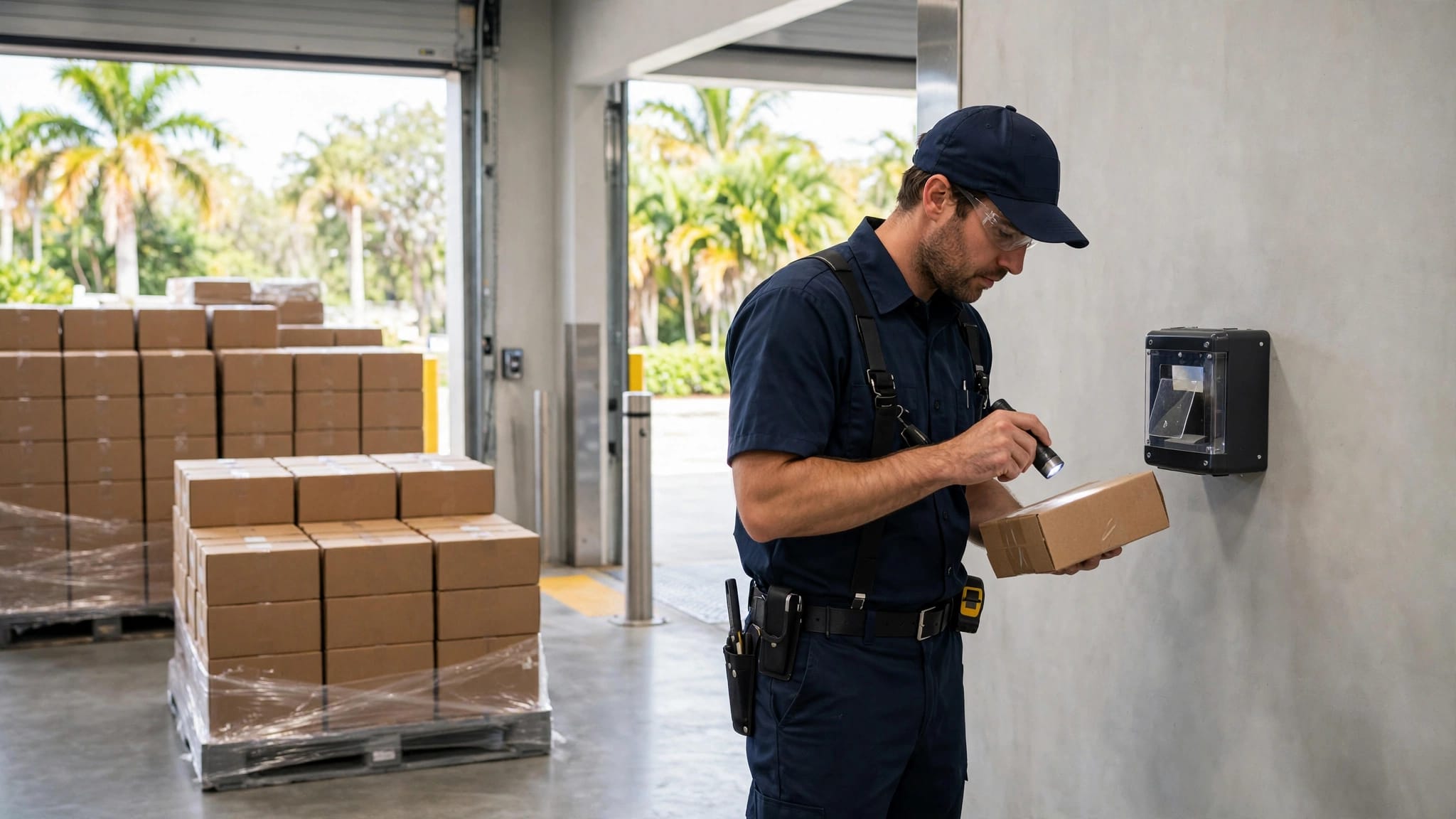
Monitoring can show where pests are active before staff see them in patient areas. A licensed pest-control professional can recommend discreet placement based on the clinic layout. Devices should be secured, identified on a site map, and kept out of reach of animals, clients, and staff.
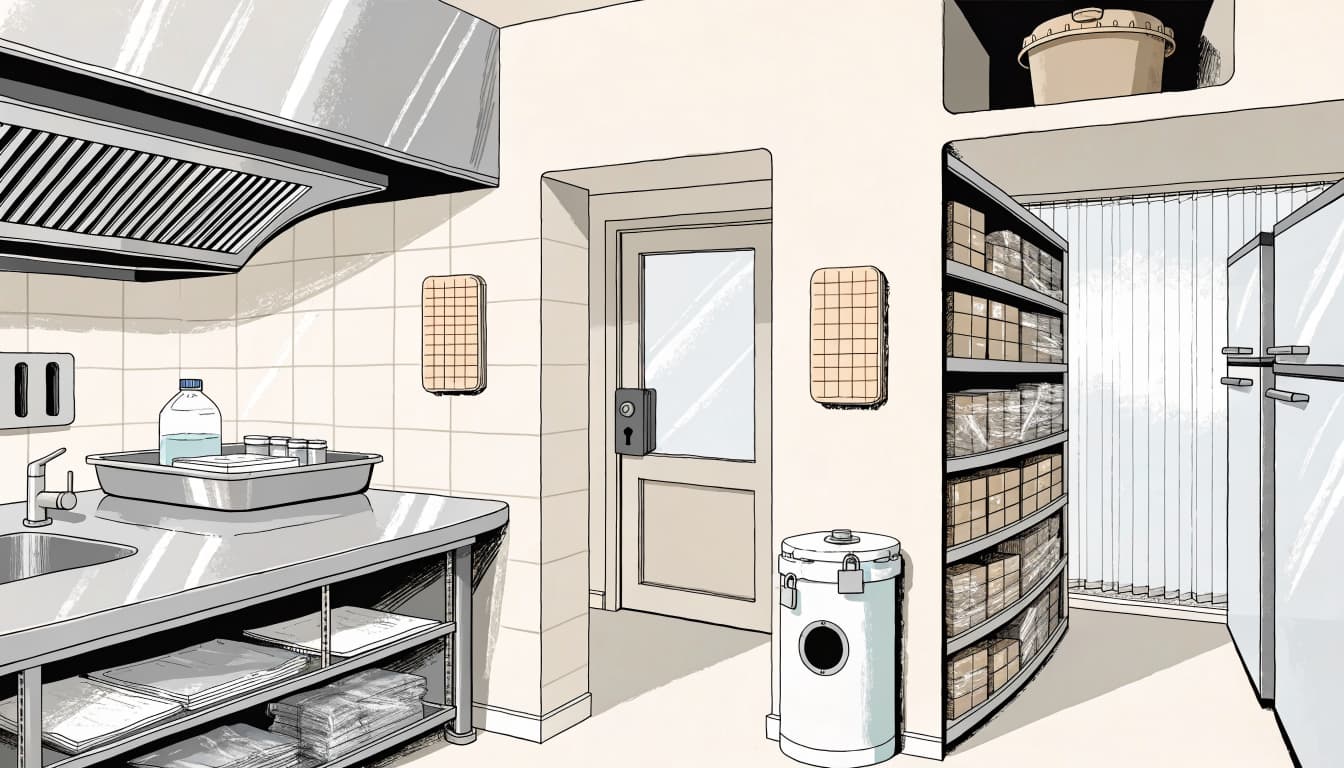
Check monitors during routine facility inspections and record results by location. A pattern near one doorway or storage shelf gives the clinic and its pest professional a specific place to investigate. Monitoring also helps distinguish an isolated visitor from continuing activity.
For rodents, any baiting should be handled by trained professionals using secured stations and documented placement. Unsecured rodenticides can put pets and wildlife at risk. Monitoring, sanitation, and exclusion can also help identify and address the conditions behind recurring activity.
Coordinate pest treatments with animal care
Pesticide use in veterinary settings requires extra care. Work with a licensed pest-control professional who can assess the pest, select an appropriate method, and coordinate with clinic management. Staff should know which areas are involved, what preparation is needed, and when animals and people may return.
Don't apply household sprays or foggers around patients as a quick fix. Some over-the-counter cockroach sprays can drive roaches deeper into wall spaces or into adjacent areas, and residues may interfere with baiting. A targeted plan may use baits, insect growth regulators, or crack-and-crevice treatments where appropriate. Read more about professional German roach baiting and exclusion.
Before any treatment, identify nearby kennels, food, water bowls, aquariums, and equipment that could be affected. Follow the product label and the pest professional's directions for preparation, ventilation, and reentry. The clinic should also have a contact person available to communicate changes in animal movement or room access.
Give staff a repeatable prevention routine
Prevention works best when responsibilities are clear. Assign someone to review pest sightings and coordinate with building maintenance and pest-control professionals. Staff should know how to report activity, protect animals from the immediate area, and avoid moving suspected pests or contaminated materials through the clinic.
A practical routine can include checking food storage and waste at closing, looking for leaks during facility rounds, and reviewing monitor findings on a consistent schedule. Add a perimeter inspection after heavy rain or when landscaping, construction, or deliveries change access around the building. Record repairs and recurring observations so the response addresses patterns instead of isolated symptoms.
Commercial pest programs also relate to business health and safety practices, although clinic needs differ by layout and animal care. See our information on commercial pest control and health standards for a broader look at prevention in Florida businesses.
Keep pest prevention practical and consistent
Florida's heat, humidity, and heavy rain make pest prevention an ongoing facility task. The strongest plan removes food and moisture, seals entry points, keeps outdoor waste secure, and uses monitoring to guide action.
When treatment is needed, a licensed professional can help coordinate it around animal safety and clinic operations. Consistent staff routines and timely repairs give pests fewer ways to enter, feed, and settle in.
Schedule a Free Inspection: