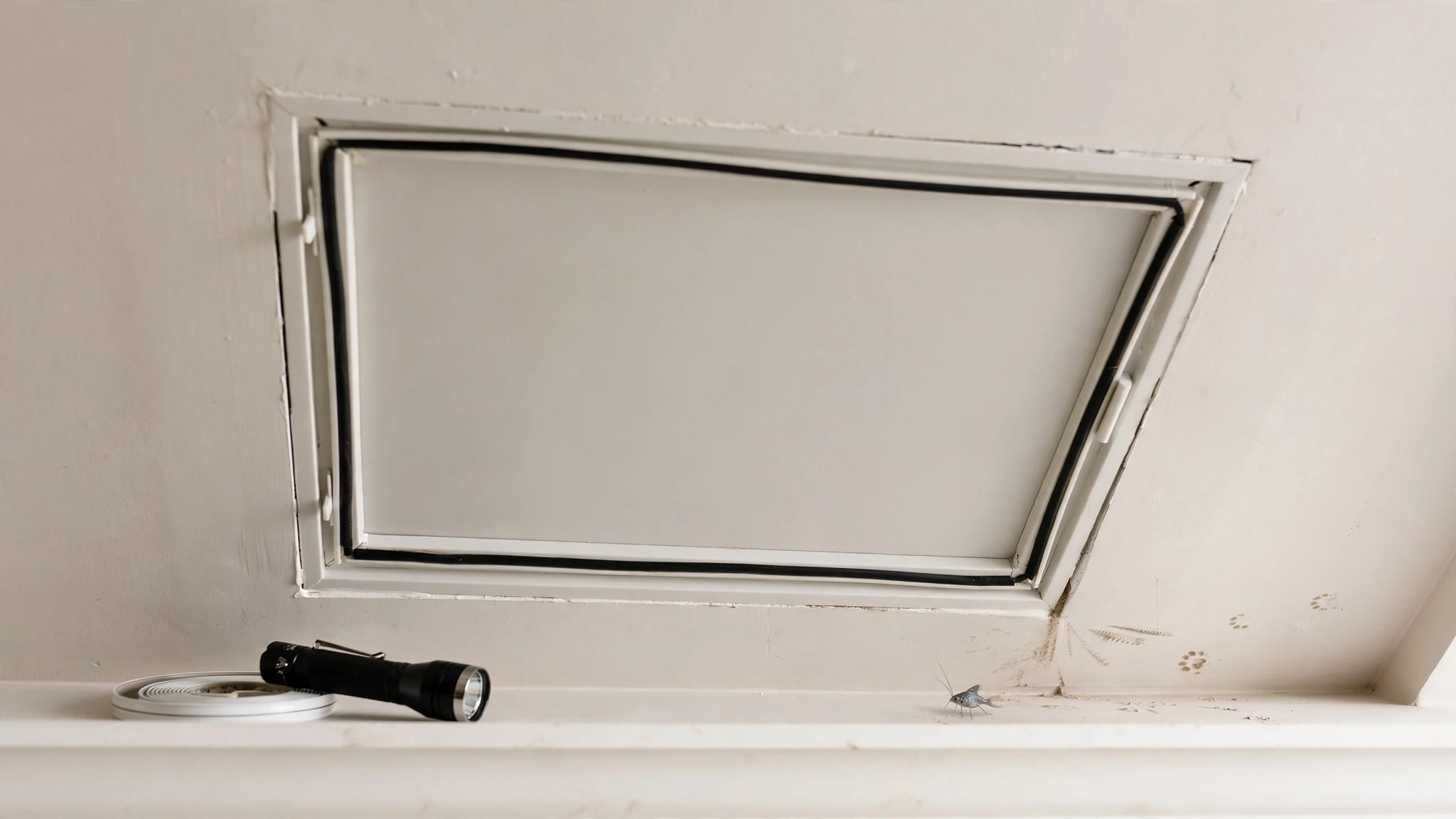
German Cockroaches in Cape Coral Condos, How to ID Them, Why They Spread Between Units, and What Actually Stops Them
Seeing one roach in a condo can feel like spotting smoke in a hallway. You might not see the fire, but you know it could be nearby. With German cockroaches , that instinct is usually right, especially in multi-unit buildings where pests move as easily as air and water.
This guide is for condo residents and Cape Coral boards who want straight answers. You'll learn how to identify German roaches, why they travel between units, and why unit-by-unit spray efforts often fail. Most importantly, you'll see what works: bait and IGR programs, sealing, and steady monitoring that shuts the problem down over time.
If you're searching for german cockroaches cape coral solutions that hold up in real condo life, start here.
How to ID German cockroaches (and not confuse them with "palmetto bugs")
German cockroaches are the small, fast ones that love kitchens and bathrooms. They hide close to food, water, and warmth. In condos, that often means the space behind the fridge, under the sink, and inside cabinet corners.
Here are the easiest ID clues:
- Size and color : Adults are small (about 1/2 inch), tan to light brown.
- Two dark stripes : Look behind the head on the shield area (the pronotum). German roaches usually show two parallel dark lines .
- Nymphs are tiny and darker : Baby roaches (nymphs) look like small, dark ovals, and you may see many at once.
- Where you see them matters : German roaches prefer indoor harborage. Seeing them in drawers, cabinets, and appliances points strongly to German.
On the other hand, American and smoky brown roaches (often called palmetto bugs) are much larger, and they tend to show up from outdoors, drains, or garages. Those can still be a problem, but German roaches behave more like an indoor infestation that keeps multiplying.
For broader local prevention, this guide on cockroach control Cape Coral helps explain common hiding spots and conditions that keep roaches active.
Why German cockroaches spread between condo units in Cape Coral
In a single-family home, roaches mostly stay within that structure. In a condo, the building itself connects everyone. German roaches don't need to "decide" to move next door. They simply follow heat, moisture, food smells, and gaps.
Common condo spread routes include:
Shared plumbing and wall voids. Under-sink pipe penetrations, access panels, and plumbing chases act like hidden hallways. Roaches travel behind walls and pop out where conditions look better.
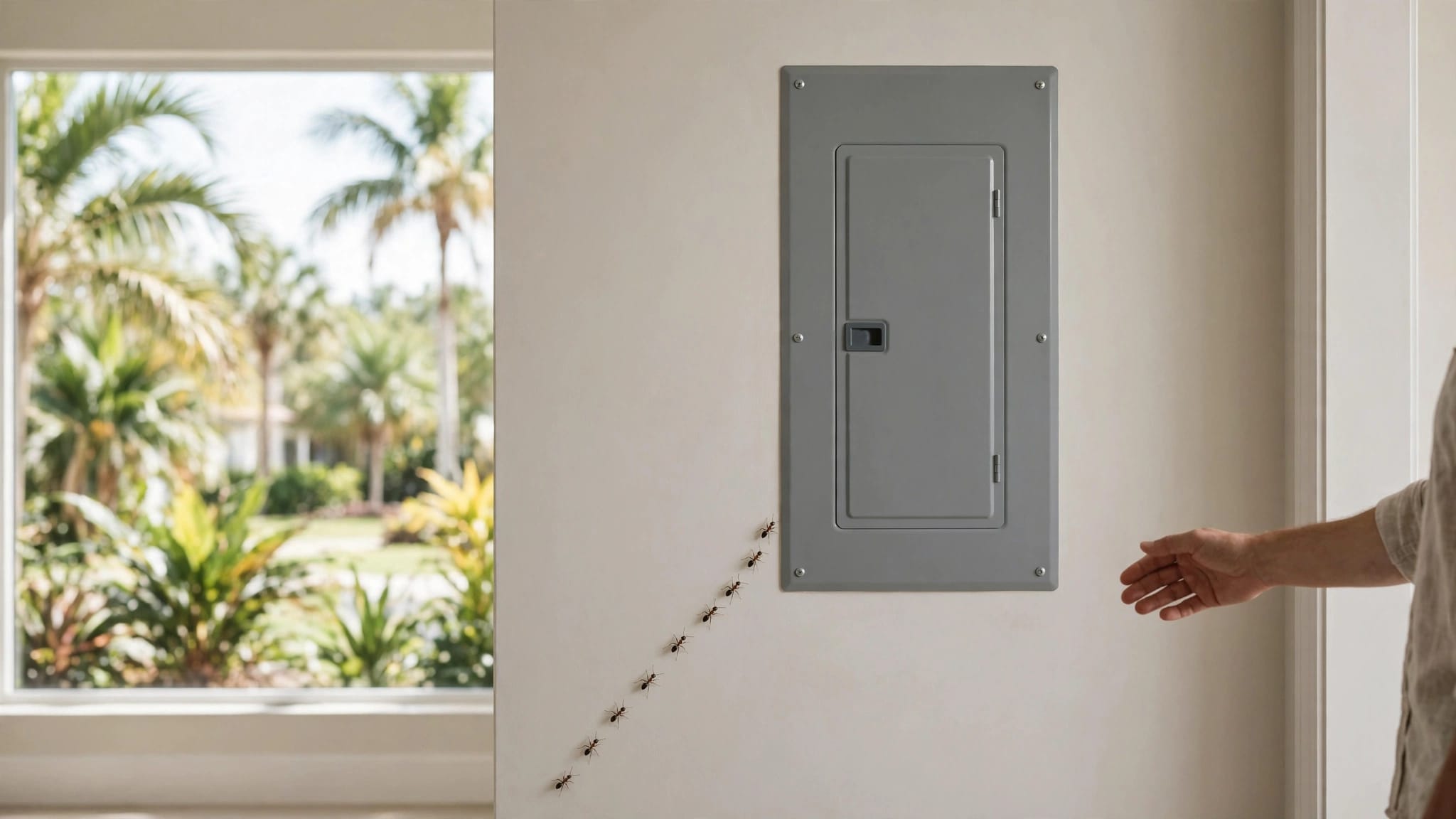
Electrical and cable openings. Small gaps around outlets, light switches, and cable lines can connect units. German roaches fit through spaces that look too small to matter.
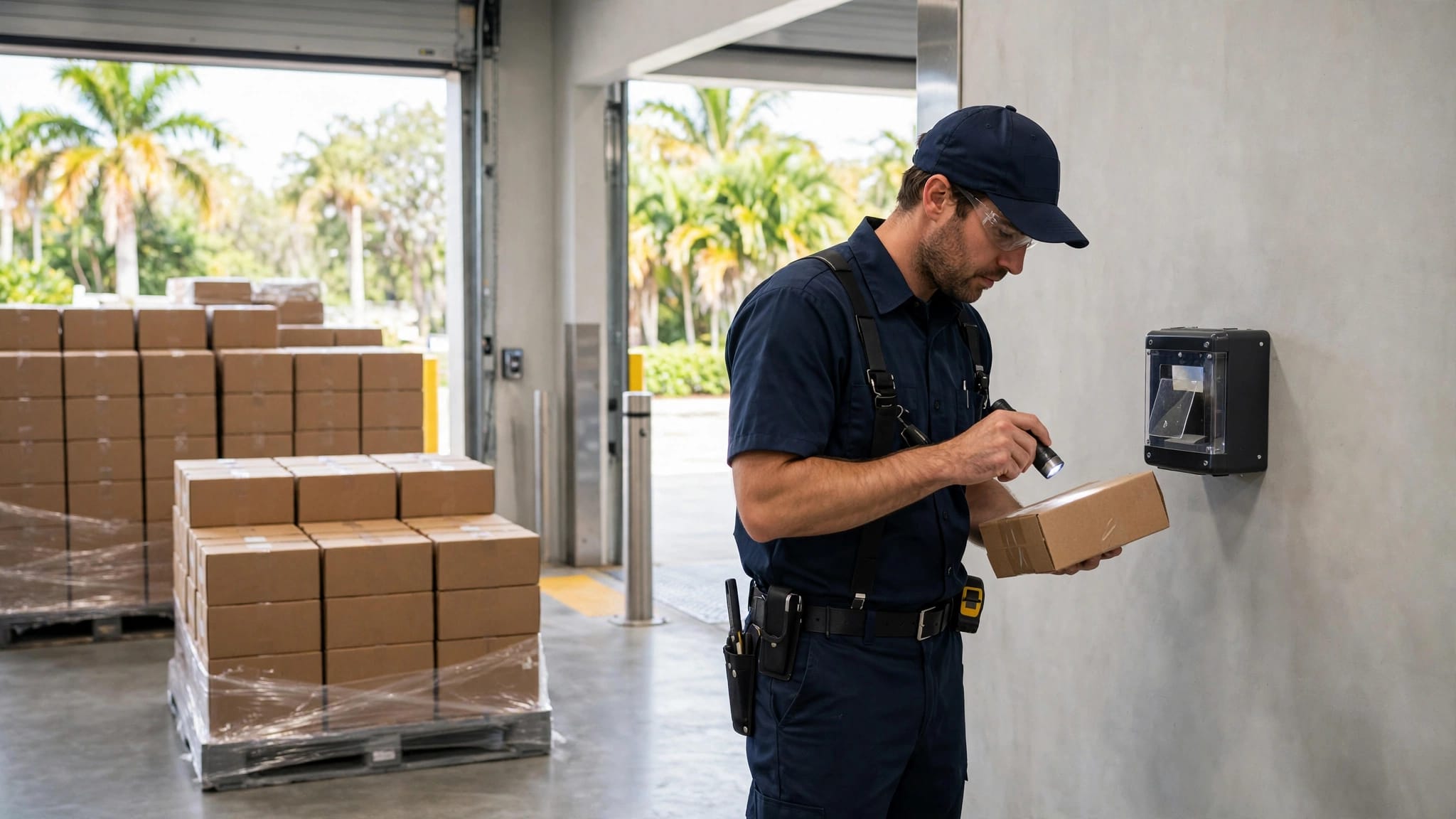
Trash rooms, chutes, and dumpsters. Food residue and moisture build up fast in shared waste areas. If dumpsters sit close to exterior doors, roaches can hitch a ride on carts, bags, and even delivery boxes.
Florida humidity and canal-front pressure. Cape Coral's humidity keeps micro-areas damp, even indoors, especially near A/C closets, water heaters, and exterior walls. Canal-front buildings can also see more insect pressure around docks, seawalls, and landscaped edges, which increases the odds of pests getting inside and finding harborage.
A condo roach problem is rarely a single-unit issue. Treating only one unit is like bailing one corner of a boat that has a leak in the hull.
What actually stops German cockroaches (and why DIY sprays can make it worse)
If there's one pattern that repeats in condos, it's this: residents spray, roaches disappear for a day, then they show up in a different room, or the neighbor starts seeing them. That isn't your imagination.
Many over-the-counter sprays repel or irritate roaches. Instead of solving the colony, they can push roaches deeper into walls , spread them into adjacent units, or make them avoid areas where you'd rather they feed on bait. Sprays can also leave residues that reduce bait acceptance.
A program that holds up in multi-unit buildings usually combines:
Bait placement (gel or stations). Roaches feed and share. Good baiting hits the colony where it lives, not just where you spotted one.
IGR (insect growth regulator). IGR doesn't "blast" roaches on contact. It disrupts development and reproduction, so the population can't rebound.
Targeted crack-and-crevice treatment. This isn't baseboard fogging. It focuses on seams, voids, and known travel lines, while keeping bait zones effective.
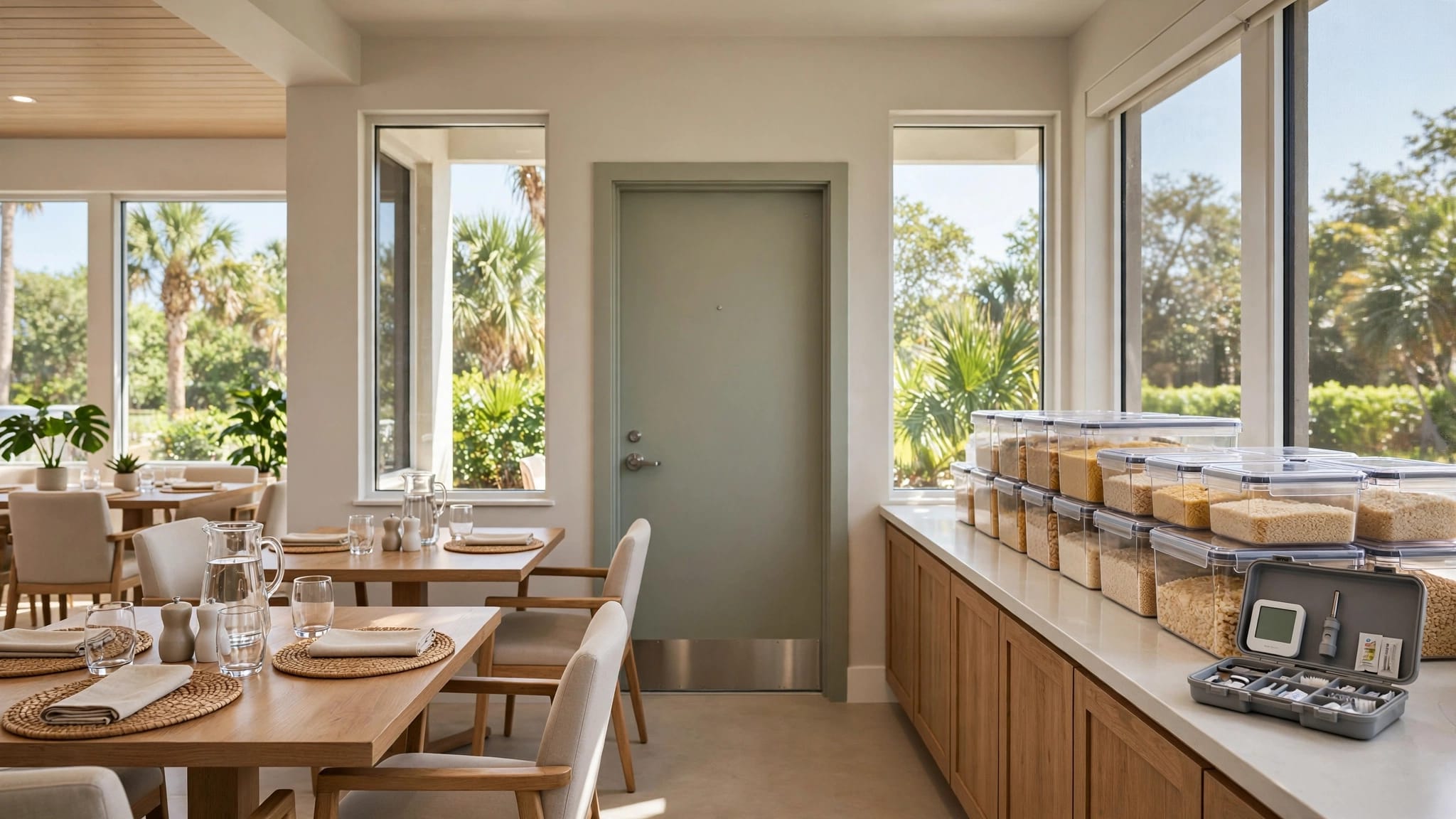
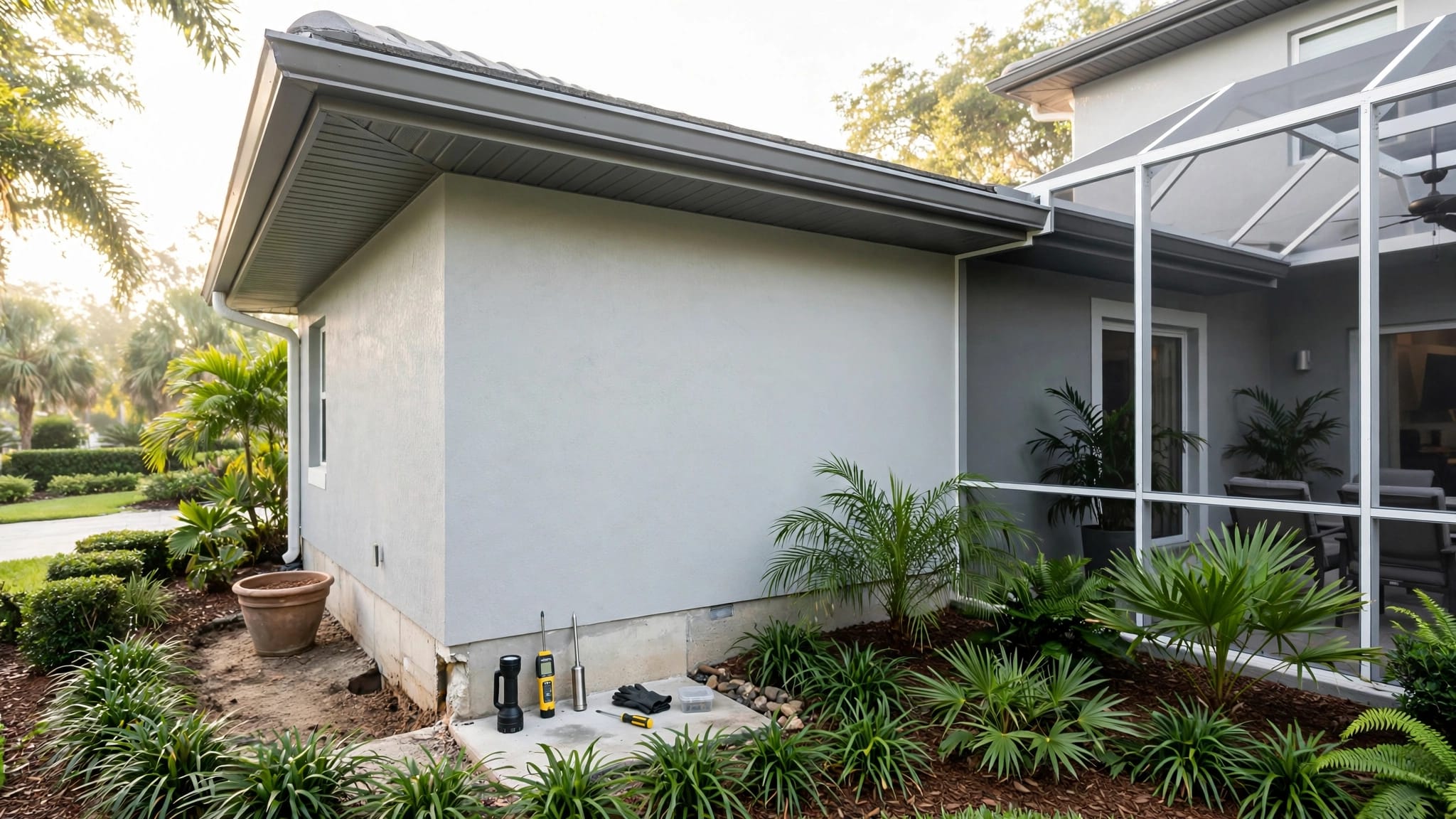
Exclusion and moisture control. Sealing pipe gaps, adding door sweeps, fixing leaks, and reducing clutter removes the conditions that keep them thriving.
Monitoring. Sticky traps and scheduled checks tell you if the population is shrinking, shifting, or returning.
For condo owners who want a structured, ongoing approach beyond a one-time service, residential pest control in Cape Coral is a helpful starting point for what long-term protection can look like.
A condo action plan that works (with a realistic timeline)
Coordination beats heroics. When residents, management, and a licensed pro follow the same plan, German roaches run out of places to hide.
Here is a practical timeline that many condos can follow:
| Timeframe | Residents (inside the unit) | HOA or management (building-wide) | Pest control professional |
|---|---|---|---|
| First 72 hours | Stop aerosol spraying, clean crumbs and grease, empty sink at night, store food sealed | Notify adjacent units, inspect trash room, schedule coordinated service dates | Confirm species, place baits and monitors, light crack-and-crevice work, add IGR where appropriate |
| About 2 weeks | Keep kitchens dry, reduce clutter, report sightings with location and time | Track complaints by stack or line, seal obvious common-area gaps, improve dumpster hygiene | Re-check traps, refresh bait, adjust placements based on activity patterns |
| 30 to 60 days | Maintain sanitation habits, allow follow-up access, don't move infested items to other areas | Continue unit-to-unit coordination, add exclusion work to maintenance list | Continue follow-ups until trap counts drop, then shift to prevention monitoring |
Step-by-step: what residents should do today
Start with actions that help bait work, not fight it. First, stop using strong-scent sprays in kitchens and bathrooms. Next, wipe grease under the stove hood and around the range, because grease feeds roaches for weeks. Then, fix small water issues (dripping faucets, sweating pipes) or report them right away. Finally, pull the fridge out and vacuum the floor edge, but don't scatter crumbs into wall gaps.
If you're hiring help and want to know how the visit should go, this guide on what to expect when hiring an exterminator in Cape Coral sets good expectations for inspection, treatment, and follow-up.
Step-by-step: what boards and property managers should do
Treat German roaches like a building issue with a building plan. First, set a clear reporting path (email or portal) and log sightings by building line. Next, schedule stack-based service (affected unit plus shared-wall units, and units above and below when needed). Then, address sanitation in common areas, especially trash rooms, compactor areas, and dumpsters. After that, assign exclusion tasks to maintenance (seal pipe penetrations, door sweeps for utility closets, weather stripping where light shows).
Step-by-step: what pest pros should deliver
A strong condo program starts with inspection and monitoring, not guesswork. Pros should map activity with traps, prioritize bait and IGR, and avoid heavy repellent use that can scatter roaches. Follow-ups should be scheduled, because German roaches rarely resolve in one visit. Documentation matters too, since boards need proof of progress across units.
Quick checklist (keep it simple)
- No aerosol "bombing" or heavy spraying in kitchens and baths
- Bait plus IGR , with follow-up visits scheduled
- Sticky trap monitoring under sinks and behind fridges
- Seal gaps around plumbing and baseboards, and fix leaks fast
- Trash area cleanup and dumpster management, not just unit cleanup
Troubleshooting: common condo scenarios
"I only see roaches at night." That's normal. Use sticky traps to confirm where they travel.
"I'm seeing more after treatment." Often, you notice them as bait drives movement. Report locations, don't spray over bait.
"Now I'm seeing tiny ones." Nymphs suggest breeding. IGR and follow-ups are key here.
"They came back after a month." Look for a source unit, new move-ins, or a trash room issue. Re-check seals and restart monitoring.
Conclusion
German roaches don't respect unit lines, so condo control has to be coordinated. Correct ID, steady bait and IGR use, exclusion, and monitoring are what make the difference. DIY sprays often feel productive, but they can scatter the problem and slow results. With a clear timeline and everyone on the same page, German cockroaches can be reduced and kept from bouncing back.
Schedule a Free Inspection: