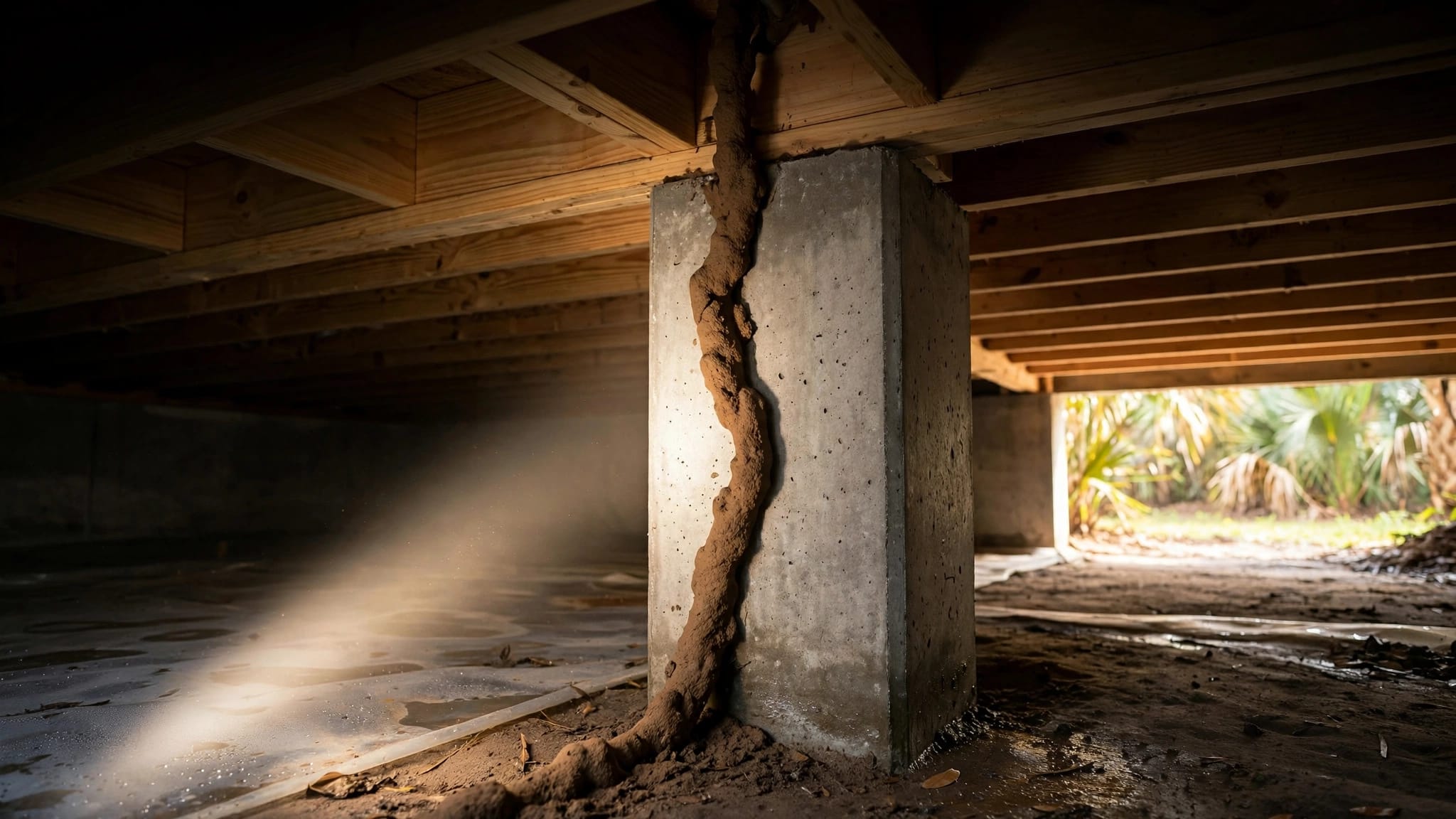
Larder Beetles in Cape Coral Pet Food Bins and Garages
Larder beetles can turn a clean garage corner or pet food bin into a repeat problem fast. In Cape Coral, heat and humidity make stored food break down sooner, and that gives these beetles even more reason to stay.
If you've found small mottled beetles near kibble, cardboard boxes, or old storage shelves, the source is often closer than it looks. The good news is that most problems start with a food or moisture issue, so the fix usually starts there too.
Why larder beetles settle into pet food and garage storage
Larder beetles are drawn to protein-rich and fatty materials . That includes dry pet food, fish-based kibble, dried meat treats, bird seed, dead insects, and even rodent remains. Garages and pet supply areas give them easy access to all of it.
In Cape Coral, garages often stay warm for long stretches. Heat makes food odors stronger, and humidity helps cardboard, paper bags, and old packaging absorb those smells. A bag of pet food that seems sealed can still have tiny openings along the seam or around a tear.
They also hide well. You might find them under bins, behind shelving, near baseboards, or in the corners where spilled kibble collects. A few crumbs can feed a lot more beetles than most people expect.
If your garage has old boxes, paper bags, or stored food sitting on the floor, it becomes a resting place and a food source at the same time. That mix keeps the infestation going.
Larder beetles vs pantry pests, the easy visual clues
People often lump these pests together because they show up around food. Still, they behave a little differently, and that helps with control.
Here's a simple comparison you can use when you spot something in a bin or storage shelf.
| Pest | What it prefers | Common signs | Where you spot it |
|---|---|---|---|
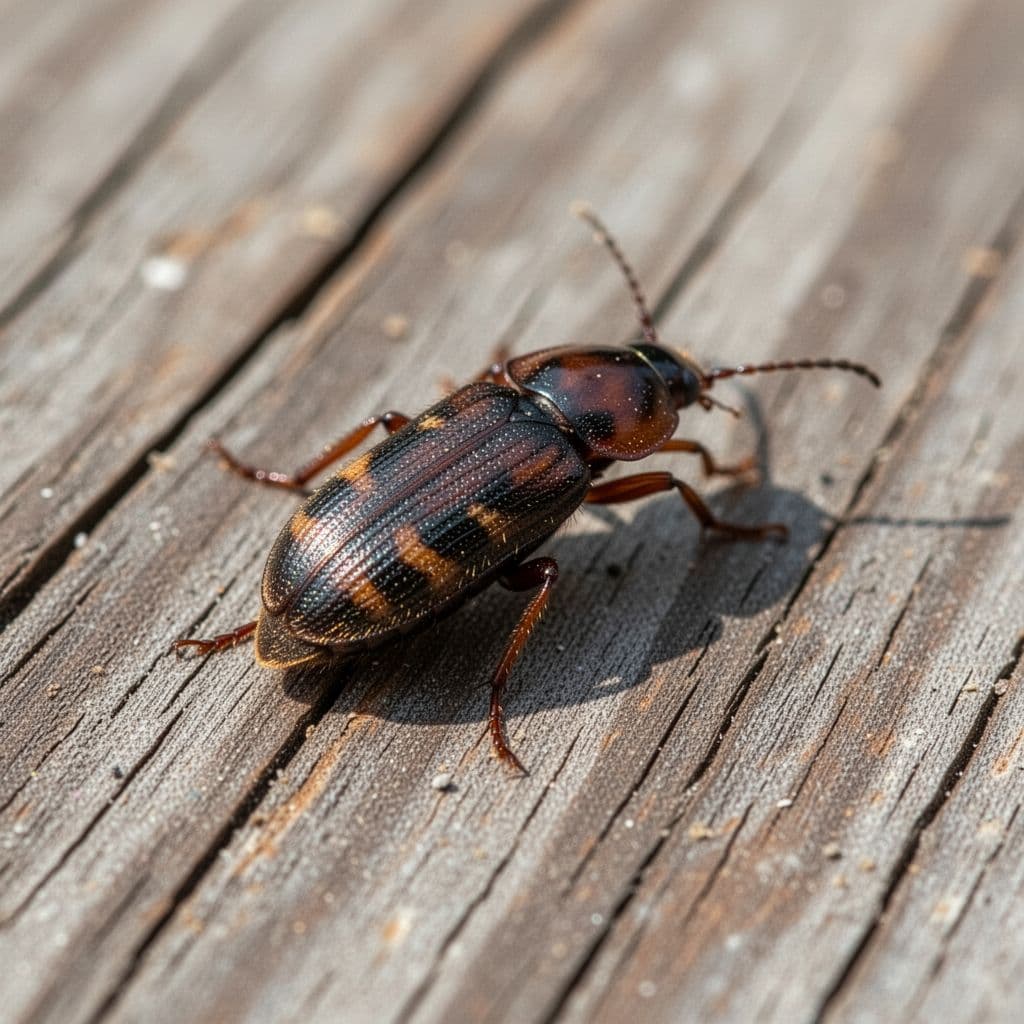
| Larder beetles | Pet food, dried meat, dead insects, animal matter | Dark beetles with a pale band and bristly larvae | Garages, bins, shelves, pet food storage |
| Pantry moths | Grains, cereal, flour, nuts | Webbing, moths near cabinets, larvae in dry goods | Kitchen pantries and food cabinets |
| Weevils | Rice, flour, cereal, grains | Tiny holes in packages, beetles inside dry goods | Indoor pantry items and sealed food packages |
Larder beetles usually look darker and more oval than pantry moths. The larvae are another clue. They are bristly and often found near pet food, dead insects, or hidden organic matter.
Pantry pests usually point to grain-based food inside the house. Larder beetles often point to something protein-based in a garage, bin, or storage area. That difference matters because the clean-up target changes with it.
Why Cape Coral heat and humidity make the problem worse
Florida weather helps stored pests move faster. Warm temperatures speed up insect activity, so larder beetles can cycle through their life stages more quickly than they would in a cool, dry space.
Humidity adds another layer. Moist air can soften packaging and make old pet food smell stronger. Even food that seems dry can start to clump or spoil faster in a hot garage. Once that happens, the scent trail gets easier for beetles to find.
This is one reason Cape Coral garages can be trouble spots. They're often attached to the house, used for overflow storage, and opened many times a day. That means more warmth, more humidity swings, and more chances for beetles to enter through small gaps.
Pet food bins can create the same issue if they sit near the garage door, in a laundry room, or next to a water heater. A bin that traps crumbs at the bottom becomes a long-term food source. A bag left open for even a short time can pull beetles in.
A small spill under the bin can keep the problem alive after you think the food is sealed.
A smart inspection routine for pet food bins
A quick check can save a lot of trouble later. Focus on the food, the container, and the floor around it.
- Inspect the bag before you buy it home. Look for tears, pinholes, loose seams, and damaged corners. If the package already has holes, don't bring it into storage.
- Move food into a sealed container right away. A hard plastic or metal bin with a tight lid works better than a folded bag. Keep the original bag only if it stays intact inside the bin.
- Check the bin edges and lid. Crumbs often collect where the lid meets the rim. If you see dust, tiny beetles, or old kibble bits, clean it before refilling.
- Look under and behind the storage area. Slide the bin away from the wall and check for spilled food, dead insects, or loose debris. Beetles often hide where vacuum heads miss.
- Throw out contaminated food fast. If you find larvae, beetles, webbing, or clumped food, discard the bag. Don't try to save it by scooping the good-looking pieces.
This routine works best when you repeat it every time you restock. One missed spill can keep the cycle going for weeks.
Cleaning habits that cut off the food supply
A clean storage area matters as much as the container itself. Beetles follow scent, and crumbs give them a trail.
Start with the shelf, floor, and wall edges around the food area. Vacuum baseboards, corners, and the narrow gap behind the bin. Then wipe the shelf surface and the outside of the container. If the lid has grooves or seals, clean those too.
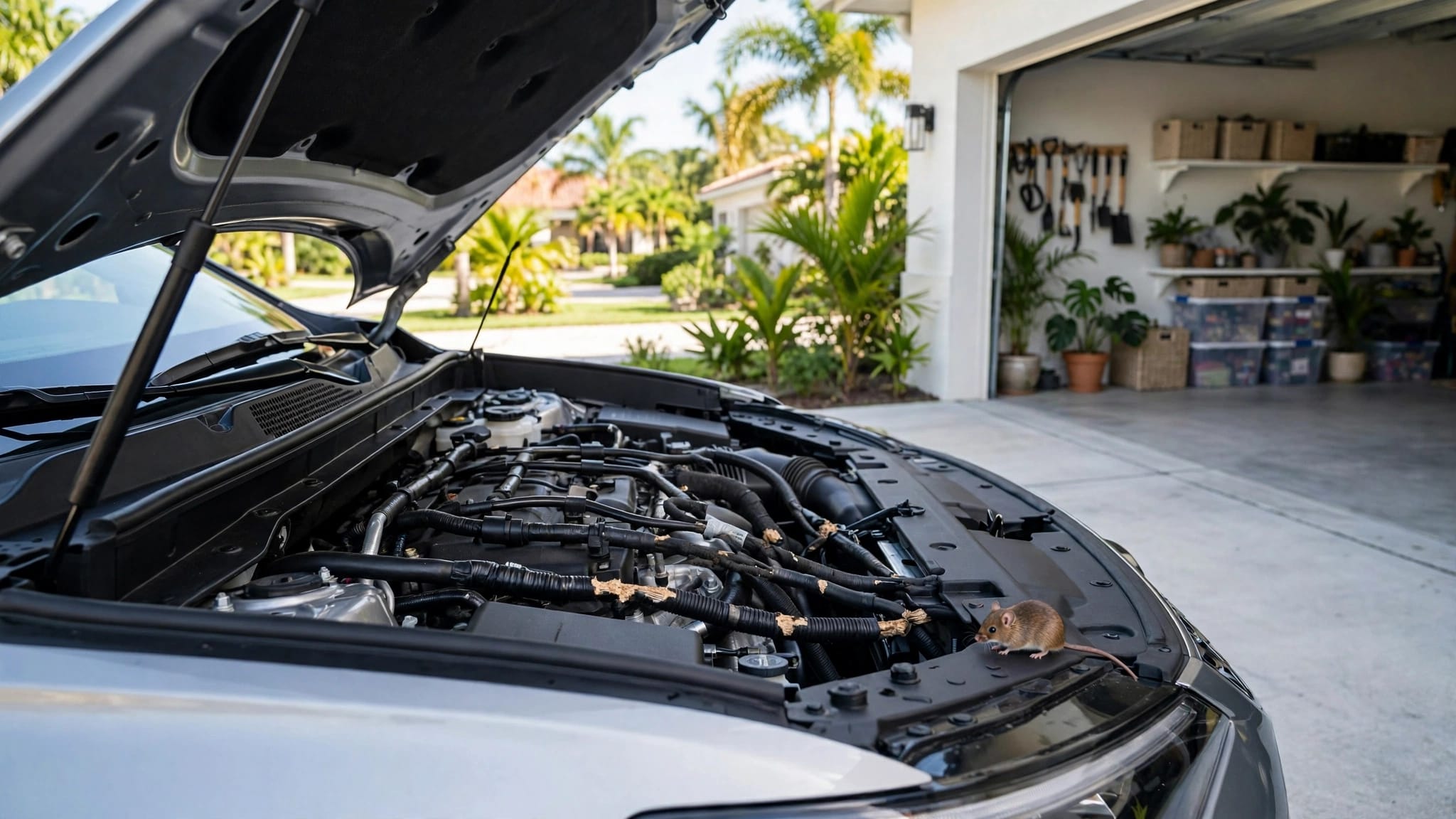
You should also check for attractants outside the bin. Pet bowls with leftover food, bags of bird seed, dead insects near windows, and old cardboard boxes can all help larder beetles stay in place. If rodents have been in the garage, the problem can get worse because carcasses and droppings can attract more beetles.
If you keep finding beetles, look for the food source first. Sprays alone won't fix a bag of kibble with a small tear or a shelf full of crumbs.
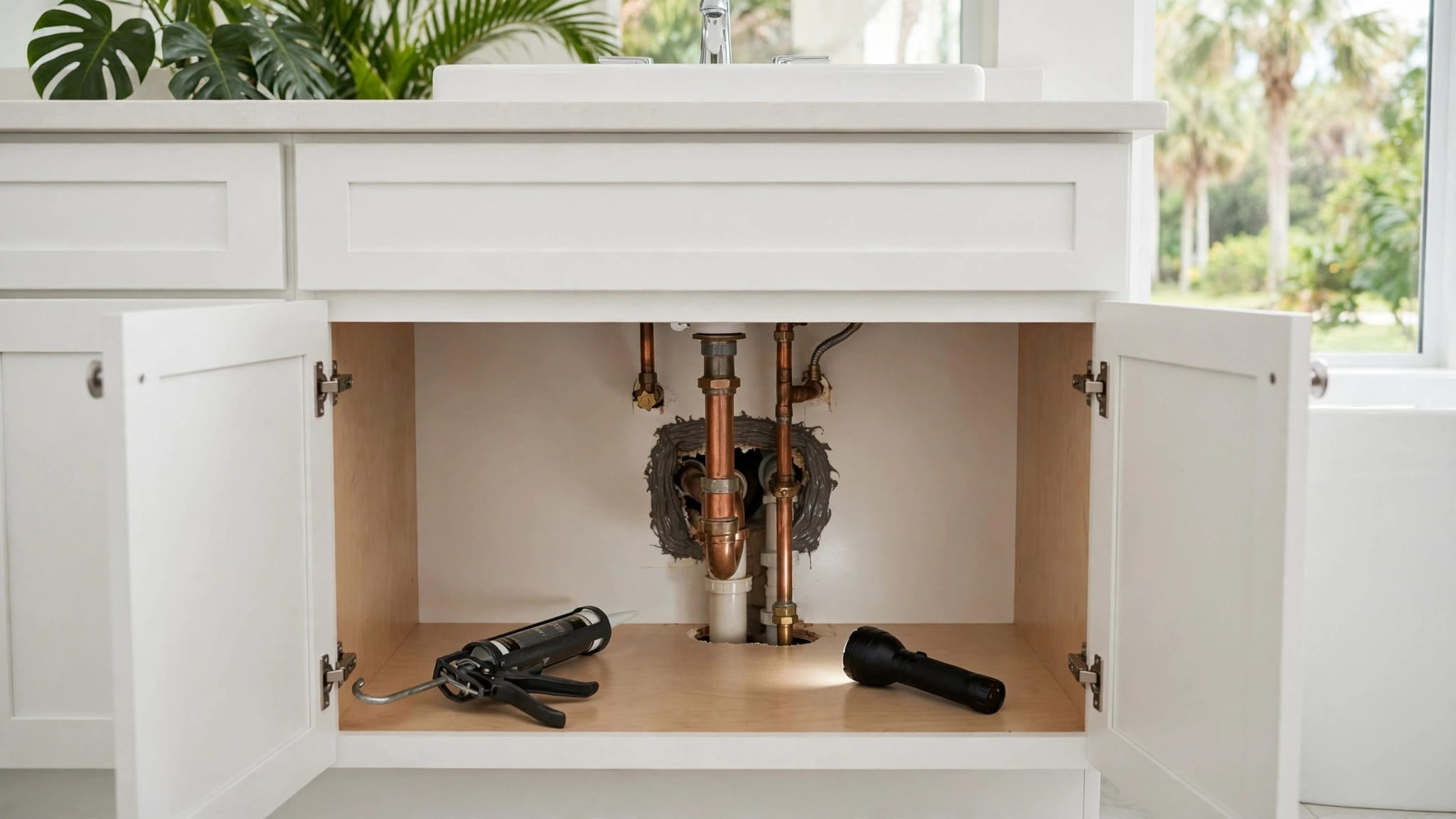
Cracks and crevices deserve attention as well. Use a vacuum crevice tool along expansion joints, along the garage wall, and under appliances. These spots collect debris fast, especially in humid weather.
Reducing attractants is often the turning point. When you seal food, clean spills, and remove old boxes, the garage stops feeling like a pantry to the beetles.
When recurring beetles need a local inspection
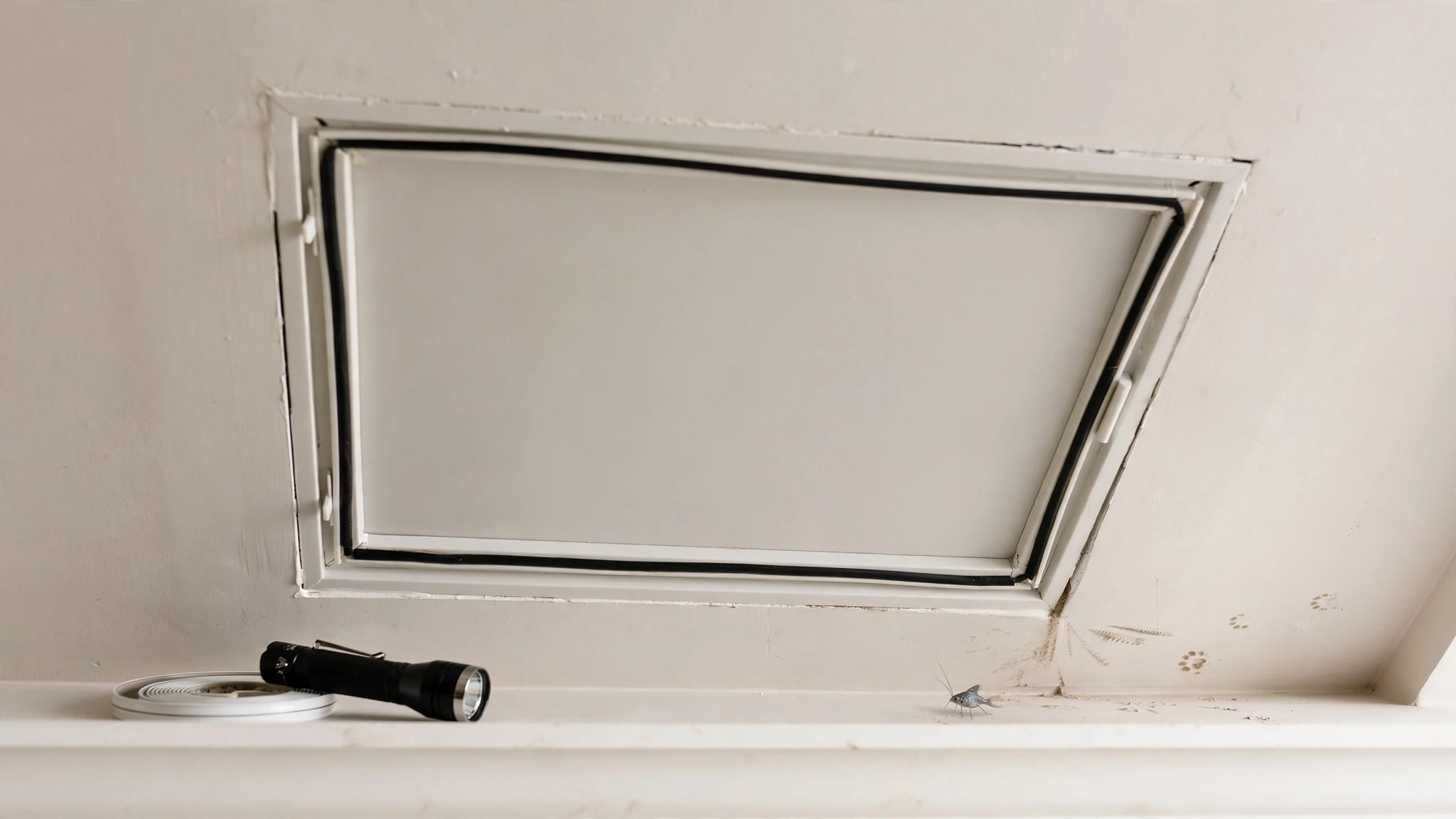
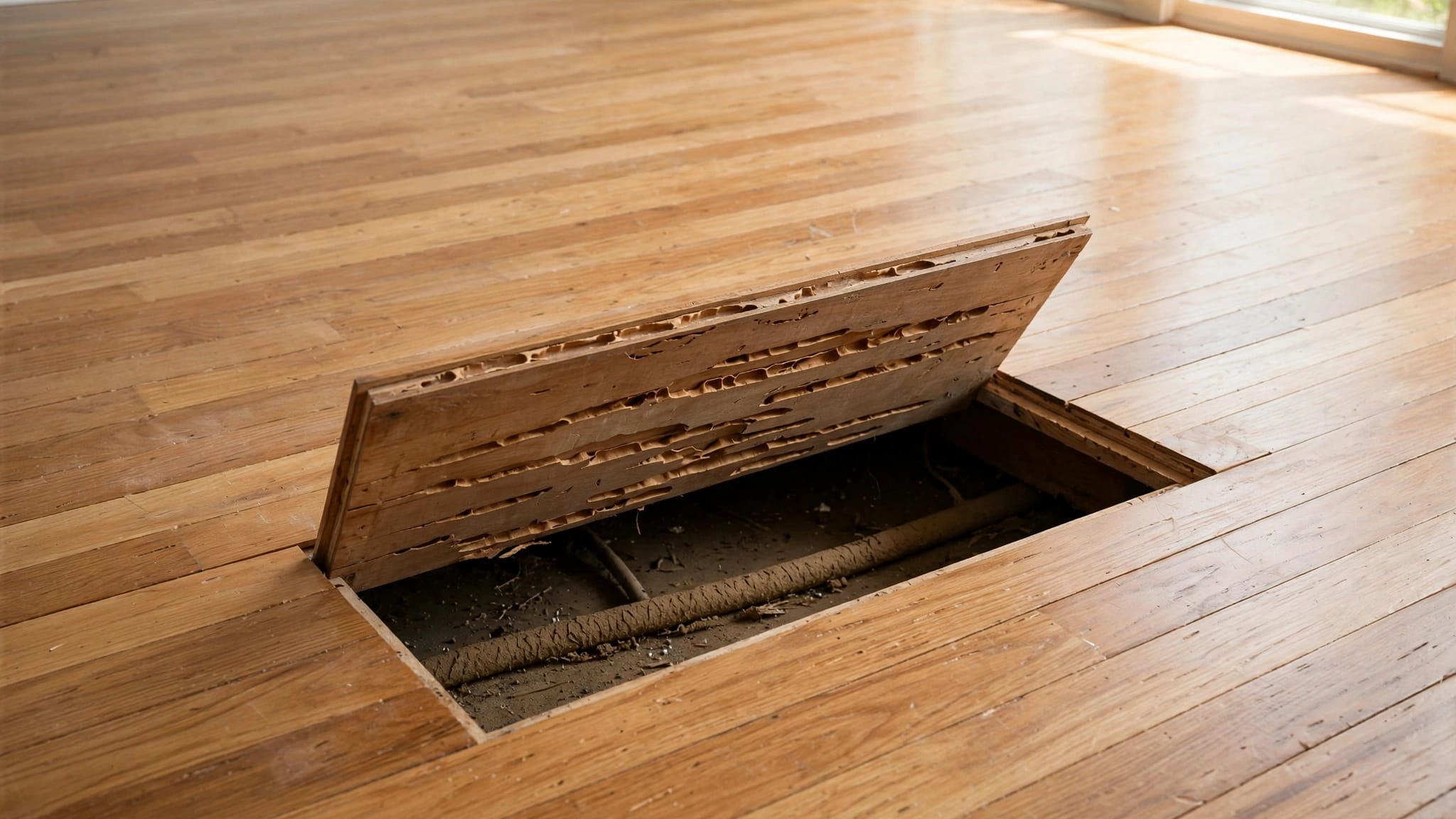
If you keep seeing larder beetles after a full clean-up, there may be a hidden source. Common hiding spots include dead insects in wall voids, spilled food under cabinets, unused pet supplies, and even a hidden rodent problem in the attic or garage.
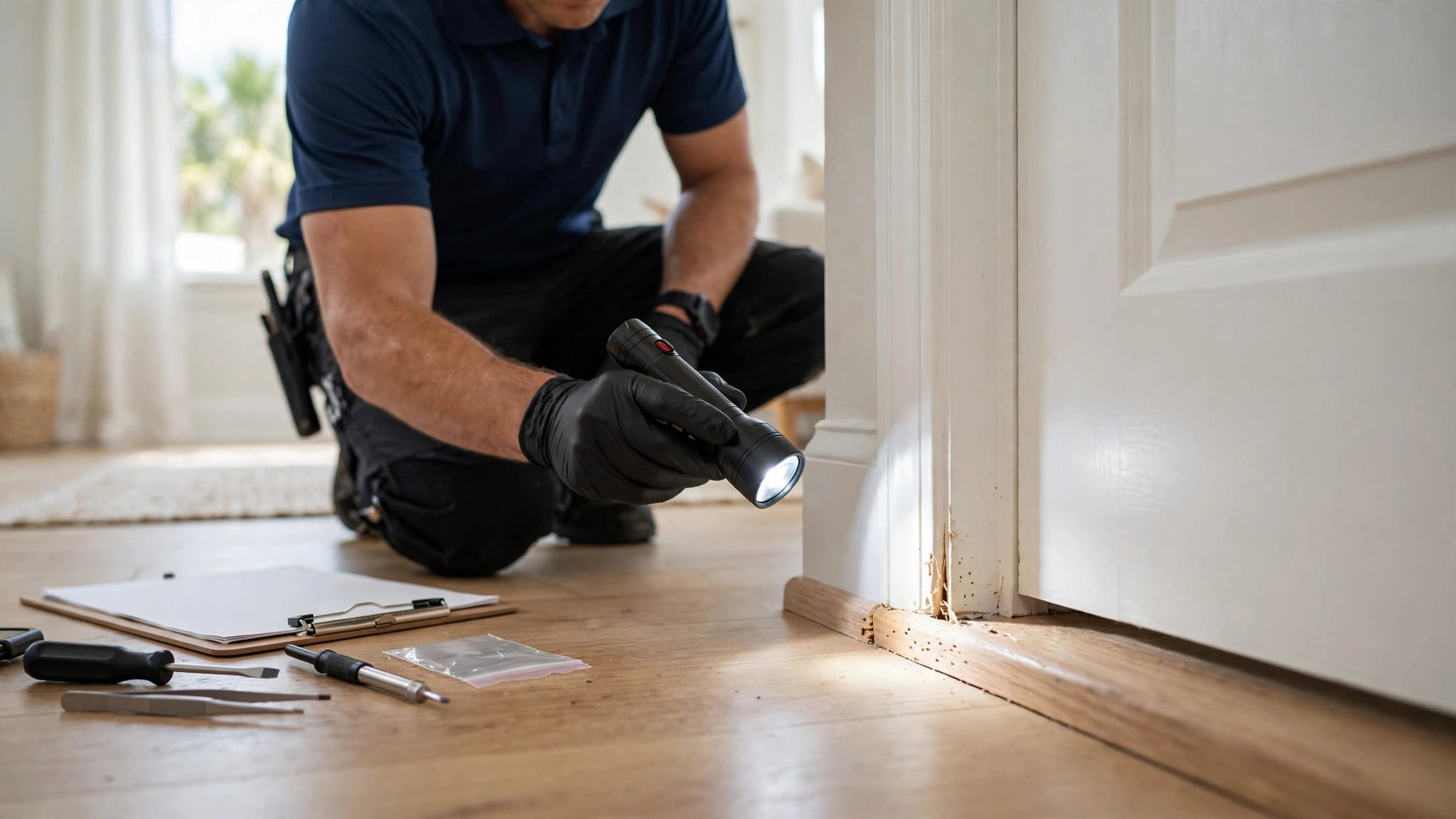
That is the point where a professional inspection helps. A trained technician can trace the source, check the areas people usually miss, and decide whether treatment should focus on the entry point, the food source, or both. For homeowners who want help with residential pest control in Cape Coral, a targeted inspection can save time and reduce guesswork.
Shield Home & Pest Control Services focuses on thorough inspections and treatments placed where pests live and enter. That matters with larder beetles because the visible insects are often only part of the issue. The real problem is usually the hidden food source nearby.
If the infestation keeps coming back in the garage, around pet food, or near storage boxes, it's time to stop treating symptoms and look for the source.
Conclusion
Larder beetles in Cape Coral pet food bins and garages usually point to one thing, a food source that's still available. Heat, humidity, and poor storage make the problem easier to start and harder to ignore.
Keep pet food sealed, inspect new bags, clean the floor and shelves, and remove crumbs before they build up. If beetles still return after that, the source is likely hidden, and a focused inspection is the next smart step.
Schedule a Free Inspection: