Ghost Ants in Cape Coral Kitchens, How to Spot the Tiny Trails, Why Sprays Fail, and How to Stop Them
If you’re seeing “moving dust” along your backsplash or inside a cabinet, you might be dealing with ghost ants . In Cape Coral kitchens, they can show up fast, vanish for a day, then come right back like nothing happened.
The frustrating part is that the usual quick fix, a can of ant spray, often makes ghost ants worse. The real solution is slower, but it actually ends the problem: bait first, then remove what’s feeding them, and fix the moisture that keeps them nesting nearby.
How to spot ghost ant trails in a Cape Coral kitchen (and confirm it’s them)
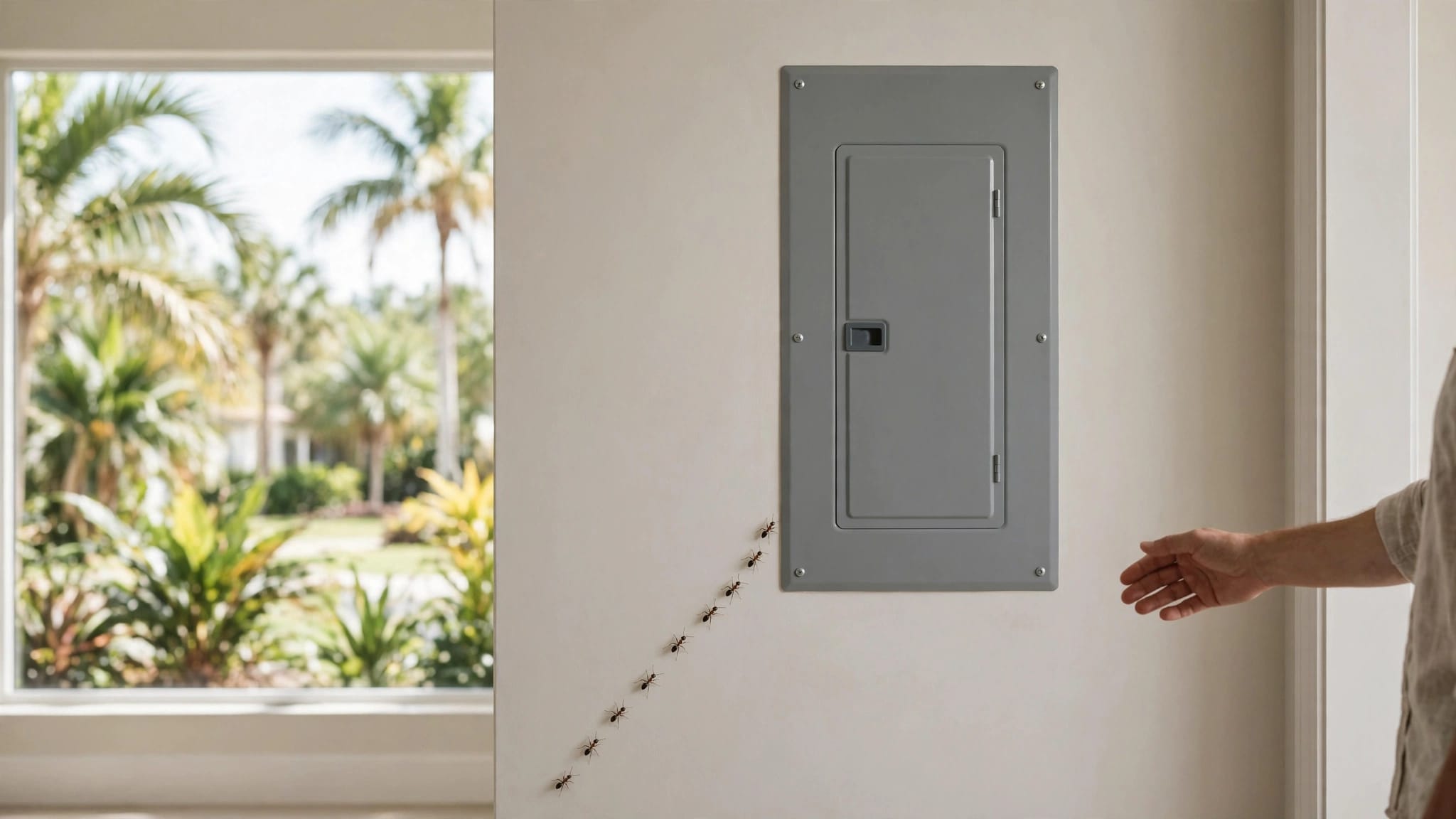
Ghost ants are tiny, about 1/16-inch long. Their dark head and darker middle section stand out, but their legs and abdomen are pale, so they can look almost see-through on light counters. On dark granite, they can disappear unless you’re close.
In kitchens, their trails often show up in places that feel random until you think like an ant. They’re following edges and “safe lanes” because it keeps them protected.
Common trail locations include:
- Along the countertop seam where it meets the backsplash
- Under the lip of a cabinet frame
- Around the sink rim and faucet base
- Along baseboards behind the trash can
- Under the dishwasher edge, fridge kick plate, or stove front
A simple way to confirm a trail is to place a drop of something sweet (a tiny smear of honey or syrup) near the line and step back for 2 minutes. If it’s ghost ants, you’ll usually see more workers lock onto that spot quickly. Don’t keep feeding them long-term, this is just for a quick ID.
Cape Coral homes also tend to have ghost ant activity spike after heavy humidity, rain, irrigation overspray, or a small plumbing drip. For ghost ants, water is often the real “magnet,” sugar is just the bonus.
Why ant sprays fail on ghost ants (and sometimes make the infestation bigger)
Most store-bought ant sprays are repellents. They kill the ants you see, but they also leave a smell or residue that ants avoid. That sounds helpful, until you remember the part you can’t see: the nest.
Ghost ants often have multiple queens and can form satellite nests. When you spray a trail, you don’t wipe out the colony, you stress it. The workers reroute, and the colony may split into more groups (this is one reason people feel like ghost ants are “everywhere” after spraying).
Here’s what typically happens after a spray:
- You get a quick drop in visible ants for a day or two.
- Trails pop up in a new cabinet, a different wall, or even the bathroom.
- You spray again, and the cycle repeats.
Sprays also clash with baiting. If you spray near where you place bait, you can repel ants away from the bait. Then the “treatment” sits untouched while the colony keeps growing.
If you want long-term control for ghost ants Cape Coral kitchens, you’re almost always better off skipping repellent sprays indoors and focusing on a bait-first approach.
The bait-first plan that actually stops ghost ants (without chasing them room to room)
Think of bait like a slow, shared meal. Workers feed on it, then carry it back and share it with other ants, including queens. That’s what makes bait different from sprays: it targets the colony, not just the trail.
How to bait ghost ants in a kitchen
- Choose the right bait type. Ghost ants often prefer sweet liquid or gel baits. (Protein baits can help at times, but sweet is usually the first move in kitchens.)
- Place bait on the trail, not in the middle of the room. Put tiny bait placements where they already walk, along edges, seams, and corners.
- Use small amounts in several spots. Multiple small placements beat one big blob. It reduces mess and increases the chance they find it.
- Don’t disturb the feeding. It’s normal to see more ants at first. That’s a good sign.
- Give it time. You might see improvement in 3 to 7 days, and stronger results in 1 to 3 weeks, depending on colony size and how many nests are involved.
- Refresh, don’t rotate. Replace dried bait, but don’t switch products every day. Constant changes can stall progress.
Mistakes that ruin bait results
- Cleaning the bait up because it “looks gross”
- Spraying cleaners, bleach, or ant spray right next to bait
- Putting bait in the wrong place (like the center of the counter, far from trails)
- Setting out too much bait, then wiping it away during normal kitchen cleanup
Kid and pet safety: Always follow the label. Keep baits in tamper-resistant bait stations when possible, or place them out of reach (back corners of upper cabinets, behind appliances, inside a closed sink cabinet). Don’t place bait where it can drip onto plates, utensils, or food-prep areas.
If you’d rather have a local team handle the full plan, see residential pest control Cape Coral.
Kitchen changes that cut off ghost ants fast (food, water, and hiding spots)
Baits work best when your kitchen stops acting like a snack bar with a water fountain. Ghost ants don’t need much, a few sugar crystals and a damp sponge can keep them going.
Focus on the “quiet” spots you don’t clean daily:
- Under the toaster, coffee maker, and air fryer
- Under the fridge (drips, condensation pan issues, crumbs)
- Under the dishwasher (slow leaks, damp insulation, food debris)
- Inside the trash cabinet (sticky bag leaks, can liner residue)
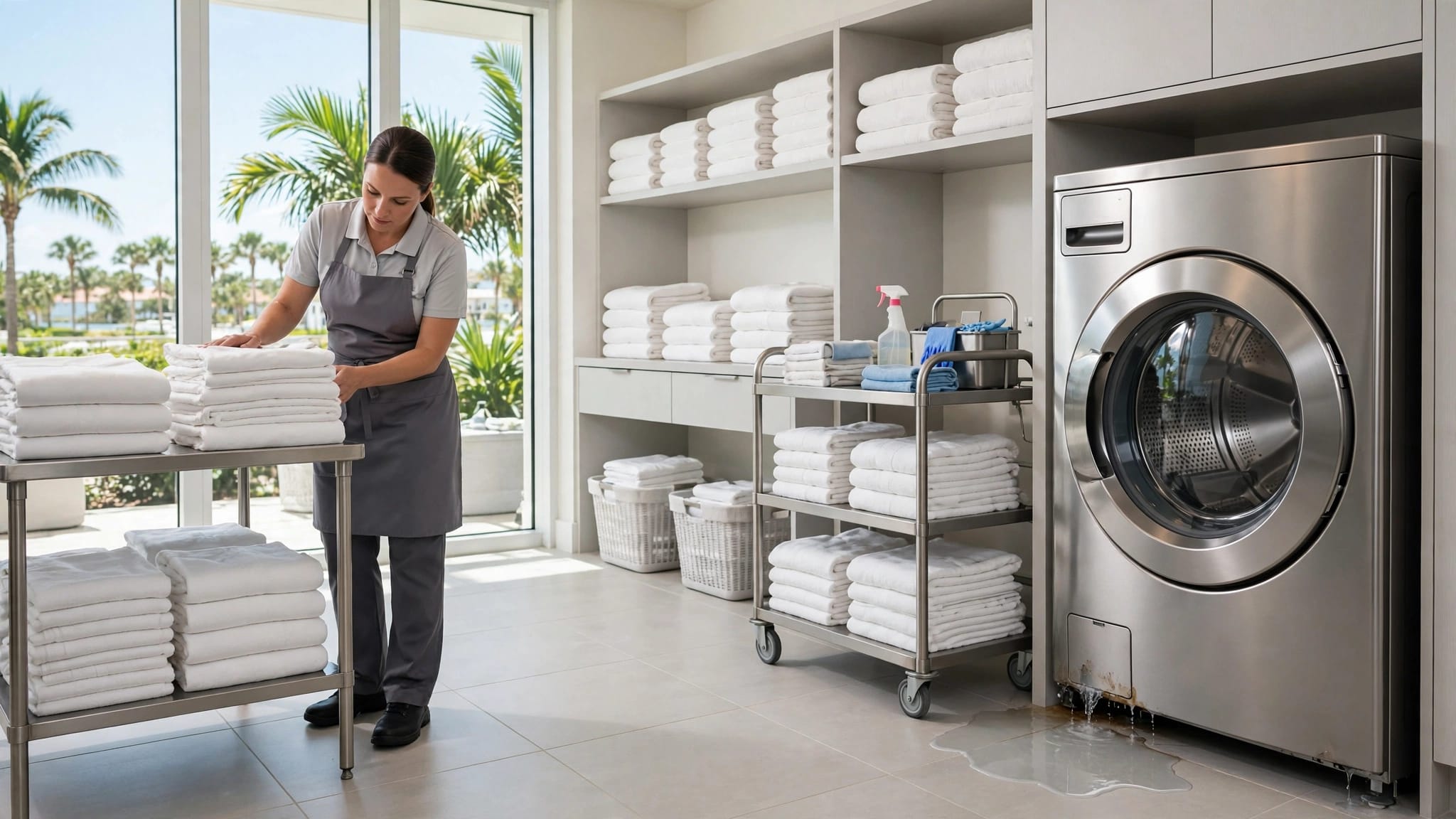
- Under the sink (small drips, wet cleaning rags, damp particle board)
A few practical habits that make a big difference:
- Wipe counters with soap and water at night, especially near seams.
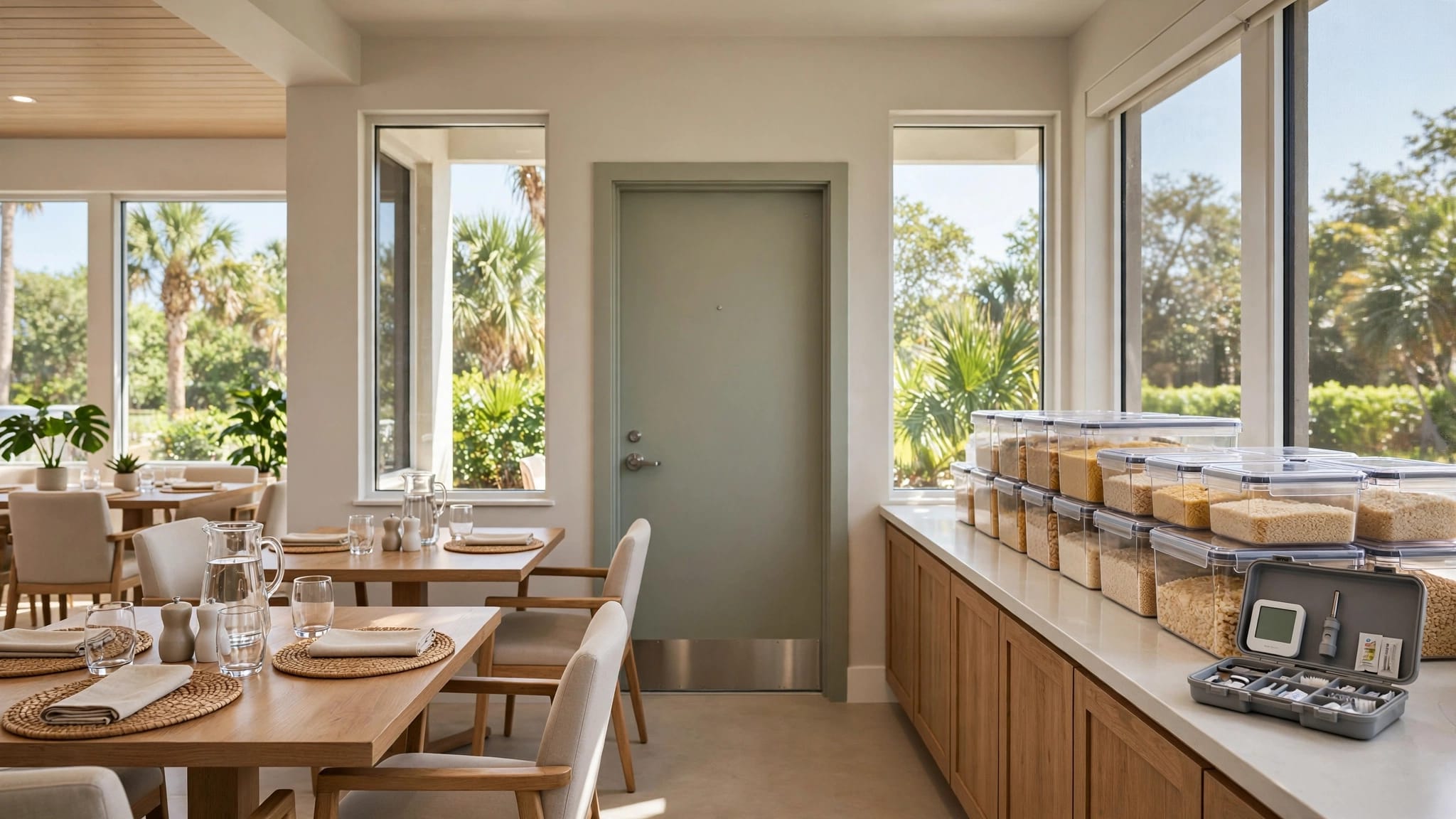
- Store sugar, cereal, and snacks in sealed containers.
- Don’t leave pet food out overnight, and store it in a sealed bin.
- Take out trash nightly, and rinse sticky cans before tossing.
- Fix moisture fast: tighten a P-trap, replace a worn faucet gasket, stop AC condensation from dripping into cabinets.
If you’re comparing professional options, this guide on pest control expenses in Cape Coral can help you set expectations.
FAQ: Ghost ants in Cape Coral kitchens
Are ghost ants harmful?
They’re not known for causing structural damage, but they can contaminate food surfaces as they forage. Treat them like any kitchen pest and don’t ignore persistent activity.
Do ghost ants bite?
Bites are rare and usually mild. The bigger issue is nuisance trails and repeated foraging around sinks and food.
Why do they disappear and return?
Ghost ants reroute quickly when conditions change. Cleaning, weather shifts, and repellent sprays can push them to new trails, then they circle back when they find another opening or food source.
Could they be carpenter ants instead?
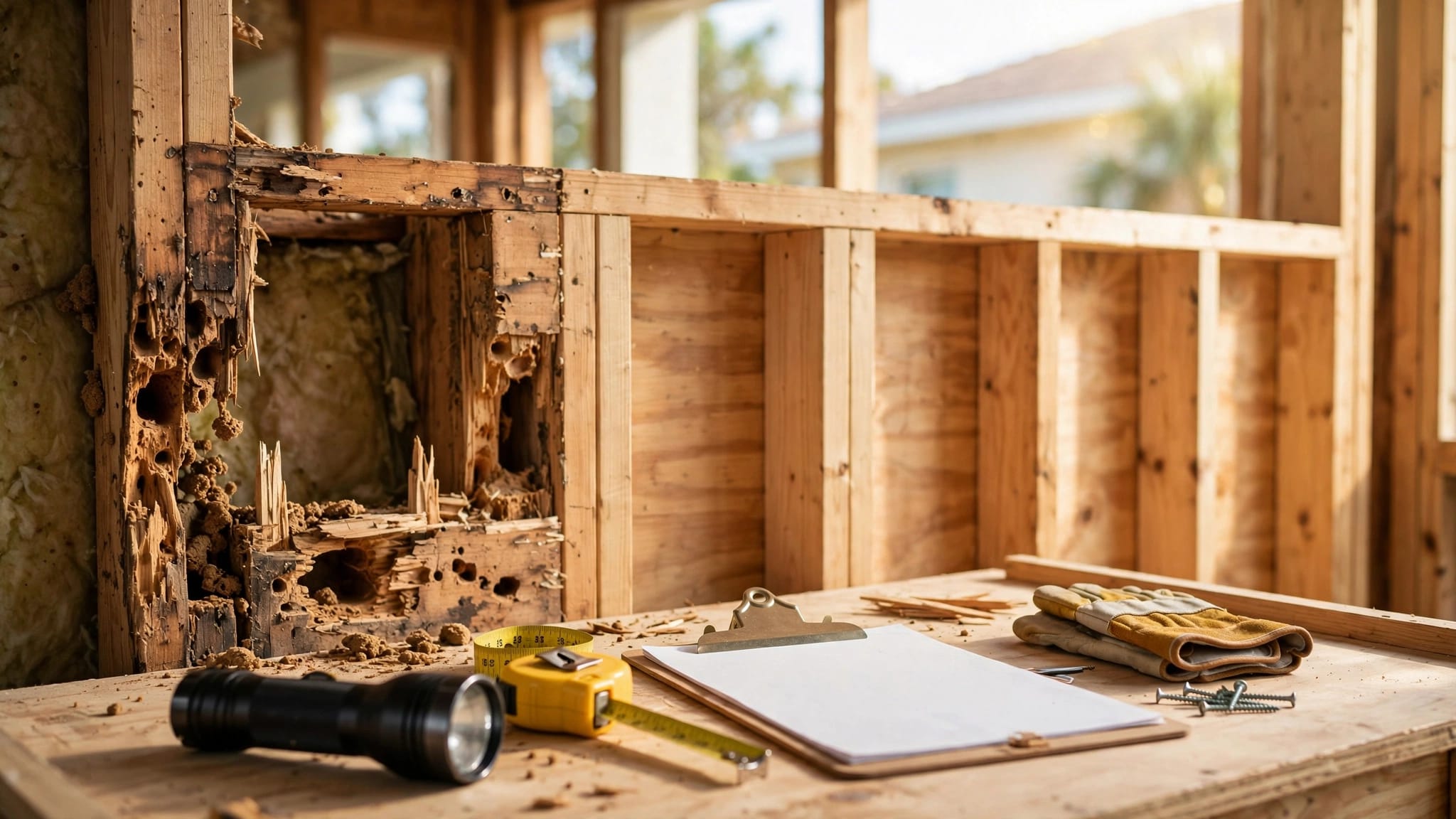
Carpenter ants are much larger and can signal moisture-damaged wood. If you’re seeing big ants or wood debris, review these signs of a carpenter ant infestation in your Cape Coral home.
Conclusion
Ghost ants don’t respond well to “kill on contact” thinking. In a Cape Coral kitchen, the winning combo is sweet bait placed on active trails , patience long enough for the colony to share it, and simple fixes that remove moisture and late-night food sources. If you’re tired of the pop-up trails and spray cycle, a bait-first plan is the most reliable way to get your kitchen back.
Schedule a Free Inspection: