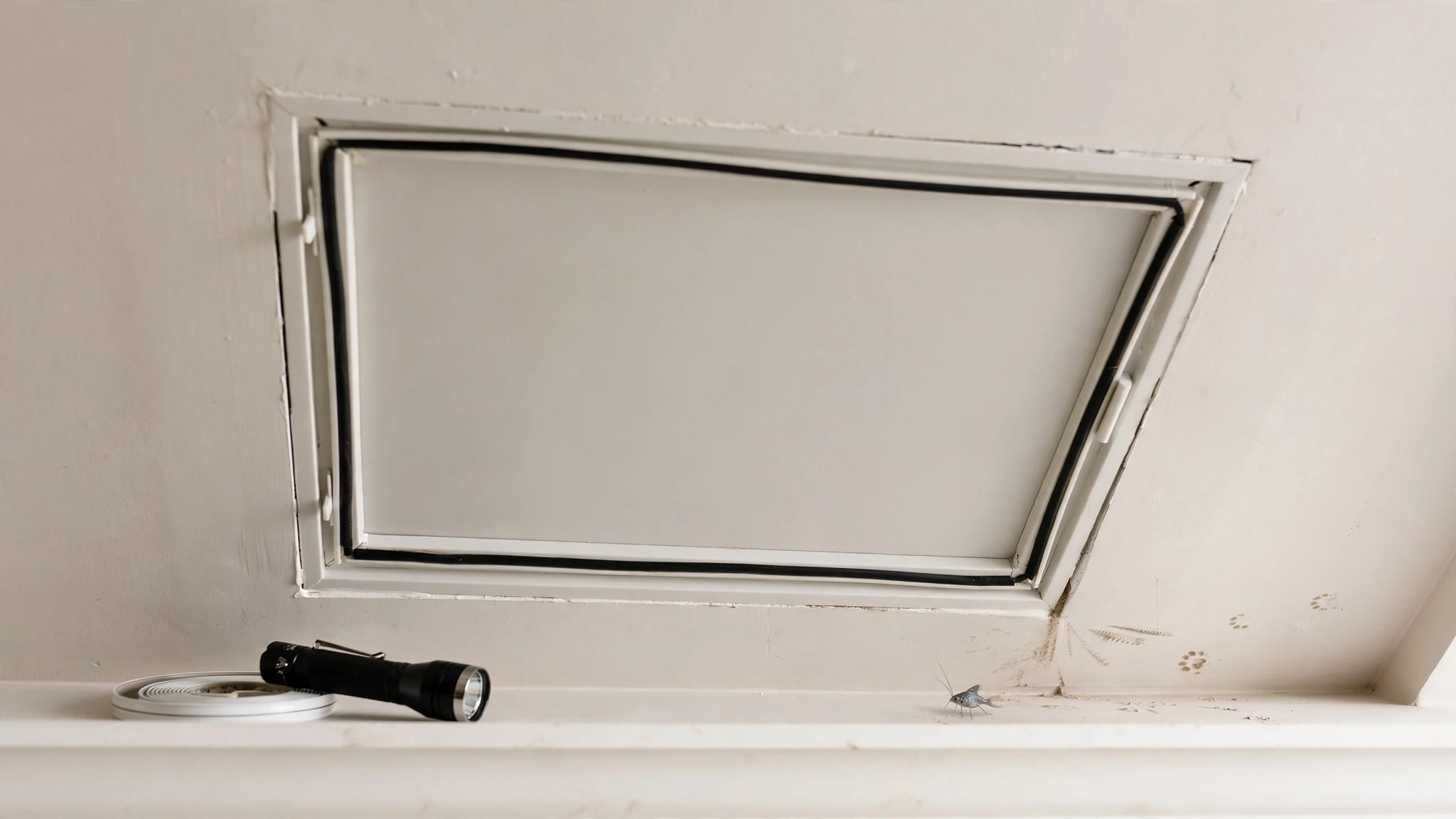
Earwigs in Cape Coral homes, why they show up after rain, where they hide, and how to stop nighttime sightings
You turn on a hallway light at 11 pm and there it is, a little brown bug with pinchers, hustling along the baseboard. If you’re seeing earwigs in Cape Coral right after rain, you’re not alone. In Southwest Florida, a wet stretch can push moisture-loving pests toward dry shelter fast, and your home can look like the best option on the block.
The good news: earwigs are mostly nuisance pests . They don’t spread disease in homes, and they rarely pinch (and when they do, it’s usually mild). The better news: most earwig problems improve a lot once you fix the damp conditions and close off entry points.
Why earwigs show up after rain in Cape Coral
Earwigs need moisture to survive. Outside, they spend the day tucked into cool, damp hiding spots like mulch, leaf litter, pavers, and dense landscaping. After a heavy rain, those hiding spots can become waterlogged or flooded. So the earwigs move, and they usually move to the nearest place that stays dry and protected.
In Cape Coral, that “dry refuge” is often a home’s edges, garage, lanai, or door thresholds. Think of earwigs like tiny campers whose tent just flooded. They’re not trying to “infest” your bedroom, they’re trying to get out of the weather, then they wander at night looking for food.
A few common post-rain triggers in local homes:
- Wet mulch and soggy plant beds tight against the foundation. It’s basically earwig-friendly real estate.
- Standing water and poor drainage near downspouts, low spots, or around pool equipment pads.
- Overwatering (especially when irrigation timers keep running after storms).
- Outdoor lighting that pulls in moths and other insects. Earwigs scavenge and hunt, so more bugs nearby can mean more earwig activity.
Season matters too. You’ll often notice spikes during wetter months and after storm systems. If sightings jump for a few nights and then fade, that’s a classic moisture and shelter issue, not a long-term indoor breeding problem.
Where earwigs hide indoors (and the outdoor spots that feed the problem)
Earwigs are nocturnal. During the day, they press into tight cracks and shaded pockets. At night, they come out like little wind-up toys on a mission, which is why you tend to spot them when the house is quiet.
Indoors, they’re usually found in places that mimic their outdoor needs: dark, cool, and slightly damp.
| Common hiding spot | Why they like it | What to do next |
|---|---|---|
| Under sinks and behind toilets | Minor leaks and steady humidity | Fix drips, dry the cabinet base, run exhaust fans |
| Laundry room corners | Warmth plus moisture from washers | Check supply lines, clean lint, improve airflow |
| Garage edges and door corners | Gaps plus cluttered harborage | Add a door sweep, reduce cardboard piles |
| Around sliders and thresholds | Easy entry, condensation nearby | Re-caulk gaps, repair weatherstripping |
| Baseboards near exterior walls | Tight crevices, cooler surfaces | Seal cracks, place monitoring traps |
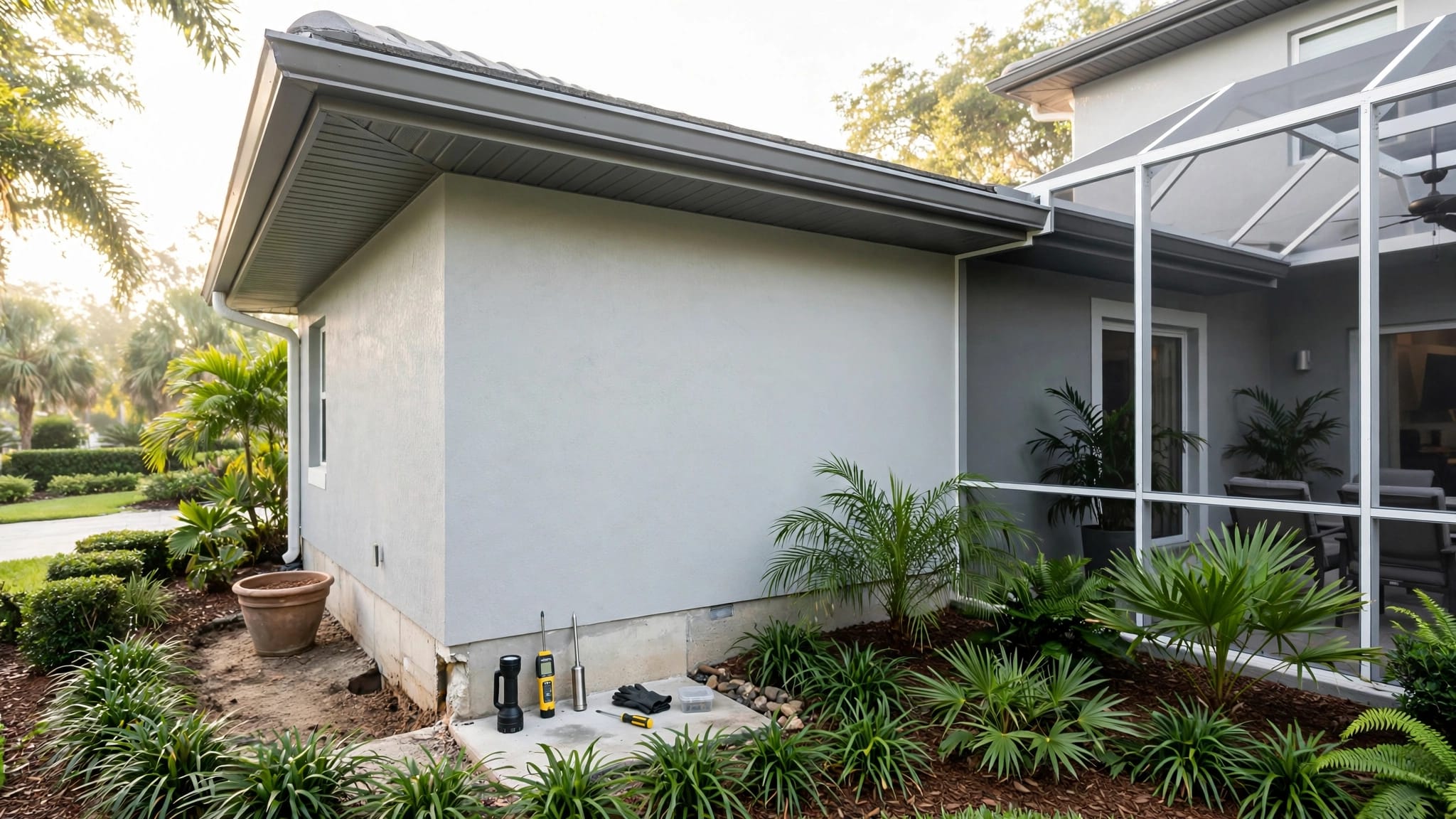
Outdoors, the “source” is often right up against the home. If you have thick mulch, palm fronds, leaf piles, stacked planters, or wet soil touching the foundation, earwigs can build up there and then slip inside through tiny gaps. Cardboard stored on a garage floor is another big one, it holds moisture and gives them cover.
If you’re also dealing with other night-active pests, it can help to tighten up general entry points too. (This overlaps with spider prevention, since many bugs use the same routes.) If you want a broader checklist, see spider-proof your Cape Coral home.
How to stop nighttime earwig sightings (IPM that works in Cape Coral)
The best results come from integrated pest management: fix the conditions first, block entry second, and only treat where it makes sense. Spraying first is like mopping the floor while the sink is still overflowing.
Step 1: Reduce moisture, because moisture is the engine
Start outside, since that’s where the population builds.
- Fix dripping hose bibs, AC condensate leaks, and wet spots that never dry.
- Make sure downspouts push water away from the foundation.
- After rain, pause irrigation for a few days. Many timers keep running even when the soil is saturated.
- Improve airflow in damp rooms. If your home holds humidity, a dehumidifier can help, especially in bedrooms or a closed-up guest bath.
Inside, handle small leaks fast. Earwigs don’t need a puddle, a slow drip under a sink is enough to keep them comfortable.
Step 2: Exclude them, so wanderers can’t get in
Earwigs squeeze through gaps you’d never notice. Focus on ground-level entry points.
- Install door sweeps on exterior doors and the garage side door.
- Replace worn weatherstripping around doors and sliders.
- Caulk cracks where baseboards meet tile near exterior walls, and seal gaps around pipe penetrations under sinks.
- Repair screens on windows, lanais, and vents (even small tears matter).
This work pays off beyond earwigs. It also helps with ants, roaches, and other “after rain” visitors.
Step 3: Change yard and storage habits that create hiding places
A few small changes can cut down the outdoor population quickly:
- Pull mulch back so it’s not packed against the foundation, and avoid very thick mulch layers.
- Remove leaf litter, palm fronds, and damp debris from shaded corners.
- Store cardboard and paper goods off the floor in the garage, ideally on shelves or in sealed plastic totes.
Step 4: Monitor with traps (kid and pet-friendly when placed correctly)
Sticky traps are underrated for earwigs. They’re low-odor, low-risk, and they tell you where the traffic is.
Place sticky traps:
- Along baseboards near exterior doors and sliders
- Under the kitchen sink (after fixing leaks)
- In garage corners, behind stored items (out of reach of kids and pets)
Check them every couple of days. If traps fill up fast, that’s a clue the outdoor harborage is still feeding the problem.
Step 5: Targeted treatments only if you still need them
If moisture and exclusion are handled and you’re still seeing earwigs nightly, focused treatment can help, mainly outside .
- A labeled perimeter product applied to cracks, crevices, and the foundation edge can reduce incoming wanderers.
- Granular products can be useful in mulch beds that stay damp, but don’t treat the whole yard “just because.”
- Avoid indoor foggers. They don’t solve the source and can spread pesticide where you don’t want it.
For households with kids and pets, keep treatments limited, label-directed, and placed where contact is unlikely (like exterior crevices, not living room floors). When in doubt, a licensed pro can choose products and placement that fit your home’s layout.
If you want to understand how a service visit usually works, read what to expect from Cape Coral exterminators. If you’re comparing providers, this list of hiring questions for local pest pros helps you screen for good inspection habits and safe treatment choices.
When it’s time to call a licensed pest professional
Call for help if:
- You still get repeated nightly sightings after 2 to 3 weeks of moisture reduction and exclusion work.
- You’re seeing earwigs in multiple rooms, especially in bathrooms and kitchens, even after leaks are fixed.
- Outdoor numbers are heavy (mulch beds, pool cage edges, patios), and DIY steps aren’t moving the needle.
If budget is part of the decision, this guide on pest control costs in Cape Coral can help you plan without guesswork.
Conclusion
Earwigs in Cape Coral homes usually show up after rain for one simple reason: wet outdoor hiding spots push them toward dry shelter, and they roam at night. Focus on moisture control , then seal entry points, clean up damp harborage, and use traps to confirm where they’re coming from. If the sightings keep happening night after night, a targeted, professional plan can knock down the outdoor source and keep the indoors quiet again.
Schedule a Free Inspection: