Florida Pest Prevention for Self-Storage Managers
A pest complaint at a storage facility can turn into a damaged-belongings dispute before you know where the activity started. Florida pest prevention works best when your team combines entry-point repairs , clean grounds, tenant communication, and professional follow-up.
Storage managers face a particular challenge: you control the property, but tenants control much of what comes through its doors. A useful plan accounts for both, without promising protection that no building can guarantee. Start by identifying the conditions your team can inspect, correct, and document.
Build a Site-Specific Florida Pest Prevention Plan
A storage property needs more than a recurring treatment appointment. Your provider should understand the layout, access restrictions, waste areas, and maintenance history before recommending work.
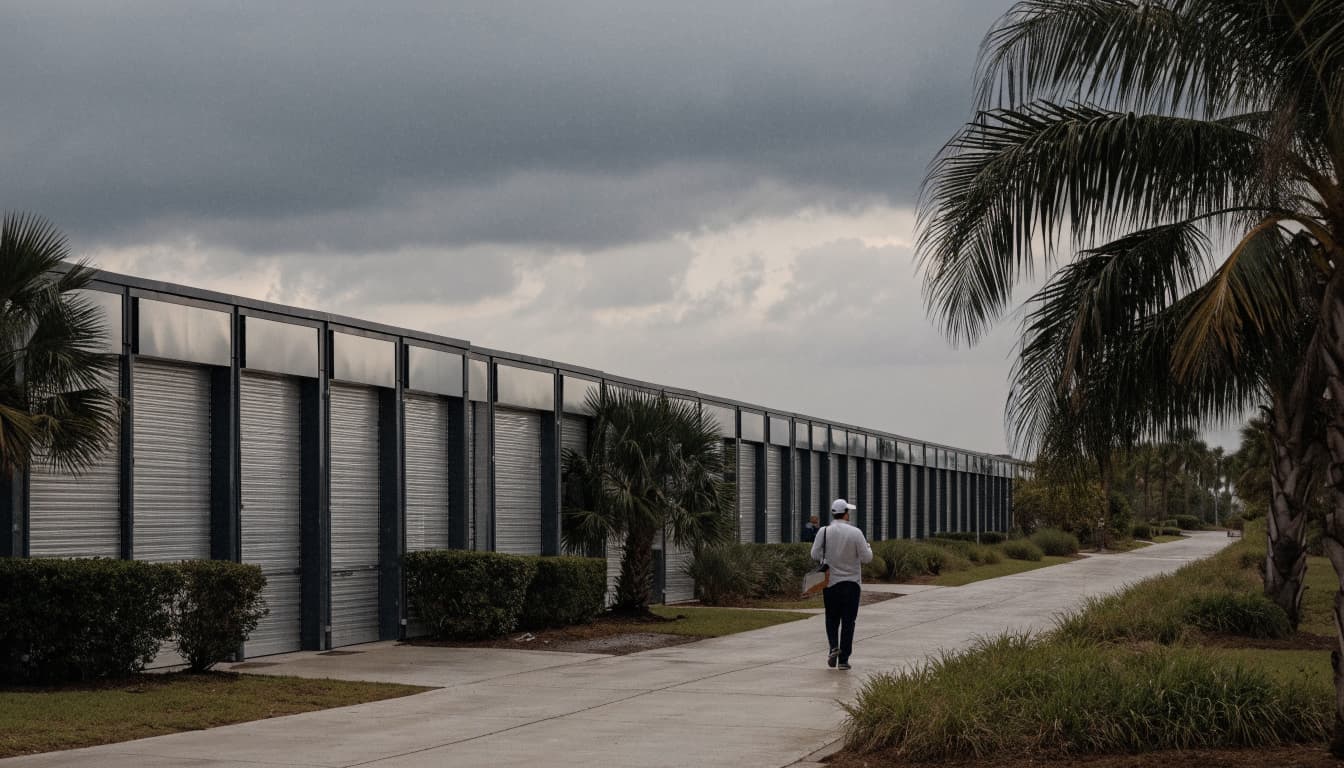
Map activity and access routes
Walk the property with your pest-control provider. Identify unit rows, loading areas, dumpsters, utility rooms, roof edges, and neighboring conditions that deserve attention.
Rodents can approach through utility routes, storage areas, or adjacent properties. At sites near canals or seawalls, include those boundaries in the inspection rather than concentrating only on unit doors.
Mark confirmed activity on a site map. Also distinguish tenant reports from technician findings. A complaint about one unit needs investigation, but it doesn't establish that every unit in the row has the same problem.
Connect inspections to maintenance records
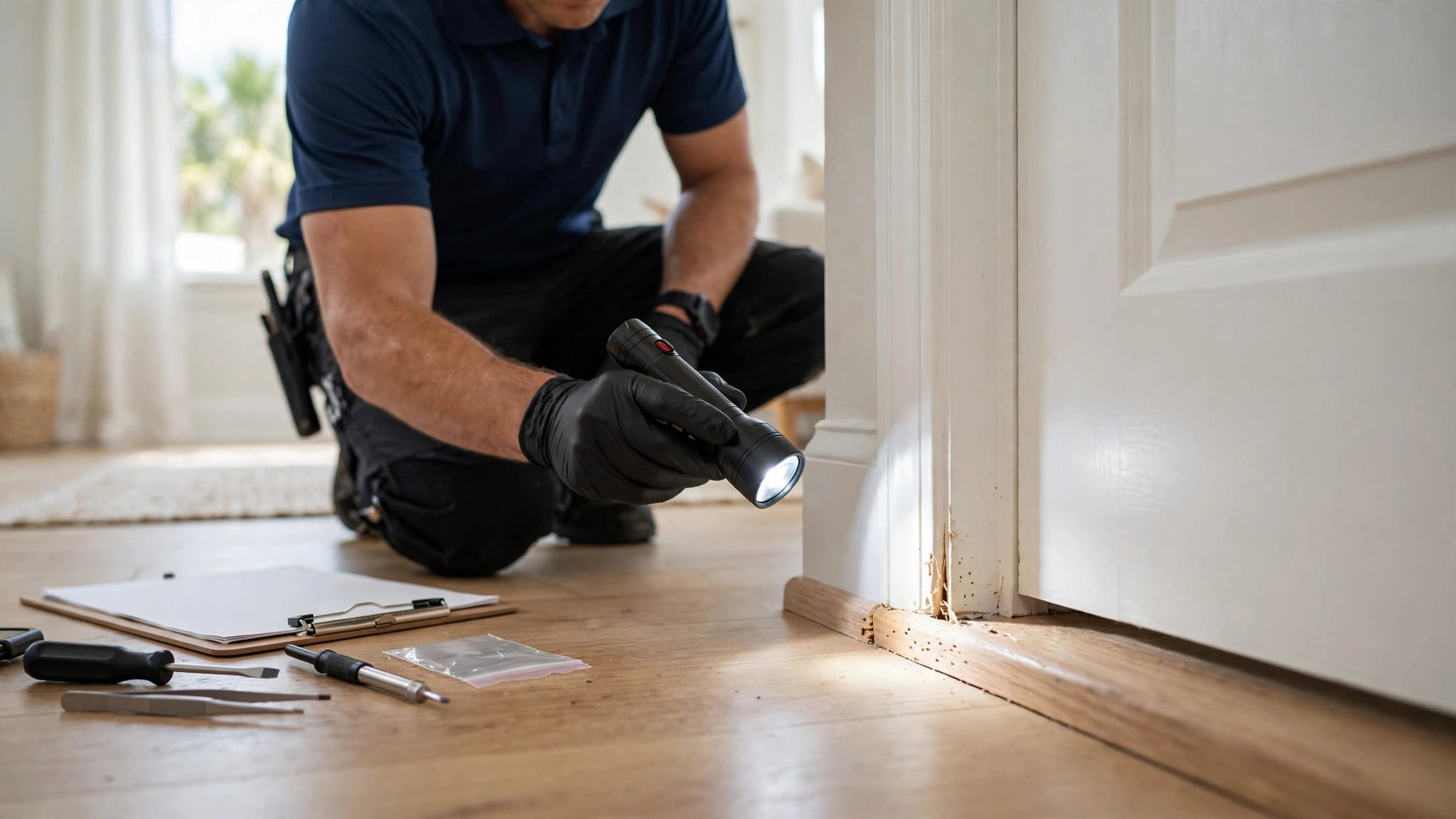
Record the location, observation date, photographs, assigned repair, and follow-up status for each concern. That information helps your maintenance staff and provider work on the same problem.
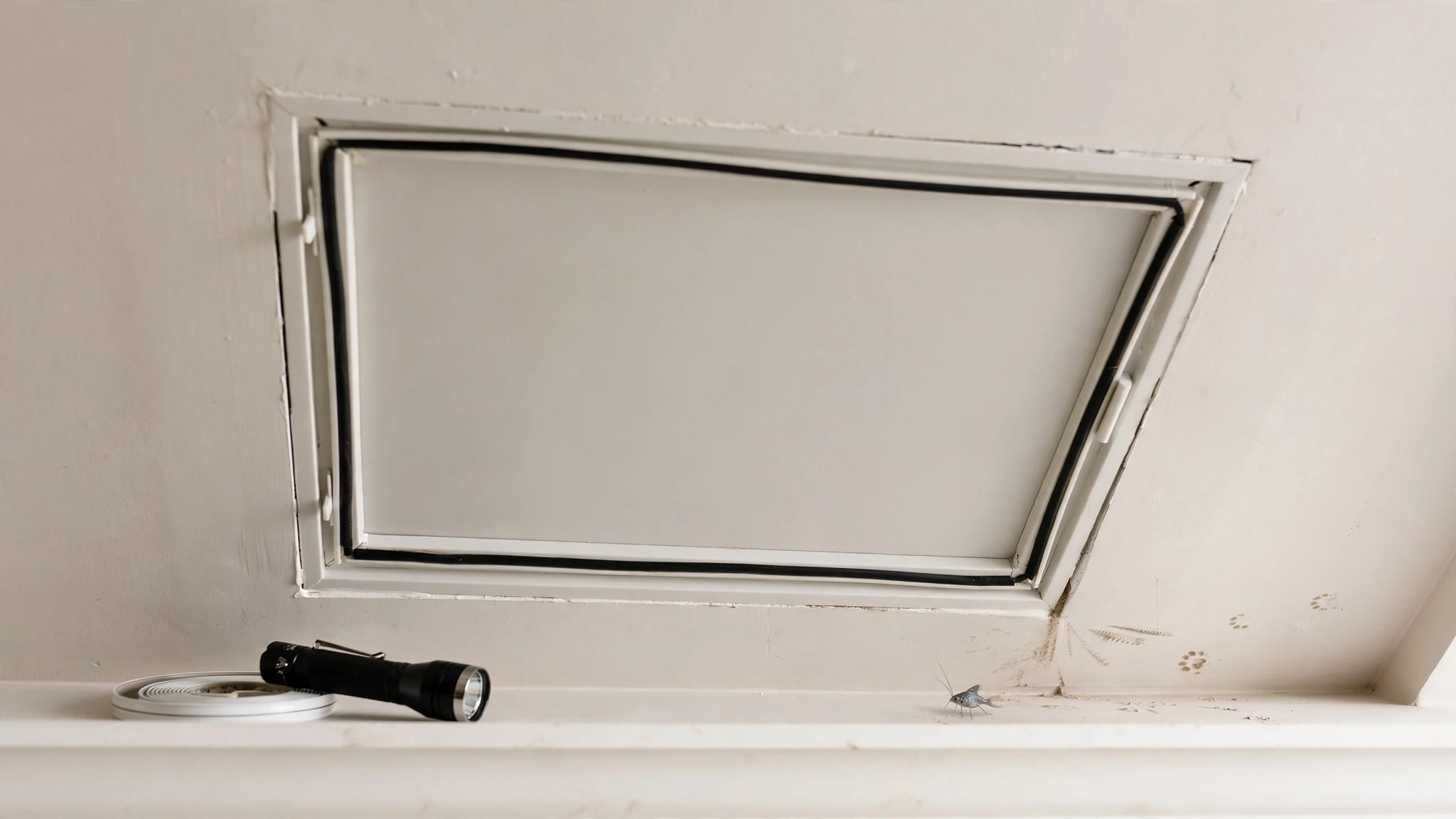
Shield's property manager pest prevention checklist identifies signs such as gnaw marks, wall rub marks, shredded nesting material, scratching sounds, and strong urine odor.
Review the plan when construction, vacancy, rain-related damage, or additional complaints change site conditions. Adjust professional visits to documented needs rather than treating the original calendar as permanent.
Seal Entry Points at Doors and Building Edges
A pest-control visit won't repair a worn door seal or an open utility penetration. Assign those corrections to maintenance and confirm completion.
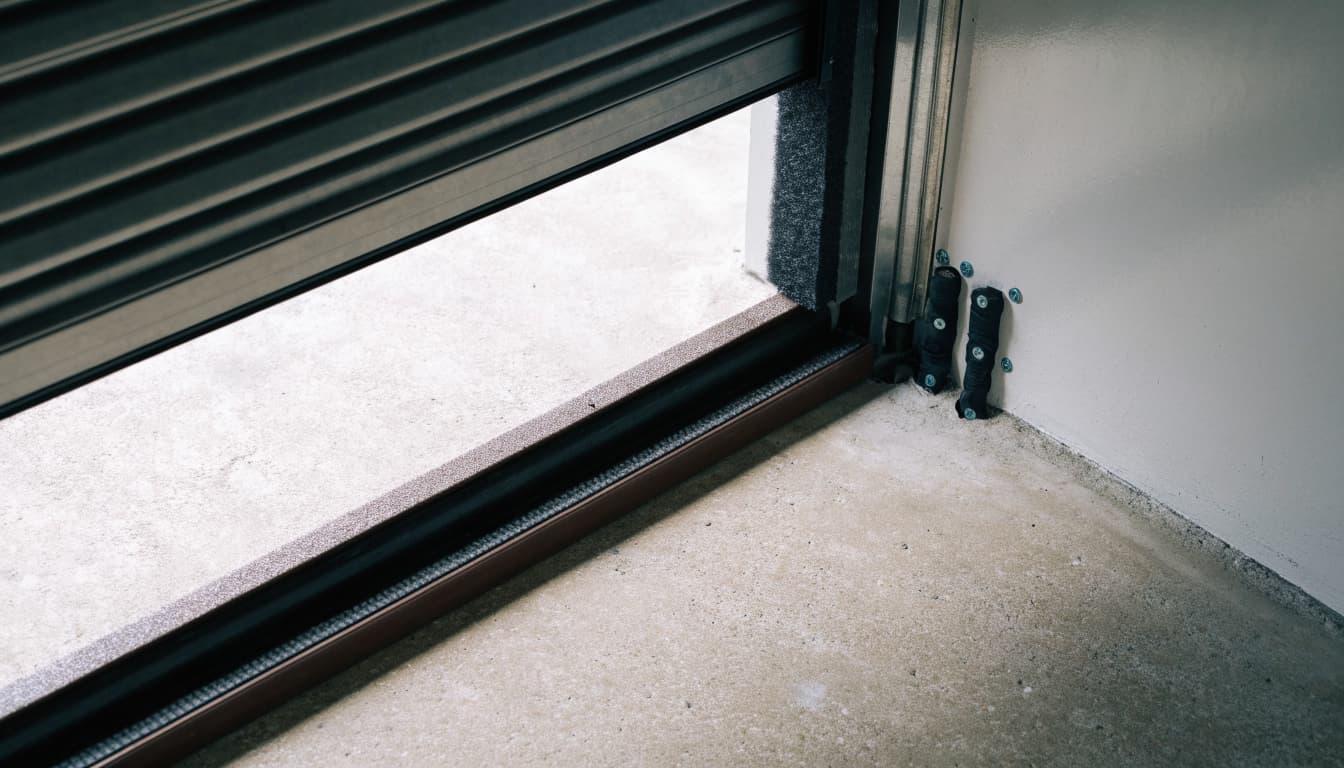
Inspect the full building envelope
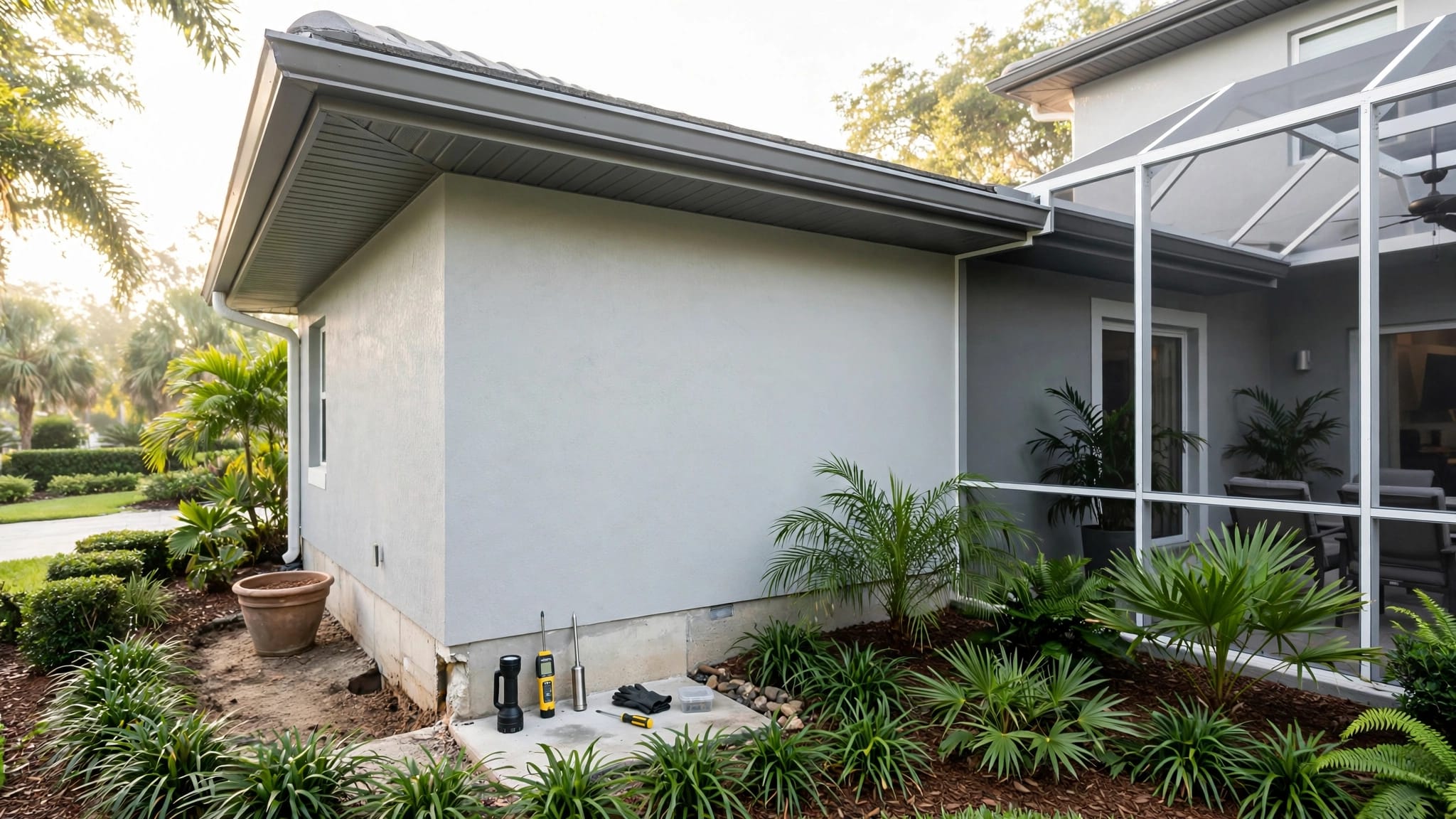
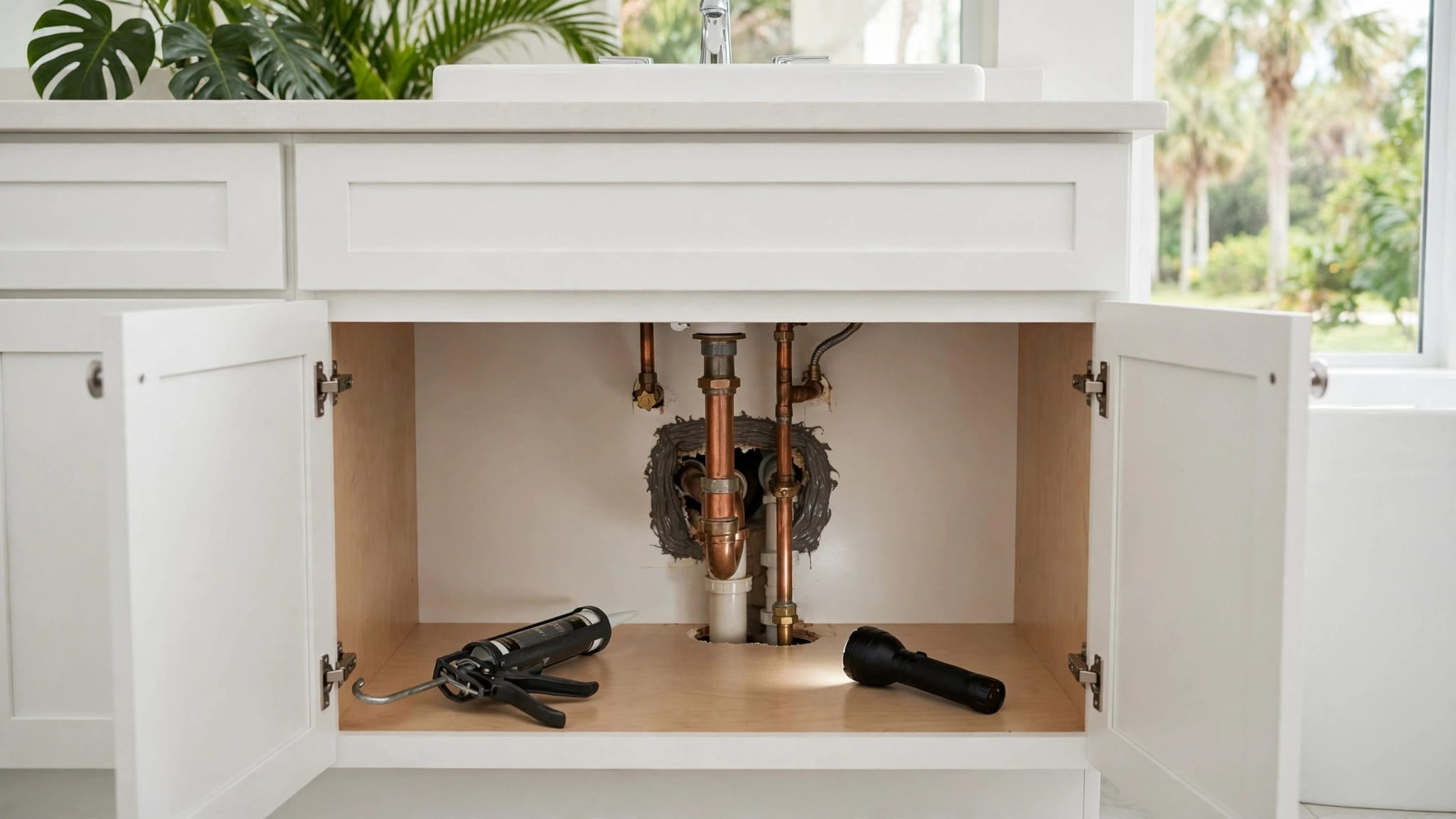
Check roll-up door corners, bottom seals, pedestrian-door sweeps, vents, and openings around pipes or cables. Look above eye level too, including rooflines and soffits where the building has them.
Operate doors during inspections. A seal may look intact while the door is open but leave an exposed edge when closed. Check whether damaged tracks or uneven thresholds prevent proper closure.
Have maintenance choose repair materials suited to the opening and building. Preserve required ventilation and drainage rather than covering every visible gap.
Coordinate repairs with active rodent control
When rodents may already be inside, ask the provider to coordinate removal and exclusion before closing suspected routes. Unplanned sealing can leave animals within the building.
Track each repair separately from the treatment visit. A completed service ticket doesn't mean the contractor replaced the door sweep or repaired the wall opening.
For vacant units, add an accessible threshold and perimeter inspection to the turnover process. For occupied units, arrange access under your rental agreement and facility procedures. Follow-up should confirm both repair completion and changes in activity.
Remove Food, Water, and Outdoor Shelter
Exterior housekeeping is part of Florida pest prevention. It reduces the reasons pests remain near your buildings.
Keep trash areas closed and clean
Inspect dumpster lids, hinges, enclosure gates, and the surrounding pad. Remove spilled food waste and loose debris, and address damaged hardware promptly.
Don't let abandoned tenant items accumulate beside the dumpster. Furniture, wet cardboard, and miscellaneous stored materials can hide activity and obstruct inspections. Establish a removal process that follows your facility's rules and applicable disposal requirements.
Shield's guidance on wildlife-proof commercial trash storage pairs clean waste areas with inspection of nearby hiding places and access routes. Dumpster cleaning alone won't correct an opening elsewhere on the property.
Correct water problems and overgrown edges
Check for leaking hose connections, irrigation overspray, blocked drains, and water collecting around waste areas. Repair the source rather than repeatedly cleaning the same wet spot.
Keep vegetation clear enough that staff can see building edges and reach them for inspection. Similarly, move facility-owned materials away from locations where they conceal door corners or utility openings.
After storms, inspect for displaced debris, damaged seals, and newly obstructed drainage. Include waste-enclosure hardware in that review. Treat storm recovery as a maintenance check, not an automatic reason to apply additional pesticides.
Make Prevention Part of Tenant Move-Ins
Tenants need clear instructions before they fill a unit. Explain prohibited materials in your rental agreement, including food or other attractants where your facility rules exclude them.
Encourage tenants to inspect belongings before storage and report suspected pest evidence before unloading. Sealed, durable containers are generally easier to inspect and clean than damaged cardboard. However, no container replaces building maintenance or professional investigation.
Ask customers to leave reasonable access for inspection when practical. Avoid promising that raising belongings off the floor makes them pest-proof.
Staff should also explain how to report concerns. Collect the unit number, when the tenant noticed the problem, and any available photographs. Keep communication factual and avoid assigning blame before an inspection.
Climate-controlled units still need pest prevention. Temperature control doesn't repair entry gaps, remove prohibited food, or identify activity brought in with belongings.
When a tenant reports suspicious items, discourage moving them into hallways or another unit while the concern remains unresolved. Coordinate the next steps with your provider and follow access requirements. That protects neighboring customers without turning front-desk staff into pest diagnosticians.
Give the same guidance at move-in, not only after a complaint. Consistent instructions make expectations easier to enforce fairly.
Turn Pest Reports Into Documented Action
Your response should protect people, preserve useful evidence, and establish what needs correction. Repeated activity deserves investigation even when staff haven't seen a live animal.
Record evidence without guessing
Photograph visible evidence when it's safe and permitted. Note whether staff observed it in a corridor, vacant unit, occupied unit, utility room, or exterior area.
Rodent droppings can change appearance as they age. Shield's property-management guidance describes newer droppings as darker and moist-looking, while older material fades and becomes crumbly. However, appearance alone doesn't confirm the source or establish timing.
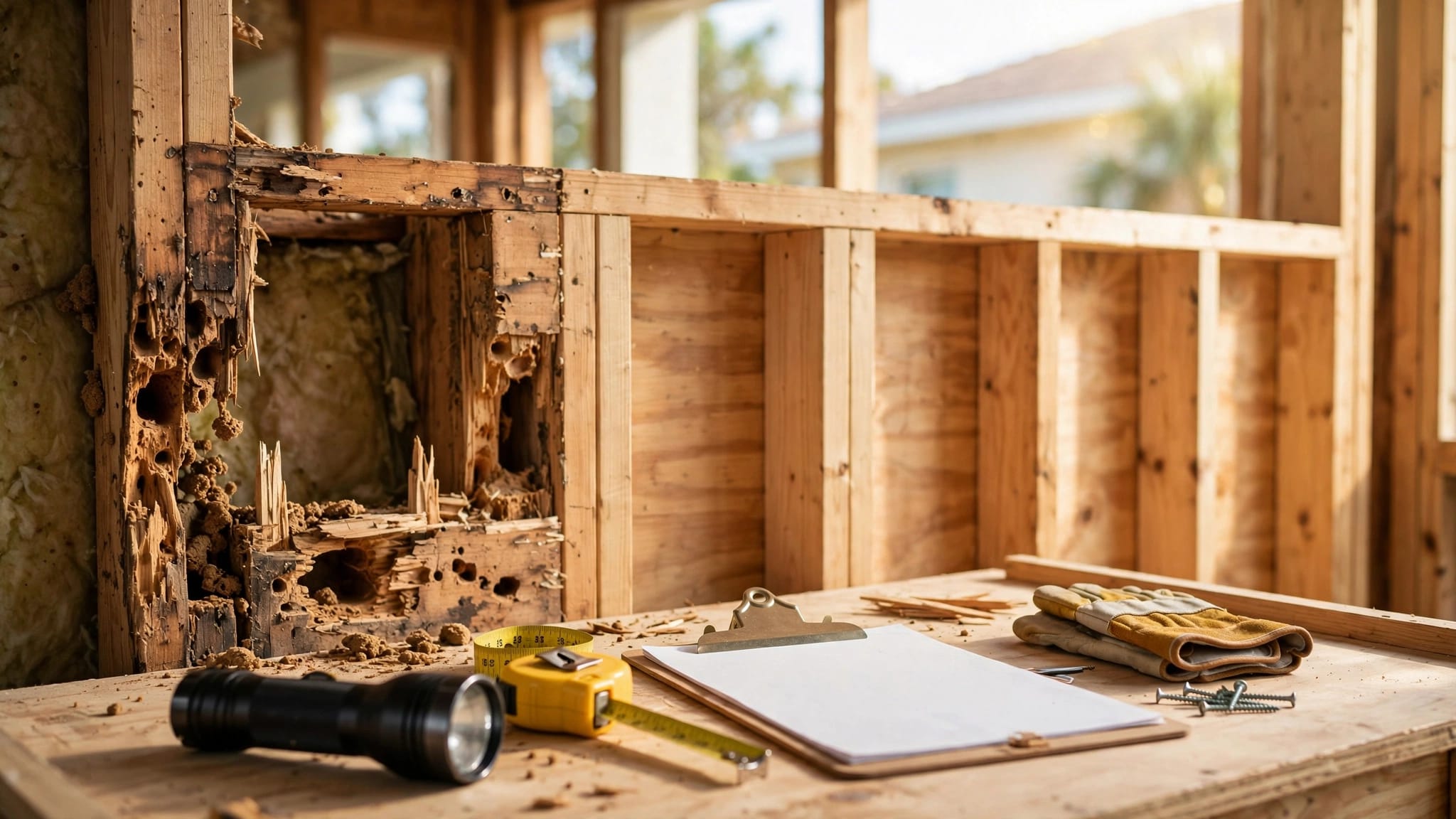
Prioritize reports involving electrical wiring or air-handling equipment. Arrange qualified inspection of possible damage rather than asking staff to investigate inaccessible spaces.
Keep employees from dry sweeping or vacuuming suspected rodent droppings. Arrange cleanup under appropriate health and facility procedures.
Verify the cause and close out corrections
Ask the technician to identify likely travel routes, access points, and conditions supporting the activity. Shield's commercial pest and rodent services include trapping, baiting, and exclusion, but the scope should match the confirmed problem.
Close the work order after follow-up confirms the repair and checks activity, rather than after the first service visit alone.
Maintain a single incident record linking tenant communication, inspection findings, maintenance work, and follow-up. Notify affected tenants about access arrangements and findings relevant to their units, without sharing another customer's private information.
Recurring signs should trigger a review of missed access routes or incomplete corrections.
Choose Commercial Pest Control With a Written Scope
Compare providers on what they inspect, correct, document, and revisit. A lower recurring charge can leave you paying separately for work you assumed was included.
Verify licensing and relevant experience
Florida regulates structural pest control under Chapter 482, Florida Statutes, and Chapter 5E-14, Florida Administrative Code. Confirm licensing through the Florida Department of Agriculture and Consumer Services, commonly called FDACS.
Ask about experience with commercial properties that have restricted unit access and tenant-owned belongings. Your provider should explain how inspections and treatments will fit those limitations.
For managers seeking commercial pest control in Cape Coral, Shield Home & Pest Control offers commercial inspections and treatment services. Discuss your facility's layout directly rather than assuming a general business package covers every storage concern.
Compare included work and follow-up
Request a written scope identifying covered areas, pests, visit arrangements, callback terms, and exclusions. Clarify whether rodent work, entry-point repairs, cleanup, or specialty services require separate approval.
Ask who maintains monitoring devices and records their locations. Also confirm how the provider communicates urgent findings and coordinates with your maintenance team.
Price comparisons should use the same scope. A quote for routine service isn't directly comparable to one that includes corrective work and follow-up. The available service information doesn't establish a standard self-storage price, so request a property-specific estimate.
Finally, ask how the proposed approach protects tenants, employees, pets, and wildlife. Treatment recommendations should come from the licensed professional after inspection, with access instructions and responsibilities clearly documented.
Key Takeaways
- Connect pest findings to assigned repairs and follow-up, so treatment and maintenance address the same cause.
- Keep waste areas closed and clean while inspecting the wider property for access routes and hiding places.
- Give tenants clear storage and reporting instructions, then choose licensed commercial service with a written scope.
A dependable plan links these tasks instead of leaving housekeeping, maintenance, and pest control in separate records.
Keep Pests Outside and Tenants Informed
Effective Florida pest prevention depends on closing the conditions behind recurring activity . Clean grounds, repaired entry points, and documented follow-up give managers a practical way to protect the facility.
Start with a site inspection and a written list of unresolved repairs. Then coordinate access, service, and tenant communication so a complaint leads to a verified correction rather than another unanswered work order.
Schedule a Free Inspection: