Florida Pest Prevention for Worship and Community Halls
Florida pest prevention for places of worship and community halls starts with keeping food contained, moisture under control, and pests out of the building. Regular cleaning and repairs work best alongside monitoring and targeted professional help when pest activity appears.
That routine can be hard to maintain when different groups use the same kitchen, classrooms, and storage rooms. A clear plan gives staff and volunteers practical jobs they can carry out between gatherings.
Why Florida Facilities Need Year-Round Attention
Warm weather, humidity, and heavy rain can create favorable conditions for pests around Florida buildings. A roof leak, a damp storage room, or a door left open during an event can give insects or rodents access to shelter and water.
Places of worship and community halls have a few particular challenges. Kitchens may be busy one day and closed the next. Food donations, decorations, and supplies often share storage space. Meanwhile, a problem in a seldom-used room can go unnoticed until the next gathering.
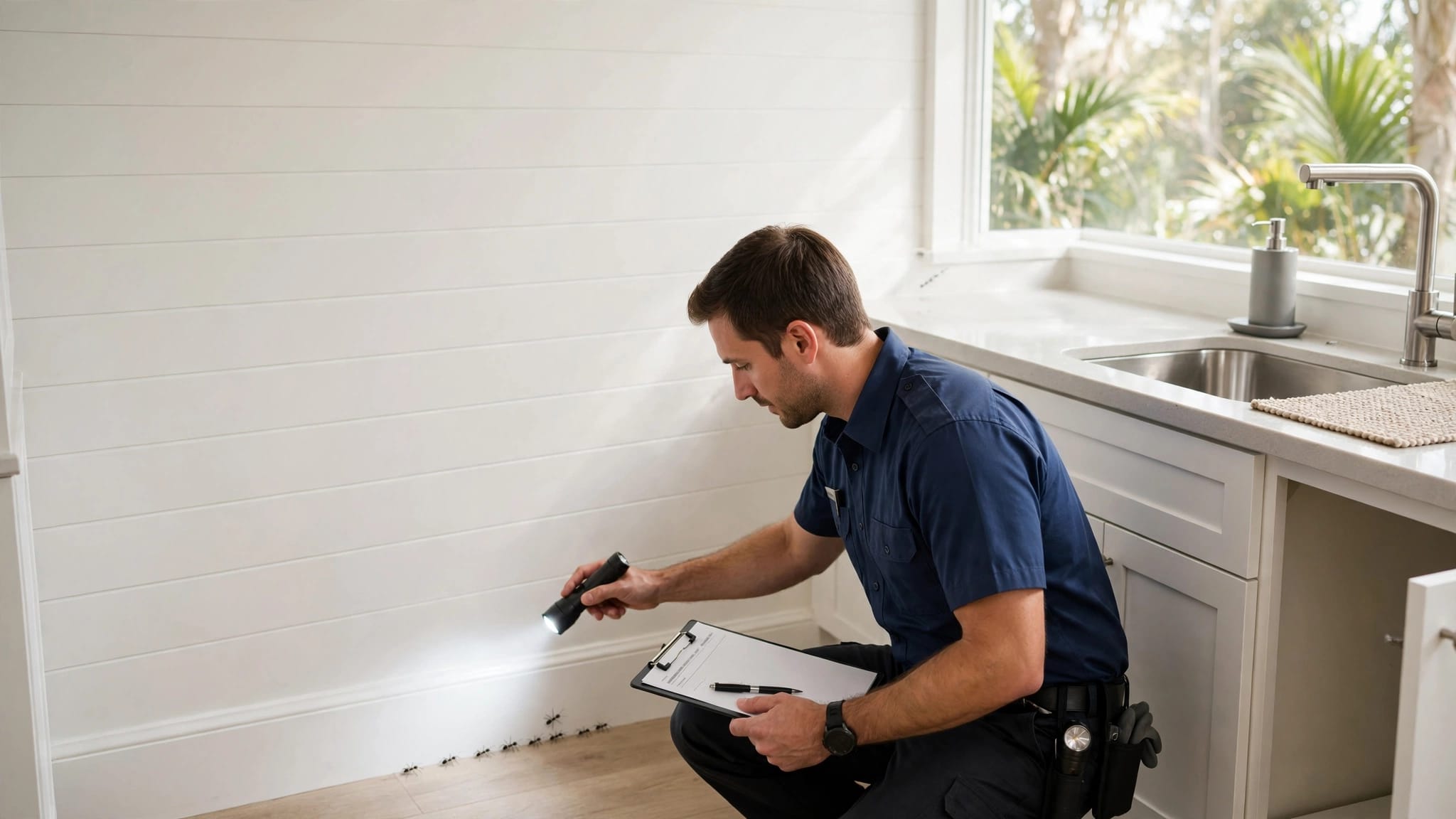
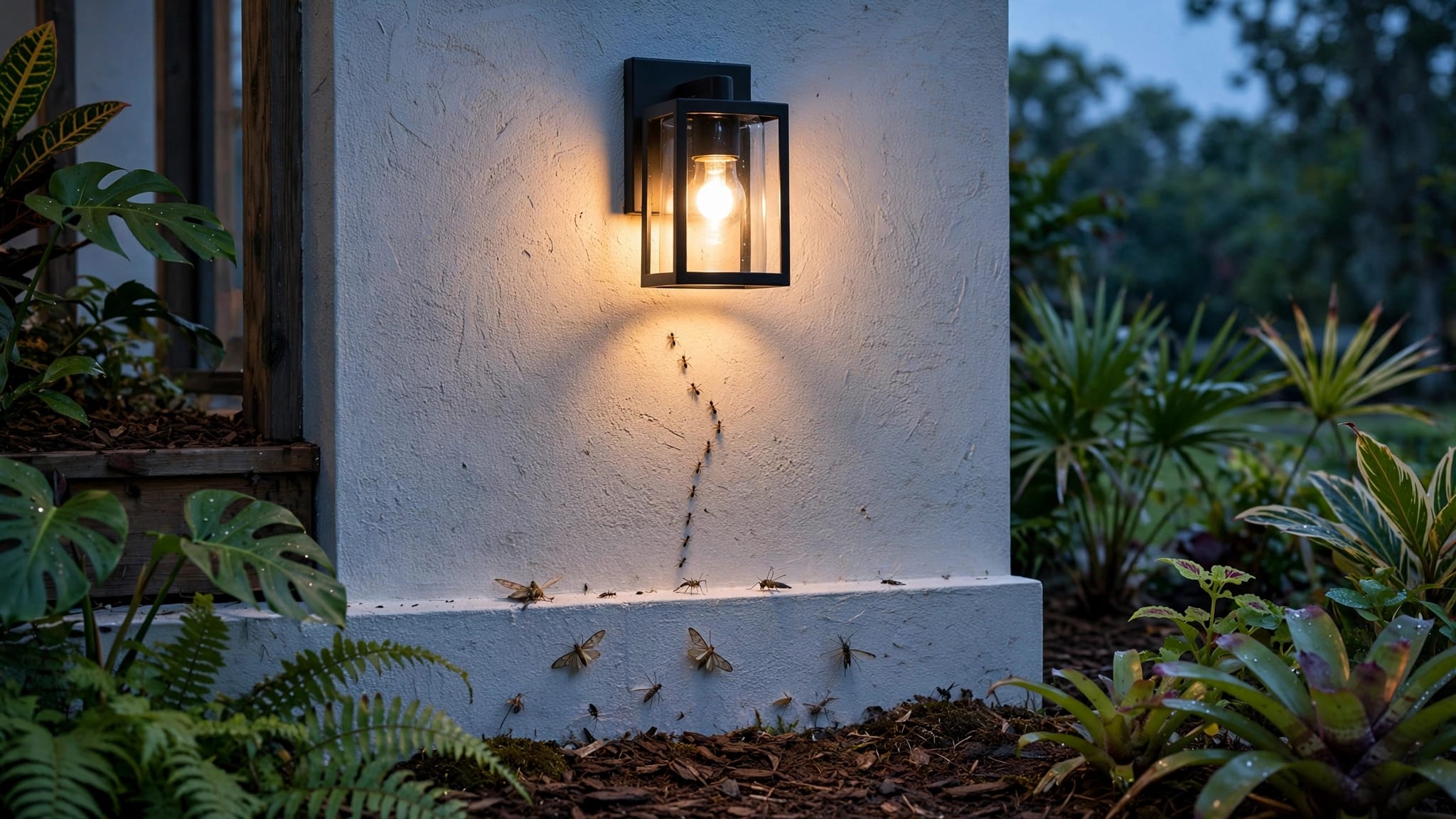
Look for signs such as rodent droppings, gnaw marks, insect activity, damaged food packaging, or small piles of discarded termite wings. Record the location and date rather than guessing how large the problem is. A sighting deserves attention even when the rest of the building looks clean.
Protect the Building From Moisture and Pest Entry
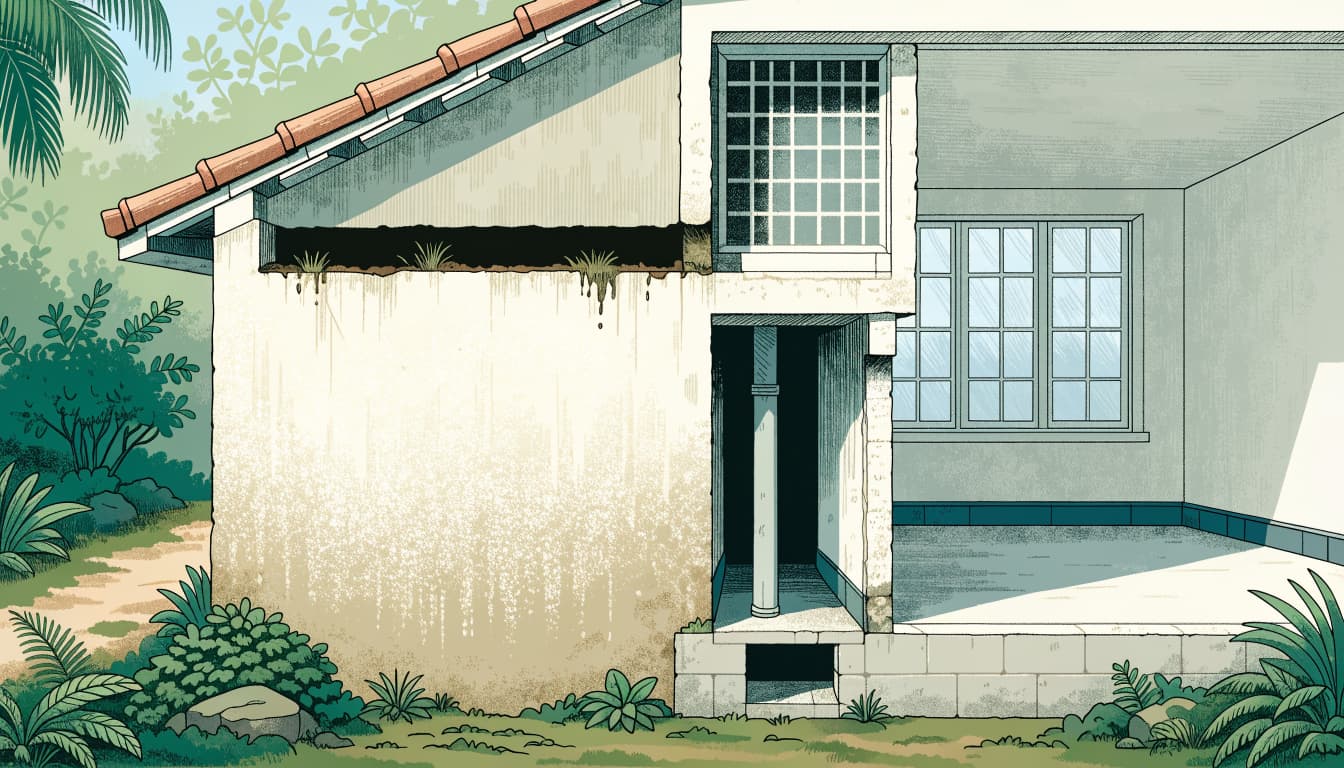
A building inspection doesn't need to interrupt services or events. Start with the entrances, utility areas, and rooms where staff have noticed moisture or pest activity.
Close Gaps Around Doors and Utilities
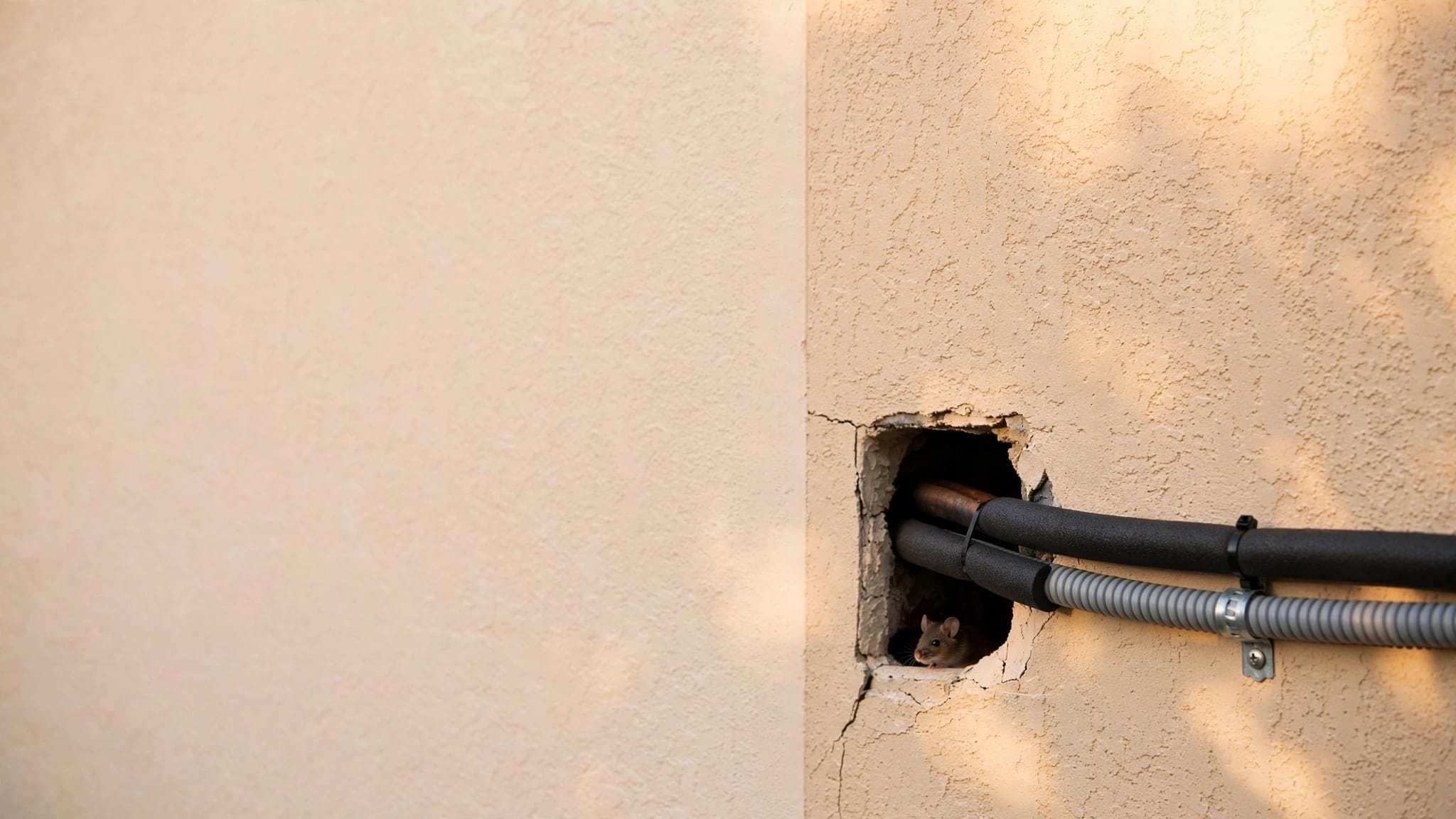
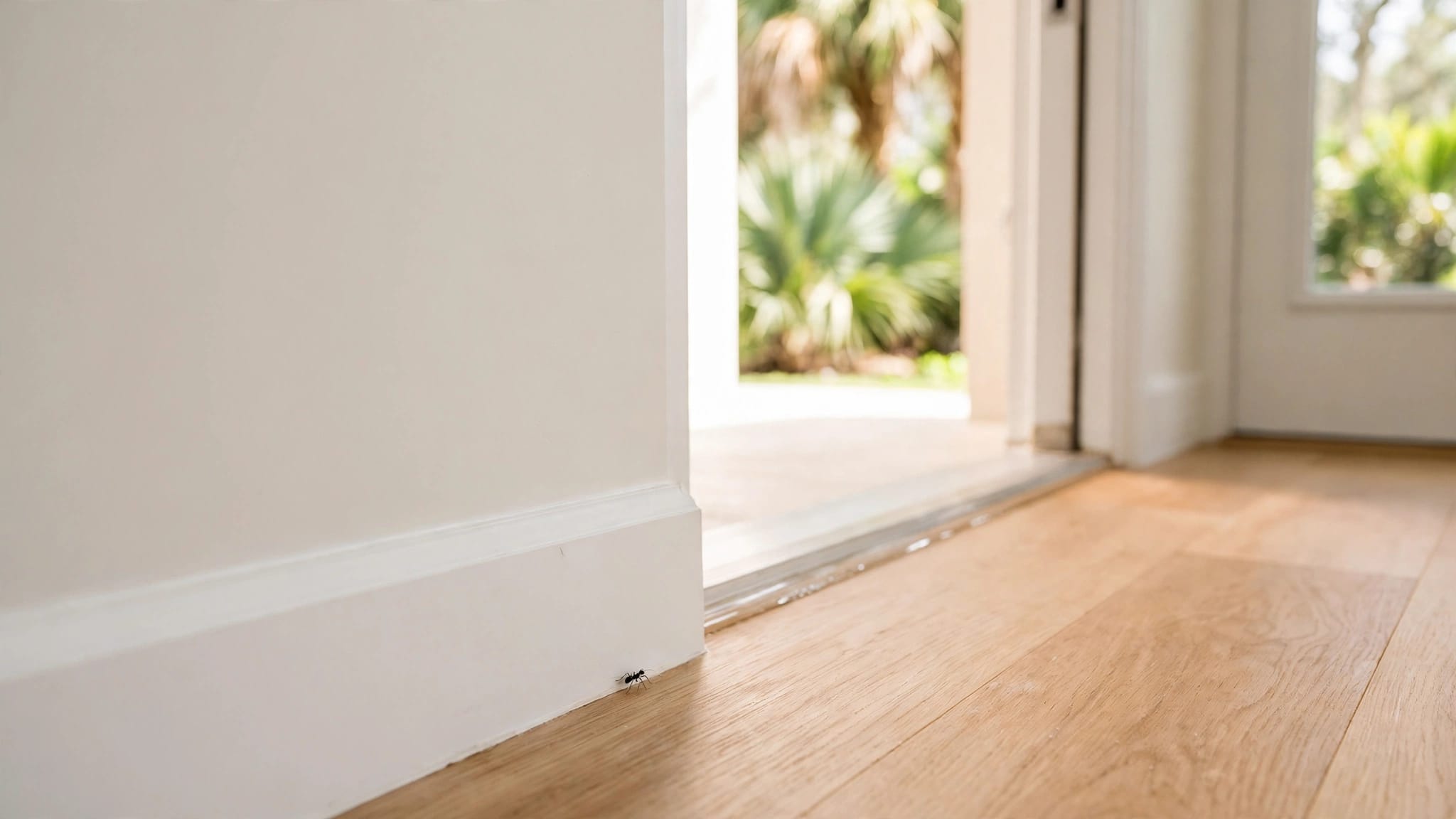
Look for daylight under exterior doors, damaged weatherstripping, torn screens, and gaps around pipes or cables. Repair or replace worn door sweeps and screens, and seal suitable openings with durable materials.
Keep doors closed when they aren't needed for access. During deliveries or event setup, assign someone to close them afterward. If you find signs of an active rodent problem around an opening, ask a pest professional to assess it before sealing. The plan should address animals that may already be inside.
Fix Leaks and Improve Drainage
Inspect under sinks, around water heaters, and near air-conditioning equipment for drips or damp materials. Repair leaks promptly and dry the affected area. After heavy rain, look for water collecting near entrances or exterior walls.
Keep gutters and downspouts clear so they carry water away from the building. Inside, report persistent condensation or musty odors to the person responsible for maintenance. Moisture problems can remain hidden behind stored supplies long after a room has been locked.
Keep Shared Kitchens and Food Areas Clean
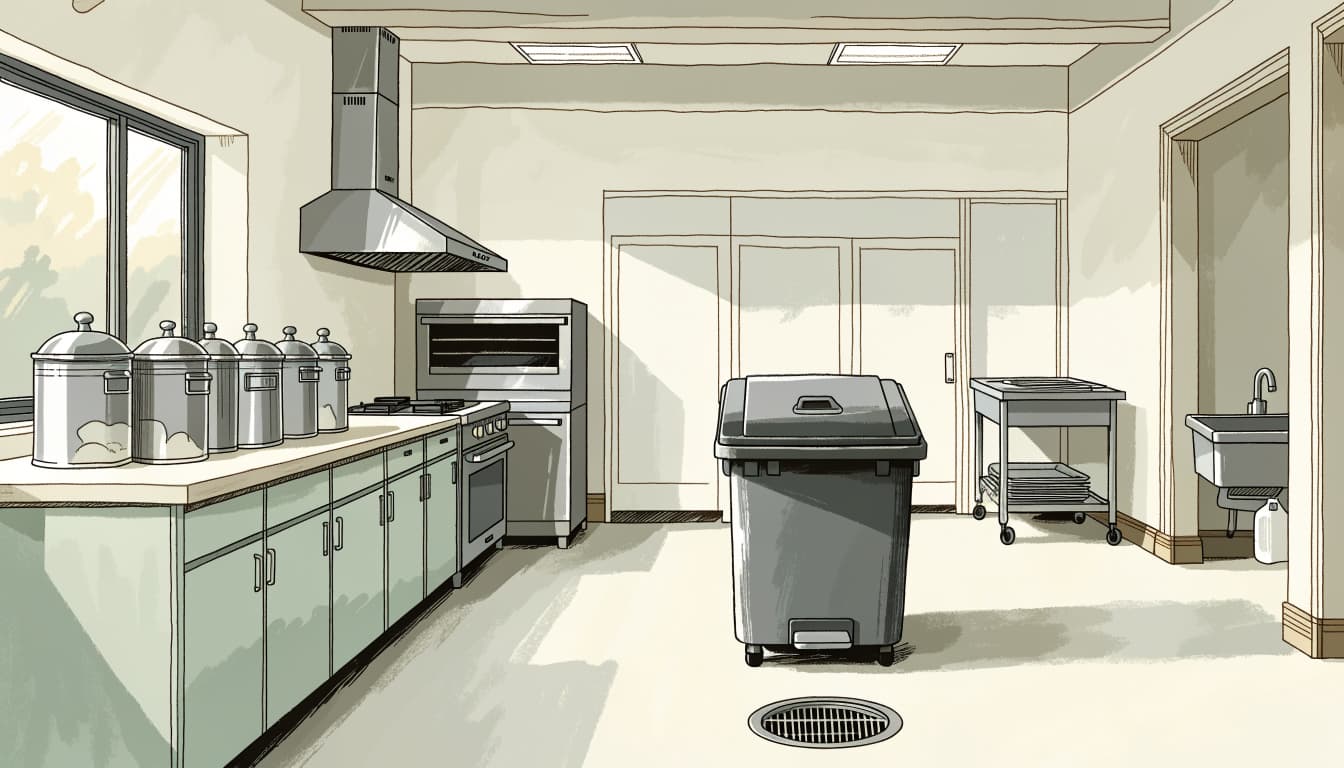
Meals, coffee hours, and food donations bring people together. They can also leave crumbs and spills in places that volunteers may overlook.
Store Food in Closed Containers
Move opened dry goods into sturdy containers with tight-fitting lids. Store donated food on shelves rather than directly on the floor, leaving enough room to inspect and clean around it.
Examine packages for damage when donations arrive. Discard food with signs of pest contamination, and report the finding to the facility lead. Cardboard boxes can hide activity and make inspections harder, so remove unnecessary boxes once supplies are put away.
Clean Beyond the Countertops
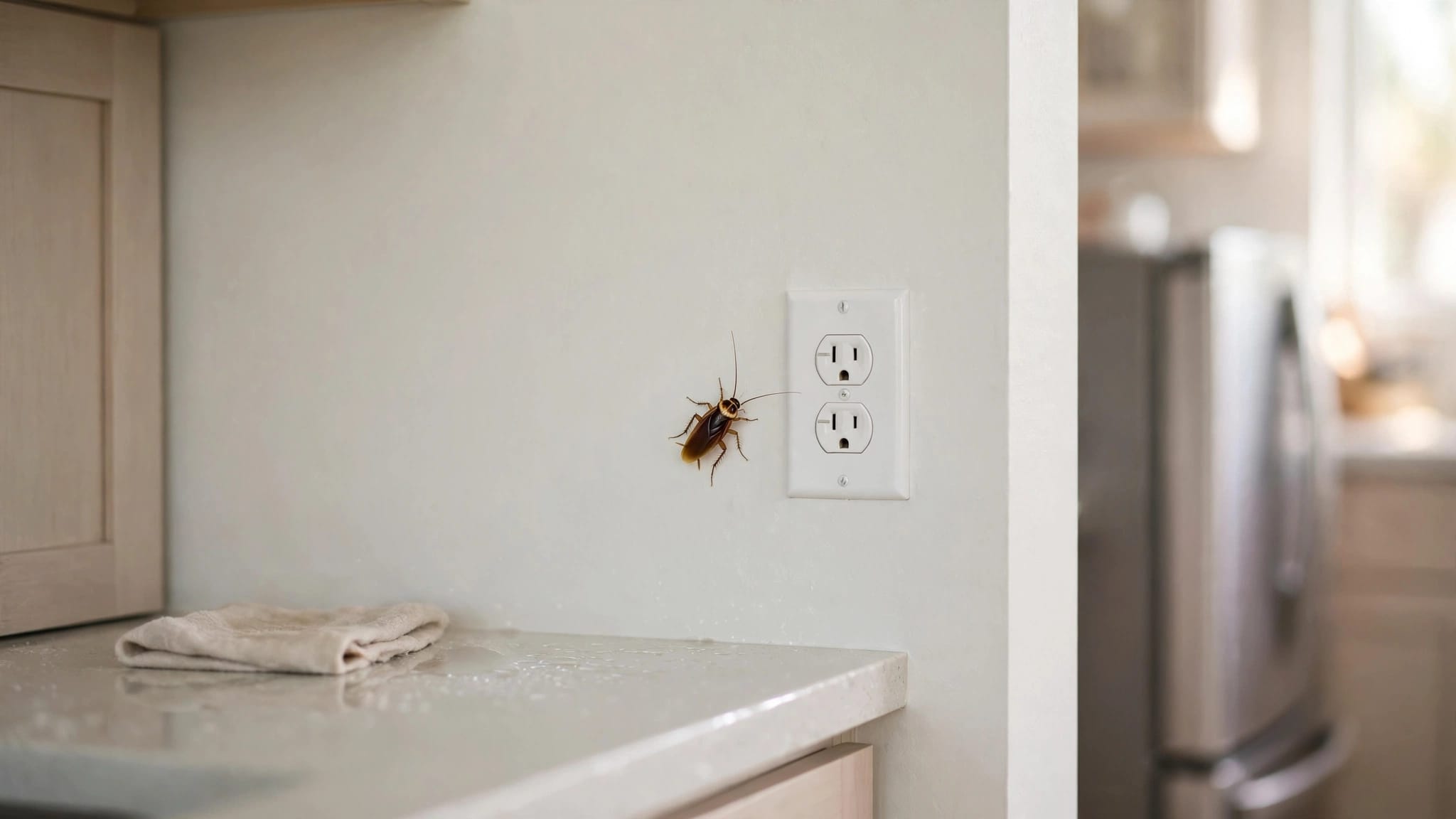
After food service, wipe tables and preparation surfaces, sweep up crumbs, and clean spills under serving equipment. Include areas behind movable appliances, beneath sinks, and around drains in the regular cleaning routine.
Empty and rinse the mop sink and allow cleaning tools to dry. Before the kitchen closes for the day, make sure food is stored, waste has been removed, and faucets aren't dripping. Those steps matter even if the next meal is several days away.
Handle Waste Before It Attracts Pests
A trash cart with its lid propped open can provide a steady food source between pickups. Bag food waste, place it inside a container with a close-fitting lid, and clean spills around the collection area.
Keep outdoor carts and dumpsters closed after each use. If overflowing waste prevents the lid from shutting, arrange enough capacity for the facility's normal use and larger events. Rinse dirty containers as needed, and clean the ground where food or liquids have spilled.
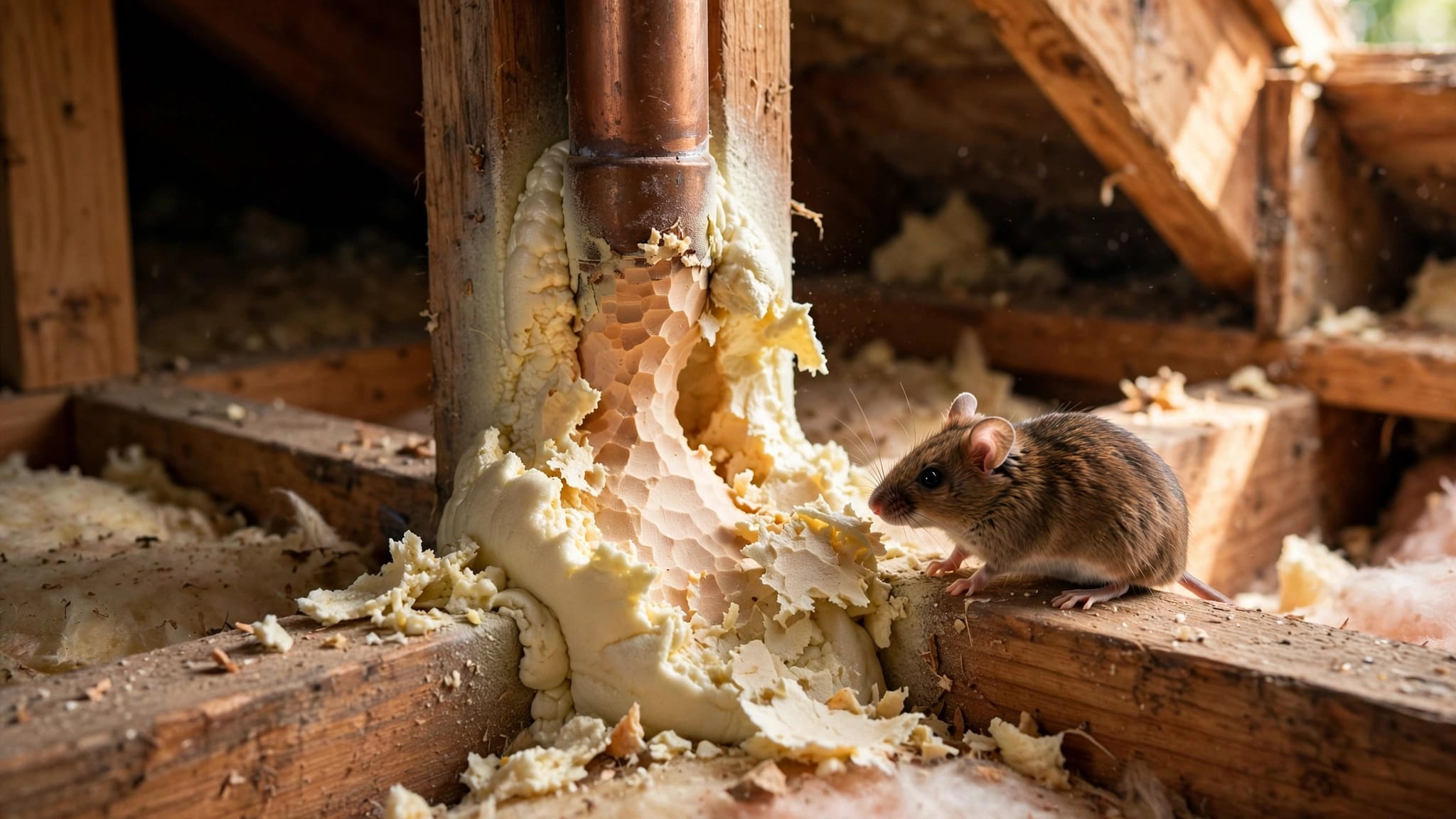
Look around the waste area for damaged containers, gnaw marks, and openings that give rodents access to nearby storage or utility spaces. Rodents can travel along utility routes and arrive from neighboring properties, so a clean indoor kitchen alone may not solve the problem.
Our guidance on secure waste storage for Southwest Florida businesses covers ways to make outdoor trash areas less accessible to rodents and wildlife.
Maintain Landscaping and Outdoor Spaces
Vegetation close to a building can hide pest activity and make exterior inspections difficult. Trim shrubs away from walls and keep branches from touching the roof. Clear leaves and other debris from against the foundation so staff can see the wall and spot potential openings.
Store firewood, unused materials, and other supplies away from the building where practical. Keep outdoor storage orderly and avoid leaving food or open waste containers near seating areas.
Standing water deserves attention too. Empty water from movable containers and remove debris that blocks drainage. After a heavy rain, inspect outdoor areas where water collects, including around planters and equipment.
Keep access to exterior walls and termite inspection areas clear. If foam insulation or stored materials cover wood and prevent an inspection, make a note of those limitations for the pest professional. Hidden surfaces can make evidence harder to find.
Prepare for Large Gatherings Before and After Guests Arrive
A festival, holiday service, fundraiser, or shared meal can put more pressure on a facility than its usual schedule. Plan for the extra food and waste before the first delivery arrives.
Set Up for Easier Cleanup
Place enough covered waste containers where people will use them, including near serving tables and outdoor eating areas. Give the kitchen team a place to store ingredients off the floor and a clear route for removing full trash bags.
Inspect entrances before setup. If a door sweep is damaged or an outdoor bin won't close, report it early enough for the facility lead to arrange a repair or replacement. Keep deliveries organized so cardboard and packing materials don't accumulate in hallways.
Assign the Final Walk-Through
After the event, someone should inspect the kitchen, dining area, classrooms, and outdoor spaces before locking up. Look under tables, around drink stations, and behind temporary serving equipment.
Remove leftover food and waste, wipe spills, and close exterior doors. If a team member spots a pest or damaged package, record the location and tell the facility lead. A brief handoff can prevent the next group from inheriting an unnoticed problem.
Build a Routine Staff and Volunteers Can Follow
A prevention plan works when people know who is responsible for each task. Choose one facility lead to receive reports, arrange repairs, and communicate with the pest-control provider. Assign a backup for days when that person is away.
Use a shared log that staff and volunteers can access. Include the date, room or exterior location, what was seen, and any action taken. A photo can help the facility lead describe the concern without asking volunteers to handle a pest or droppings.
A practical schedule might look like this:
| When | Facility task |
|---|---|
| After each use | Put away food, clean spills, remove waste, and close doors. |
| Weekly | Inspect kitchens, storage rooms, waste areas, and common entrances. |
| Monthly | Walk the building exterior and note leaks, vegetation, and damaged screens. |
| After heavy rain or a large event | Look for standing water, new leaks, spilled waste, and doors or bins left open. |
Adjust the routine to your building and event calendar. Keep repair records and pest-service reports with the log so a new volunteer coordinator can see what has already been addressed.
Protect Children, Older Adults, and Shared Rooms
Nurseries, classrooms, and rooms used by older adults deserve particular care because people may spend time close to floors and furnishings. Keep snacks in closed containers and clean under child-sized tables, activity furniture, and chairs after use.
Avoid placing loose rodent poison or accessible traps in rooms where visitors can reach them. If rodent control is needed, a trained professional can assess placement and explain how the plan protects people using the building. Secured stations and a documented placement strategy are important when baiting is part of the response.
If you find rodent droppings, keep children and visitors away from the area. Don't sweep or vacuum dry droppings, because that can stir particles into the air. Have an adult wearing gloves wet the material with disinfectant before wiping it up, then clean the surrounding surface. For extensive contamination or an active infestation, seek professional help.
Let the facility lead coordinate any treatment around scheduled use. Follow product label directions and the professional's instructions for keeping people away from treated areas and returning safely.
Know When to Bring in Pest Control
Repeated sightings, rodent droppings, damaged food, or activity in several rooms call for more than another round of cleaning. A professional inspection can help identify pest routes, hiding places, entry points, and the conditions that support activity.
Share the facility log and point out kitchens, nurseries, storage rooms, and upcoming events. Ask for a plan that includes monitoring and practical repairs, with treatment targeted to the problem. For rodent concerns, exclusion and sanitation can be part of that plan.
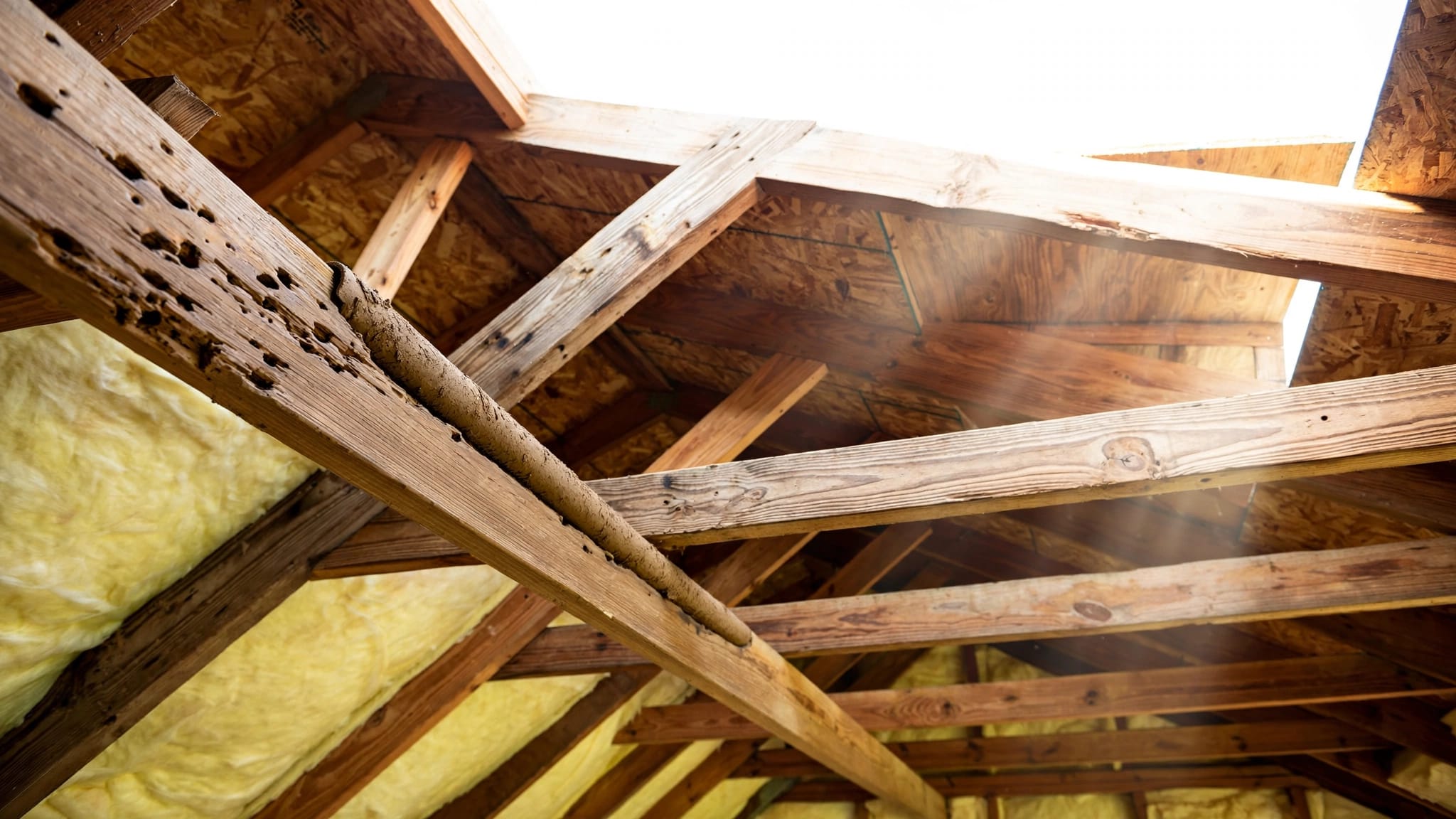
Termites need a separate assessment. Signs such as discarded wings, damaged wood, or mud tubes warrant an inspection rather than a guess about treatment. Depending on the property and findings, options can include bait stations or liquid treatments. Our comparison of Florida termite treatment options explains how those approaches differ.
We offer free inspections and estimates for properties in Cape Coral, Fort Myers, Punta Gorda, Bonita Springs, Sanibel, and surrounding areas. Our commercial pest-control services can support the cleaning and maintenance work your facility does between visits.
Keep Prevention Part of the Facility Routine
A reliable Florida pest prevention plan depends on the work that happens between gatherings: close openings, remove food and waste, address moisture, and record signs of activity. Each task is manageable when someone owns it.
Start with a walk-through of the rooms and outdoor areas your groups use most. Then give staff and volunteers a clear way to report problems before the next event.
Schedule a Free Inspection: