Medical Office Pest Prevention for Florida Clinics
A pest sighting in an exam room needs a clear response, even when your clinic looks spotless. Effective medical office pest prevention starts with controlling access, moisture, and food sources , then coordinating any treatment around patient safety.
Florida's heat, humidity, and rain keep building maintenance on the pest-prevention agenda throughout the year. Your plan needs to protect waiting rooms and staff kitchens without putting medications, clinical equipment, or vulnerable patients at risk.
Start with the conditions that let pests enter and stay.
Florida's climate makes exterior maintenance a priority
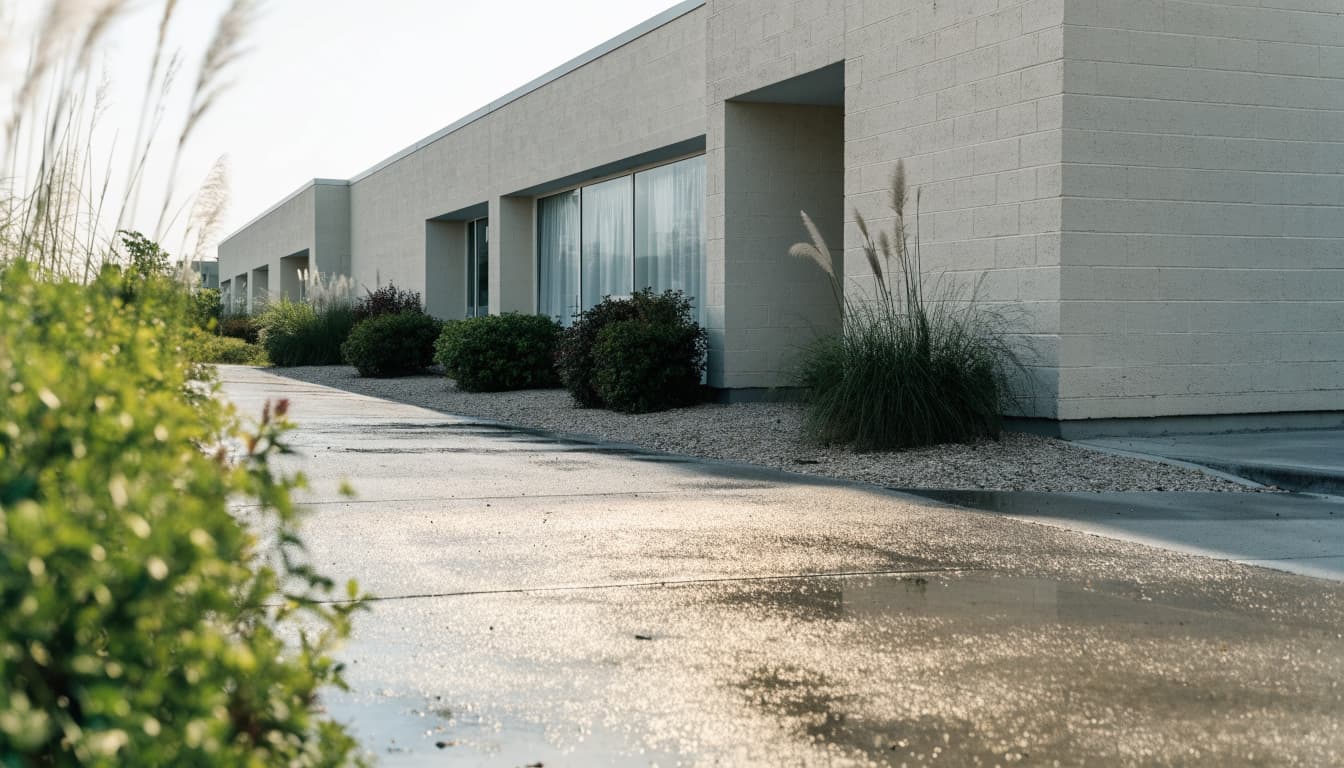
Florida's mild winters don't provide a dependable break from pest activity. Meanwhile, persistent humidity makes leaks and condensation problems worth addressing promptly.
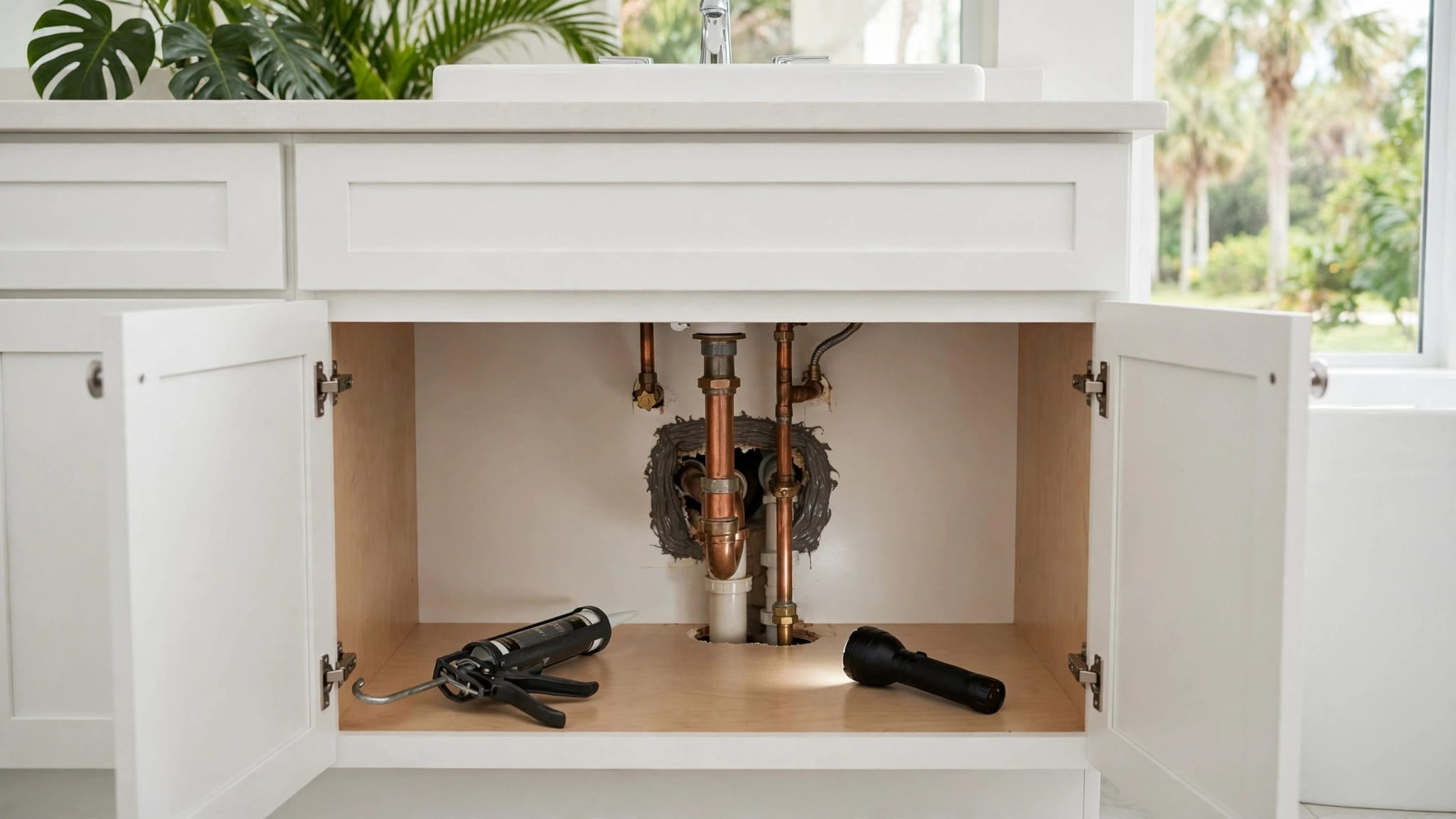
Inspect sink cabinets, plumbing connections, air-conditioning condensate lines, and utility rooms. A damp cabinet or overflowing drain pan needs a maintenance correction, not repeated treatment around the same wet area. Coordinate HVAC repairs with qualified personnel.
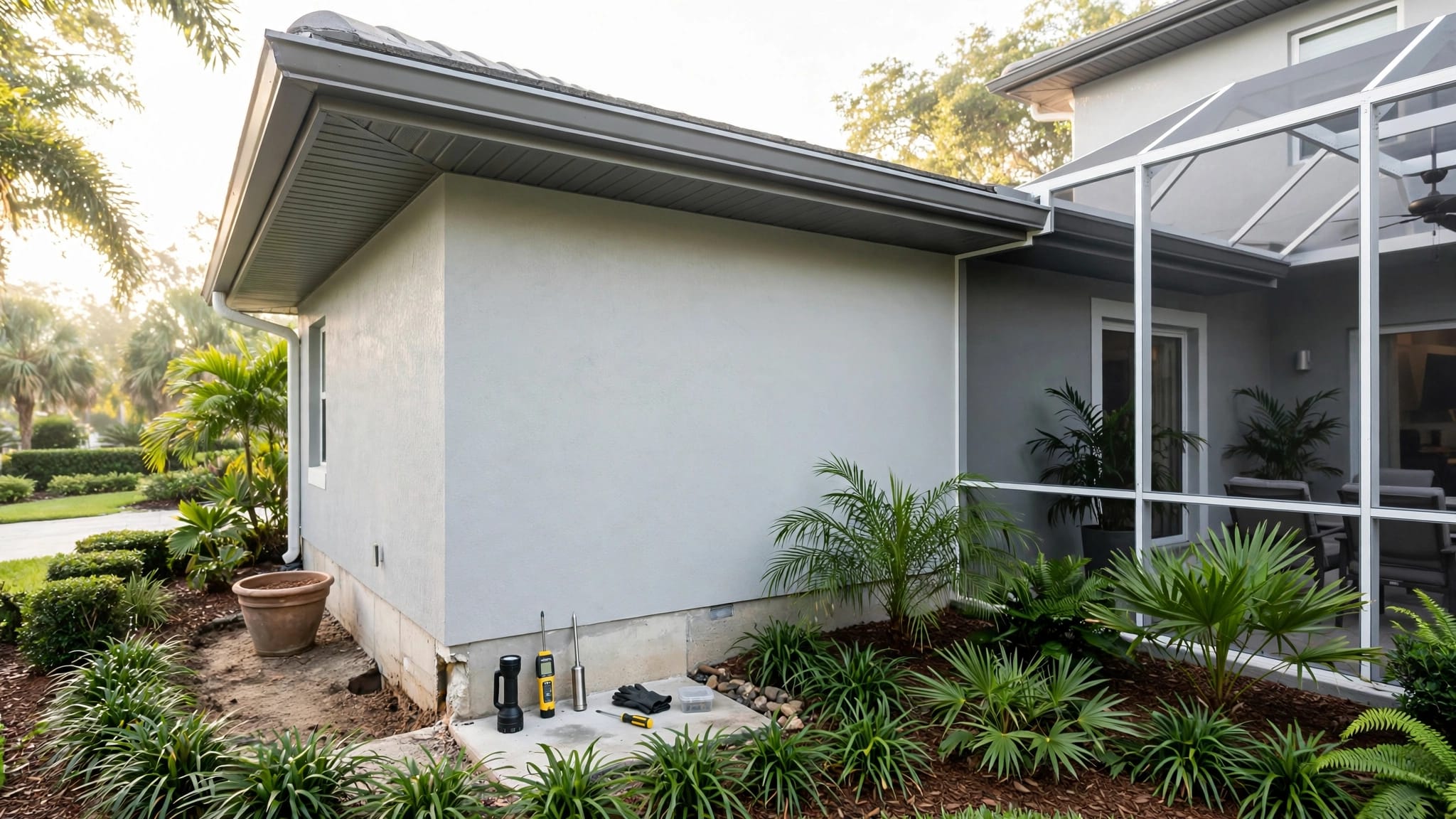
After heavy rain, check drainage near entrances, dumpster pads, and landscaping. Remove avoidable standing water, clear obstructed drains, and correct irrigation that repeatedly wets the building.
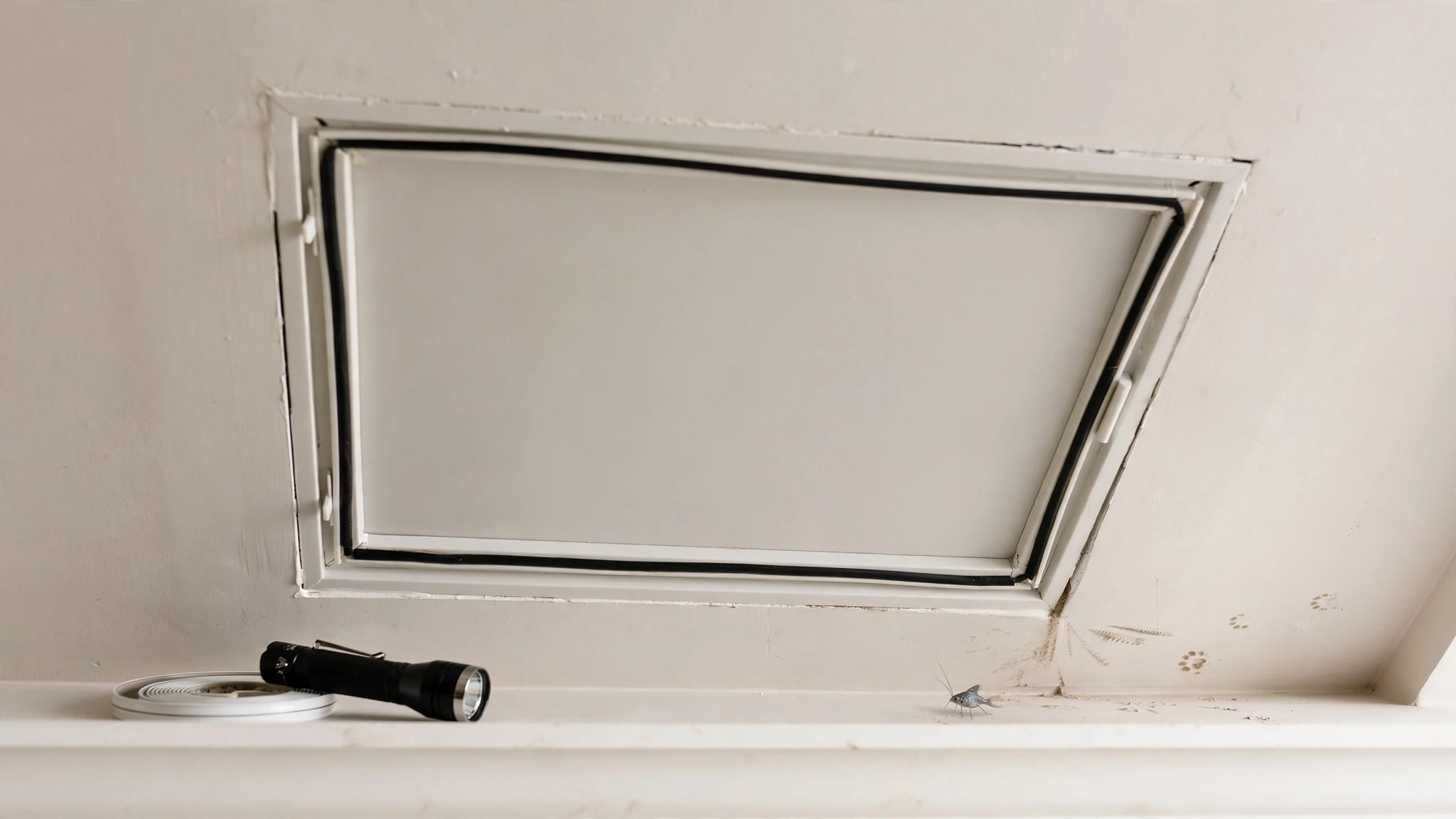
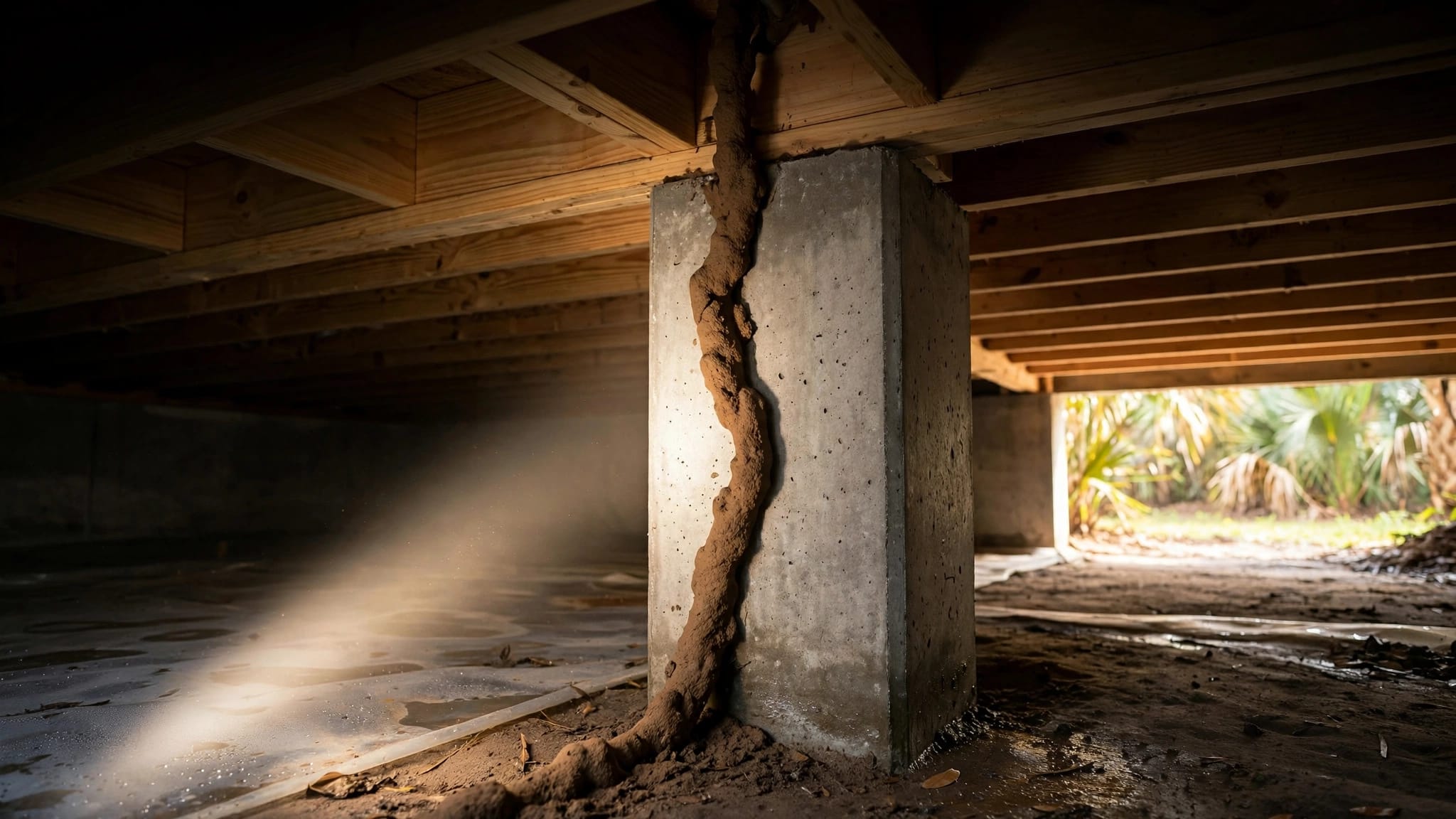
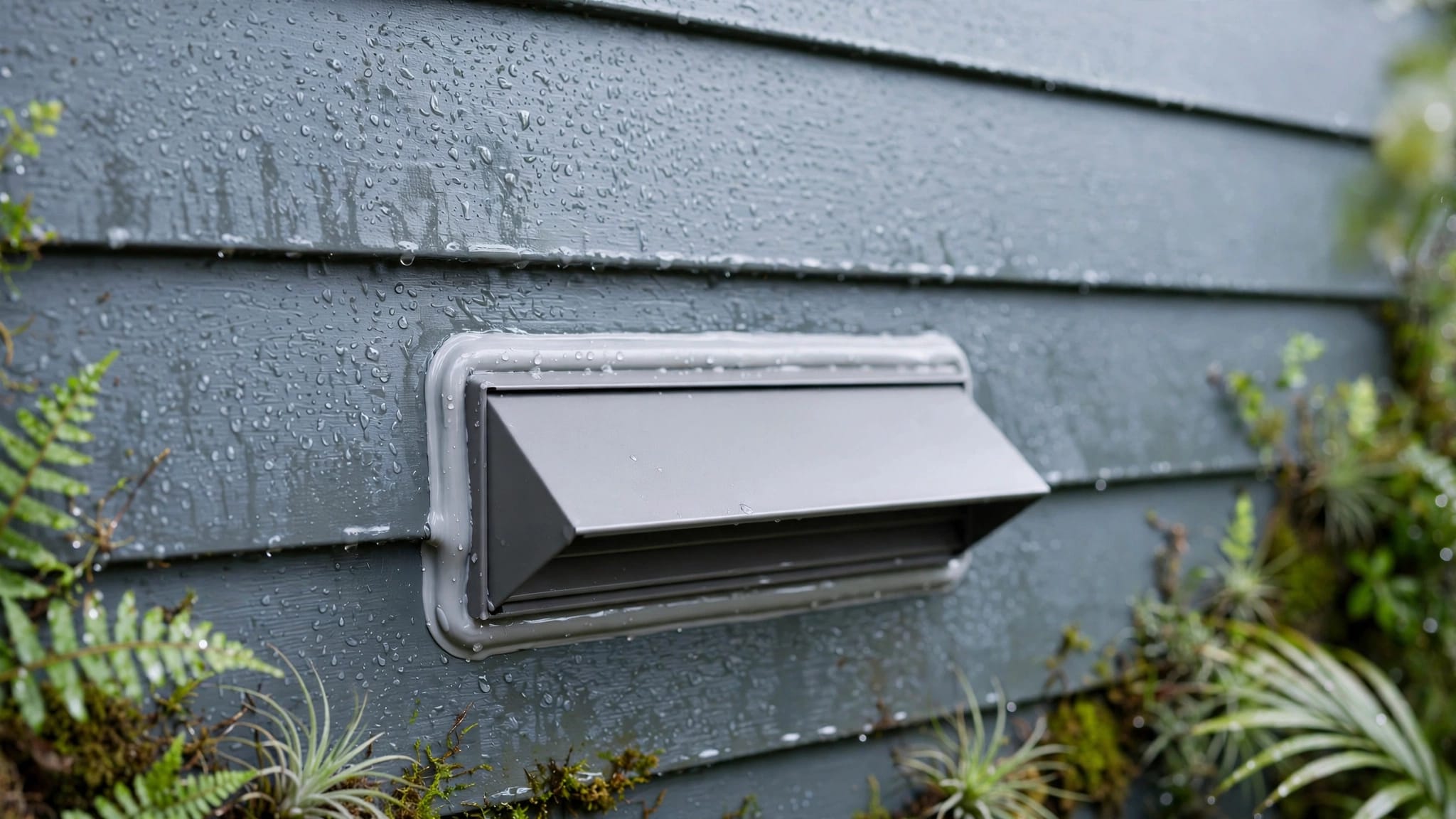
Also inspect door sweeps, screens, pipe penetrations, and gaps around utility connections. Doors should close fully, including delivery and staff entrances. Don't seal ventilation openings or alter fire-rated assemblies without appropriate maintenance guidance.
Keep vegetation trimmed away from the building so staff and technicians can inspect the perimeter. In shared medical plazas, involve the property manager because neighboring waste areas and common utility spaces can affect your clinic.
These property maintenance steps to prevent pests are useful starting points for landlord work orders. Record who owns each repair and when it should be completed.
Build medical office pest prevention around IPM
Integrated pest management, or IPM, combines inspection, identification, monitoring, sanitation, exclusion, and targeted control. EPA's 2021 Integrated Pest Management Toolkit for Healthcare Facilities recommends this prevention-first approach.
Monitor activity before choosing a treatment
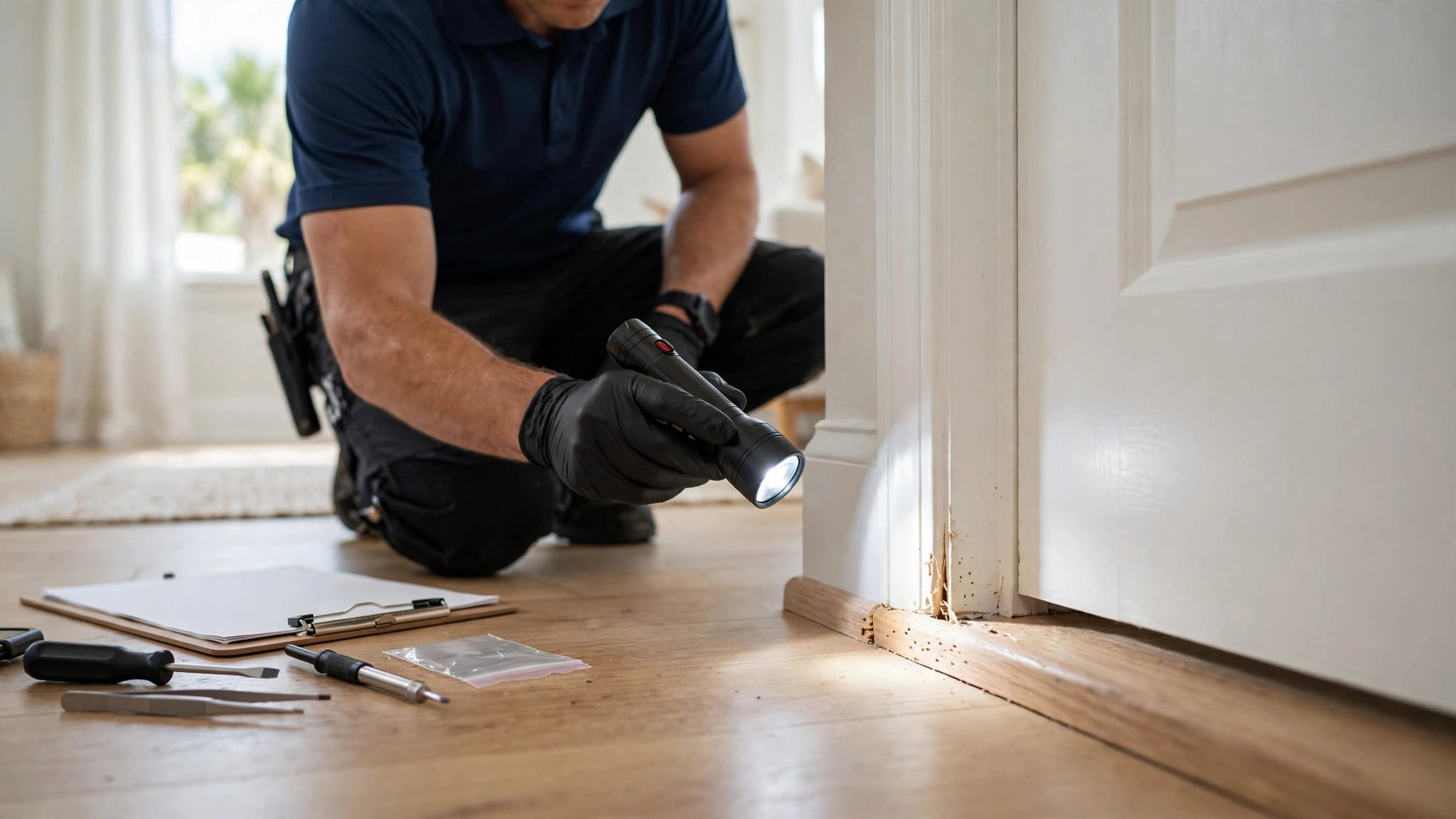
Have the pest professional inspect likely routes and hiding places, including plumbing areas, receiving spaces, and storage perimeters. Where appropriate, they can place monitoring devices in protected locations away from patients and clinical work.
Record what each inspection finds, even when it finds no activity. A recurring sighting near one sink calls for a different investigation than an insect arriving with a delivery.
The technician should identify the pest before selecting a response. Ask them to map monitoring locations and explain how findings will change the service plan. Device placement should preserve cleaning access and avoid medication-preparation surfaces.
Give staff a simple reporting routine
Choose one clinic contact to coordinate the pest provider, maintenance team, cleaning staff, and clinical leadership. Staff should report the exact location, time, and type of evidence rather than spraying or moving monitoring devices.
Maintain a shared log of sightings, inspection findings, repairs, treatments, and follow-up results. Photos can help identification when staff can take them without exposing patient information.
Inspection frequency and pesticide frequency are separate decisions. Regular monitoring can support prevention without routine blanket spraying.
Protect patient-care areas and waiting rooms
CDC's environmental infection-control guidance calls for controlling indoor pests through food removal, exclusion, and elimination of hiding places. Sensitive care areas deserve particular attention.
Keep exam and procedure rooms inspection-ready
Follow the clinic's cleaning procedures for spills and residues. Report leaks promptly, especially under handwashing sinks and near equipment connections. Don't let unused cartons or spare furniture block inspection access.
Keep drawers, cabinets, and equipment areas organized without interfering with clinical workflows. Pest professionals should coordinate access with staff rather than opening medication cabinets or handling patient-care supplies independently.
If activity appears near sterile supplies, medication preparation, or a procedure area, notify the clinical lead immediately. That person should decide whether affected materials or spaces need to be removed from service while the problem is assessed.
Reduce waiting-room attractants discreetly
Check beneath seating, around vending machines, and beside waste containers for food debris. Inspect upholstered furniture seams and nearby crevices when a suspected pest is reported.
Where patient needs permit, keep food consumption in designated areas. However, accommodate medically necessary snacks and drinks rather than imposing rules that interfere with care.
Train reception staff to report concerns privately and accurately. They shouldn't identify an infestation from a bite complaint or assume a patient brought pests inside. A qualified inspection provides the evidence needed for a measured response.
Keep food areas and waste from feeding pests
Food residue and poorly managed waste can support pests even when treatment rooms receive thorough cleaning. Include staff-only spaces in the prevention plan.
Make break-room cleaning someone's responsibility
Store staff food in closed containers and remove expired items from refrigerators. Clean microwave interiors, coffee stations, and spills beneath appliances according to the clinic's housekeeping schedule.
Assign responsibility for end-of-day cleanup. An unassigned task often becomes tomorrow's sticky counter or overflowing bin.
Also inspect refrigerator condensate areas and sink plumbing. Let maintenance address moisture problems, and have the pest professional assess recurring activity behind appliances. Staff shouldn't pull apart equipment or apply household sprays in response.
For clinics offering patient refreshments, include that station in the same cleaning and inspection routine.
Separate ordinary trash from regulated waste
Use intact containers with lids where appropriate, and remove food waste before it accumulates. Clean residue from bins and the surfaces beneath them.
Handle sharps and biomedical waste under the clinic's established requirements. Pest control never replaces required packaging, storage, pickup, or infection-control procedures.
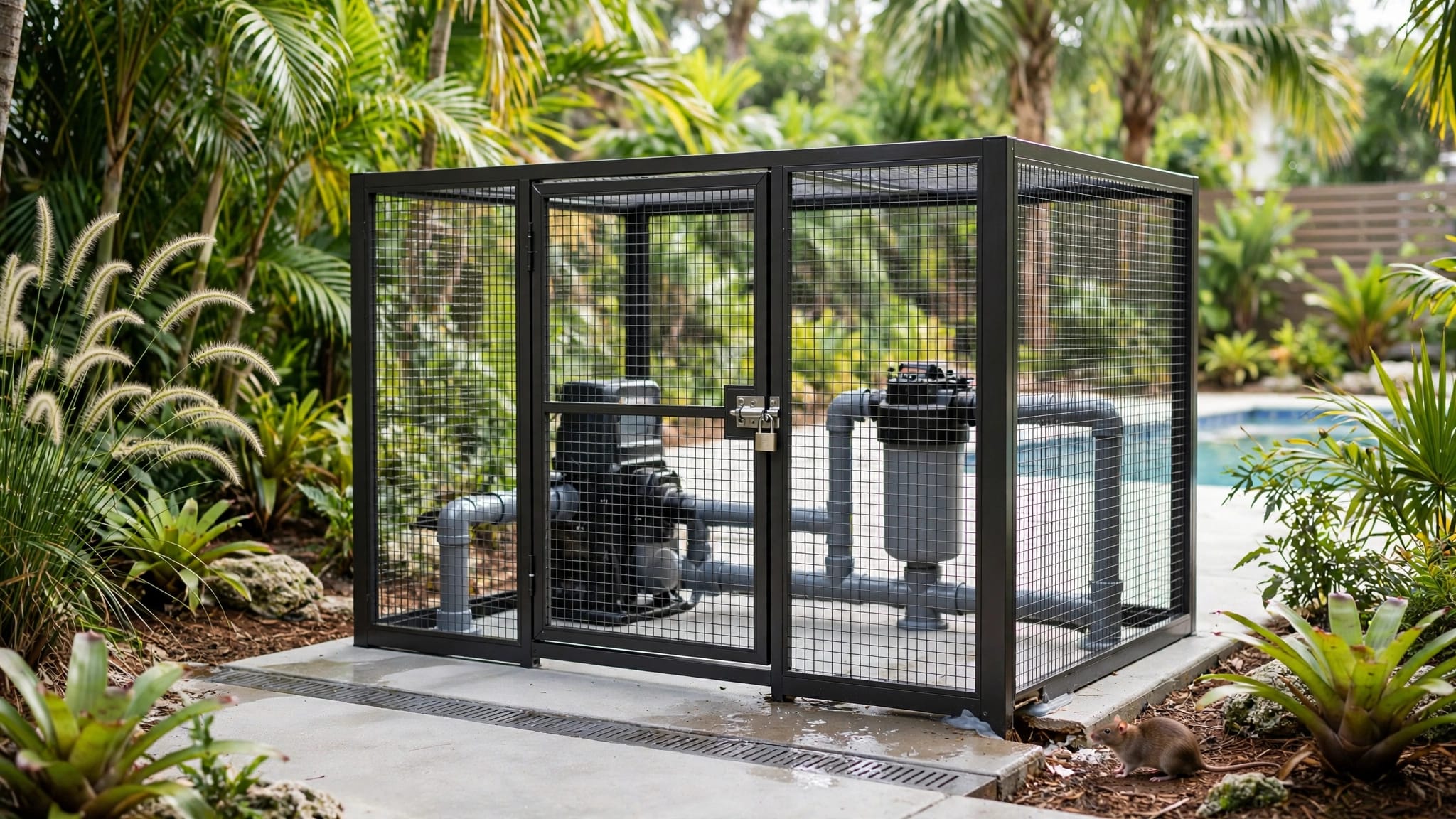
Outside, keep dumpster lids closed and pickup areas clear of loose bags and spills. Coordinate missed collections and damaged containers with the landlord or waste contractor.
These practices for wildlife-proof trash storage for businesses support exterior prevention. Include waste areas in inspections rather than treating the clinic interior as an isolated space.
Protect storage, medications, and equipment
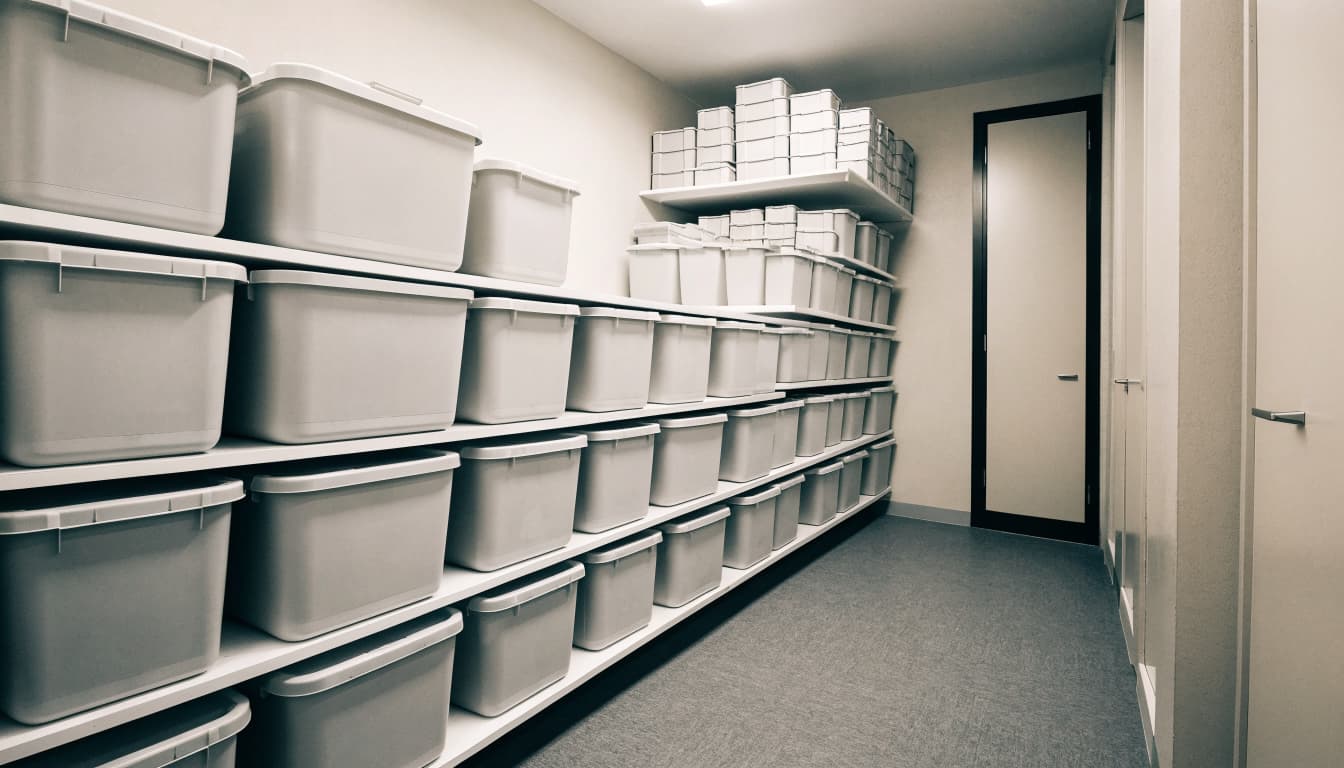
Inspect incoming cartons for damaged packaging, moisture, insects, or rodent evidence before shelving them. Remove unnecessary shipping cardboard promptly because accumulated cartons provide hiding places and complicate inspection.
Keep supplies off the floor and preserve access for cleaning. Follow facility storage requirements rather than adopting an arbitrary clearance distance.
Medications need their required temperature, security, and storage conditions. Don't transfer them into different containers as a pest-control shortcut. Similarly, retain protective packaging around sterile supplies and have clinical staff evaluate any compromised package.
For clinical equipment, follow manufacturer instructions for cleaning, chemical compatibility, and servicing. A pesticide or cleaner suitable for a building surface may be unsuitable for a device.
A clean-looking package can still have damaged sterile protection. Let clinical staff assess it before returning it to use.
Before any treatment, identify medication storage, refrigerators, sterile supplies, and sensitive equipment with the technician. Agree on preparation and access restrictions using the product label, facility policy, and manufacturer instructions.
Respond promptly to sightings and rodent evidence
A clear response procedure helps staff protect patients without improvising treatments. Use the same reporting process for live pests, droppings, gnaw marks, or damaged packaging.
- Record the location and evidence, then notify the designated clinic contact and clinical lead when care areas are involved.
- Restrict access to affected supplies or spaces as directed by clinical leadership, and avoid moving potentially contaminated materials through clean areas.
- Contact the licensed pest professional for identification, inspection, and a targeted response.
- Document the corrective work and verify results through follow-up inspection or monitoring.
For rodent droppings, keep staff from dry sweeping or vacuuming them. Arrange cleanup under appropriate health and facility procedures.
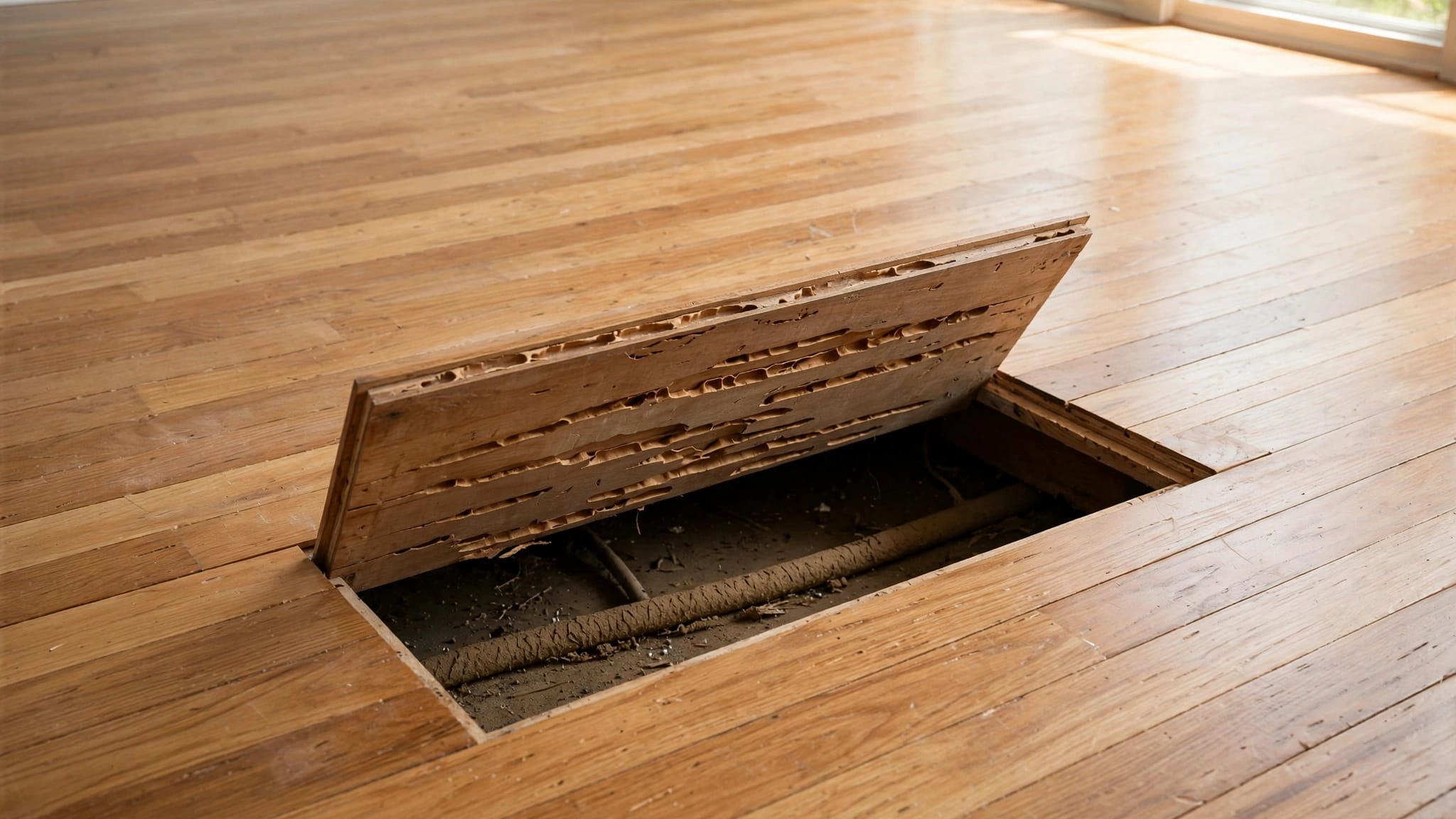
Also investigate entry routes and damaged materials. Trapping alone won't correct an open utility penetration or accessible food source. Ask your provider about commercial pest control and rodent removal that includes inspection and exclusion recommendations.
Follow-up should confirm both reduced activity and completion of the repairs that address its cause.
Coordinate treatments around patient safety
Treatment decisions belong with the licensed pest professional and the clinic's designated decision-maker. Employees shouldn't bring pesticides from home or use household aerosols, foggers, or improvised remedies in the facility.
EPA's healthcare toolkit recommends targeted applications and limiting liquid sprays, foggers, and volatile formulations. Depending on the pest and location, the professional may select protected monitoring, trapping, exclusion, or appropriately placed bait or crack-and-crevice treatment.
No method is automatically suitable for every clinical space. Review the proposed location, product label, exposure precautions, and preparation requirements before approving work.
EPA recommends 24 to 48 hours' advance notice to staff except during emergencies. Its toolkit also recommends at least eight hours before re-entry, or longer when the label requires it. Treat these as healthcare guidance, not permission to ignore stricter restrictions.
Plan access control, signage, ventilation, and reopening with clinical leadership. After-hours service still requires a re-entry plan because cleaners, early-arriving employees, or patients may enter before normal business hours.
If emergency treatment affects patient access, coordinate scheduling changes and safe relocation before work begins.
Choose a licensed Florida provider with a clear scope
Florida regulates structural pest control under Chapter 482, Florida Statutes, and Chapter 5E-14, Florida Administrative Code. The Florida Department of Agriculture and Consumer Services, or FDACS, licenses structural pest-control businesses.
Verify the business license, required insurance, and relevant certification rather than relying on advertising language. FDACS requires each licensed business location to have a full-time certified operator in charge.
Ask about healthcare experience, emergency response, staff communication, and treatment documentation. Request references where available. The written proposal should identify inspection coverage, monitoring, follow-up, exclusion responsibilities, and any specialty services priced separately.
Pricing depends on the property, pest evidence, service scope, and repair needs. Compare written proposals after an inspection instead of treating a generic monthly price as a complete prevention plan.
Documentation can support audits and inspections, but hiring a provider doesn't guarantee compliance. The clinic still needs to follow its applicable sanitation, waste, and patient-safety requirements.
For local practices, commercial pest control in Cape Coral offers a starting point for discussing property-specific needs with Shield Home & Pest Control.
Keep prevention connected to daily clinic operations
Medical office pest prevention works best when staff reporting leads to timely inspection and completed repairs. Consistent follow-through protects the clinic more effectively than repeatedly treating unresolved conditions.
Keep patient safety central to every service decision. Coordinate monitoring, maintenance, and any pesticide application with the people responsible for care.
For your Southwest Florida practice, schedule a pest control inspection to identify entry points, moisture problems, and service needs before they disrupt patient care.
Schedule a Free Inspection: