Exterior Pest Control Preparation for Florida Homes
A planter against the wall or a locked lanai door can hide the exact spot your technician needs to inspect. Effective exterior pest control preparation starts with clear access and the company's written instructions.
In Southwest Florida, irrigation, dense landscaping, and humid weather can keep pest problems active around your home. A little preparation helps the technician find those conditions and treat the right areas. Start by confirming what your appointment includes, then work around the outside of your property.
Confirm Your Exterior Pest Control Preparation Instructions
Ask for preparation instructions when you schedule the visit. Tell the company about your pool, screened lanai, detached garage, outdoor kitchen, and any areas with recurring activity.
Separate Routine Service From Specialty Treatment
General exterior pest control, mosquito service, rodent work, and termite treatment require different plans. Don't assume one appointment covers every pest or includes repairs.
For example, rodent work may require access to an attic or garage, while mosquito service involves checking water-holding areas. Structural fumigation requires its own preparation sheet from the licensed fumigator. This exterior checklist doesn't replace those directions.
Before booking, review these questions for Florida pest control companies so you understand the scope, safety instructions, and follow-up policy.
Coordinate Weather and Other Yard Services
Tell the company if landscapers, pool cleaners, or pressure-washing crews will visit around the same time. Their work could block access or disturb treatment areas.
Also ask how rain and irrigation affect your specific service. The technician should decide whether weather requires a schedule change. Don't guess how long sprinklers should remain off or shut down pool equipment without instructions.
Clear Clutter and Vegetation Around the House
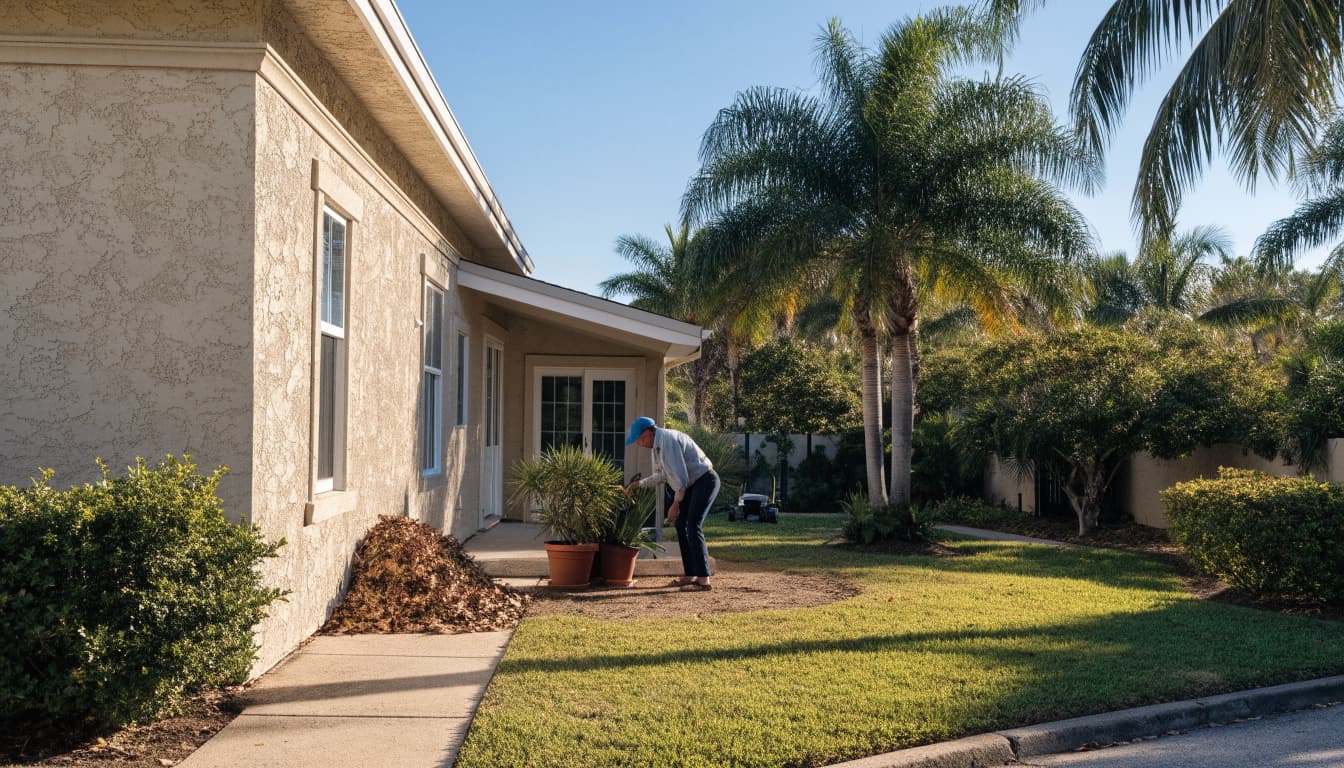
Walk the perimeter before the appointment. Look for anything that hides the foundation, blocks a doorway, or prevents the technician from reaching likely treatment areas.
Move Belongings Away From Inspection Areas
Relocate loose toys, garden tools, patio cushions, and portable planters when they block access. Ask the company which larger items need moving rather than rearranging your entire patio.
Keep relocated belongings outside the planned treatment zone. Don't shift a pile against another wall the technician needs to inspect.
Move firewood and unused materials away from the structure when practical. Meanwhile, secure trash lids and remove spilled birdseed, fallen fruit, and pet-food leftovers. These food sources can keep attracting pests after treatment.
Cut Back Plants That Touch the Structure
Trim shrubs and low branches that press against stucco, windows, or screen frames. Remove loose leaves and debris that conceal the wall edge.
Thick mulch against stucco and stacked materials provide sheltered places for pests. Reduce those conditions without digging around utilities or damaging plants unnecessarily.
Ask the technician how much clearance your property needs. There isn't one required distance for every treatment or home. For ongoing maintenance, these yard and exterior pest prevention tips address common Southwest Florida attractants.
Make Gates, Lanais, and Utility Areas Accessible
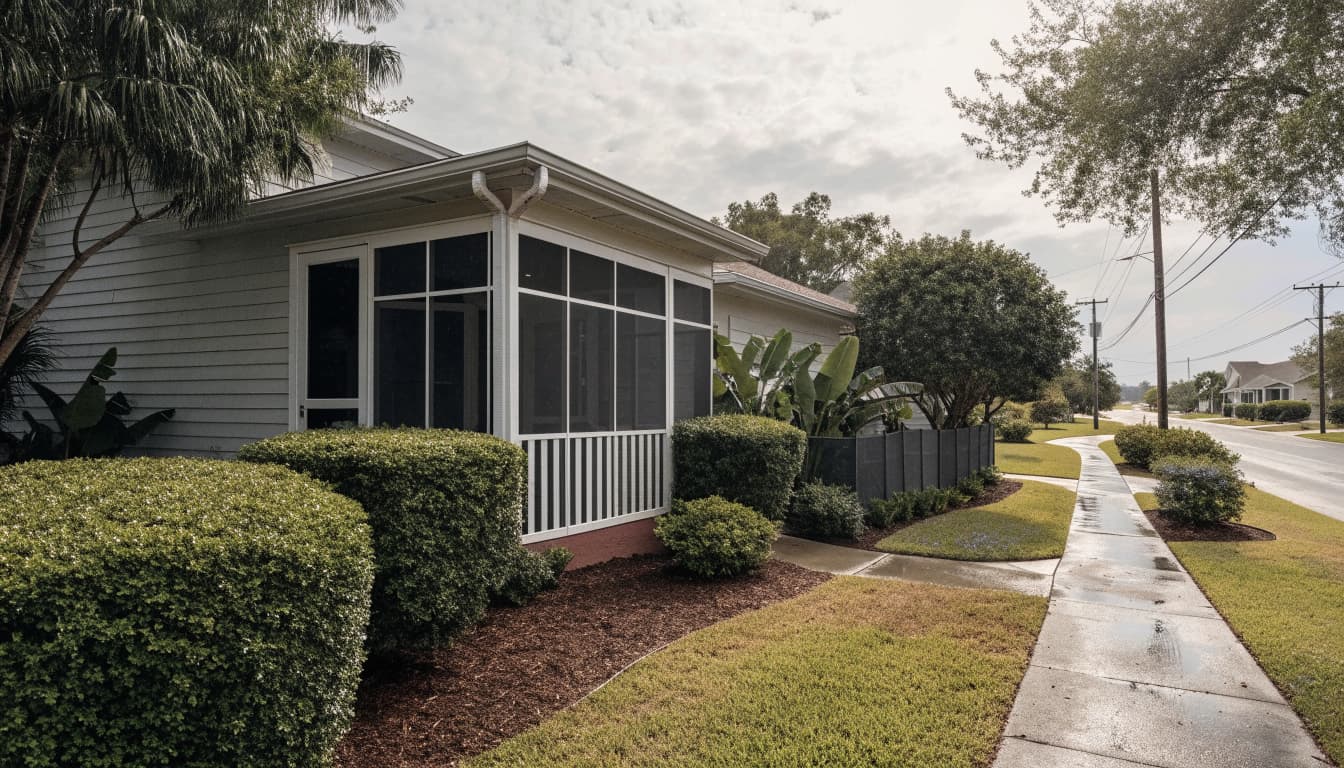
Unlock side gates and arrange access to screened lanais, detached garages, and outdoor storage areas included in the visit. If you're away, confirm entry arrangements before the technician arrives.
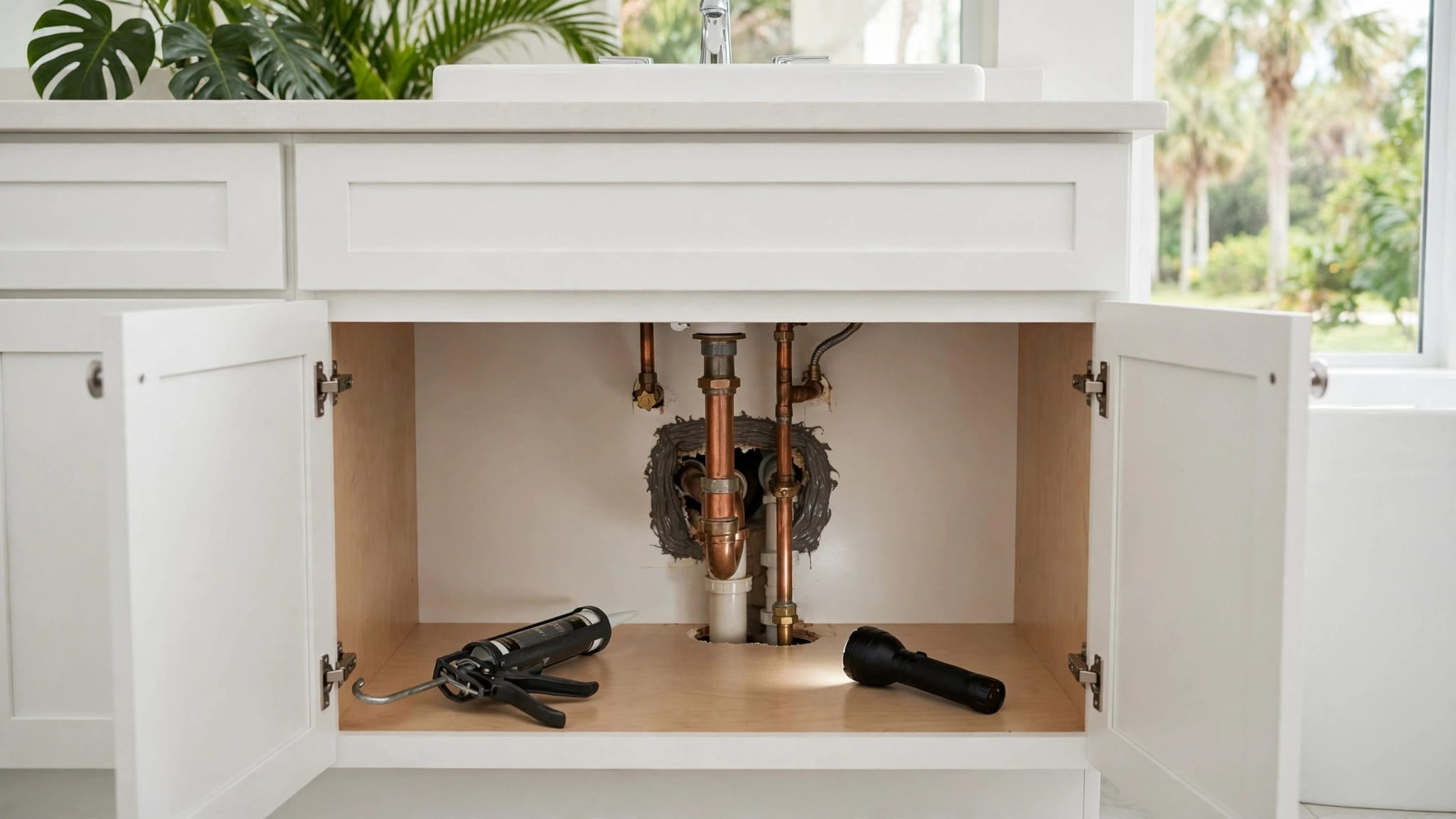
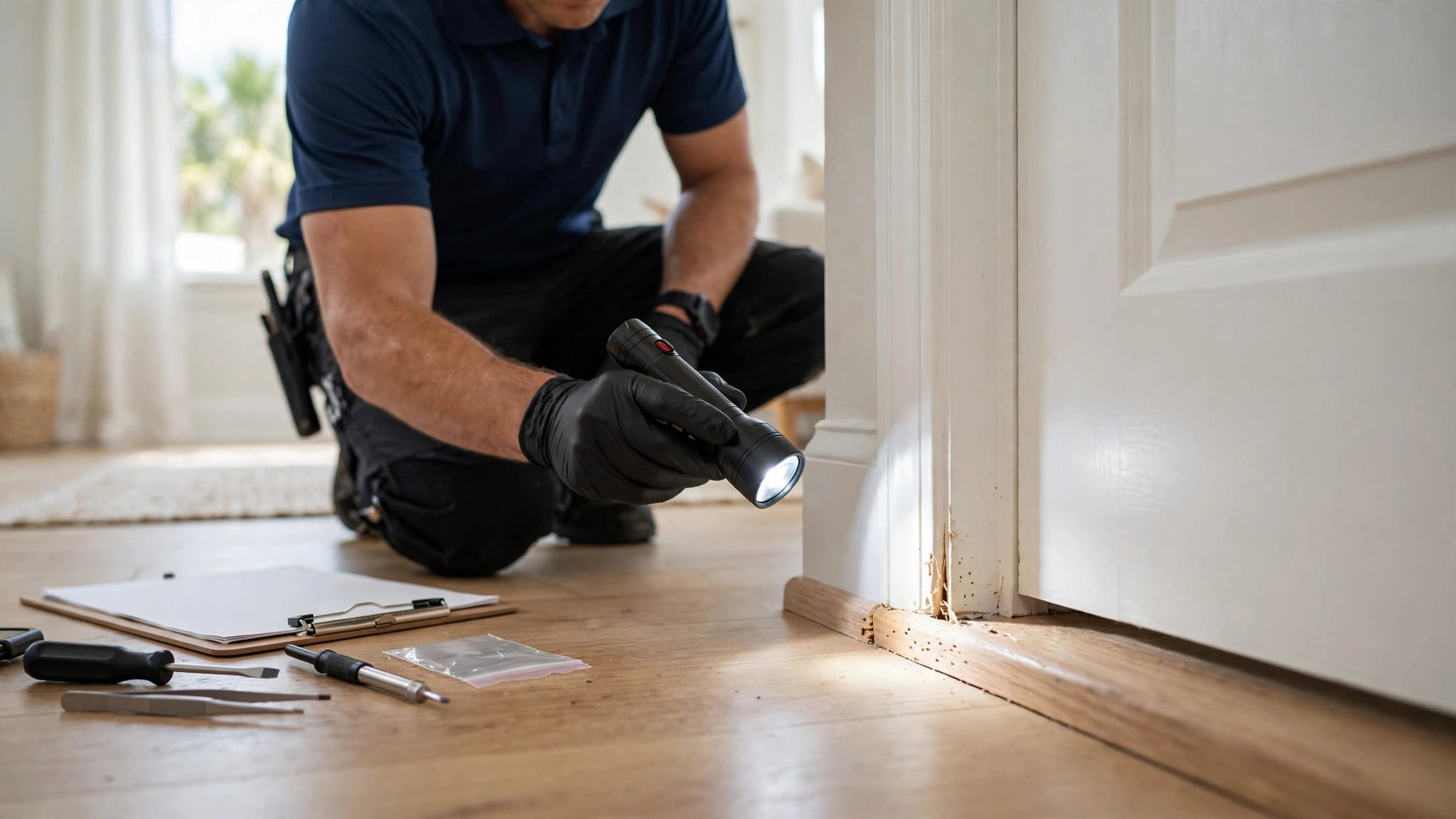
Clear paths to exterior doors, window frames, plumbing penetrations, and the garage threshold. These areas can reveal gaps, pest trails, and moisture problems.
Shield's residential pest control in Cape Coral includes exterior work around the property perimeter, doors, windows, outdoor living spaces, and landscaping. Your technician should explain which areas need attention at your home.
Keep access to air-conditioning equipment, hose connections, and utility penetrations open. However, don't remove electrical covers, open equipment panels, or disconnect utilities yourself.
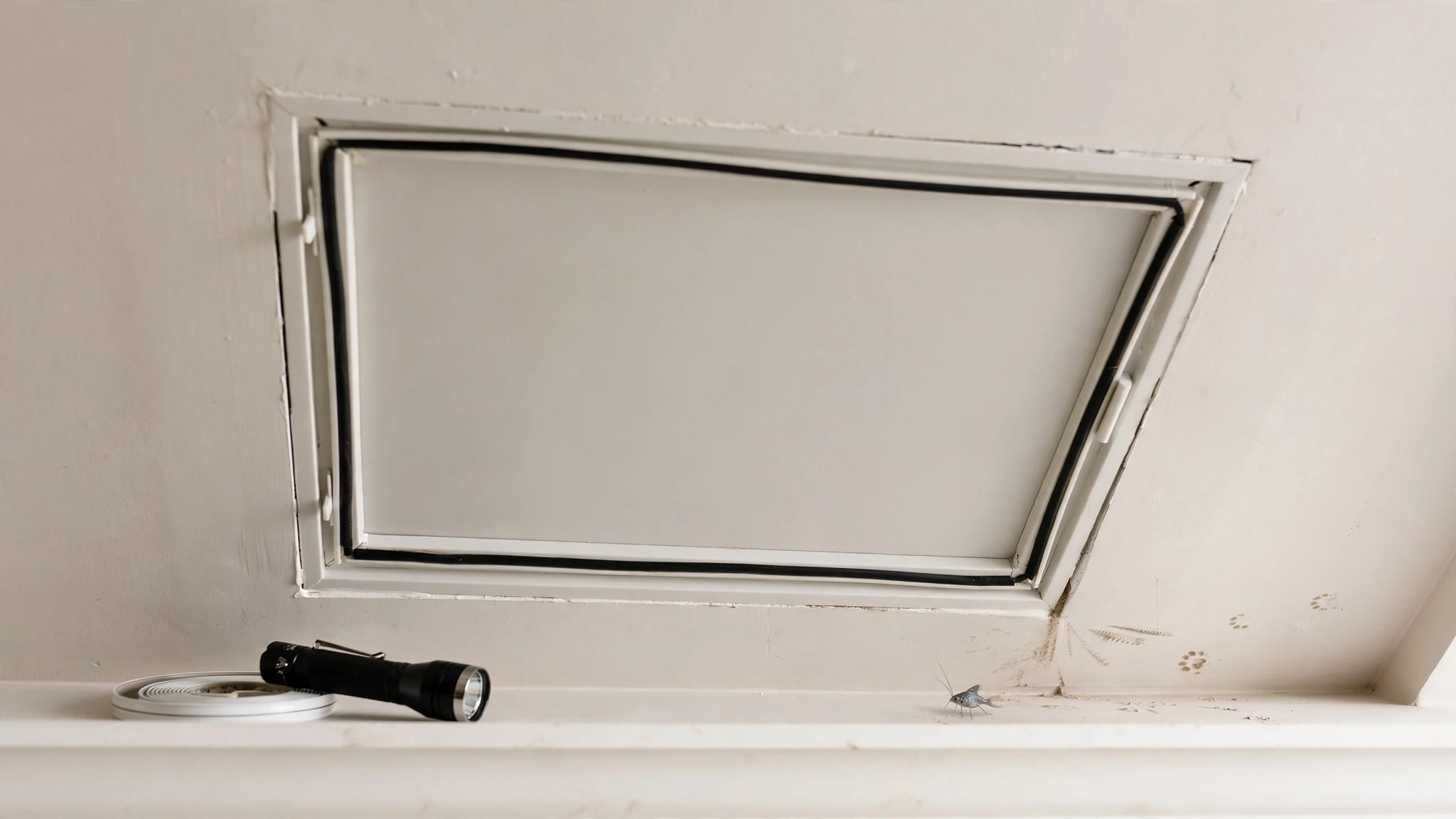
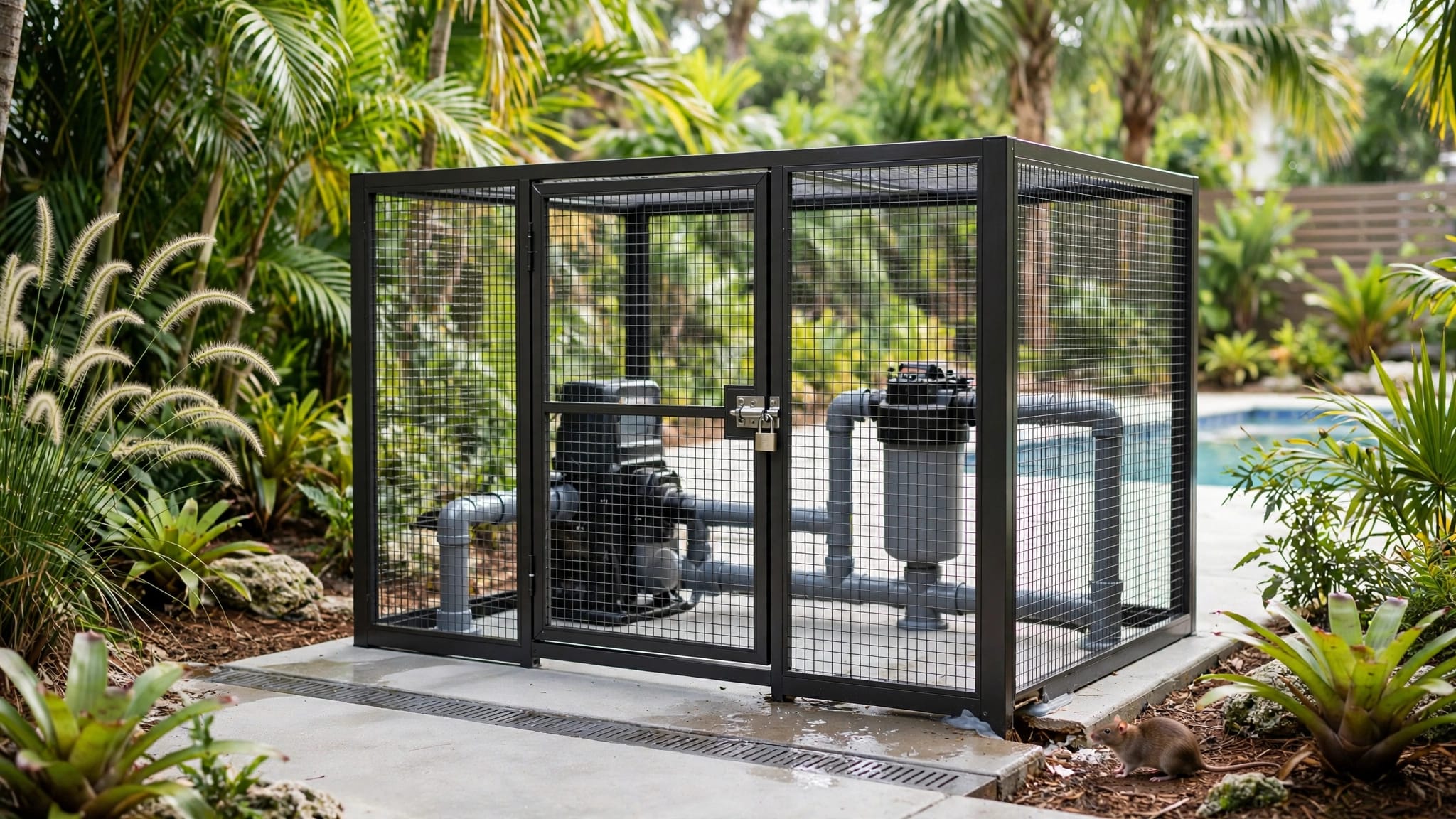
For rodent concerns, tell the technician about scratching in the attic, damaged soffits, or activity near the garage. Ask whether attic access is necessary and whether exclusion work is included.
Vacation-home owners should also notify their property manager or caretaker. Confirm who can unlock the property and receive instructions afterward. For rentals, make sure guests know which outdoor areas will be unavailable during service.
Check Irrigation, Drainage, and Standing Water
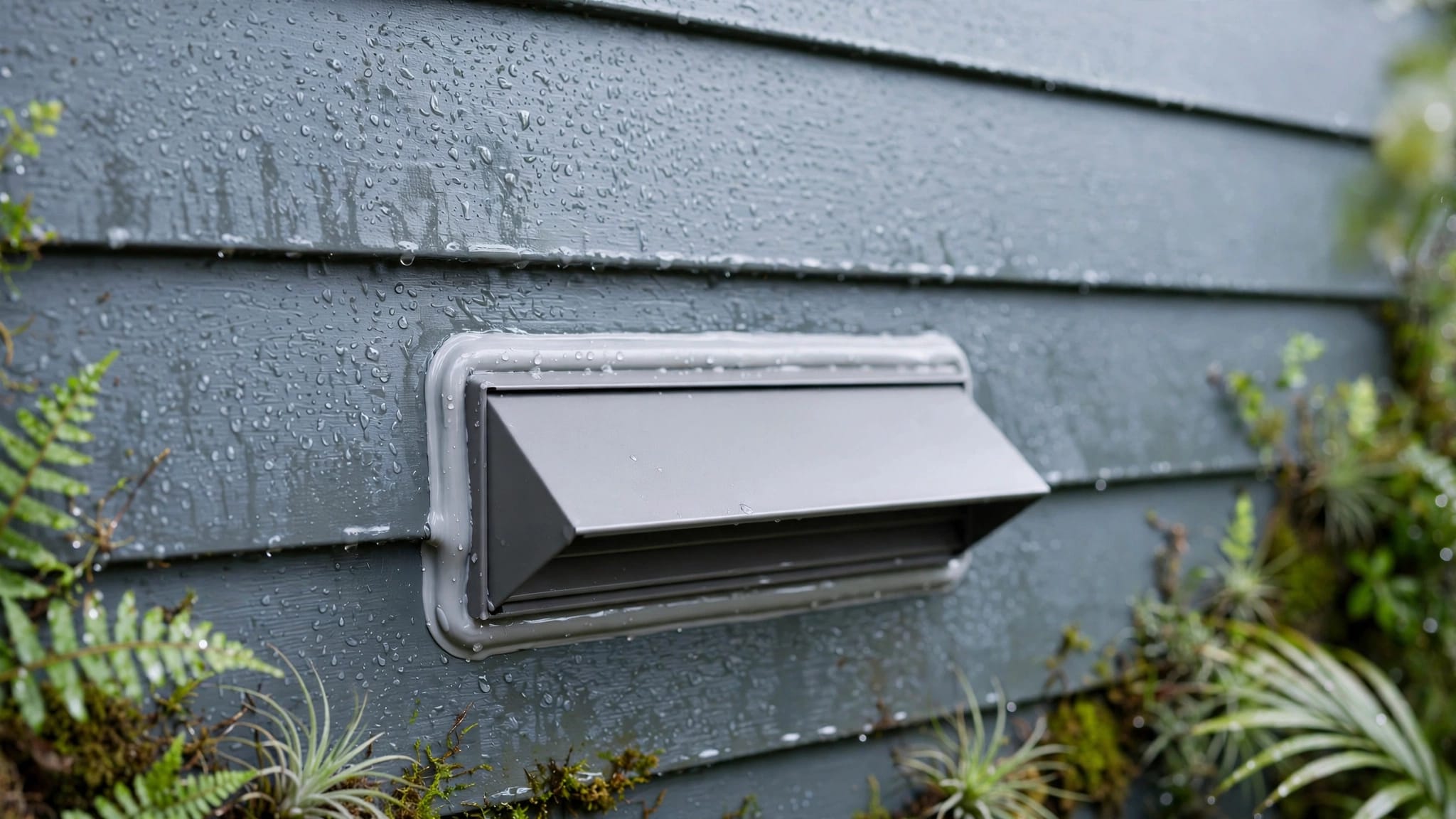
Exterior pest control preparation should include a moisture check. Spraying alone won't repair a leaking hose or clear a drain that holds water.
Inspect accessible gutters, downspout extensions, splash blocks, and drain grates from a safe location. Remove leaves blocking ground-level drainage, but leave roof work and unsafe ladder tasks to qualified professionals.
Next, look for irrigation heads spraying walls, doors, windows, or air-conditioning equipment. Report broken heads, persistent puddles, and leaks to whoever maintains the system.
Empty water from unused containers and plant saucers. Also check folded tarps, toys, and furniture bases after rain. Don't drain ponds or alter shared drainage systems on your own.
Shield's drainage inspection guidance explains why standing water near a slab, lanai, or exterior wall deserves attention.
If a low spot stays wet, photograph it and record when you noticed it. That helps distinguish an irrigation leak from recurring storm runoff. Share the record during the inspection.
After severe weather, wait until lightning, flooding, and unsafe debris have cleared before walking the property.
Protect Children, Pets, and Outdoor Food Areas
Tell the technician who uses the yard and what needs protection before treatment begins. Product-specific instructions matter more than broad promises that a service is "pet-safe."
Arrange a Safe Place for People and Animals
Keep children and pets away from application areas, service equipment, and marked zones. Arrange supervision so nobody wanders outside during the visit.
Ask where people and animals should stay and when they can return to each treated area. There isn't a universal waiting period for every product and application.
Mention outdoor cats, dogs that use the yard, and animals housed on the lanai. Birds, reptiles, and aquariums also need discussion, even when the appointment focuses on the exterior.
Discuss Gardens, Ponds, and Patio Items
Identify vegetable beds, fruit trees, flowering plants, fish ponds, and outdoor feeding areas. The technician needs to account for these features when selecting treatment locations.
Remove or protect pet bowls, children's toys, grill utensils, and outdoor food-preparation items as directed. Clean grease and food debris from outdoor kitchens before the visit, unless doing so would remove pest evidence awaiting inspection.
Don't cover plants, aquariums, or equipment with improvised barriers and assume they're protected. Ask for exact instructions suited to your treatment plan.
Preserve Pest Evidence for the Inspection
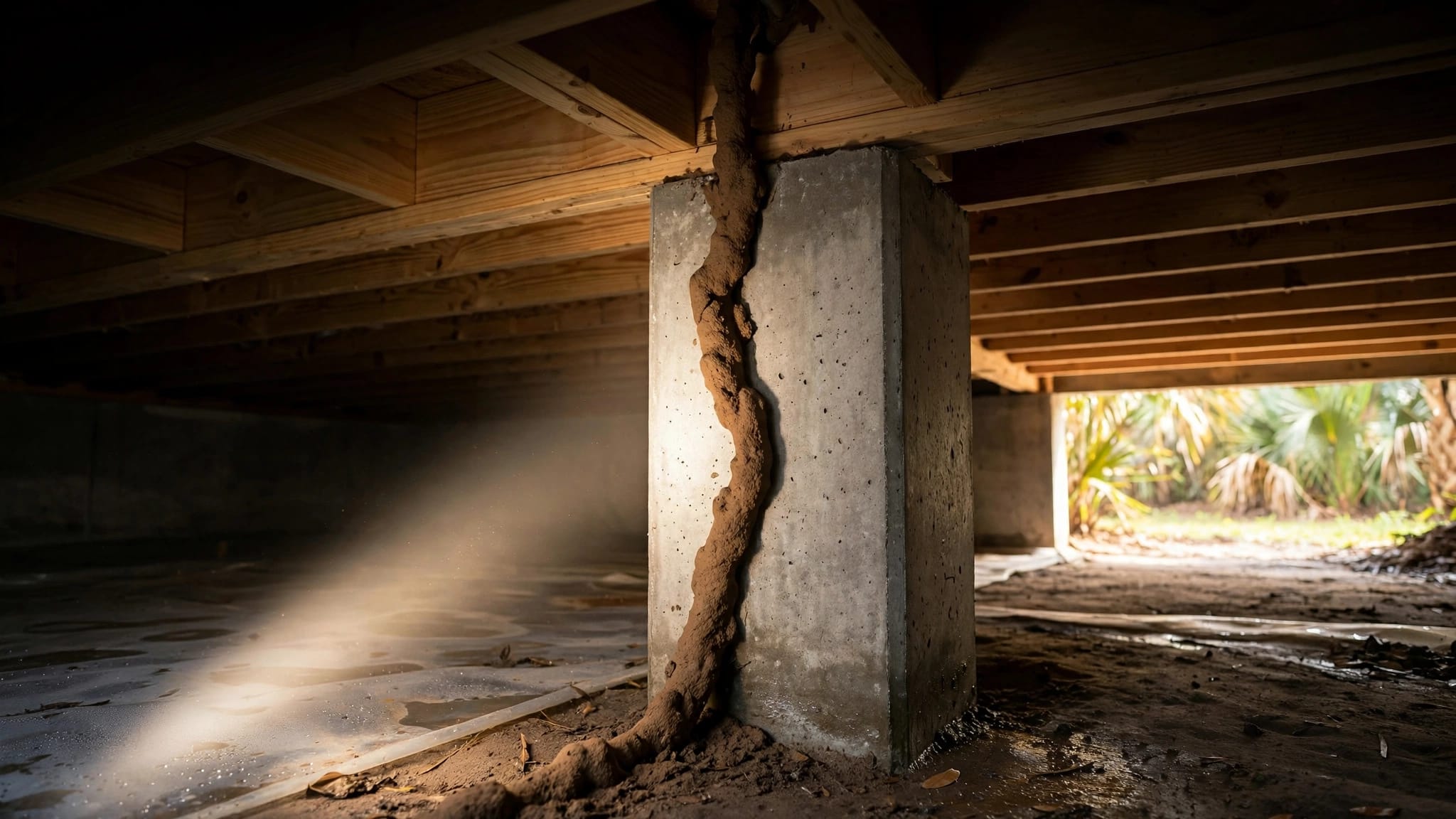
Before cleaning everything away, photograph ant trails, damaged screens, gnaw marks, suspected termite mud tubes, and other signs of activity. Include the surrounding area so the technician can locate the problem.
Record where and when you notice pests. Ants at a sliding door after irrigation suggest a different inspection path than scratching above the garage at night.
Avoid spraying store-bought pesticides just before the appointment unless the company directs you to do so. Tell the technician about any products you've already applied, including their names and locations.
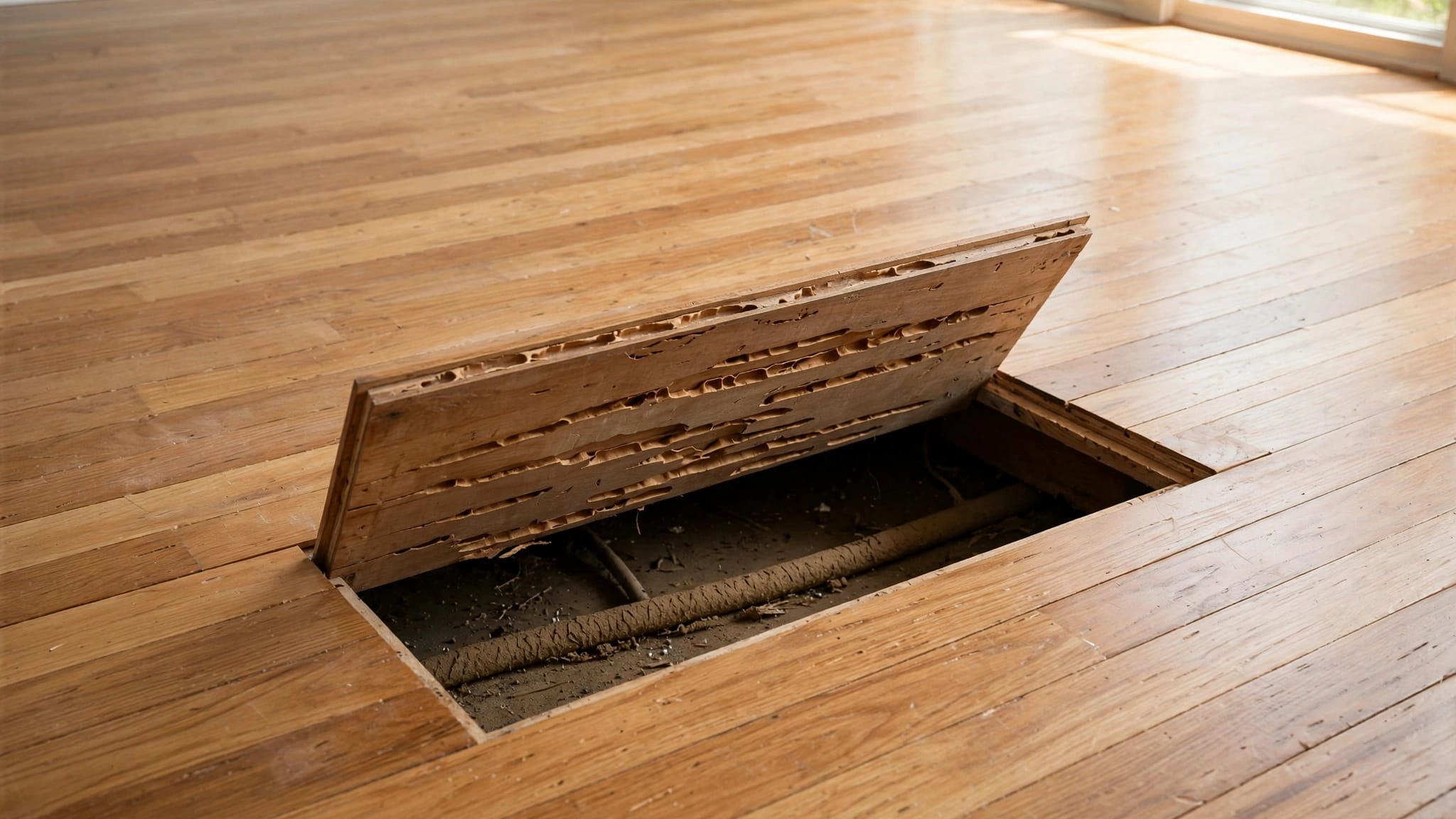
Don't disturb suspected termite tubes or cover visible entry points before inspection. Likewise, avoid sweeping or vacuuming rodent droppings. Keep people and pets away and ask about appropriate cleanup.
Photograph suspicious activity before moving nearby items. The location of a trail, tube, or gnaw mark helps the technician trace the source.
Finally, report damaged wiring or activity inside electrical equipment. Leave those areas alone and ask whether an electrician also needs to inspect them.
Follow the Technician's Aftercare Instructions
Before the technician leaves, ask what was treated, which areas remain restricted, and what changes you should make around the property.
Request written directions for re-entry, irrigation, cleaning, and follow-up. Follow both the pesticide label requirements and the instructions for your service. Don't substitute a generic waiting period.
Avoid pressure-washing or scrubbing treated surfaces until the company says it's appropriate. Also leave installed bait stations, traps, and monitoring devices where the technician placed them.
Ask when activity should decline and what signs justify another call. Results depend on the pest, infestation size, weather, and conditions around your home. Continued activity needs evaluation rather than an automatic extra spray.
For recurring problems, compare quarterly pest control plans based on inspection findings, covered pests, and follow-up terms. A regular schedule should fit the property rather than replace repairs or sanitation.
Keep the service record with photos of recurring activity. Then check the same trouble spots after storms or irrigation changes so you can report useful details at the next visit.
Key Takeaways Before Your Appointment
A final check keeps exterior pest control preparation manageable:
- Confirm the service scope and follow the company's written preparation sheet.
- Clear access, secure gates, and identify moisture problems around the home.
- Discuss pets, children, gardens, and water features before treatment.
- Preserve pest evidence and get clear aftercare instructions before the technician leaves.
You don't need to perform repairs or handle chemicals yourself to make the visit productive.
Frequently Asked Questions
Do I Need to Leave During Exterior Pest Control?
Ask your provider before the appointment. Requirements depend on the product, application area, and treatment plan. Even if you can remain indoors, you may need to avoid the yard or lanai. Follow the company's directions for people and pets rather than assuming every exterior service has the same restrictions.
Should I Seal Gaps Before Rodent Treatment?
Have suspected active entry points inspected first. Sealing an opening without understanding rodent activity can interfere with the control plan or leave animals inside. Ask the technician which repairs can proceed, who performs exclusion, and whether that work appears in your estimate. For ordinary maintenance gaps, request guidance during the inspection.
Prepare the Home, Then Let the Inspection Guide Treatment
A clear foundation and accessible lanai help your technician see more than a blocked perimeter allows. Pair that access with moisture checks and written safety instructions .
Shield Home & Pest Control offers free inspections and estimates for Southwest Florida homes. Bring your observations to the visit so the treatment plan addresses the pest, its entry points, and the conditions that keep it coming back.
Schedule a Free Inspection: