Rodents in Florida Cars: Wiring Damage and Prevention
Finding damaged wiring under your hood raises two concerns: whether your car is safe and whether rodents are still nearby. Addressing rodents in Florida cars takes both an automotive assessment and a look at the surrounding property.
Your first priority is vehicle safety , followed by removing the conditions that attract animals. Start with a careful visual check, then involve the right professionals before attempting repairs, cleanup, or treatment.
Why a Parked Car Needs a Property Inspection
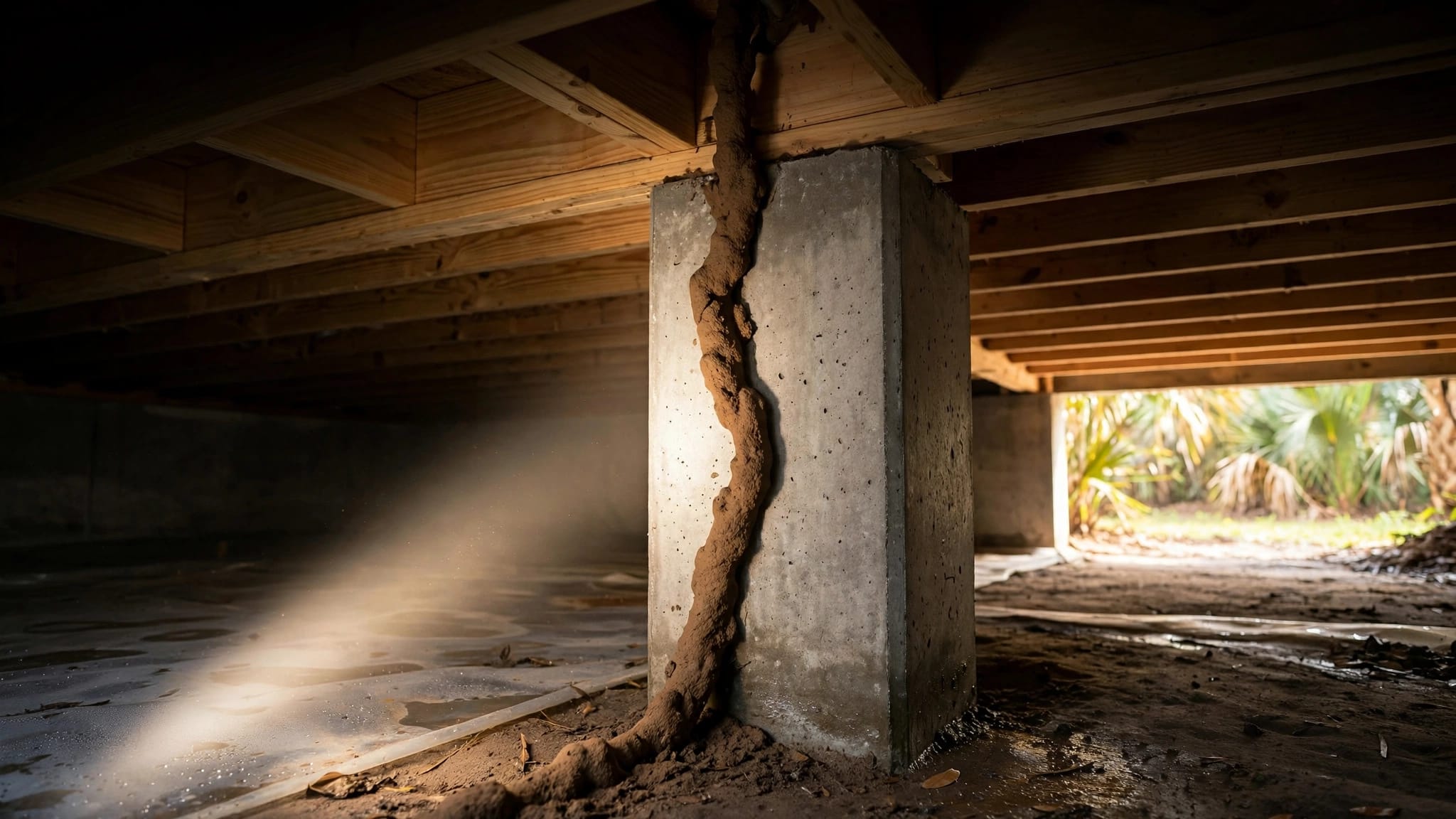
A vehicle doesn't exist separately from its surroundings. Garages, storage areas, nearby vegetation, and waste containers all deserve attention when you suspect rodent activity.
Look beyond the parking space
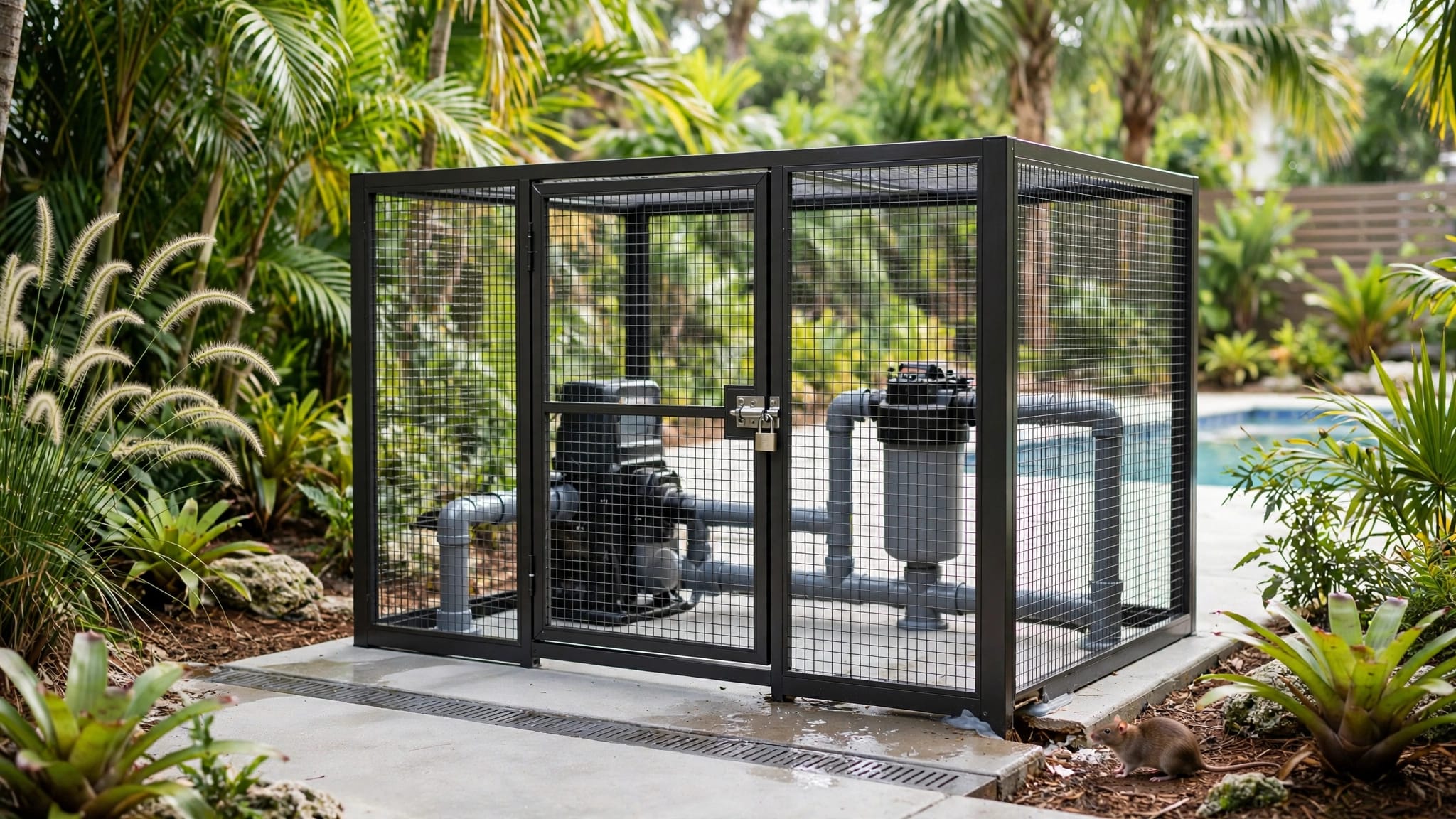
Inspect the area around your driveway or garage without disturbing suspected waste. Check trash storage, pet-food containers, cardboard piles, and outdoor cooking areas for damage or poor sanitation.
On waterfront properties, a technician may also investigate routes near canals, seawalls, and adjacent lots. Finding activity nearby doesn't prove animals entered your vehicle. However, it helps identify where a broader inspection should begin. Share those observations with your pest-control provider rather than treating only the parking spot.
Check the garage as well
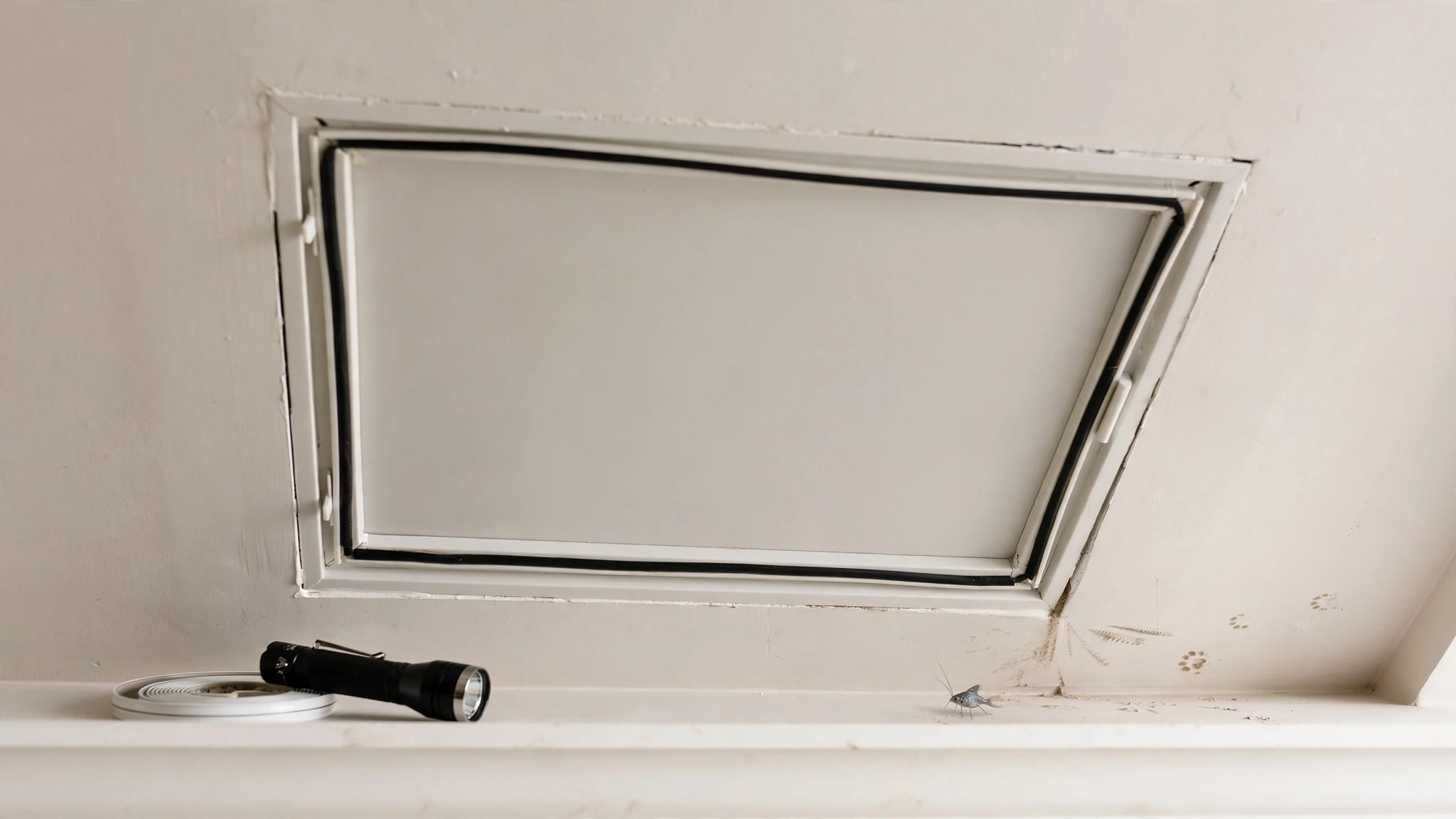
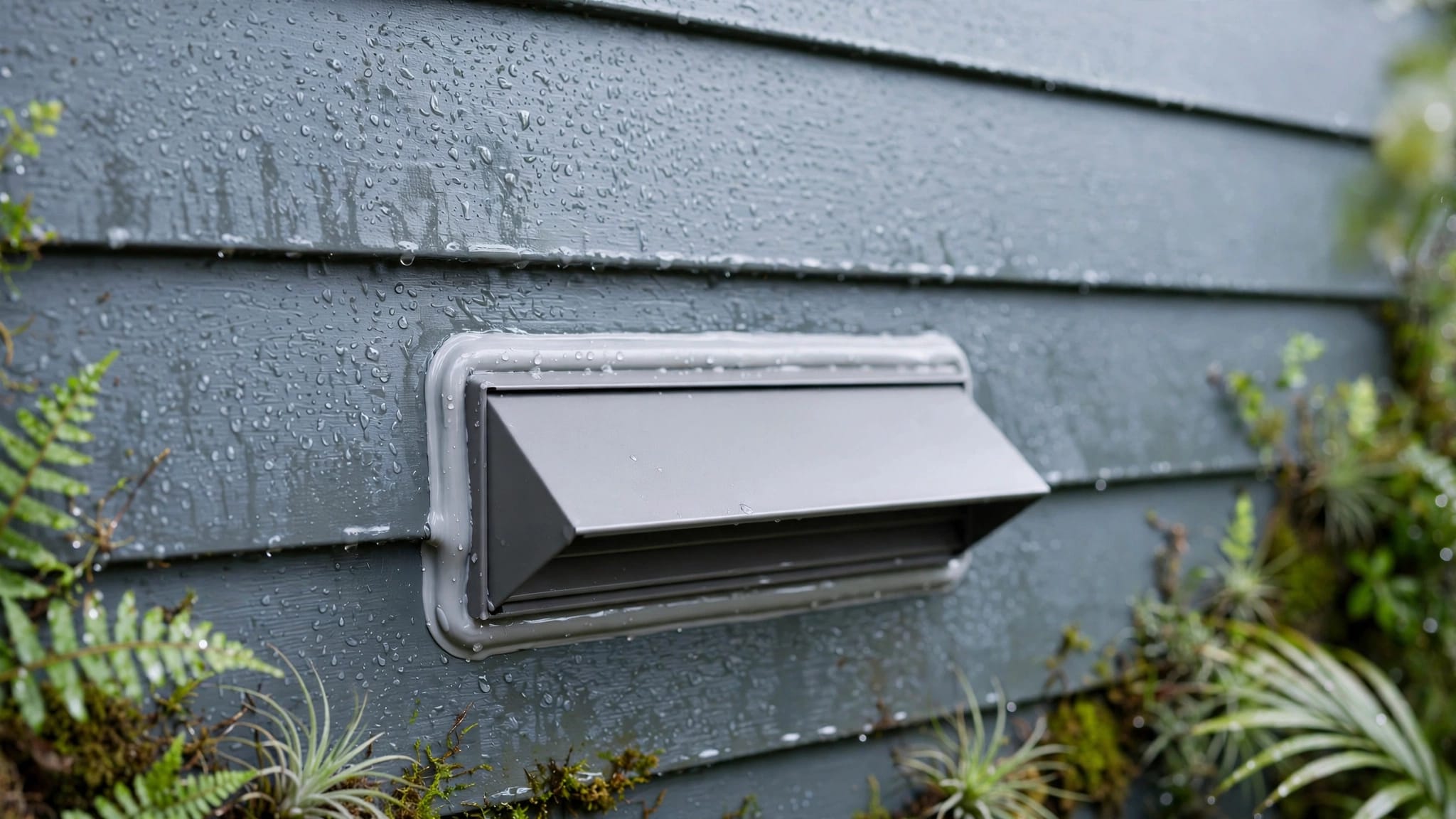
A closed garage door doesn't establish that the space is rodent-free. Door edges, utility openings, and damaged vents need inspection alongside stored items.
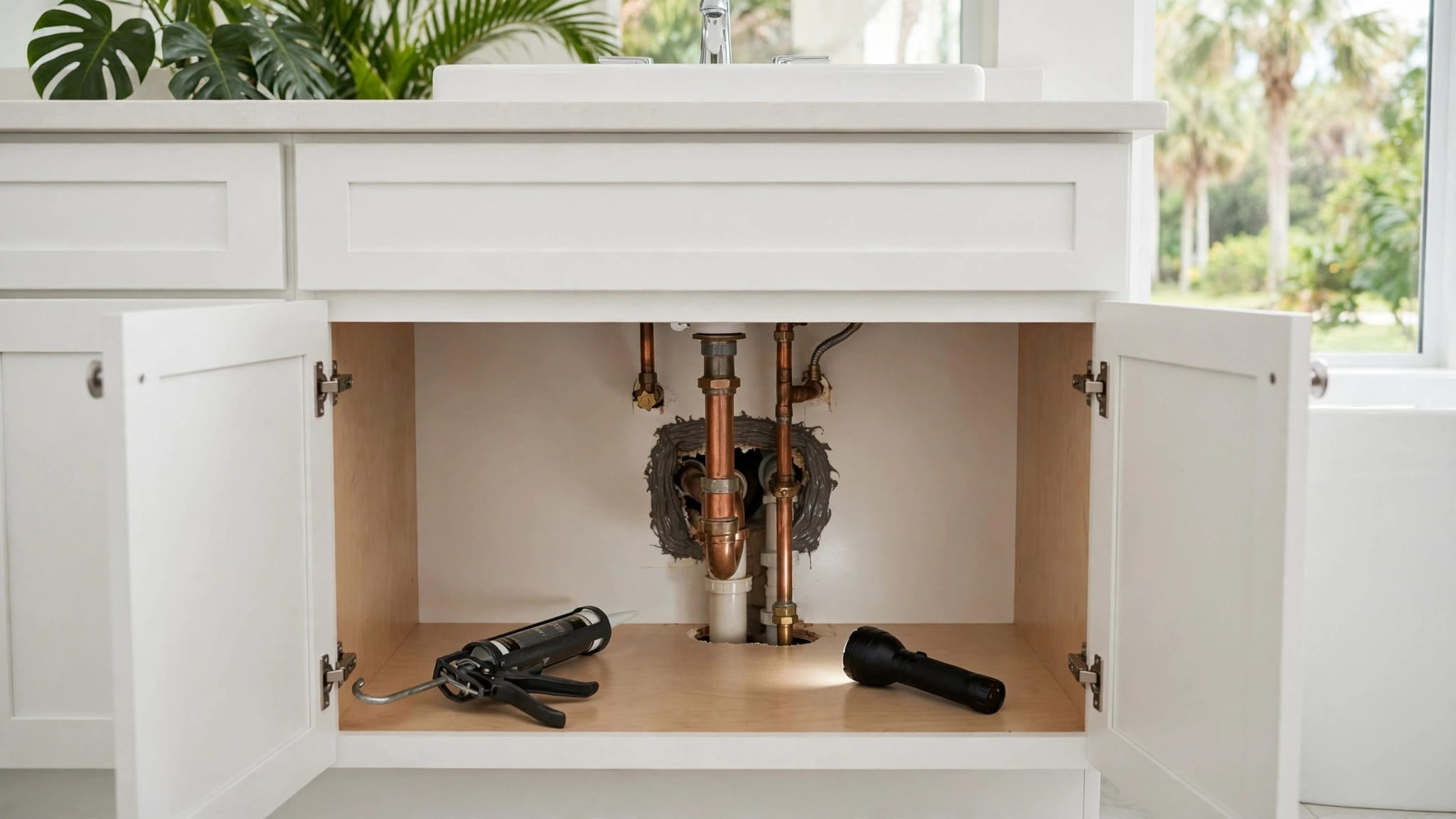
Keep garage exclusion separate from vehicle modifications. A professional can recommend appropriate building repairs, but you shouldn't copy those methods under the hood. Foam, mesh, or sealant placed in the wrong vehicle opening could interfere with ventilation, drainage, or servicing. Ask a mechanic before adding anything to the car itself.
Warning Signs: Observe First, Diagnose Second
When checking for rodents in Florida cars, physical evidence needs context . A dashboard message, unusual odor, or starting problem doesn't establish rodent damage. Follow your owner's manual and let an automotive technician determine the cause.
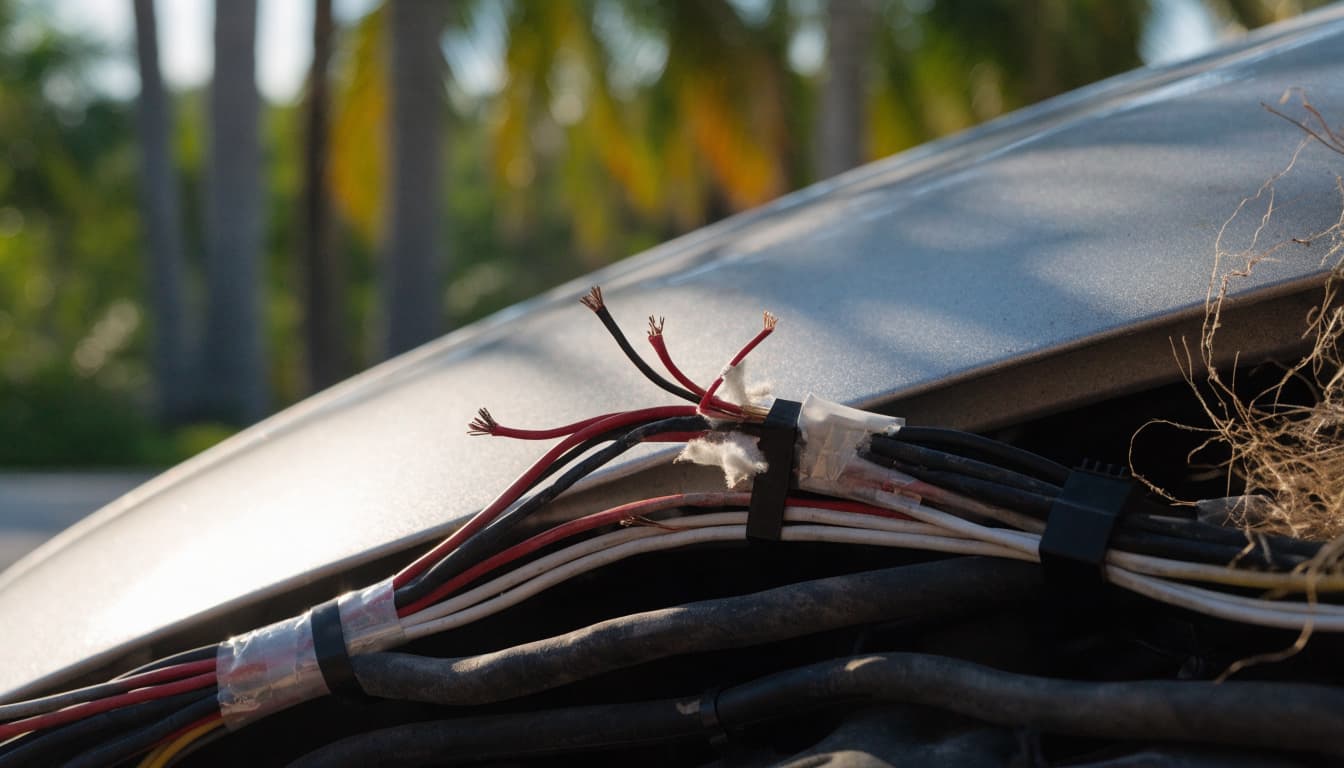
With the vehicle off and cool, look only at accessible areas. Don't reach around belts, fans, electrical components, or hidden spaces.
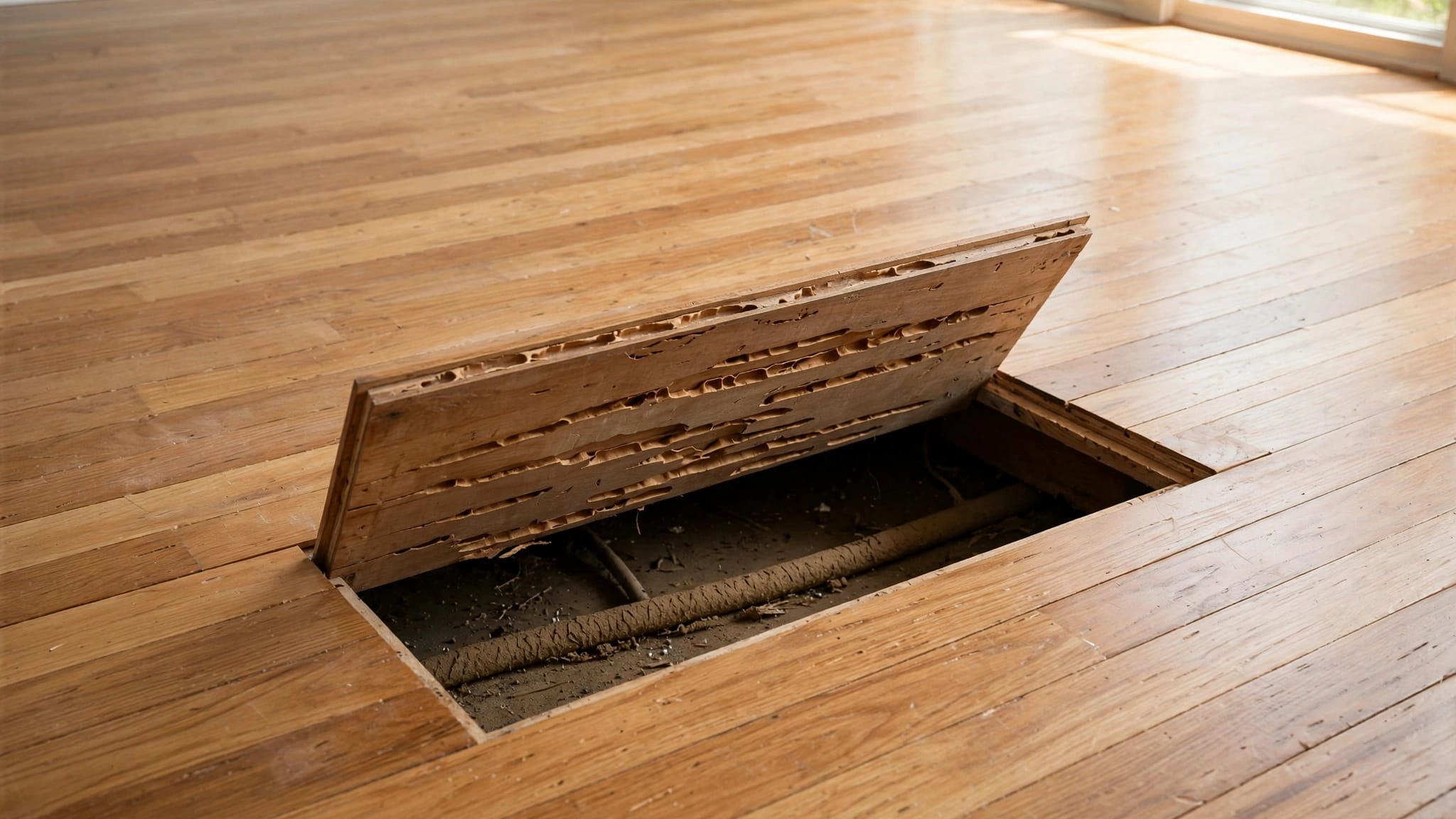
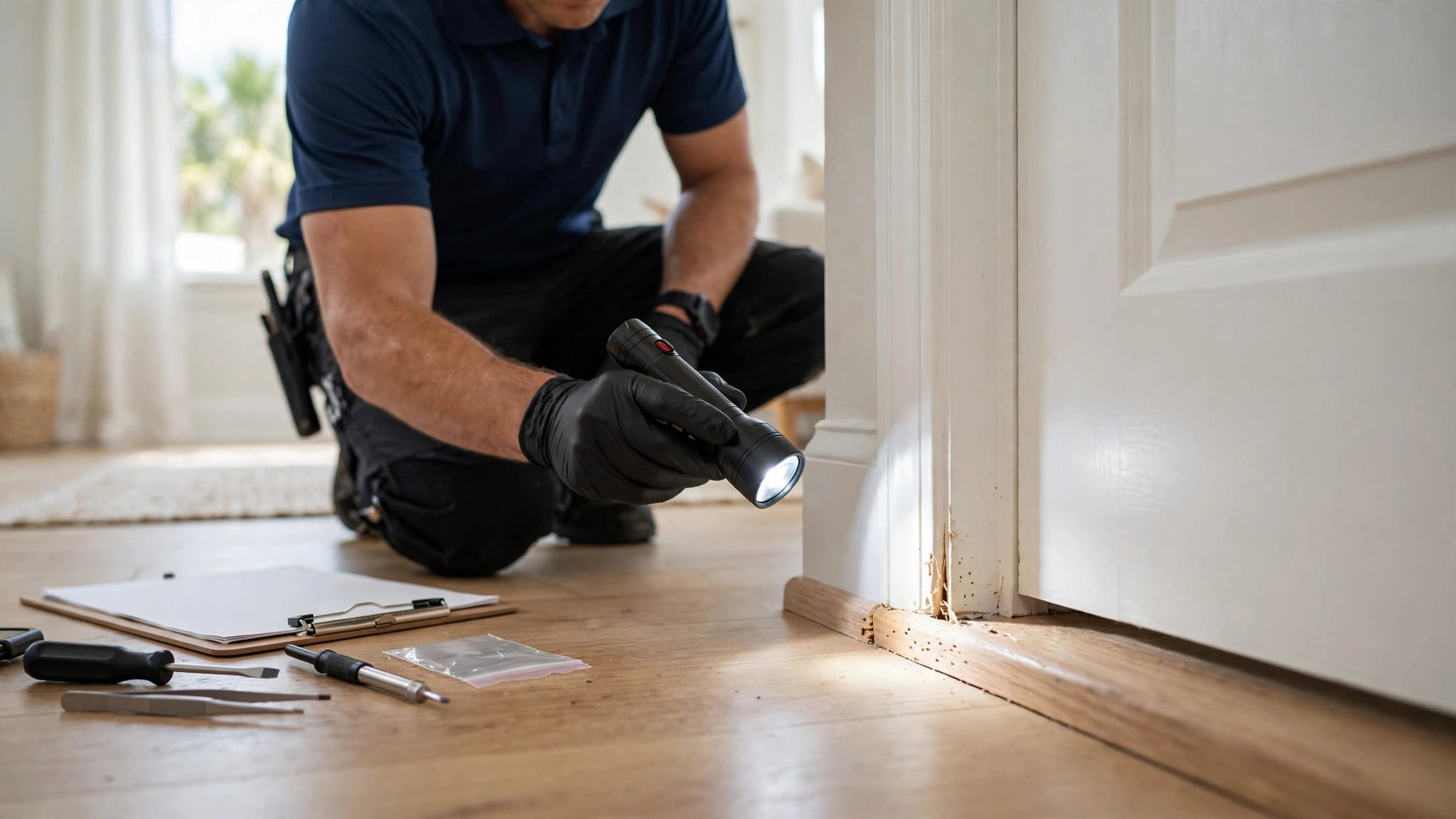
Photograph exposed wire damage, loose material, suspected animal waste, or damaged stored items nearby. Record where you found each item and when you first noticed it. These observations help professionals assess the situation without requiring you to identify the animal or diagnose an electrical fault.
Avoid judging droppings by appearance alone. Florida properties also have lizards and other animals, so an unidentified pellet isn't proof of a rat or mouse infestation.
If the same area shows additional suspected waste or damage after professional cleanup, report that change. Repeated observations are useful for follow-up, but a clean-looking engine bay doesn't establish that every hidden area is clear.
Keep children and pets away from suspected contamination until someone qualified has assessed it.
Wiring Damage Needs an Automotive Assessment
Even when rodents are suspected, wiring repair belongs with an automotive professional. Pest treatment and electrical repair address different problems.
Let the mechanic establish the cause
Tell the shop what you observed, where the car normally parks, and whether a pest inspection has confirmed nearby activity. Provide photographs rather than bringing contaminated nesting material into the service office.
Ask the technician to assess damaged wiring and any other affected components before deciding whether the vehicle is safe to operate. Don't reconnect wires, wrap damaged sections with household tape, or assume a visible repair addresses everything. Also, avoid starting the car simply to test whether it still runs.
Request a clear repair scope
An itemized estimate should explain the inspection findings, proposed repairs, and any follow-up testing. Ask whether cleanup is included or requires a separate service.
Keep photographs, invoices, and the technician's written findings. If you plan to contact your insurer, ask about your policy and documentation requirements directly. Don't assume reimbursement or authorize unnecessary work based on a general statement about insurance. Repair needs depend on the actual findings, so broad online price estimates won't tell you what your vehicle requires.
Handle Suspected Contamination Without Spreading It
Animal waste and nesting debris require more care than ordinary driveway dirt. Don't dry-sweep suspected droppings, vacuum them, or use compressed air to blow material out of the vehicle. These actions can disperse contaminated particles.
Use this sequence before cleanup:
- Keep people and pets away from the affected area, and leave the vehicle off.
- Photograph the location without touching or moving suspected waste.
- Tell the mechanic and pest-control provider about the contamination before they begin work.
- Confirm who will remove the material and which cleaning products are appropriate for the affected surfaces.
The CDC recommends wet disinfection rather than dry sweeping for rodent waste. However, vehicle electronics, upholstery, and ventilation components also need material-specific handling.
Don't spray a general household disinfectant throughout an engine bay or air intake. Ask the repair shop about product compatibility and whether specialized cleanup is needed.
An odor also needs investigation before deodorizing. Fragrance can cover a smell temporarily without identifying its source. If contamination involves inaccessible areas, leave disassembly and cleaning to qualified professionals.
Reduce Attractants Around Florida Cars
Prevention begins with the parking environment. Cleaner surroundings and repaired building openings can reduce opportunities for rodents, although no routine guarantees a vehicle will remain untouched.
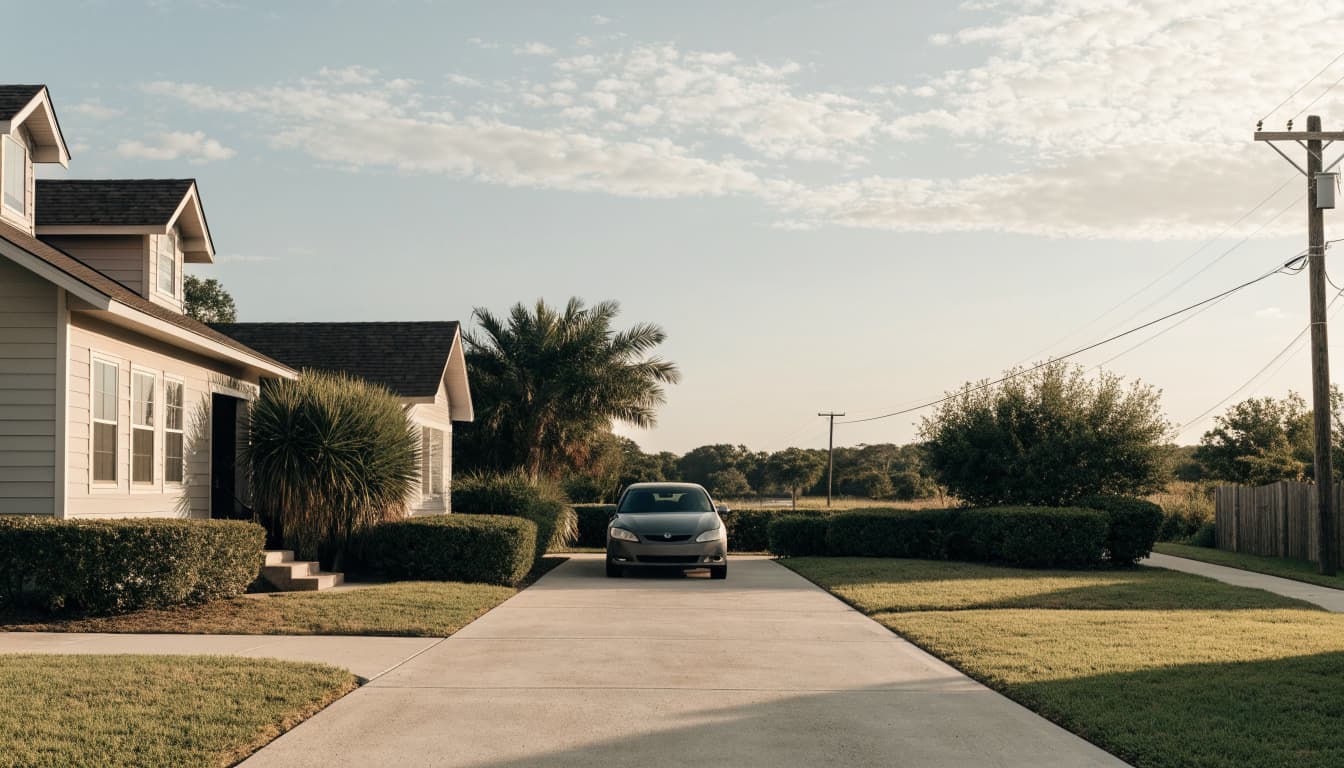
Remove food rewards and nearby shelter
Keep trash lids closed and clean spilled food from bins and the surrounding pavement. Florida Fish and Wildlife Conservation Commission guidance emphasizes preventing wildlife access to garbage rather than allowing a dependable food source.
Store pet food and birdseed in hard-sided containers with tight-fitting lids. Also, remove cardboard accumulations and unnecessary storage beside parked vehicles. Trim vegetation so you can inspect the parking area easily. After outdoor cooking, clean grease and food residue instead of leaving it near the garage overnight.
Maintain the vehicle and garage routine
Remove snack wrappers and food residue from the passenger compartment. Before a vehicle returns to use after extended storage, arrange an inspection if you have observed suspected activity nearby.
At the garage, repair damaged door seals and have questionable utility openings assessed. Don't seal suspected occupied spaces without a control plan, because animals may remain inside.
For seasonal homes or business vehicles, assign someone to inspect the parking area during absences. Dated photographs make changes easier to recognize and give the technician useful information during follow-up.
Avoid Repellent and Bait Shortcuts
Peppermint products, dryer sheets, mothballs, and ultrasonic devices shouldn't replace inspection, sanitation, or a professional control plan. Don't assume an advertised repellent is suitable for vehicle surfaces, enclosed cabins, pets, or engine compartments.
Mothballs are pesticides. Use them only as their label permits, rather than placing them loosely in a car or garage.
Likewise, don't scatter rodent bait beneath vehicles or leave unsecured poison around the property. Rodenticides can expose pets and wildlife to harm. If a licensed provider includes baiting, ask about secured stations, placement, monitoring, and precautions.
Building exclusion methods aren't vehicle repair instructions. Never block a car's vents, drains, or mechanical openings to keep animals out.
Ask your mechanic before applying a deterrent coating or installing an accessory near vehicle components. Get clear instructions about installation and future maintenance.
For the surrounding property, Shield's poison-free rodent deterrent service is an option to discuss. ECO Rodent Shield addresses protected areas at homes and businesses; it shouldn't be presented as a vehicle-specific treatment.
Coordinate Pest Control With Vehicle Repairs
A mechanic evaluates the car. A licensed pest-control provider investigates animal activity and the conditions supporting it. Coordinating those jobs helps avoid repairing damage while leaving a nearby control problem unaddressed.
Shield Home and Pest Control Services offers rodent trapping and exclusion services across Cape Coral, Fort Myers, Punta Gorda, Bonita Springs, and Sanibel. Ask for an inspection that considers the garage, storage areas, exterior openings, sanitation, and likely travel routes.
For commercial parking areas, the assessment should also include dumpsters and shared maintenance responsibilities. Nearby property conditions may require coordination with a landlord or property manager.
Before approving treatment, request a written scope. Clarify who handles trapping, exclusion repairs, cleanup, and follow-up monitoring. Also, ask which work is included in the estimate and which services require separate authorization.
Tell both providers about pets, children, vehicle storage schedules, and any confirmed activity elsewhere on the property. That information affects access and treatment planning.
Don't assume a general household pest visit includes rodent exclusion or automotive cleanup. Confirm those details before scheduling, and share the mechanic's findings when they become available.
Key Takeaways
- Treat suspected vehicle damage as an automotive safety issue before attempting repairs or driving.
- Document observations without touching waste, and arrange appropriate cleanup.
- Remove nearby food sources and address garage openings through a professional control plan.
- Ask providers to distinguish vehicle repairs, property treatment, exclusion, and follow-up in their estimates.
Frequently Asked Questions
Does damaged wiring prove rodents were in my car?
Damaged wiring alone doesn't establish the cause. An automotive technician should evaluate the affected area, while a pest-control professional assesses suspected animal evidence and nearby activity.
Provide photographs and any previous repair records. Don't identify the animal based only on a dashboard message, odor, or an unfamiliar pellet near the vehicle.
Will treating the garage protect the vehicle completely?
No prevention method offers a guarantee. Garage treatment also doesn't repair vehicle damage or establish that inaccessible vehicle areas are clear.
Ask your provider how monitoring and exclusion will address the surrounding property. Separately, have the mechanic assess the car and explain any necessary repairs. For rodents in Florida cars, both assessments have distinct jobs.
Protect the Car and Address the Source
Suspected rodent damage deserves two coordinated assessments : one for vehicle safety and one for the surrounding property. Repairs address the car; sanitation, exclusion, and monitoring address conditions that may keep animals nearby.
You can schedule a rodent control inspection with Shield PCS or call (239) 910-1133. Keep the focus on documented findings and safe work, rather than quick fixes or promises.
Schedule a Free Inspection: