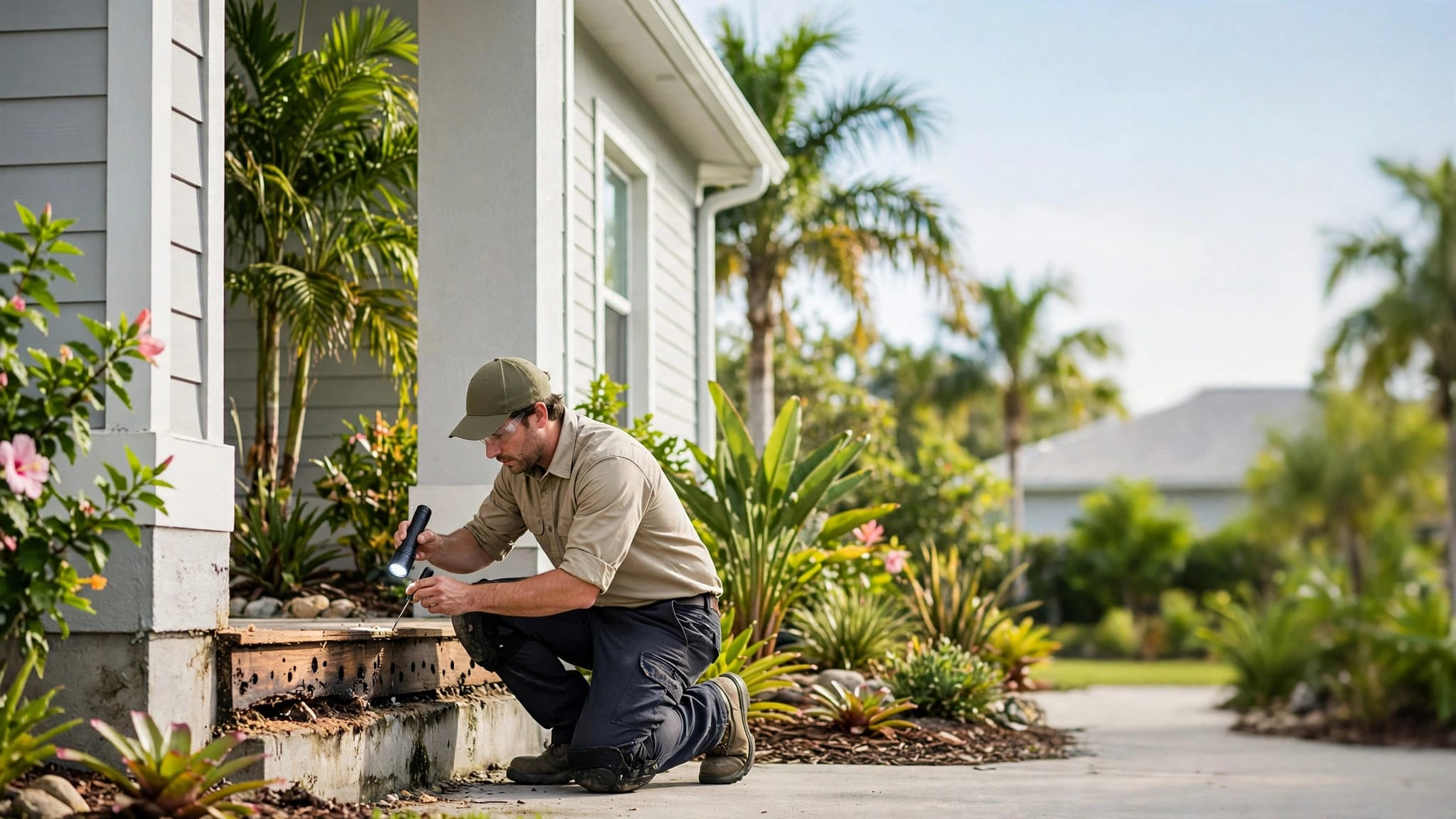
How to Keep Pests Out of Florida Attic Access Panels
A loose attic hatch can let pests move between the attic and the rooms below. In Southwest Florida, that matters when roof rats, mice, and insects are active above the ceiling.
Good attic pest prevention starts with a hatch that closes snugly, but the panel is only one part of the job. You also need to check for activity and find any openings at the roofline. Start with what you can inspect safely from inside the house.
Attic pest prevention starts at the hatch
A ceiling hatch separates your living space from the attic. If its panel is warped, poorly fitted, or missing a seal, gaps may develop along the frame. Pull-down attic stairs have a similar concern: the stair assembly must close evenly against its surrounding trim.
Those gaps can give insects a path into the house. They can also let attic odors and dust enter living areas. A gap at the hatch doesn't prove rodents used it to enter the attic, though. Rats and mice may have arrived through a damaged soffit, vent, or roofline opening, then traveled near the hatch.
Treat the hatch and the attic as separate inspection points. Repairing the panel helps protect the rooms below. Finding an animal's exterior entry route takes a wider look at the structure.
Inspect the panel before buying sealing materials
You don't need to crawl across attic framing to make a useful first check. Work from a stable position below the opening, and leave roof or attic access to a professional if it feels unsafe.
Check for gaps and poor contact
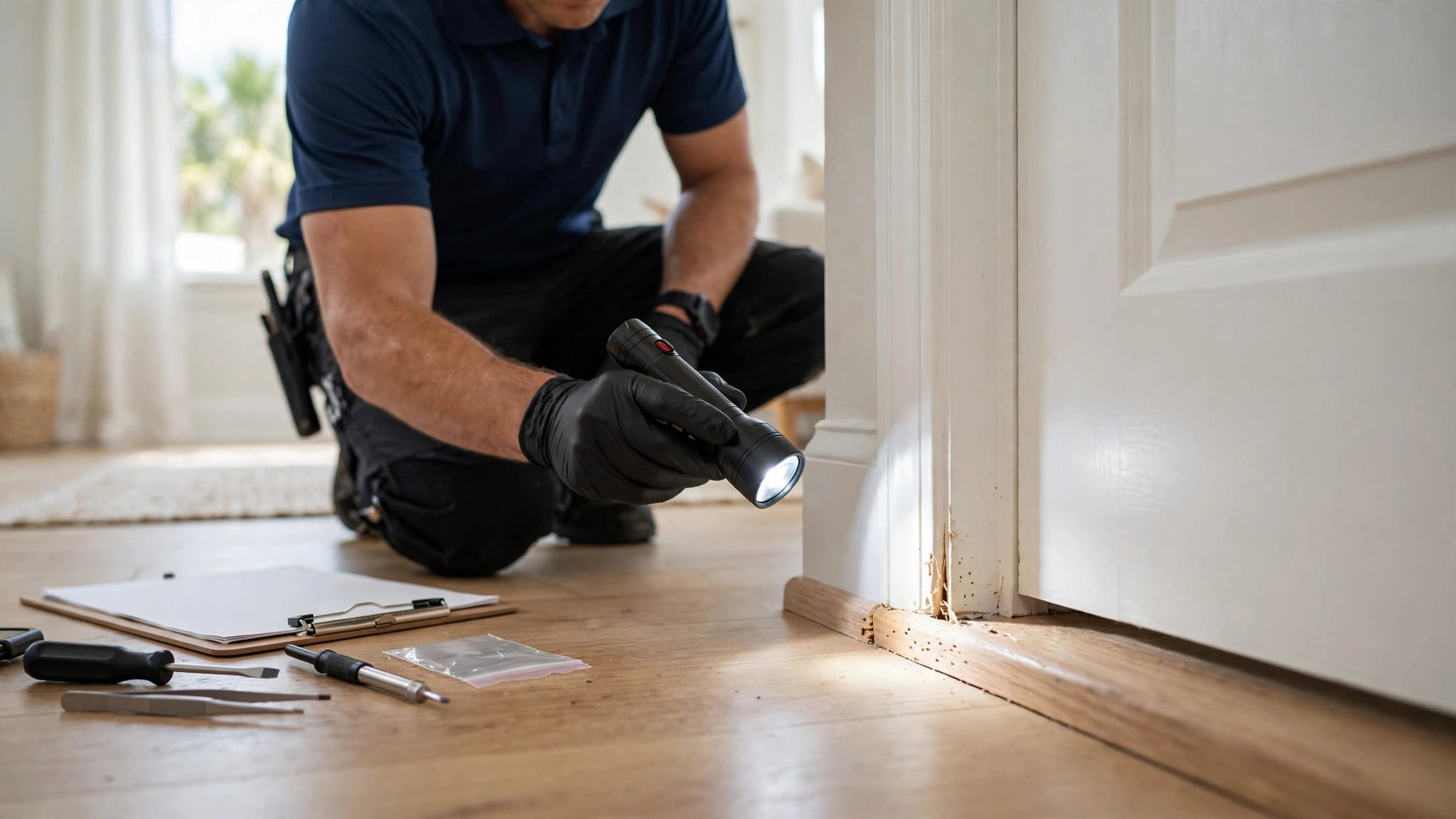
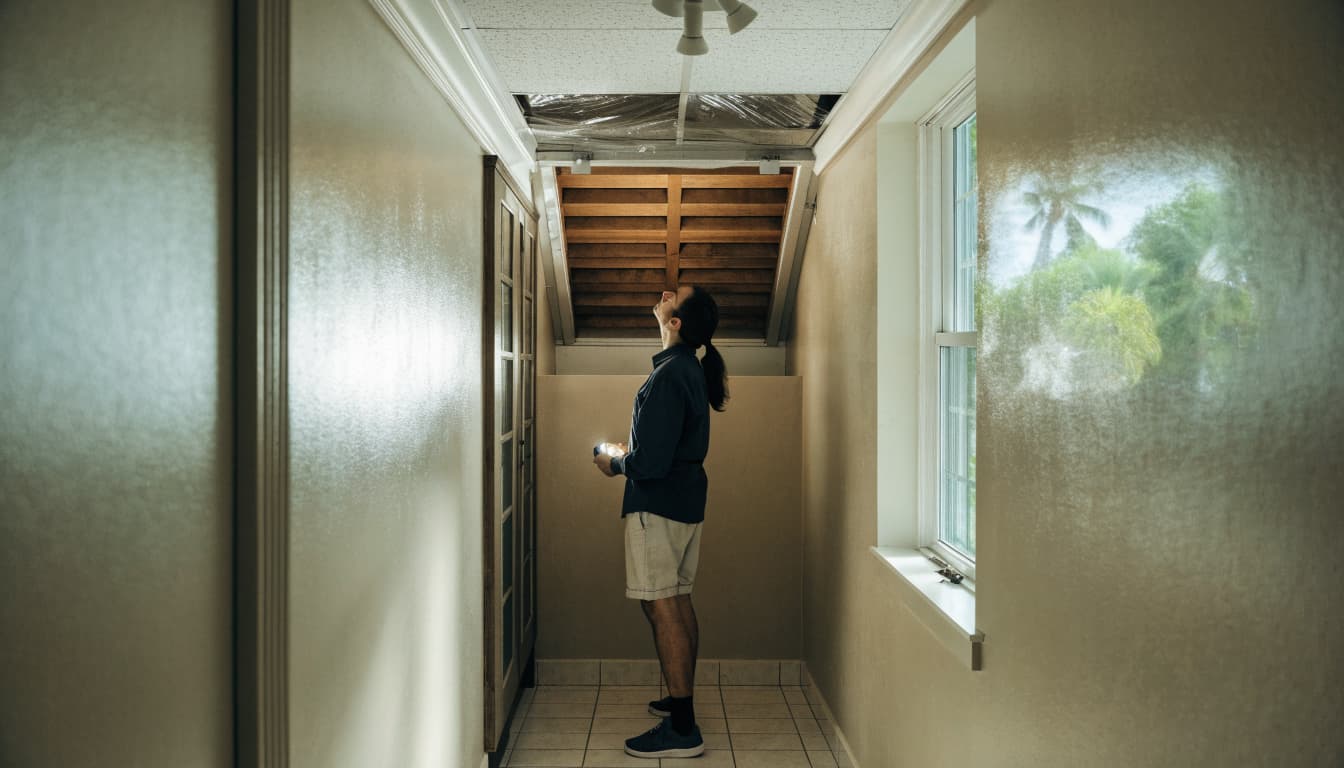
Close the hatch fully and inspect all four edges with a flashlight. Look for visible daylight, uneven trim, a sagging corner, or a panel that moves when gently pressed. On pull-down stairs, check whether the assembly sits flush rather than hanging slightly open.
If the hatch opens safely, examine the surface where the panel meets its frame. Dust lines can reveal spots that don't make contact. A strip of paper placed across the closed edge may slide out easily where the seal is weak. Repeat the check around the perimeter rather than judging the fit by one corner.
Watch for evidence of activity
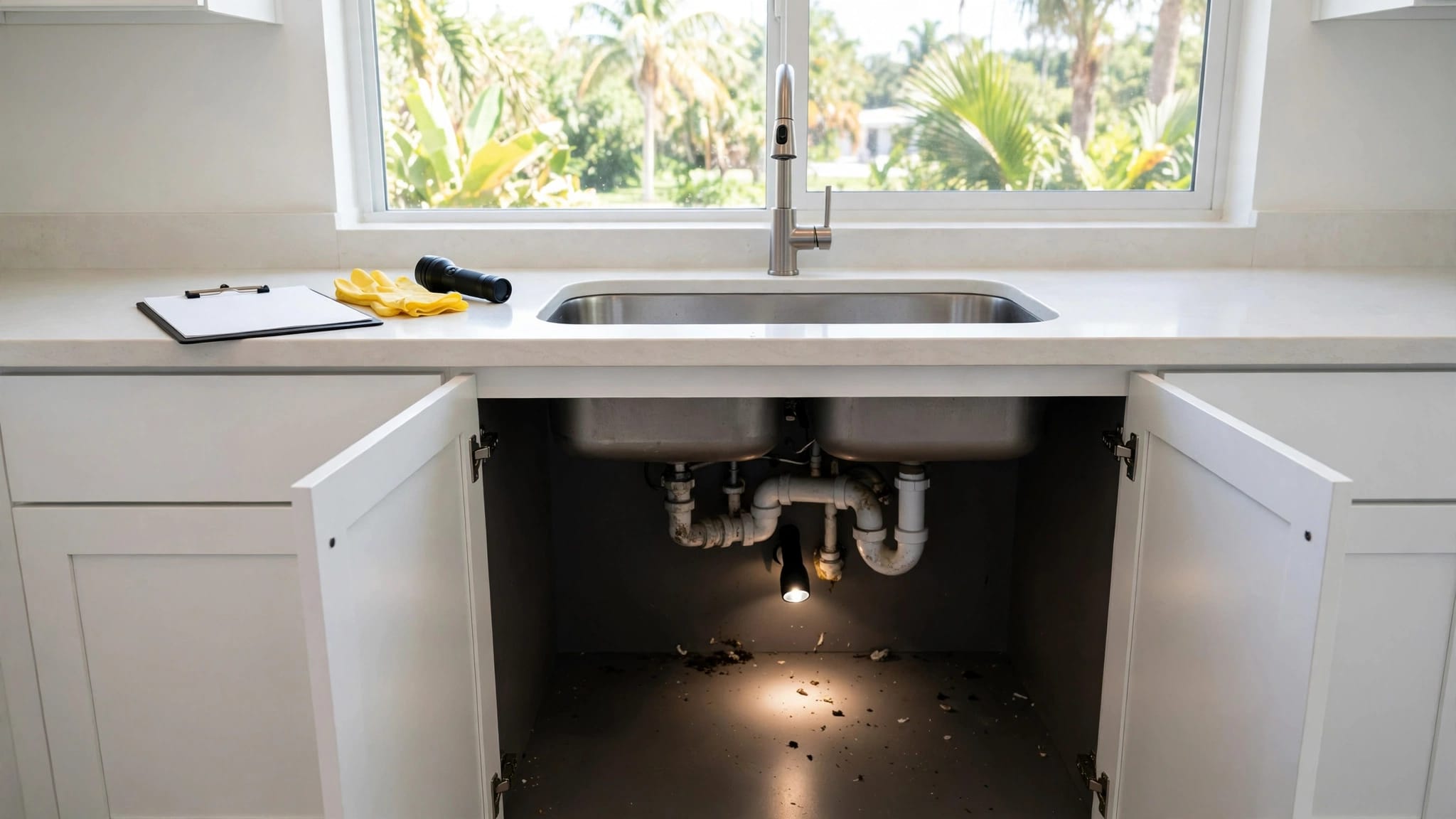
Look near the opening for droppings, gnaw marks, dark rub marks, disturbed insulation, or staining. Scratching after dark and an ammonia-like odor also deserve attention, although sound and smell alone can't identify an animal.
Take a photo and note where you found the evidence. The signs of rodents in the attic can help you describe the problem when scheduling an inspection. Don't handle droppings or pull insulation aside to search for more.
Fit weatherstripping, latches, and repairs to the panel
Once you've ruled out active animals, focus on a seal that stays in contact when the hatch closes. The right repair depends on whether you have a lift-out panel, a hinged hatch, or pull-down stairs.
Give the panel an even sealing surface
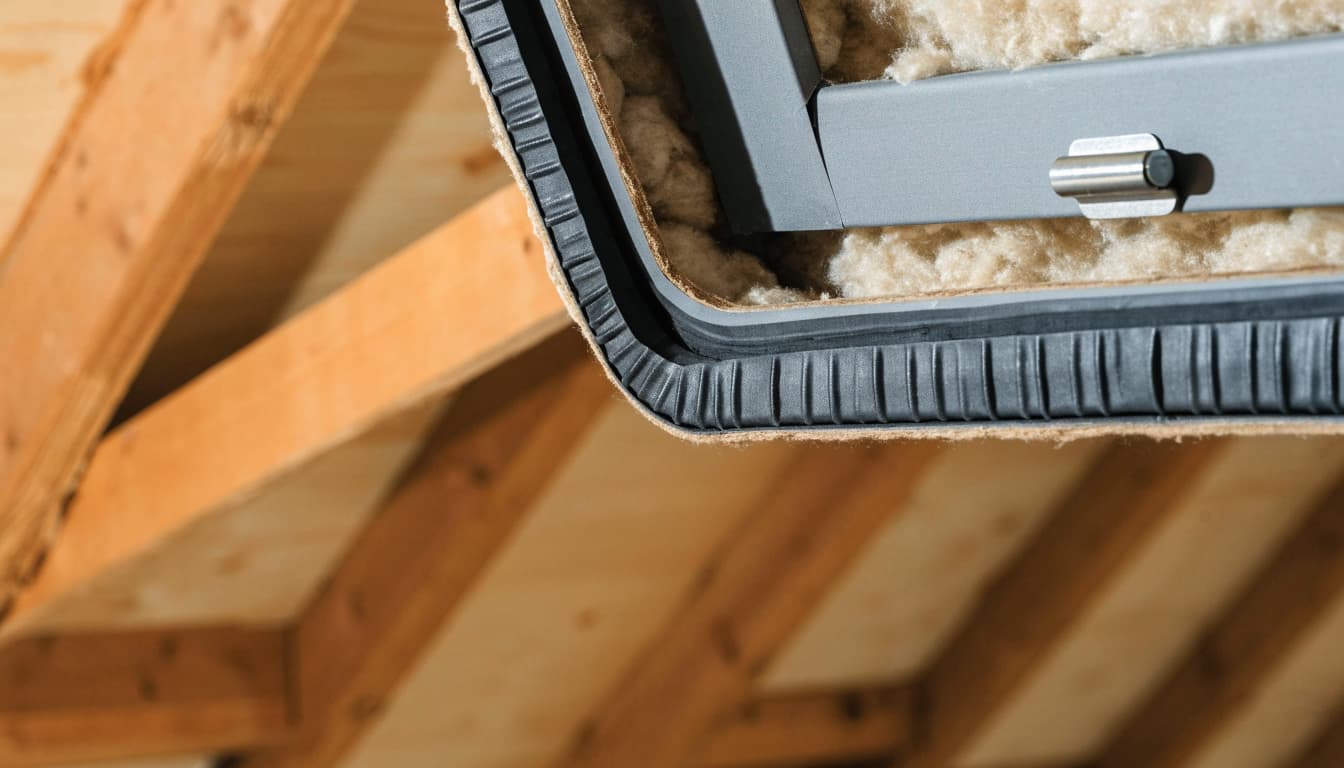
Clean and dry the frame before applying weatherstripping. A compressible, closed-cell foam or rubber strip can work where the panel presses against a sound, continuous frame. Choose a product compatible with the hatch surface and its exposure to attic heat.
Fit the strip around the full contact perimeter without stacking thick layers at the corners. Too much material may hold the hatch open. Then close and reopen the panel to check that the strip stays attached and compresses evenly.
If the frame is loose or the panel is warped, fix that fit first. Weatherstripping can't compensate for a hatch that won't seat properly. A damaged cover may need repair or replacement rather than another layer of adhesive.
Keep the hatch securely closed
A suitable latch can hold a hinged panel against its seal. A lift-out cover needs a reliable way to remain seated; its weight alone may not be enough if it shifts easily. Pull-down stairs should close securely using hardware suited to that assembly.
Avoid screws or fasteners where they might strike wiring or damage the stair mechanism. Don't install hardware that prevents normal access or interferes with any required means of escape. If the opening has a rated fire assembly, ask a qualified contractor which repairs preserve that rating.
Seal the hatch without creating another hazard
An attic hatch is an access point, not an attic vent. Closing gaps around it shouldn't mean sealing soffit, ridge, gable, or other designed ventilation openings. Those openings need to keep functioning even when pest-resistant screening or repairs are appropriate.
Keep insulation clear of fixtures and equipment according to their installation requirements. Don't pack loose insulation into the hatch's closing edge or cover electrical boxes to stop a draft. Spray foam alone is also a poor answer to a damaged panel or a rodent-sized structural opening.
A panel seal can reduce air movement between the house and attic. If you also find damp or damaged insulation, address the cause rather than hiding it under a new hatch cover. These steps for protecting Florida attic insulation from moisture and pests explain why moisture and pest checks belong together.
Check where pests reach the attic itself
A snug hatch protects the ceiling opening, but it won't stop animals entering above it. In Cape Coral and nearby communities, roof rats can reach rooflines using trees and other connected routes. House mice can also take advantage of small building gaps.
Inspect exterior openings without blocking airflow
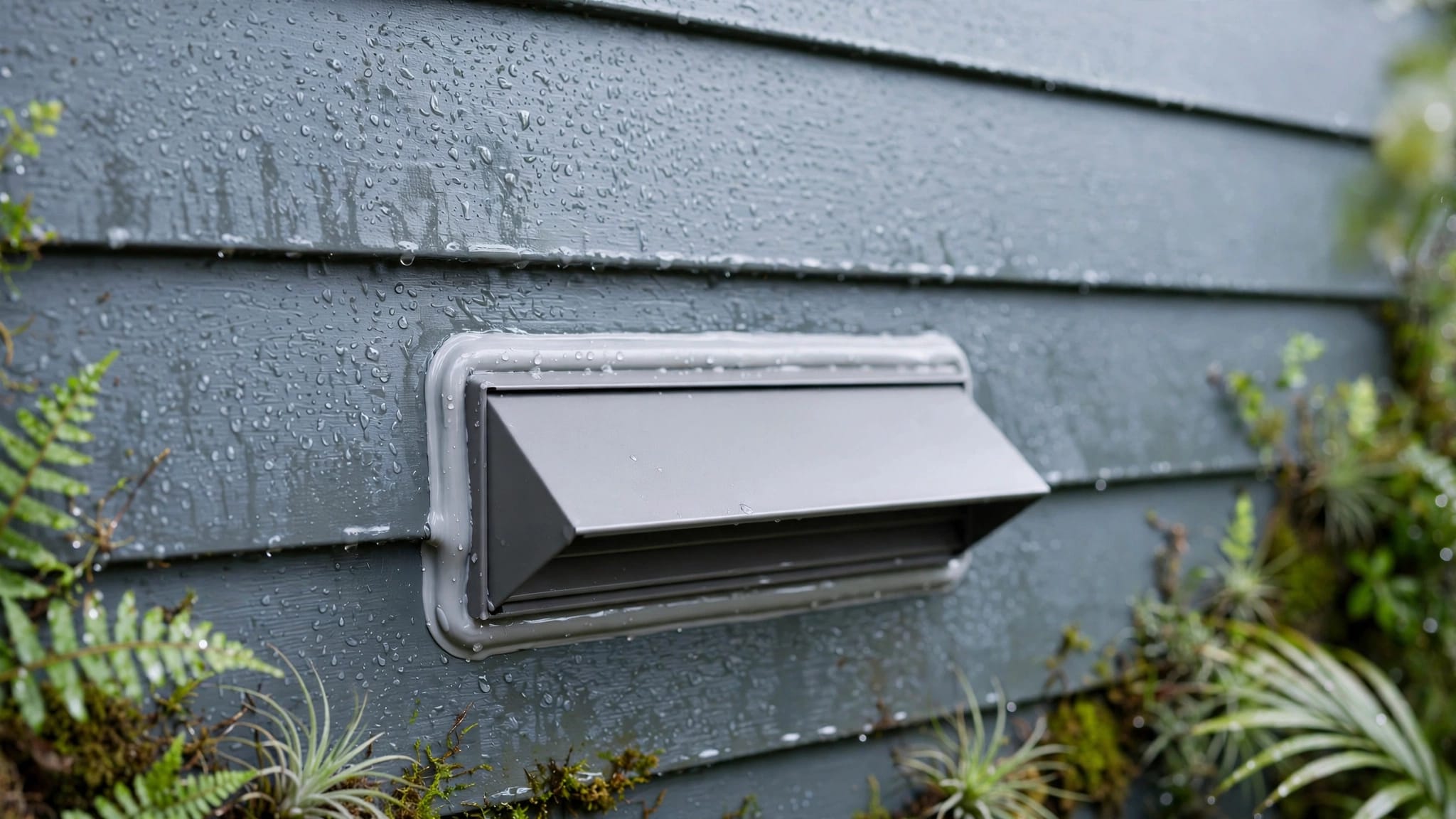
From the ground, look for damaged soffits, loose vent covers, gaps around pipes, and openings at roof returns. A professional can inspect areas you can't see safely. Vent repairs should keep the intended airflow while securing the opening against pests.
Roof work and steep or tile surfaces carry fall risks. Leave those areas to someone equipped for the job. For a closer look at local routes, see how homeowners can identify roof rat entry points.
Reduce the reasons rodents stay nearby
Bring pet food inside, secure garbage lids, and store birdseed in sealed containers. Pick up fallen fruit and clear clutter around sheds, patios, garages, and outdoor kitchens. These changes won't replace exclusion repairs, but they remove food and shelter close to the house.
After storms, check for shifted screens, broken trim, and branches newly touching the roof. Florida weather can change a previously tight exterior faster than a hatch seal wears out.
Call for help before sealing an active infestation
Fresh droppings, repeated nighttime noise, nesting material, or gnawed wiring call for a licensed pest-control professional. Don't seal every opening before an inspection if an animal may still be inside. You could trap it in the structure or push it into a harder-to-reach space.
Don't assume every attic visitor is a rat. Bats, birds, squirrels, and other wildlife may need species-specific handling and a qualified wildlife professional. Avoid handling an unidentified animal or placing poison in the attic.
Rodent waste needs care, too. Don't dry-sweep droppings or use a household vacuum on contaminated material. If insulation is soiled, discuss attic cleanup after a rodent infestation as part of the removal plan. A technician can identify travel routes, assess contamination, and recommend the order of removal and repairs.
Make the repair last
After the hatch is repaired, open and close it several times. Check whether the gasket remains attached, the latch holds, and the panel still seats evenly. Recheck after anyone uses the attic, since a moved lift-out cover can leave a gap behind.
Add the hatch to your routine home checks, especially after roof work or a major storm. Watch for fresh droppings or new staining as well as changes in the panel fit.
When comparing service providers, ask who inspects the attic and exterior, who performs exclusion repairs, and whether cleanup is included in the estimate. These questions about pest inspections and exclusion can help you get a clear scope of work.
Key Takeaways
- Check the hatch's fit on every side before adding weatherstripping.
- Repair loose frames and damaged panels so a gasket has a sound surface to meet.
- Keep designed attic vents open, and don't disturb electrical or fire-rated assemblies.
- If you find signs of active animals, arrange an inspection before closing possible exits.
- Pair hatch maintenance with roofline checks and control of outdoor food sources.
Frequently Asked Questions
Can mice get through a gap around an attic hatch?
Mice can use surprisingly small openings, so a visible gap deserves attention. A hatch gap may let an animal move between the attic and the house. It doesn't tell you where that animal first entered the building. Check the exterior entry routes as well as the panel.
What weatherstripping should I put on a Florida attic hatch?
Choose a compressible material that suits the hatch and stays attached under its operating conditions. Closed-cell foam or rubber can be practical options on a clean, sound frame. The important test is whether the panel closes fully and makes even contact. Follow the product instructions, and get advice before changing a rated assembly.
Will sealing the attic hatch get rid of rats?
No. A sealed panel may limit movement into living space, but rats already in the attic still need an inspection and removal plan. The professional should also find and address exterior entries. Sealing while animals remain inside can create a new problem elsewhere in the structure.
Conclusion
A hatch that closes tightly is a useful part of attic pest prevention , especially when you check it regularly for gaps and fresh activity. It can't protect the home alone if pests still have a route through the roofline.
Start with the panel you can see. If the signs point to animals above it, get the attic inspected before sealing their way out.
Schedule a Free Inspection: