How To Keep Florida Attic Insulation Dry And Pest Resistant
Florida attic insulation faces two persistent threats: moisture and unwanted animals. Florida attic insulation can become damp after a roof leak, hold humidity near the roof deck, or absorb odors and waste from rodents.
The best protection combines leak prevention, steady airflow, careful air sealing, clean storage habits, and regular inspections. Insulation alone cannot correct a roof leak, hidden plumbing problem, poor ventilation, or active infestation. Start with the conditions around the insulation, then protect the material itself.
Key Takeaways for Florida Homeowners
- Repair roof, plumbing, and air-conditioning leaks before they wet insulation.
- Keep soffit, ridge, gable, and roof vents open and protected with screening.
- Seal pest entry points without blocking designed attic airflow.
- Store belongings in sealed plastic containers instead of cardboard boxes.
- Never disturb heavy droppings, nesting material, mold, or damaged insulation without proper protection.
- Ask a licensed pest-control or insulation professional to assess active infestations, structural damage, mold, or electrical hazards.
- Replace insulation when it is heavily soiled, flattened, saturated, or carrying a persistent odor.
A dry attic is easier to inspect, less attractive to pests, and less likely to develop lingering contamination.
Why Florida Attic Insulation Gets Wet and Attracts Pests
Florida's heat and humidity create conditions that affect roofing materials, wood framing, ductwork, and insulation. Moisture also gives insects and rodents better access to food, shelter, and nesting areas.
Roof leaks, humidity, and hidden moisture
Begin with the source rather than the insulation. Check for roof stains, darkened roof sheathing, damp insulation, damaged flashing, and water near roof penetrations. Plumbing vents, bathroom exhaust ducts, air-conditioning equipment, and condensate lines can also introduce moisture into an attic.
A bathroom fan that exhausts into the attic adds warm, wet air to an already hot space. The fan should discharge outdoors through a properly connected duct. Likewise, an air-conditioning drain pan or line that leaks above the ceiling can wet insulation without creating an obvious roof stain.
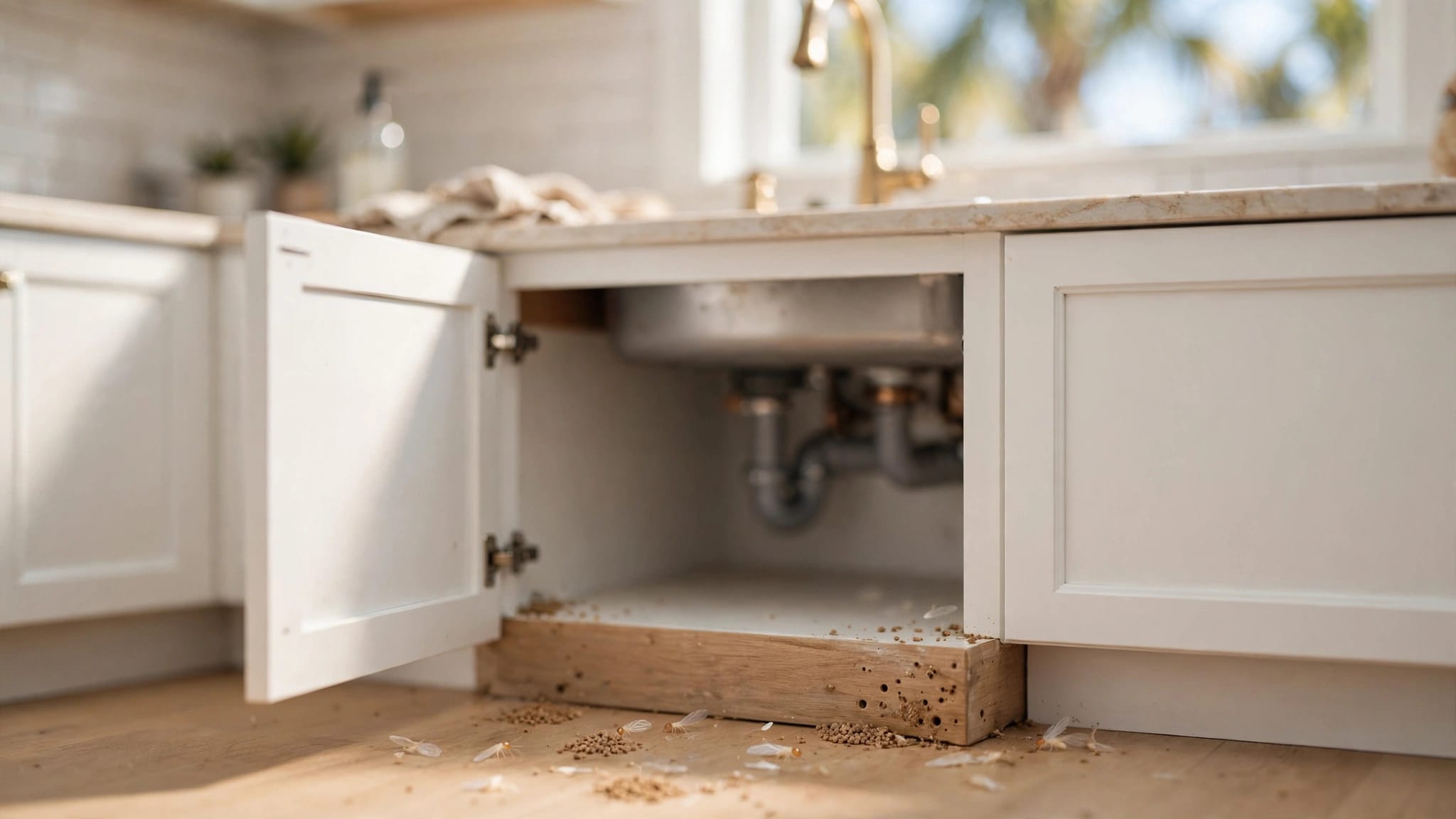
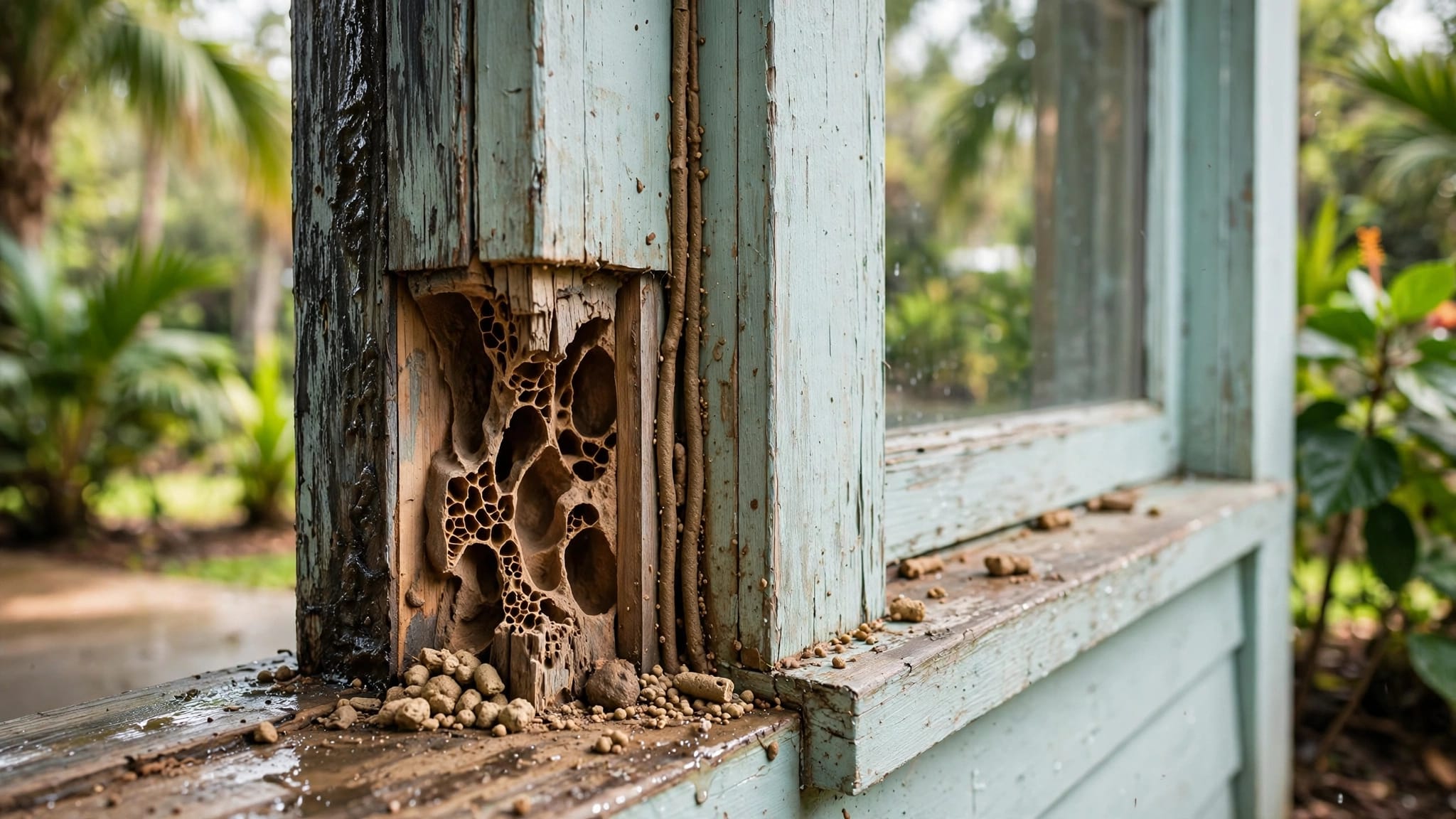
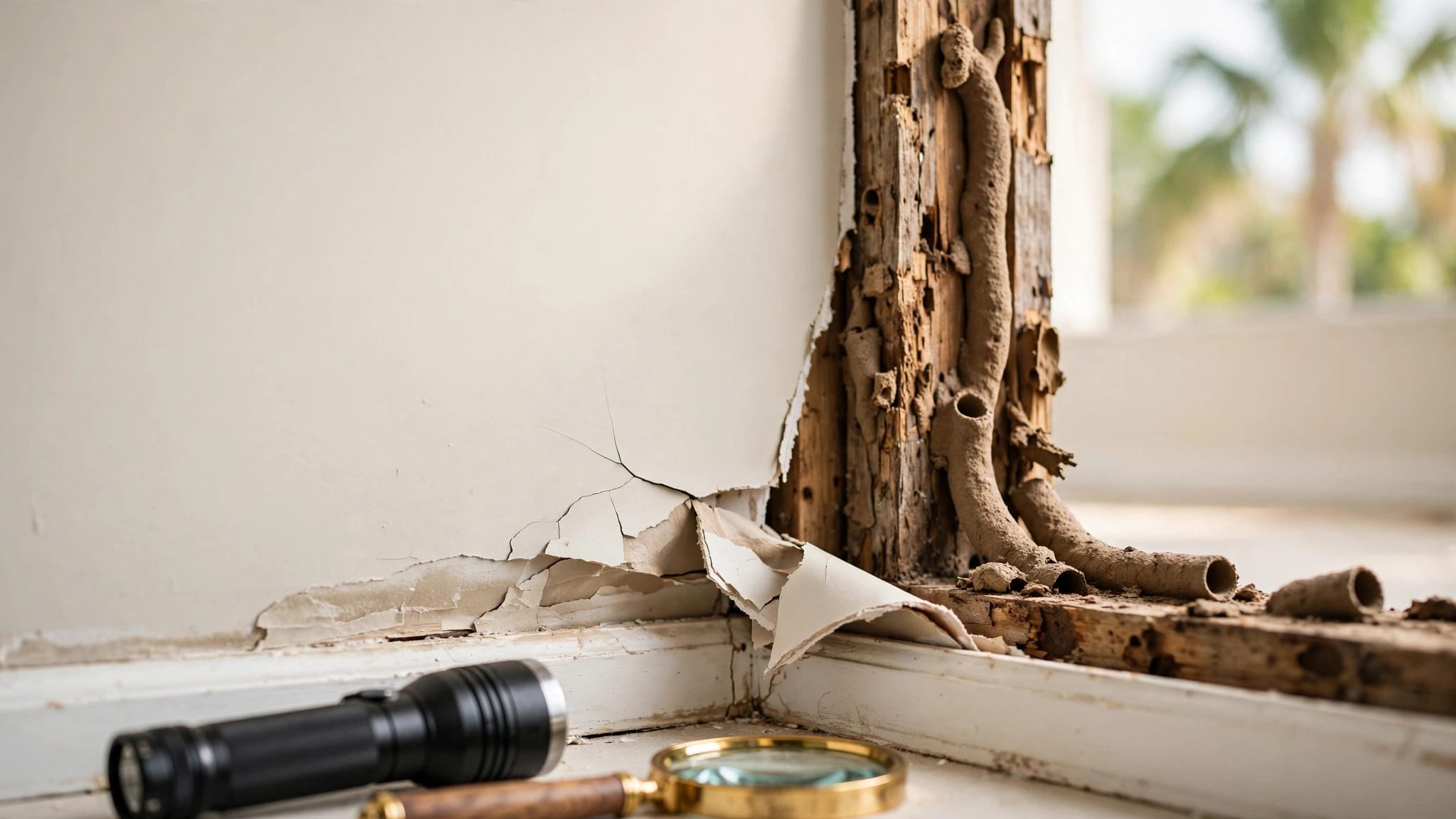
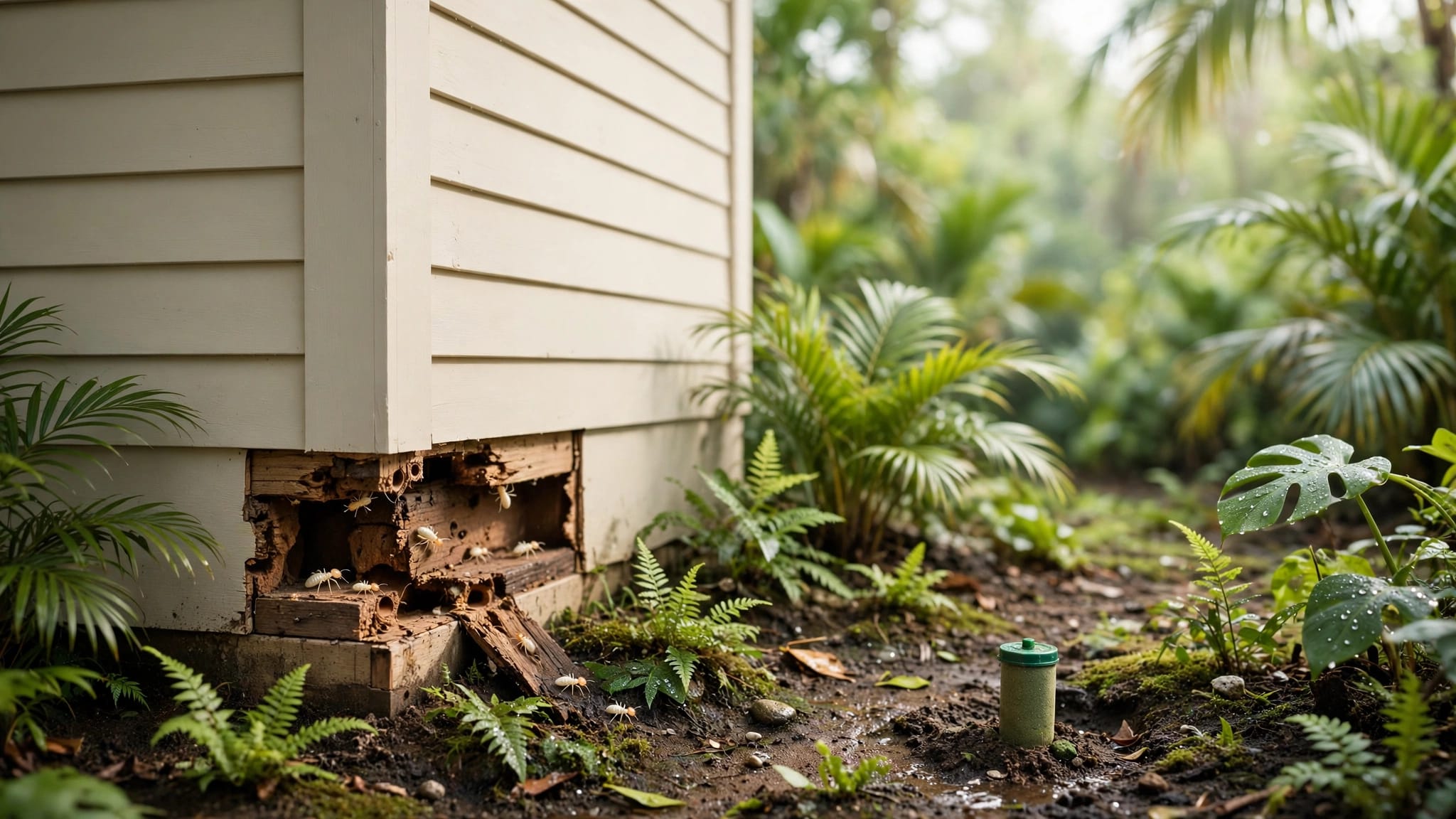
Gutters and downspouts matter, too. Keep gutters clear, direct water away from the home, and repair damaged roof materials promptly. Moisture control reduces conditions that support wood rot and can make termite inspections easier. See these signs that may help distinguish termite damage from water damage.
Why contaminated insulation needs separate attention
Rodents can leave urine, droppings, nesting material, and dust in insulation. A strong ammonia-like odor may indicate urine buildup, particularly during humid weather. The smell can remain after the animals are gone because porous insulation absorbs contamination.
Flattened, heavily soiled, or foul-smelling insulation may need replacement. Damaged material can lose insulating value and affect indoor air quality. For serious contamination, review the process for cleaning rodent-contaminated attic insulation before disturbing the area.
Prevent Moisture Before It Reaches the Insulation
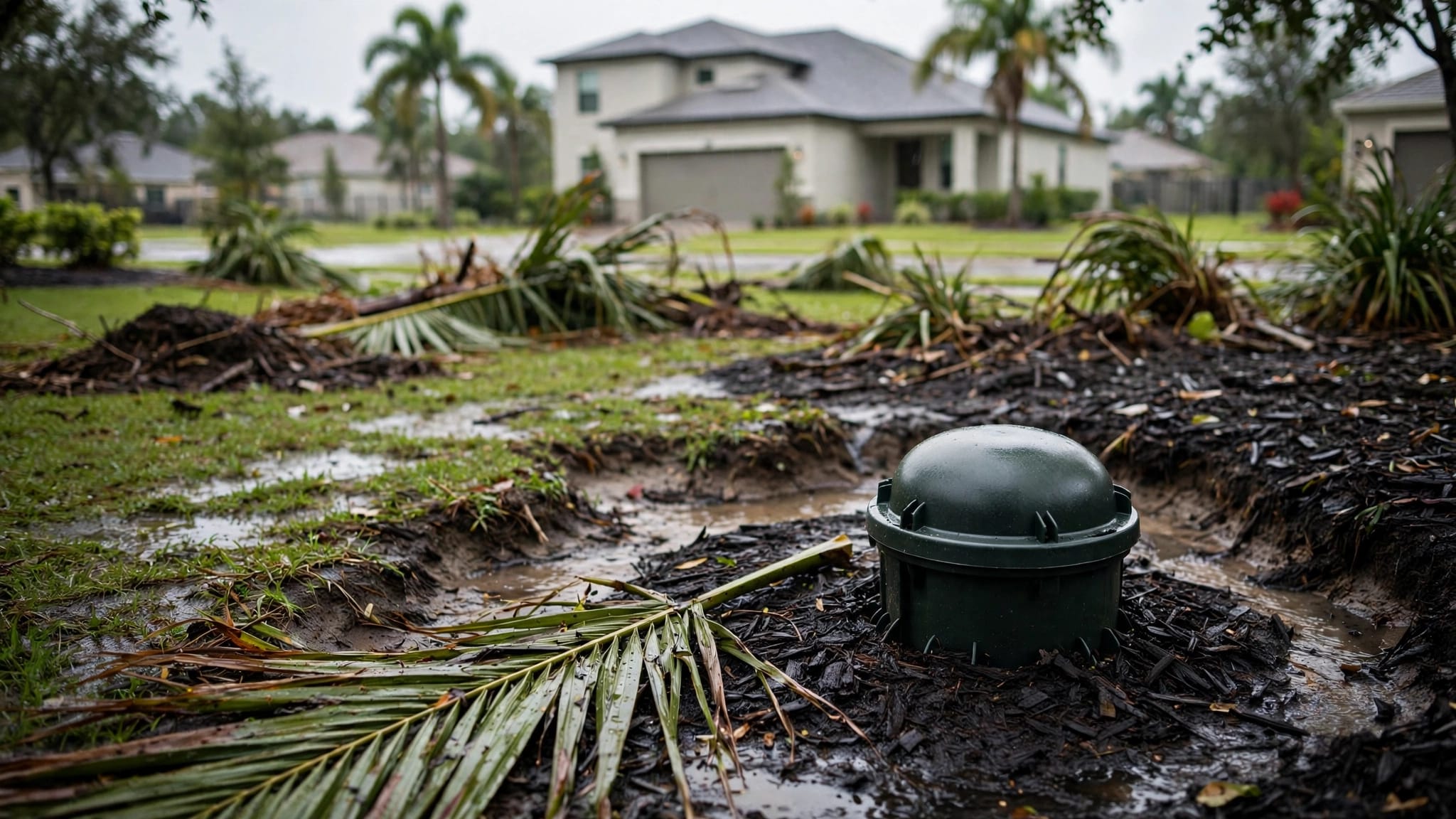
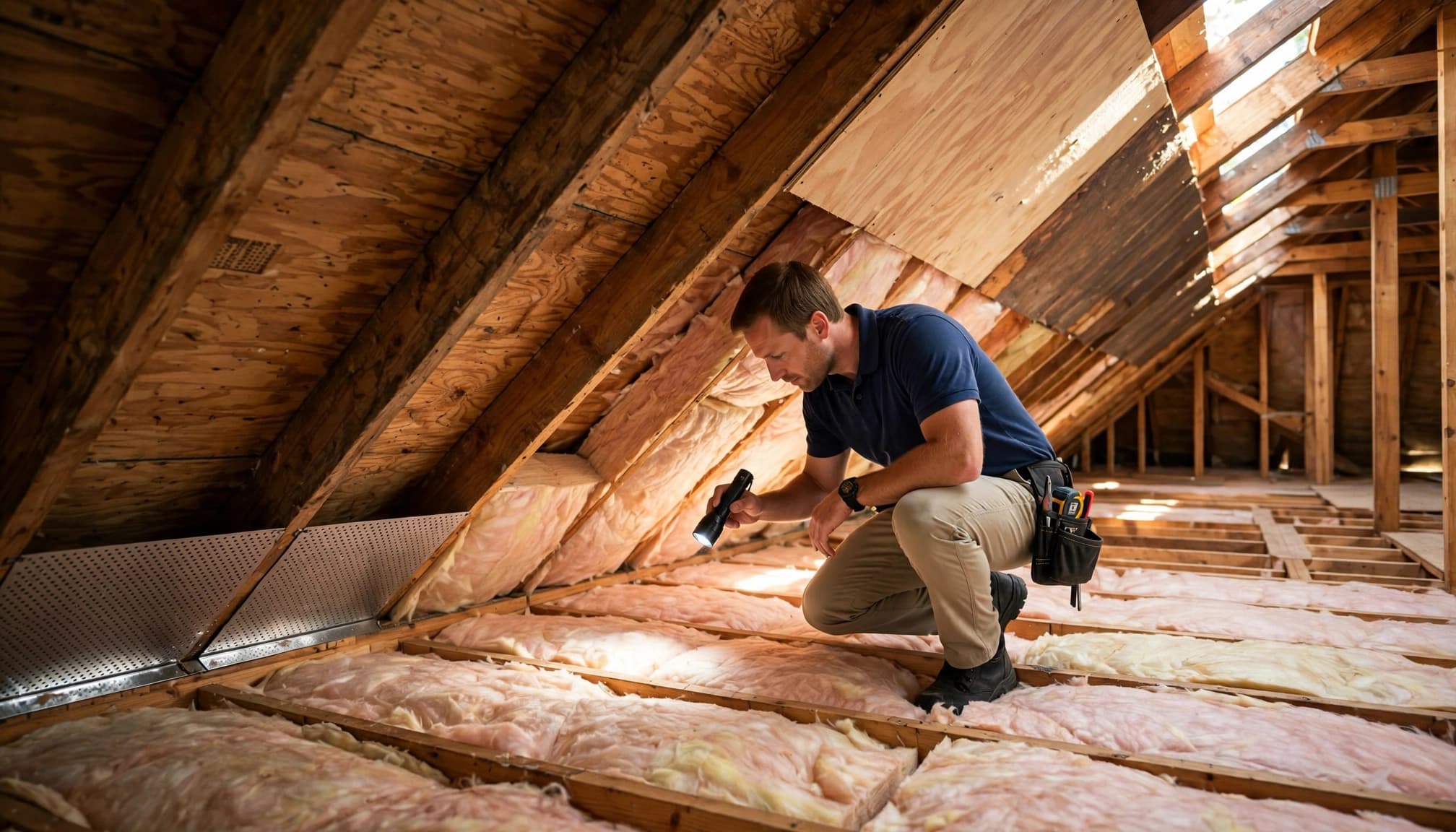
Dry insulation depends on a dry building envelope. Inspect the roof and attic after major storms, especially if you notice ceiling stains, musty odors, bubbling paint, or changes in indoor humidity.
Inspect roof leak areas carefully
Look around valleys, flashing, roof returns, skylights, plumbing penetrations, and damaged shingles or tiles. A small opening can send water along rafters before it appears on the ceiling below.
Do not assume a dry attic today proves the area is safe. Some leaks appear only during wind-driven rain. Mark suspicious stains and photograph them after storms. A roofer can trace exterior water entry, while a plumber or HVAC technician can assess leaks from pipes, drain pans, or condensate lines.
If the roof has steep pitches, fragile tiles, or limited access, avoid climbing onto it. Roof and ladder work can cause serious injury. Use a qualified professional when the inspection cannot be completed safely from the ground or attic access point.
Keep insulation away from ventilation paths
Insulation should not cover soffit vents or press against vent openings. Blocked airflow can raise attic temperatures and moisture levels. Check that baffles or other ventilation channels remain open from the soffits toward the roof vents.
Do not solve a pest problem by stuffing insulation into vents. The goal is protected airflow, not a sealed attic. If ventilation changes are needed, a roofing or insulation professional can recommend a layout that suits the home's construction.
Manage Humidity and Attic Airflow
Florida homes need consistent moisture control because air-conditioning, showers, laundry, cooking, and outdoor humidity all add water vapor. Attic ventilation helps release heat and moisture, but it cannot compensate for an active leak or an exhaust fan that vents indoors.
Use the air-conditioning system as part of moisture control
Replace HVAC filters on the schedule recommended for the system, and check the drain pan and condensate line for leaks or standing water. Keep supply and return ducts sealed where accessible, especially near the attic. Escaping cooled air can create condensation around ductwork and increase attic moisture.
A dehumidifier may help in a stubborn area, but it is not a substitute for roof repairs, working exhaust fans, or proper ventilation. If the home feels damp despite normal cooling, have the HVAC system and building envelope assessed rather than relying on a portable unit alone.
Reduce moisture from daily household activity
Run bathroom exhaust fans during showers and for a period afterward. Clean fan grilles so dust does not restrict airflow, and confirm that ducts discharge outside instead of into the attic.
Dry wet laundry areas promptly, repair slow leaks under sinks, and avoid storing damp items in the attic. Keep attic access covers fitted tightly. Air sealing around the hatch, recessed lights rated for the location, plumbing penetrations, and wiring openings can reduce warm indoor air entering the attic.
Block Pest Entry Without Trapping Moisture
Rodent control works best when exclusion and trapping address the same problem. Trapping may reduce current activity, but unsealed entry points allow new animals to return.
Inspect common entry points
Check attic vents, gable vents, soffit corners, roof returns, pipe penetrations, air-conditioning line openings, garage corners, and damaged screens. Look for droppings, rub marks, gnawed edges, compressed insulation, shredded nesting material, and greasy paths along rafters or perimeter lines.
Do not seal an opening immediately if an animal may still be inside. A professional can identify the species, confirm activity, and plan exclusion without trapping wildlife in the attic. Bats and other animals may require specialized handling.
For homes in Cape Coral and nearby communities, this guide to Cape Coral attic rodent control covers common signs, entry routes, and safe cleanup concerns.
Choose materials that protect airflow
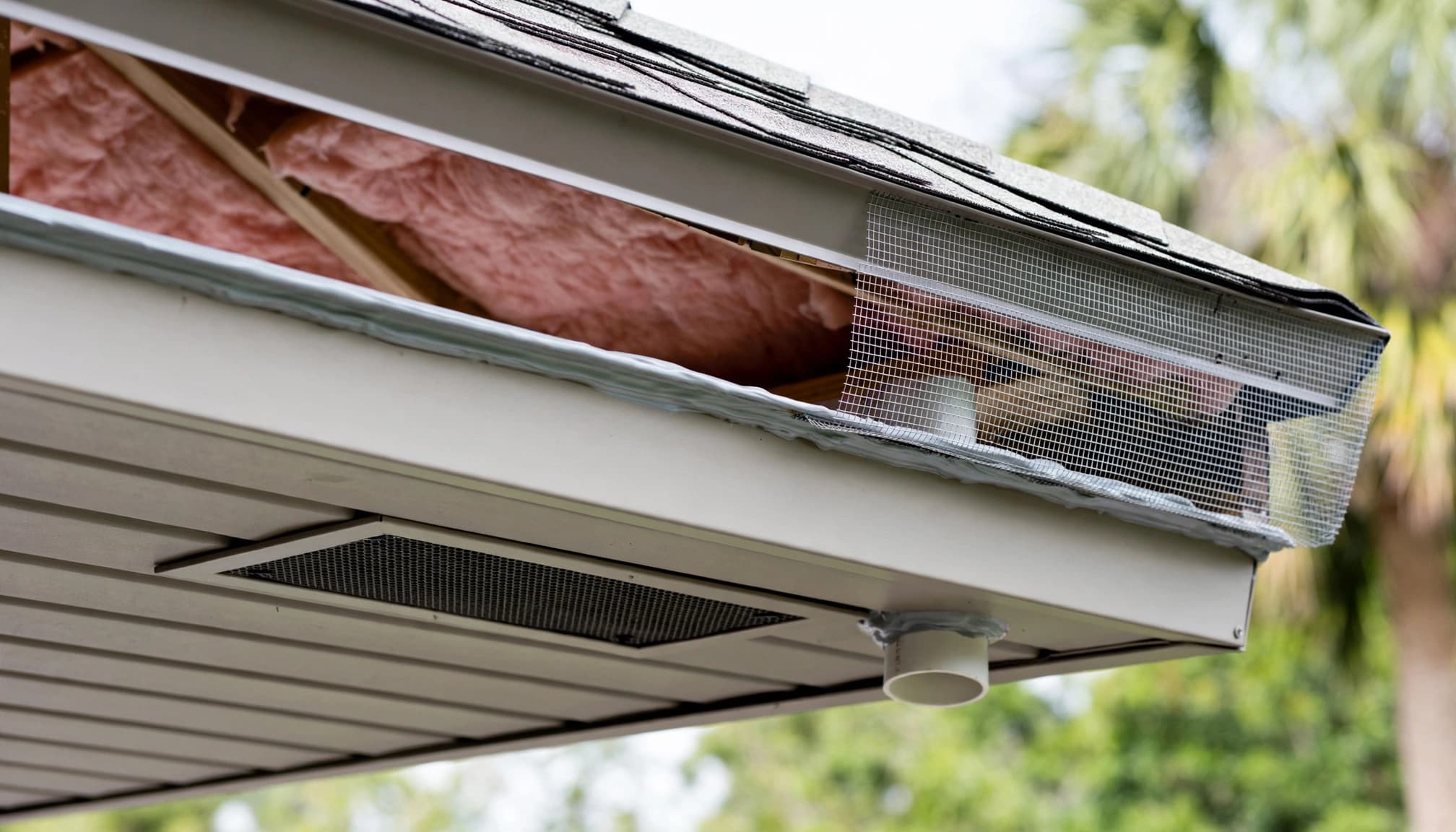
Small gaps may be sealed with an exterior-grade polyurethane or hybrid sealant. Larger chewed edges and corners may need metal flashing. Vent openings can be reinforced with galvanized or stainless screening, secured with screws and washers. One practical option for vent reinforcement is 1/4-inch hardware cloth.
Expanding foam can support a repair, but rodents can chew through it. It should not be the only barrier. Any screening or flashing must follow the original ventilation path and should not cover soffit or ridge vents.
Keep the Attic Clean, Dry, and Safe to Access
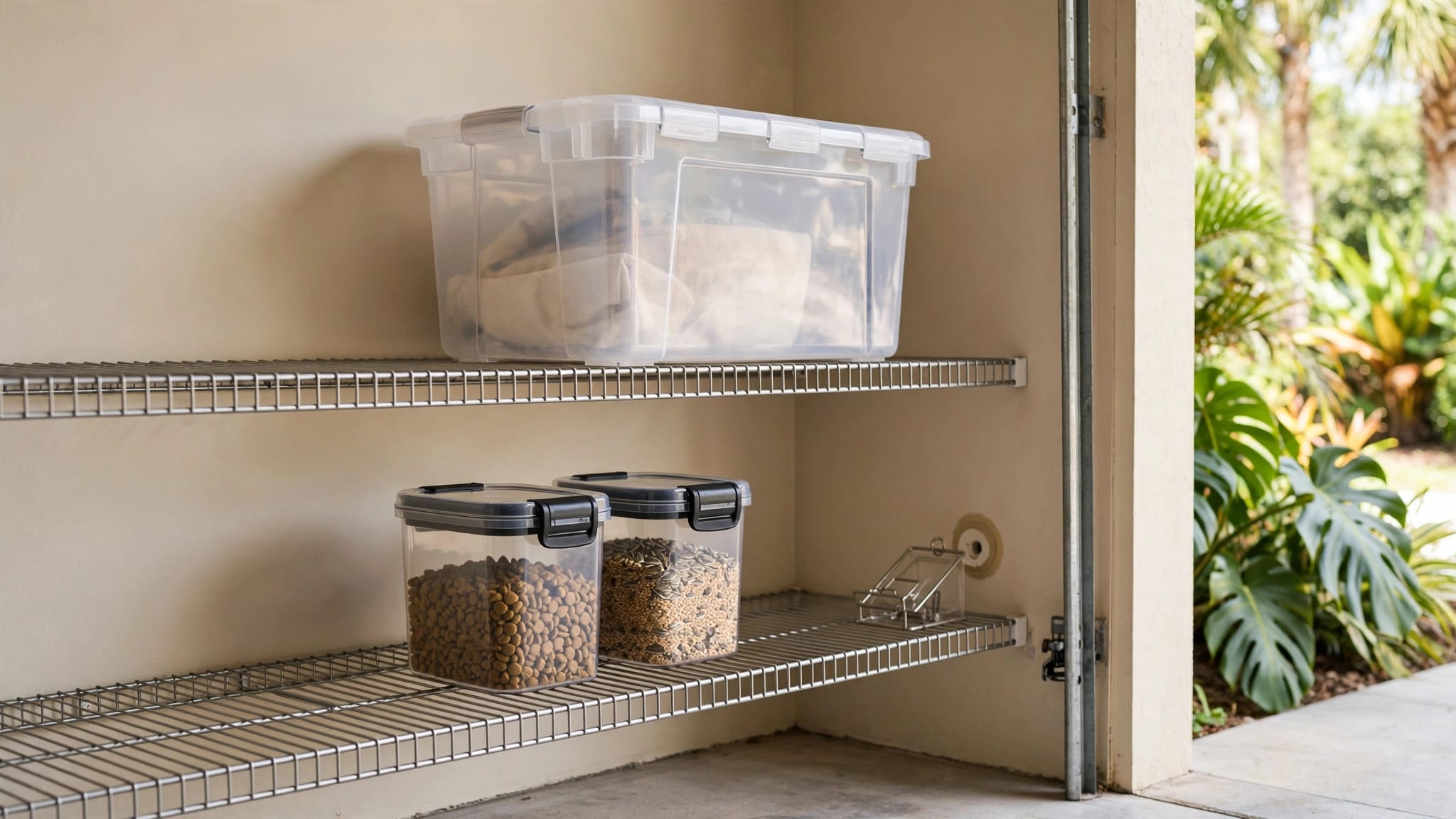
Attic storage habits affect both moisture and pest pressure. Cardboard absorbs humidity and provides nesting material. Store seasonal decorations, documents, and clothing in sealed plastic containers instead. Keep containers away from soffit vents and avoid compressing insulation under heavy items.
Clear leaves, construction scraps, and unused materials from the attic. Outdoor maintenance matters as well. Trim branches and vines away from the roofline, repair loose soffits, and remove debris that holds moisture near the exterior walls.
Never sweep or dry-vacuum rodent droppings. Disturbing waste can release contaminated dust. Do not open sealed panels, pull apart heavily soiled insulation, or work around damaged wiring without training and protective equipment.
Call a professional when you find mold, extensive droppings, strong odor, damaged electrical wiring, structural deterioration, or an animal that may still be present. A licensed pest-control company can address the infestation, while an insulation or remediation professional can manage contaminated materials safely.
Know When to Clean, Replace, or Inspect
Regular checks help you find small problems before they spread through the attic. A quick visual inspection from a safe access point can reveal staining, displaced insulation, pest droppings, or damaged screens.
Watch for signs that need prompt attention
Schedule an assessment if you notice:
- Fresh droppings or shredded nesting material.
- Scratching sounds, especially at night.
- A persistent ammonia-like or musty odor.
- Gnaw marks near wiring, vents, or wood framing.
- Wet, flattened, discolored, or clumped insulation.
- Soft wood, water stains, or recurring piles of insect debris.
- Mold growth or repeated condensation around ducts and roof sheathing.
Moisture and pests often appear together. Hidden water can attract insects, weaken wood, and create easier routes into the structure. Learn more about how moisture attracts pests in Florida homes.
Choose the right inspection
A Florida WDO inspection focuses on termites, wood-destroying insects, and wood-decay fungi. It can document visible evidence, previous damage, treatment history, and areas the inspector could not access. However, a WDO report does not confirm or rule out rats, mice, raccoons, or other wildlife.
Rodent concerns require a separate attic inspection and exclusion plan. A pest technician may examine the roofline, soffits, vents, garage, utility penetrations, and connected areas. An accessible, average-sized termite inspection can take one to two hours, but the scope depends on the home's design and access.
Review Florida WDO inspection versus home inspection before relying on the wrong report for an attic pest or moisture concern.
FAQ: Florida Attic Insulation and Pest Prevention
Can insulation alone stop attic pests?
No. Insulation does not seal roof vents, soffits, utility openings, or damaged screens. Pest protection requires inspection, exclusion, and attention to food, water, and nesting conditions. Ventilation must remain open where the attic design requires it.
Should I seal every attic opening immediately?
Not if an animal may still be inside. Sealing an active entry point can trap wildlife, force animals into wall cavities, or leave young behind. Have the activity assessed first, then complete exclusion after the animals are removed or have safely exited.
Can moldy attic insulation be cleaned?
Sometimes, but heavily contaminated or moldy insulation may need professional removal and replacement. The correct response depends on the extent of contamination, the moisture source, the insulation type, and the risk of spreading particles through the home.
Is a WDO inspection enough for rats or mice?
No. A WDO inspection addresses wood-destroying organisms and visible accessible conditions. Rats and mice require a rodent-focused inspection that looks for droppings, runways, gnaw marks, nesting, entry gaps, and contamination.
Keep Florida Attic Insulation Dry for the Long Term
Dry, pest-resistant insulation starts with the building conditions around it. Repair leaks, control household moisture, preserve attic airflow, seal entry points with durable materials, and keep storage clean and elevated.
If you find active rodents, mold, structural damage, contaminated insulation, or electrical hazards, bring in licensed professionals rather than relying on unsafe DIY pesticide use or aggressive cleanup. A protected attic is built through steady maintenance, not insulation alone.
Schedule a Free Inspection: