How to Maintain Termite Bait Stations After Florida Storms
Florida storms can change the conditions around your home in a few hours. Flooding, erosion, fallen branches, displaced mulch, and damaged irrigation may affect access to termite bait stations or create new moisture conditions near the structure.
Homeowners should inspect the surrounding yard safely after significant weather, but station maintenance belongs to the treatment provider. Don't open, move, refill, repair, or replace a station unless the company managing your termite program tells you to do so. Use a visual check to identify changes, then report concerns promptly.
Key Takeaways
- Follow the inspection schedule in your termite service agreement, and contact the provider after a major storm.
- Check for flooding, erosion, displaced soil, damaged covers, landscaping changes, and blocked access.
- Keep children and pets away from stations, standing water, storm debris, and damaged areas.
- Don't apply insecticide or other products around a bait station without professional instructions.
- Report mud tubes, discarded wings, soft wood, swarmers, or new moisture problems.
- Never enter a flooded area or enclosed space with possible electrical damage.
- Ask the provider what areas were inspected, what was inaccessible, and whether repairs are needed before the next visit.
How to Check Termite Bait Stations After a Florida Storm
A storm inspection starts with the property, not the station interior. Walk only through areas that are dry, stable, and free of electrical hazards. Look for changes that could affect the station or the termite program.
Start with safety around water and debris
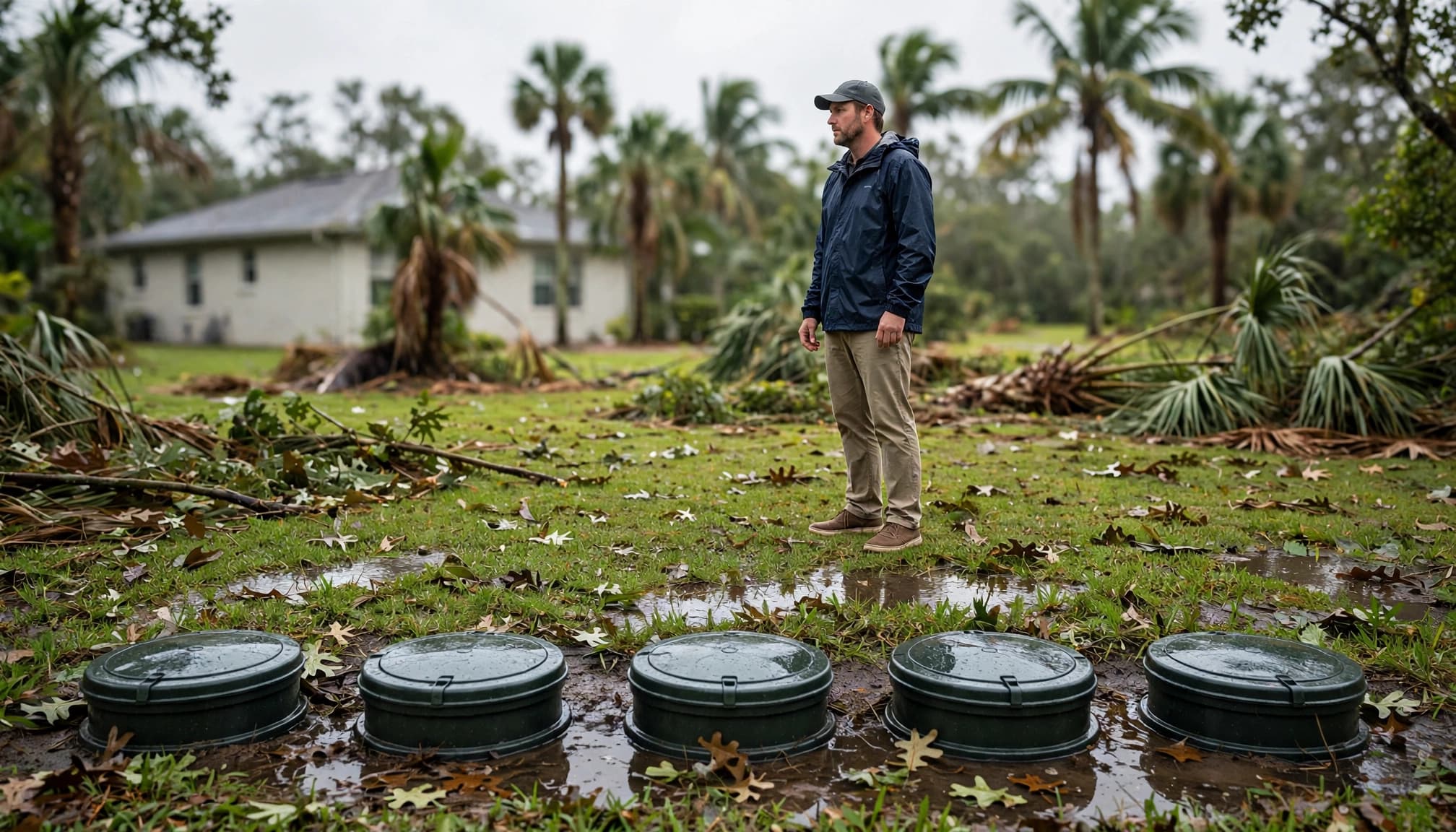
Standing water, loose branches, damaged fences, and unstable soil can make a yard unsafe. Keep children and pets away from bait stations, debris piles, floodwater, and any exposed wiring.
Do not enter a flooded garage, crawl space, under-deck area, or utility zone if electrical equipment or damaged wiring may be present. Water and electricity can create a serious shock hazard, even when the power appears to be off. Wait for qualified personnel to confirm the area is safe.
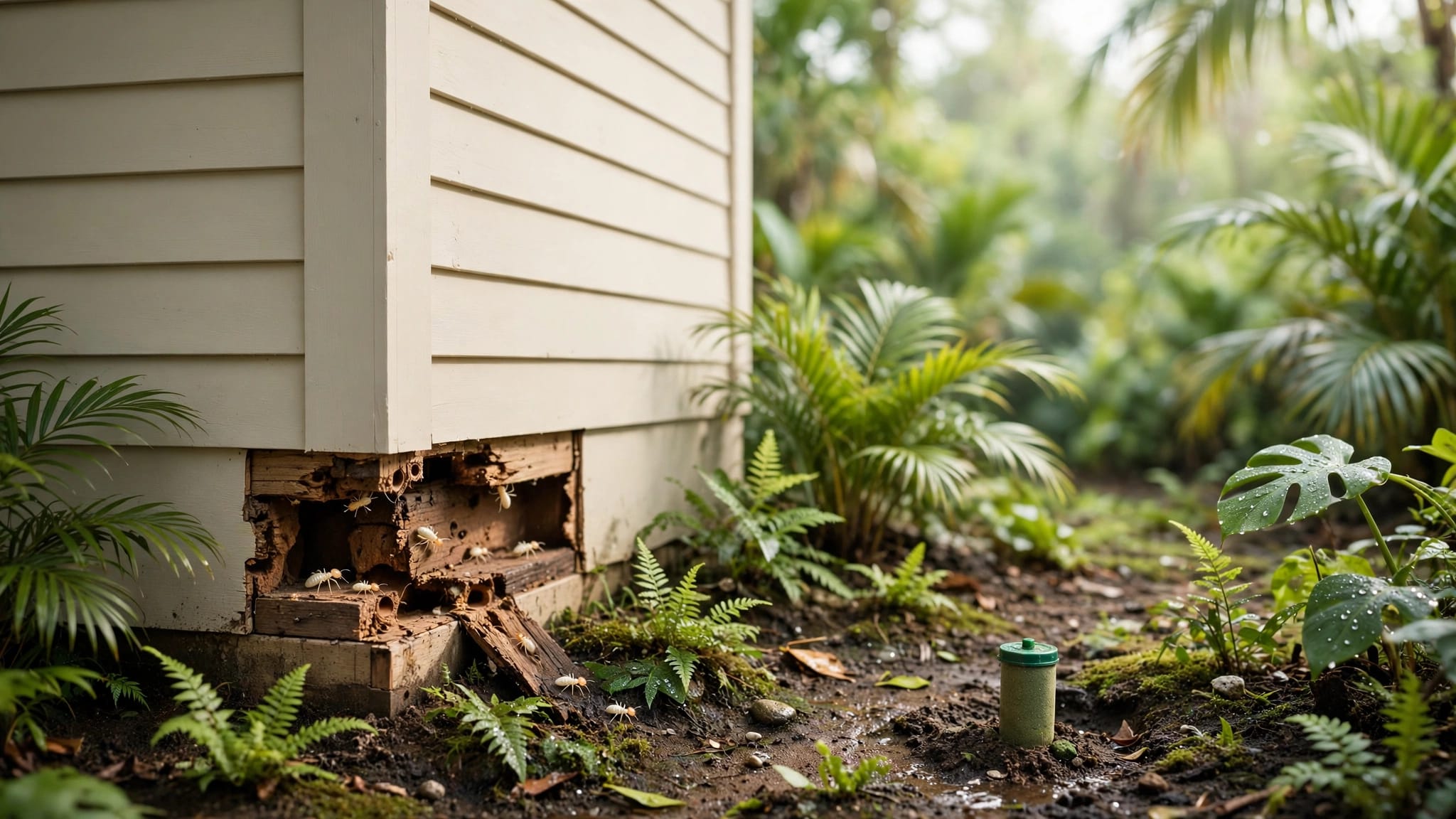
From a safe location, look for station covers that appear tilted, buried, exposed, cracked, or surrounded by washed-out soil. Avoid touching the cover or trying to clear it yourself. Take a photo from a safe distance and send it to the provider.
Look for new moisture and termite evidence
Florida's warm, humid conditions support termite activity during much of the year. Heavy rain can also leave wet wood, clogged drainage areas, and moisture near slabs or foundation walls. These conditions don't create termites by themselves, but they can make access and survival easier.
Watch for:
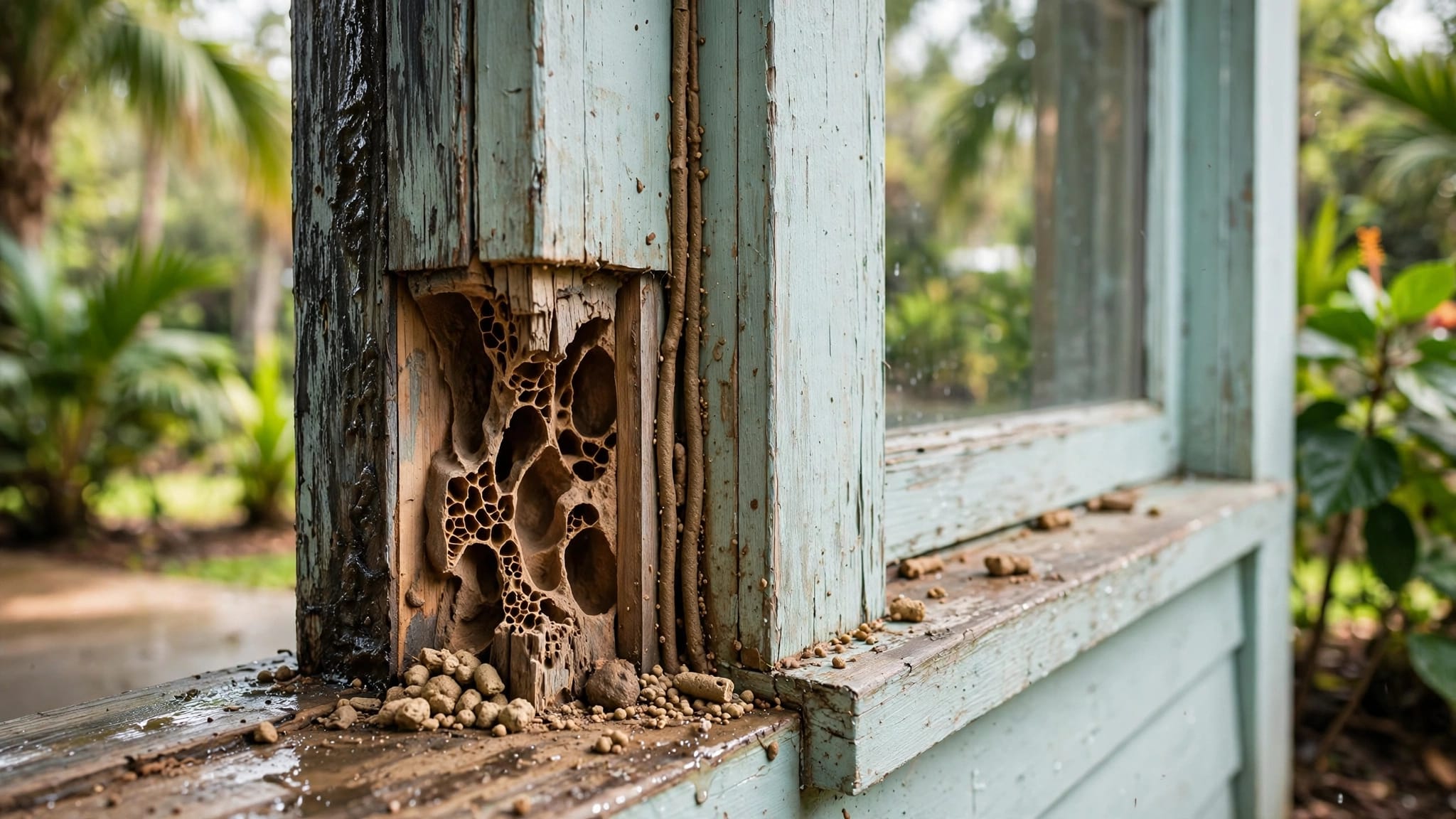
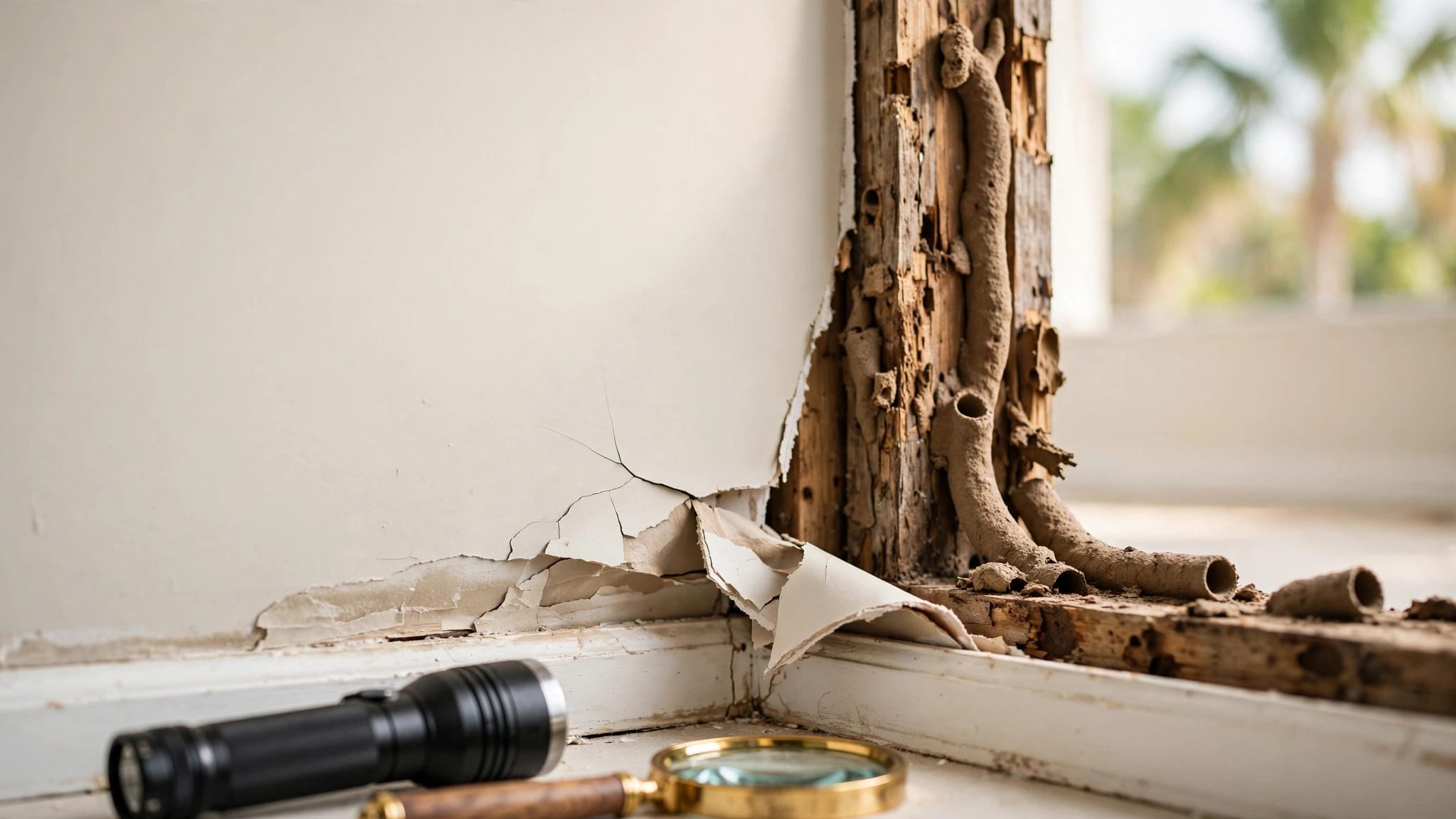
- Mud tubes on exterior walls, foundations, or nearby structures
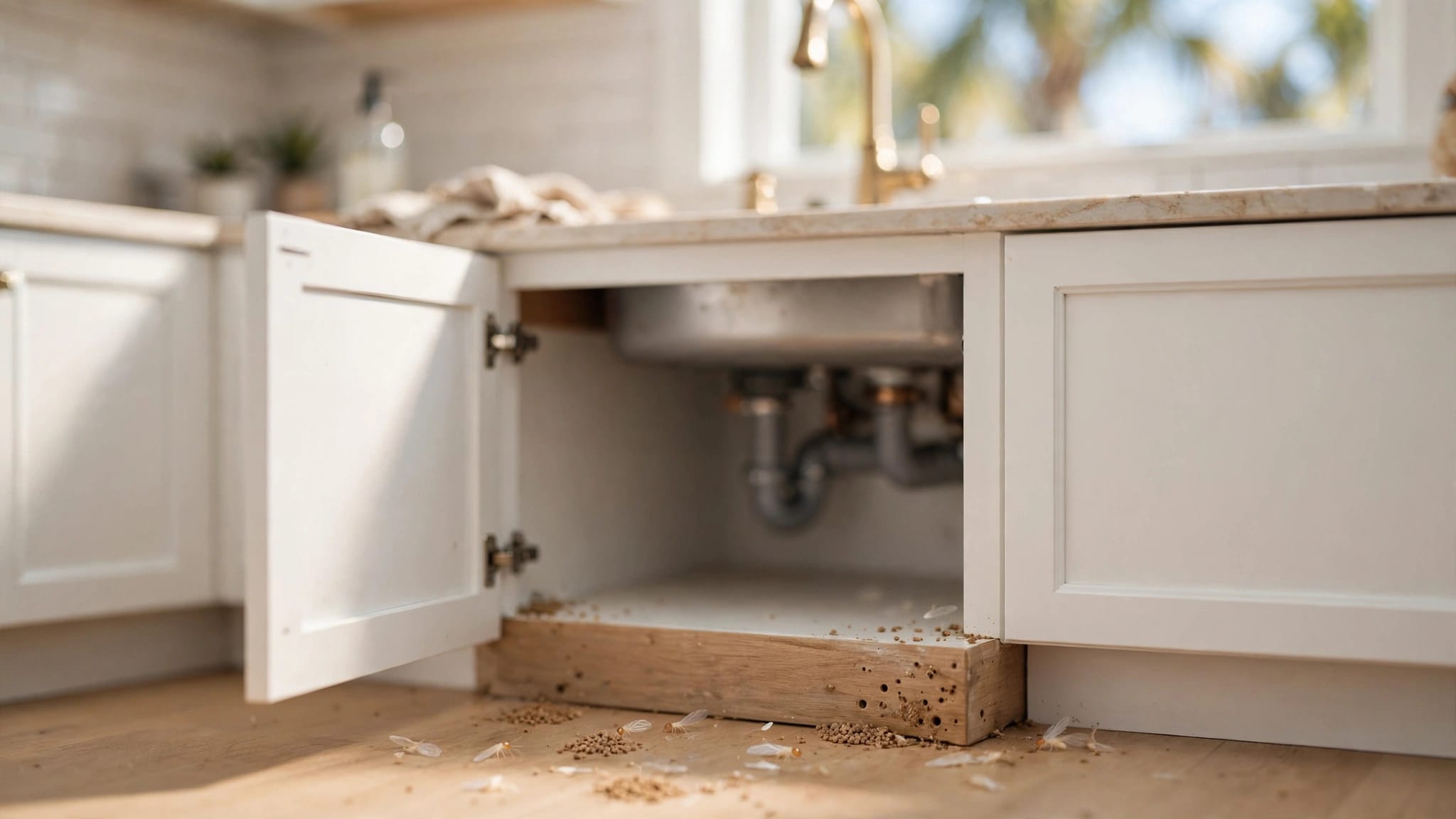
- Discarded wings near windows, doors, lights, or plumbing openings
- Soft, hollow, or stained wood
- Bubbling paint or damaged trim
- New cracks, exposed soil, or erosion near the foundation
- Mulch, lumber, cardboard, or palm debris pushed against the home
A visual clue cannot confirm whether damage came from termites, water, or both. Record what you see and arrange the appropriate inspection.
When a Termite Bait Station Needs Professional Attention
Contact the treatment provider when a storm changes the station area or the structure. The provider can determine whether a station remains accessible, whether bait needs service, and whether the treatment plan still fits the property.
Report physical damage and landscaping changes
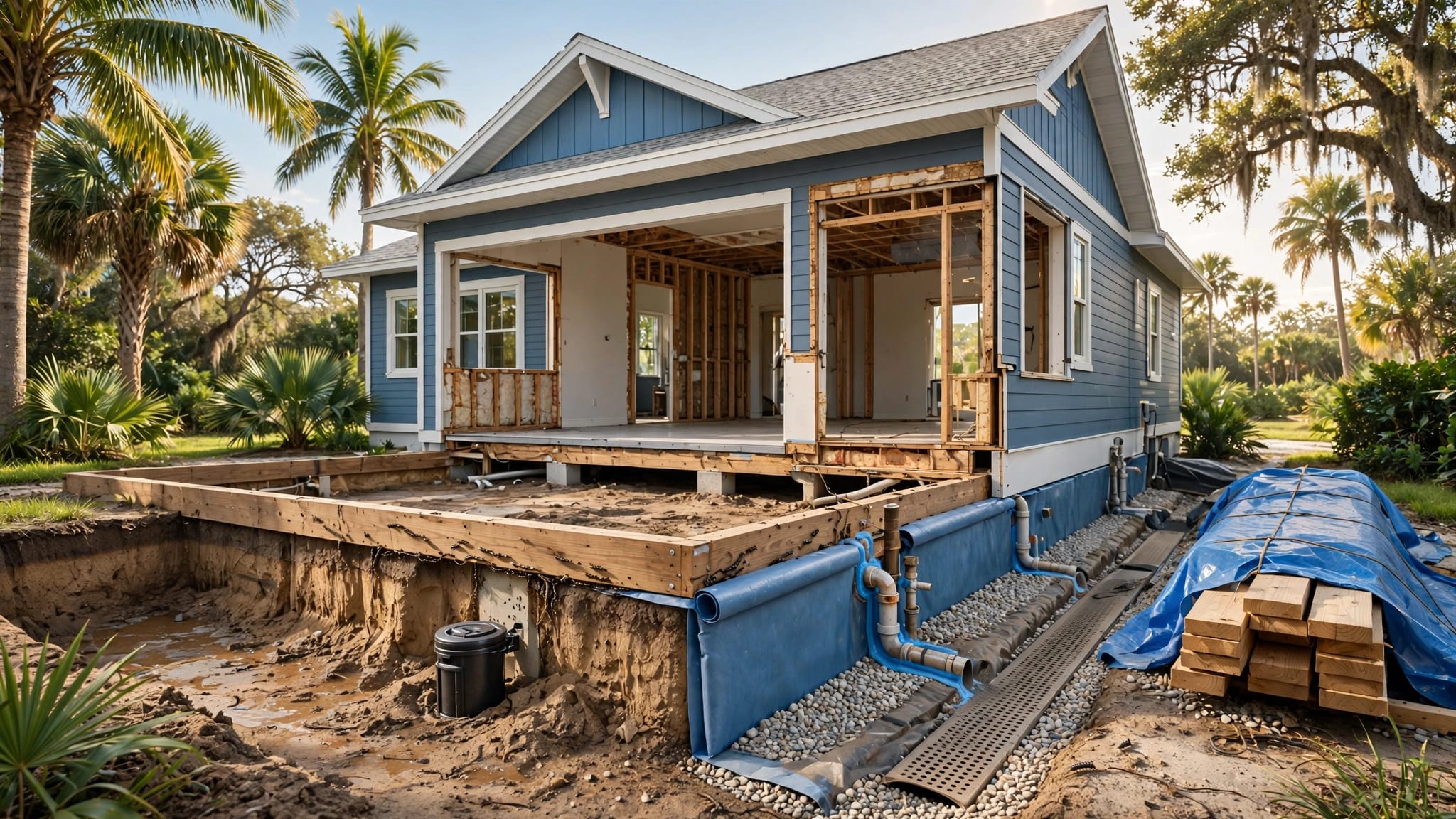
Storm cleanup can unintentionally disturb a bait system. Tree removal, grading, new mulch, fence repairs, irrigation work, and landscaping changes may cover stations or restrict the technician's access.
Tell the provider if contractors have:
- Removed soil or mulch near a station
- Added fill, pavers, concrete, or landscape fabric
- Installed or repaired irrigation lines
- Cut roots or removed shrubs near the foundation
- Repaired the roof, soffits, gutters, windows, or siding
- Left wood scraps, cardboard, or damaged lumber near the house
Roof and soffit repairs deserve extra attention because crews may expose wall openings, leave damaged wood, or change drainage. Read more about checking for termites after storm damage when exterior repairs follow a hurricane or severe storm.
Separate termite evidence from water damage
Water damage can soften wood, stain drywall, loosen paint, and create odors. Termites may leave shelter tubes, galleries, discarded wings, frass, or hollow-sounding wood. Yet the same area can have both problems.
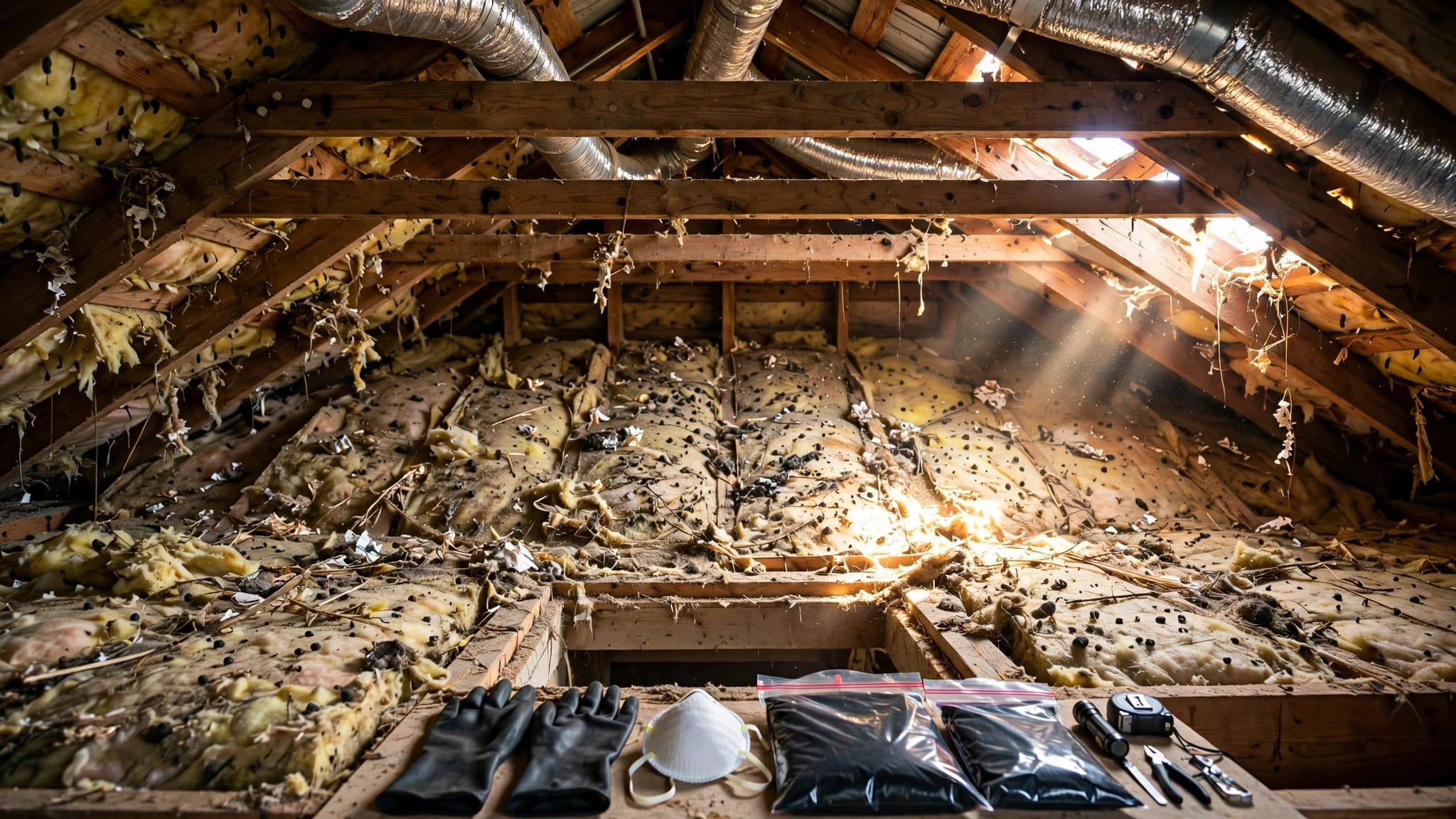
A pest professional can inspect accessible foundation walls, entry points, porches, garages, attic areas, detached structures, and suspicious wood. A roofer, plumber, or water-damage specialist may also be needed to identify the source of moisture.
Use termite damage versus water damage as a starting point, but don't rely on photographs or surface appearance to make the diagnosis.
A clean-looking station does not prove that the surrounding treatment area is unchanged after flooding, erosion, or construction work.
How Follow-Up Monitoring Should Be Handled
Bait programs work through scheduled monitoring rather than a single visit. Stations are placed around the property, and the provider checks activity, bait condition, access, and changes around the home.
Follow the provider's schedule
Your written service plan should state how often the company inspects the stations and what the service includes. Follow that schedule even when the property appears normal. Also contact the provider after significant storms, flooding, plumbing leaks, major landscaping, or exterior construction.
During a professional visit, the technician may check for termite activity, replace consumed bait, assess station condition, and review new moisture sources. Programs such as Sentricon and Trelona are examples of professional baiting systems, but product labels, placement, inspection timing, and service terms vary.
A station may show termite activity without indicating that the program failed. Termites finding and feeding at a station can be part of how a baiting system works. Leave the system undisturbed and let the provider interpret the findings.
Ask about treatment scope and access
Bait stations target colonies gradually. Termites must find the station, feed, and distribute the bait through the colony. As a result, a home with active interior damage may need additional measures while the bait program takes effect.
Ask the provider:
- Which stations were inspected after the storm?
- Were any stations buried, displaced, damaged, or inaccessible?
- Did flooding or erosion change the soil around the system?
- Were new moisture sources found near the structure?
- Does interior evidence require another treatment method?
- What repairs must be completed before the next inspection?
You can also compare Florida termite treatment options if the property's condition has changed. Bait systems and liquid treatments work differently, and the right choice depends on termite species, construction, access, soil conditions, active evidence, and follow-up needs.
Protect the Station Area Between Visits
Homeowners can reduce conditions that interfere with inspection and increase moisture around the structure. These steps support the treatment plan without altering the stations.
Keep access and drainage clear
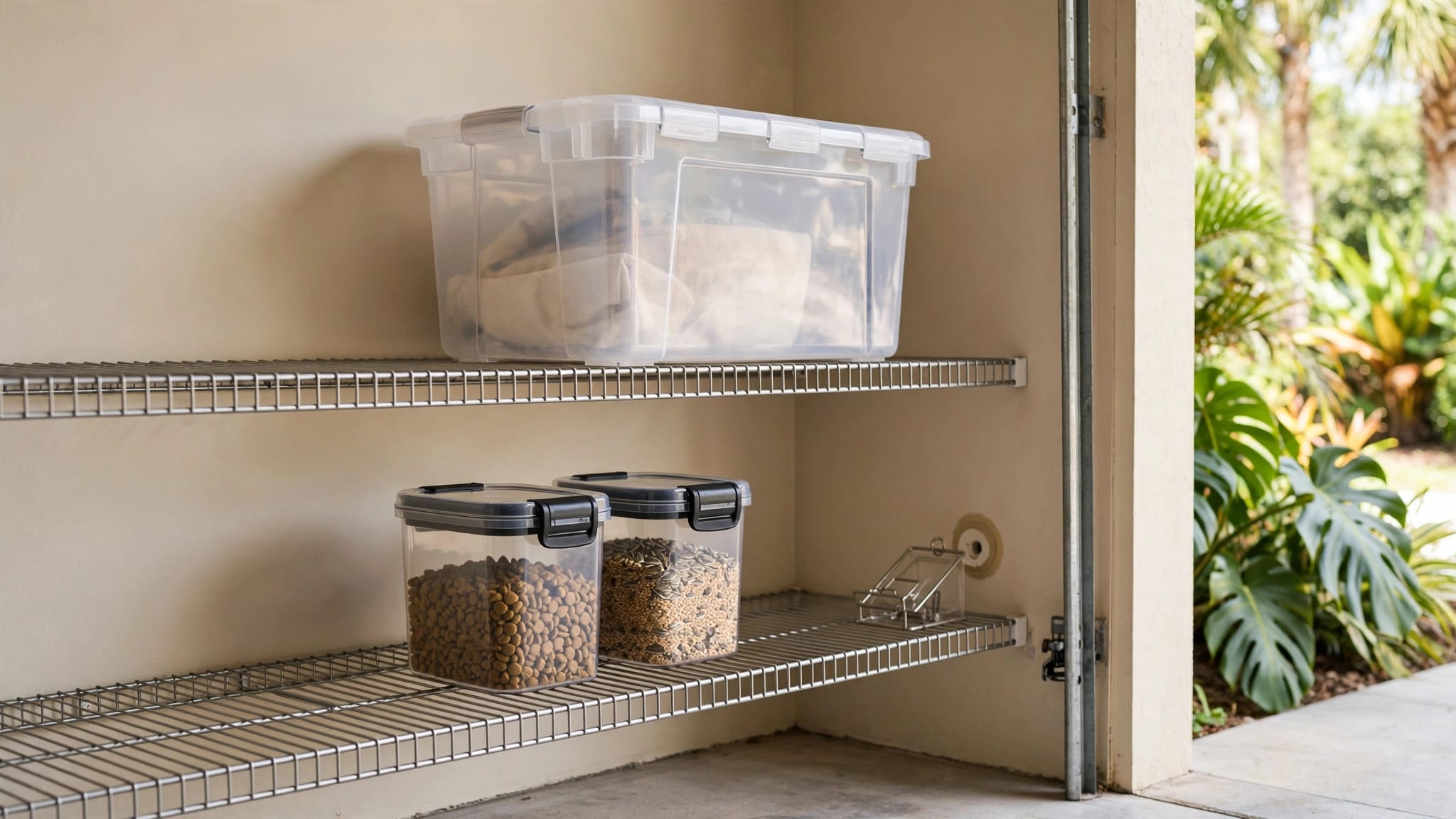
Clear gutters, downspouts, drains, and scuppers so water moves away from the home. Repair leaking hose bibs, plumbing lines, irrigation components, and roof drainage. Keep mulch, soil, firewood, cardboard, and storm debris away from exterior wood and foundation inspection areas.
Trim plants that cover siding, vents, station covers, or lower walls. Don't bury a station under fresh mulch or decorative stone. If a contractor needs to work near a station, tell the contractor where the system is located and notify the pest provider before work begins.
Persistent irrigation moisture deserves attention. Learn more about irrigation leaks and termite risk when wet soil remains near a slab or foundation.
Avoid do-it-yourself termite products
Do not spray insecticide around a station, pour pesticide into soil, or install another bait product nearby without instructions from the treatment provider. Extra products can change termite behavior and make monitoring less useful. Leftover pesticide should never be applied near a canal, seawall, dock, storm drain, or flood-prone area.
Keep children and pets away from treatment equipment and stored pesticides. Follow product labels, service instructions, and any required precautions during professional work.
Post-Storm Checklist for Florida Homeowners
Use this short checklist after a major storm:
- Wait until paths, yards, garages, and under-home areas are safe to enter.
- Stay away from floodwater, exposed wiring, unstable structures, and damaged electrical equipment.
- Photograph visible station disturbance, erosion, flooding, or blocked access from a safe distance.
- Look for mud tubes, discarded wings, soft wood, bubbling paint, and new moisture.
- Note changes involving mulch, irrigation, gutters, roof repairs, landscaping, or construction.
- Keep children, pets, and cleanup crews away from stations until the provider confirms access.
- Contact the termite company and request guidance before touching the system.
- Keep the provider's inspection report, photos, repair records, and service agreement together.
Frequently Asked Questions
Should I open a termite bait station after flooding?
No. Don't open, clean, move, or repair it unless the treatment provider gives you specific instructions. Floodwater, sediment, erosion, and physical damage can affect the station or the surrounding soil in ways that aren't obvious from the surface. Report the condition and let a trained technician inspect it.
How soon should stations be checked after a hurricane?
Follow the provider's normal inspection schedule, then request an additional check after significant storm impacts. Flooding, erosion, landscaping changes, blocked access, roof work, and damaged irrigation justify contacting the company sooner. The right timing depends on site conditions and the terms of your service agreement.
Can I spray around the stations for extra protection?
Avoid applying other pest products near the stations unless your provider directs you to do so. Unplanned applications can interfere with termite behavior and make the bait system harder to monitor. A licensed professional can explain whether the existing program remains suitable or whether a different treatment is needed.
What signs require a termite inspection?
Arrange professional attention for mud tubes, discarded wings, indoor swarmers, hollow or soft wood, blistered paint, repeated moisture near the foundation, or new damage after repairs. These signs can have more than one cause, so a technician should identify the evidence before treatment decisions are made.
Conclusion
Storm maintenance for termite bait stations is mainly a matter of safe observation, clear access, and timely communication. Check the yard after significant weather, report flooding or physical changes, and follow the inspection plan set by your provider.
Don't disturb the system or apply extra products on your own. A licensed technician can assess the stations, surrounding moisture, treatment scope, and any new evidence so your termite protection remains based on current conditions.
Schedule a Free Inspection: