Termites in Kitchen Cabinets: Florida Signs and Repairs
A few pellets beneath a cabinet, a hollow-sounding panel, or discarded wings near a window can make any Florida homeowner worry. Termites in kitchen cabinets may stay hidden behind veneer, inside drawer cavities, or under the sink for a long time.
The same clues can also come from water damage, carpenter ants, wood rot, or dampwood termites. A professional inspection is the safest way to identify the cause before you remove wood, apply chemicals, or order cabinet replacements.
Signs of Termites in Kitchen Cabinets
Cabinet damage often begins in places you rarely see. Inspect the lower edges, corners, hinges, drawer openings, and areas around plumbing. Focus on patterns rather than one isolated mark.
Pellet piles, wings, and small openings
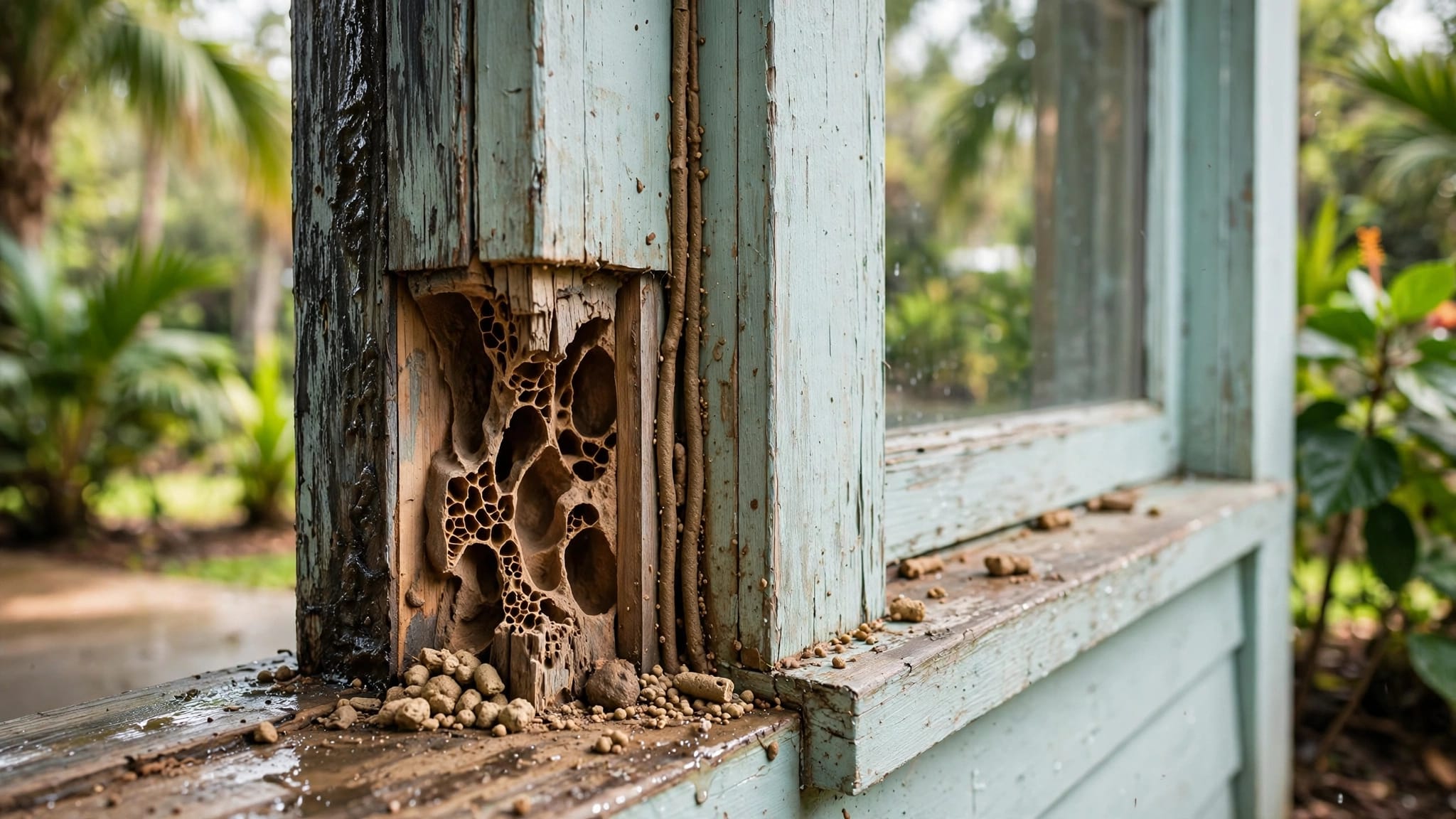
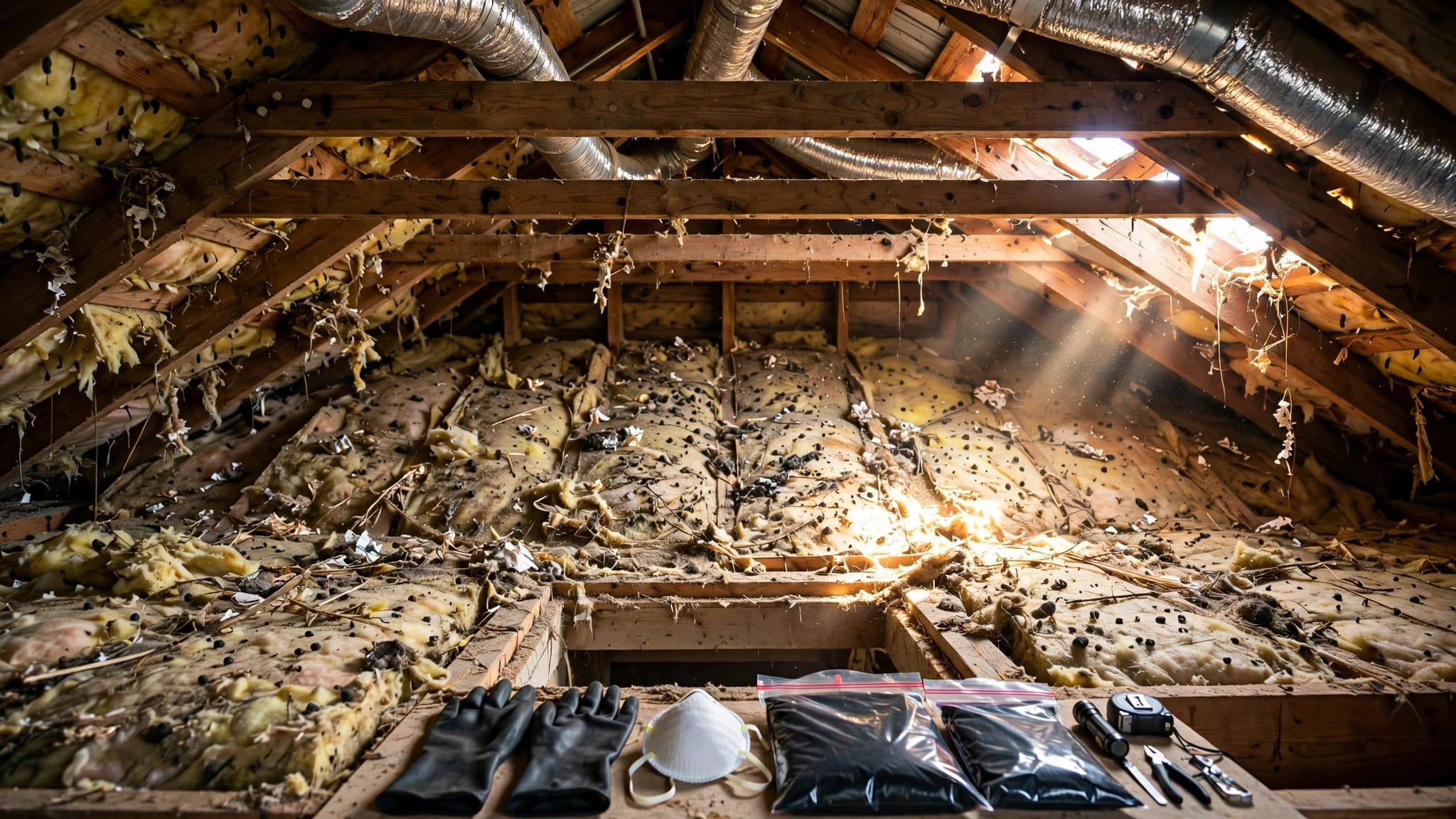
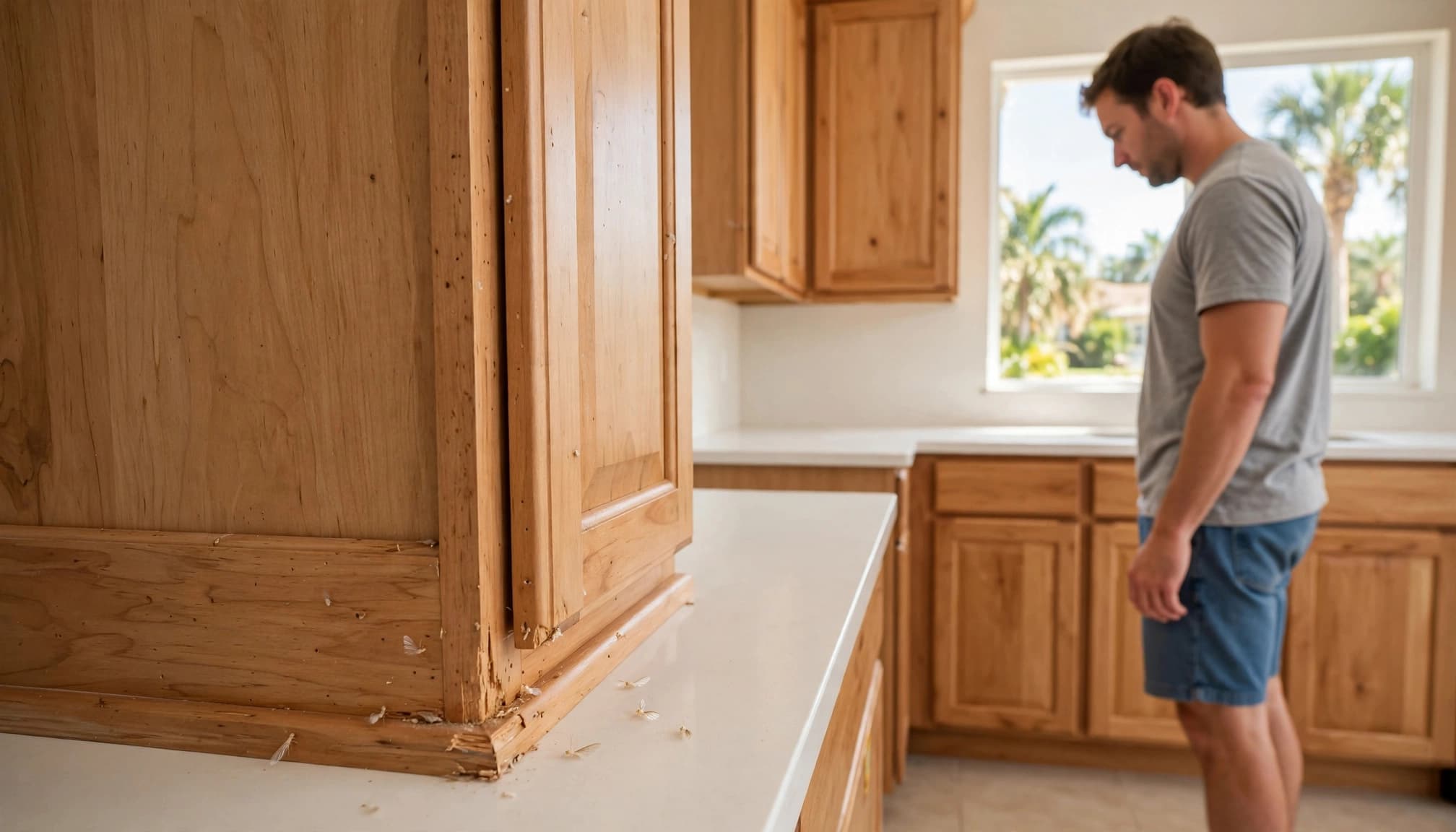
Drywood termites push waste through small openings in the wood. Their pellets, called frass, may look like tiny grains of sand or coarse coffee grounds. They often collect beneath a cabinet, along a toe-kick, or on the floor below a damaged joint.
You may also find small kick-out holes, thin blistered veneer, or a surface that sounds hollow when tapped lightly. These clues deserve attention, but none proves an active termite colony by itself. A pellet pile could come from a nearby wooden item, wall, or trim rather than the cabinet.
Discarded wings near windows, doors, light fixtures, or cabinet openings can indicate a swarm. Flying carpenter ants can leave wings too, so wing evidence requires identification by a technician.
For a closer look at this clue, see what termite pellet piles mean.
Hidden cabinet areas may show damage first
Termites can remain out of sight inside:
- Cabinet seams and joints
- Drawer bottoms and cavities
- The backs and undersides of cabinets
- Veneer layers and decorative trim
- Wood beside plumbing penetrations
- Built-in shelving connected to walls
A panel may look normal from the front while the material behind it has weakened. Loose hardware, sagging shelves, swollen edges, and doors that suddenly stick can point to several problems, including termites and moisture.
Avoid pulling off large sections of cabinetry before an inspection. Photos of the damage, wide shots showing its location, and a small protected sample of debris can help the technician trace the source.
Drywood vs. Subterranean Termites in Florida Cabinets
The termite type affects the inspection and treatment plan. Read more about drywood and subterranean termite differences before assuming every cabinet problem has the same cause.
Drywood termites inside cabinets
Drywood termites live inside dry wood and don't need soil contact. That makes cabinets, trim, furniture, attic wood, and decorative pieces possible targets. They can enter through small openings or arrive inside an infested wooden item.
Frass is often the clearest visible clue. You might find a fresh pile below a cabinet corner even when no insects are visible. Drywood activity may also create hollow sections, pin-sized openings, weak veneer, and damage that crosses the grain of the wood.
A dry cabinet doesn't rule out termites. In fact, drywood termites may be active in a cabinet far from a plumbing leak or foundation.
Subterranean termites near walls and floors
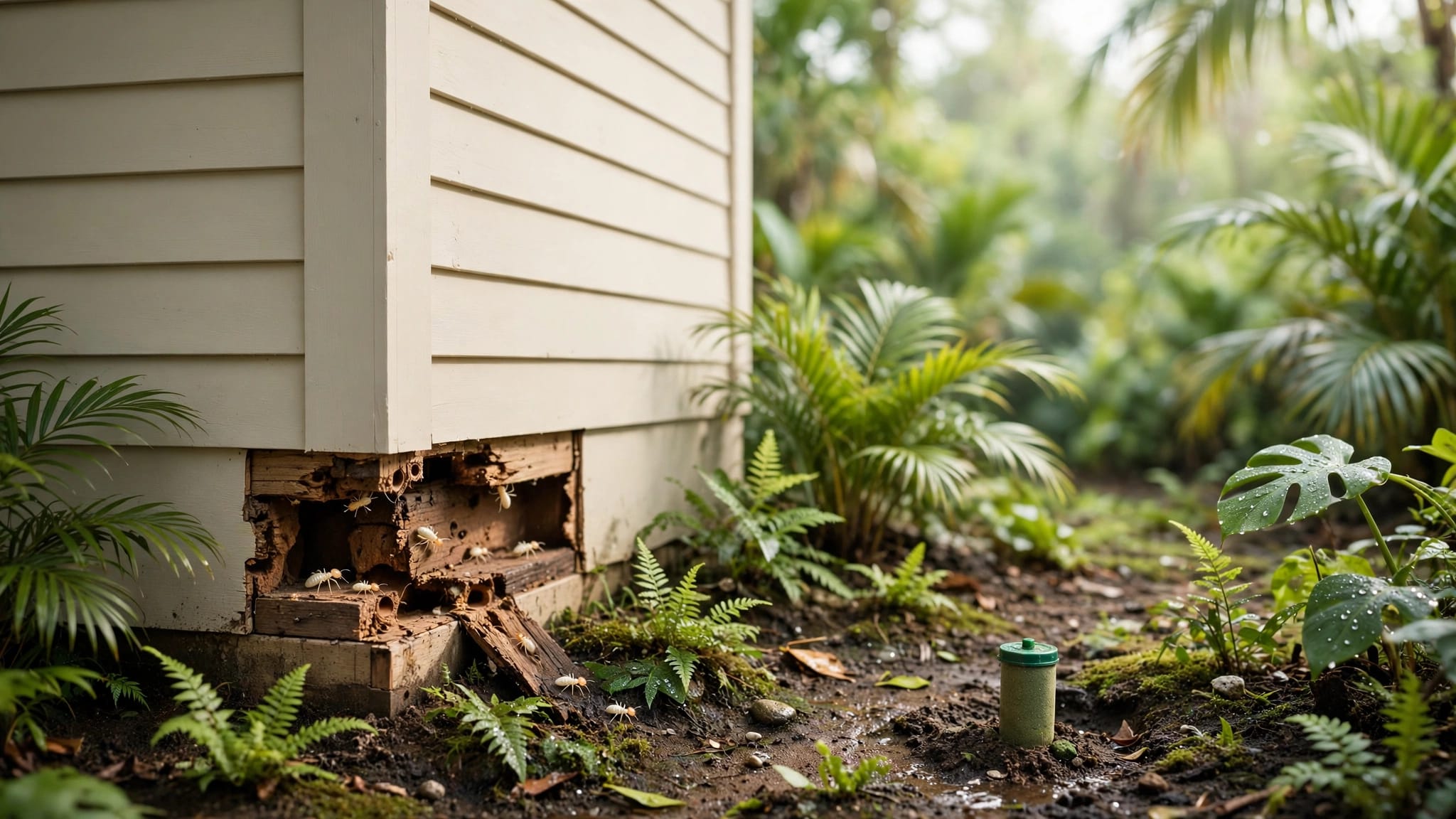
Subterranean termites live in soil or protected areas connected to soil. They can enter through foundation edges, cracks, utility penetrations, expansion joints, and other concealed routes. In slab homes, their activity may remain hidden beneath flooring, walls, or built-in cabinets.
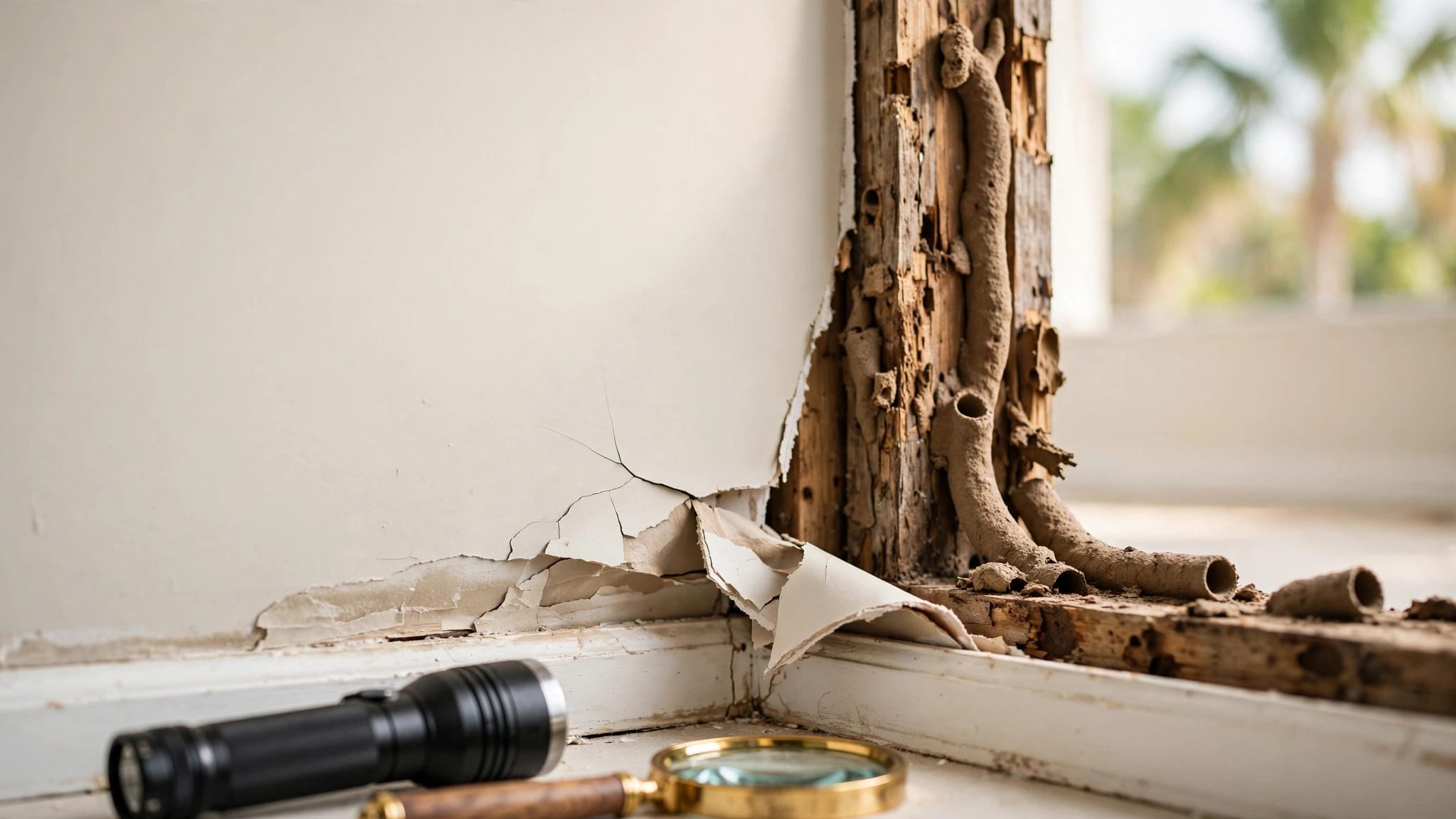
These termites may build mud or shelter tubes that protect workers and help retain moisture. You may find tubes near a plumbing penetration, garage edge, foundation wall, or cabinet attached to an exterior wall.
Treating one visible cabinet may not address a colony outside the home. Baiting systems and liquid soil treatments are possible approaches, but the inspection findings, construction, access, and evidence should guide the decision.
Why Cabinet Damage Can Resemble Water or Ant Damage
Southwest Florida homes face year-round moisture from humidity, heavy rain, irrigation, plumbing leaks, air-conditioning condensation, and drainage problems. Water can swell cabinet panels, soften particleboard, lift veneer, and cause doors to stick.
Carpenter ants create smooth galleries in wood for nesting. They often prefer material already softened by leaks or decay. Termites consume wood, while ants excavate it, but finished cabinets can hide the difference.
Signs that may point toward moisture include a musty odor, staining, soft or crumbly wood, damage beside a pipe, and deterioration that spreads outward from a leak. Termite damage may appear as repeated narrow channels, hollow areas, dry pellets, or damage in a dry location.
Both causes can exist together. A leak may weaken the cabinet and attract carpenter ants, while termites affect nearby dry wood. For that reason, carpenter ant versus termite damage should be assessed through the wood pattern, debris, insects, and surrounding moisture conditions.
If the cabinet is under a sink, check for active leaks without disturbing the damaged material. Contact a plumber when the water source requires repair. Pest control and plumbing work may both be necessary.
Repair Concerns After Termite Damage
Cabinet repairs should follow pest control findings, not replace them. A new door or fresh veneer can hide evidence while termites continue inside the wall, floor, or connected cabinetry.
When a cabinet can be repaired
A cabinet professional may be able to replace a damaged panel, reinforce a shelf, rebuild a toe-kick, or match a door after the termite issue is controlled. The repair decision depends on the amount of wood loss, the cabinet material, moisture exposure, and whether the damaged section supports other components.
Minor cosmetic damage may need limited work. Severe internal loss, crumbling particleboard, or damage around structural connections may require partial or full replacement.
Termite control and cabinet repair may require separate professionals. A pest specialist identifies and treats the pest problem. A cabinet contractor or carpenter evaluates appearance, function, and wood replacement.
Why spot repairs can fail
Replacing one damaged board doesn't eliminate termites elsewhere. Activity may extend into wall framing, trim, flooring, attic wood, or a nearby wooden item. Built-in cabinets can also make access difficult, especially when tile, concrete, stored belongings, or additions limit what the technician can inspect.
An inspection may take about one to two hours for an accessible, average-sized home, although the property layout and suspected activity can change the time. Learn more about what affects termite service time.
Ask for the findings in writing. The report should distinguish active evidence, old damage, moisture conditions, areas that could not be accessed, and recommended follow-up.
Preparing for a Professional Inspection
Good preparation protects your household and preserves useful evidence. It also gives the technician access to the areas most likely to reveal the source.
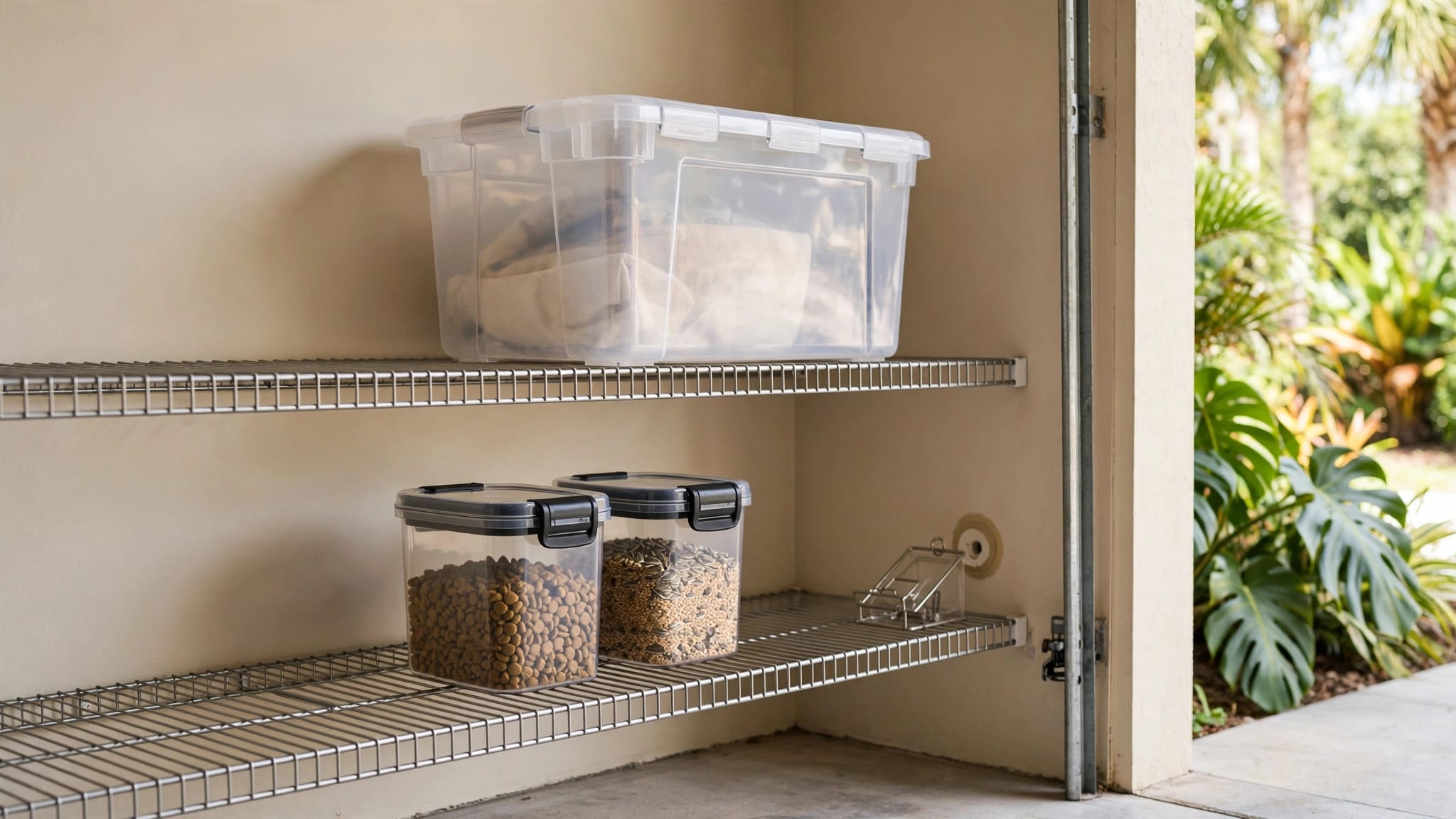
Keep food and cookware protected
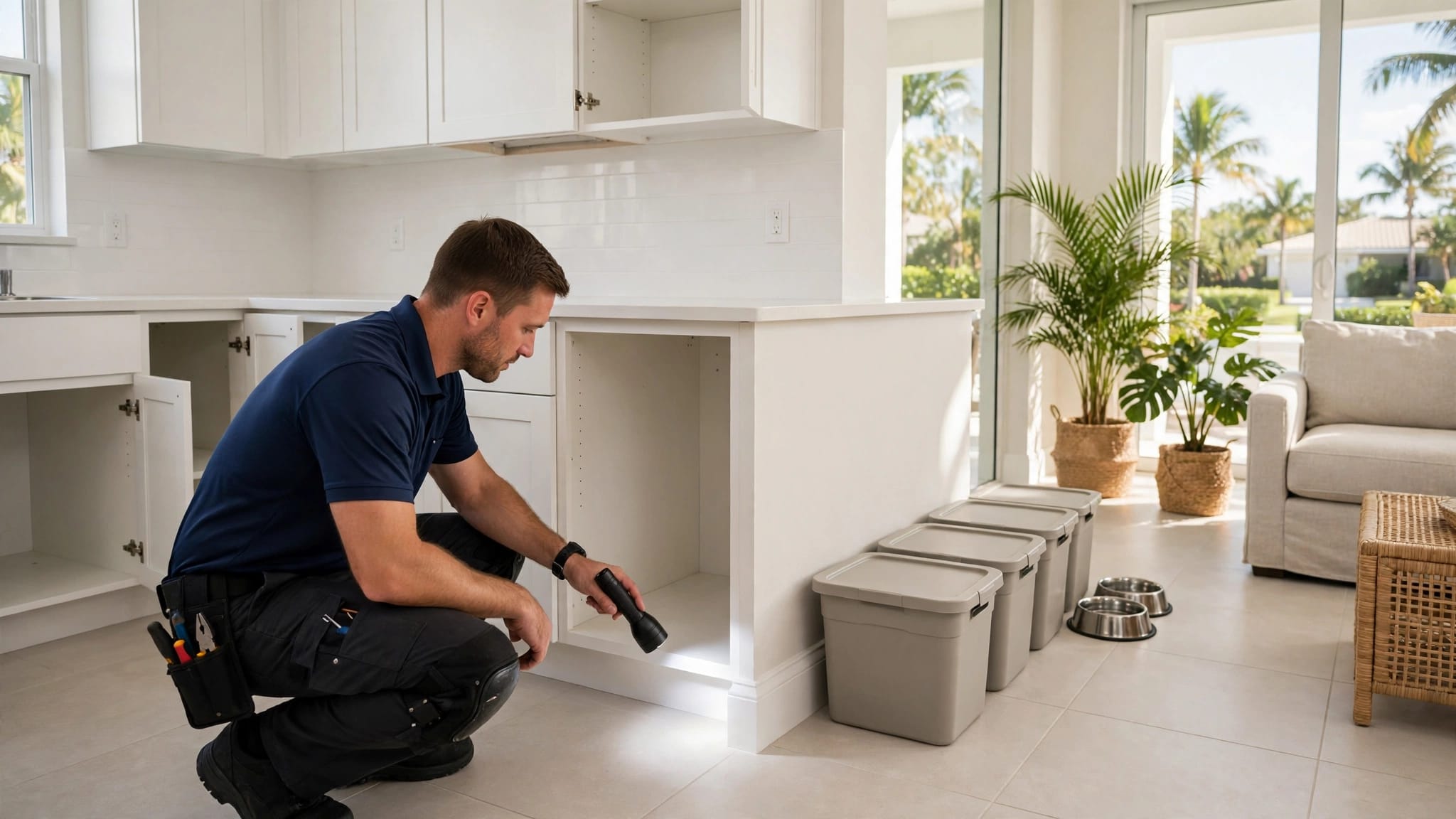
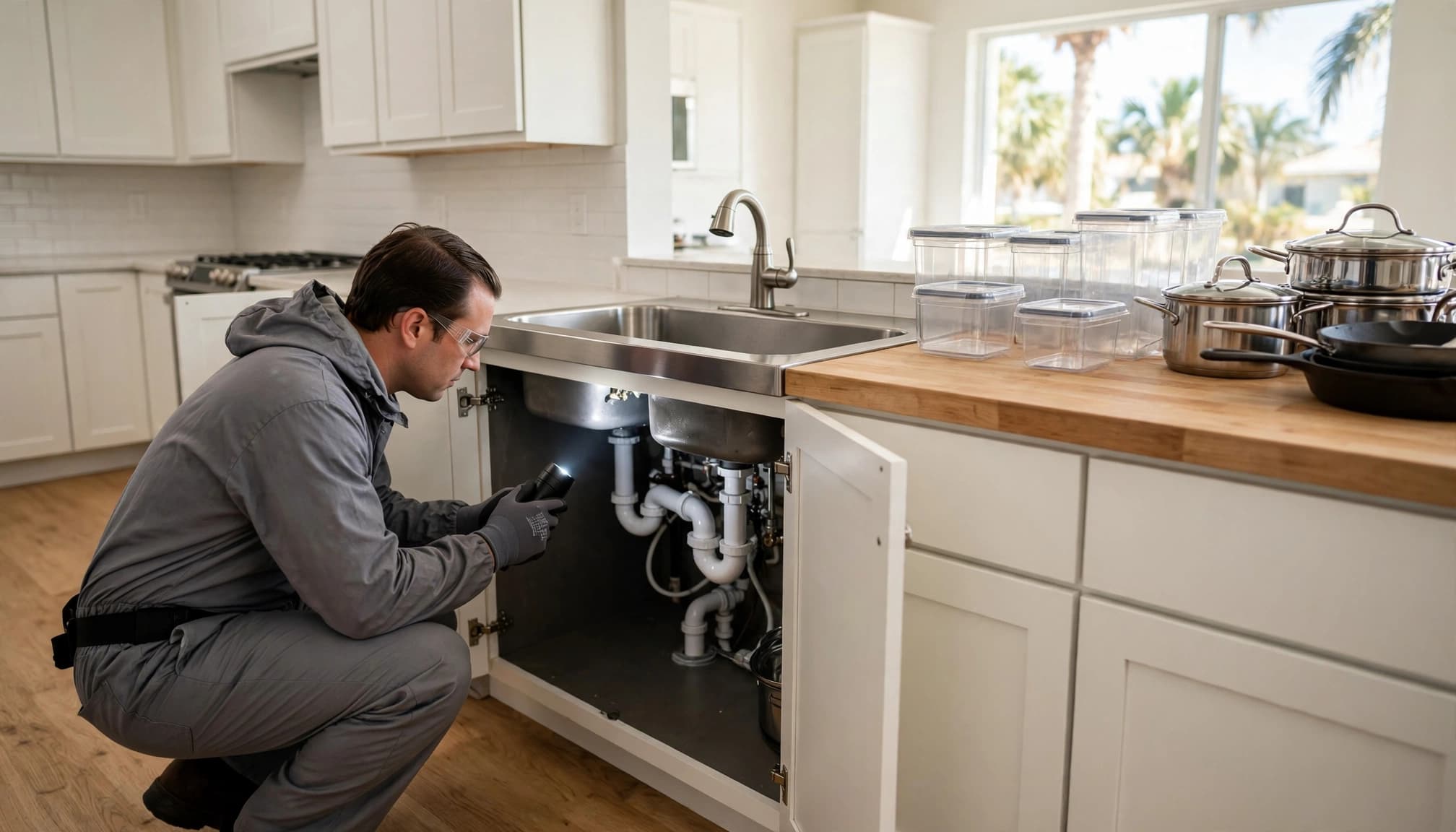
Remove food, pet dishes, utensils, pots, pans, and small appliances from cabinets that need inspection. Place them in clean, closed containers or another room. Wipe counters and keep children and pets away from the work area.
Don't apply household insecticide, foggers, boric acid, or another chemical inside cabinets before the appointment. Unsafe treatments can contaminate food-contact surfaces, scatter insects, damage finishes, and make evidence harder to interpret.
Follow the pest professional's instructions about access, cleaning, ventilation, and re-entry. Treatment-specific safety directions depend on the product and method selected.
Preserve clues and improve access
Photograph pellets, wings, holes, mud tubes, stains, soft wood, and damaged trim. Include both close views and wider photos that show whether the cabinet sits beside a sink, exterior wall, window, or floor penetration.
Write down when you first noticed the problem and whether debris returned after cleaning. Fresh debris, expanding damage, or repeated insect activity deserves prompt service.
Clear stored items from under sinks and around built-in cabinets. Don't seal mud tubes, fill holes, remove large wood sections, or sand damaged surfaces before the inspection. A technician may need to compare the debris, wood pattern, moisture, and entry points.
A Florida WDO inspection focuses on termites, other wood-destroying insects, and wood-decay fungi. It isn't a complete mold, rodent, or hidden-defect investigation. Learn more about what a Florida WDO inspection covers.
Key Takeaways
- Termites in kitchen cabinets may leave pellets, wings, holes, hollow wood, or weakened veneer.
- Drywood termites can live inside cabinet wood without soil contact.
- Subterranean termites may reach built-in cabinets through concealed soil-connected routes.
- Water damage, carpenter ants, dampwood termites, and wood rot can create similar signs.
- One visible cabinet doesn't show the full extent of an infestation.
- Photograph the evidence and avoid large repairs before inspection.
- Keep food and cookware away from the work area.
- Don't spray chemicals inside cabinets without professional direction.
- Termite treatment and cabinet repair may involve different specialists.
FAQ About Termites in Kitchen Cabinets
Are termites in kitchen cabinets always visible?
No. Termites often remain inside wood, behind veneer, under shelves, or within connected walls. A small pellet pile, weak spot, or hollow sound may be the first visible clue.
Can water damage look like termite damage?
Yes. Leaks and humidity can swell panels, soften wood, lift veneer, and cause doors to stick. Termites can also affect wood near a leak, so moisture evidence doesn't rule out an infestation.
How can I tell carpenter ants from termites?
Carpenter ants excavate smooth galleries and usually prefer damp or decaying wood. Termites consume wood and may leave pellets, mud tubes, or thin internal channels. Winged insects alone can't confirm the pest.
Should I replace the cabinet before treatment?
Wait for the inspection when possible. Replacing wood first can remove evidence while leaving activity in nearby walls, flooring, or cabinets. Once the pest source is addressed, a cabinet professional can assess the repair.
What should I do if I find mud tubes?
Don't seal, spray, or remove extensive sections of the tube. Photograph it, note its location, and arrange a professional termite inspection. Mud tubes can point to subterranean activity, but the technician should confirm whether they are fresh and connected to active termites.
Conclusion
Suspicious cabinet damage deserves more than a cosmetic fix. Pellets, wings, hollow wood, and mud tubes can point to termites, but water damage, carpenter ants, rot, and dampwood termites may look similar.
Protect food and cookware, preserve the evidence, and schedule a professional inspection before using chemicals or ordering repairs. Once the cause and extent are clear, termite control and cabinet restoration can be handled by the right professionals.
Schedule a Free Inspection: