Drywood Vs Subterranean Termites In Southwest Florida Homes
Termites in Southwest Florida don't always announce themselves with obvious damage. More often, they leave small clues that are easy to miss, until a door frame starts to feel soft or a baseboard sounds hollow.
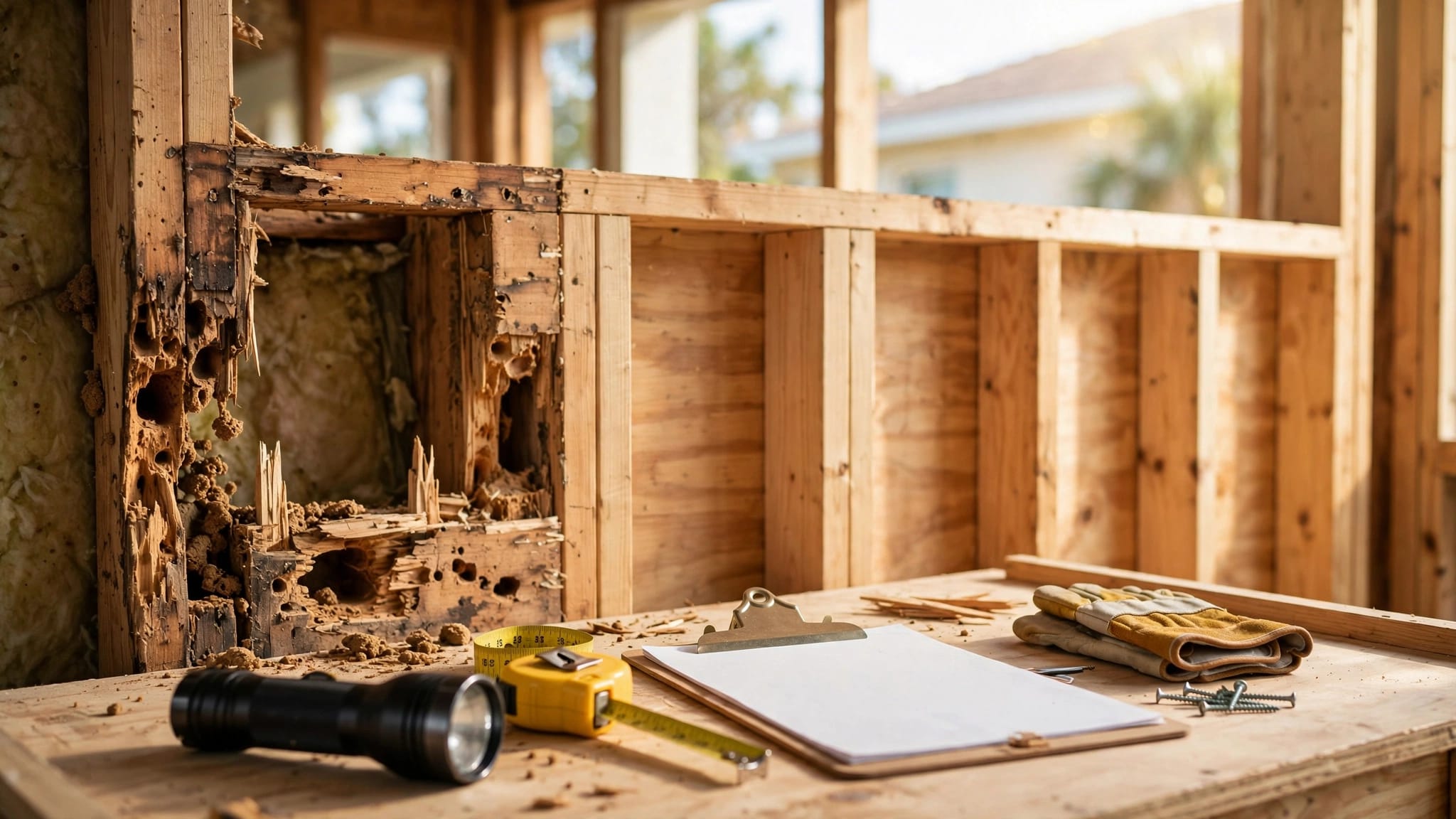
The bottom line: drywood vs subterranean termites comes down to where they live and what they leave behind. Drywood termites live inside the wood and push out hard, sand-like frass pellets through tiny kick-out holes. Subterranean termites need soil and moisture, so they travel in muddy shelter tubes and usually show up near slabs, block walls, and wet areas.
Once you know which signs match which termite, your next steps get a lot clearer.
The quick, practical differences that matter in SWFL
Think of these two termite types like two different kinds of burglars. One moves in quietly and lives in the "walls" (drywood). The other keeps a home base outside and uses covered tunnels to come and go (subterranean). That single behavior change affects how they enter, where they hide, and how you spot them.
Here's a simple side-by-side to use during a walk-around:
| What you notice | Drywood termites | Subterranean termites |
|---|---|---|
| Where they live | Inside dry wood | In soil, then into wood |
| Most common "tell" | Frass pellets and kick-out holes | Mud tubes and moisture-linked activity |
| Where SWFL homeowners find signs | Attic trusses, fascia, trim, lanais, furniture | Slab edges, block/stucco walls, garages, plumbing areas |
| What the wood looks like | Clean-looking galleries, can cross grain | Layered look along grain, often with mud staining |
| Frass piles | Yes, small piles under infested wood | Usually no, droppings blend into tubes |
| How fast damage can spread | Often slower per colony, but multiple spots | Often faster, larger colonies are common |
One extra clue: if you find shed wings indoors, a trained pro can use wing vein patterns and body shape to help confirm the type. Still, for most homeowners, pellets vs mud tubes is the faster call.
If you're sweeping up tiny pellets that look like coarse sand under a window, door trim, or attic wood, don't ignore it. That's one of the strongest drywood termite clues you'll ever get.
Drywood termites in Southwest Florida: frass pellets, kick-out holes, and "high and dry" infestations
Drywood termites don't need contact with soil, so they can start almost anywhere there's wood. In SWFL, that matters because many homes have exposed wood targets above ground, even with block construction.
Start with the two signature signs:
1) Frass pellets
Drywood termite droppings are hard pellets. They collect in little piles below the infestation. Homeowners often notice them on a windowsill track, on a lanai floor near a beam, or on the garage slab under an attic access.
2) Kick-out holes
Drywood termites push pellets out through tiny holes in the wood. These holes can look like pin pricks. You might see them in door frames, baseboards, soffit wood, fascia boards, or the wood trim around sliders.
Where to check in SWFL homes (especially in Cape Coral, Fort Myers, and coastal areas):
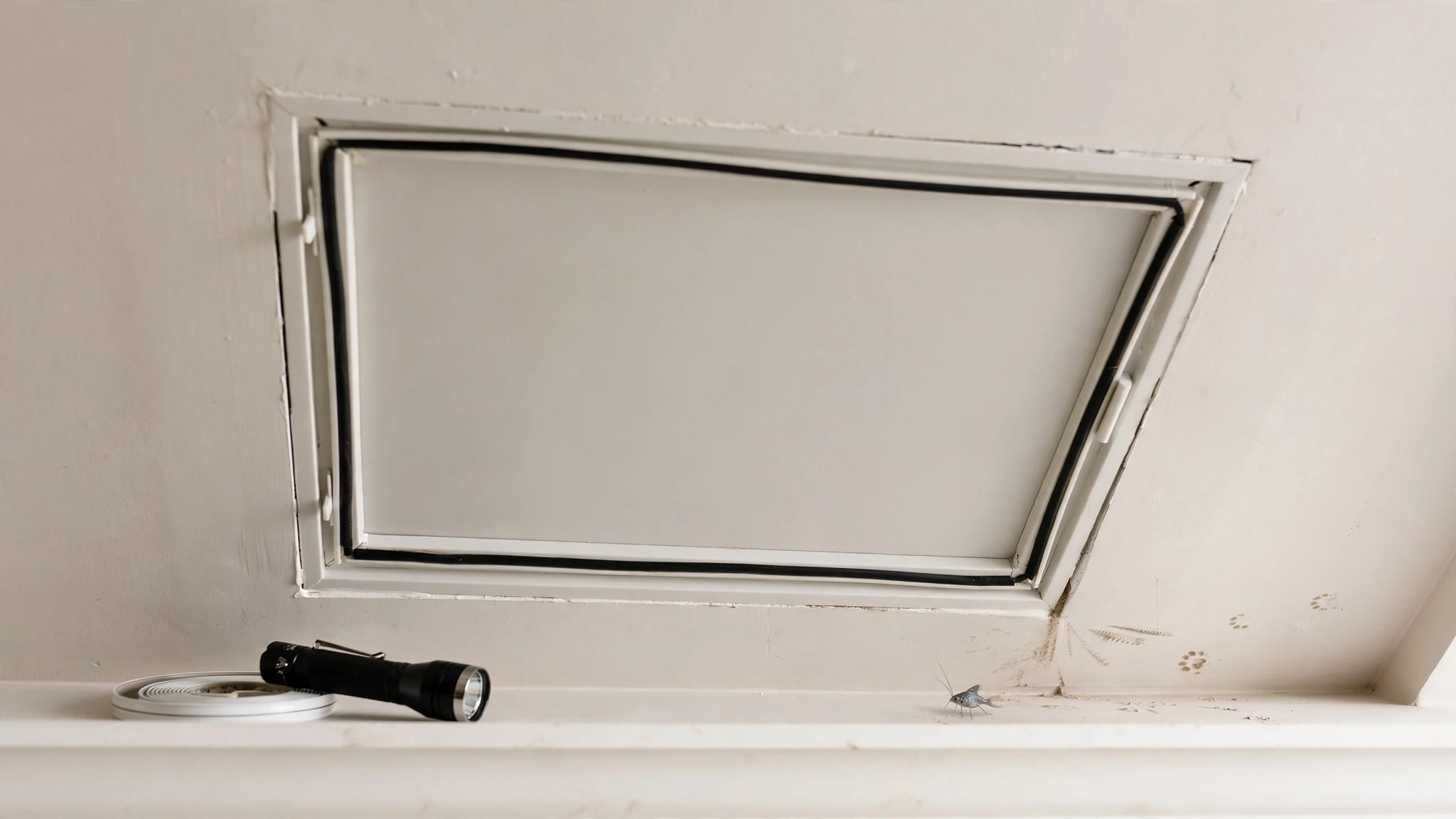
- Attic trusses and roof sheathing edges near vents (use a bright flashlight).
- Fascia, soffit returns, and wood around gable vents.
- Lanai framing, pergolas, and any decorative exterior wood.
- Window and door trim, especially where sun and heat dry the wood.
- Furniture, picture frames, and hardwood pieces if you've brought items from storage.
If your home has waterfront features, also inspect any dock framing, boat lift wood, or seawall cap wood . Drywood termites can move into those pieces and later show up in nearby structures.
For prevention habits that fit local construction, you can also skim Shield's termite control strategies for Southwest Florida homes, then match the tips to your layout.
Subterranean termites: mud tubes, moisture problems, and slab-on-grade trouble spots
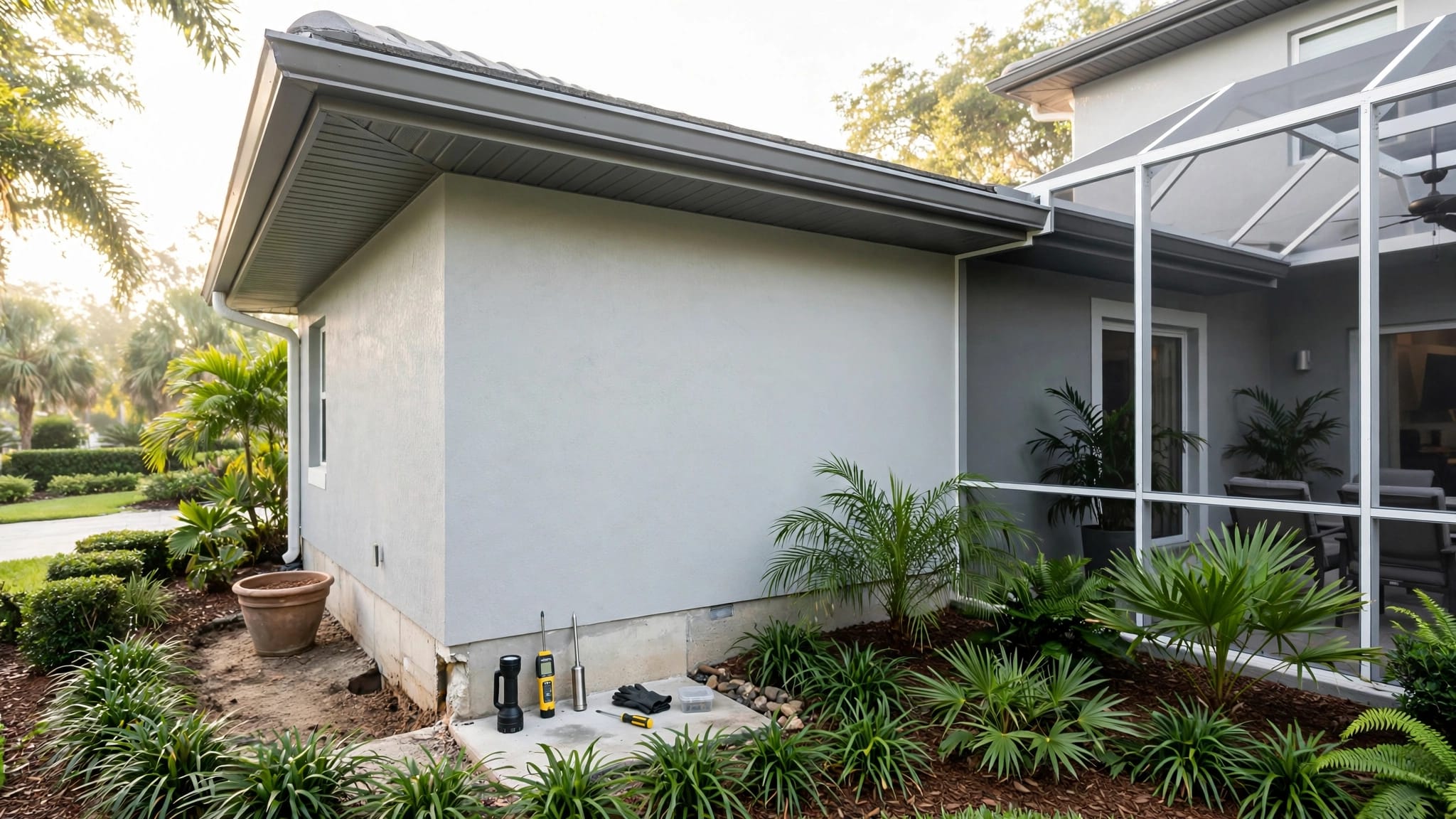
Subterranean termites need moisture and soil contact, so they approach your house from the ground up. That's why SWFL slab-on-grade homes, block walls, and stucco finishes can still be vulnerable. The termites don't need exposed wood outside. They only need a hidden path.
The classic sign is simple:
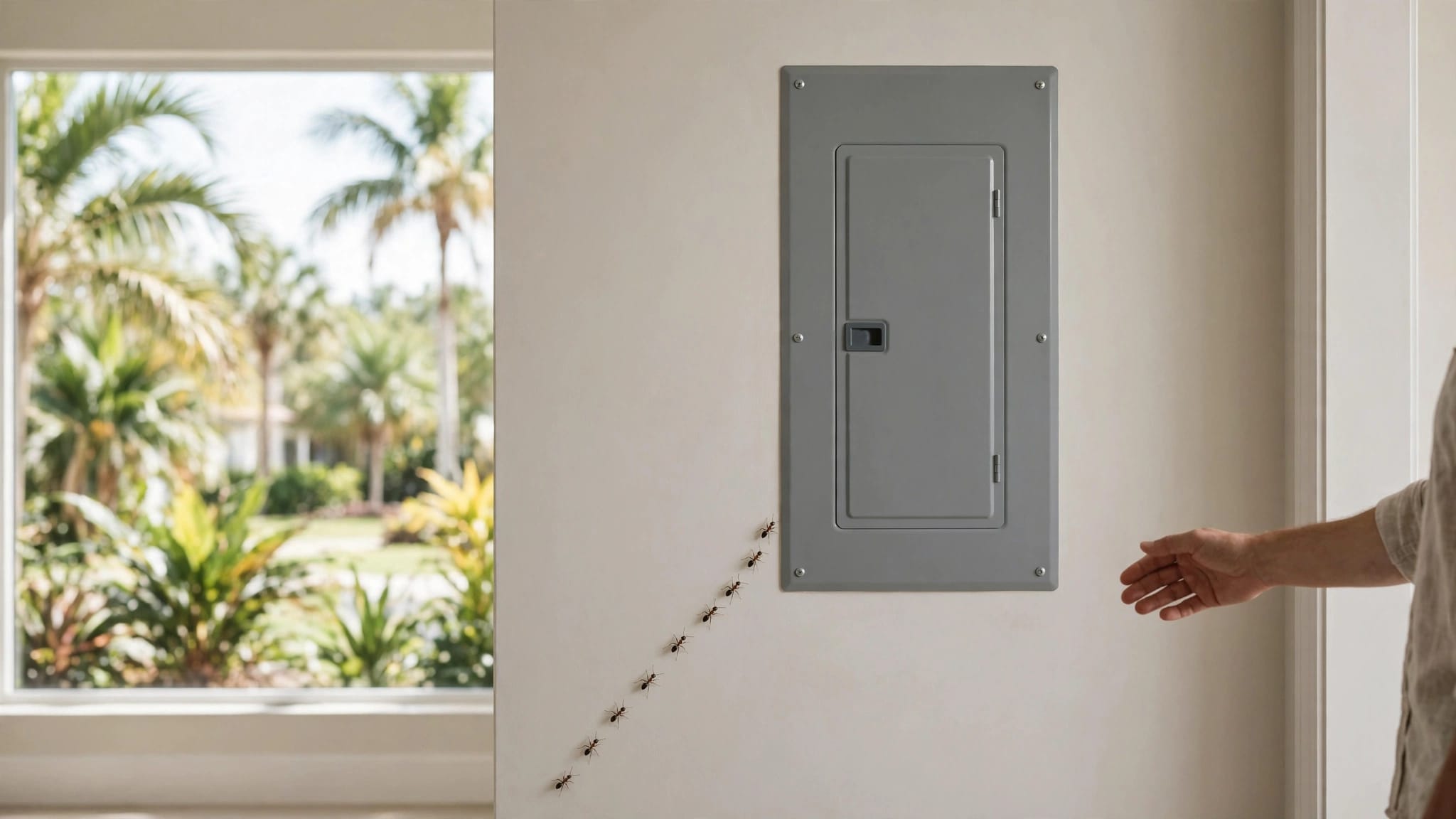
Mud tubes (shelter tubes)
These look like thin, brown "veins" climbing foundation edges, stem walls, or block surfaces. You'll often see them:
- Along the slab edge where stucco meets the ground
- Inside the garage at the base of a wall
- Near expansion joints and small slab cracks
- Around plumbing penetrations (under sinks, behind toilets, near the water heater)
- At the edge of lanais where moisture hangs around
Because SWFL stays humid, moisture issues can act like a welcome sign. A small irrigation overspray, a leaky hose bib, or a slow plumbing drip can keep soil damp enough for steady activity.
A fast homeowner inspection that works well for stucco, block, and slab homes:
- Walk the entire exterior slab line, especially shaded sides.
- Check where mulch sits high against the wall (keep weep gaps visible).
- Look at garage corners and the base of the water heater closet.
- Scan lanai posts and bottom plates where rain blows in.
- Inspect any wood fencing or landscape timbers touching the house.
- If you're waterfront, check wood near the seawall for damp contact points.
Treatment expectations, relative cost, and a safety note
Treatment depends on the termite type and how spread out the activity is. Drywood problems often need more direct access to the wood, while subterranean problems focus on colony control in soil and along the structure.
Cost can vary a lot by home size, access, and the treatment method. For local context, Shield shares Cape Coral ranges in termite treatment costs in Cape Coral. In general, drywood termite work tends to run medium-to-high because access can be tough (and whole-structure options can be disruptive). Subterranean treatments often land low-to-medium for straightforward perimeter work, but can climb when drilling, multiple zones, or heavy moisture issues are involved.
One important reminder: in Florida, termite control products and application rules are strict for good reason. Don't experiment with off-label chemicals or foggers in walls or attics. Instead, document what you found, then bring in a licensed termite pro who can confirm the type and give a legal treatment plan.
Conclusion: spot the right clues, then act fast
Drywood vs subterranean termites isn't just a trivia question, it changes where you inspect and what you do next. Pellets and kick-out holes point to drywood activity in the wood itself. Mud tubes and moisture-linked signs point to subterranean termites moving up from the soil.
If you've seen either clue, take photos, avoid disturbing the area too much, and schedule a professional inspection. If you want to feel confident when comparing providers, use these questions to ask before hiring an exterminator in Cape Coral and apply them across Southwest Florida. Protecting your home is easier when you know exactly what you're dealing with, and termite signs rarely get better on their own .
Schedule a Free Inspection: