How Long Does Termite Treatment Take in Southwest Florida?
Termite service might take one afternoon, but termite control can continue for weeks or months. If you're asking how long does termite treatment take in a Southwest Florida home, separate the technician's on-site work from the time the method needs to affect hidden termites.
For many homes, an inspection takes about one to two hours. Liquid or spot work often takes a few hours, while initial bait installation may fit into one scheduled visit. Fumigation requires vacancy through treatment, aeration, and clearance, often over multiple days. Your total termite treatment time depends on species, home size, access, damage, weather, and the selected method.
That distinction makes planning easier. The process starts with a licensed inspection, then moves into treatment, safe re-entry, and follow-up.
How Long Does Termite Treatment Take? Start With the Inspection
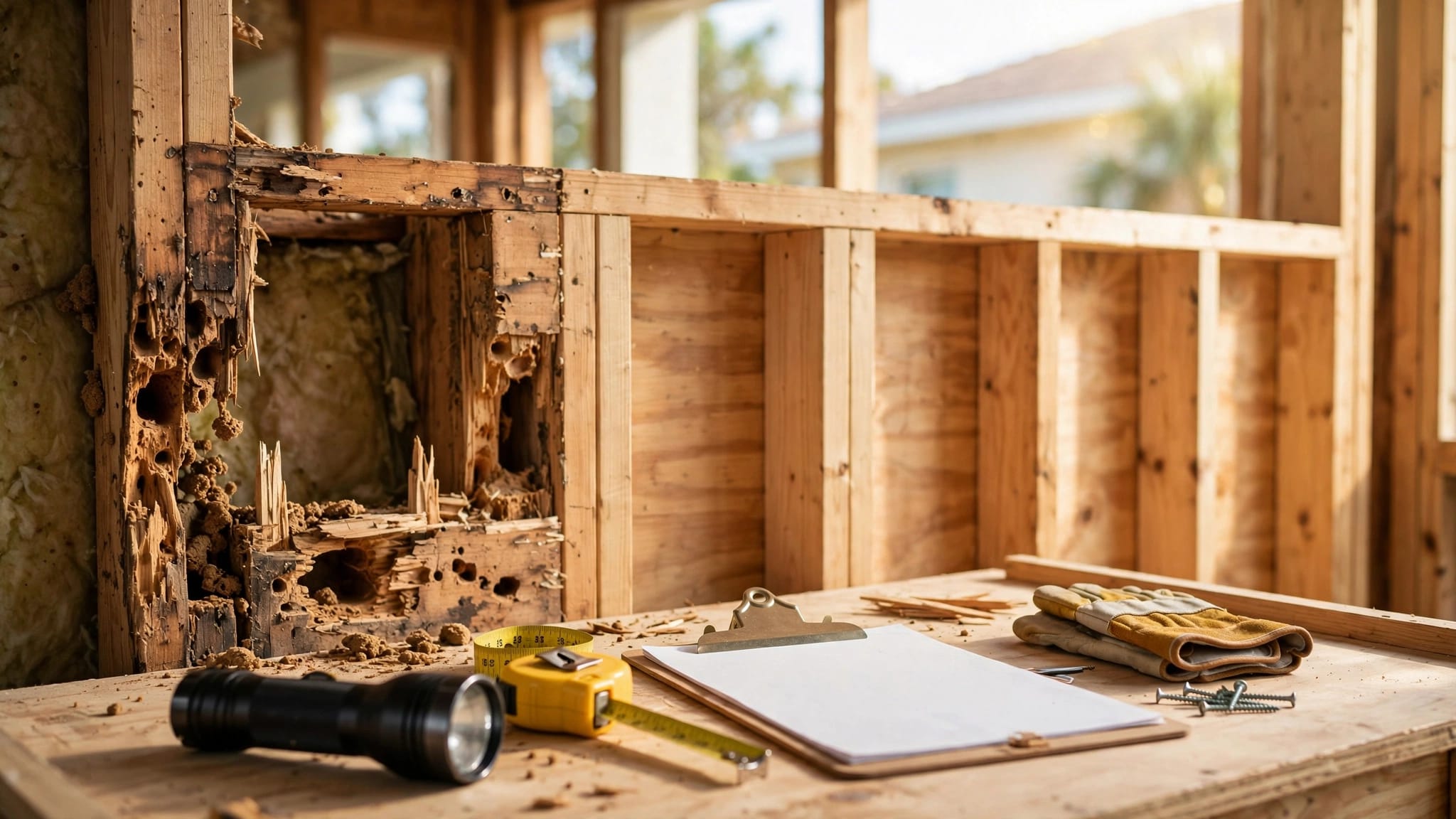
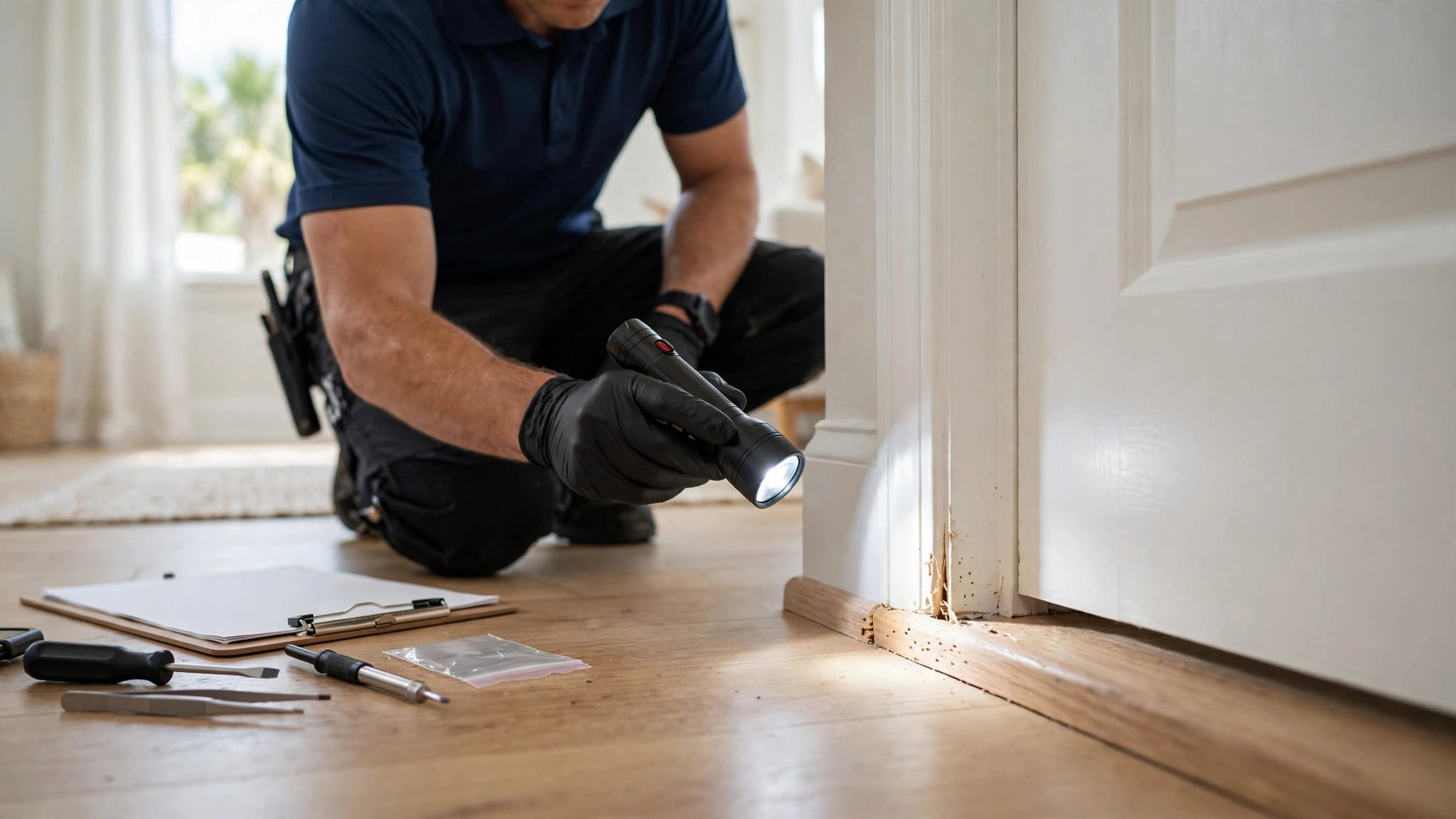
An inspection is more than a quick look at a baseboard. A licensed termite professional checks accessible interior and exterior areas, looks for current or old activity, and identifies conditions that may affect treatment.
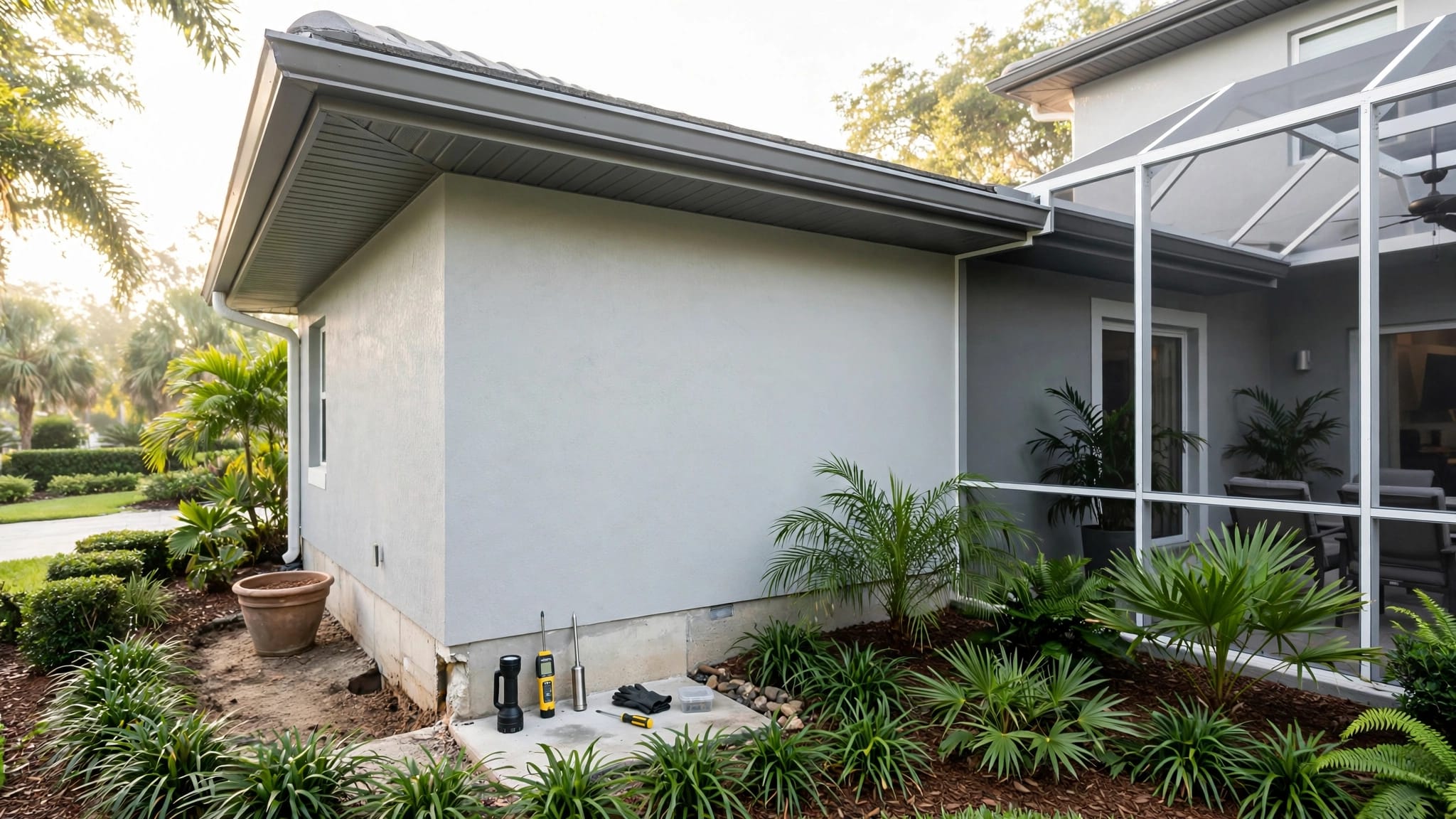
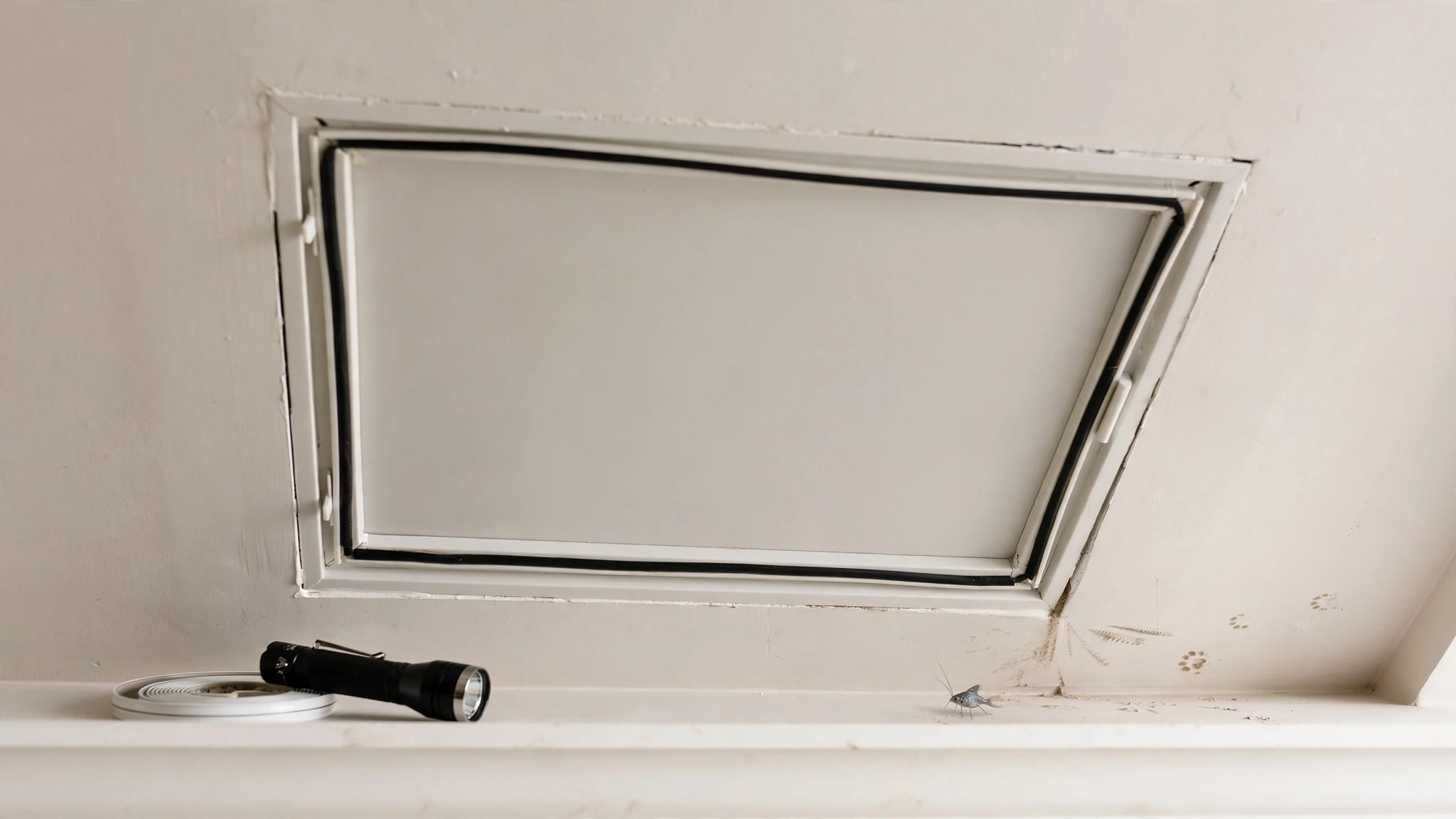
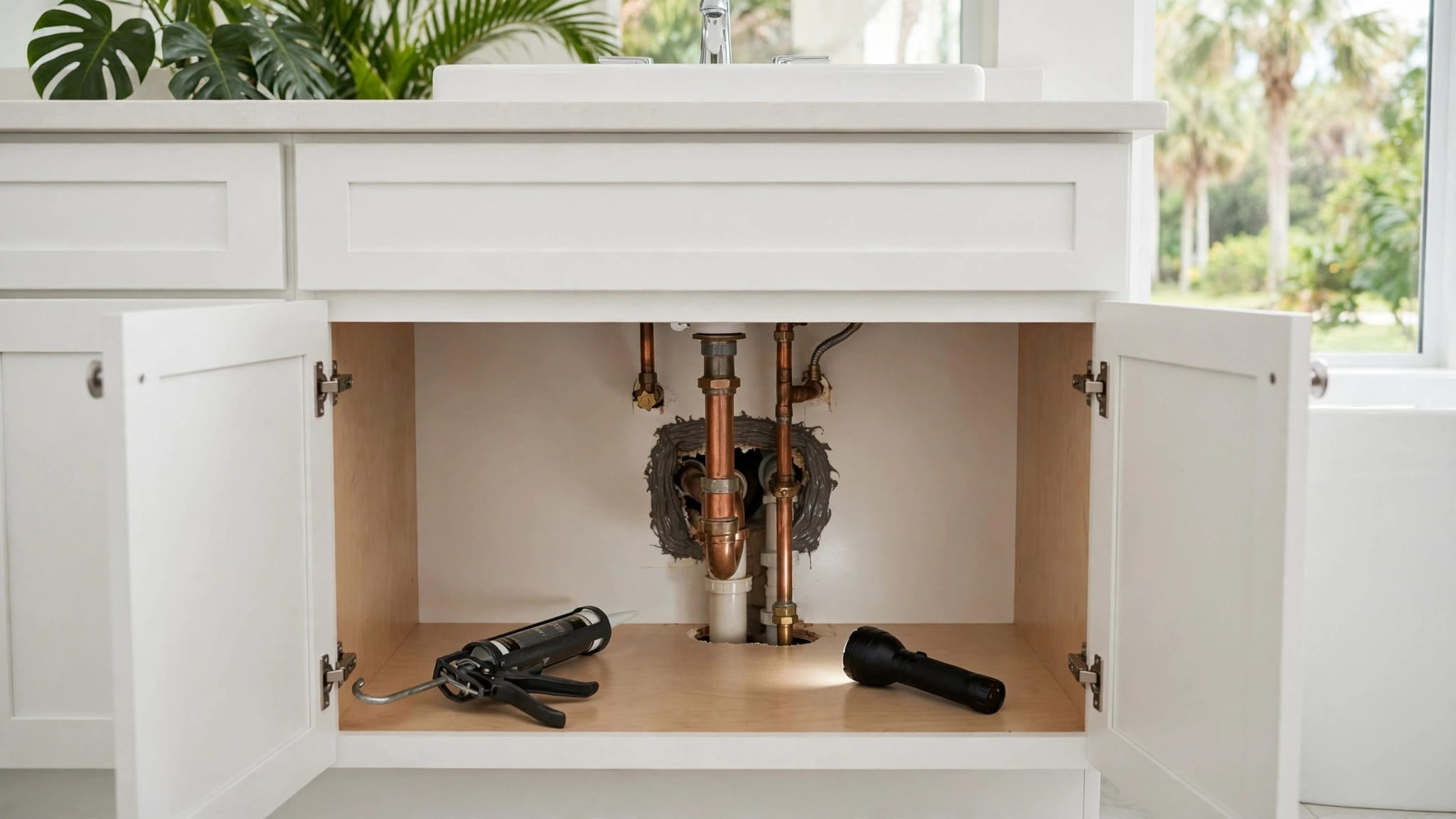
The inspection may include baseboards, door and window frames, garages, attics, crawl spaces, plumbing penetrations, slab edges, patios, lanais, and nearby wood structures. Homeowners buying or selling property should also understand the difference between a general inspection and a Florida WDO inspection guide, since a WDO inspection focuses on termites and other wood-destroying organisms.
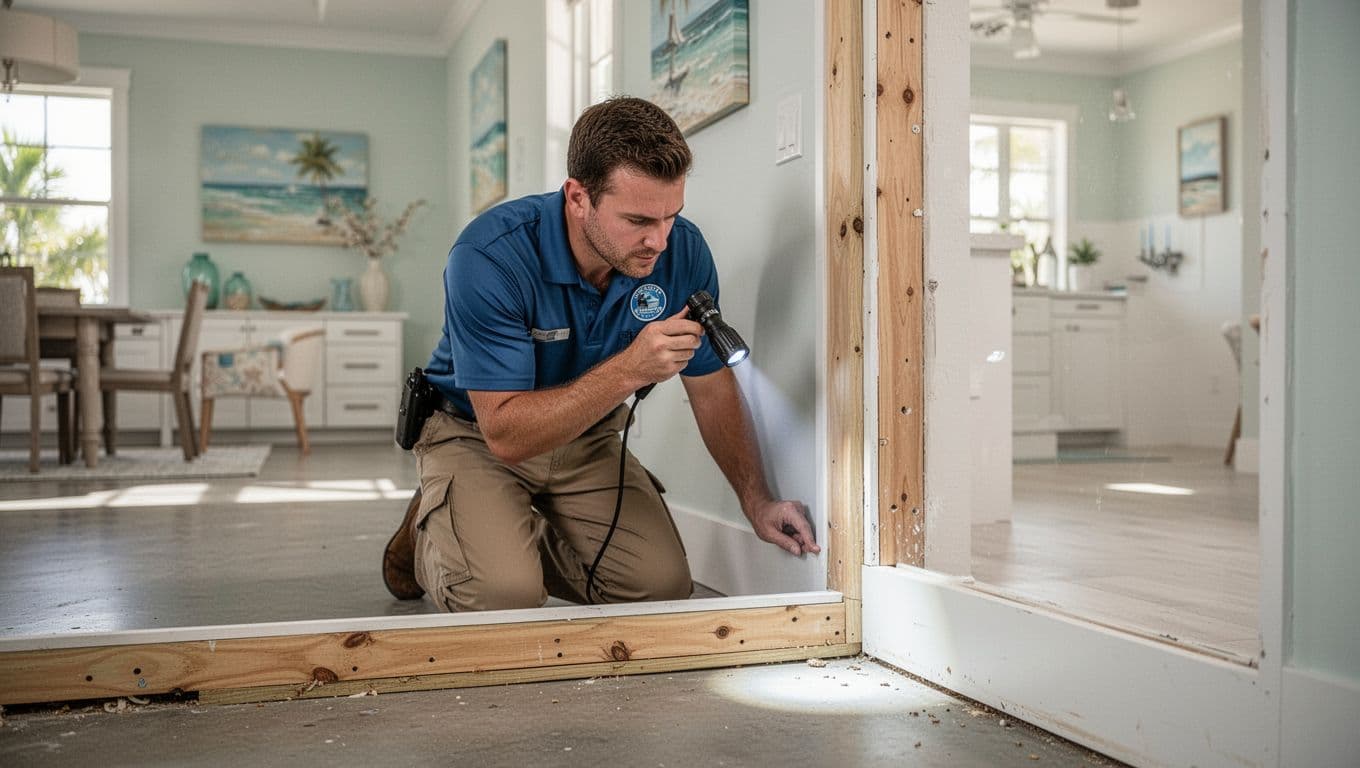
Routine inspections often take one to two hours
For an accessible, average-sized home, the inspection commonly takes about one to two hours. The technician needs enough time to check likely entry points rather than relying on one visible sign.
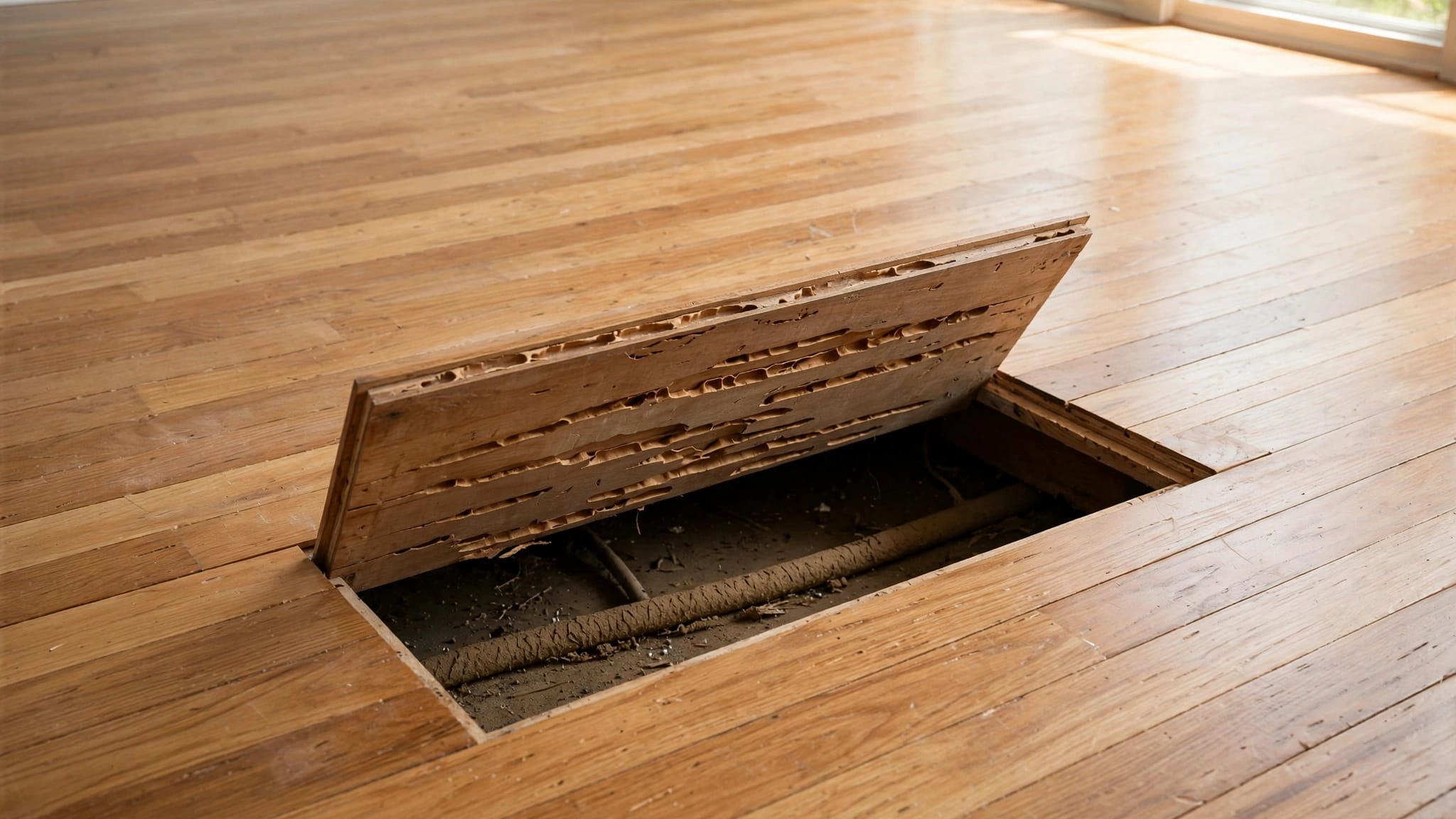
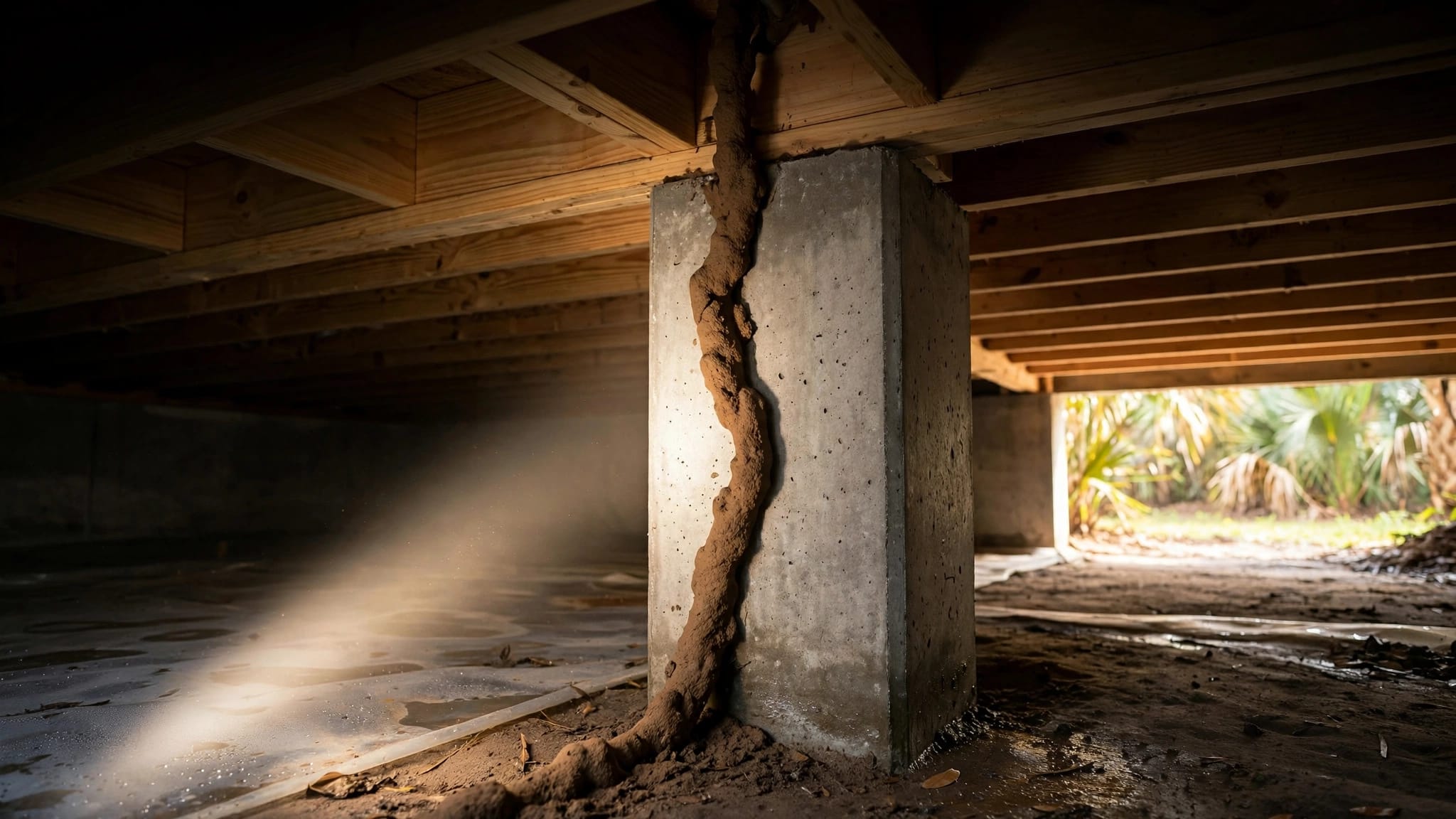
Photos, moisture readings, damaged wood, mud tubes, wings, droppings, and live insects can help identify the problem. The professional also considers whether the evidence shows active termites or damage left by an older infestation.
Larger or complex homes need more time
A larger property, multiple buildings, enclosed patios, tight side access, or blocked storage areas can extend the visit. The same applies when the technician finds damage in several locations.
Homes in Cape Coral, Fort Myers, Punta Gorda, Bonita Springs, and Sanibel often have concrete slabs, attached garages, pool decks, lanais, and additions. Each feature can create another area to inspect. If important spaces remain inaccessible, the technician may need to explain what could not be checked and arrange another visit.
How Long Does Termite Treatment Take on Site?
The answer to how long does termite treatment take depends heavily on the method. A routine service may last a few hours, while a whole-structure treatment requires a longer schedule.
Liquid and spot treatments usually take one visit
A liquid perimeter treatment often takes several hours at a typical single-family home. The technician may treat soil along the foundation, trench or drill at selected points, address approved entry areas, and restore drilled locations.
Concrete patios, thick landscaping, attached garages, pool decks, and limited side access can add work. Rain may also require an exterior appointment to move.
Spot treatments are more focused. When activity is isolated and accessible, the visit may be shorter. However, drywood termites inside framing, wall voids, or several rooms may require multiple treatment points or another appointment.
Bait systems have a short setup stage
A bait system can often be installed during one scheduled service visit. The technician places stations in approved locations around the home, records their positions, and explains the monitoring schedule.
The initial visit may be brief compared with the full control process. Follow-up visits continue because termites must find the stations and use them. Do not move stations or spray around them without guidance, since that can interfere with the treatment plan.
For a closer comparison of these approaches, see the guide to termite baiting versus liquid treatments.
Fumigation requires several planned stages
Whole-structure fumigation may be considered for some widespread or inaccessible drywood termite problems. The schedule includes preparation, occupant and pet removal, tenting or sealing, treatment, aeration, and clearance testing.
Homeowners usually leave for multiple days. A licensed fumigator provides the exact schedule and confirms when re-entry is allowed. Never return based only on a posted end time or the absence of an odor.
How Long Does Termite Treatment Take to Work?
The visit can end before the treatment has finished its job. The full answer to how long does termite treatment take must include the time needed for hidden termites and colonies to respond.
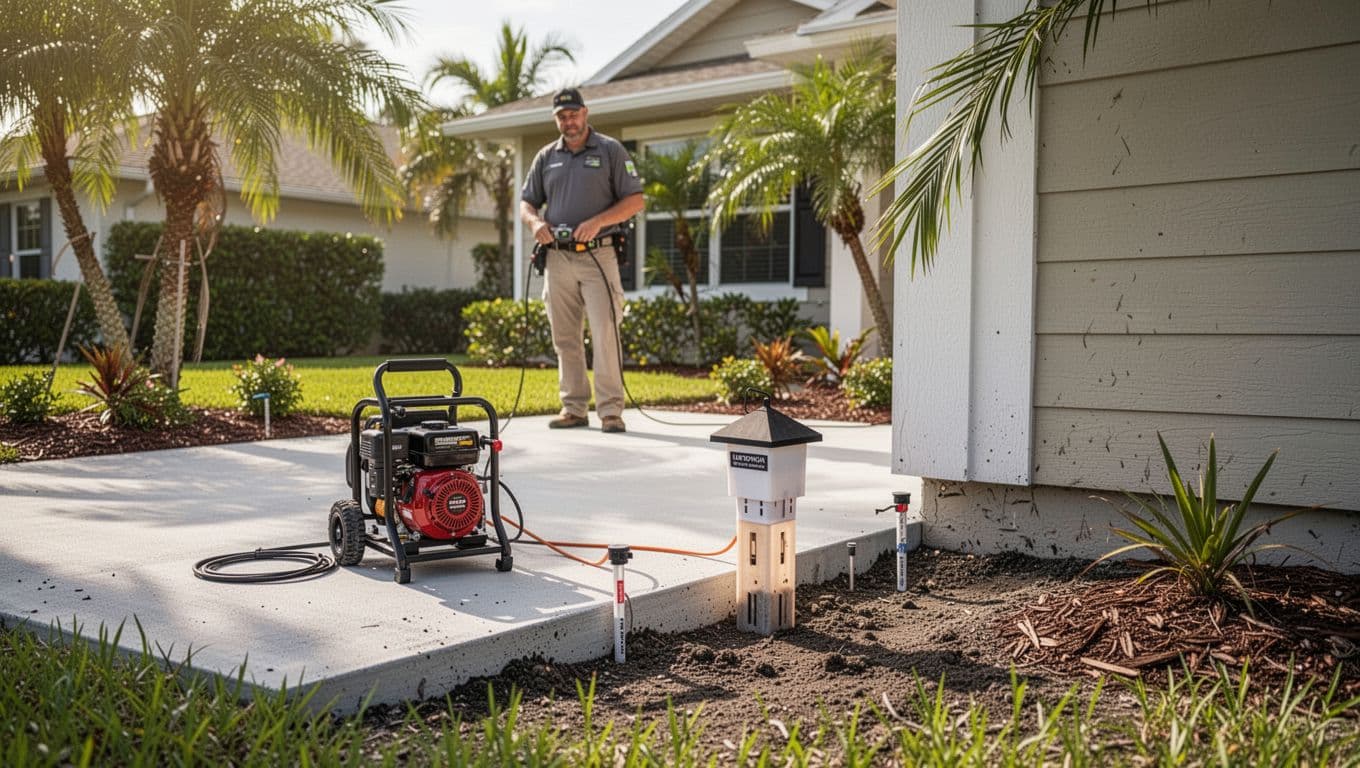
Liquid and spot treatments act at treated areas
Liquid products begin working at treated areas after application, but they don't instantly resolve every hidden colony. Results depend on where termites travel, whether all important entry points receive treatment, the product label, and the type of termite involved.
You may still see signs for a short period after service. Activity can continue in untreated or difficult-to-reach areas, and old damage can look active until a professional checks it again. A licensed technician should decide whether a follow-up inspection or additional treatment is needed.
Baiting targets colony control over time
Bait systems are designed to work more slowly. Termites must locate a station, feed on the bait, and carry its effects through the colony.
Control may take weeks or longer , and some monitoring plans continue for months. Colony size, species, station placement, moisture, temperature, and termite acceptance all affect the pace. Activity at a station doesn't automatically mean the system has failed. It may show that termites are using the station as intended.
Homeowners should leave stations in place and keep scheduled inspections. Spraying another product near a bait station can change termite behavior and make monitoring less useful.
Fumigation addresses termites inside the structure
Fumigation can eliminate termites present in the treated structure once the treatment and clearance requirements are complete. However, it doesn't create a lasting soil barrier around the home.
A follow-up inspection may still be recommended. It can identify new activity, untreated exterior risks, or repairs needed around damaged wood and moisture sources.
What to Do Before and After Termite Service
Good preparation prevents avoidable delays and helps the technician reach the areas that matter.
Prepare the home before the appointment
Before a routine inspection, move stored items away from walls, unlock rooms, clear access to the garage, and make attic or crawl-space openings reachable. Avoid covering mud tubes, cleaning away droppings, or spraying store-bought products before the visit. Those actions can remove evidence the technician needs to evaluate.
For liquid or spot work, follow the company's written instructions about children, pets, food, plants, aquariums, and furniture near treatment areas. Fumigation requires a separate preparation list. It may include removing or sealing certain items and arranging a place to stay, so follow the licensed fumigator's directions rather than using a generic checklist.
Follow re-entry and follow-up instructions
Re-entry depends on the product, treatment area, drying time, ventilation, and label requirements. Wait until the technician tells you the home or treated area is safe. Keep children and pets away from wet applications, equipment, and marked treatment zones.
After bait installation, don't move or open stations. For any method, repair leaks, correct irrigation that sprays the foundation, and keep mulch, firewood, and other wood materials away from the structure. Maintain follow-up appointments, because a single visit can't replace ongoing monitoring when the treatment plan requires it.
What Changes the Timeline in Southwest Florida?
There isn't one schedule for every home. The termite treatment time can change when the structure, species, or site conditions change.
Home design and access affect service time
A concrete-slab home may need treatment at selected foundation points, while a home with a crawl space may require access beneath the structure. Tile, concrete, enclosed patios, built-in cabinets, stored belongings, and additions can affect how a technician reaches suspected activity.
Detached sheds, fences, landscape timbers, and nearby trees may also need inspection. When termites travel through more than one connected area, the professional may need to widen the inspection or create a longer service plan.
Species, activity, and weather matter
Drywood termites live inside wood, so treatment focuses on the affected areas and how widely activity has spread. Subterranean and Formosan termites connect the structure to soil or hidden routes. Conehead termites can create outdoor satellite nests that expand the area a technician must inspect. Learn more about drywood and subterranean termites in Southwest Florida.
Current activity usually requires a different plan than old, inactive damage. Rain can delay exterior applications, and saturated soil or difficult access may change the appointment. A licensed pest professional must identify the termite type and conditions before choosing liquid treatment, baiting, spot work, or fumigation.
What to ask before booking
Ask how long the inspection should take, which areas need access, whether you can remain home, and when children and pets may return. Also request the treatment method, preparation instructions, expected follow-up schedule, and re-entry requirements in writing.
No responsible company can promise an exact end date before seeing the property. A clear inspection and service plan gives you a more useful timeline than a one-size-fits-all estimate.
Conclusion: Plan for the Full Termite Treatment Timeline
For many Southwest Florida homes, the technician may spend only a few hours on the initial inspection or treatment. Baiting can continue for weeks or months, while fumigation requires several days away from the property and formal clearance before re-entry.
The right answer to how long does termite treatment take starts with the termite species, the home's construction, and the extent of activity. A licensed professional can match the treatment method to those conditions and explain what happens after the first visit.
Plan around the full process, not only the time the truck is in the driveway. A reliable termite timeline includes inspection, preparation, safe re-entry, colony control, and follow-up.
Schedule a Free Inspection: