Construction Site Mosquito Control in Cape Coral
After a heavy afternoon storm, a Cape Coral construction site can collect dozens of small mosquito breeding areas before the crew returns the next morning. Excavations, equipment, containers, blocked drains, and unfinished structures can all hold enough water for mosquitoes to develop.
Effective construction site mosquito control protects workers, reduces complaints from nearby properties, and helps keep outdoor work moving. The strongest plan combines water removal, working drainage, routine inspections, and licensed professional treatment when site conditions call for it.
Why Cape Coral construction sites attract mosquitoes
Warm Southwest Florida weather gives mosquitoes favorable conditions for much of the year. Construction sites add temporary water-holding areas that may not exist on a finished property.
A site can look orderly while still supporting mosquito activity. Water may sit out of view behind materials, inside equipment, or at the bottom of a shallow rut. Regular inspections help supervisors find those areas before they become a recurring problem.
Rainfall and excavations create temporary pools
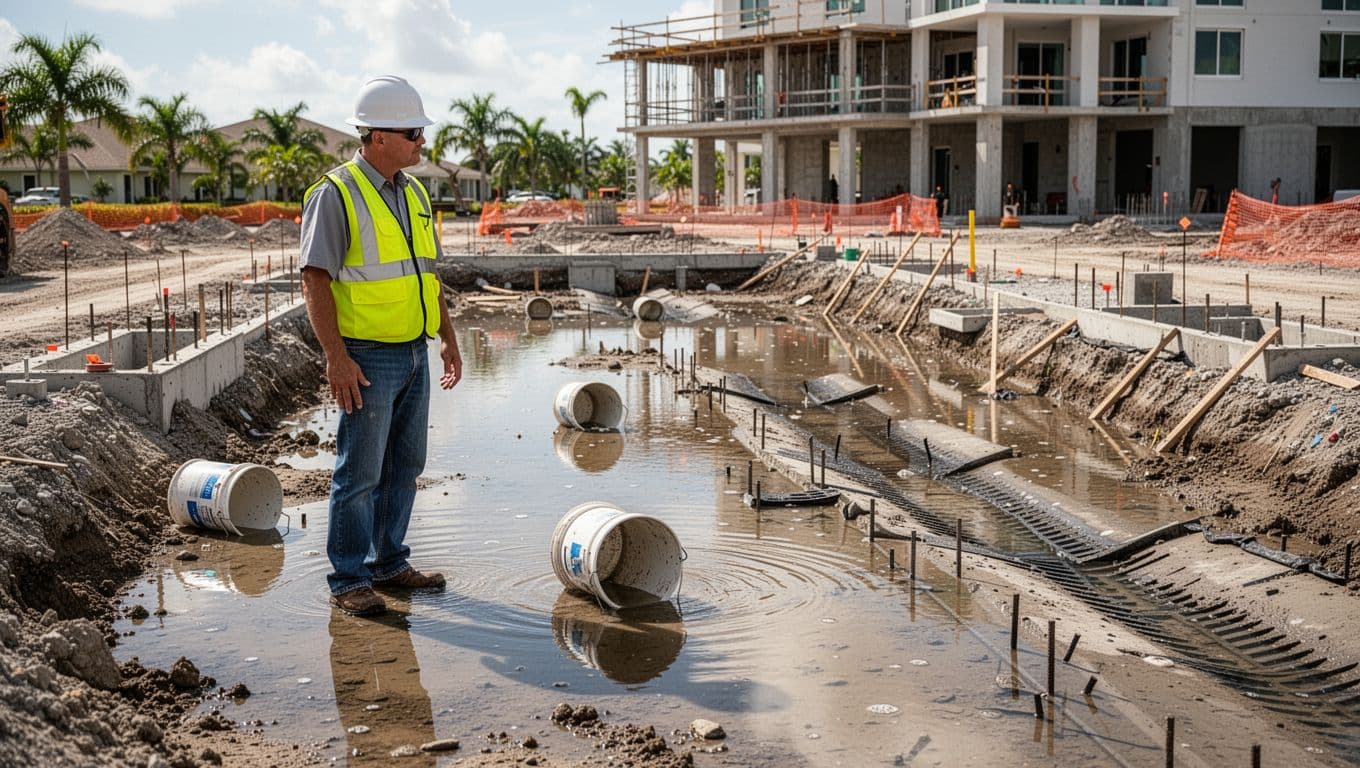
Cape Coral's frequent rain can fill foundation excavations, utility trenches, grading depressions, and tire ruts. Even a shallow pool can remain wet for several days when soil drains slowly or compacted ground prevents runoff.
Excavated areas often change as work progresses. A trench that drained last week may hold water after grading, soil movement, or a storm. Foundation footings and low points around slabs also need attention because their shape can trap water after the rest of the site dries.
Supervisors should inspect these locations after significant rain and after any earthwork changes. If water remains, the site team should remove it, improve the drainage path, or address the grade problem through the approved construction plan.
Containers, equipment, and unfinished structures hold water
Small items often create the most overlooked breeding areas. Buckets, wheelbarrows, tires, open pipe sections, tarps, pallets, and discarded packaging can collect rainwater. A container only needs a small amount of stagnant water to become a concern.
Heavy equipment can also hide water in wheel wells, tracks, attachment points, cabs, and recessed body panels. Stored trailers and portable toilets need inspection as well, especially when they remain in place between work phases.
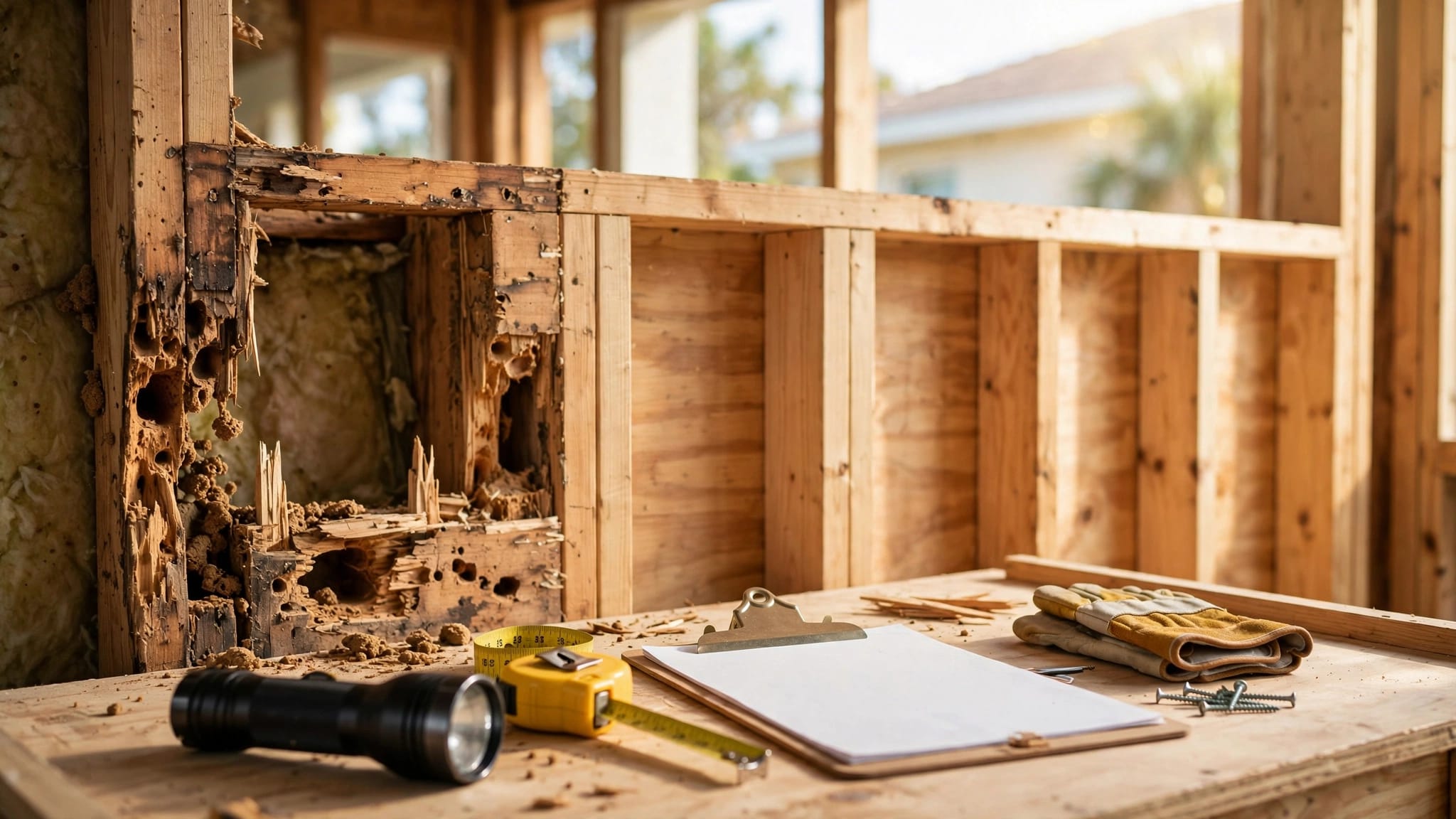
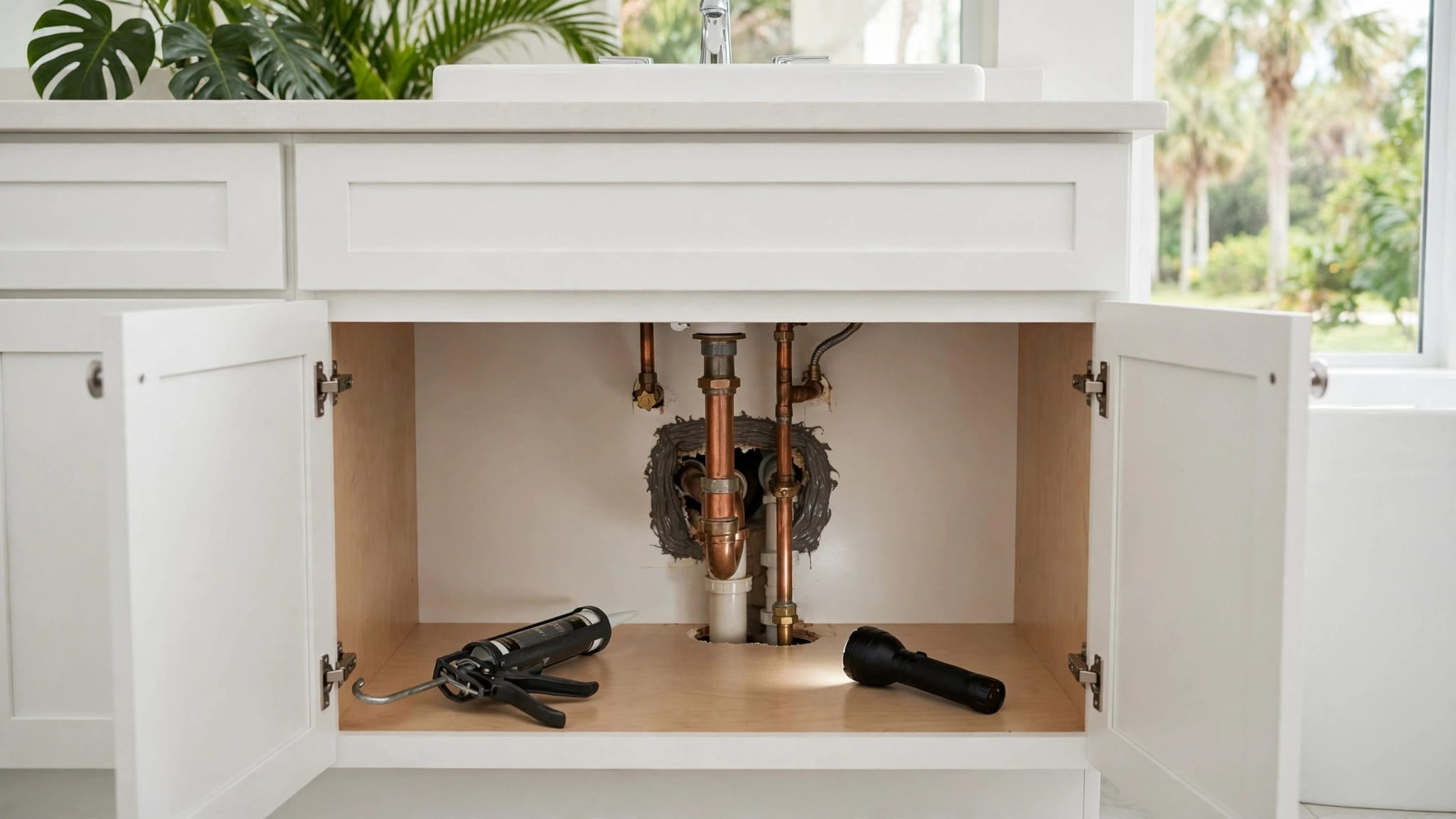
Unfinished buildings bring additional risks. Roof drains, open gutters, floor depressions, elevator pits, sump areas, and exposed plumbing features may collect water. Site staff should inspect accessible areas under the project's safety procedures, without entering an excavation or enclosed space without proper authorization.
A site can look dry at the end of a shift and still contain breeding water inside a tipped pallet, pipe, or equipment recess.
How construction site mosquito control starts with water management
Water management is the first layer of construction site mosquito control. Professional spraying cannot correct a bucket, trench, or blocked drain that keeps refilling after every storm.
The site plan should assign responsibility for removing standing water. That task can belong to a superintendent, foreman, cleanup crew, or subcontractor, but someone must own the inspection and correction process.
Remove small water sources before they become recurring problems
Crews should empty, cover, or store water-holding materials under shelter. Turn containers upside down when practical, secure tarps so they don't form pockets, and remove scrap that has no place in the active work plan.
Temporary materials deserve the same attention as permanent features. A stack of pipe may collect water at its ends, while a folded tarp can hold a pool in the middle. Store these items on a slope or under cover when the project schedule allows.
After a storm, remove water as soon as it is safe. Pumps, wet vacuums, hand tools, and approved dewatering methods may help with smaller areas. Larger excavations require coordination with the project's engineering and safety requirements.
The goal is source reduction , which means removing the places where mosquitoes reproduce. It lowers pressure across the site and makes any professional treatment more effective.
Keep drainage systems open and functional
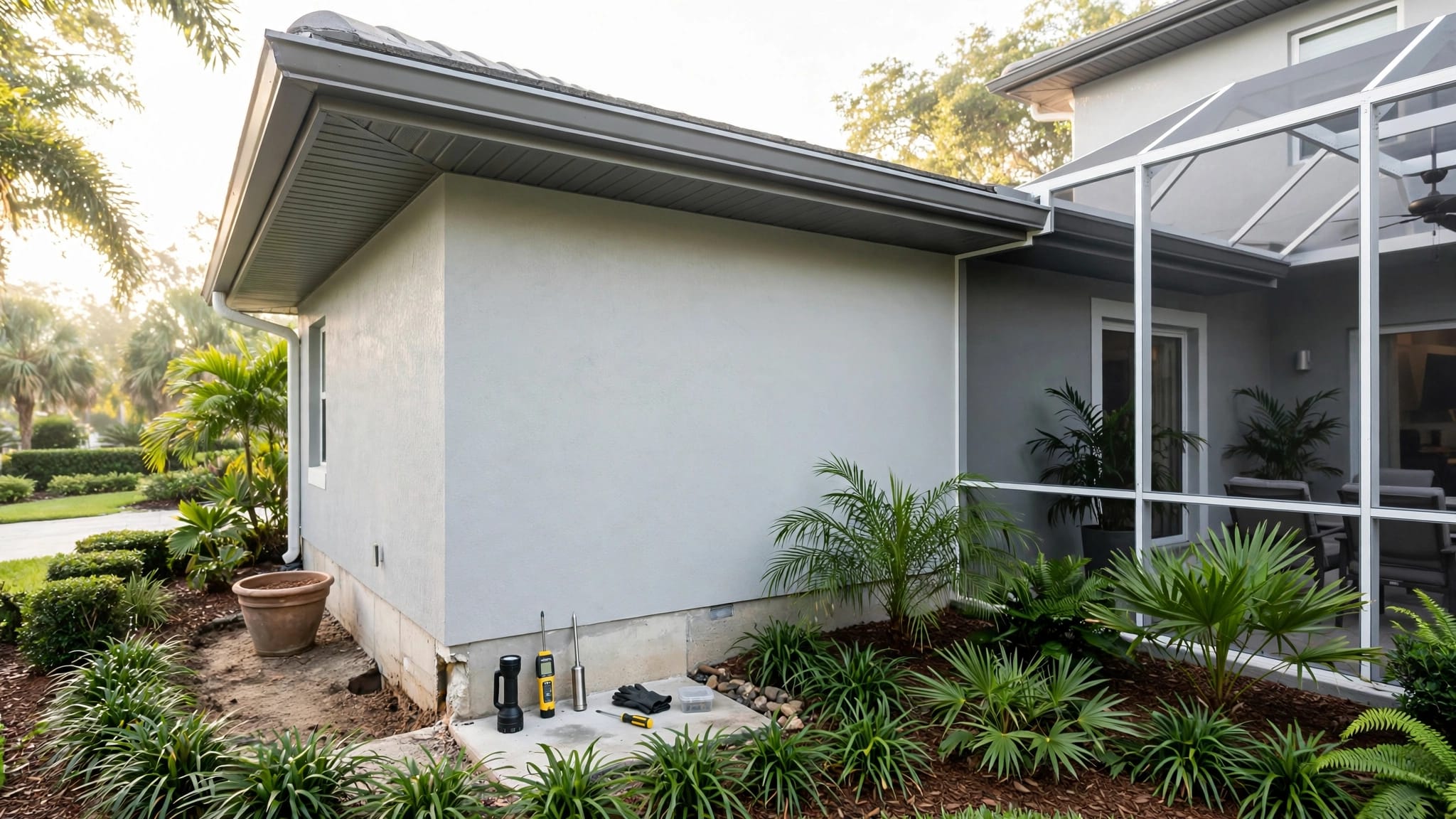
Stormwater controls need regular checks during every stage of construction. Inspect swales, inlet protection, temporary drains, culverts, catch basins, trench drains, and discharge points for sediment, leaves, plastic, and other debris.
Blocked outlets can create water that remains in place long after rainfall ends. Silt fences and erosion controls can also create low points where water gathers. Crews should maintain those controls according to the project's stormwater plan instead of moving water without approval.
Sites with catch basins may need closer attention because mosquito breeding can continue below the surface. See this guide to mosquito treatment for storm drains and catch basins for more detail about blocked outlets, sediment, and routine inspections.
Build inspections into the construction schedule
Mosquito checks work best when they become part of normal site management. Waiting for workers to report bites often means standing water has already remained in place for several days.
The inspection schedule should match the weather and the project's changing conditions. A site that has recently received rain needs a different level of attention than a dry, finished area.
Inspect after storms and after major site changes
A supervisor or assigned crew member should walk the property after heavy rainfall. Check low spots, excavations, equipment storage areas, temporary structures, material stacks, and drainage features.
Repeat the inspection after grading, trenching, concrete work, demolition, or delivery of new materials. Each change can create a new depression or introduce containers that were not present during the previous walk-through.
Record recurring locations with a photo, date, and short description. A simple log helps the team see whether a drainage correction worked or whether the same area needs a different solution.
Ruts and low spots deserve attention even when they appear outside the main work zone. Additional guidance on managing mosquitoes in irrigation ruts and hedges also applies to water that collects along site edges and access routes.
Use a practical construction-site checklist
Keep the checklist short enough for daily use, then expand it after storms or project changes.
- Walk accessible excavations, foundation areas, utility trenches, pool excavations, and grading low points.
- Empty or cover buckets, wheelbarrows, tires, tarps, drums, pipe sections, and other containers.
- Check equipment, trailers, pallets, and stored materials for hidden water.
- Inspect roof drains, unfinished gutters, floor depressions, pits, and protected areas.
- Clear safe-to-access debris from swales, drains, inlets, and catch basins.
- Confirm that pumps and approved discharge paths work as planned.
- Photograph and record water that returns after removal.
- Assign each correction to a crew member and set a completion time.
A checklist should lead to action, not paperwork alone. If water returns in the same location, report it to the superintendent and the appropriate trade so the underlying drainage issue receives attention.
When professional treatment belongs in the site plan
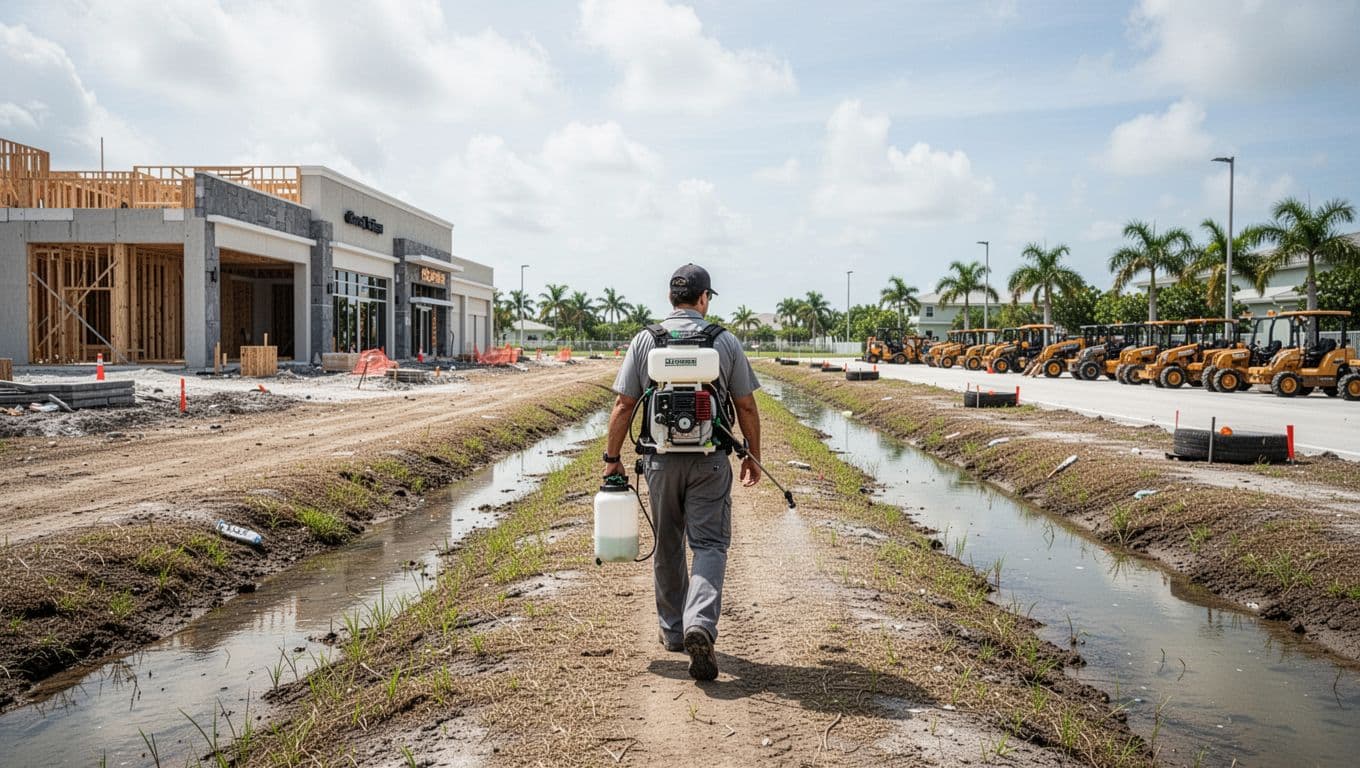
Water removal handles the breeding sources that the crew can reach. Licensed professional treatment helps when mosquitoes remain active, water cannot be removed, or the site has areas that workers cannot inspect easily.
A professional can evaluate the property, identify likely breeding and resting areas, and recommend treatment based on the site's current phase. That assessment matters because an open lot, a framed building, and a nearly finished commercial property have different access and safety concerns.
Use targeted treatment when water cannot be eliminated
Some standing water cannot be removed immediately. A deep excavation, retention feature, blocked municipal structure, or project-related drainage area may require another control measure while the site team works on a permanent correction.
A licensed provider may recommend a larvicide for suitable non-drainable water or a targeted adult mosquito treatment around resting areas and site perimeters. Products and application methods should match the label, site conditions, nearby waterways, and the project's safety procedures.
Treatment should cover the areas that need it, not every square foot of the property. A detailed inspection helps the provider avoid unnecessary applications and focus on shaded vegetation, site edges, drainage areas, and other places where mosquitoes gather.
Routine service may make sense during periods of repeated rain or intense outdoor activity. The schedule should change as the site dries, drainage improves, or construction creates new water sources.
Coordinate treatment with workers and subcontractors
Mosquito service needs to fit the daily work plan. Give the provider information about active work zones, access restrictions, stored materials, occupied structures, pets, nearby homes, and sensitive drainage features.
Before treatment, the contractor and service provider should agree on arrival times, treated areas, re-entry instructions, and any required precautions. Crew leaders can then notify workers and subcontractors without disrupting concrete work, deliveries, inspections, or equipment movement.
A dependable provider should document the service, explain what the crew needs to do before and after treatment, and identify conditions that could cause mosquitoes to return. Follow-up matters because a treatment visit cannot remove water that appears during the next storm.
Choosing a Cape Coral mosquito service for construction
Construction companies need a service plan that can adjust as the property changes. A single treatment may help with current adult mosquitoes, but recurring water sources usually require inspection and follow-up.
When comparing providers, look for clear communication, licensed technicians, site-specific recommendations, and a written description of the work. The service should support the construction schedule rather than operate as a disconnected visit.
Match the service to the project's current stage
An undeveloped lot may need attention around ruts, drainage paths, and containers. During foundation work, excavations and footings become more important. Later, the provider may need to inspect roof drains, landscaping, enclosed areas, and finished drainage features.
Ask how the service will handle new breeding areas after grading or storms. Also confirm whether the provider offers recurring inspections, documentation, and recommendations for water removal.
A company familiar with Cape Coral properties can discuss conditions that affect local sites, including heavy rainfall, low areas, stormwater features, and nearby residential activity. Local knowledge doesn't replace a site inspection, but it can help the provider ask better questions before arriving.
Ask for a clear scope and realistic pricing
The cost of commercial mosquito control depends on the site's size, access, treatment frequency, mosquito pressure, water sources, and project stage. A quote should identify whether it includes inspection, treatment, follow-up visits, documentation, or only a single application.
For broader budgeting context, review these details about mosquito treatment cost estimates in Cape Coral. Then ask the provider to explain which site conditions could change the price.
A good service plan won't promise that mosquitoes can never return. Instead, it should state what the crew will inspect, what the provider will treat, how often visits occur, and what happens after heavy rain.
Conclusion
Cape Coral construction sites need mosquito control that follows the water. Remove containers, correct drainage problems, inspect excavations and unfinished structures, and document areas that refill after storms.
Professional treatment adds support when water cannot be removed or mosquito activity remains high. Shield Home & Pest Control can help construction companies, site supervisors, and developers build a practical plan around the project's schedule, safety needs, and changing conditions. A clean inspection routine paired with targeted service gives your crew a better chance to keep mosquito pressure under control throughout construction.
Schedule a Free Inspection: